Tucked along Fir Street in Perry, Oklahoma, the Cherokee Strip Museum holds more secrets than most people realize. On the surface, it looks like a modest regional history museum, the kind you might pass without a second glance.
But once you walk through those doors and then wander the grounds out back, you start to piece together a story that is part frontier drama, part small-town mystery, and part living history lesson. From a reportedly haunted pioneer home to a one-room schoolhouse where kids still act out 1890s school days, this place earns every bit of its 4.6-star rating.
Cherokee Strip Museum: A Perry, Oklahoma Landmark Worth the Detour
Right off Interstate 35 in Perry, Oklahoma, the Cherokee Strip Museum at 2617 Fir St sits quietly beside a Braum’s, which is a detail that somehow makes the whole place more charming. Perry is a small town of roughly 5,000 people, and this museum punches well above its weight for a community that size.
The museum earns a solid 4.6 stars from 87 reviews, and that number tells a real story. Visitors consistently leave impressed not because the place is sprawling or flashy, but because what it does, it does with genuine care and craft.
The Cherokee Strip Land Run of 1893 was one of the largest land rushes in American history, with an estimated 100,000 settlers racing to claim land in the Cherokee Outlet. Perry itself was born from that single chaotic September afternoon.
Understanding that context makes every artifact inside the museum feel weightier, more personal, and more connected to the American story than you might expect from a roadside stop in north-central Oklahoma.
The Land Run Story Behind the Museum’s Existence
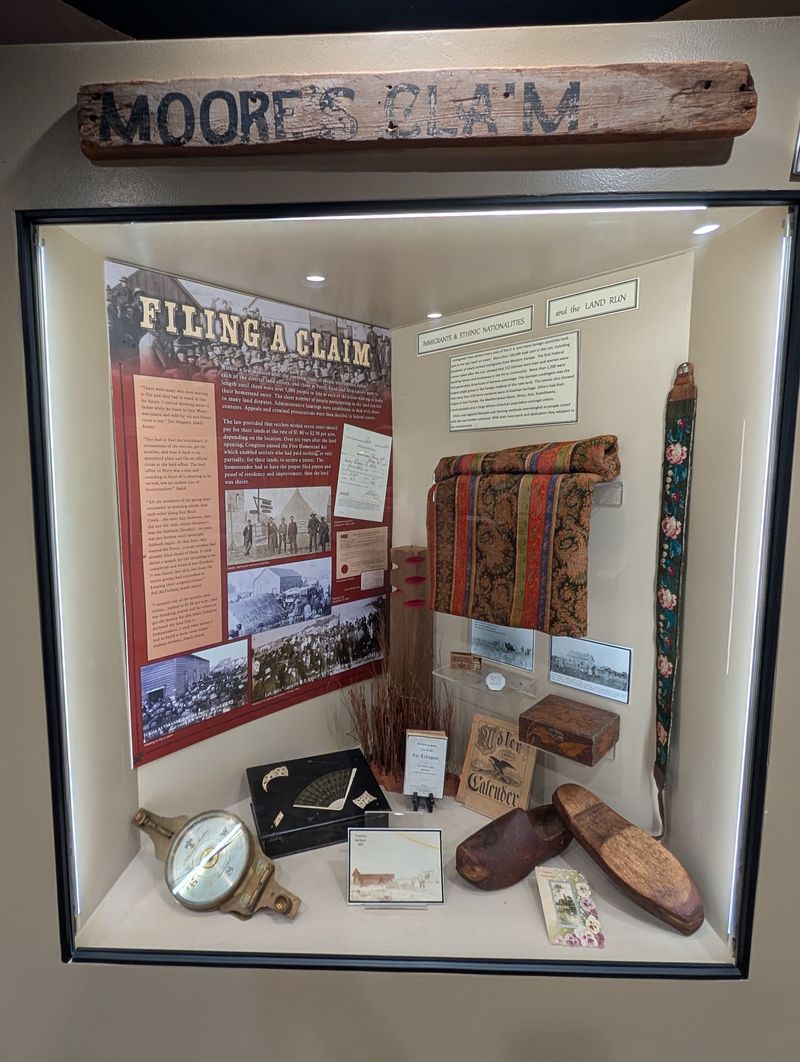
September 16, 1893 changed the Oklahoma landscape forever. On that single day, an estimated 100,000 people lined up along the borders of the Cherokee Outlet, a six-million-acre strip of land that had been purchased from the Cherokee Nation by the federal government.
When the starting gun fired at noon, the rush began.
Perry emerged almost overnight from that chaos, transforming from empty prairie into a tent city of 25,000 people within hours. The Cherokee Strip Museum exists specifically to document that wild, improbable moment and trace what happened to the community in the decades that followed.
Inside, a film walks visitors through the land run history in a way that makes the numbers feel human. The displays cover local industry, economy, and frontier life, giving context to the artifacts on the shelves.
Many people arrive knowing little about the Cherokee Strip and leave with a genuine appreciation for how the event shaped not just Perry, but the broader story of Oklahoma statehood. The museum treats this history with the respect it deserves.
The Main Museum Building and Its Curated Collections
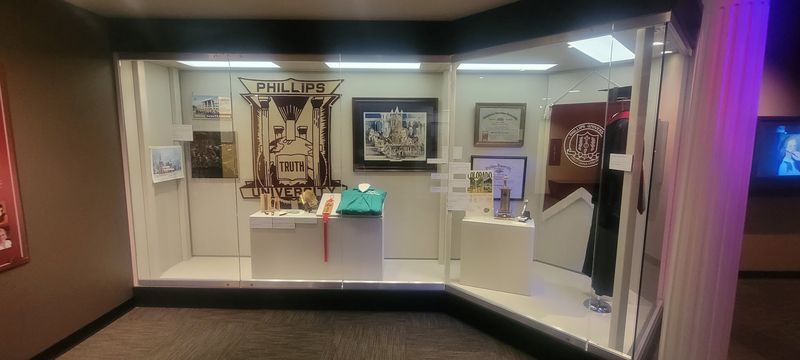
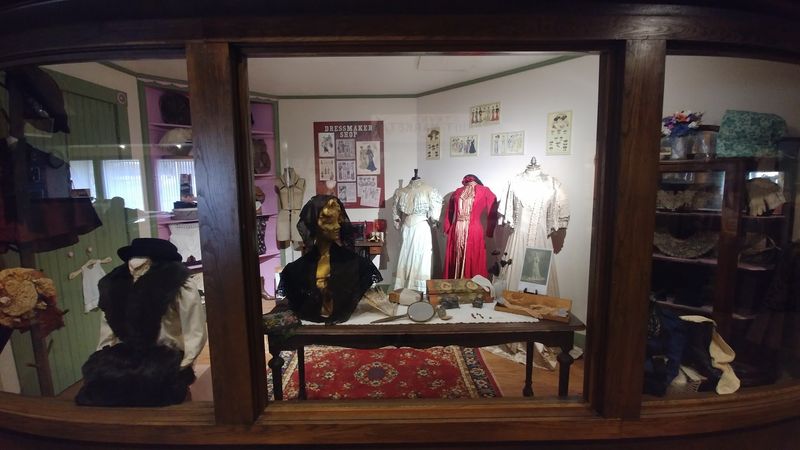
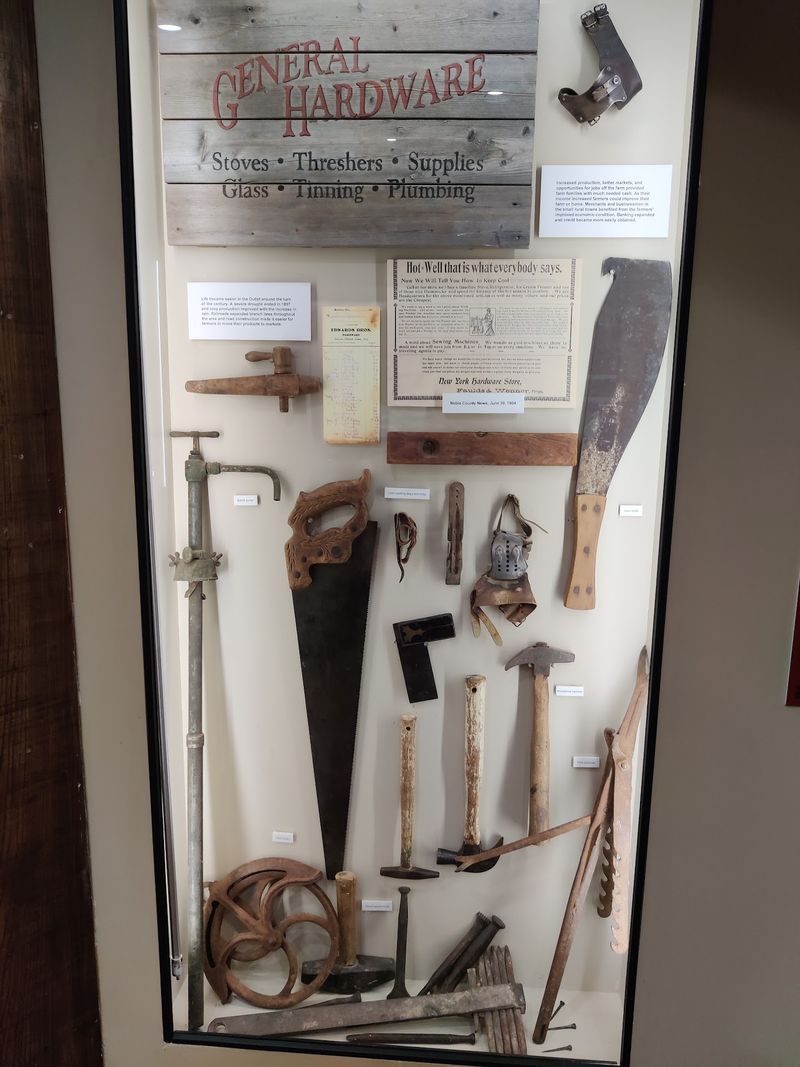
Compact but carefully arranged, the main museum building rewards slow walkers. The exhibits move through local history in a logical sequence, covering frontier settlement, early commerce, agriculture, and community development without ever feeling cluttered or rushed.
One display that surprises a lot of visitors is the Sonic exhibit. Yes, the fast-food chain Sonic Drive-In has roots connected to this region of Oklahoma, and seeing that piece of pop culture history sitting alongside pioneer artifacts creates an unexpectedly fun contrast.
The museum does not shy away from the full arc of local history, from sod houses to car hops.
Staff members are genuinely knowledgeable and willing to walk alongside visitors to explain pieces that might otherwise get overlooked. The gift shop earns specific praise from people who find most museum gift shops overpriced.
Here, items are reasonably priced, which feels like a small but meaningful gesture of goodwill toward the visitors who made the trip. Veterans receive free admission, which is another detail worth knowing before you plan your visit.
The Rose Hill Schoolhouse and Its Living History Program
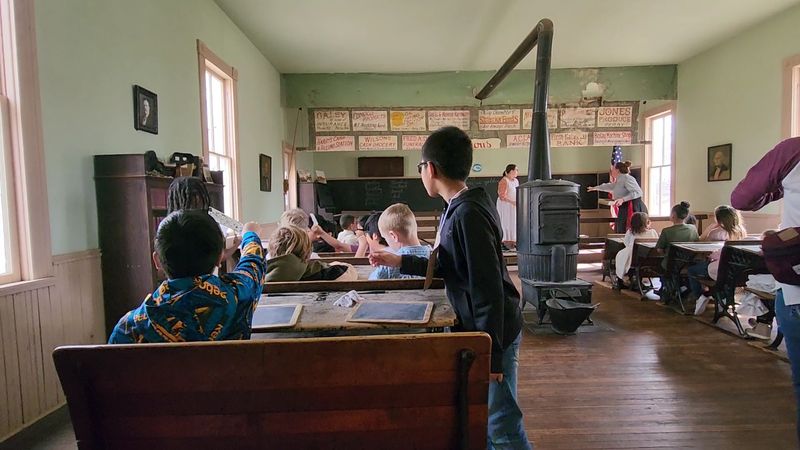
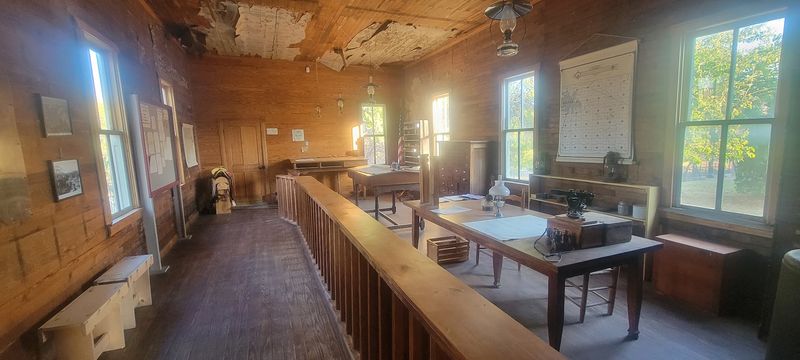
Of all the things on the museum grounds, the Rose Hill Schoolhouse generates the most enthusiasm from families who make the trip. Built to reflect an authentic 1890s one-room school experience, the structure sits on the museum property and serves as an active educational space, not just a static display.
Homeschool groups and school classes can book a mock school day where children aged roughly 8 to 13 participate in a structured lesson led by a knowledgeable instructor playing the role of a period schoolteacher. The experience covers classroom discipline, curriculum, and daily life as it existed for Oklahoma students more than a century ago.
Kids are expected to exhibit manners, which adds an entertaining layer of role-play to the whole affair.
The schoolteacher character brings genuine warmth and depth to the program. Families who have attended report that children remember the experience long after the visit.
For homeschool groups especially, this is the kind of hands-on history lesson that no textbook can replicate. Calling ahead to book the school program is strongly recommended, as availability varies by season.
The Outdoor Grounds: A Spread of History Under Open Sky
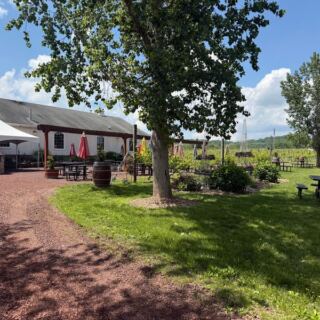
The outdoor section of the Cherokee Strip Museum is where the experience genuinely expands. Behind the main building, the grounds open up into a spread of historic structures and open lawn that feels more like a small heritage village than a typical museum yard.
A pioneer church, a frontier-era home, and original structures connected to the land run period are scattered across the property. Farming equipment and period machinery sit on display in the open air, giving visitors a tactile sense of what agricultural life looked like in early Oklahoma.
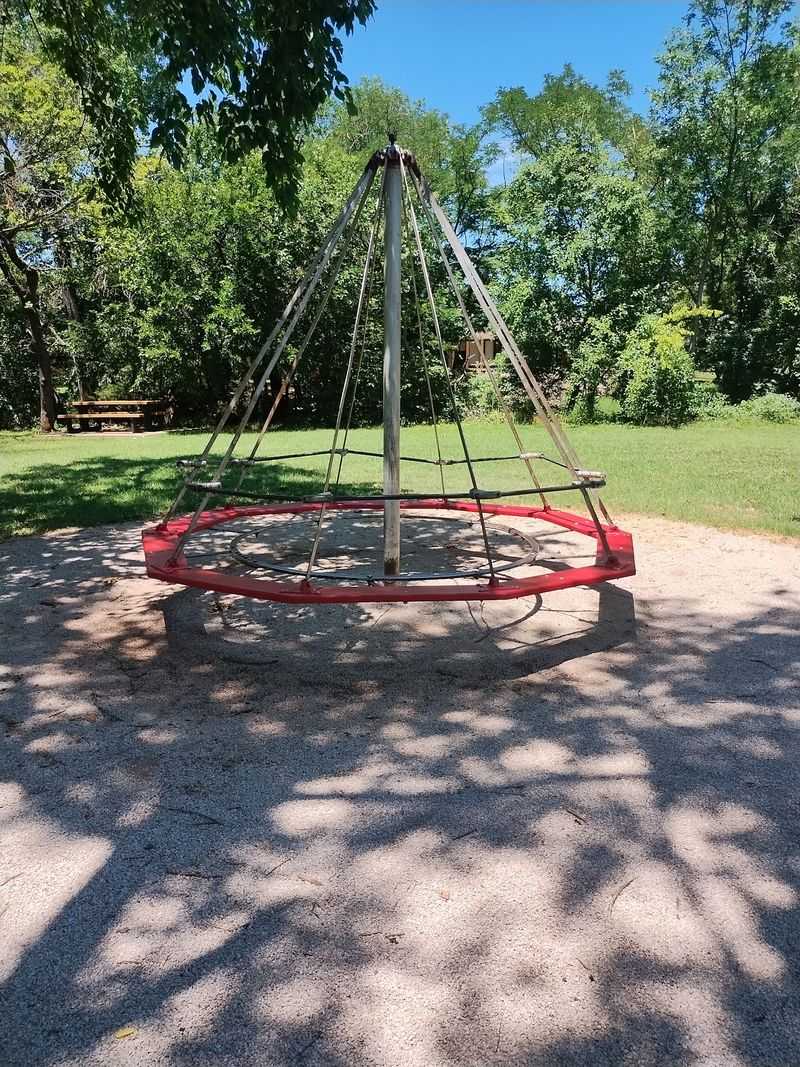
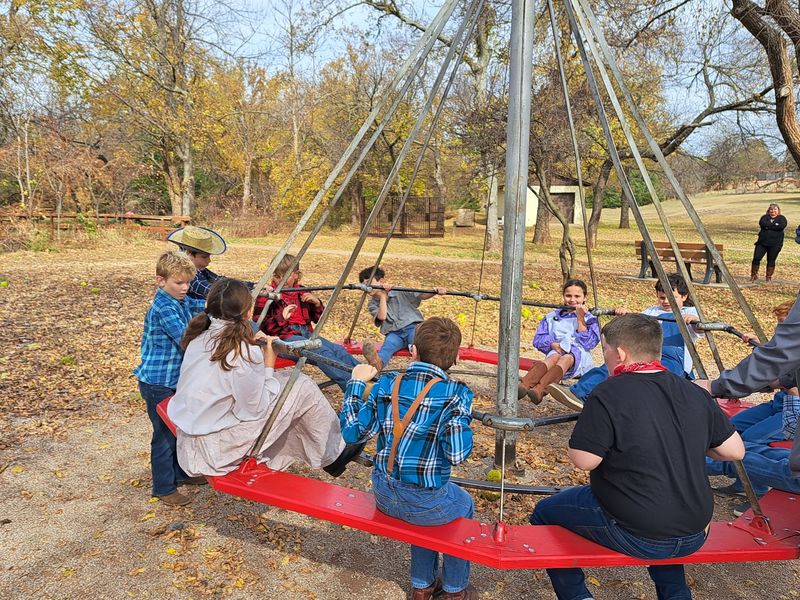
Old playground equipment from a much earlier era stands near the schoolhouse, and teenagers in particular seem to enjoy testing its limits.
The shaded area between the main museum building and the schoolhouse is genuinely lovely on a mild day. Families bring picnic lunches and spread out under the trees, letting children run freely while adults absorb the surroundings at a slower pace.
Even during times when the main building is closed, the outdoor grounds remain accessible for walking and exploration, making the property worth a stop in nearly any season.
The Pioneer Home That Visitors Suspect Is Haunted
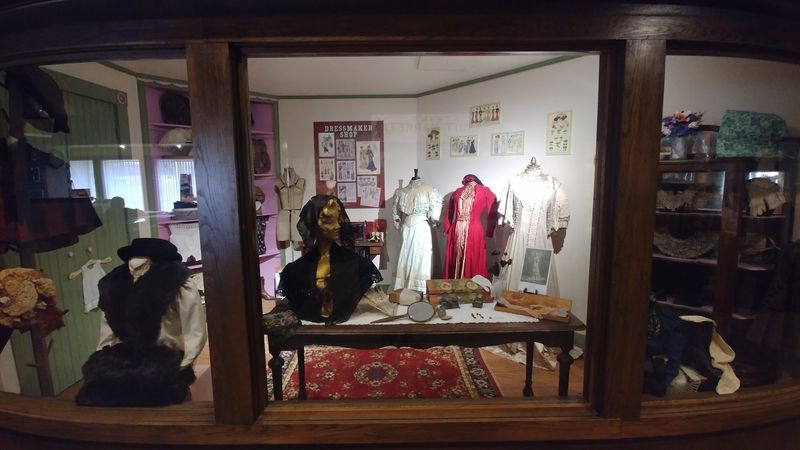
Among the historic structures on the museum grounds, one building draws a specific kind of attention. The old pioneer home on the property has earned a reputation among visitors who walk through it and come away with a feeling they cannot quite explain.
More than one person has noted, with a mix of humor and genuine unease, that the place feels haunted.
Nobody on staff is making official paranormal claims, and the museum is a reputable historical institution. But the atmosphere inside that particular structure has a quality that tends to linger.
Old homes carry the weight of the lives lived inside them, and a frontier-era dwelling in Oklahoma has likely seen more than a few difficult chapters.
Whether you believe in that kind of thing or not, the home is worth a walk-through simply for its architectural detail and period furnishings. The creaking floors and dim interior do their own atmospheric work without any help from imagination.
If the article title brought you here looking for eerie artifacts and unsettling spaces, this is the building that delivers most honestly on that promise. Plan to spend a few quiet minutes inside.
The Blacksmith Exhibition and Working Demonstrations
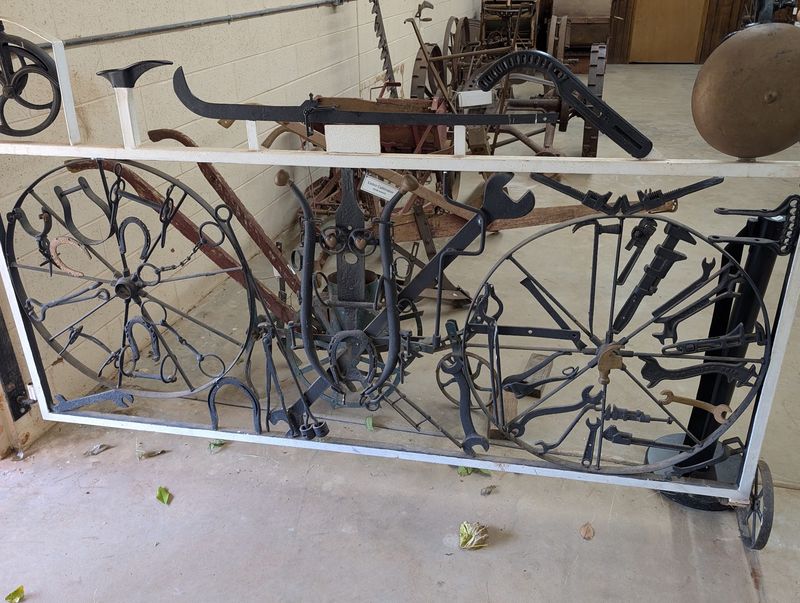
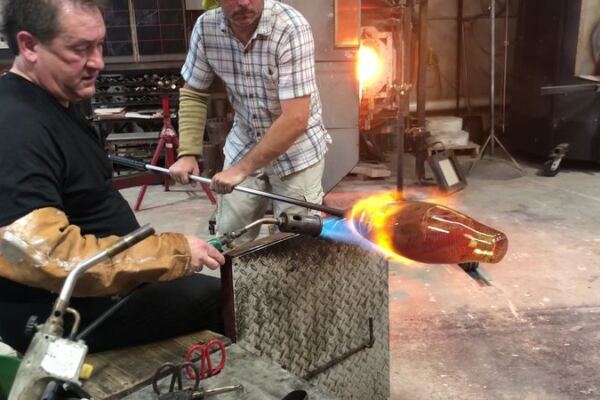
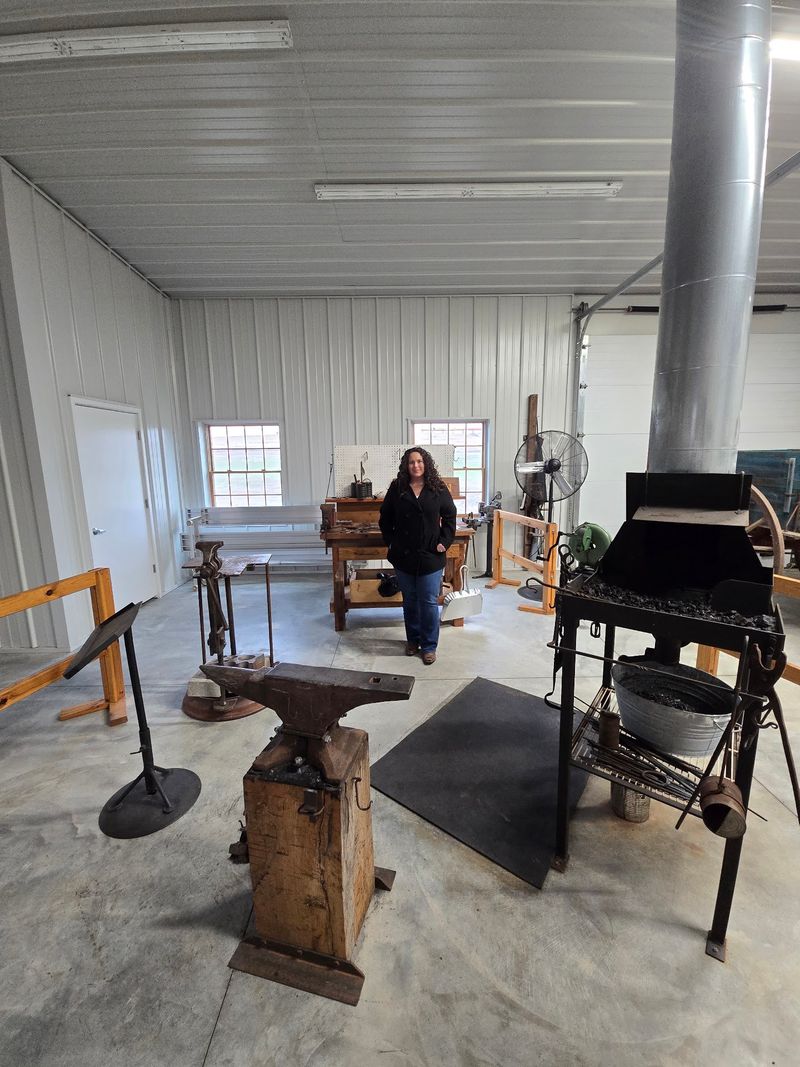
Adjacent to the schoolhouse, the museum property includes a blacksmith exhibition that adds a sensory dimension most history museums never attempt. When the blacksmith exhibit is active, visitors can watch traditional ironworking techniques performed live, complete with the heat, sound, and smell of a working forge.
This is not a static display of old tools behind glass. On demonstration days, the forge fires up and a working blacksmith shapes metal using period-appropriate methods, showing exactly how frontier communities produced and repaired the tools they depended on for survival.
It is the kind of exhibit that makes history feel immediate rather than distant.
The catch is that the blacksmith exhibit does not run on a fixed daily schedule. Visitors need to call the museum at 580-336-2405 or check the museum website at cherokee-strip-museum.org before visiting to confirm when demonstrations are planned.
Catching it in action is genuinely worth the extra step of checking ahead. For families with kids who find traditional museum displays too passive, a live blacksmithing demonstration tends to hold attention in a way that few other history experiences can match.
A Museum Built for Kids Without Talking Down to Adults
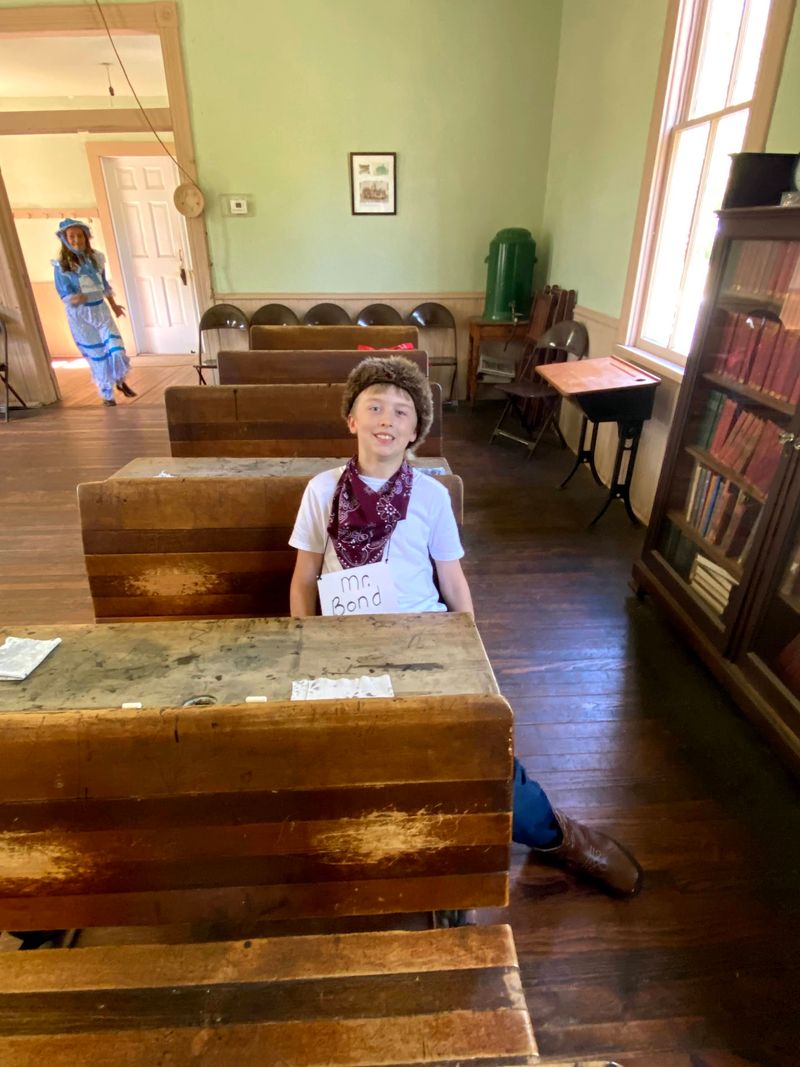
Family-friendly museums often make a quiet trade-off: they engage children at the expense of adult interest, turning exhibits into simplified cartoons of history. The Cherokee Strip Museum avoids that trap with some care.
The children’s area inside the main building gives younger visitors their own space to engage with the material, while the broader exhibit floor keeps adults genuinely absorbed. The Sonic exhibit, the land run film, the farming history displays, and the collections of local artifacts speak to multiple age groups without feeling dumbed down or over-produced.
Children as young as six have come away from visits having learned something concrete and memorable. Meanwhile, adults who grew up in Oklahoma often find the exhibits personally resonant, connecting family histories to the larger story on the walls.
The museum’s staff contributes significantly to this balance, adjusting their explanations and emphasis depending on who they are talking to. Groups from homeschool co-ops to senior history enthusiasts have all found value here, which is a harder balance to strike than it might appear from the outside.
The Atmosphere: Quiet, Genuine, and Surprisingly Immersive
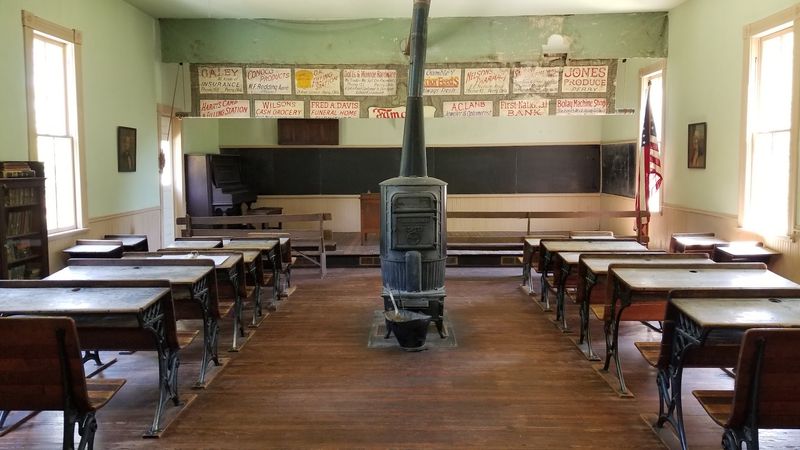
Museums can feel like obligation. The Cherokee Strip Museum feels like a conversation.
The pace inside is unhurried, the staff is approachable, and the scale of the place means you never feel overwhelmed by the volume of information being presented.
Part of what makes the atmosphere work is the specificity of the collection. Rather than trying to cover all of Oklahoma history or Native American history broadly, the museum stays focused on the Cherokee Strip, the land run, and the community of Perry.
That editorial restraint gives every exhibit more weight and keeps visitors from experiencing the glazed-eye fatigue that hits in larger institutions.
The outdoor grounds add a different kind of atmosphere entirely. On a clear day, sitting under the trees between the museum and the schoolhouse with the sounds of children playing on the old merry-go-round, the place feels genuinely alive.
History museums can sometimes feel like they are preserving something dead. This one manages to feel like it is keeping something breathing.
That quality is harder to manufacture than any exhibit, and the Cherokee Strip Museum comes by it honestly.
The Sonic Drive-In Connection and Other Surprising Exhibits
Not every artifact at the Cherokee Strip Museum comes from the 1890s frontier. One of the more unexpected delights tucked inside the main building is an exhibit connected to Sonic Drive-In, the fast-food chain that became a cultural fixture across America’s heartland.
Troy Smith, who founded Sonic, had Oklahoma roots, and the chain’s story is woven into the broader narrative of how small towns in this region built their commercial identities through the mid-twentieth century. Seeing that history displayed alongside pioneer artifacts and land run documents creates a genuinely interesting timeline, one that stretches from covered wagons to carhops without losing the thread of community identity.
Younger visitors tend to light up at the Sonic display in a way that connects them to the rest of the museum’s story. When a six-year-old recognizes something familiar on the wall and starts asking questions about how it got there, the museum has done its job.
That moment of recognition, where the present touches the past, is exactly what good local history museums are designed to create. The Cherokee Strip Museum earns that moment more than once during a typical visit.
Practical Visitor Information: Hours, Admission, and Getting There
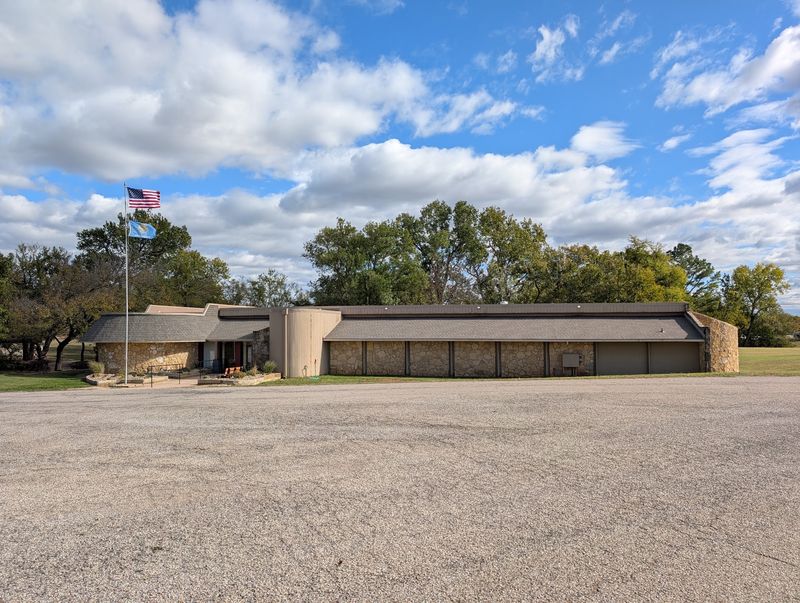
The Cherokee Strip Museum is open Tuesday through Friday from 9 AM to 5 PM and on Saturdays from 10 AM to 4 PM. The museum is closed on Sundays and Mondays, so planning around those days is essential.
A handful of visitor accounts mention arriving and finding the museum unexpectedly closed, so calling ahead at 580-336-2405 or checking the website at cherokee-strip-museum.org before making the drive is a genuinely good idea.
The museum sits at 2617 Fir St in Perry, Oklahoma, just off Interstate 35, which makes it a natural and convenient stop for road trippers moving between Oklahoma City and Wichita. The parking area is accessible and the grounds are easy to navigate on foot.
Veterans receive free admission, which is a policy worth knowing about and worth appreciating. The gift shop is reasonably priced by any standard, offering a refreshing contrast to the overpriced merchandise found at larger attractions.
Groups, especially school and homeschool organizations, should contact the museum in advance to arrange the Rose Hill Schoolhouse program or to confirm when the blacksmith demonstration will be running. Spontaneous visits are welcome, but a little planning rewards you significantly.
Who Will Love This Museum Most
Certain places have a clear audience, and the Cherokee Strip Museum is one of them. Families with school-age children are the most obvious fit.
The combination of the main museum, the Rose Hill Schoolhouse program, the outdoor grounds, the old playground equipment, and the picnic space makes for a full half-day that children actually enjoy rather than merely tolerate.
History enthusiasts with a specific interest in the American frontier, Oklahoma statehood, or the land run era will find the museum’s focused collection genuinely satisfying. The exhibits do not try to cover everything, which means what they do cover gets treated with depth and care.
Road trippers on Interstate 35 represent another natural audience. The museum is easy to reach, the visit takes two to three hours at a comfortable pace, and the outdoor grounds offer a pleasant place to stretch after a long drive.
Teachers and homeschool co-op organizers should put this on their annual calendar without hesitation. The Rose Hill Schoolhouse program alone justifies the trip for any group working through Oklahoma or frontier American history, and the broader museum context makes the lesson land even harder.
A Final Word on Why Perry’s Little Museum Deserves More Attention
Small museums carry a specific kind of cultural weight that larger institutions sometimes lose. They are accountable to a community in a way that national museums are not.
Every artifact on the shelf belongs to someone’s family story, and the people behind the desk often know those stories personally. The Cherokee Strip Museum operates on exactly that scale.
With a 4.6-star rating built from 87 genuine reviews, the museum has quietly earned a reputation that reflects consistent quality rather than viral hype. People come back, bring their students multiple times, and recommend it without reservation to friends passing through on I-35.
The eerie pioneer home, the self-possessed schoolteacher at Rose Hill, the blacksmith’s forge, the Sonic exhibit, and the land run film all add up to something more cohesive than the sum of their parts. Perry, Oklahoma is a small town with a genuinely outsized history, and this museum tells that history with honesty, warmth, and a few unexpected surprises along the way.
If your route takes you anywhere near north-central Oklahoma, the detour is worth every mile.
Share this story