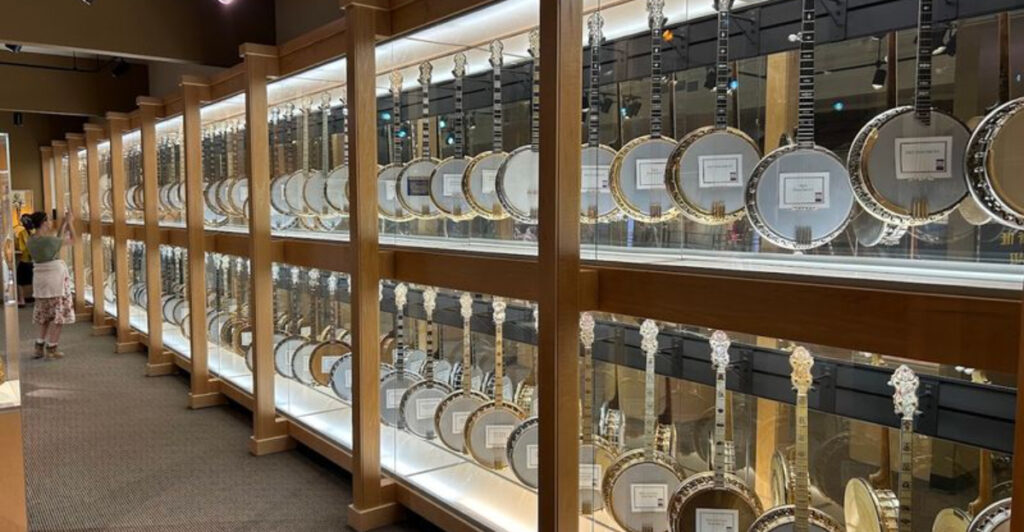
There is a place in Oklahoma City where hundreds of banjos line the walls, each one telling a piece of American history that most people have never heard. The collection spans nearly 200 years, from handcrafted 1800s instruments to modern showpieces decorated with stunning woodwork and metalwork.
What started as a passion project has grown into the only museum of its kind in the world, drawing music lovers, history buffs, and curious visitors from across the country. Whether you have ever touched a banjo or just want to see something truly one of a kind, this place will surprise you in the best possible way.
Where the World’s Largest Public Banjo Collection Lives
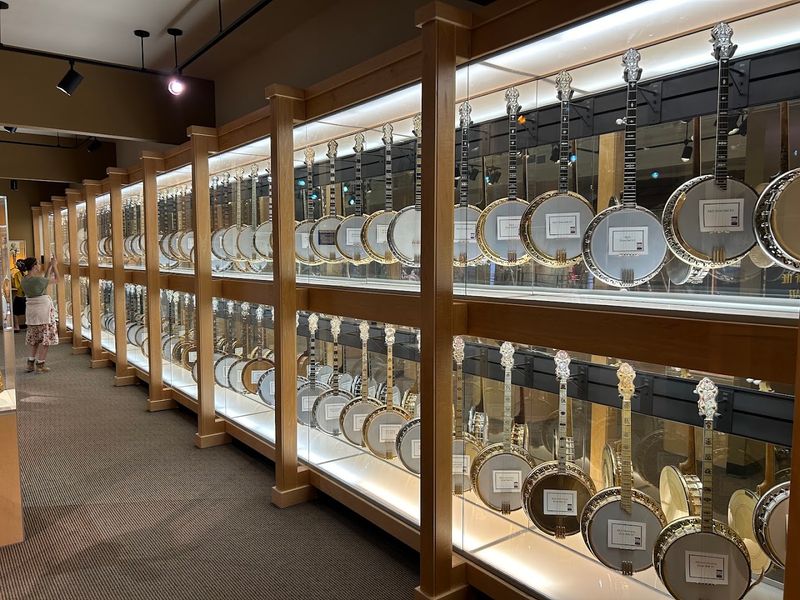
Right in the heart of Oklahoma City’s Bricktown entertainment district, the American Banjo Museum sits at 9 E Sheridan Ave, Oklahoma City, OK 73104, a spot that most people walk past without realizing what is waiting inside.
The address puts it within easy walking distance of restaurants, shops, and other attractions, making it a natural stop during a day out in the city.
The museum is open Tuesday through Saturday from 11 AM to 6 PM and on Sunday from 12 to 5 PM, with Monday being the one day it stays closed.
General admission is just $8 per person, with senior and military discounts available, which makes it one of the most affordable museum experiences in the state.
You can reach them at +1 405-604-2793 or visit their website at americanbanjomuseum.com for event updates and special programming details.
The building itself is compact from the outside, but once you step through the front doors, the sheer volume of instruments on display makes the space feel much larger than expected, setting the tone for everything that follows.
A Collection That Spans Nearly 200 Years of History
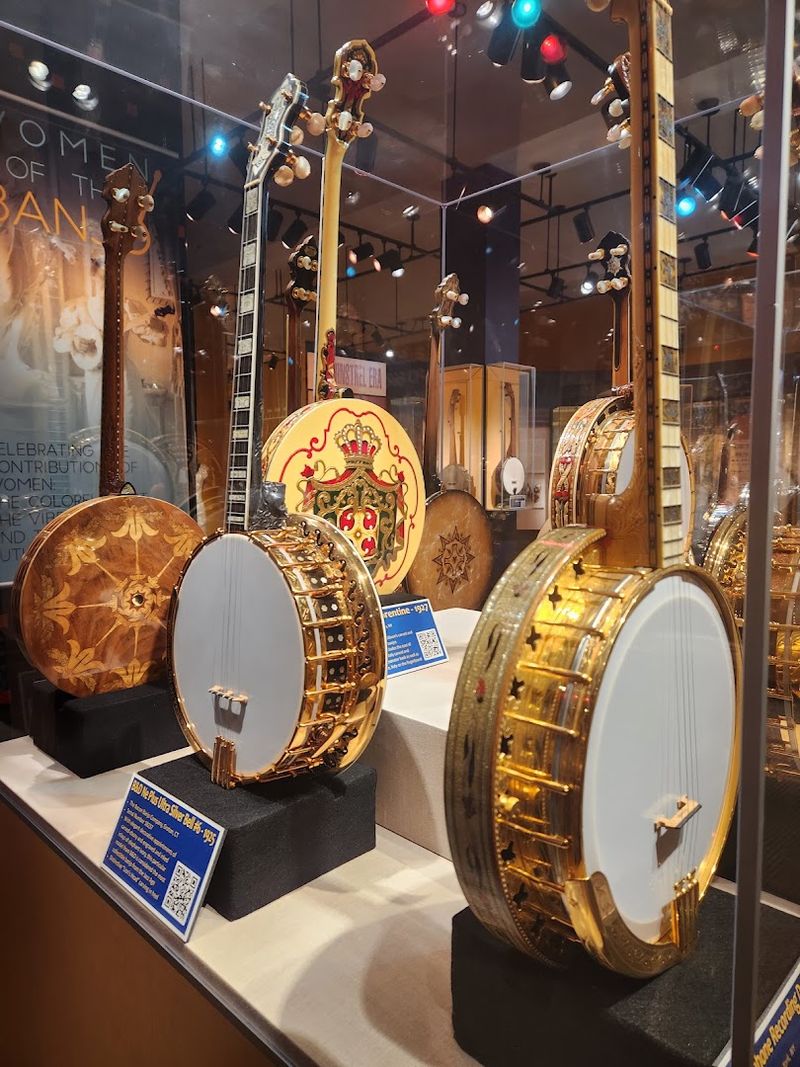
Few collections anywhere in the world can claim the depth and range that this museum has assembled across its two floors of exhibits.
The banjos on display stretch from the mid-1800s all the way through the early 2000s, giving visitors a clear visual timeline of how the instrument evolved in both design and cultural meaning over generations.
Each banjo comes with a written description and a QR code that links to additional information, so curious visitors can learn as much or as little as they want about any individual piece.
The craftsmanship on display is genuinely striking. Many of the instruments feature intricate inlays, engraved metalwork, and hand-carved details that make them look more like sculptures than playable instruments.
The collection covers a wide range of banjo styles, including four-string, five-string, tenor, and plectrum versions, reflecting the instrument’s presence in jazz, folk, country, and classic American music traditions.
For anyone who assumed banjos were simple or one-dimensional instruments, spending an hour walking through these exhibits quickly reshapes that idea into something far more layered and fascinating.
The Roots of the Banjo and Its African Origins
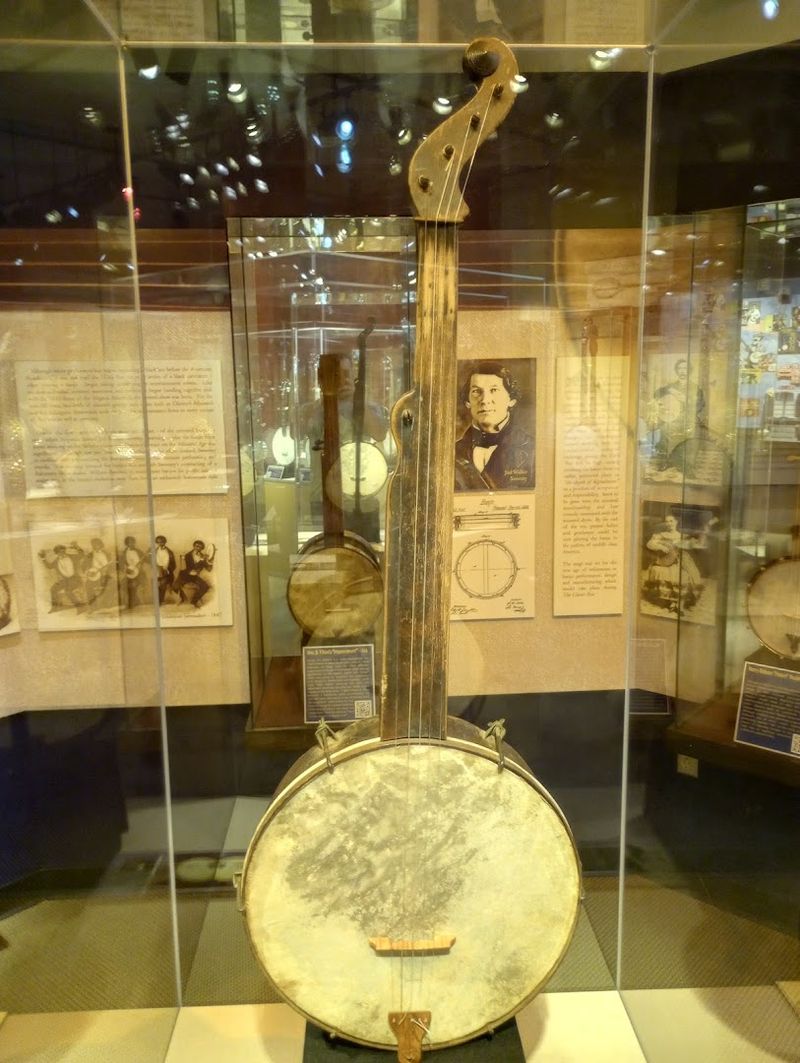
One of the most eye-opening parts of the museum is the section dedicated to the banjo’s origins, which traces the instrument back to West Africa long before it became associated with American folk and country music.
Early African stringed instruments brought to the Americas by enslaved people are widely recognized as the direct ancestors of the modern banjo, and the museum presents this history with care and context.
The exhibits explain how the instrument moved through different communities and musical traditions over centuries, picking up new techniques, styles, and cultural meanings along the way.
This part of the collection includes some of the oldest examples in the museum, with instruments that look noticeably different from the polished factory-made banjos that came later in the timeline.
The storytelling here is handled with enough detail to be genuinely educational without feeling like a textbook, and the visual displays make the historical connections easy to follow even for younger visitors.
Understanding where the banjo actually came from adds a whole new layer of meaning to everything else in the building, and it is one of the sections that tends to stick with visitors the longest after they leave.
The Second Floor and the Age of Famous Pickers
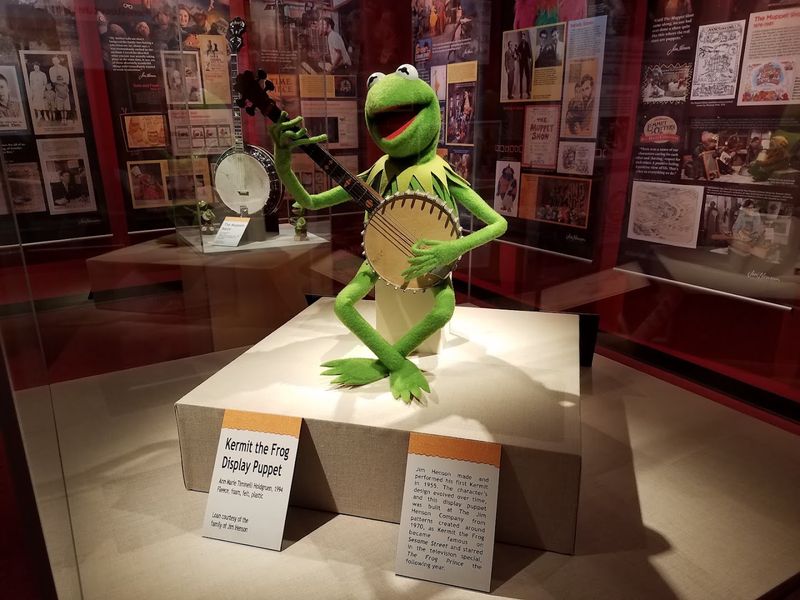
The museum is built across two levels, and the experience shifts noticeably when you head upstairs to the second floor, where the focus moves from historical instruments to the famous musicians who made the banjo a household sound.
Video screens play performances and interviews throughout this section, giving the space a livelier, more dynamic feel compared to the quieter historical exhibits downstairs.
Displays here highlight well-known banjo players from different eras and genres, connecting the instrument’s evolution to specific moments in American musical culture.
One of the more talked-about exhibits on this floor features Kermit the Frog’s banjo from the original Muppet Movie, a piece that has become a genuine crowd favorite and a fun surprise for visitors who were not expecting it.
The staff on this floor tend to be especially enthusiastic about sharing stories behind the exhibits, and a conversation with one of them can easily add another thirty minutes to your visit in the best way.
The second floor does a good job of showing that the banjo never really faded from popular culture; it just kept reinventing itself across different musical movements and generations of players.
The Room Where You Can Actually Play
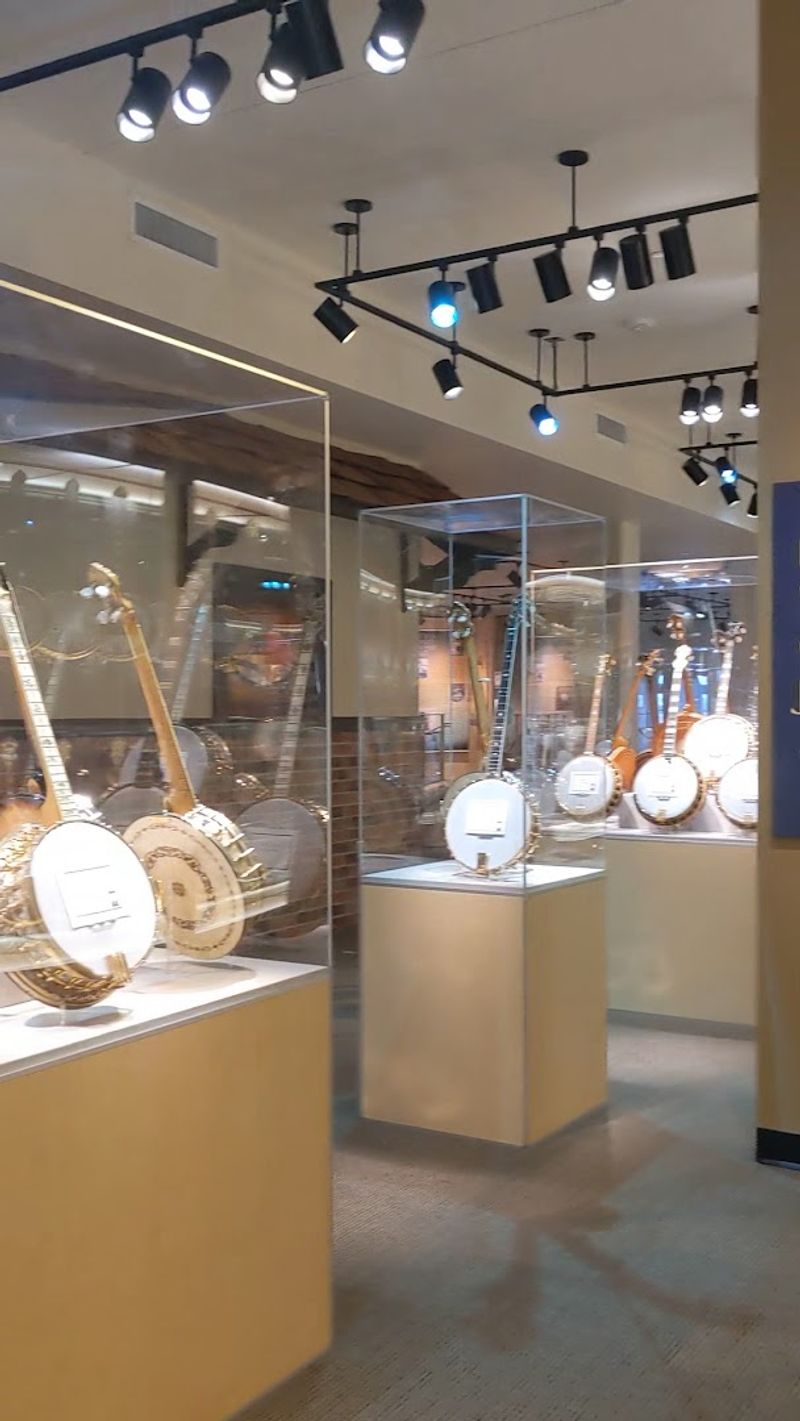
Not many museums let you get your hands on the exhibits, which is exactly what makes the playable instrument room one of the most popular spots in the building.
The museum has set aside a dedicated space where visitors can sit down and try several different styles of banjos, from basic five-string versions to tenor models that feel quite different under the fingers.
The room is set up in a relaxed, comfortable way that encourages people to take their time, and there is no pressure to perform or impress anyone.
For first-timers, the experience of actually holding and plucking a banjo tends to spark a genuine appreciation for how much skill goes into playing one well, especially after seeing so many beautifully crafted instruments in the exhibits.
The museum also offers lessons, so if the playable room sparks a real interest, there is a clear next step available right there on site.
Banjo players who visit can also get added to the museum’s official banjo player directory for free, a small but meaningful perk that connects them to a broader community of enthusiasts from around the country.
The Women of the Banjo: A Section Worth Slowing Down For
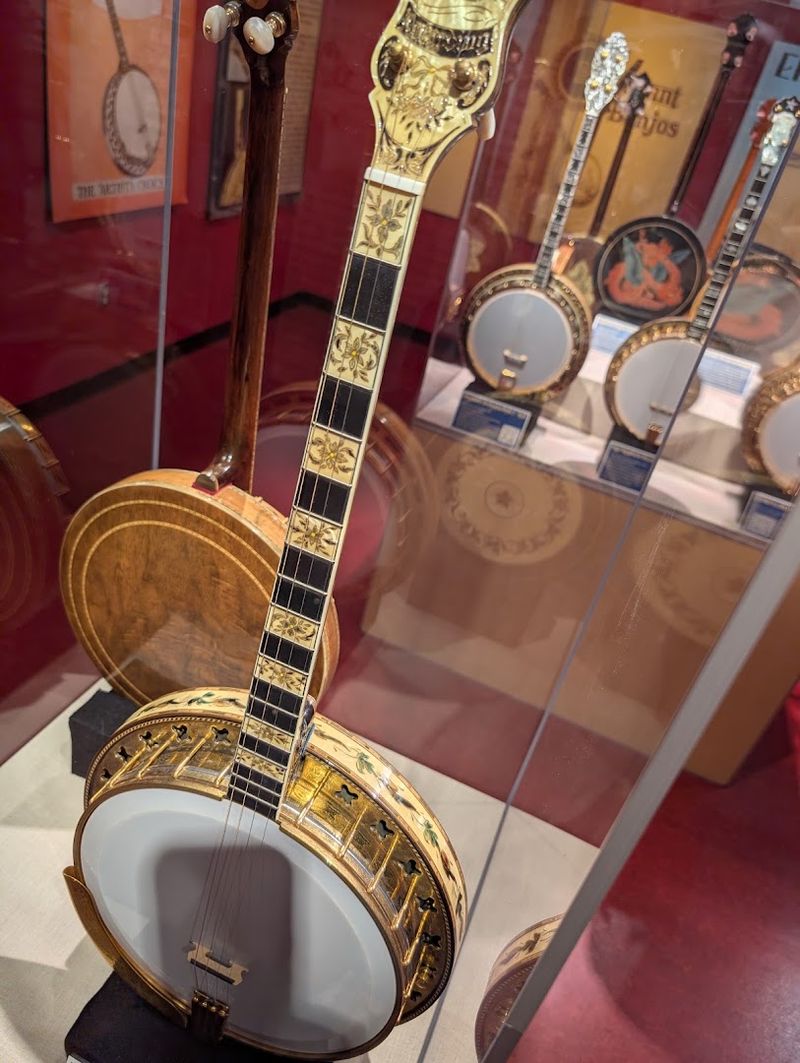
Tucked within the broader collection is a dedicated section honoring women banjo players, a part of the museum that tends to catch visitors off guard in the most pleasant way.
The banjo’s history is often told through the lens of male musicians, so seeing a focused exhibit on women who played and shaped the instrument’s development adds a dimension that feels both overdue and genuinely enriching.
The display covers players from different eras, highlighting their contributions to folk, country, and classic American music in ways that the mainstream historical record has sometimes overlooked.
The photographs and instruments in this section are accompanied by detailed descriptions that give each featured player a real sense of identity rather than just a name and a date.
For younger visitors, especially girls with an interest in music, this part of the museum offers something concrete and inspiring to connect with.
The care that went into assembling this section reflects the museum’s broader approach to telling the banjo’s story from multiple cultural and social angles, rather than sticking to a single, narrow version of events that leaves important voices out.
The First Wednesday Brown Bag Lunch and Free Show
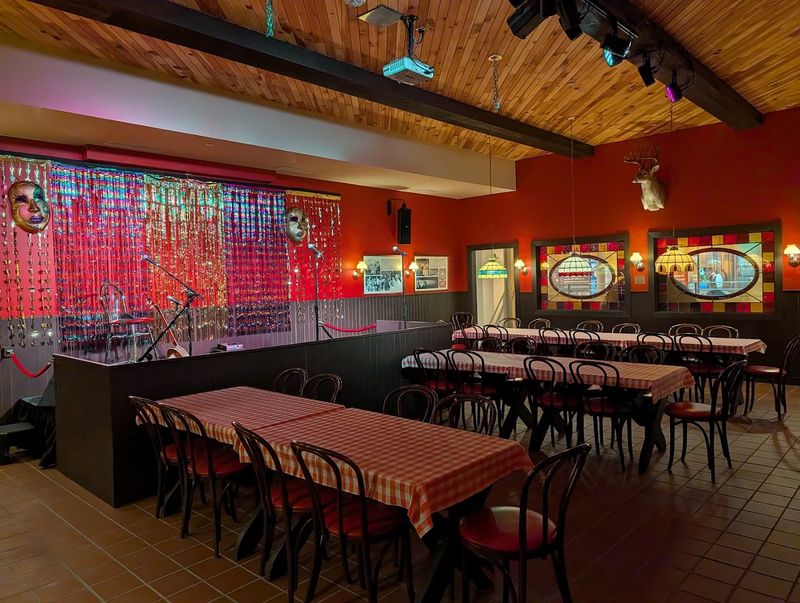
One of the best-kept secrets about the American Banjo Museum is what happens on the first Wednesday of every month, when the museum hosts a brown bag lunch event that comes with a free show and free admission.
The format is simple: bring your own lunch, show up at the museum, and enjoy an hour-long live performance that is welcoming for all ages, including young kids.
After the show wraps up, guests are free to explore the full museum at no charge, which makes the whole afternoon essentially free with a little planning.
The performances tend to feature live banjo playing in an intimate setting, and the casual atmosphere makes it feel more like a community gathering than a formal event.
Regular admission on non-event days is $8 per person, so catching the first Wednesday event is a genuinely great deal for families, students, or anyone who wants to experience the museum without spending much.
The event draws a mix of regulars and first-time visitors, and the friendly crowd adds to the sense that this museum is less a formal institution and more a living, active part of Oklahoma City’s cultural calendar.
The Gift Shop and Souvenirs Worth Bringing Home
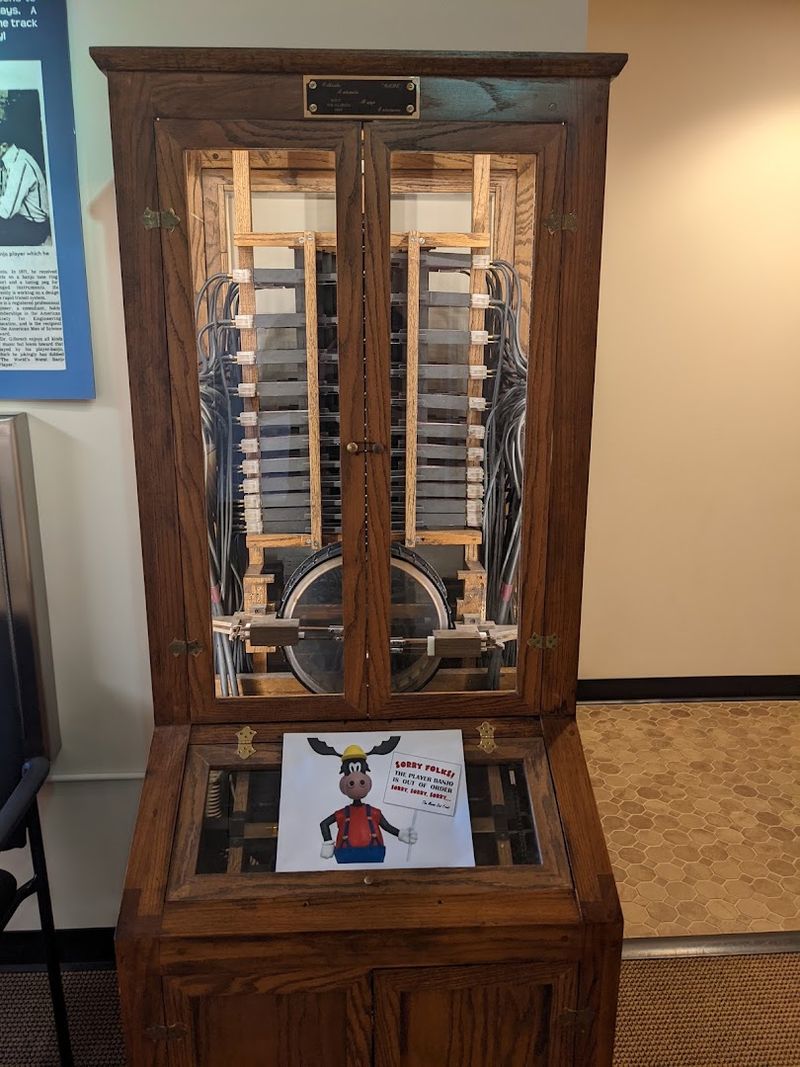
After working through two floors of exhibits, the gift shop near the exit offers a satisfying final stop that goes well beyond the usual postcard-and-magnet selection.
The shop carries a range of banjo-related merchandise, including books on the instrument’s history, recordings by notable players, and items that work equally well as personal keepsakes or gifts for people back home.
For musicians, there are accessories and smaller items that are genuinely useful rather than purely decorative, which makes the shop feel curated rather than generic.
The staff at the front counter bring the same warmth and enthusiasm to the gift shop area as they do throughout the rest of the museum, and a quick conversation with them often leads to a recommendation you would not have found on your own.
The prices in the shop are reasonable and in line with what you would expect from a nonprofit cultural institution, so there is no sticker shock waiting at the register.
Picking up something from the gift shop also supports the museum directly, which feels like a good way to close out a visit that was already a strong value from the moment you paid admission at the door.
The Banjo’s Journey Through Jazz, Folk, and Country
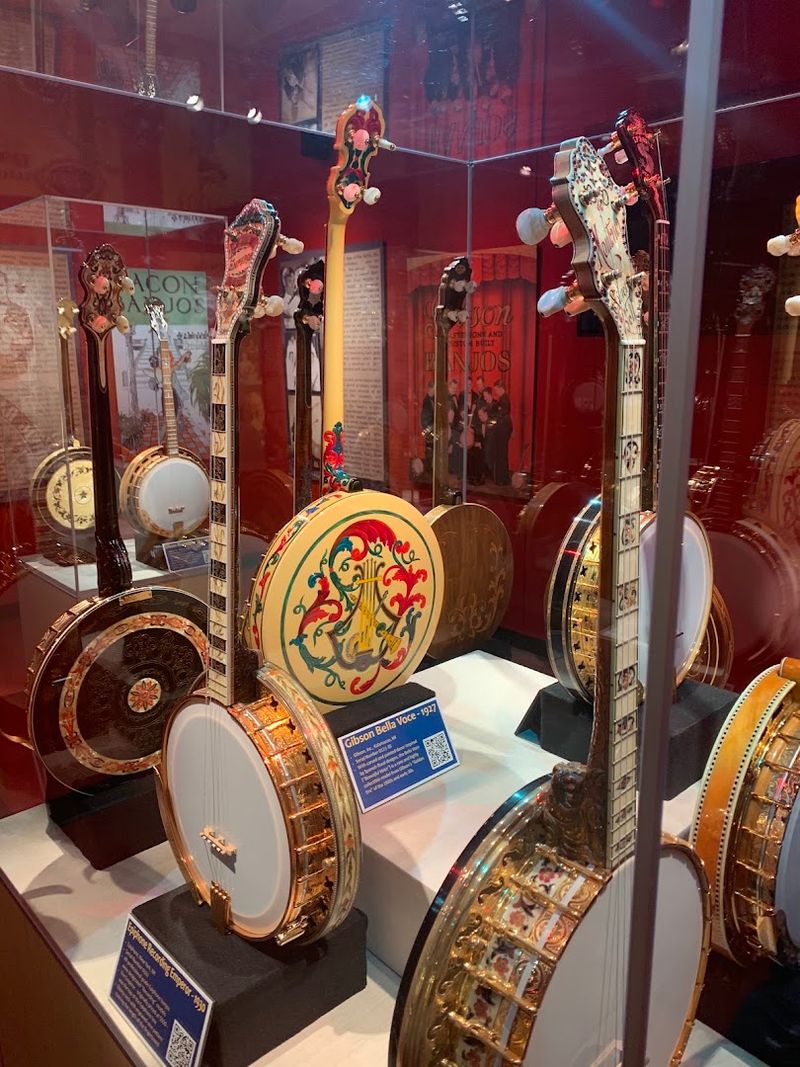
One of the more nuanced threads running through the entire museum is the way it tracks the banjo’s shifting role across multiple American music genres over roughly two centuries.
The instrument was central to early jazz ensembles before the guitar gradually took over that role in the 1930s, and the exhibits explain that transition clearly without making it feel like a story of decline.
In folk music, the banjo found a second major wave of popularity during the mid-20th century revival, when musicians used it to connect contemporary audiences with older American musical traditions.
Country music brought yet another chapter, with the five-string banjo becoming one of the defining sounds of bluegrass, a genre that built an entire cultural identity around the instrument’s bright, driving tone.
The museum does not treat any one genre as more important than the others, which gives the whole collection a balanced quality that respects the banjo’s broad cultural reach.
Seeing these different chapters laid out in sequence makes it clear that the banjo has always been more adaptable and culturally significant than its reputation in popular jokes and stereotypes would ever suggest.
Why This Museum Belongs on Every OKC Itinerary
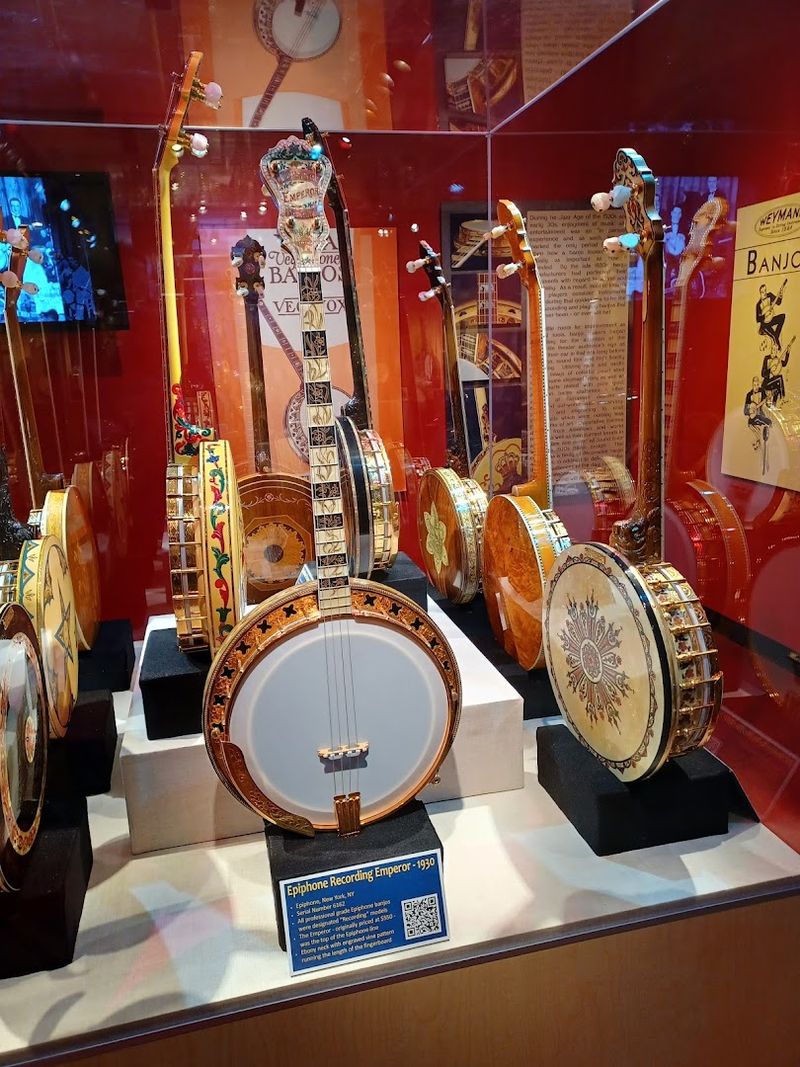
A 4.8-star rating across more than 450 reviews is not something a museum earns by accident, and the American Banjo Museum backs up that reputation at every turn.
The combination of low admission cost, genuinely impressive exhibits, friendly staff, and hands-on opportunities makes it one of the most complete museum experiences available in Oklahoma City for the price.
Families with kids as young as eight have found it engaging, while visitors in their eighties have called it a highlight of their trip, which says something real about how broadly accessible the museum has made its content.
The building is easy to reach in the Bricktown area, and a visit fits comfortably into a couple of hours without feeling rushed, though many people end up staying longer than they planned.
The museum also functions as a genuinely educational experience, covering American history, cultural exchange, and musical evolution in ways that connect naturally to school curricula and broader historical interests.
By the time you walk back out onto Sheridan Avenue, the banjo will mean something different to you than it did when you arrived, and that shift in perspective is exactly what the best museums are built to create.
Share this story