Oklahoma has a way of surprising people, and few places do it quite as powerfully as a certain museum sitting quietly along the Oklahoma River. This is not your average history lesson behind glass cases.
The building itself curves and sweeps like something nature designed, and the stories inside belong to 39 tribal nations whose voices have shaped this land for thousands of years. I walked in expecting a few hours of reading placards and walked out feeling like I had genuinely learned something worth knowing.
If you have ever wanted to understand what Oklahoma’s history really looks like from the inside out, keep reading, because this place is worth every minute.
A Museum Built on Sacred Ground
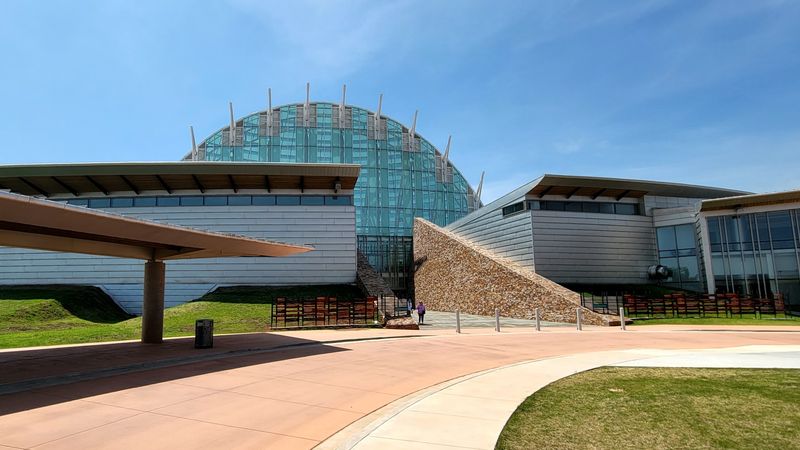
The address is 659 First Americans Blvd, Oklahoma City, OK 73129, and the moment you pull up, the building itself tells you something is different here. The First Americans Museum sits along the Oklahoma River, and its architecture was designed to reflect the land and sky of the Great Plains.
The curves of the structure are intentional, inspired by the natural landscape and the idea of continuity, a shape with no beginning and no end. The building was decades in the making, with planning and collaboration from tribal nations across Oklahoma that stretched back to the 1990s.
Getting there is straightforward, just off I-40, with free parking and a golf cart shuttle available for anyone with mobility needs. The parking ticket gets validated at the ticket office, so there are no surprise fees waiting for you at the exit.
It opens at 10 AM most days, with Saturday and Sunday hours starting at 11 AM, and it is closed on Tuesdays.
The 39 Tribal Nations at the Heart of It All
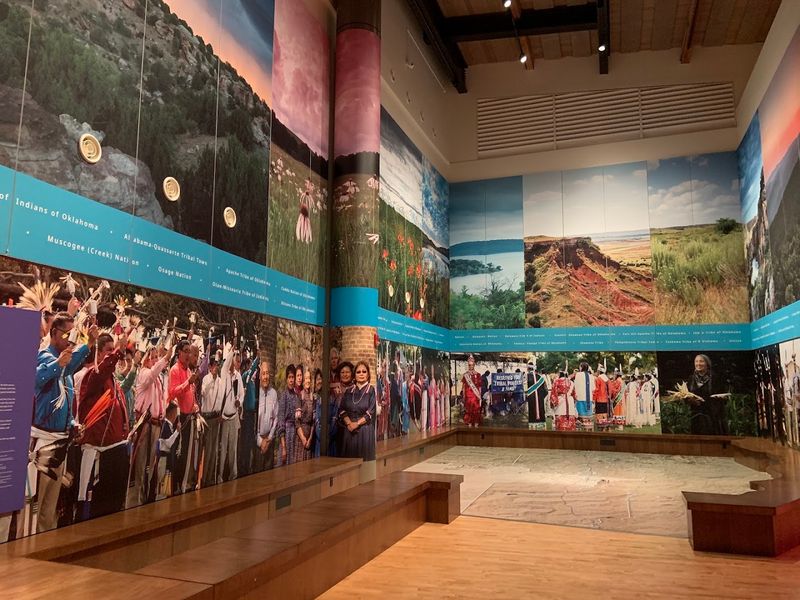
Most people do not realize that Oklahoma is home to 39 federally recognized tribal nations, and this museum exists specifically to honor all of them. That is not a small number, and the museum does not treat any one nation as more important than another.
Each tribe represented here has its own language, traditions, ceremonies, and history, and the exhibits work hard to reflect that diversity rather than flattening it into a single generic narrative. You get the sense that the people who designed these displays actually listened to the communities they were representing.
The first floor focuses on history and cultural storytelling, walking visitors through thousands of years of life on this land before and after European contact. The second floor shifts to art and artifacts, giving tribal artists and craftspeople a prominent platform.
Between the two floors, you start to understand that these are not stories from the past, they are living, breathing cultures that continue to evolve and thrive today.
An Architecture That Speaks Before You Walk In
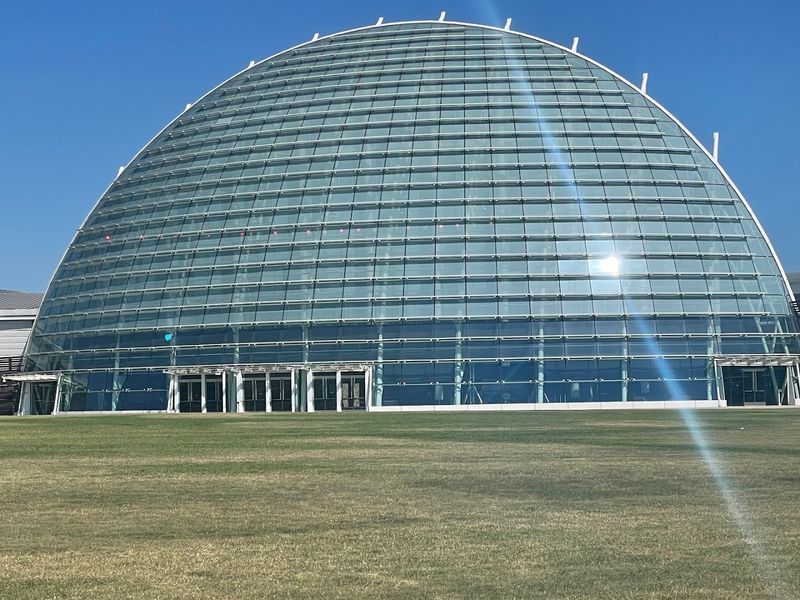
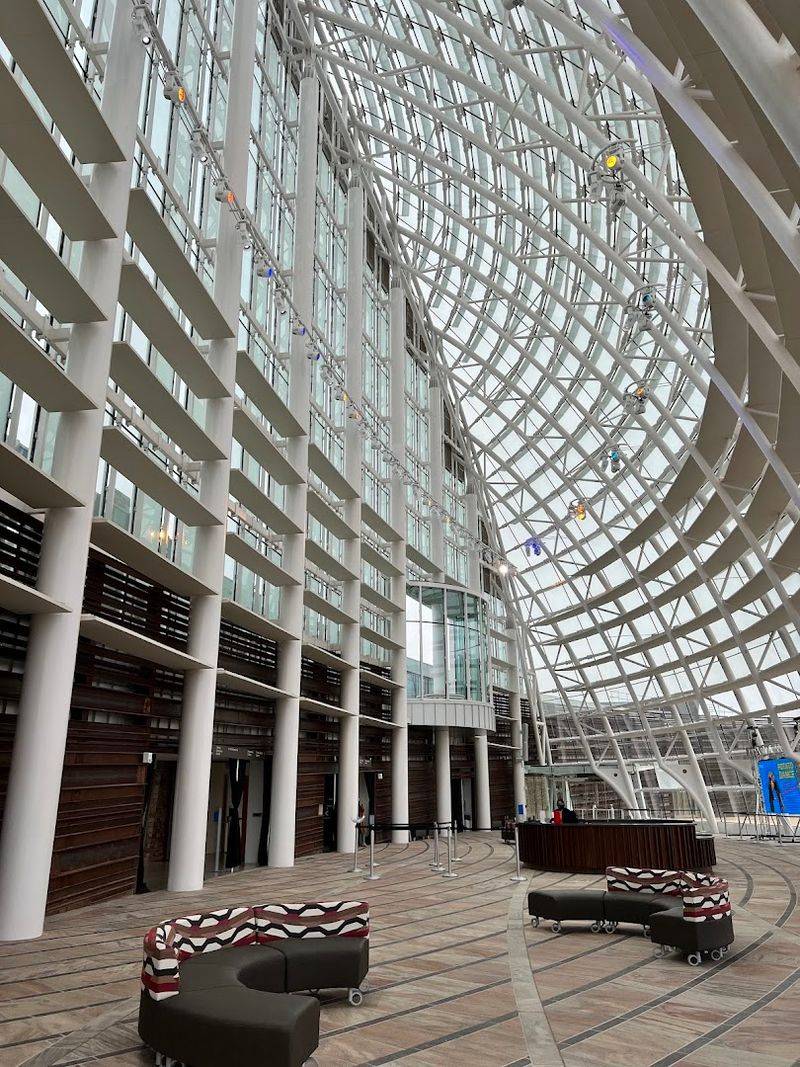
There is something almost theatrical about the way the building greets you before you reach the entrance. The structure uses natural light in ways that feel deliberate and almost meditative, with curves that shift the light throughout the day depending on where the sun sits.
Reviewers consistently mention the architecture as one of the first things that catches their attention, and it is easy to see why. The design was created with input from tribal nations, and it shows in the way every angle feels purposeful rather than decorative.
The interior carries that same intentionality, with open spaces that breathe and display areas that never feel cluttered or overwhelming. Natural materials and earthy tones create a calm atmosphere that actually helps you focus on the stories being told.
For a building that opened in 2021 after years of planning, it wears its purpose well, and the structure itself becomes part of the cultural conversation the museum is trying to start.
Stories That Rewrite What You Thought You Knew
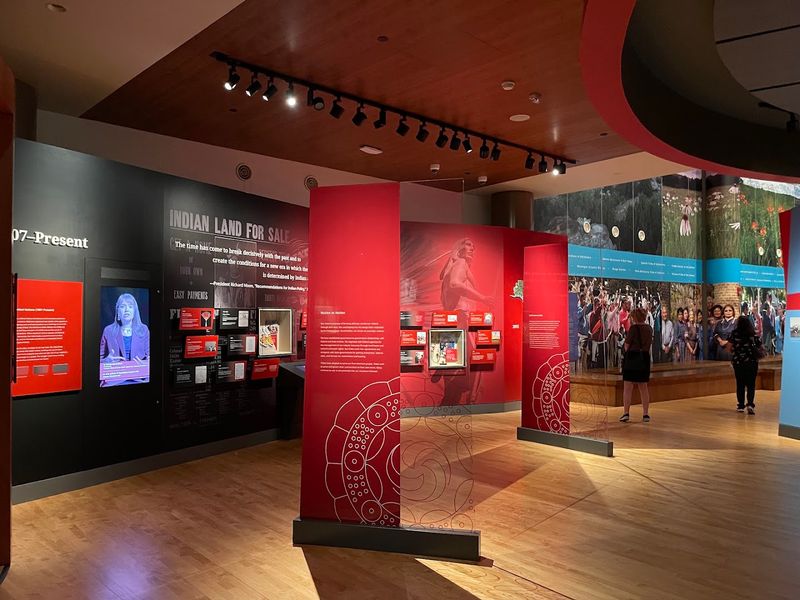
A lot of what gets taught in standard school curricula about Native American history is incomplete at best. The First Americans Museum addresses that gap head-on, presenting history with a clarity and honesty that can feel genuinely startling if you grew up reading standard textbooks.
The exhibits cover the forced removal of tribal nations, the allotment era, the boarding school period, and the long fight for sovereignty and recognition. None of it is softened, but none of it is presented without context either.
The balance between acknowledging painful history and celebrating resilience is one of the museum’s greatest strengths.
Visitors often describe leaving the museum feeling emotionally moved but also more informed than they expected. The audio and visual elements throughout the exhibits are particularly effective, using storytelling formats that feel more like listening to an elder speak than reading a textbook.
That combination of emotional honesty and educational depth is what sets this museum apart from more conventional history institutions.
The Family Discovery Center Kids Actually Love
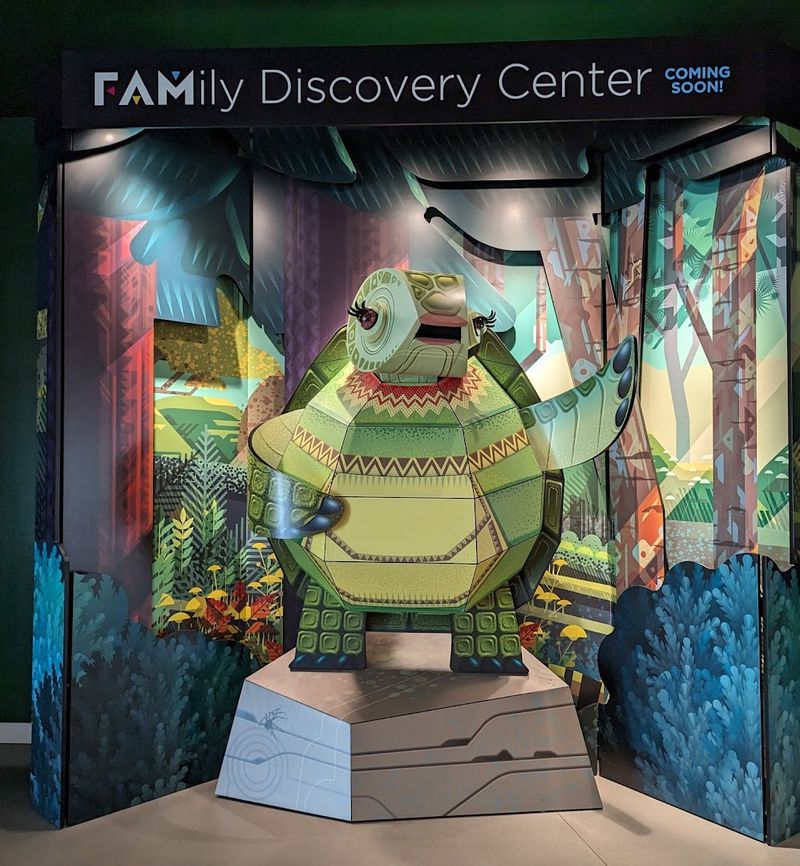
Not every museum manages to hold a child’s attention for more than fifteen minutes, but the family discovery area here earns its keep. The space includes interactive elements that let younger visitors engage with the material through play rather than passive observation.
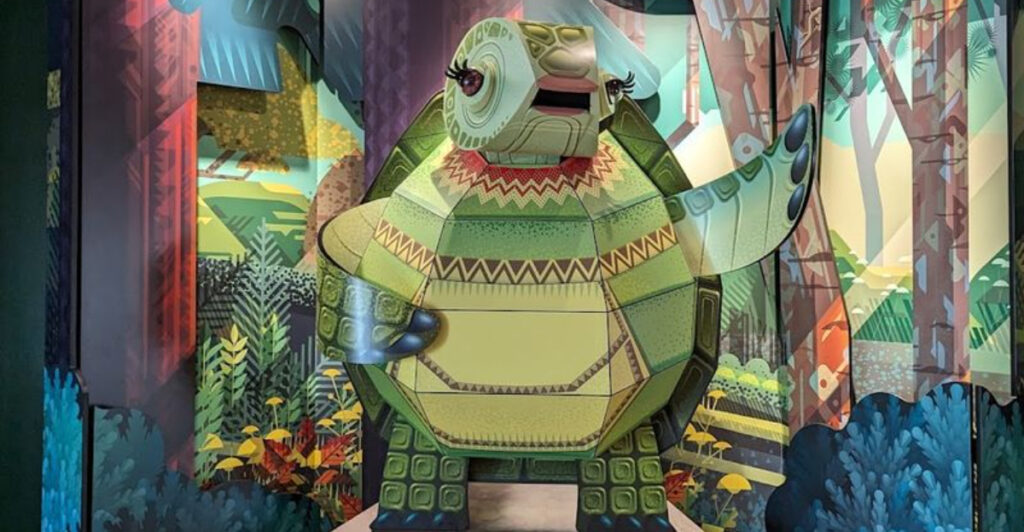
One of the most talked-about features is a character called Claudia the Coyote, a figure that younger kids gravitate toward immediately. There are treetop tunnels and den-like spaces that turn exploration into an adventure, and the design is clever enough that kids engage with cultural content without realizing they are learning.
Parents with younger children should know that the discovery center is a genuinely fun space, though some visitors feel the admission price is steep if that is the primary destination for the visit. Using a library experience pass, if your local library participates, can make the cost much more manageable.
The staff are consistently described as kind, patient, and knowledgeable, which makes a real difference when you are navigating a museum with curious, energetic kids in tow.
Climbing the Mound for a View Worth the Walk
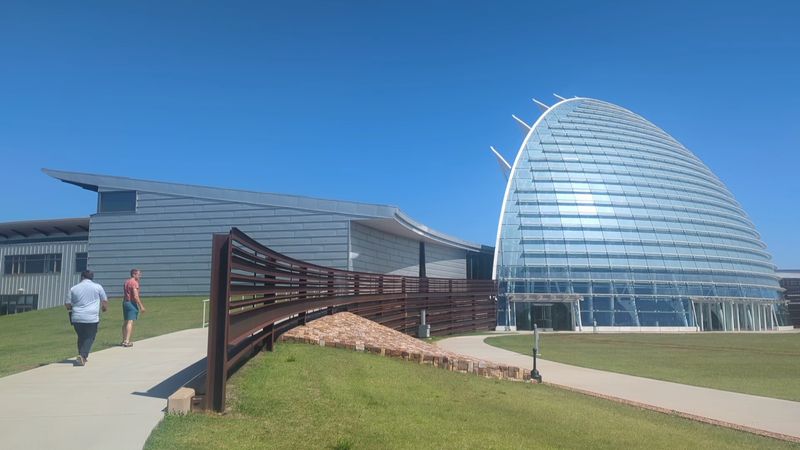
Outside the main building, there is an earthen mound that visitors can walk up, and the view from the top is genuinely worth the climb. On a clear day, you get a wide open look at the downtown Oklahoma City skyline, which creates an interesting contrast between the ancient and the modern.
Earthen mounds were significant structures for many Native American cultures across North America, used for ceremonial, burial, and community purposes. The mound at the museum is a nod to that tradition, giving the outdoor space a meaning that goes beyond a simple walking path.
Multiple visitors recommend budgeting time for the mound walk, especially if you visit on a pleasant day. The path is accessible and well-maintained, and the elevated perspective gives you a moment to breathe and reflect after the emotional weight of the indoor exhibits.
It is one of those small details that elevates the overall visit from an indoor museum trip to something that feels more complete and grounded in the actual land beneath your feet.
Guided Tours That Bring the Exhibits to Life
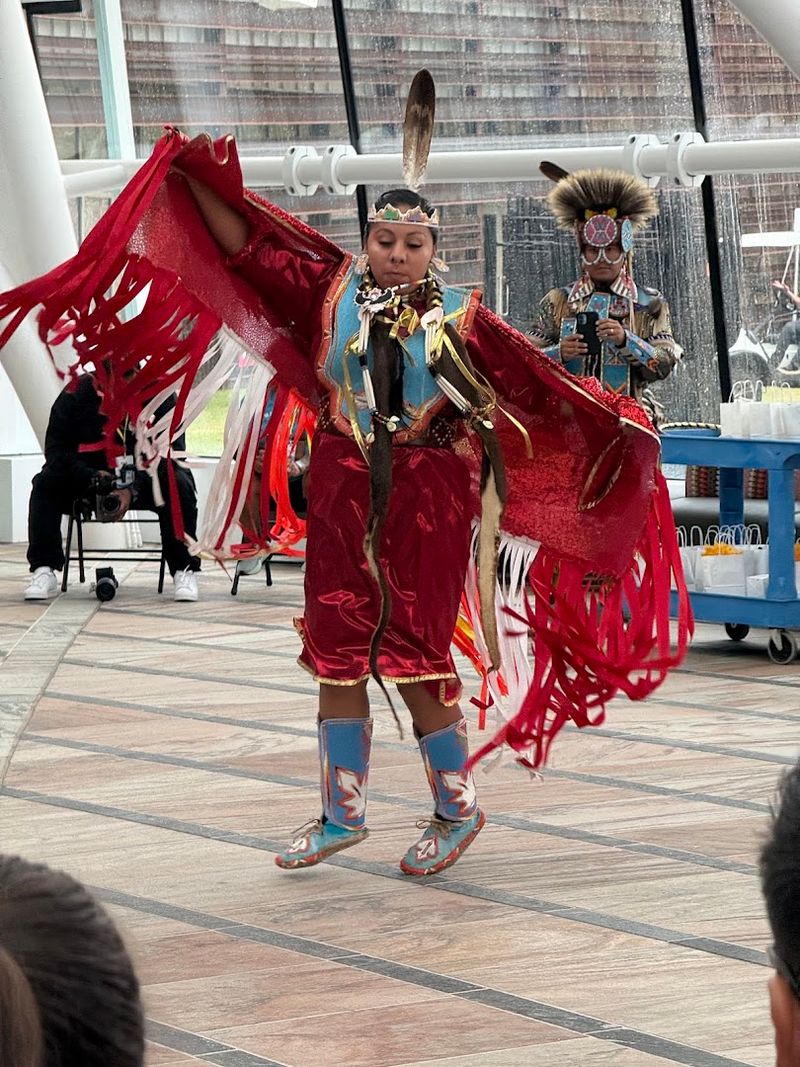
The museum offers three different guided tour options, and if you have any flexibility in your schedule, booking one is absolutely the right call. A knowledgeable guide changes the experience in ways that are hard to explain until you have done it.
The difference between reading a panel and having someone walk you through the context, answer your questions, and share details that are not printed anywhere is significant. Guides here are consistently praised for their depth of knowledge and their ability to make the material feel personal and relevant rather than distant and academic.
Tours run at set times throughout the day, so it is worth checking the schedule when you arrive or calling ahead at 405-594-2100. The 2:30 PM tour is one that visitors frequently mention by name as a highlight of their visit.
For first-time visitors especially, a guided tour is the best way to make sure you leave with a full picture of what the museum is trying to communicate, rather than catching only fragments of a much larger story.
Art and Artifacts on the Second Floor
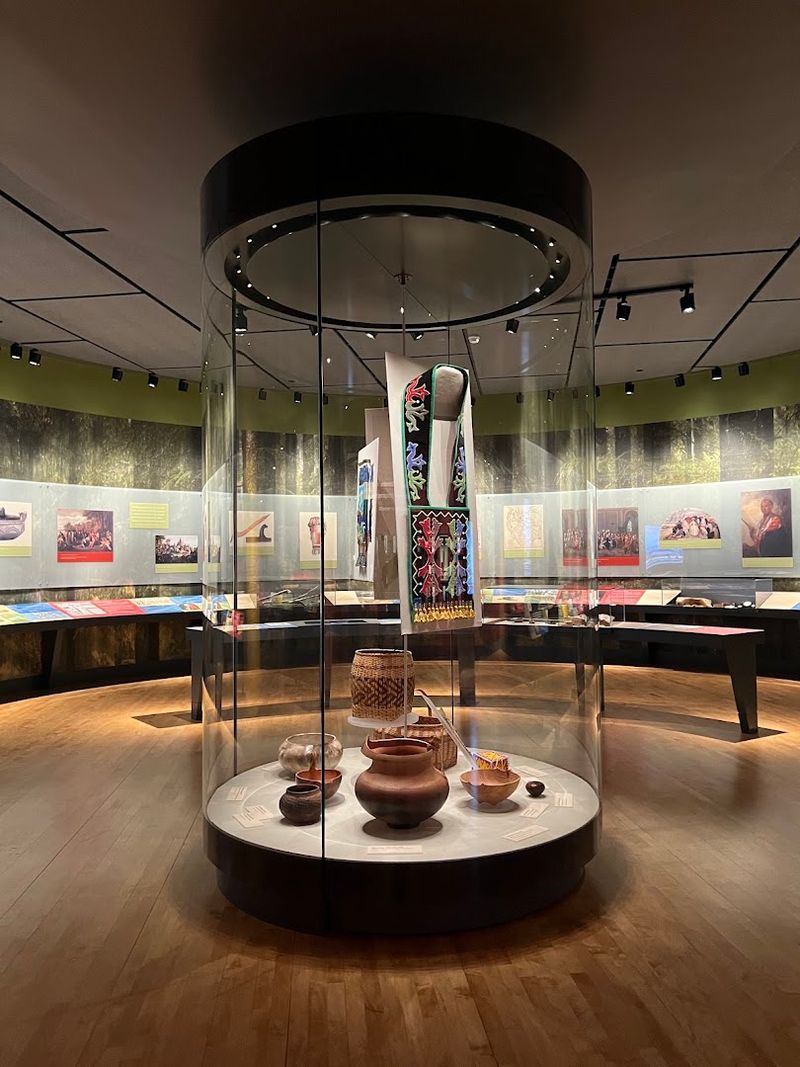
The second floor of the museum operates almost like a separate experience from the first. Where the ground level focuses on historical narrative and storytelling, the upper level shifts into a gallery space dedicated to art and artifacts created by tribal artists from across Oklahoma.
The work on display ranges from traditional craftsmanship to contemporary fine art, and the range is genuinely impressive. Beadwork, pottery, textiles, and paintings share space in a way that shows how artistic traditions evolve without losing their roots.
One practical note worth mentioning is that some visitors have found the lighting on certain paintings less than ideal, particularly for works hung at higher positions on the wall. That said, the overall quality of the collection makes the second floor a highlight rather than an afterthought.
There is also an art gallery adjacent to the main museum building that several visitors specifically recommend visiting before you leave, describing the work there as beautiful and well worth the extra few minutes it takes to walk through.
Practical Tips for Getting the Most Out of Your Visit
A few practical details can make the difference between a rushed visit and one that actually sticks with you. Most visitors who spend fewer than two hours here report feeling like they missed a lot, while those who budget three to four hours tend to leave satisfied.
Admission runs around $20 per adult, which puts the cost for a family of five somewhere around $75. That price point surprises some visitors, so knowing it ahead of time helps you plan accordingly.
Library experience passes through participating Oklahoma libraries can significantly reduce or eliminate that cost, making this a much more accessible outing for families watching their budget.
Weekends can get busy, particularly on Saturday afternoons, so arriving when doors open at 11 AM gives you a calmer start. The museum is fully accessible for visitors with mobility challenges, including a free golf cart shuttle from the parking area to the entrance.
The ticket office validates parking, and the whole setup is clean, organized, and genuinely easy to navigate from the moment you arrive to the moment you leave.
A Place That Leaves You Thinking Long After You Leave
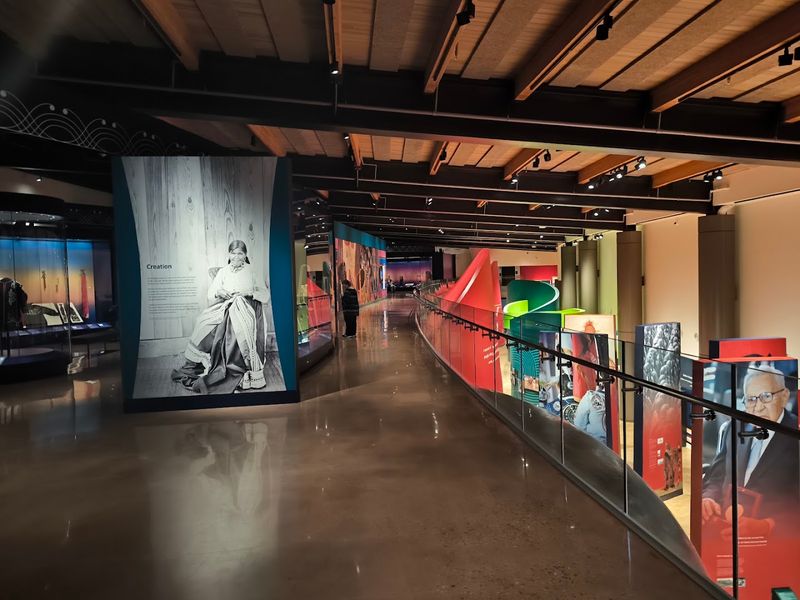
The most telling sign of a great museum is what happens after you walk out. With the First Americans Museum, the conversations tend to continue in the car, over dinner, and sometimes for days afterward.
The material is rich enough and honest enough to stay with you.
The museum does not shy away from difficult chapters of history, and it does not try to wrap everything in a tidy, feel-good conclusion. What it does instead is present the full picture, the resilience alongside the hardship, the ongoing vitality of these 39 nations alongside the very real wounds that history left behind.
That honesty is what makes repeat visits worthwhile. Several visitors mention that one trip is not enough to absorb everything the museum has to offer, and the rotating exhibits and upstairs gallery give you a reason to come back.
For anyone visiting Oklahoma City with even a passing interest in history, culture, or human stories told with care and accuracy, this museum belongs at the top of the list. You can learn more and plan your visit at famok.org.
Share this story