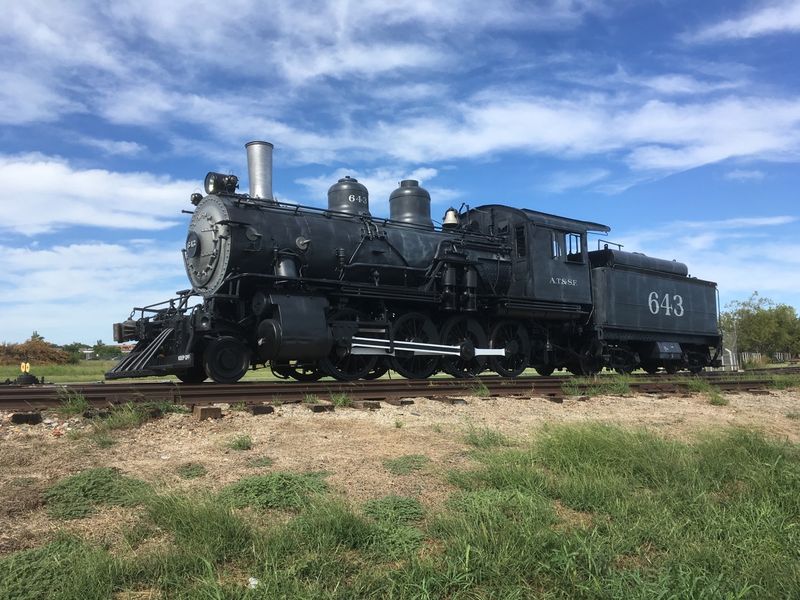
Tucked into a corner of northeast Oklahoma City, there is a place where the smell of grease and aged iron greets you before you even reach the gate. The Oklahoma Railway Museum is the kind of destination that surprises people, pulling in curious families, lifelong rail fans, and even folks who never gave trains a second thought.
With free general admission, hands-on access to historic rolling stock, and seasonal rides on real locomotives, it punches well above its weight as a weekend outing. Whether you are chasing nostalgia or just looking for something genuinely different to do in the city, this museum delivers in a way that is hard to replicate anywhere else in the state.
Where the Oklahoma Railway Museum Lives
Right in the heart of northeast Oklahoma City, the Oklahoma Railway Museum sits at 3400 NE Grand Blvd, Oklahoma City, OK 73111. The address puts it well within reach of most Oklahoma City visitors, and the museum’s compact but well-organized grounds make it easy to navigate once you arrive.
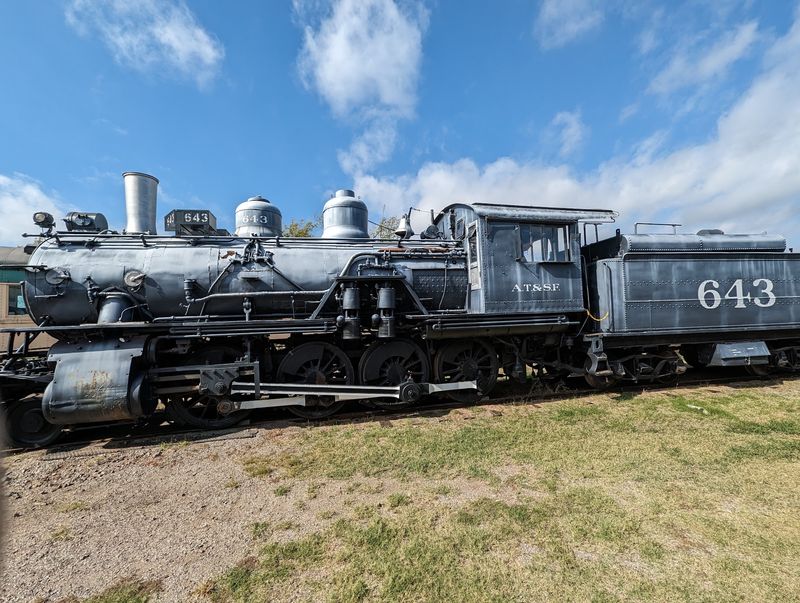
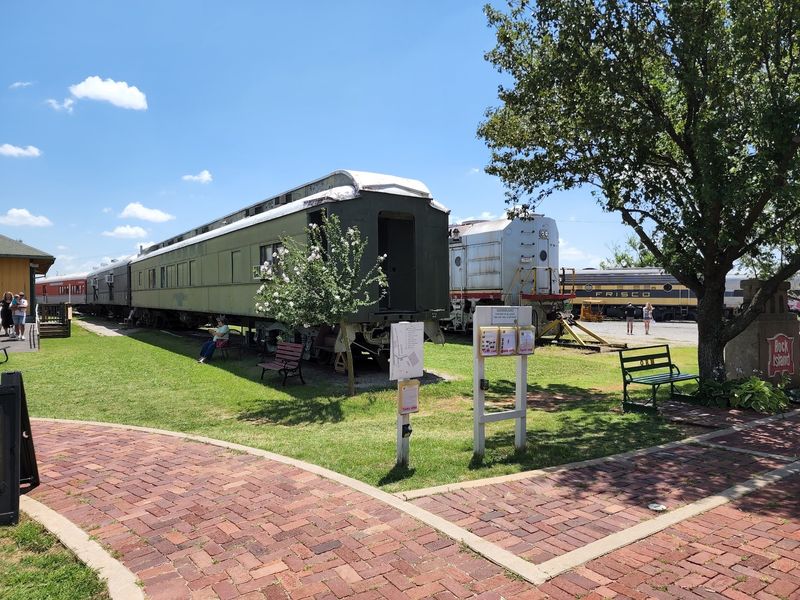
The property is primarily an outdoor experience, with locomotives and rail cars parked along tracks that you can walk beside, peer into, and in many cases actually board. A main building anchors the site and houses the gift shop and model train exhibit, but the real draw is spread across the open-air grounds where full-scale equipment waits to be explored.
General admission to walk the grounds and examine the collection is completely free. That single fact alone sets the tone for the entire visit: this is a community-supported institution that genuinely wants people to show up.
Donations are welcomed and help keep the lights on, but nobody will turn you away at the gate for arriving empty-handed.
A Brief History Behind the Collection
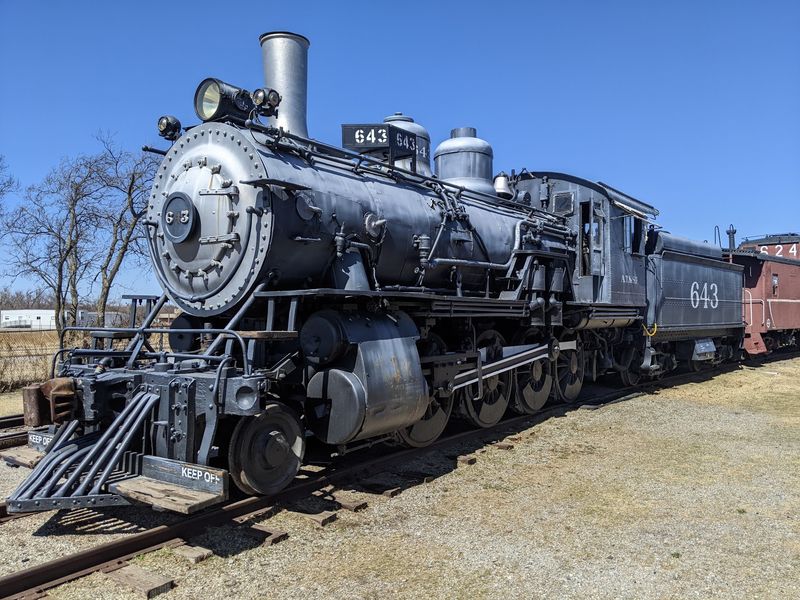
The Oklahoma Railway Museum exists because a dedicated group of volunteers decided that the state’s railroad heritage was worth saving. Funded entirely through sales and donations, with no state or federal aid, the museum has grown through sheer determination and the generosity of people who believe rolling stock deserves a second life rather than a scrap yard.
Oklahoma’s railroad history runs deep. Rail lines were critical to the territory’s settlement and later to its economic development, moving cattle, oil, and people across the plains for well over a century.
The museum preserves that legacy through physical equipment rather than photographs alone, letting visitors stand beside the machinery that actually shaped the region.
Many of the pieces in the collection required significant restoration before they were fit for display. Volunteers with firsthand knowledge of the equipment have been known to show up and share personal stories about maintaining specific locomotives, adding a layer of living history that no placard can fully replicate.
That combination of preserved hardware and human memory makes the museum feel like a genuinely active archive rather than a static exhibit.
The Steam Engine You Can Actually Climb
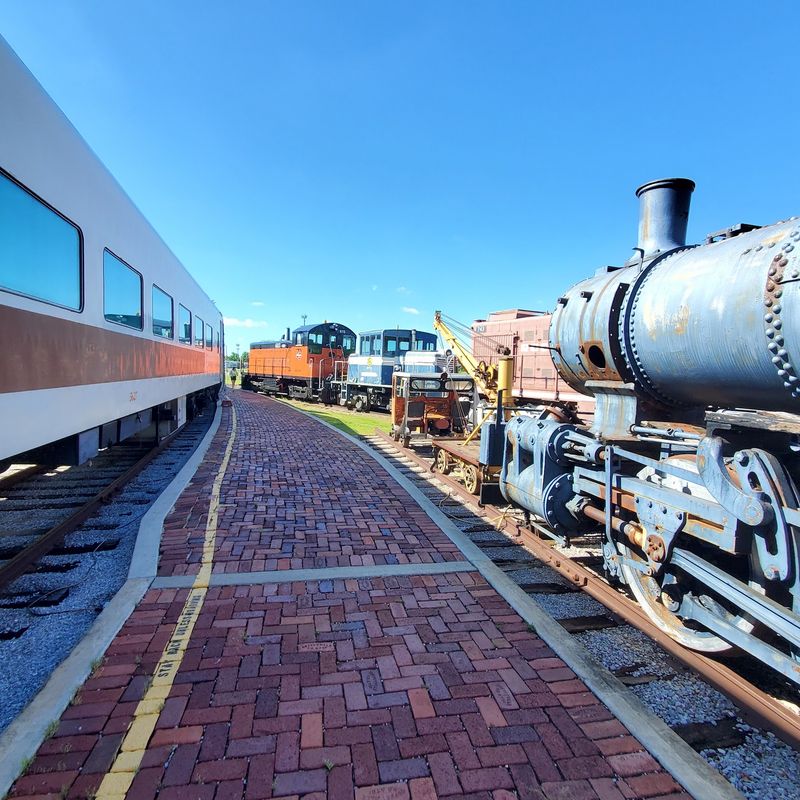
Few things in the world of travel museums match the raw physical presence of a steam locomotive up close. At the Oklahoma Railway Museum, getting near one of these machines is not a roped-off, keep-your-distance situation.
Visitors can pull themselves up the metal steps and get a real sense of the scale and engineering involved in running one of these iron giants.
The locomotives on the grounds include examples from the early twentieth century, and the experience of standing beside them is genuinely striking. The smell of oil and metal that clings to the engines is not an accident or a museum trick.
It is the real residue of decades of hard use, and it adds a sensory dimension to the visit that photographs simply cannot capture.
Climbing aboard takes a little effort, which is part of the appeal. These were working machines built for function, not comfort, and hauling yourself up the steps gives you a small but honest taste of what railroad workers dealt with every single day.
It is the kind of hands-on access that most museums have quietly eliminated, and its presence here makes the Oklahoma Railway Museum genuinely stand apart.
The Rolling Stock Collection Worth Exploring
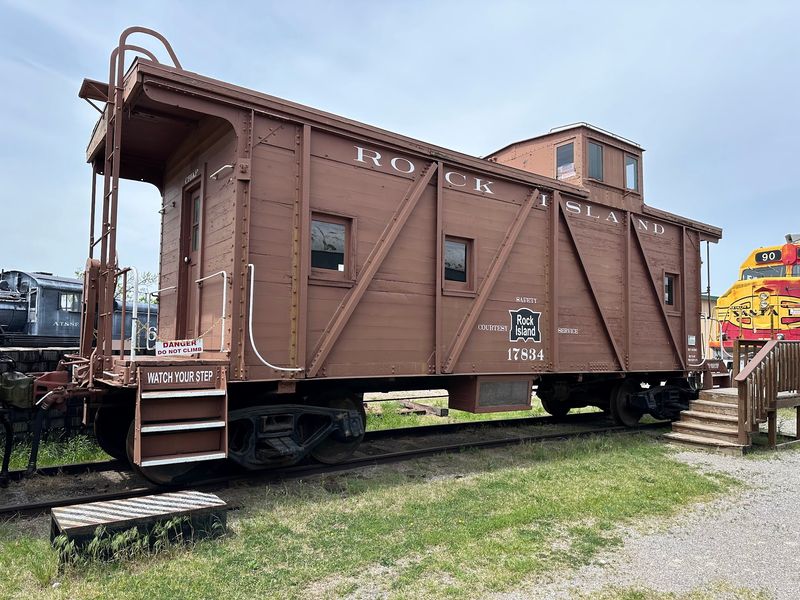
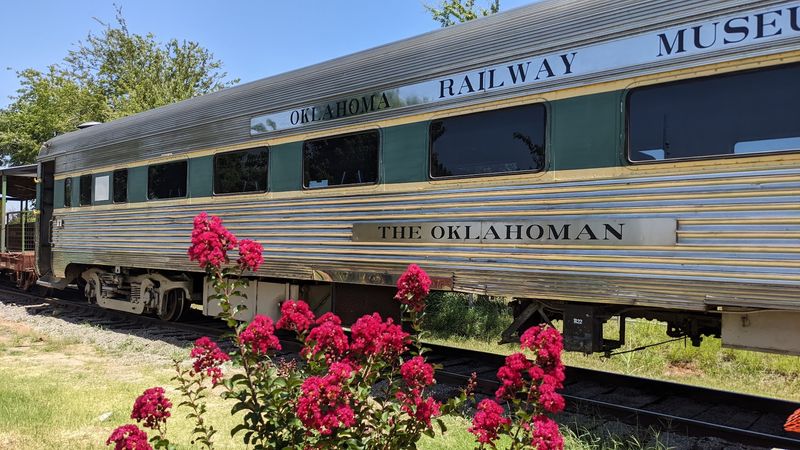
Beyond the steam engines, the museum holds a broad collection of rolling stock that spans different eras and purposes. Freight cars, passenger coaches, and cabooses sit along the tracks in various states of restoration, each one telling a slightly different chapter of American rail history.
The caboose is a particular crowd favorite. Visitors can step inside and climb up to the cupola, the raised observation section at the top where conductors and brakemen once kept watch over the length of the train.
The view from up there, even parked on a static track, gives you a clear picture of why that elevated perch was so essential to railroad operations for so many decades.
Walking the length of the collection takes a comfortable amount of time without ever feeling rushed. The museum is not crowded in the way that major city attractions tend to be, so there is genuine space to linger beside a car that catches your eye, read the signage, and absorb the details at your own pace.
That unhurried quality is one of the more underrated aspects of a visit here, and it makes the experience feel personal rather than processed.
The Model Train Exhibit Inside
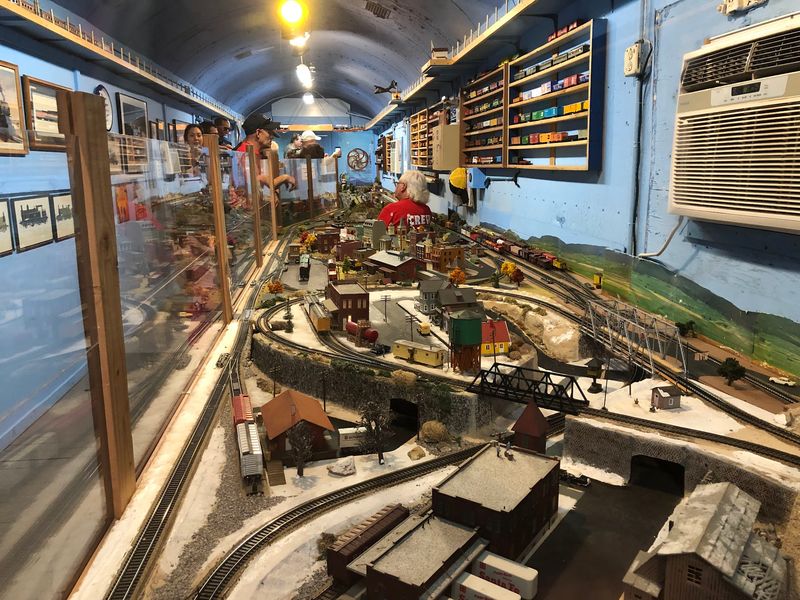
Housed inside one of the old coaches on the property, the HO scale model train layout is a genuine highlight that tends to delight visitors across every age group. The layout is operational, meaning trains are actually running through a carefully constructed miniature landscape when the exhibit is active.
The space is air-conditioned, which is a welcome detail for anyone visiting during an Oklahoma summer. The layout itself is well-built and thoughtfully positioned within the converted rail car, making creative use of a space that was originally designed for human passengers rather than miniature locomotives.
If the model train exhibit happens to be locked during your visit, museum staff are happy to open it up on request. That small act of accessibility reflects the broader attitude of the volunteers who run the place: they want people to see everything, not just the parts that are immediately visible from the path.
The exhibit draws particular attention from younger visitors, but plenty of adults spend more time than they expected crouched over the layout, watching the trains loop through tunnels and past tiny buildings with genuine fascination.
The Volunteer Guides Who Make It Personal
One of the most consistent things people notice about the Oklahoma Railway Museum is the quality of the people staffing it. The museum runs almost entirely on volunteer labor, and many of those volunteers carry deep personal connections to the equipment on display.
Some worked on these very machines during their careers and can speak to their maintenance and operation from direct experience.
That firsthand knowledge transforms a walk through the grounds into something closer to a conversation with history. A volunteer might explain exactly how a particular locomotive was maintained, describe what it sounded like under full steam, or point out a mechanical detail that would otherwise go completely unnoticed.
The generosity with information is genuine and unhurried.
Visitors consistently mention specific volunteers by name in their accounts of the museum, which speaks to how much individual personality shapes the experience here. The interaction is never scripted or rehearsed.
It is the kind of exchange that happens when someone who genuinely loves a subject gets the chance to share it with a curious audience. That quality of human connection is not something a museum can manufacture, and the Oklahoma Railway Museum has it in abundance.
Seasonal Train Rides and What to Expect
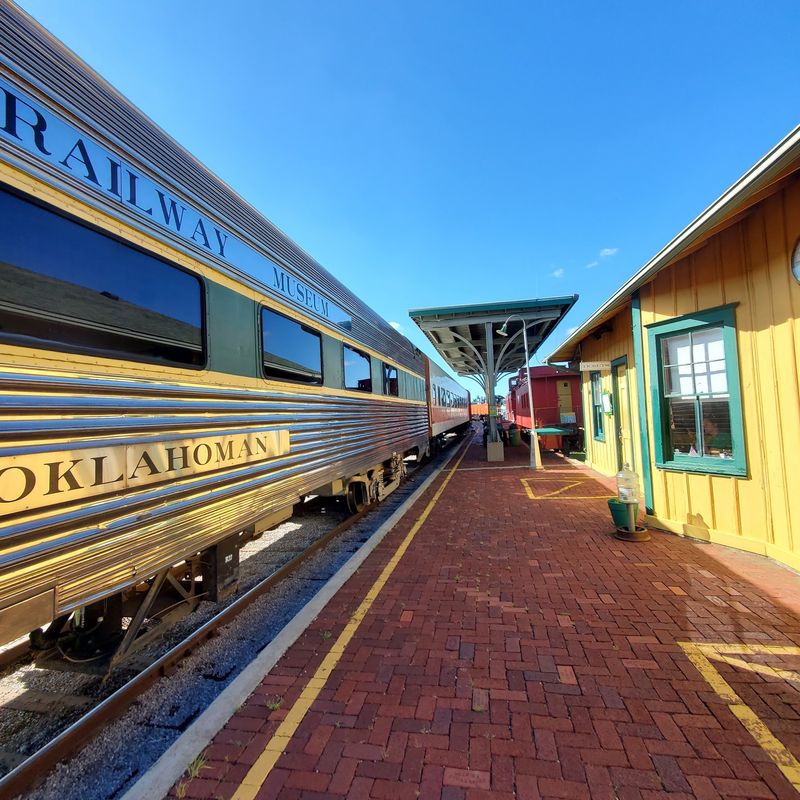
Walking the grounds is free, but the museum also offers excursion train rides for visitors who want the full experience of actually moving down the track. During the warmer months, rides typically run on the first and third Saturdays of the month, though checking the museum’s schedule before visiting is always a smart move since days can vary.
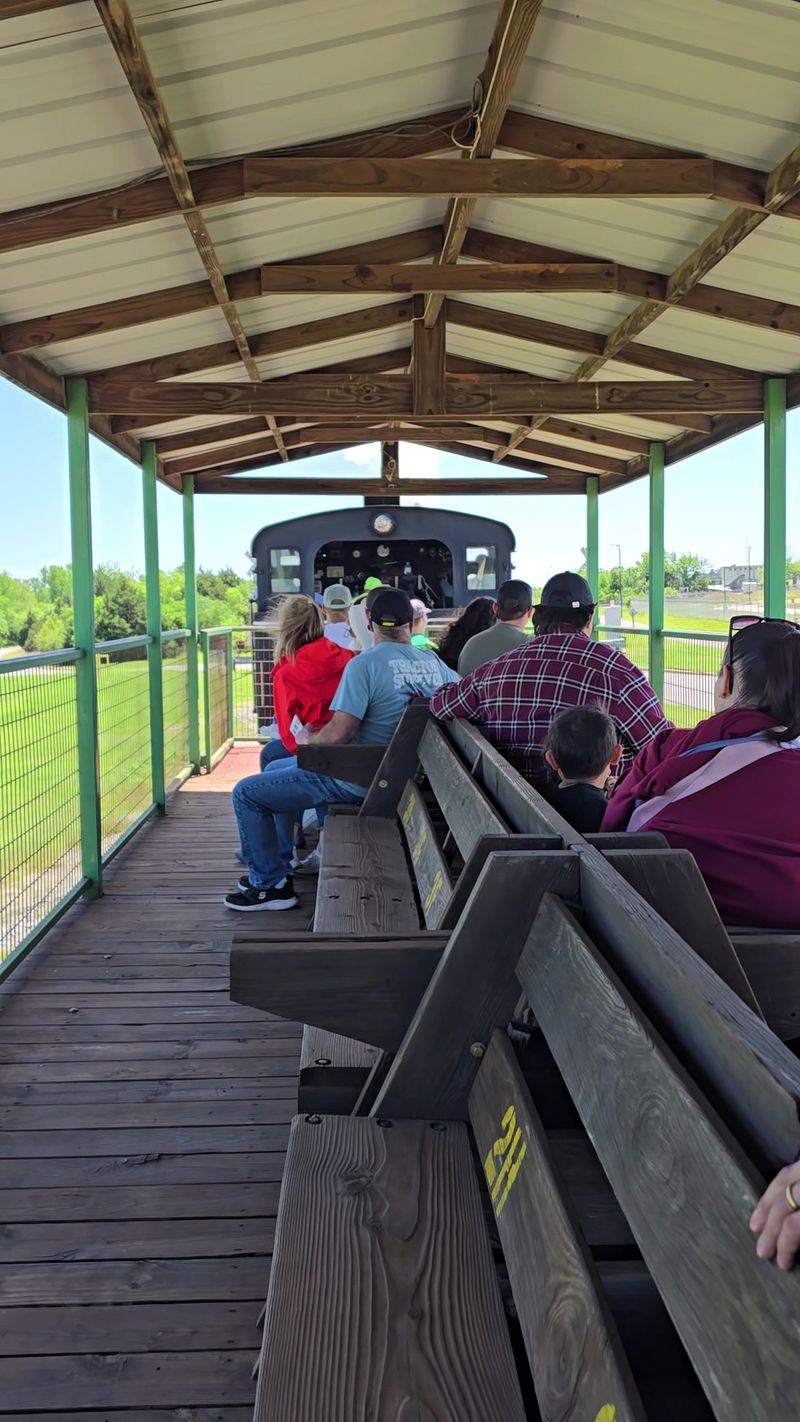
Three different car options are available for riders, and each one delivers a slightly different experience. The open-air car is the most popular choice and gives passengers an unobstructed feel of the ride, with wind and the rhythm of the wheels providing a sensory experience that enclosed cars simply cannot match.
The caboose offers those coveted cupola seats, with positions 5A and 5B at the rear providing particularly good views of the track receding behind the train.
The rides are conducted by knowledgeable staff who share information about the equipment and the route during the journey. The combination of motion, commentary, and the physical sensation of riding in genuine vintage equipment makes the excursion well worth the small additional cost.
First-time visitors who skip the ride often find themselves wishing they had added it to their visit before they leave the parking lot.
The Polar Express Experience in Winter
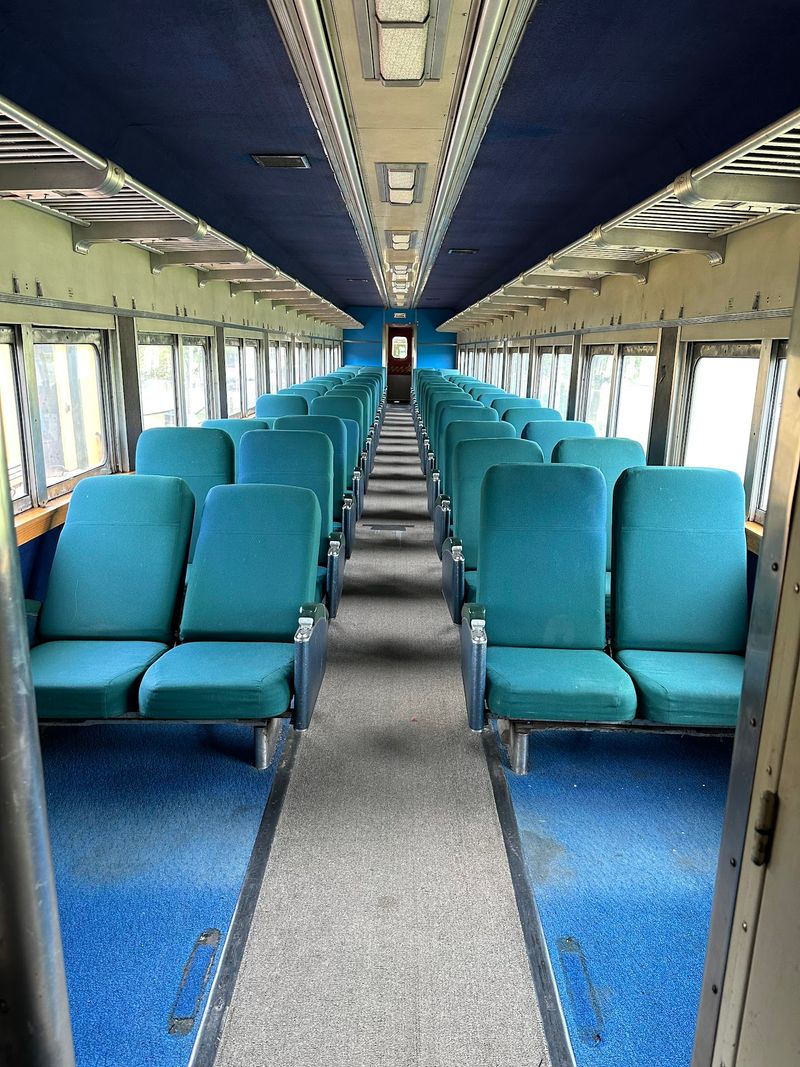
Come November and December, the Oklahoma Railway Museum transforms into something altogether different from its usual self. The Polar Express event is the museum’s biggest seasonal production, and it draws families from across the region who come specifically for the holiday train ride experience.
Guests are encouraged to arrive in pajamas, and most do, adults included. The atmosphere leans fully into the spirit of the beloved story, with an interactive cast that engages riders throughout the journey.
Hot chocolate is part of the ride, and it tends to be a highlight for younger passengers who are already wide-eyed from the moment they board.
Tickets sell out and advance purchase is strongly recommended. Showing up an hour before the scheduled departure, as the museum suggests, helps smooth out the process.
Buying tickets ahead of time significantly reduces wait times on the night of the event. The experience works particularly well in the evening, when the darkness outside the train windows and the warm glow inside the cars creates a theatrical atmosphere that daytime rides simply cannot replicate.
For families with young children, this event alone is worth planning a December trip to Oklahoma City around.
Halloween Train and Other Special Events
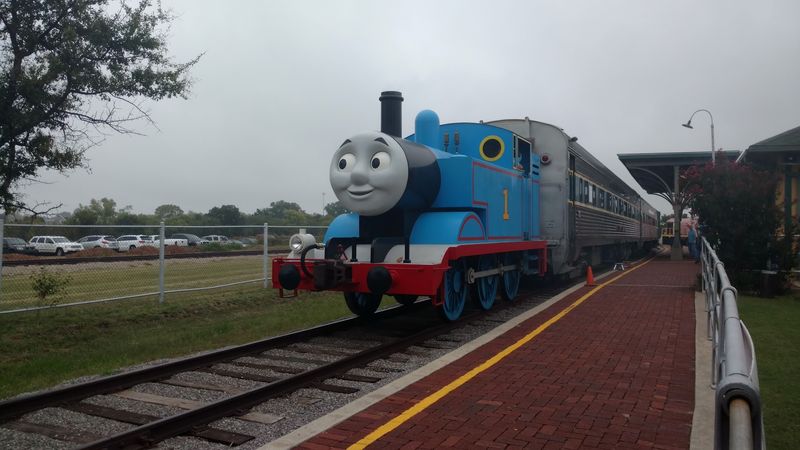
The Polar Express gets most of the attention, but the museum’s event calendar extends well beyond December. A Halloween Train event brings a seasonal twist to the excursion experience in the fall, adding a themed layer that appeals to families looking for something a little different from the standard haunted house circuit.
A Steam Train event also runs in the fall, which is notable because operating a steam locomotive requires significant effort and expertise. Getting to ride behind actual steam power rather than a diesel engine is a comparatively rare experience, and the museum’s ability to offer it speaks to the technical skill of its volunteer crew.
Throughout the year, the museum rotates in other activities as well. A bounce house and miniature golf area have been available on certain visit days, adding entertainment options for younger visitors who might need a break from the railroad exhibits.
A scavenger hunt element has also been offered, giving kids a structured way to explore the grounds and stay engaged across the full visit. The museum appears to be actively growing its programming, with additional features reportedly in development over the coming years as the collection and facilities continue to expand.
Who Will Enjoy This Place Most
The obvious answer is train enthusiasts, and yes, rail fans will find a great deal to appreciate here. The depth of the collection, the access to actual equipment, and the quality of the volunteer knowledge base make it a destination worth driving a meaningful distance to reach.
But the museum’s appeal stretches considerably wider than that core audience.
Families with children of almost any age tend to have a strong experience here. Young kids respond to the sheer physical scale of the locomotives.
Older children and teenagers, who might seem harder to impress, often find themselves genuinely engaged once they are standing beside a machine the size of a house and someone knowledgeable starts explaining how it actually worked.
The free admission removes the financial friction that can make parents hesitant about trying a new attraction. Dogs are welcome on the grounds, which is a practical detail that matters more than it might sound for families who travel with pets.
The outdoor setting and relaxed pace also suit visitors who prefer exploring at their own rhythm rather than following a guided tour through roped-off rooms. Photographers, in particular, will find the industrial textures and weathered surfaces of the equipment endlessly interesting to shoot.
Hours, Prices, and Getting There
The museum is open Thursday through Saturday from 9 AM to 5 PM. It is closed Sunday through Wednesday, so planning around those three open days is essential.
Checking the website at oklahomarailwaymuseum.org or calling ahead at 405-424-8222 is worthwhile, especially if you are visiting specifically to catch a train ride day, since the excursion schedule follows its own calendar within those open hours.
General admission to walk the grounds and explore the collection is free. Train ride excursions carry a separate ticket cost, and seasonal events like the Polar Express require advance ticket purchase.
Donations are accepted in the gift shop via a card reader in five-dollar increments, and given that the museum operates without government funding, even a small contribution makes a tangible difference to its continued operation.
The museum sits at 3400 NE Grand Blvd in northeast Oklahoma City, making it accessible from most parts of the metro area without a complicated drive. Since the grounds are primarily outdoors, dressing for the weather is genuinely important rather than just a polite suggestion.
Summer visits call for sun protection and comfortable shoes, while cooler months make for a more comfortable browse through the outdoor collection. Either way, the experience rewards the trip.
Share this story