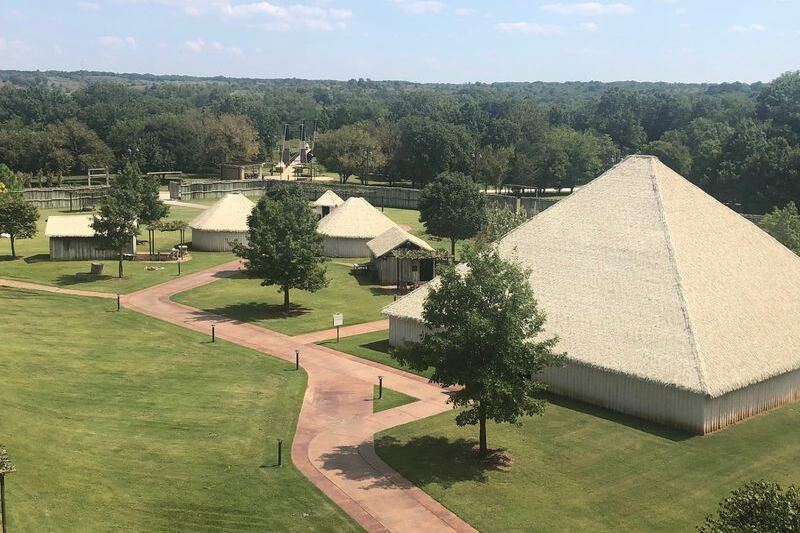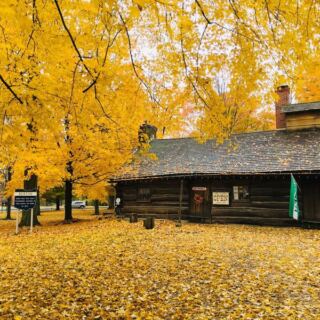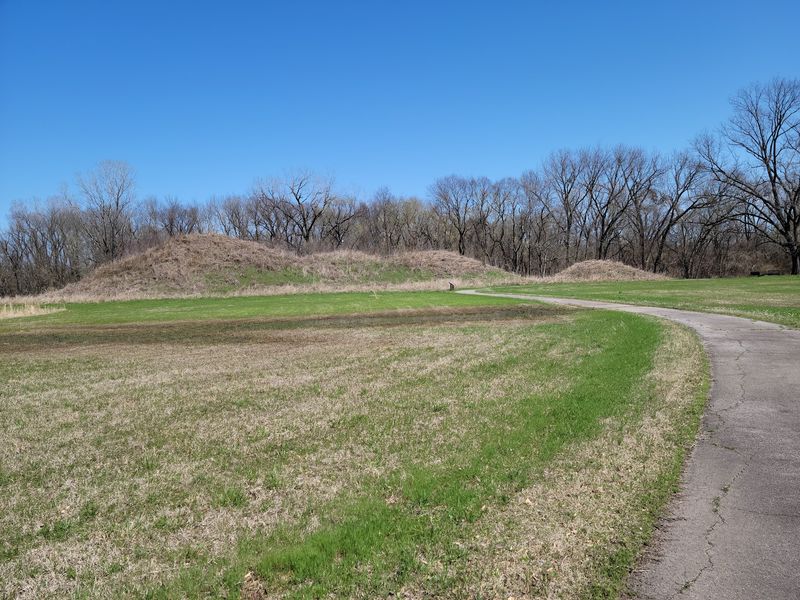
Tucked into the Arkansas River valley in eastern Oklahoma, a quiet archaeological site holds some of the most significant Native American history in North America. Spiro Mounds Archaeological Center protects the remnants of a sophisticated prehistoric civilization that once thrived here between roughly 800 and 1450 CE.
Ceremonial earthworks rise from the landscape, and a peaceful trail winds past them in a way that feels almost meditative. Few places in Oklahoma offer this kind of direct, unhurried connection to the ancient past.
What Spiro Mounds Archaeological Center Actually Is
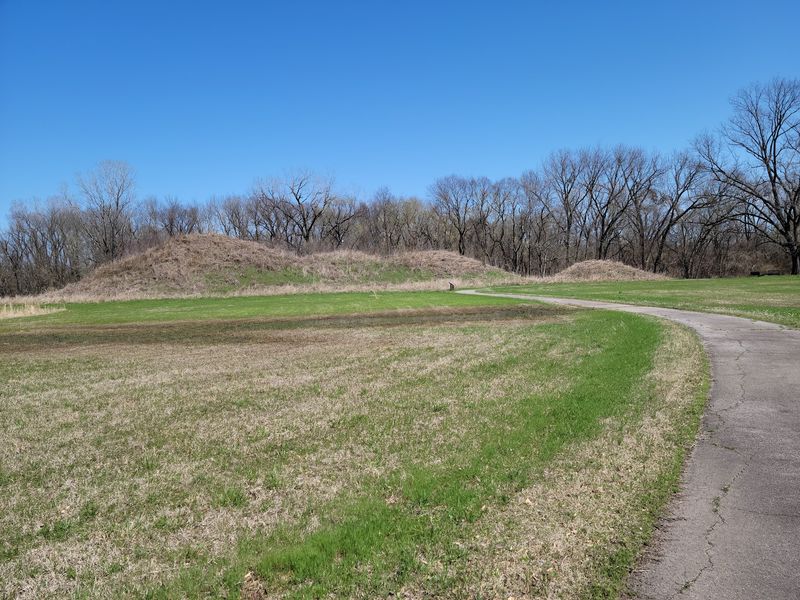
Few archaeological sites in the American interior carry the cultural weight that Spiro Mounds holds. The Spiro Mounds Archaeological Center sits at 18154 1st St, Spiro, OK 74959, managed by the Oklahoma Historical Society and recognized as one of the most important pre-Columbian sites east of the Rockies.
The site preserves twelve earthen mounds built and used by the Caddoan Mississippian culture, a sophisticated society that participated in a vast trade network stretching from the Gulf Coast to the Great Lakes. At its height, Spiro was a major ceremonial and political center, drawing goods and influence from across the continent.
The artifacts recovered here, including intricately engraved shell cups and copper ornaments, are considered among the finest examples of ancient Native American artistry ever found. The center sits on about 140 acres, managed as a state park and museum combined.
Rated 4.2 stars from 266 reviews, it draws history enthusiasts, trail walkers, and curious road-trippers who want something genuinely off the beaten path in eastern Oklahoma.
The Civilization Behind the Mounds
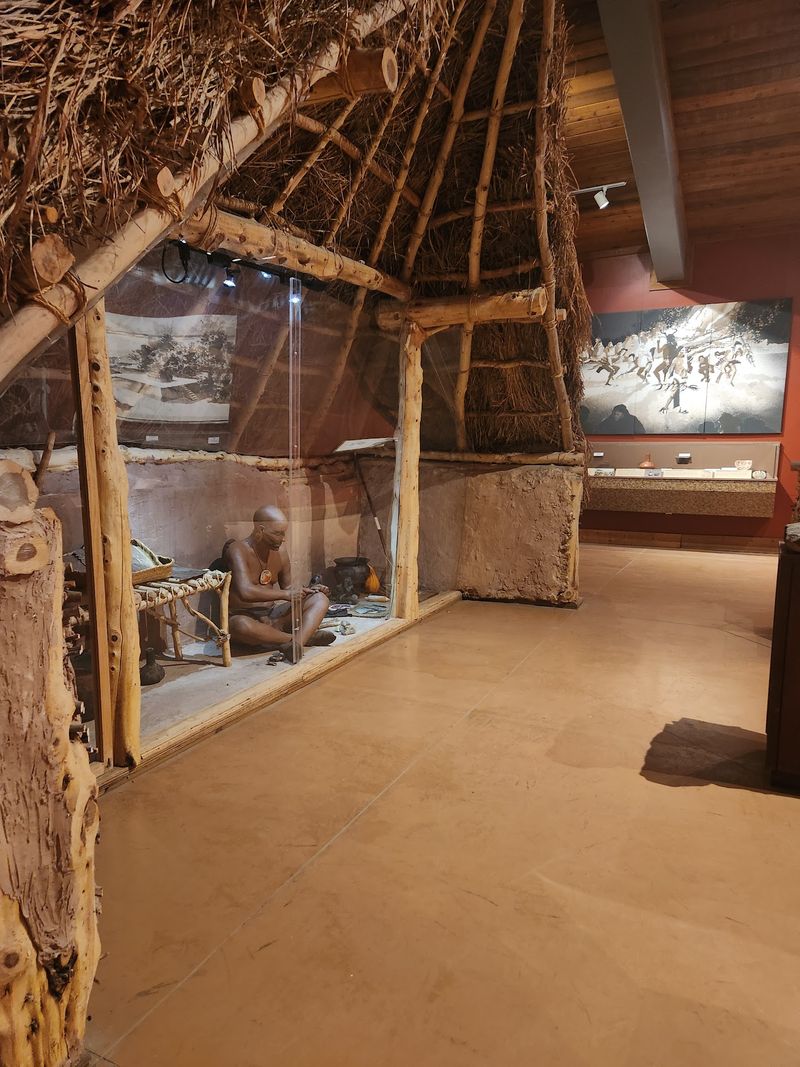
Around 800 CE, a culture archaeologists call the Caddoan Mississippians began building at Spiro with intention and precision. Over several centuries, they constructed ceremonial mounds, maintained elite residences, and developed a trade network that connected them to distant peoples across what is now the eastern and central United States.
Spiro functioned as a religious and political hub. Priests and leaders were interred in Craig Mound, the largest burial mound on the site, along with extraordinary quantities of grave goods.
Copper plates, engraved conch shells, and carved wooden objects found here reflect a society with deep ceremonial life and remarkable artistic skill.
The civilization at Spiro declined and dispersed around 1450 CE, before European contact, for reasons that remain a subject of scholarly study. What they left behind is a landscape and a collection of objects that continue to reshape how historians understand pre-Columbian North America.
Spending even a short time reading about this history inside the visitor center reframes the walk outside in a profound way.
Craig Mound and the Story of a Controversial Excavation
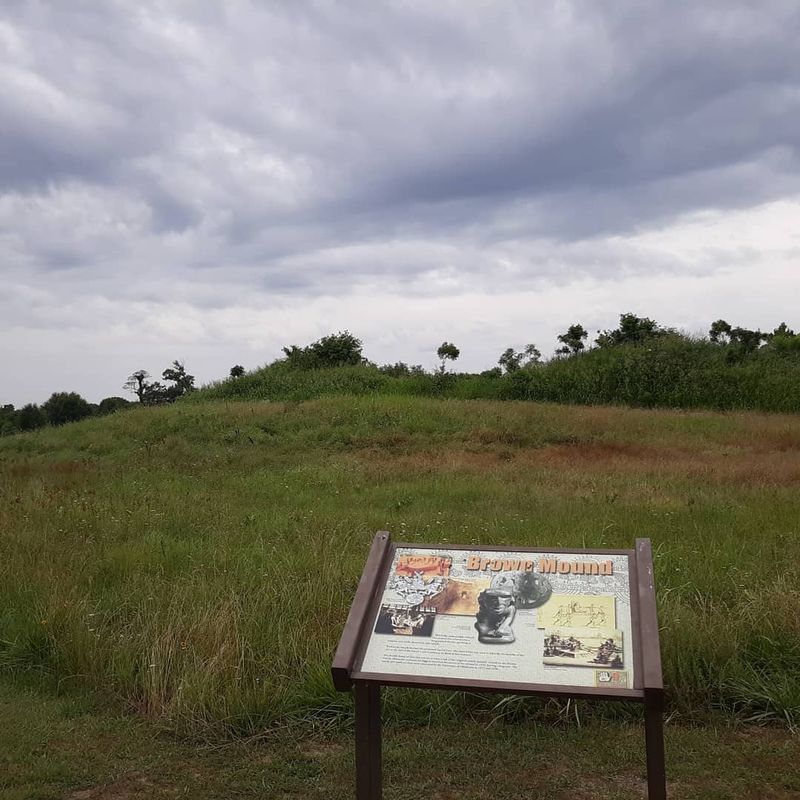
Craig Mound is the centerpiece of the Spiro site, and its history after the civilization’s decline is almost as dramatic as the culture that built it. During the 1930s, a commercial mining company leased the land and tunneled into Craig Mound, extracting thousands of artifacts and selling them to private collectors.
The operation was essentially legal at the time, and it caused irreversible damage to the archaeological record.
Archaeologists who arrived later described the scene as a catastrophic loss of context. Objects that could have told a coherent story about burial practices and social hierarchy were scattered across private collections and museums worldwide.
The episode became a landmark case in the American debate over archaeological preservation and eventually contributed to stronger protections for Native sites.
Today, Craig Mound has been partially restored. The mound visitors see on the trail is a reconstructed form built over the excavated core.
Walking around it, knowing what was found inside and how it was taken, gives the site a complicated emotional texture that a simple scenic overlook never could. The history here is layered and genuinely worth sitting with.
The Trail Experience Through the Mound Landscape
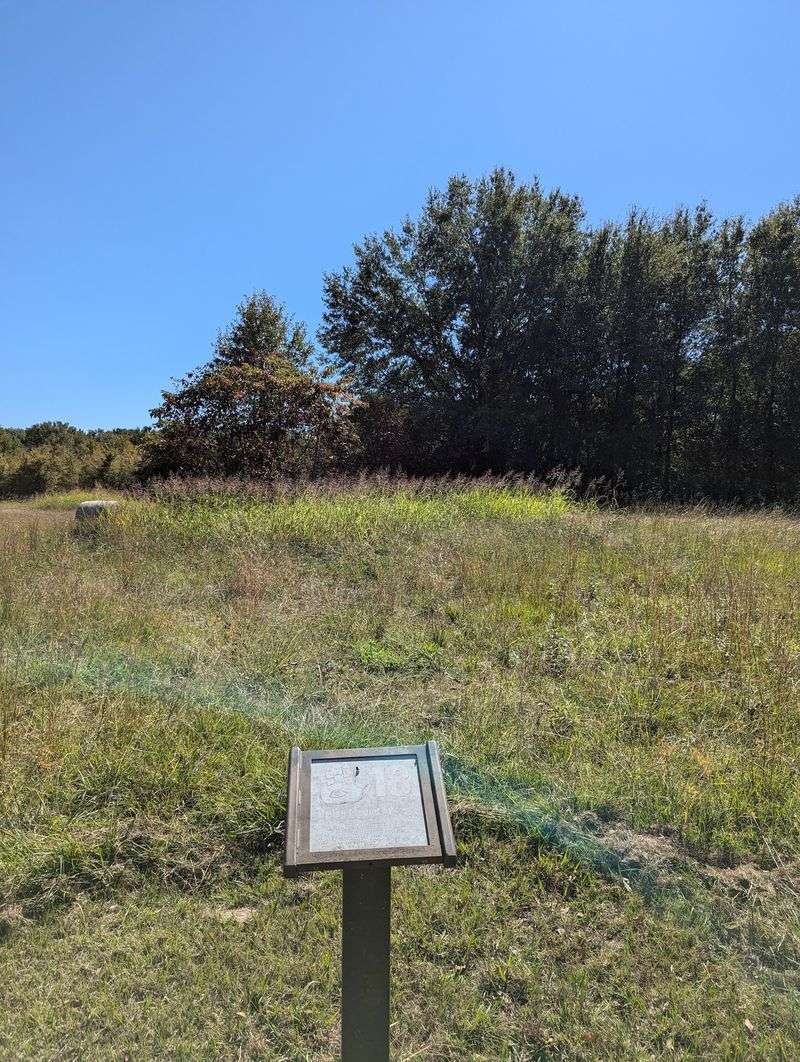
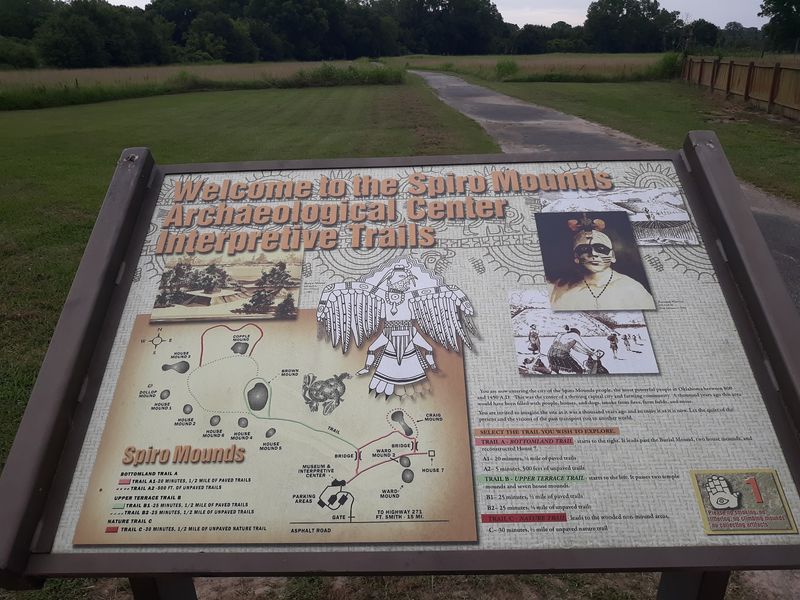
One of the most satisfying things about a visit here is simply the walk itself. The site offers two trail options: a shorter loop of roughly one mile and a longer route of approximately two miles.
Both are easy, relatively flat, and accessible to most visitors without any special gear or fitness level.
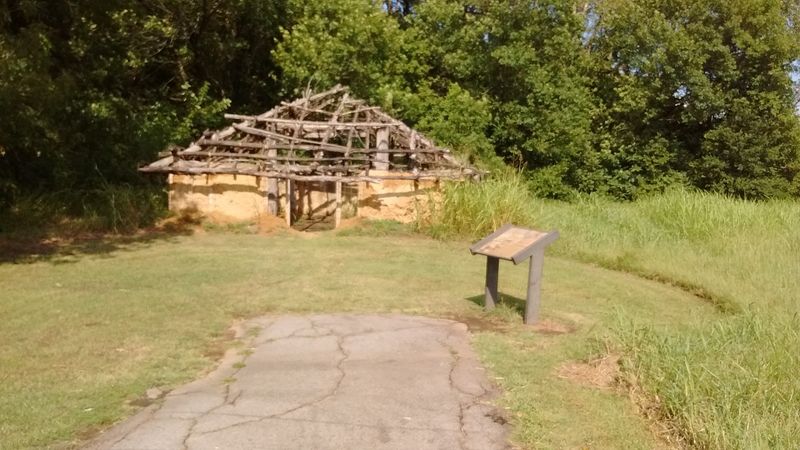
The trail passes the major mounds, including Craig Mound and Brown Mound, with interpretive signs placed along the route to explain what each feature represents. Brown Mound served as a temple platform, and the area surrounding it is believed to have been home to the community’s elite residents.
Walking that ground with that knowledge changes how the landscape reads.
The trail surface includes both paved sections and natural dirt paths, so comfortable shoes are all that is needed. The setting along the Arkansas River valley adds a natural beauty to the walk, with open fields and tree lines framing the mounds.
On a clear day, the views feel expansive and surprisingly serene for a site this historically significant. The walk earns its reputation as a peaceful, meditative experience.
The Visitor Center and Its Exhibits
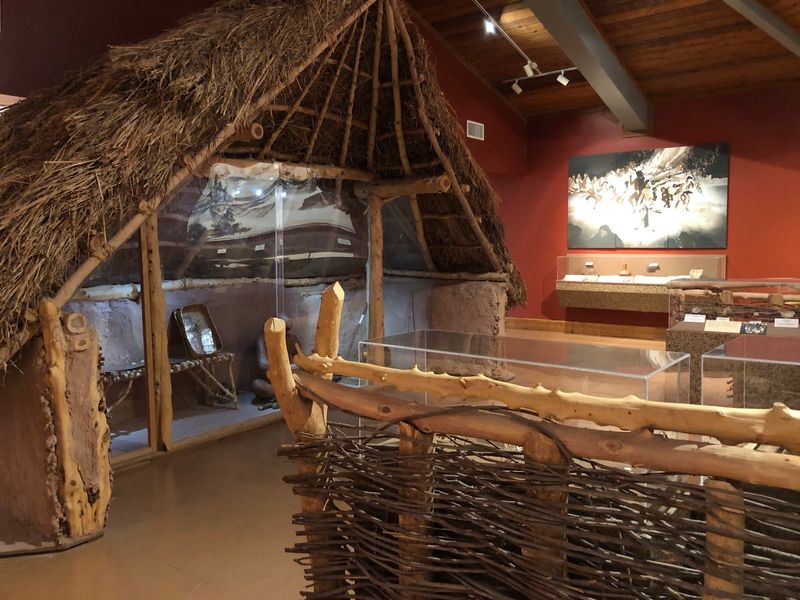
Before heading out to the mounds, the visitor center deserves a proper look. The building is climate-controlled, which is a genuine relief during Oklahoma summers, and it houses exhibits that provide context for everything seen on the trail outside.
Due to the Native American Graves Protection and Repatriation Act of 1990, many original artifacts are currently covered or removed from display as part of an ongoing repatriation process. What remains accessible includes detailed volumes of shell ornament drawings, replica objects, and interpretive panels that explain the site’s significance.
The shell carving documentation in particular is described as excellent by those who take the time to page through it.
The center is in the middle of a roughly 1.5 million dollar renovation that covers upgrades to parking, trails, signage, and interior displays. During this period, admission has been waived entirely, making the visit completely free.
Staff members, including director Anna Vincent, have earned consistent praise for their knowledge and willingness to spend real time answering visitor questions. A conversation with the on-site staff often turns out to be the highlight of the trip.
Seasonal Events and Solstice Walks
Beyond the standard self-guided visit, the site occasionally hosts special programming that adds a completely different dimension to the experience. The winter solstice sunset tour has drawn particular attention from those who have attended it.
Director Anna Vincent leads these guided walks, and participants have come away genuinely surprised by how much they learned. The solstice alignment at the site reflects the sophisticated understanding of astronomy held by the Spiro people, and experiencing that connection at the actual moment of sunset on the solstice is something a museum exhibit cannot replicate.
The guided format also allows visitors to ask questions in real time, which transforms the visit from a passive experience into an active conversation about ancient history.
The site’s social media presence and website are the best places to check for upcoming events, since programming schedules can vary. These special events tend to attract a mix of history enthusiasts, local families, and people who have visited before and want to see the site through a different lens.
For anyone who finds the standard walk worthwhile, attending a guided event elevates the whole experience considerably.
Who Will Enjoy This Place Most
Spiro Mounds is not a theme park, and it does not try to be one. The experience rewards curiosity and patience more than it rewards people looking for a flashy attraction.
That said, the range of visitors who find genuine value here is broader than it might first appear.
History enthusiasts and archaeology fans are the obvious fit. Anyone who has read about the Mississippian cultures or seen Spiro artifacts in other museums will find the source site deeply satisfying.
Nature walkers and trail lovers also tend to leave happy, since the walk itself is pleasant regardless of how much history a person absorbs along the way.
Families with children who have an interest in ancient civilizations can have a memorable afternoon here, especially if the staff has time to engage with questions. The easy trail and free admission lower the barrier significantly.
Solo travelers looking for a quiet, reflective stop on an eastern Oklahoma road trip consistently find the site worth the detour. The crowd that will likely be disappointed is anyone expecting a fully stocked museum with original artifacts on open display, given the current repatriation situation.
Planning Your Visit: Hours, Access, and Getting There
The Spiro Mounds Archaeological Center is open Tuesday through Saturday from 9 AM to 4 PM. The site is closed on Sundays and Mondays, so planning around those days is essential to avoid a wasted drive.
Admission is currently free during the ongoing renovation period, which is a welcome bonus for budget-conscious travelers.
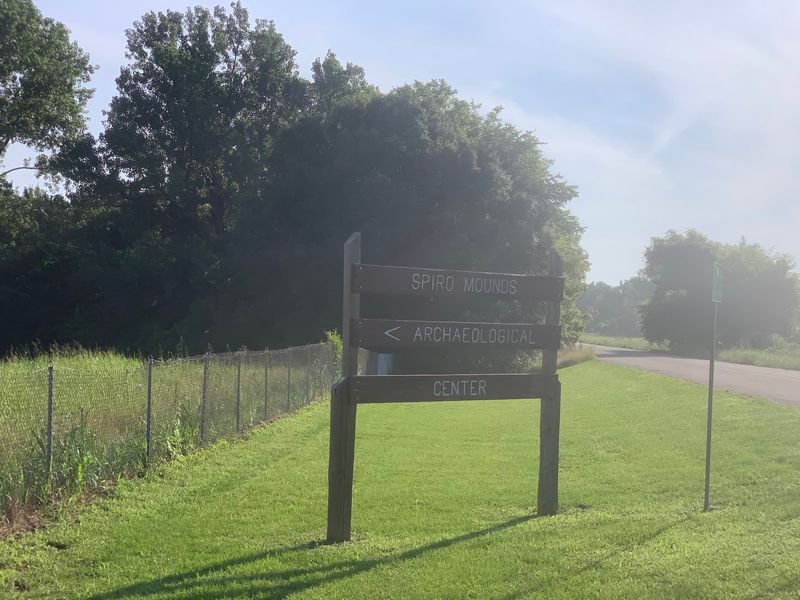
The address is 18154 1st St, Spiro, OK 74959, and the site sits just outside the small town of Spiro in LeFlore County. From Fort Smith, Arkansas, the drive takes under 30 minutes, making it an easy cross-state day trip.
From Tulsa, expect roughly two hours heading southeast. The site is reachable by standard passenger vehicles, and parking is available on-site.
The phone number for the center is 918-962-2062, and the official website through the Oklahoma Historical Society at okhistory.org/sites/spiromounds provides current information on hours and any special programming. Signage along the trail is in the process of being replaced as part of the renovation, so some outdoor panels may still appear faded during a visit.
Arriving with a bit of background knowledge from the website helps fill any gaps left by weathered signs along the route.
Share this story