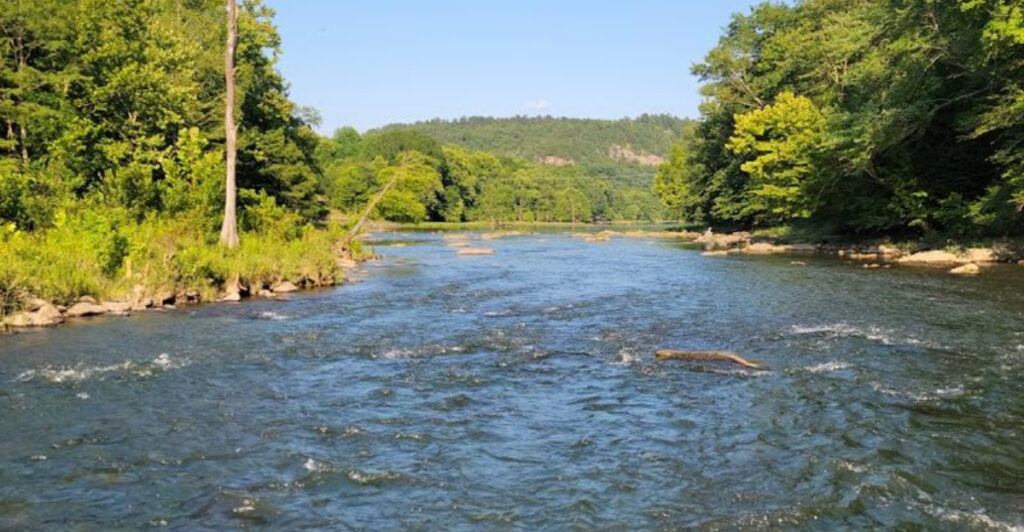
There is a corner of southeastern Oklahoma where the pine trees grow so tall they seem to be holding up the sky, and a river runs so clear you can count the smooth stones at the bottom. I had heard people talk about this place for years, always with that particular kind of enthusiasm reserved for spots that genuinely surprise you.
So I finally packed my gear, pointed my truck toward the Ouachita Mountains, and made the drive. What I found was a state park that earns every bit of its reputation, offering trout fishing, forest trails, riverside cabins, and a natural setting that keeps pulling visitors back year after year.
Where the Park Begins: Location and First Impressions
The address is 4350 OK-259A, Broken Bow, Oklahoma 74728, and the drive in sets the tone perfectly. The two-lane road winds through dense stands of loblolly pine, and the canopy thickens the closer you get to the park entrance.
Beavers Bend State Park sits in the Ouachita Mountains of McCurtain County, tucked into a valley carved by the Mountain Fork River. The park is open 24 hours a day, every day of the week, which means early risers and night-owl stargazers are equally welcome.
You can reach the park office at +1 580-494-6300 if you want to confirm details before arriving, and that call is worth making, especially if you plan to reserve a cabin. The entrance fee is reasonable, with visitors reporting a cost of around ten dollars, which is a fair price for everything the park delivers.
The moment you pass the gate, the outside world goes quiet. The air smells of pine and river water, and the scale of the trees reminds you that this forest has been growing long before any of us showed up with fishing rods and hiking boots.
The Towering Pine Forest That Steals the Show
Most people expect Oklahoma to look flat and dry, so the first view of these towering pines tends to produce a genuine double-take. The trees here are not small.
Loblolly pines shoot skyward, their trunks straight and reddish-brown, their branches forming a canopy that filters sunlight into shifting golden patches on the forest floor.
The effect is almost cathedral-like in its quiet and scale, though calling it that would not quite capture the wild, living energy of the place. The understory stays shaded and cool even in summer, making a walk through the woods far more comfortable than you might expect from an Oklahoma afternoon in July.
In winter, the pines stay green while the hardwoods shed their leaves, giving the forest a layered look that photographers tend to love. January visitors have described the experience as one of the most peaceful outdoor days they have ever had, with crisp air and scenery that feels completely untouched.
The forest is the park’s most immediate visual gift, and it wraps around nearly every trail, campsite, and overlook in a way that makes the whole place feel sheltered from the rest of the world.
Year-Round Trout Fishing on the Mountain Fork River
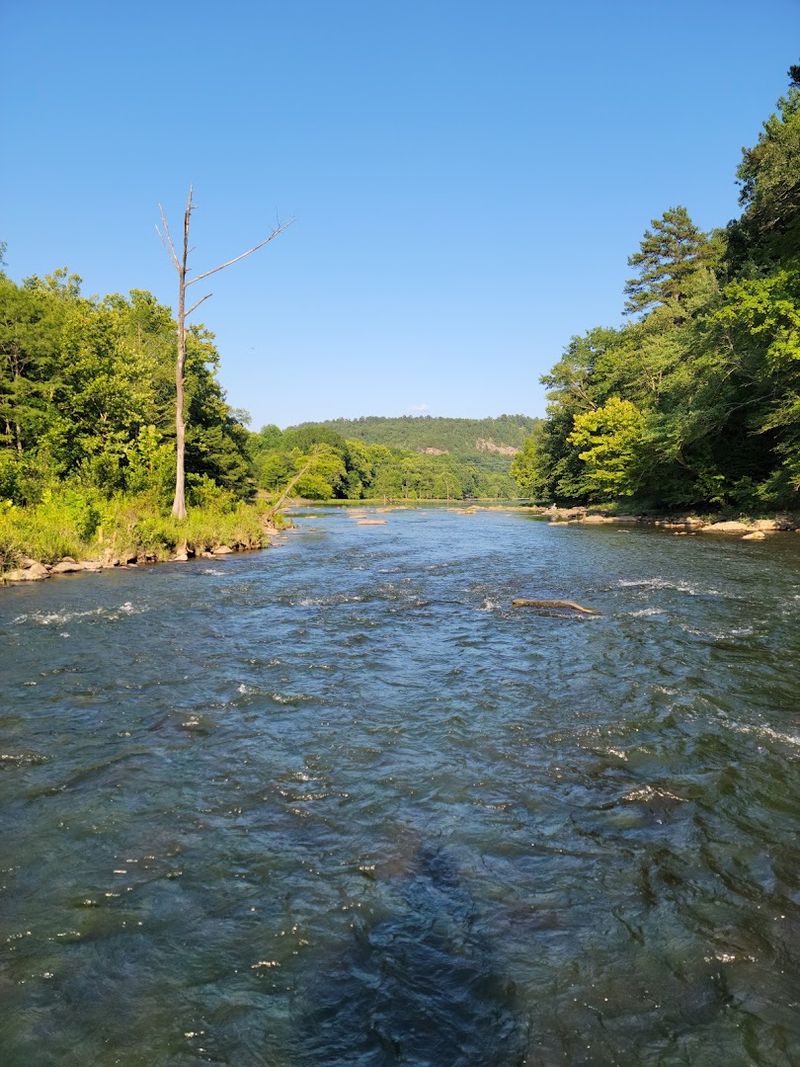
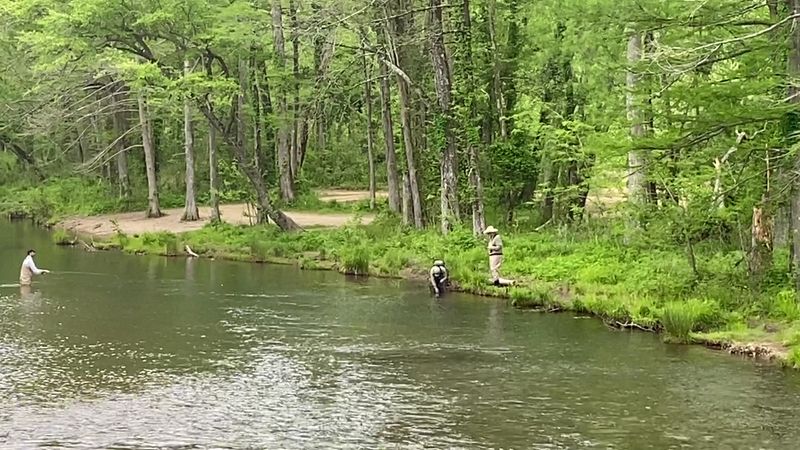
The Mountain Fork River is the heartbeat of this park, and trout fishing here is not just a seasonal event. The river is stocked year-round, which means anglers show up in January with the same enthusiasm they bring in June, and they are rarely disappointed.
The water runs remarkably clear, and on a calm morning you can watch trout holding in the current before you even cast a line. Fly fishing is particularly popular, and the Beavers Bend Fly Shop and Professional Guide Service operates right in the area, offering guided trips for those who want expert help reading the water and matching the hatch.
Families with kids who have never fished before find the river approachable, with easy bank access at several spots throughout the park. The combination of stocked trout and clear water means even beginners tend to have something to show for their morning.
The river also has a way of setting the pace for the entire visit. You slow down near it, you linger, and you find yourself watching the current long after the fish have stopped biting, which might be the best thing about fishing here in the first place.
Riverfront Cabins and Lodging Inside the Park
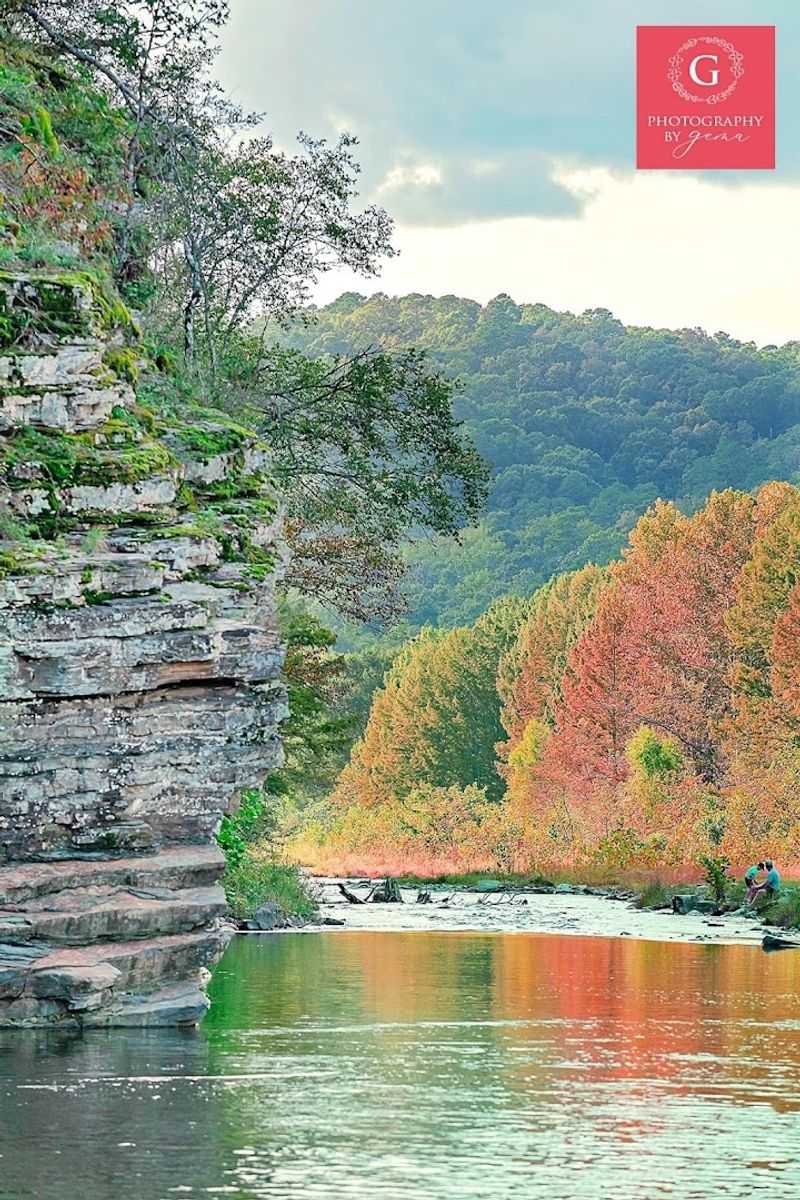
Staying inside the park rather than driving back to town each night is a completely different experience, and the riverfront cabins make that option genuinely appealing. The cabins range in size and configuration, and several sit close enough to the water that you can hear the Mountain Fork River from the porch.
One practical tip worth repeating: call the park directly at +1 580-494-6300 before booking online. Some visitors have arrived to find that cabin details listed on the website did not match what was actually available, so a quick phone call saves a lot of confusion at check-in.
The cabins are priced reasonably for what you get, which is a private, forested retreat with river access and all the park amenities right outside the door. Waking up to birdsong and pine-filtered morning light instead of a parking lot is a trade most people are happy to make.
The lodging options also include RV spots and traditional campsites for those who prefer a tent under the stars. The park accommodates a wide range of travel styles, which is part of why it draws repeat visitors who have been coming back for decades.
Hiking Trails With Views Worth the Effort
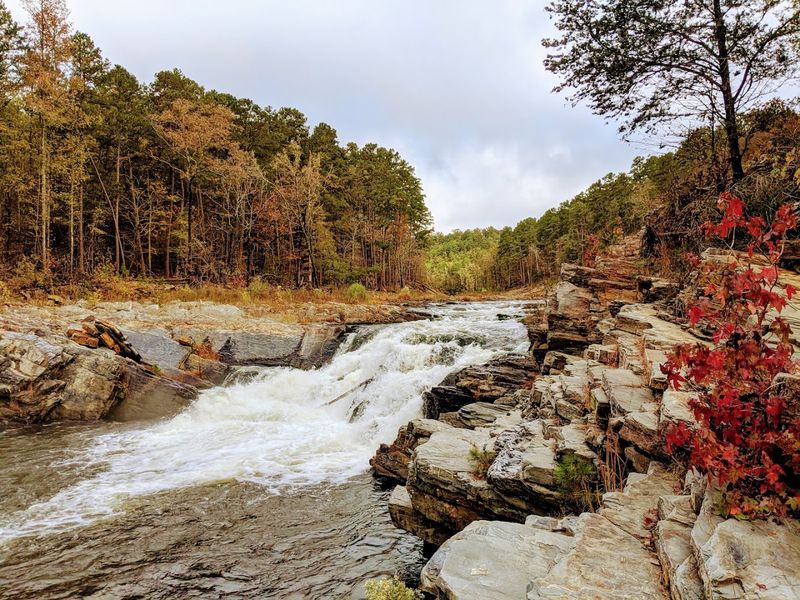
The trail system here gives you options whether you want a gentle stroll or a longer woodland hike that actually makes your legs remember it the next day. The Friends Trail is one of the most recommended routes, winding through the woods and along the river with enough variation to stay interesting for its entire length.
The Friendship Trail is another favorite, and it rewards hikers with a view of the river and a waterfall that feels genuinely surprising when it comes into sight through the trees. Trail markers are clear and well-maintained, so getting turned around is unlikely, though the park office hands out maps and even draws custom directions on request.
The trails stay accessible in most weather conditions, and winter hiking here has a particular appeal. The bare hardwoods open up sight lines through the forest that summer foliage blocks completely, and the cold air keeps the walk brisk and energizing without being punishing.
Trail surfaces range from packed dirt to rocky riverside paths, so a sturdy pair of shoes is a better choice than sandals. The views from the bridges over the river are some of the most photographed spots in the entire park.
The Nature Center and Its Surprisingly Good Museum
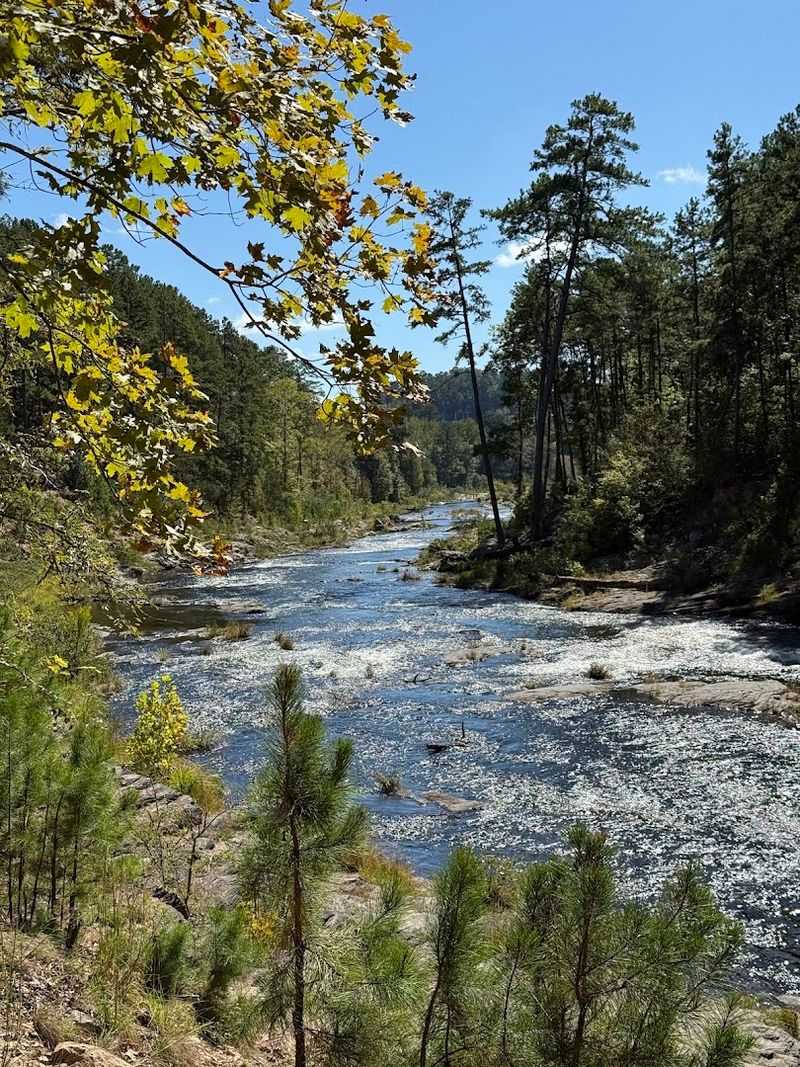
Not every state park comes with a museum worth spending real time in, but the Nature Center at Beavers Bend earns a genuine visit rather than a quick walk-through. The exhibits cover local wildlife, regional ecology, and Oklahoma history, with artifacts and displays that hold the attention of adults and curious kids alike.
The museum section includes historical pieces that add context to the land you have been walking through all morning. Understanding something about the cultural and natural history of the Ouachita Mountains makes the hike afterward feel more layered and meaningful.
The Nature Center is also a smart first stop if you are visiting with children. The interactive displays give younger visitors something to engage with before they head out on the trails, and the information about local animals helps kids know what to look and listen for once they are in the forest.
Staff at the center are knowledgeable and approachable, and the whole facility reflects the same well-maintained standard you notice throughout the rest of the park. It is the kind of bonus feature that turns a good outdoor trip into a genuinely educational one, without ever feeling like homework.
The Dam Overlook and Mountain Viewpoints
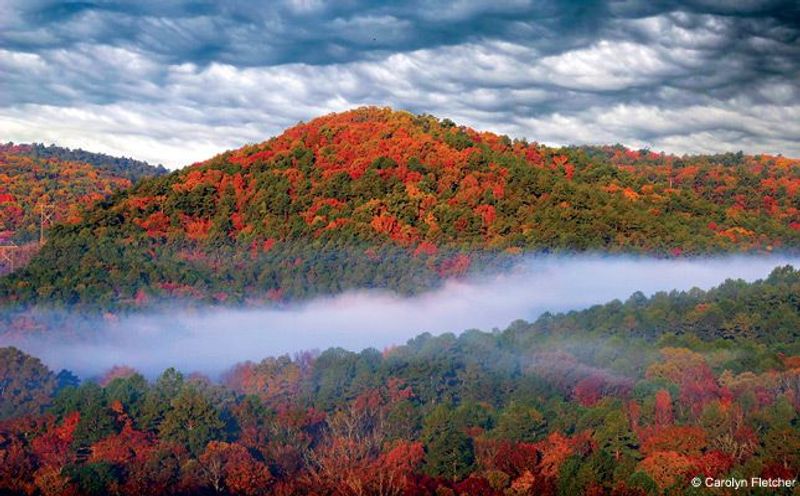
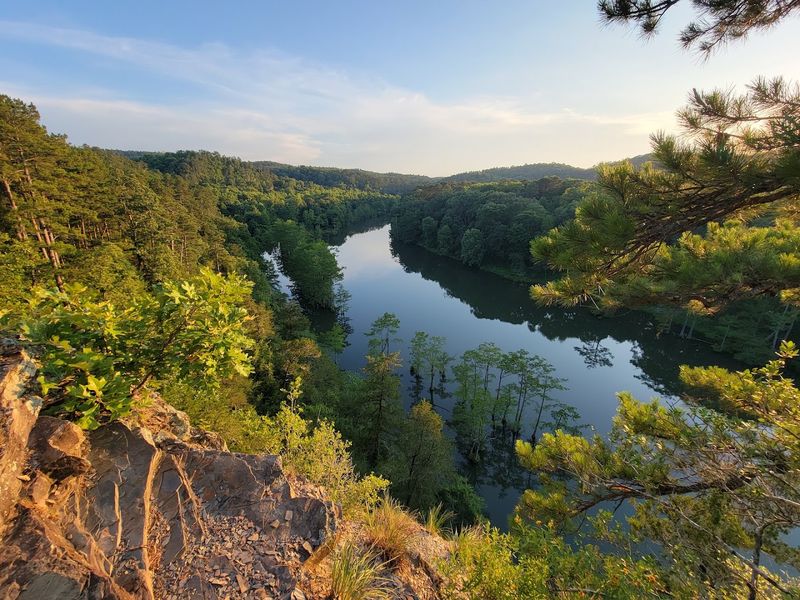
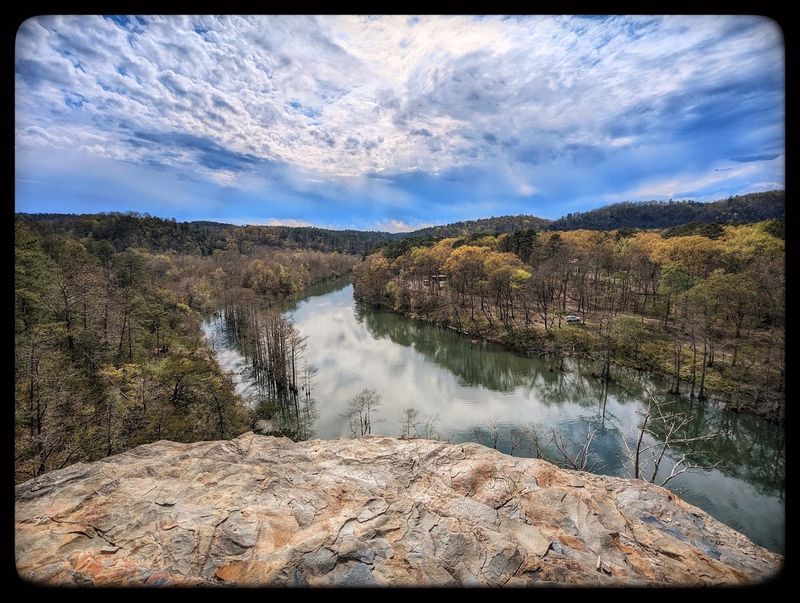
The Beavers Bend Dam overlook is one of those spots that makes you stop mid-sentence and just look. The view stretches across the lake with the Ouachita Mountains rolling away in every direction, covered in pine and hardwood forest that shifts color with the seasons.
The Broken Bow overlook at the top of the mountain delivers a different angle on the same landscape, with the lake framed by distant ridgelines and the kind of open sky that feels rare when you spend most of your time in cities. Both viewpoints are accessible by car, which means the payoff does not require serious physical effort.
Fall is a particularly spectacular time to visit these overlooks. The hardwoods turn orange, red, and gold against the backdrop of evergreen pines, creating a color contrast that photographers chase from across the region.
The second week of November tends to produce the most vivid fall foliage in the area.
Even on an ordinary summer afternoon, the views from these elevated points remind you why this corner of Oklahoma has been drawing visitors for generations. The landscape here is genuinely dramatic, and no photograph quite does it the justice it deserves until you are standing in it yourself.
Kayaking and Water Activities on the River and Lake
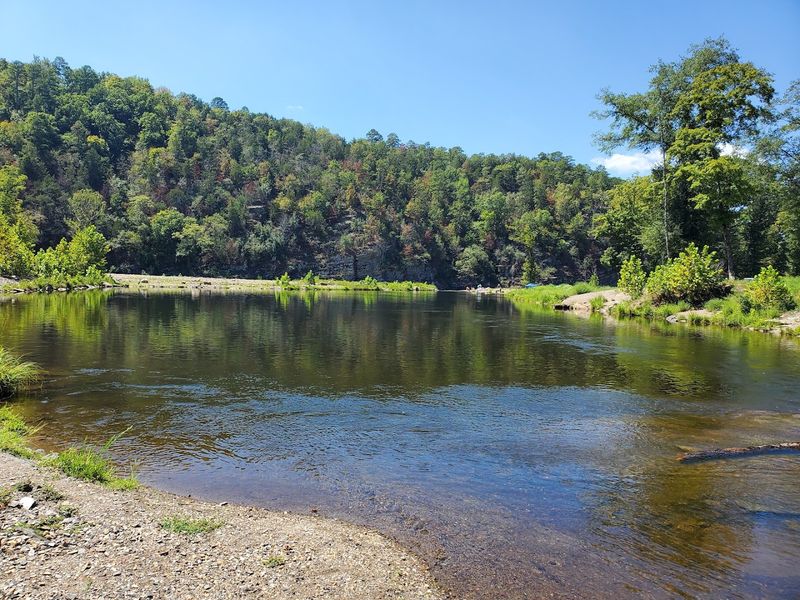
Beyond fishing, the water at Beavers Bend invites a whole range of activities, and kayaking is near the top of the list for visitors who want to see the park from a different angle. The river and the lake both offer paddling opportunities, with access points spread throughout the park.
One thing worth knowing before you launch: the Mountain Fork River is subject to hydro water releases from the dam, and a siren sounds when water levels are changing. During release periods, wading and paddling in certain sections is restricted for safety reasons.
Checking with the park office about release schedules before heading to the water saves a lot of rescheduling.
The lake offers calmer conditions and easy access for those who prefer flatwater paddling. Families with younger kids tend to gravitate toward the lake, while more experienced paddlers often prefer the river’s moving current and scenic canyon walls.
The swimming beach provides another option for those who simply want to cool off rather than cover distance. The park’s water access is one of its strongest features, and combining a morning on the river with an afternoon hike through the pines makes for a full and satisfying day outdoors.
Camping Options and What to Expect Overnight
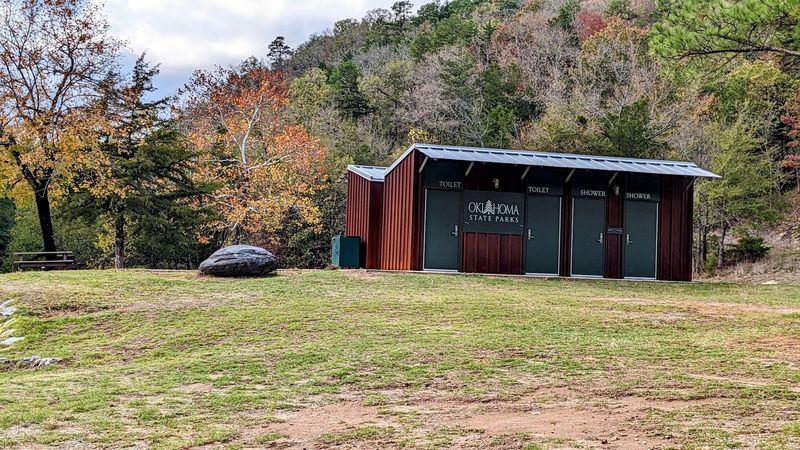
Camping at Beavers Bend is an experience that comes with a few honest caveats alongside the genuine appeal. The park offers multiple campground areas, including RV spots with hookups and more rustic primitive sites near the lake, giving campers a range of options depending on how close to nature they want to get.
The campground facilities vary in quality across different areas of the park. Some sections are well-maintained and clean, while others have drawn mixed feedback about bathroom upkeep and general tidiness.
Calling ahead to ask specifically about current conditions in your chosen campground is a practical step that can save frustration.
Wildlife is active at night, and raccoons in particular are resourceful visitors to campsites. Securing food in hard-sided containers rather than soft coolers is a smart habit here, and anything left out overnight is fair game for the local wildlife community.
The river area campgrounds come with one more sound to prepare for: the dam release sirens. These are loud and serve an important safety function, but they can catch first-time campers off guard.
Knowing about them in advance turns a jarring surprise into a manageable part of the experience, and the natural setting around the campsites more than compensates.
Tips for Planning Your Visit and Getting the Most From the Park
A few practical pieces of information can make the difference between a smooth visit and a frustrating one, and Beavers Bend rewards visitors who show up prepared. The park is open 24 hours a day, 365 days a year, so there is no wrong time to visit in terms of access, though weekends and fall foliage season bring noticeably larger crowds.
The entrance fee runs around ten dollars per vehicle, which is modest compared to many other state parks around the country. Bring cash just in case, though the park office can usually handle card payments as well.
If you plan to fish, check Oklahoma state fishing license requirements before arriving. Trout fishing regulations here include specific rules about gear and bag limits, and the staff at the fly shop can walk you through current requirements.
Guided trips are available for those who want local expertise on the water.
The park website at travelok.com has general information, but the most reliable source for current cabin availability, campground conditions, and water release schedules is a direct call to the park at +1 580-494-6300. A five-minute phone call before you leave home can make the entire trip run more smoothly from start to finish.
Share this story