Somewhere in southeastern Ohio, a small river town sits quietly at the meeting point of two rivers, holding more history than most cities ten times its size. Most people drive past it or barely register its name on a map, which is honestly their loss.
Once you wander its old streets and feel the pull of the water at the edge of downtown, you start to wonder how a place this layered stayed off your radar for so long. Ohio has a way of hiding its best stories in plain sight, and Marietta might be the finest example of that.
Where Two Rivers Shape a Town
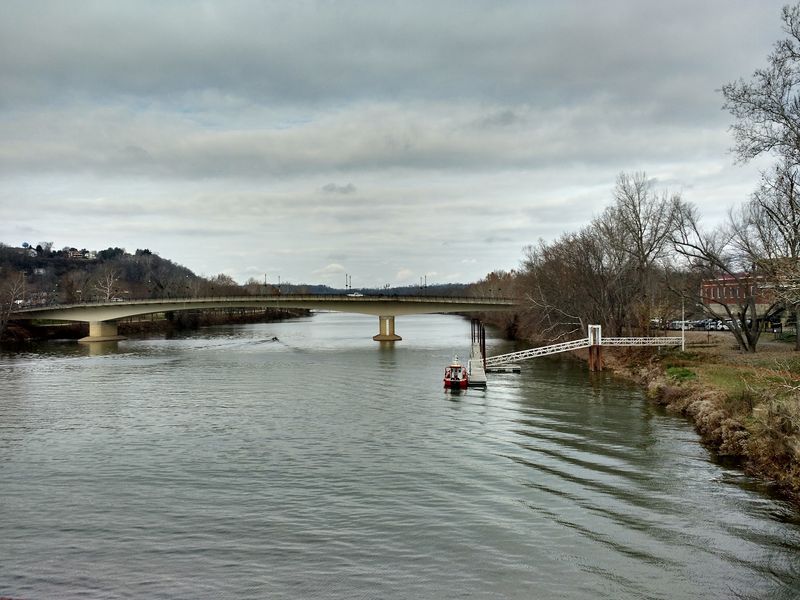
Planted right at the spot where the Muskingum River flows into the Ohio River, Marietta occupies one of the most geographically dramatic settings of any small city in the state. The rivers are not just scenery here.
They define the town’s personality, its economy through the centuries, and the way streets and neighborhoods were laid out from the very beginning.
Standing near the confluence on a clear morning, you get a sense of why people chose this exact spot to build something lasting. The Ohio River stretches wide and unhurried to the south, while the Muskingum curves in from the north, and the land between them became the foundation for what is now a city of around 13,385 residents according to the 2020 census.
Marietta serves as the county seat of Washington County, sitting in the southeastern corner of Ohio just 11 miles northeast of Parkersburg, West Virginia. The proximity to the state line gives the area a borderland quality, a place where Ohio meets the hills and hollows of Appalachian West Virginia, which adds a subtle but real texture to the local character you can feel even on a short visit.
The First Permanent Settlement North of the Ohio River
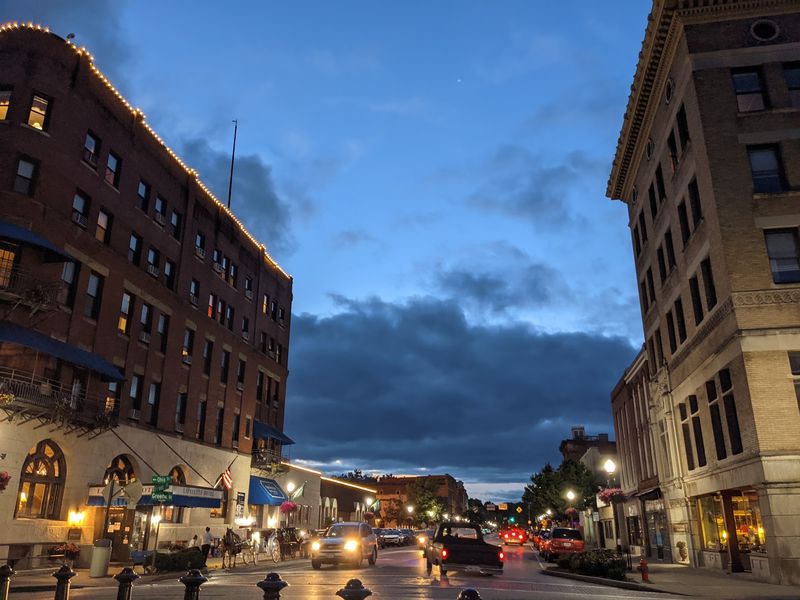
Few Ohio towns carry a founding story as significant as Marietta’s. Established in 1788, it holds the distinction of being the first permanent American settlement in the Northwest Territory, the vast region that would eventually become Ohio, Indiana, Illinois, Michigan, and Wisconsin.
That is not a small footnote. That is the opening chapter of an entire region’s history.
The town was named in honor of Marie Antoinette, the French queen, as a gesture of gratitude toward France for its support during the American Revolution. A group of Revolutionary War veterans organized under the Ohio Company of Associates made the journey west and planted roots at this river junction with deliberate intention.
They were not wandering settlers. They were building a city from the start.
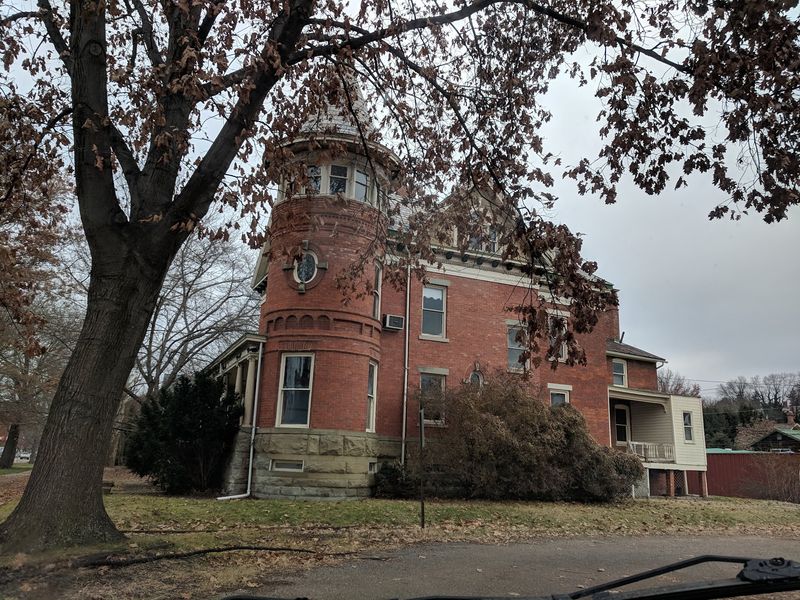
Walking through Marietta today, that founding ambition is still visible in the architecture and street grid. The early planners laid out a town meant to grow and endure, and the bones of that original vision are still readable in the oldest parts of downtown.
For history lovers, this backstory alone makes the drive to southeastern Ohio more than worthwhile.
Campus Martius and the Frontier Museum
One of the most rewarding stops in town is Campus Martius, the museum built around the original fortified settlement the Ohio Company constructed when they first arrived. The name means “Field of Mars” in Latin, a nod to the military background of many of the founders.
Part of the original structure still survives inside the museum, making it one of the oldest intact buildings in the entire state of Ohio.
The museum covers the full sweep of Marietta’s early history, from the founding expedition through the development of the Northwest Territory. Exhibits include period artifacts, maps, furniture, and personal items that belonged to some of the original settlers.
The Rufus Putnam House, preserved as part of the museum complex, gives visitors a genuinely close look at how the town’s earliest leaders actually lived.
For families traveling with kids who are old enough to absorb some history, Campus Martius delivers the kind of tangible, walk-through experience that sticks with you far longer than a textbook ever could. The staff is knowledgeable and the exhibits are well-maintained, making this a visit that earns its time on your itinerary without any caveats.
The Ohio River Museum and Its Steamboat Legacy
River towns live and breathe by the water that made them, and Marietta is no exception. The Ohio River Museum tells the story of how the Ohio River shaped commerce, travel, and everyday life for generations of people who depended on it.
The collection covers everything from the natural history of the river ecosystem to the golden age of steamboat travel that turned the Ohio into one of the busiest waterways in North America during the 19th century.
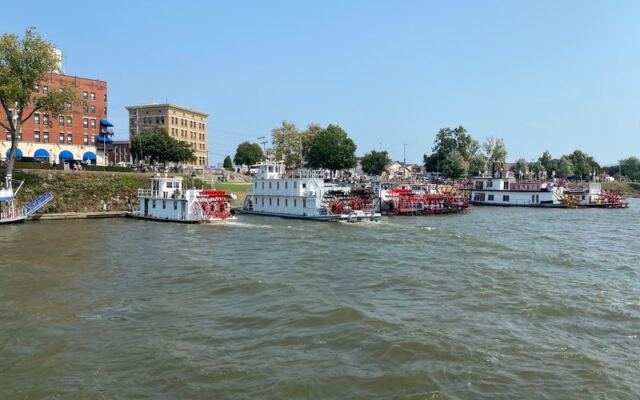
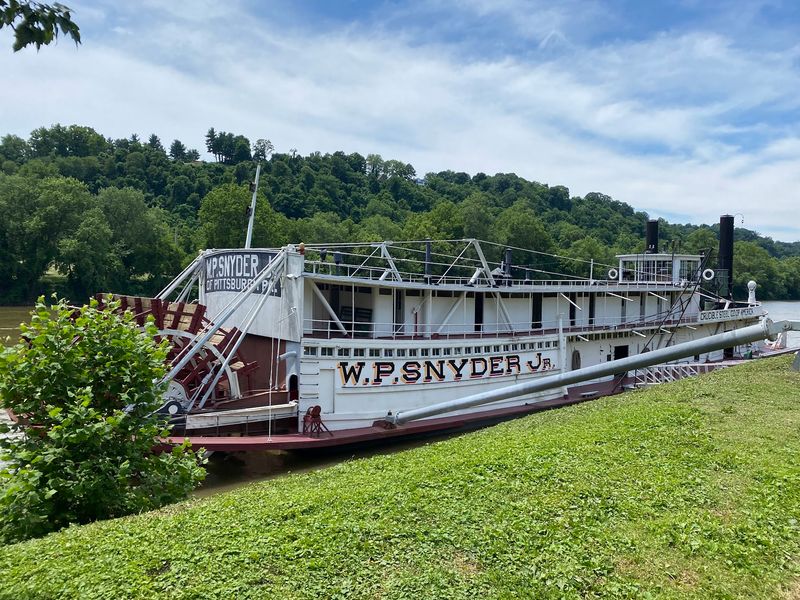
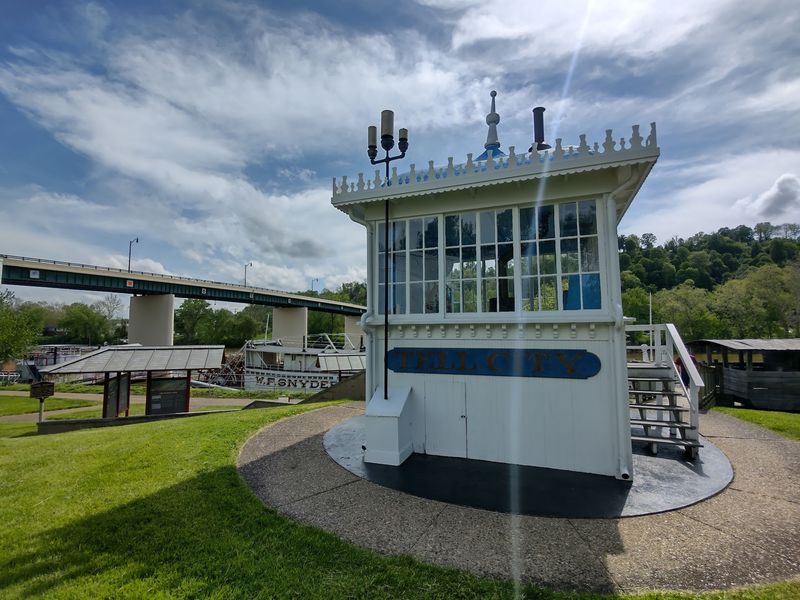
The star of the museum’s collection is the W.P. Snyder Jr., a steam-powered sternwheel towboat that is the last surviving vessel of its kind in the United States.
Moored just outside the museum, it is open for tours and gives visitors a rare, up-close look at the engineering and working conditions that defined river life for the people who crewed these boats for months at a time.
Standing on the deck of the Snyder and looking out at the Ohio River rolling past, it is easy to feel the scale of what this waterway once represented. Goods, people, news, and ideas all moved along this corridor, and Marietta sat right at one of its most important junctions.
The museum makes that history feel immediate rather than distant.
Downtown Streets Built to Last
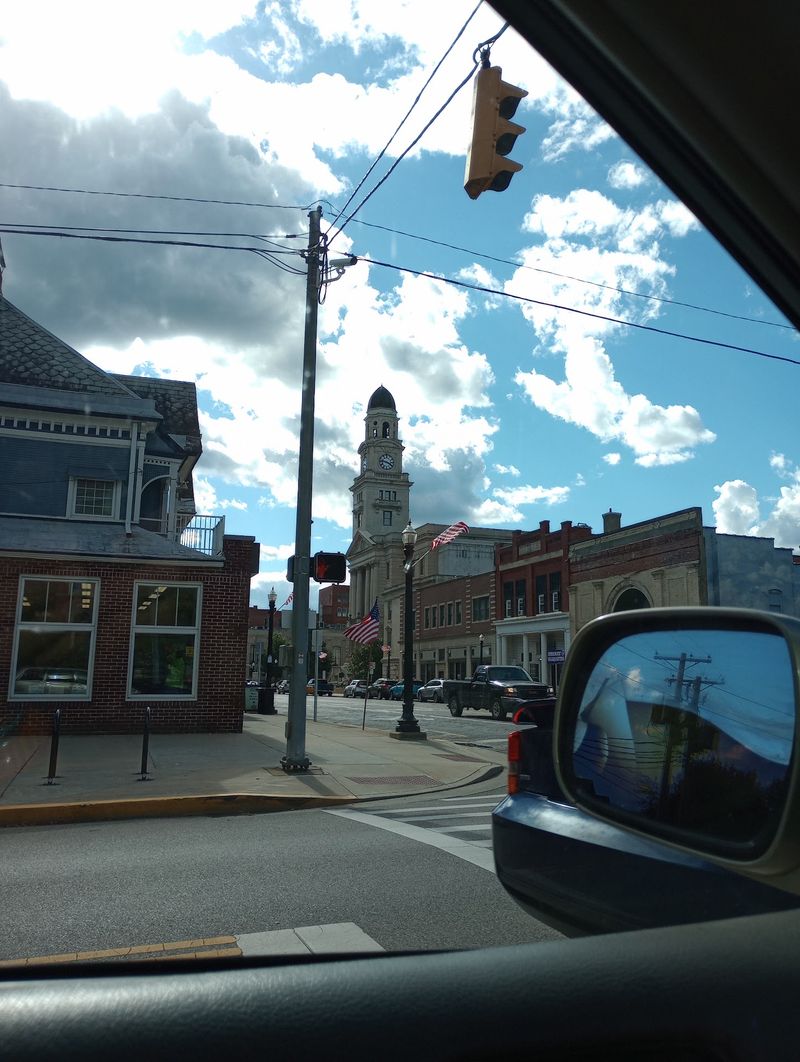
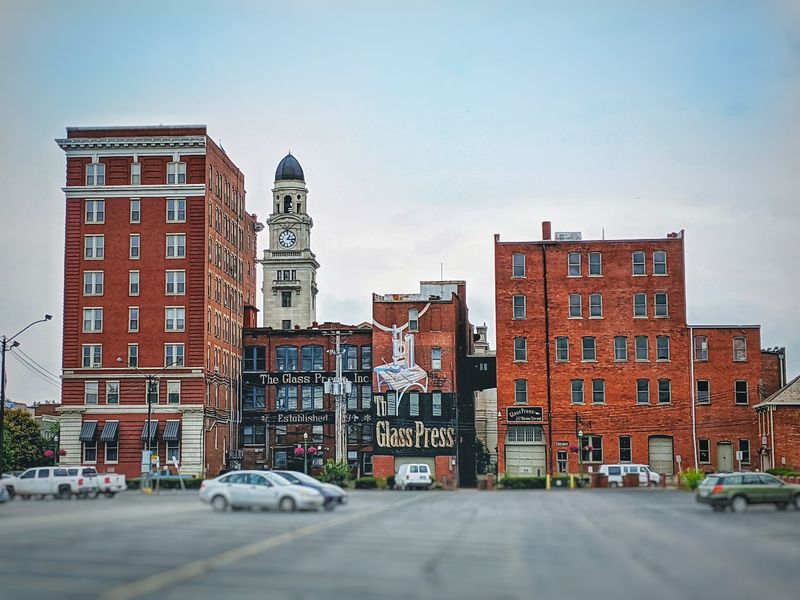
Not every small Ohio city has managed to hold onto its historic downtown, but Marietta has done so with impressive results. The core of the city features a walkable grid of streets lined with well-preserved 19th-century brick commercial buildings that now house local shops, restaurants, and businesses.
It has the feel of a town that chose to invest in what it already had rather than tear it down and start over.
Strolling along the main commercial blocks, you notice the variety of architectural styles that accumulated over roughly 150 years of building and rebuilding. Italianate facades sit next to Romanesque storefronts, and the occasional Federal-style structure peeks out as a reminder of just how early this city got its start.
The details matter here: carved stone lintels, decorative ironwork, and original transom windows that most towns long ago replaced with aluminum.
Local business owners seem genuinely invested in the character of the place, which keeps the streetscape from feeling like a museum piece. Marietta’s downtown is lived in and active, not frozen.
That balance between preservation and daily life is harder to strike than it looks, and the town has pulled it off in a way that rewards slow, attentive walking.
Mound Cemetery and the Ancient Earthworks
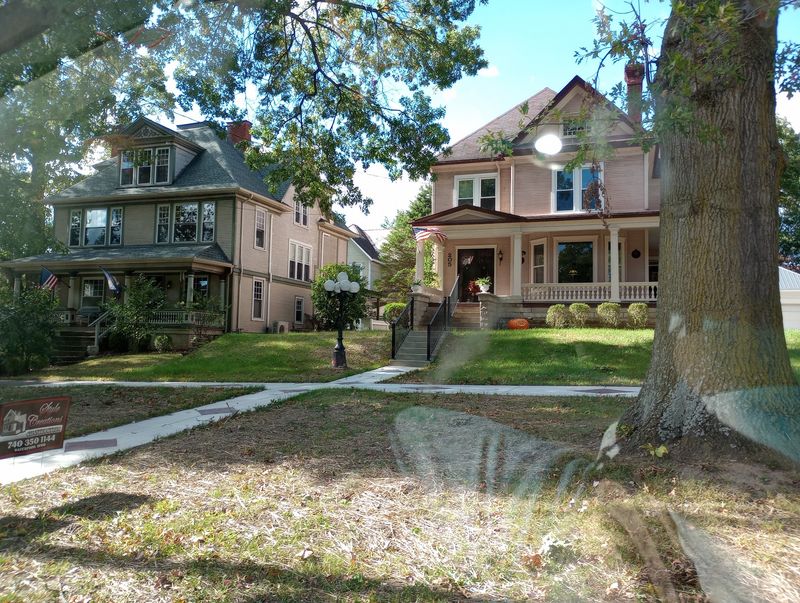
Tucked within a working cemetery in the heart of the city, one of the most remarkable prehistoric sites in Ohio sits in quiet coexistence with centuries of more recent history. Mound Cemetery contains a large conical earthwork built by the Hopewell culture, a sophisticated Indigenous civilization that constructed elaborate ceremonial and burial mounds across the Ohio Valley roughly 2,000 years ago.
The mound rises about 30 feet above the surrounding ground and is surrounded by the graves of early Marietta settlers, many of them Revolutionary War veterans. The juxtaposition is striking: ancient earthworks built by one civilization, surrounded by the markers of another that arrived nearly two millennia later.
Both left their mark on the same patch of Ohio ground, and the cemetery holds that layered history in an unusually direct way.
Mound Cemetery is also noted for having one of the highest concentrations of Revolutionary War officers buried in any cemetery in the United States, which adds yet another dimension to what is already a remarkably dense historical site. Visitors who take the time to walk the grounds and read the markers often come away with a much richer sense of just how many significant American stories converge in this one small city.
River Views That Reward a Morning Walk
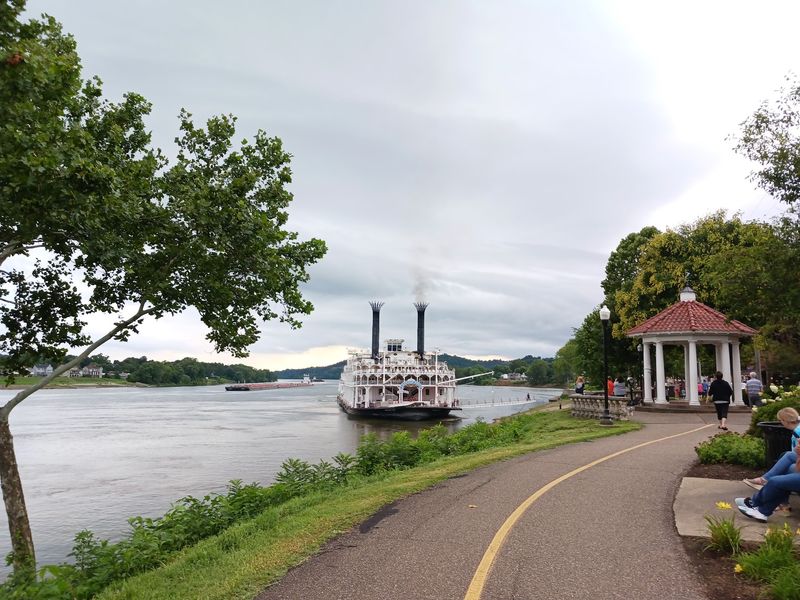
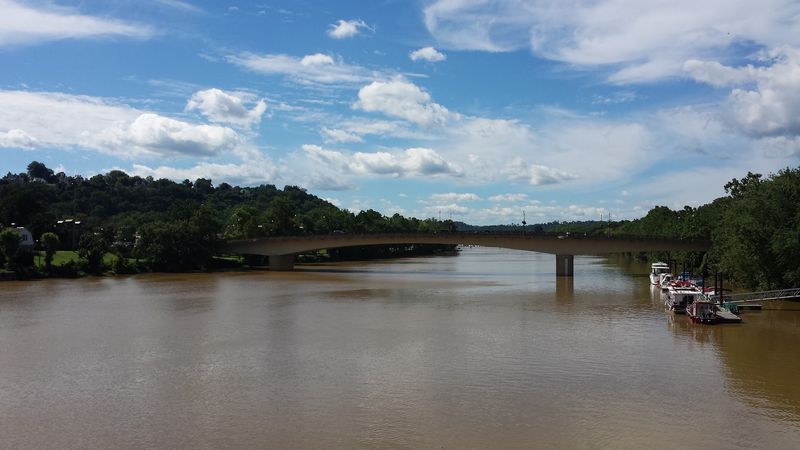
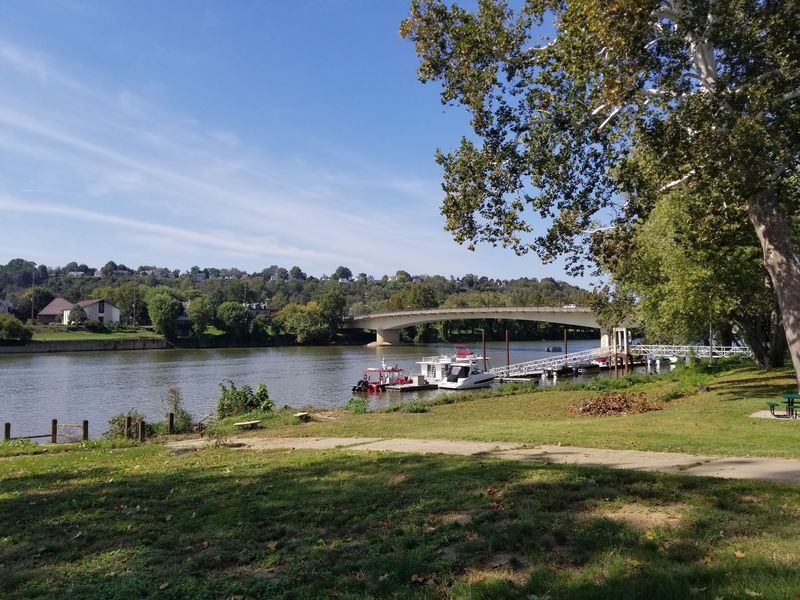
Early mornings along the Marietta riverfront have a quality that is genuinely hard to describe without sounding like you are overselling it. The Ohio River at this point is wide and slow, and when the light hits the water at a low angle, the whole surface turns into something that belongs in a painting.
The hills of West Virginia rise on the far bank, dark green against whatever the sky is doing that morning, and the scene feels much larger than a town of 13,000 people has any right to offer.
The riverfront area includes walkable paths and open green space that make it accessible without requiring any special gear or planning. Families with young children, older visitors looking for a gentle stroll, and solo travelers who just want a few quiet minutes by the water all seem to find what they are looking for here.
The pace slows down naturally once you get close to the river.
Sunsets are equally worth planning around. The western orientation of the Ohio River at this stretch means that on clear evenings, the light show over the water can be genuinely spectacular.
Locals know this, and you will often find small clusters of people gathered near the riverbank in the hour before dark, not doing anything in particular, just watching the river and the sky do their thing.
The Blennerhassett Island Connection
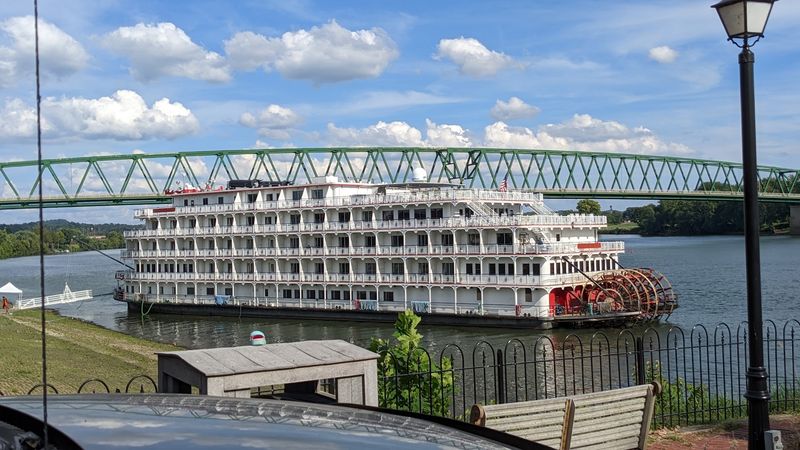
Just downstream from Marietta, an island in the middle of the Ohio River carries one of the more dramatic backstories in American history. Blennerhassett Island, now a West Virginia state park, was the site of an elaborate estate built by Harman Blennerhassett, an Irish immigrant who arrived in the late 1700s and constructed what was described as one of the finest mansions in the entire western frontier.
The island became entangled in the Aaron Burr conspiracy of 1806, a murky scheme that allegedly involved plans to carve out a new nation from western territories. Blennerhassett’s involvement brought federal attention, the destruction of his estate, and a story that still generates historical debate more than two centuries later.
The mansion has since been reconstructed and is open to visitors who take the sternwheel riverboat from Parkersburg.
From Marietta, the island is close enough to feel like a natural extension of the local story, and many visitors to the city make the short trip down to see it. The whole episode adds a layer of intrigue to the region’s history that goes well beyond the typical founding-era narrative.
Marietta sits at the center of a river corridor packed with moments that shaped early American history in ways that still echo today.
Local Food Worth Stopping For
A river town that has been feeding travelers since the late 1700s has had a long time to figure out what works, and Marietta’s local food scene reflects that accumulated knowledge. The city’s restaurants skew toward hearty, unpretentious cooking that suits the landscape and the history: comfort food done well, locally sourced when possible, and served in spaces that feel like they belong to the town rather than imported from somewhere else.
Downtown has a mix of long-standing local spots and newer businesses that have found their footing in the historic commercial district. You can find everything from casual lunch counters to sit-down dinner spots, and the general quality level is higher than you might expect from a city of this size.
The riverfront location means fresh fish shows up on menus with some regularity, prepared in ways that range from straightforward to genuinely creative.
Weekend mornings in particular bring out a lively breakfast and brunch crowd, with locals filling tables and catching up in the kind of unhurried way that only happens in towns where everyone seems to know everyone. Visitors who stumble into this atmosphere often remark that it is one of the most welcoming parts of the whole trip, a reminder that good food and good company are still the easiest way into a community’s heart.
Seasonal Events That Draw the Region Together
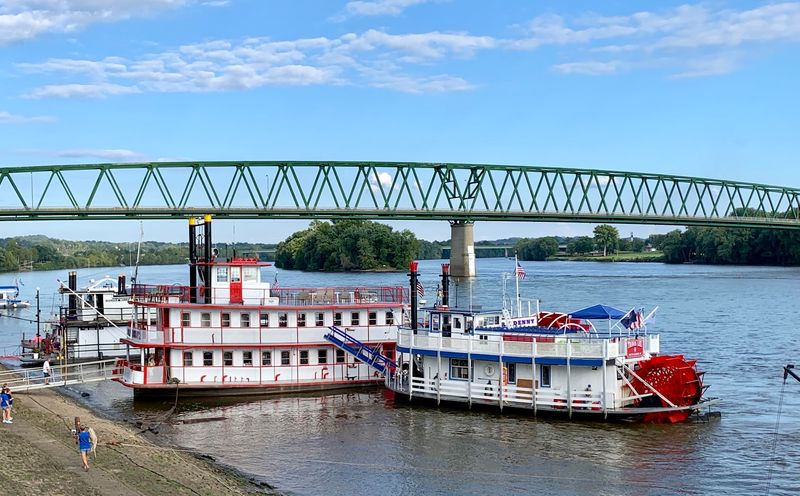
Throughout the year, Marietta pulls together events that draw visitors from across southeastern Ohio and beyond. The city has a tradition of community gatherings that dates back to its earliest years, and that instinct for celebration is still very much alive.
Seasonal festivals fill the downtown streets and riverfront with vendors, musicians, and the kind of relaxed energy that makes a small city feel like the center of the world for a weekend.
The Ohio River provides a natural backdrop for warm-weather events, and the city takes full advantage of its waterfront setting when planning outdoor programming. Fall brings its own rhythm as the hills surrounding the river valley shift color, and the contrast between the foliage and the water below creates a visual backdrop that photographers and casual visitors alike find hard to resist.
Holiday programming in winter transforms the historic downtown into something that feels genuinely festive rather than commercially obligatory. The old brick buildings, the period street lamps, and the general scale of the place make seasonal decorations land differently here than they do in larger cities.
If you are looking for a weekend getaway timed around an event, Marietta’s calendar usually offers something worth planning around no matter what time of year you are considering the trip.
Who Will Love It Most
History enthusiasts are the obvious audience for Marietta, and they will find more material here than a single day can comfortably cover. Between Campus Martius, the Ohio River Museum, Mound Cemetery, and the layers of architectural history visible on every block, there is enough to occupy a genuinely curious person for an entire weekend without running out of things to look at and think about.
Outdoor lovers who prefer gentle scenery over strenuous adventure also find Marietta agreeable. The riverfront walks, the views from elevated points around the city, and the proximity to the Hocking Hills region to the northwest mean that nature is never far away.
The town itself is flat and walkable, which makes it accessible to visitors of varying mobility levels without requiring any special accommodations.
Families with older children, couples looking for a meaningful weekend away, and solo travelers who want a destination with genuine substance rather than manufactured charm all tend to leave Marietta with more appreciation than they arrived with. The city does not perform for visitors.
It simply exists, layered and confident, and lets the story speak for itself. That kind of quiet confidence is rarer than it should be, and it is a big part of why the place stays with you after you leave.
Getting There and Getting Around
Marietta sits in the southeastern corner of Ohio, roughly two hours from Columbus and about two and a half hours from Cleveland, making it a realistic day trip from most of the state’s major population centers. The drive down through the Ohio hill country is scenic enough to count as part of the experience, with the terrain shifting noticeably as you move away from the flatter central Ohio landscape into the more rugged southeastern region.
Interstate 77 runs through the area and provides the main corridor for visitors coming from the north or south. Once you arrive in Marietta, the city is compact enough that most of the key attractions are reachable on foot from a central parking spot downtown.
The historic district, the riverfront, and the main museums are all clustered close enough together that you do not need to move your car repeatedly throughout the day.
Street parking is generally available downtown, and the city does not have the congestion issues that make driving in larger Ohio cities frustrating. Weekend mornings tend to be the easiest time to arrive and find a spot.
The city’s official website at mariettaoh.net carries current information on events, parking, and any seasonal considerations worth knowing before you make the drive. A little advance checking goes a long way toward making the visit smooth from start to finish.
Why Marietta Earns a Spot on Your Ohio List
Some places earn their reputation through marketing, and some earn it through simply being exactly what they present themselves as. Marietta belongs firmly in the second category.
It is a city that has been quietly doing its thing for well over two centuries, accumulating history, preserving its architecture, and maintaining a riverfront character that most American small cities have long since paved over or redeveloped beyond recognition.
The combination of prehistoric earthworks, Revolutionary War history, steamboat heritage, and genuine river scenery is unusual anywhere in the country and practically unmatched in Ohio. What makes it more impressive is that all of these layers exist in a city small enough to feel personal rather than institutional.
You are not navigating a massive museum campus. You are walking actual streets where actual history happened, surrounded by buildings that were standing when most of the country was still being mapped.
For Ohioans who love discovering what their own state has to offer, Marietta delivers the “wait, this is right here?” moment in a way that very few destinations can match. It rewards the curious, the patient, and anyone willing to trade a familiar weekend for something that will generate genuinely interesting conversation long after the drive home.
Put it on the list. Then move it to the top.
Share this story