Oklahoma has a quiet way of surprising you, and sometimes the most memorable spots are the ones you stumble upon without much expectation. Tucked along the western edge of a major university campus, one botanic garden manages to feel like a world entirely removed from the everyday rush.
With winding walking trails, towering shade trees, themed garden displays, and a children’s play area that genuinely delights families, this place earns every bit of its reputation. Best of all, it costs nothing to walk through the gate and start exploring.
Location and Setting Along the OSU Campus Edge
Sitting quietly on the west side of the Oklahoma State University campus, The Botanic Garden at Oklahoma State University occupies over 100 acres of carefully cultivated land in Stillwater, Oklahoma. The south entrance is located at 3300 W. 6th Street, making it easy to find whether you are a first-time visitor or a returning regular.
The garden serves a dual purpose that makes it genuinely fascinating. On one hand, it functions as a living laboratory for OSU’s Department of Horticulture and Landscape Architecture, where students conduct research and study plant science up close.
On the other hand, it welcomes the general public without charging a single dollar at the gate.
That combination of academic rigor and open community access gives the garden a character unlike most public green spaces. Visitors walk the same paths where horticulture students once took their exams, surrounded by plants that represent years of dedicated cultivation.
The grounds feel both purposeful and inviting, striking a balance that keeps people coming back season after season to see what has changed and what has quietly grown.
A Century of Growth – The Garden’s History and Academic Roots
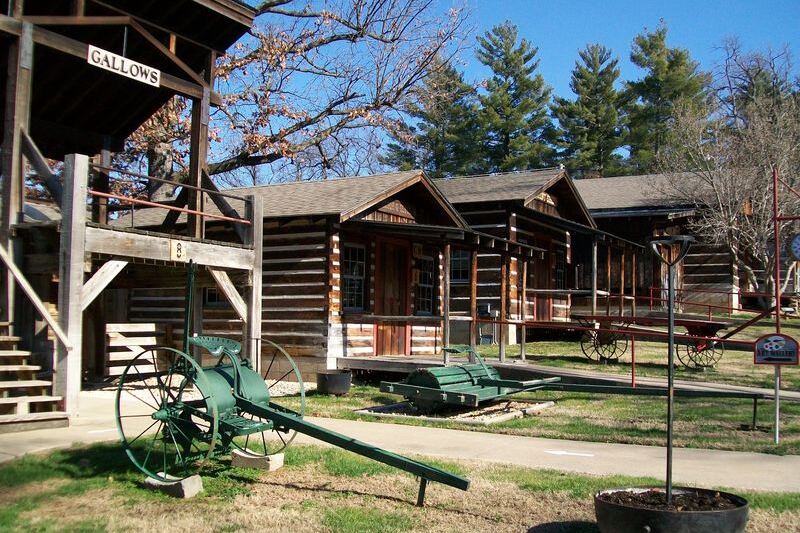
Few public gardens in Oklahoma carry the layered history that this one does. The OSU Botanic Garden has evolved steadily over decades, with signage throughout the grounds marking how specific plots have transformed from 2003, 2007, and beyond, giving visitors a rare visual timeline of horticultural progress.
Faculty, students, and dedicated staff have poured enormous effort into shaping the garden into what it stands as today. One former horticulture student recalled taking exams on these very grounds under the guidance of longtime director Lou Anella, a detail that speaks to just how deeply the garden is woven into OSU’s academic fabric.
The garden also serves as home to the Oklahoma Gardening Studio Garden, where the long-running weekly television program “Oklahoma Gardening” is filmed. Visitors sometimes get the rare treat of watching the show being produced right there on the grounds, adding a media dimension most botanical spaces simply do not offer.
That blend of teaching history, ongoing research, and broadcast programming makes the OSU Botanic Garden something genuinely uncommon among Oklahoma’s public green spaces, and worth understanding before you ever step through the gate.
Themed Garden Displays Across 100 Acres
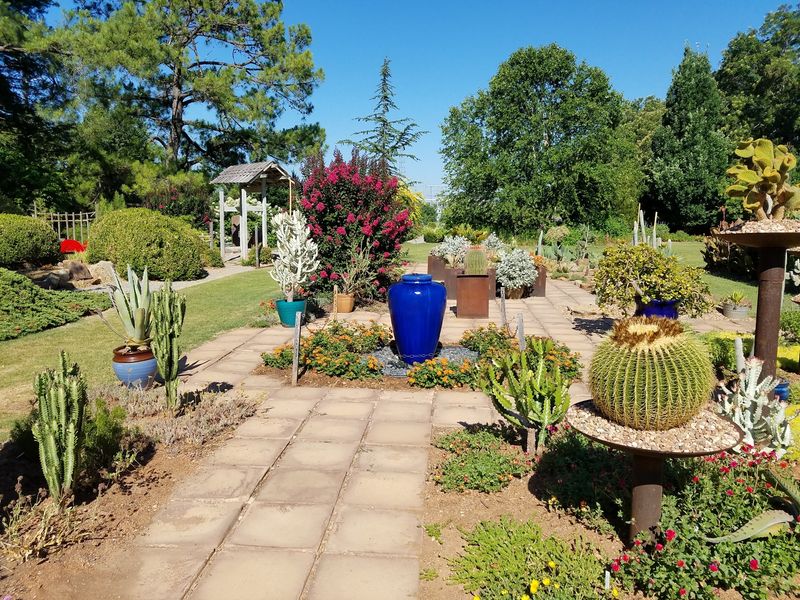
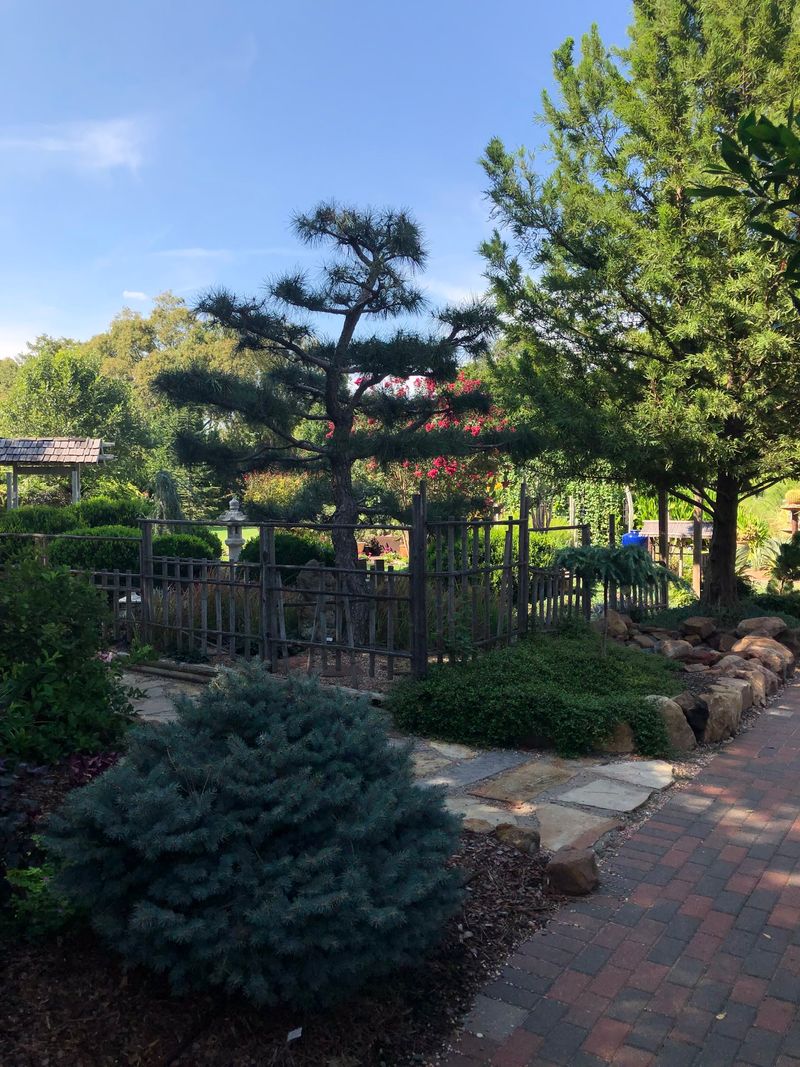
Wandering through the OSU Botanic Garden means moving from one distinct visual world to the next. The grounds feature a remarkable variety of themed display areas, including a Japanese garden, a rose garden, butterfly gardens, herb gardens, ornamental grass plantings, and sections dedicated to native plants and pollinator habitats.
Each area carries its own personality. The Japanese garden offers a sense of calm geometry, while the butterfly garden buzzes with movement when flowers are at peak bloom.
Visitors frequently mention the abundance of butterflies drifting through the garden on warm days, and the pollinator habitats make it clear that the garden’s purpose goes beyond aesthetics into genuine ecological stewardship.
Demonstration plots showcase sustainable gardening practices and trial cultivars that may eventually become widely available to home gardeners. One enthusiastic visitor noted spotting pink velvet banana growing in an established grove after surviving a brutal Oklahoma winter with temperatures dipping to negative ten degrees, a testament to the experimental spirit driving the garden’s plant selection.
Labels and educational signage appear throughout, helping visitors identify what they are looking at and understand the broader story each planting represents.
Walking Trails Through Big Shady Trees
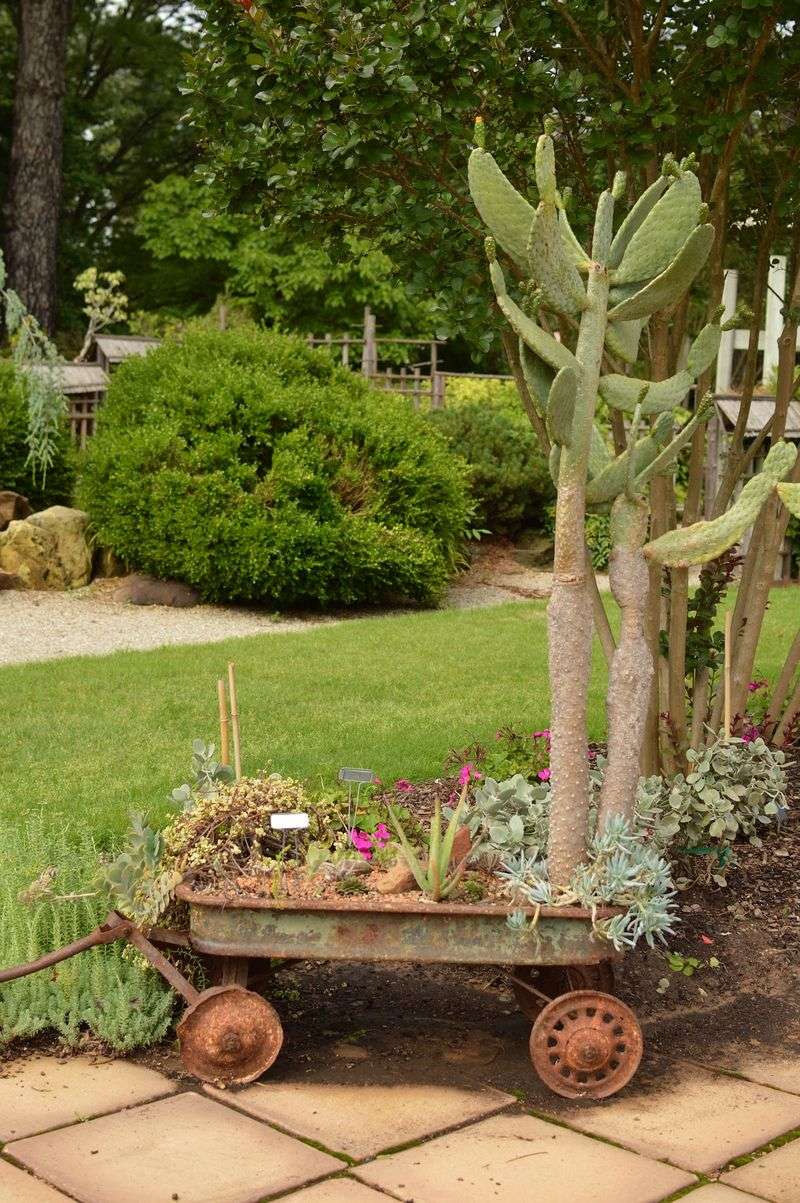
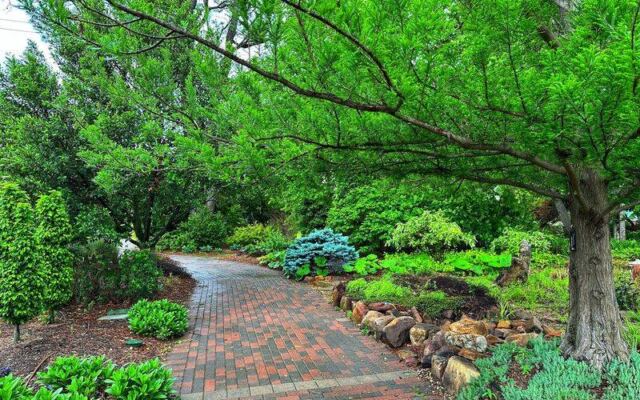
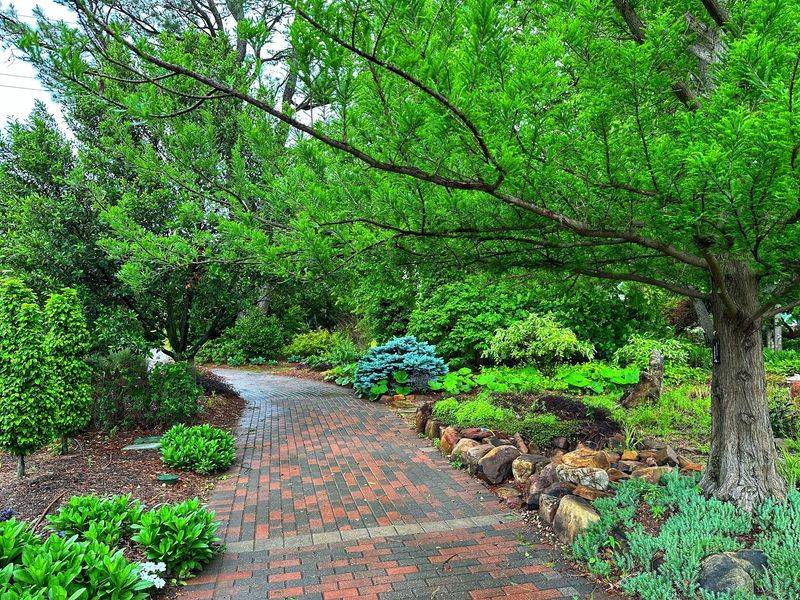
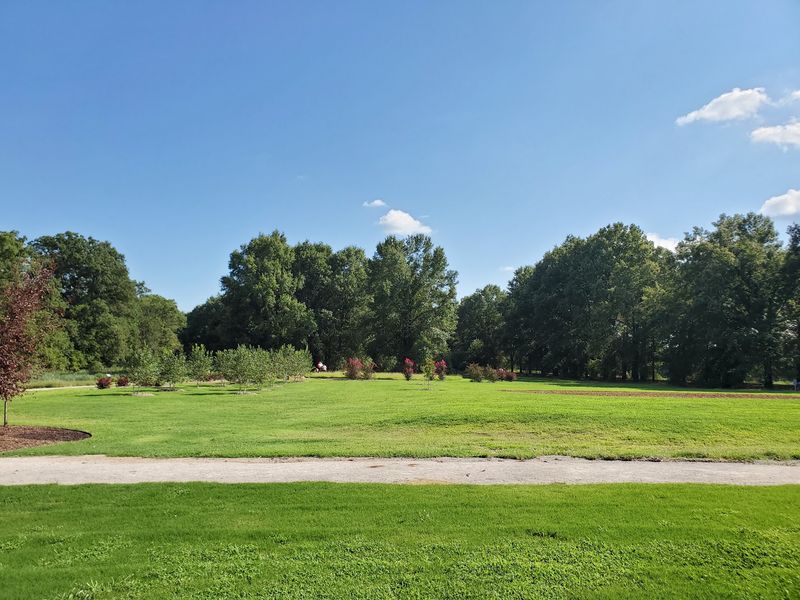
Comfortable shoes are a smart choice before heading out here, because the walking trails are genuinely worth exploring from end to end. Winding paths carry visitors through canopies of large, mature trees that provide generous shade even on warm Oklahoma afternoons, creating a relief that feels almost luxurious in the summer months.
The trails pass through garden sections, open lawn areas, and quieter wooded stretches where the only sounds are birdsong and the occasional rustle of leaves. Visitors describe the experience as a casual stroll that never feels rushed, with enough variety along the route to keep the walk interesting from start to finish.
Seating is scattered throughout the grounds, allowing visitors to pause, rest, and simply absorb the surroundings without feeling pressure to keep moving. One visitor described sitting on a bench beneath a large leafy plant and feeling completely at peace, a sentiment echoed by many who return specifically for the restorative quality of the walk.
Dogs are welcome on the trails as long as they remain on a leash, making the garden a popular destination for pet owners looking for a scenic and unhurried outing that works for the whole family.
The Treehouse Village and Children’s Play Area
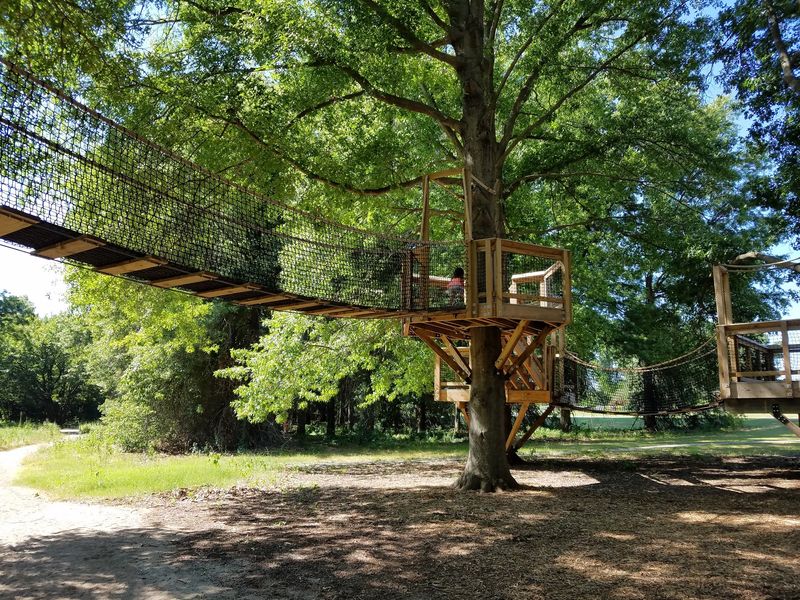
Parents planning a visit with young children are in for a genuine highlight. Tucked within the garden grounds is a treehouse village that manages to feel both imaginative and beautifully integrated into the natural landscape, drawing kids in immediately upon spotting it.
The play area includes a playhouse, climbing structures, and even a small free library where children can pick up a book and read among the plants and trees. Families have reported spending far more time than planned simply because kids refused to leave, exploring every corner of the play space with genuine enthusiasm.
Beyond the treehouse village, a playground sits along the drive into the garden, giving younger visitors additional space to burn energy before or after the main walking tour. A small henhouse on the grounds adds an unexpected layer of delight, with chickens available to feed, a detail that consistently surprises and entertains visitors of all ages.
The combination of structured play areas, living animals, and surrounding botanical beauty makes the OSU Botanic Garden one of the more thoughtfully designed family destinations in the Stillwater area, offering something genuinely engaging for children rather than simply tolerating their presence.
Atmosphere and the Quiet Appeal for All Kinds of Visitors
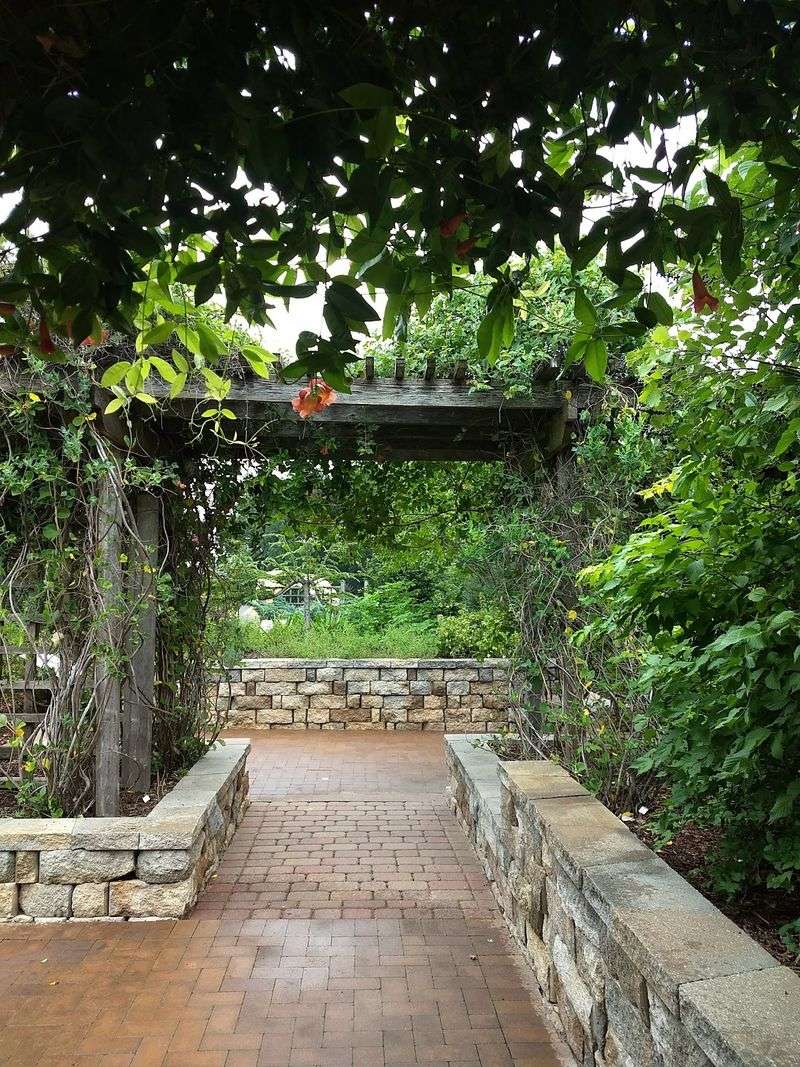
Peaceful is the word that surfaces again and again when people describe their time at the OSU Botanic Garden. Even on weekends, the grounds rarely feel crowded, and the generous spread of 100 acres means visitors can find their own quiet corner without much effort.
The atmosphere suits an unusually wide range of visitors. Students and faculty from OSU treat it as a familiar retreat between classes.
Families arrive with strollers and curious kids in tow. Dog owners appreciate the leash-friendly trails.
Gardening enthusiasts study the plant labels with genuine concentration. Photographers chase the light through the flower beds at golden hour.
Metal art installations are scattered across the grounds, adding a rustic, handcrafted aesthetic that complements the natural surroundings without overwhelming them. Visitors have noted that these artistic touches give the garden a personality beyond pure horticulture, making it feel like a place that values creativity alongside science.
Even in winter, when many plants go dormant, the trails and tree canopies retain enough visual interest to reward a visit. That year-round accessibility, combined with a pace that never feels hurried, is precisely what makes the garden such a reliable and restorative destination for locals and road-trippers alike.
Plant Sales, Educational Programs, and Community Outreach
Beyond the walking trails and garden displays, the OSU Botanic Garden functions as an active community hub with programming that extends well past a simple stroll through the grounds. Throughout the year, the garden hosts workshops, educational tours, and plant sales that draw both casual visitors and serious gardening enthusiasts.
The plant sales in particular have developed a loyal following. Visitors have described finding unique and hard-to-source varieties that simply are not available at typical garden centers, with one visitor excitedly noting a desire to return in spring specifically to search for a cup flower.
The selection reflects the garden’s experimental nature, offering cultivars that emerge from OSU’s own trial gardens and research plots.
Educational programs cover plant science, environmental stewardship, and sustainable gardening practices, giving participants hands-on knowledge grounded in genuine research rather than generalized gardening advice. The garden also collaborates with local organizations to support conservation efforts and preserve native plant species.
For anyone interested in horticulture beyond a passive appreciation of pretty flowers, these programs and events provide a meaningful entry point into the deeper work happening on the grounds every season, making the garden as educational as it is visually rewarding.
Hours, Admission, and Planning Your Visit
Planning a trip to the OSU Botanic Garden is refreshingly straightforward. The garden is open seven days a week from 6 AM to 6 PM, giving early risers the chance to enjoy the grounds in the quiet of the morning before the day fills up.
Admission is completely free to the public, which makes it one of the more generous offerings in the region.
The south entrance is located at 3300 W. 6th Street in Stillwater, Oklahoma, with the phone number 405-744-4643 available for any questions before you go. Comfortable walking shoes are strongly recommended, and bringing a water bottle is a smart move, especially during Oklahoma’s warmer months when the sun can be intense even under the tree canopy.
Spring and fall tend to offer the most visually rewarding visits, when plants are actively blooming and temperatures make long walks genuinely pleasant. Summer visits are still worthwhile but benefit from an early start before midday heat sets in.
The garden’s size means a leisurely visit can easily stretch to two hours or more, particularly for families with children who discover the treehouse village and the chickens. For anyone passing through the Stillwater area, skipping this stop would be a genuine missed opportunity.
Share this story