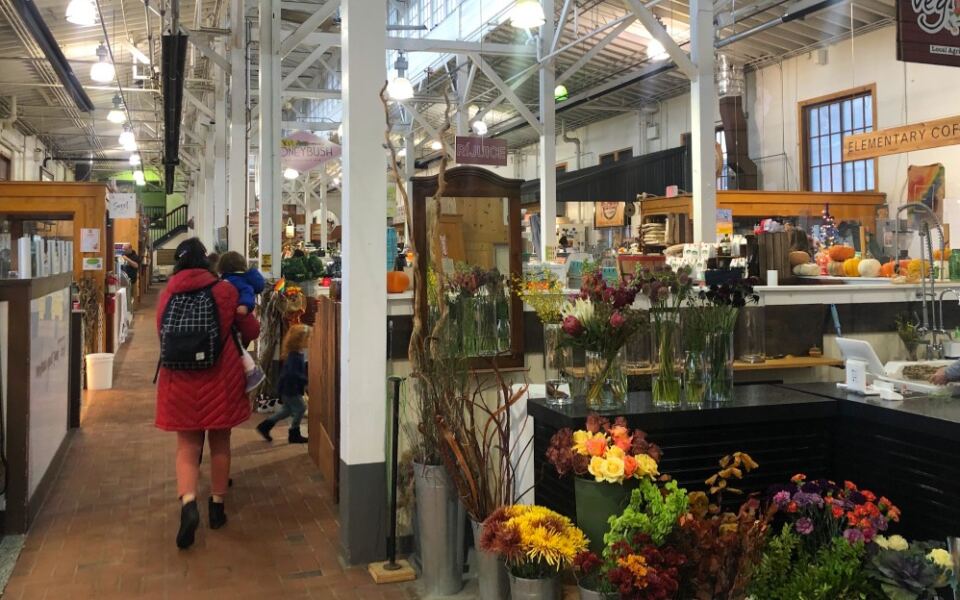
A stone market house built during the Civil War era still fills up with shoppers every week in Pennsylvania’s capital city. People line up there for pretzels, Jamaican plates, Korean noodles, fresh fish, and baked goods.
The building is older than most homes on the surrounding blocks.
The market itself goes back even further, to 1860. That makes it one of the oldest continuously operating public markets in the country, and it has kept going through big changes in the city around it.
I like places where you can buy lunch and a slice of local history in the same trip. This one manages both without feeling like a museum.
Its story has a dramatic recent chapter, too. A fire in 2023 changed the market’s layout, and how it adapted is a big part of why it still matters.
An 1860 Market in Midtown Harrisburg
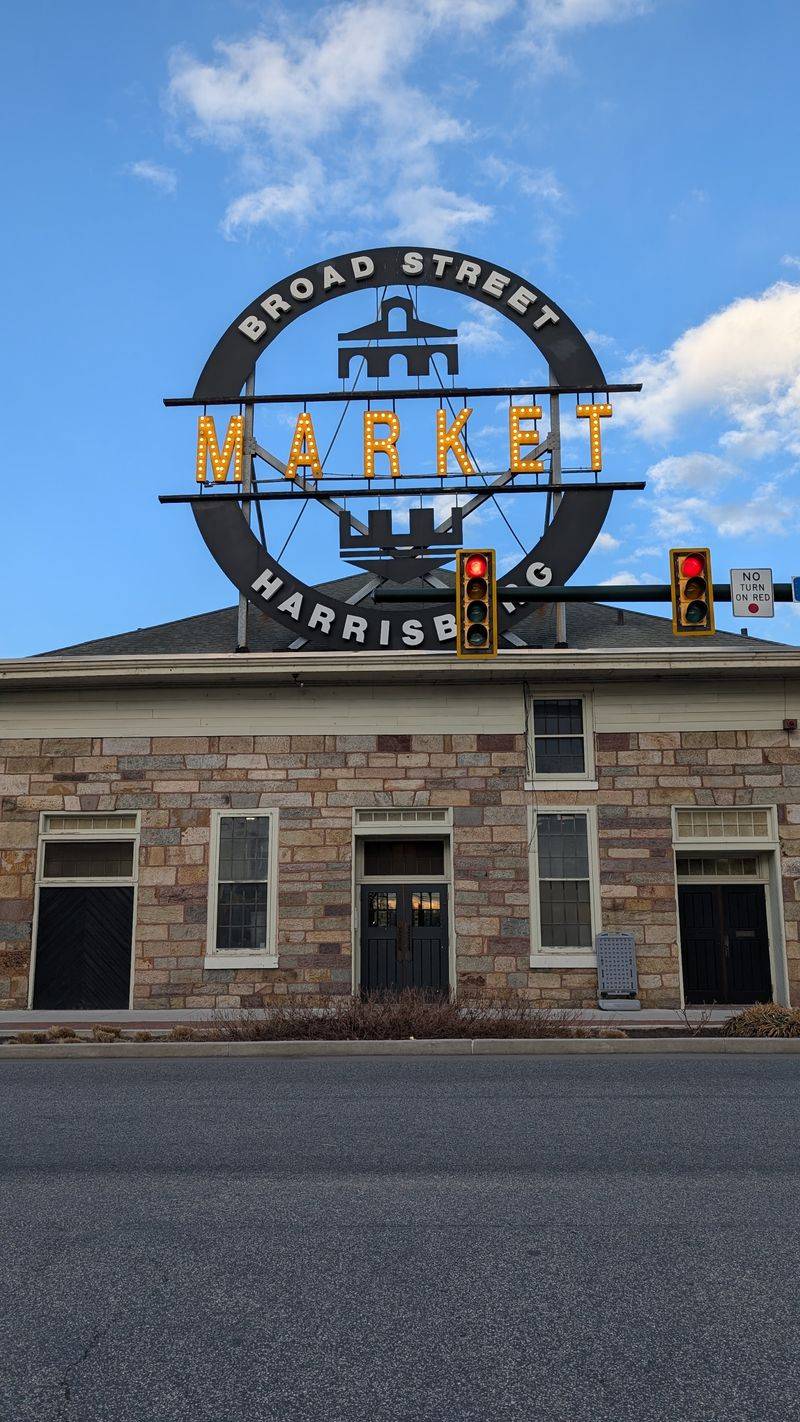
Few places in Pennsylvania can say they have sold food to the public since before the Civil War. Broad Street Market opened in 1860, and it is still doing that job today.
You will find it at 1233 North 3rd Street in Harrisburg, Pennsylvania 17102. It sits in the Midtown neighborhood, a short trip north of the State Capitol.
The market is a public market, which means many separate vendors run their own stands under one roof. Some sell produce, meats, and cheeses.
Others cook full meals, bake desserts, or brew coffee for the morning crowd.
That setup is what gives the place its personality. Instead of one menu, you get dozens of small businesses, each with its own specialty.
The market is generally open Wednesday through Saturday and closed Sunday through Tuesday. Hours can change around holidays, so a quick check of the official schedule before you go is a smart habit.
I like that a place this old still works the way it was meant to. People come to shop, eat, and run into neighbors, much like shoppers did more than 160 years ago.
The building where most of this happens has its own story.
Stone Walls That Outlasted Generations
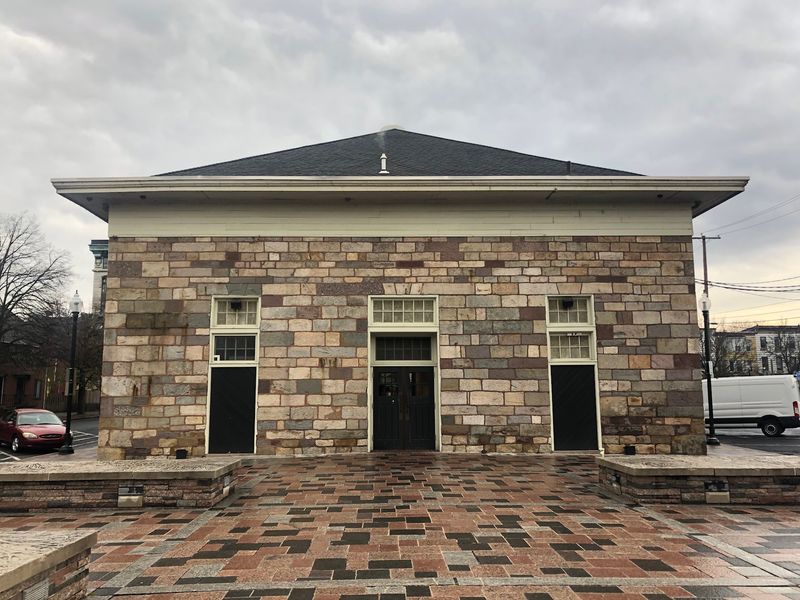
Solid stone was a smart choice for a building meant to last. The Stone Building at Broad Street Market dates to the 1860s, and it remains the market’s anchor today.
Back then, Harrisburg was growing fast. Railroads and the canal brought people and goods to the city, and the neighborhood needed a dependable place to buy fresh food.
The stone market house answered that need. Farmers and merchants could sell under a roof instead of out in the street, which was a real upgrade in rain, heat, or snow.
Plenty of buildings from that era are gone now. Many old market houses across the country were torn down as supermarkets took over food shopping in the twentieth century.
This one survived. It kept its original purpose instead of becoming an office or a parking lot, which is rarer than you might expect.
Take a moment to look at the walls before heading inside. The stonework is a direct link to the people who built the city.
For many years, the stone house also had a larger partner across the courtyard. That second building plays a key role in the market’s recent history.
The 2023 Fire and a Market That Kept Going
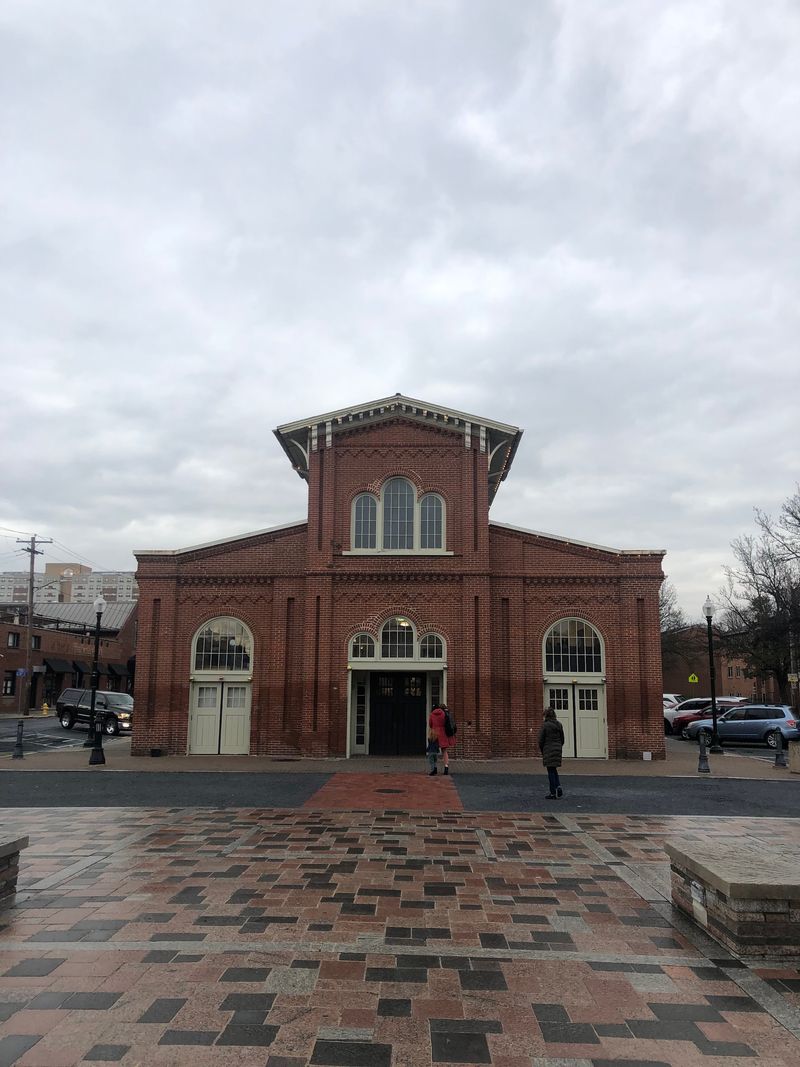
In July 2023, a fire badly damaged the market’s Brick Building, the larger of its two historic structures. For a market that had operated since 1860, it was a hard blow.
The good news is that the Stone Building came through and stayed open. Vendors and shoppers rallied, and the market found ways to keep serving the neighborhood.
A large tent was set up to give displaced vendors a place to work. Many food stands now operate there, with tables where you can sit and eat.
Rebuilding the Brick Building is a City of Harrisburg project, since the city owns the property. The Broad Street Market Alliance, a nonprofit, runs daily operations under a lease agreement with the city.
That arrangement explains why progress has taken time. The market has said it works closely with the city on reconstruction and encourages residents to share feedback with City Council.
I find this chapter oddly encouraging. A place that has seen more than 160 years of change kept feeding people even after losing half its home.
And the food itself has stayed a big reason people show up.
A World of Lunch Counters Under One Roof
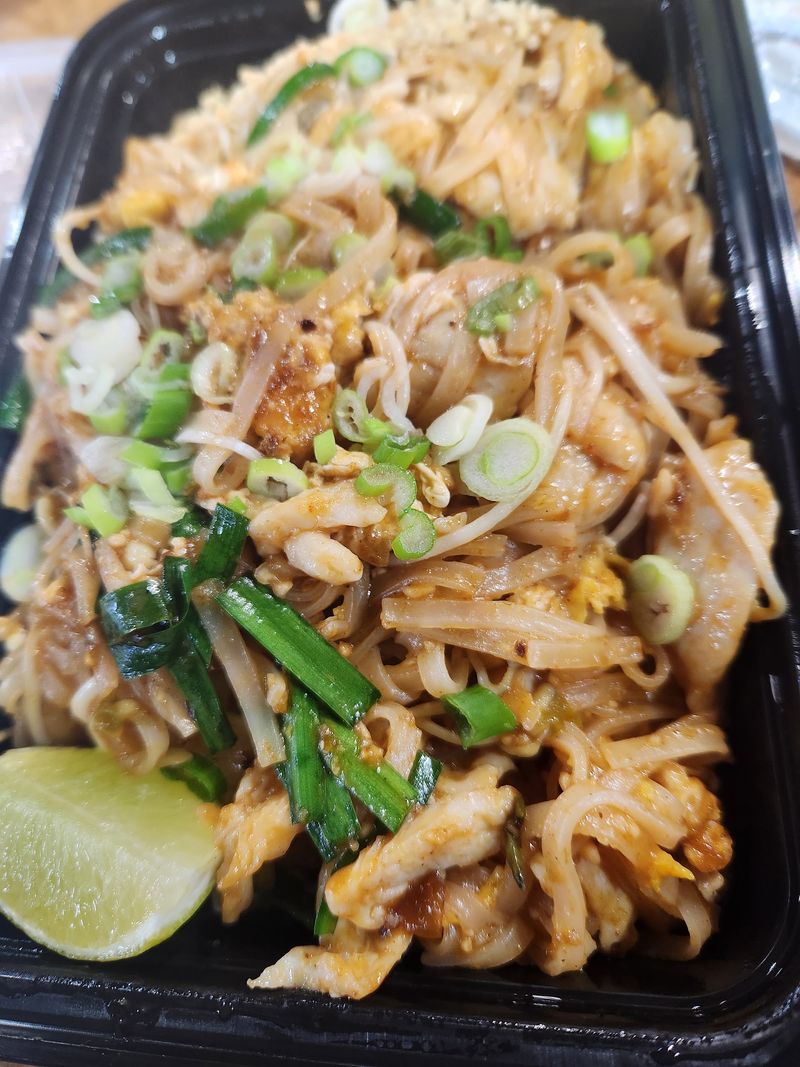
Jerk chicken, kimchi noodles, and Thai dishes can all land on the same table here. That variety is the market’s everyday reality.
Broad Street Market has a long list of prepared food vendors with roots around the world. Jamaican, Korean, Thai, Puerto Rican, African, and Pennsylvania Dutch cooking have all been part of the lineup.
The system is simple. You walk up to whichever stand catches your eye, order, and then find an open seat in a shared area.
That means a group does not have to agree on one restaurant. One person can grab stewed chicken with rice and beans while another goes for a cheesesteak.
Vendors do change over time. New businesses join, and longtime stands stay on, so the mix can look a little different from one visit to the next.
My strategy would be to walk the whole layout before ordering anything. It is easy to commit too early and then spot something better two stands over.
Of course, some of the most traditional treats in the building have nothing to do with lunch plates at all.
Pretzels, Whoopie Pies, and Pennsylvania Sweets
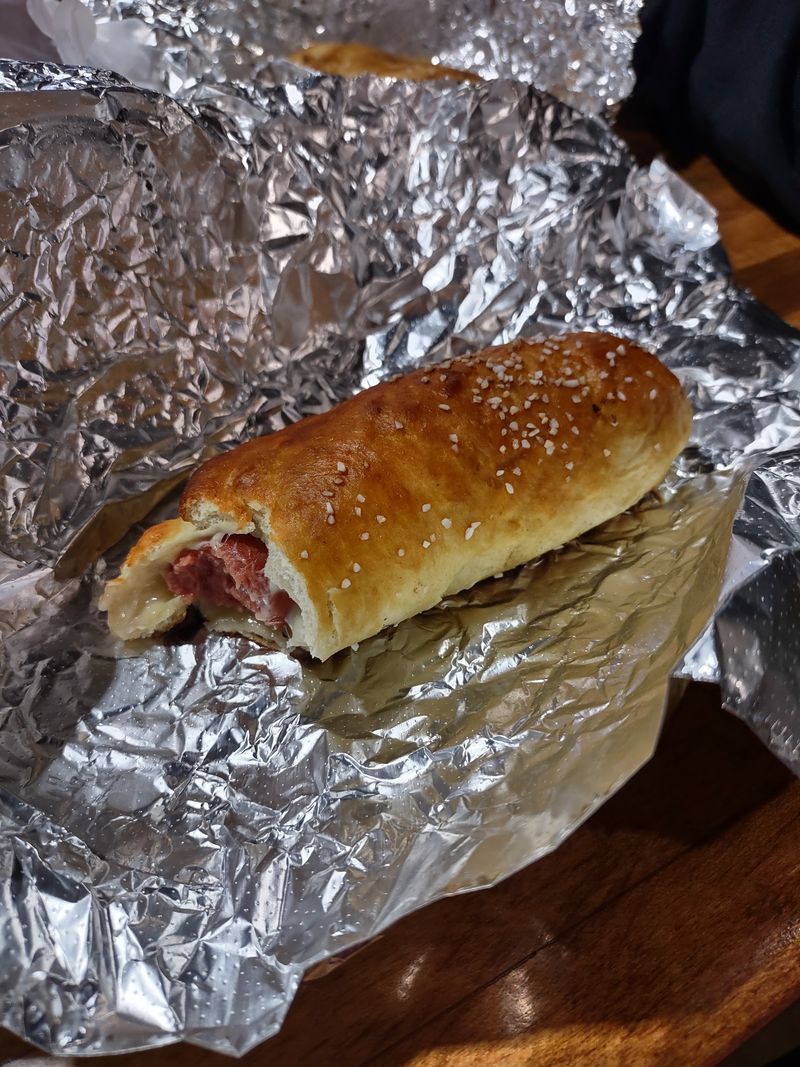
Pennsylvania takes its pretzels seriously, and so does this market. Pretzels come up again and again when people talk about what they bought here.
Soft pretzels are a natural fit for a central Pennsylvania market. The region has deep pretzel-baking traditions, and pretzel-wrapped hot dogs make an easy snack to carry while you browse.
The sweet side of the market goes well beyond pretzels. Bakery stands have offered cookies, donuts, whoopie pies, and other treats.
Whoopie pies deserve a special mention. These cake-like sandwiches with creamy filling are closely tied to Pennsylvania Dutch baking, so finding them here makes sense.
Ice cream has also been part of the dessert lineup, which helps on warm days.
A practical tip is to save the bakery stop for the end of your visit. Baked goods travel better than hot food, and you will not be juggling a box of cookies while eating lunch.
Bringing your own bags is a good idea, too. A sturdy tote makes carrying treats home much easier.
Sweets are fun, but the market’s older purpose was everyday groceries. That side of the business still matters.
Fresh Fish, Meats, and Weekly Groceries
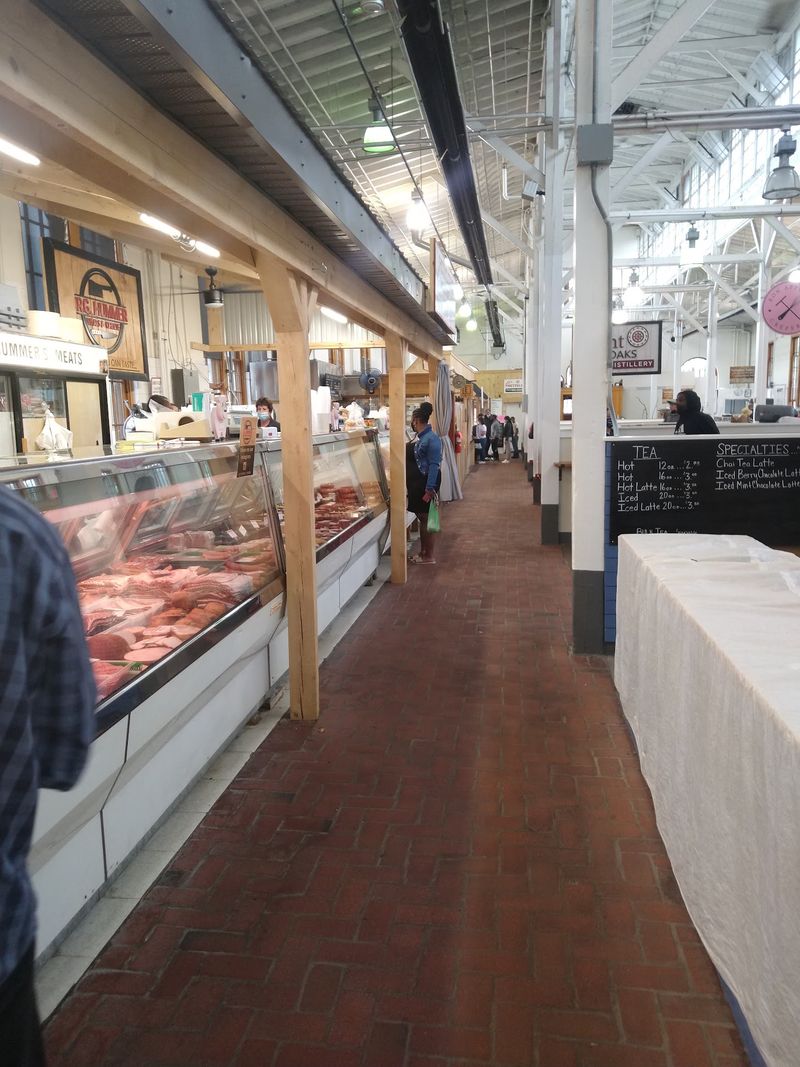
Long before food stands drew lunch crowds, people came to markets like this one to stock their kitchens. Broad Street Market still serves that purpose.
Fresh fish, meats, and cheeses have been regular offerings. Shoppers can pick up ingredients for dinner while grabbing something ready to eat.
Produce has a place here too. Local farm stands have sold vegetables, and plants and flowers sometimes show up among the vendors.
Keep realistic expectations, though. The market today leans heavily toward prepared food, so it does not always look like a wide-open farmers market with rows of produce tables.
Knowing that ahead of time helps. If your main goal is a big grocery haul, go earlier in the day when stands are fully stocked.
Fried fish and fried chicken stands also connect the grocery and lunch sides. You can buy fish raw to cook at home or let someone else handle the frying.
I like the idea of a market where a weeknight dinner and a quick lunch come from the same trip.
Timing affects more than just selection, as the market’s schedule shows.
Four Market Days a Week
Show up on a Monday and you will find locked doors. The market runs on a Wednesday through Saturday schedule, generally opening early in the morning and closing in the early evening.
That early start is handy. Coffee stands help get the day going, and morning visits tend to be calmer than busy weekend afternoons.
Weekday mornings work well for a relaxed look around. Friday and Saturday bring more energy, along with more people and more competition for parking and seats.
One thing to remember is that individual vendors set their own routines. Some stands may close early, sell out, or take time off.
The market has noted that some weekends see more vendors away than usual, such as when owners travel to visit family overseas. Holiday weeks can also look thinner.
A quick check of the official website or social media pages can save some disappointment. That is especially helpful if you are driving in from another town for one particular stand.
Once you know when to go, the next question is usually where to leave the car.
Parking Tips Worth Knowing Before You Arrive
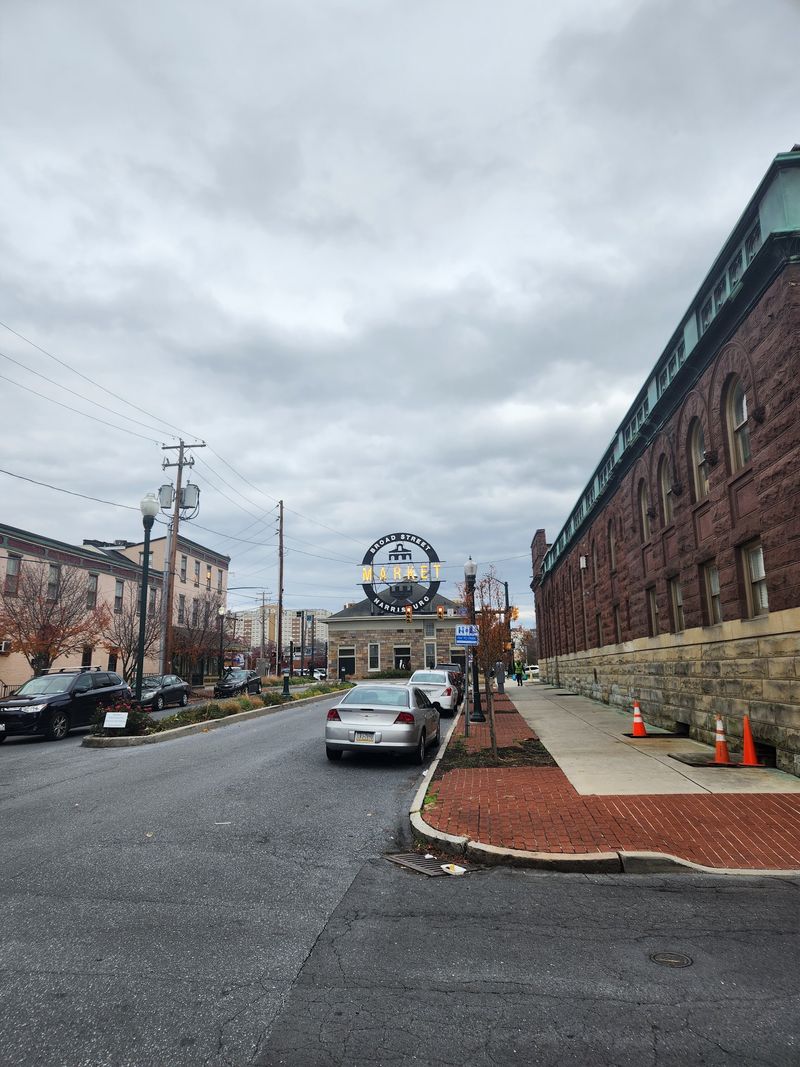
Parking near a busy city market is rarely effortless, and Midtown Harrisburg is no exception. Weekend spots fill quickly.
Here is a useful detail from the market itself. Free parking is available on the north side of Verbeke Street, right next to the market.
Those spaces do get busy. The market also points out that paid spots can be found when approaching along Verbeke from the east, facing the market sign.
Street parking on surrounding blocks is another option. Give yourself a few extra minutes so you are not circling while hungry.
Walking or biking is worth considering if you live nearby. Midtown is a compact neighborhood, and the market sits close to homes, shops, and the Capitol area.
Accessibility is another plus. The market has been described as having easy wheelchair access, which matters for many families.
Only service animals are permitted inside, according to the market. Leave pets at home to keep things smooth.
Getting there is half the planning. The other half is deciding where you will actually sit and eat.
Shared Tables and a Courtyard Between Buildings
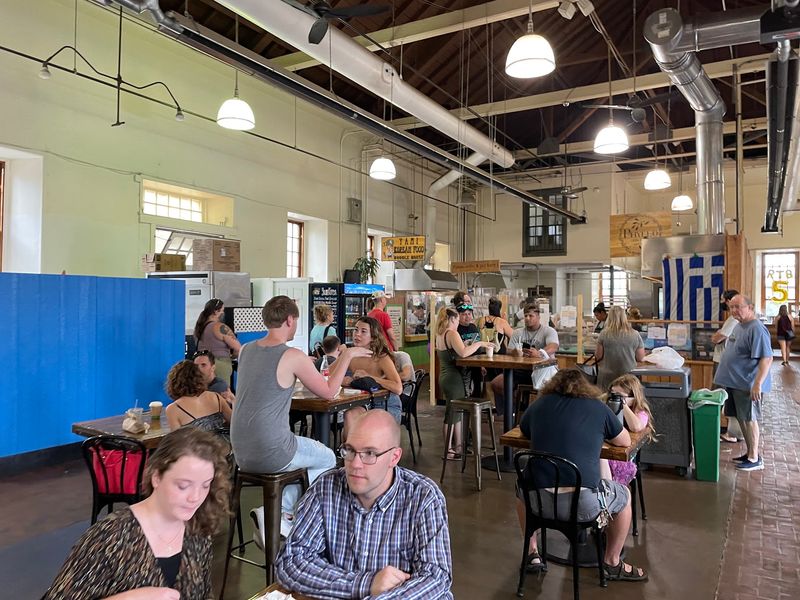
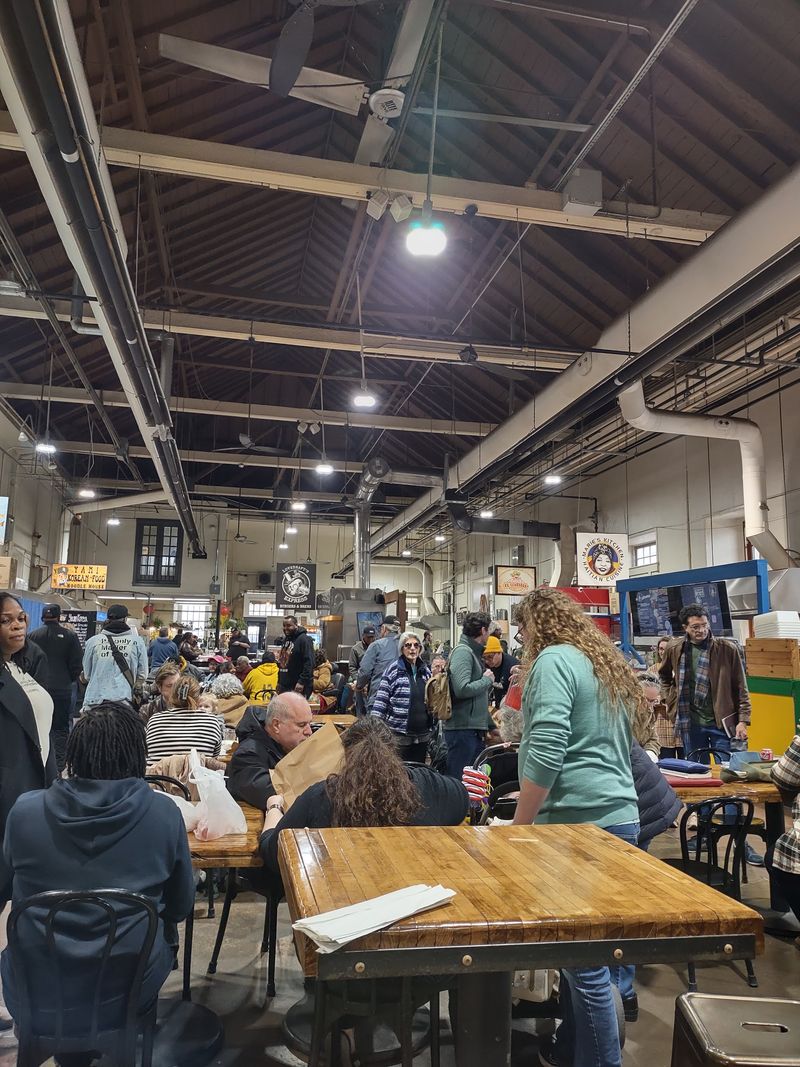
Eating at a public market is part picnic and part people-watching. Broad Street Market offers both indoor and outdoor seating.
Inside, shared tables let you settle in with food from several stands. Outside, shaded standing tables give you a quick spot to eat and keep moving.
The open area between the market’s structures has also hosted live music and street performers at times. Those moments add some fun to a regular shopping trip.
Summer can get warm, especially in the tent. Fans help move the air, so grabbing a seat near one is a sensible move on a hot day.
Later afternoons are often a good bet for finding open tables. Peak lunchtime on a Saturday is a different story.
Sharing tables is common, so a friendly nod to whoever is sitting nearby goes a long way. It fits the neighborhood feel the market has always had.
I would happily trade a fancy dining room for a shared table and three different lunches.
That community feel ties directly into who keeps the market running.
Small Businesses Keeping an Old Tradition Alive
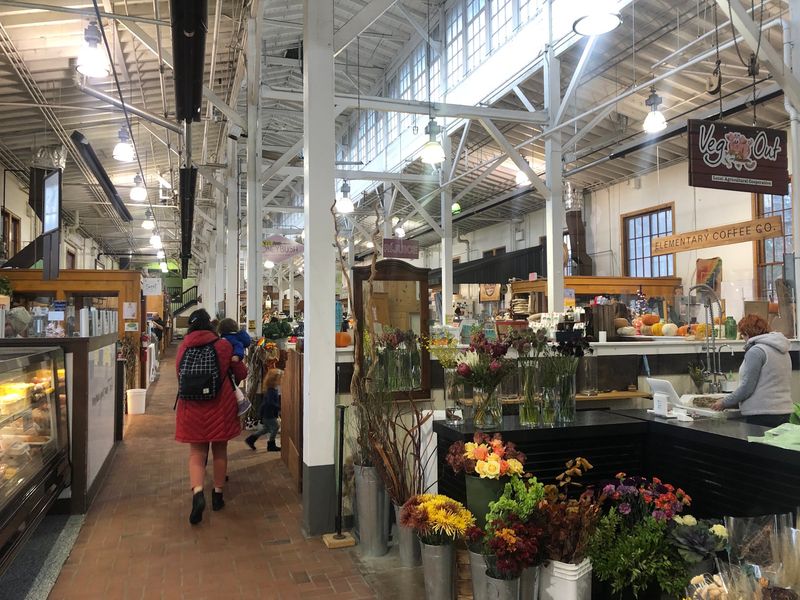
Every stand here represents someone’s business, and often someone’s family. That is the quiet heart of Broad Street Market.
Some vendors have been around for years, while new ones arrive regularly. That mix keeps long traditions going and gives fresh ideas a place to start.
For a new food business, a market stall can be an easier first step than opening a full restaurant. Shoppers get to try something new without much risk.
The nonprofit Broad Street Market Alliance manages the market day to day. Its role is to support vendors and keep the place running smoothly while the Brick Building is rebuilt.
Since the fire, many vendors have worked in temporary conditions. Your purchase helps them stay in business during that stretch.
A simple way to help is to try a stand you have never visited before. Telling a friend about a favorite dish helps too.
The market has fed Harrisburg since 1860, through wars, recessions, and a major fire. That record says a lot about the people involved.
The stone walls still stand, and the stalls inside are still busy, which feels like exactly the point.
Share this story