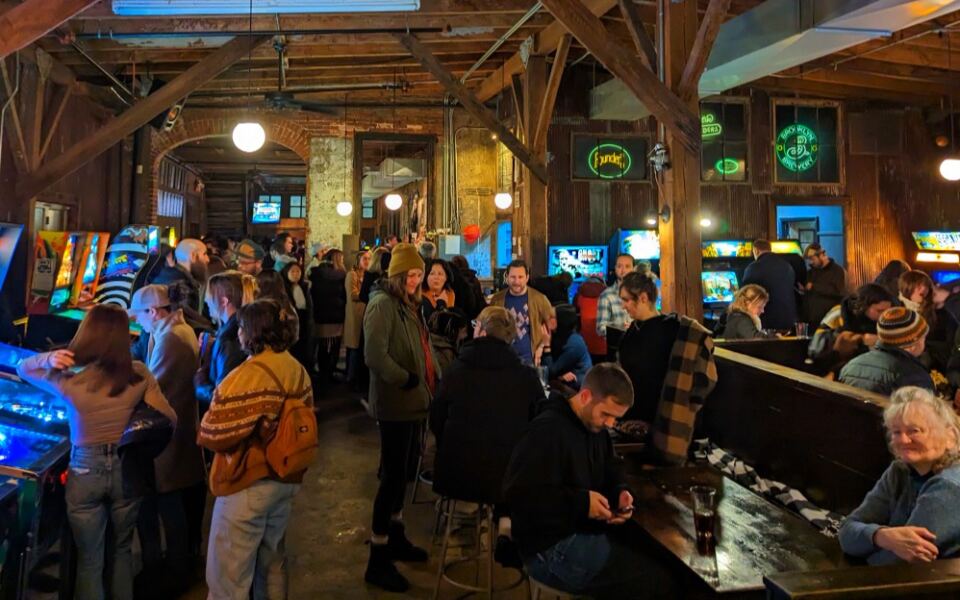
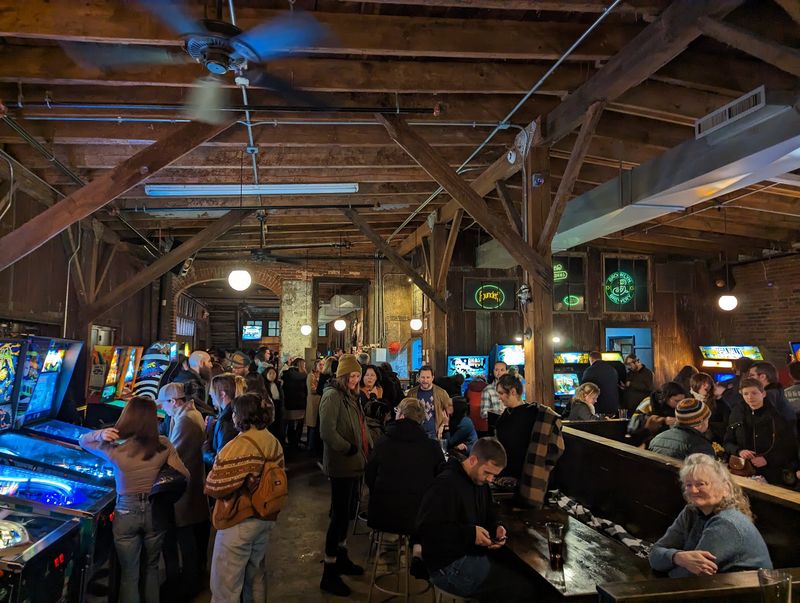
More than 50 classic arcade games and pinball machines share space with craft beer at Barcade in Philadelphia’s Fishtown neighborhood. It’s a place where adults can revisit the games they grew up playing without giving up a night out.
Located at 1114 Frankford Avenue, the bar brings together old-school favorites, rotating craft beers, and casual food. Players use tokens to try their luck at vintage cabinets, challenge friends, or compete for high scores.
There’s also an outdoor patio for taking a break between games. With a mix of arcade nostalgia, pinball, and a full bar, Barcade offers a different kind of night out in Philadelphia.
A Fishtown Address Built for Joysticks
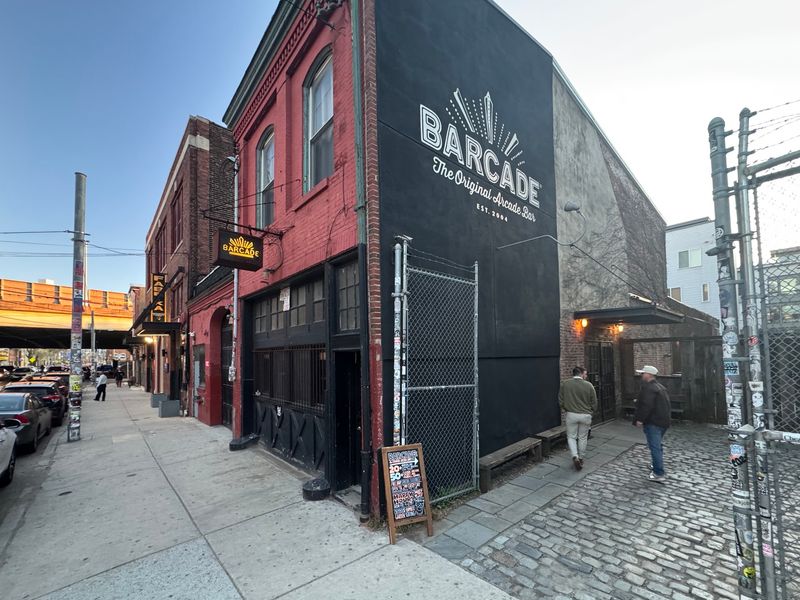
Barcade sits at 1114 Frankford Avenue in Philadelphia, Pennsylvania, right in the busy Fishtown neighborhood. The idea behind it is easy to explain.
It pairs classic arcade cabinets and pinball machines with a long list of craft drinks on tap.
The building itself came from Fishtown’s industrial past. Instead of hiding that history, the space leans into it with an older, worn-in feel that suits the vintage games inside.
The Philadelphia location is part of a small group of Barcade spots. The brand started in Brooklyn, New York, and grew from there.
Fishtown fans sometimes call this the original Philly outpost.
One quick tip helps right away. The entrance has been known to sit on the side of the building, so look around before you assume you’re in the wrong place.
Frankford Avenue is packed with restaurants, shops, and other spots, which makes this an easy stop on a bigger night out. I’d plan it as either the start or the finish of an evening in the neighborhood.
Once you find the door, the next question is simple. How do you actually pay for all those games?
Tokens, Not Quarters, Keep the Games Going
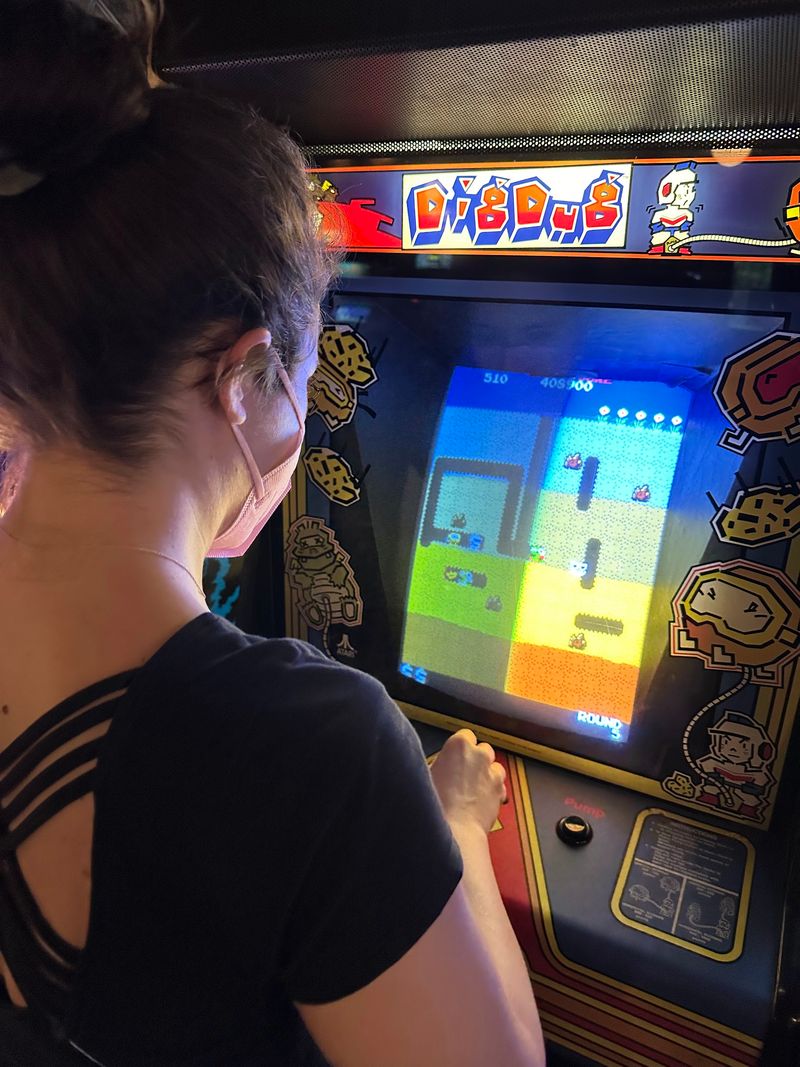
Forget digging through your pockets for quarters. Most games here run on Barcade’s own tokens, and a change machine near the door turns your cash into a handful of them.
No cash? That’s not a dealbreaker.
Staff can add tokens to your tab, which saves a trip to the ATM.
Games usually cost a few tokens per play. Prices can vary by machine, so check the label on each cabinet before you drop anything in.
Here’s my practical advice. Start with a modest amount and see how long it lasts.
Classic games can be short when you’re rusty, but a skilled player can stretch one credit surprisingly far.
Keep a few extra tokens in your pocket, too. Nothing feels worse than reaching a new high score screen and having no credits left for another round.
Leftover tokens also give you a built-in excuse to come back another night. Arcade fans know that trick well, and Barcade seems to know it too.
With tokens in hand, the real decision begins. Which cabinet gets your first coin?
Donkey Kong, Ms. Pac-Man, and Old Rivals
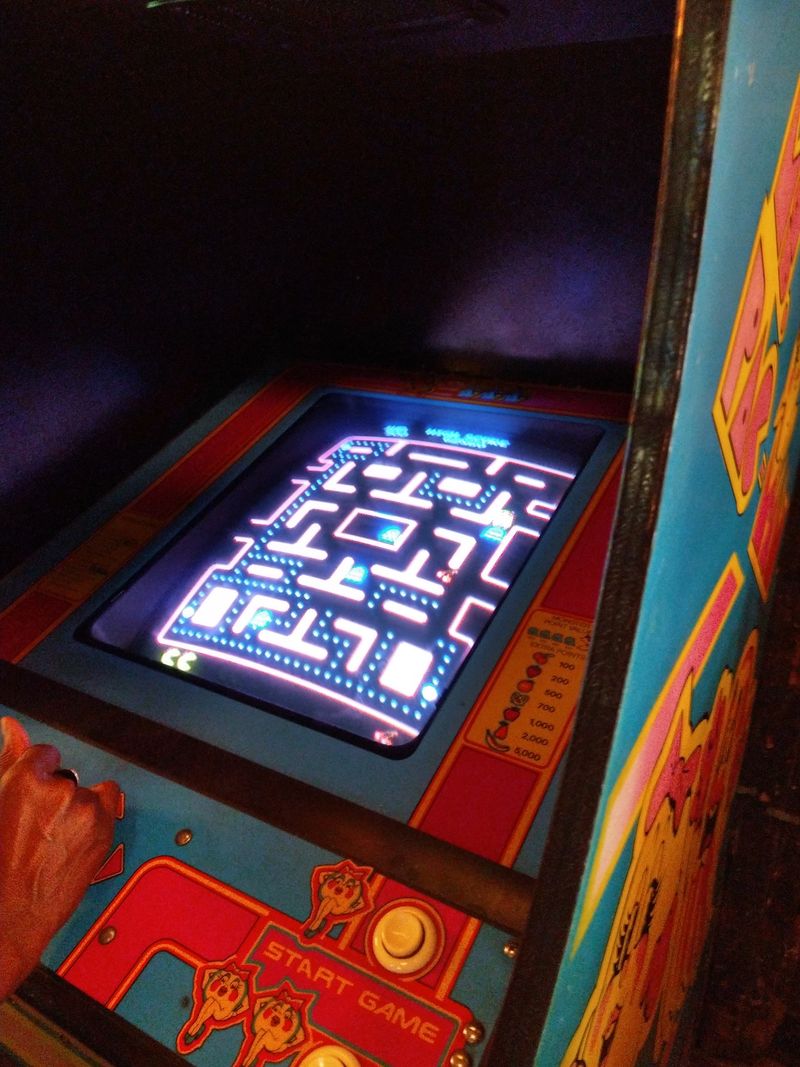
Mario’s oldest enemy still throws barrels in Fishtown. Donkey Kong is one of the classic cabinets that brings players to Barcade, and it sits alongside other famous names from arcade history.
Ms. Pac-Man is a big draw. So are fighting games like Mortal Kombat and Street Fighter, which turn friendly groups into very loud rivals.
The lineup can change over time. Barcade locations rotate machines, so the exact games on the floor might differ from one visit to the next.
I find that rotation pretty appealing. It means a regular visitor might walk in and spot a cabinet they haven’t seen in years.
These machines are older than many of the people playing them. Keeping them running takes real care, and the fact that they still work is part of the fun.
For first-timers, I’d start with a game you remember from childhood. Muscle memory tends to kick in faster than you’d expect, even after a long break.
Then branch out. Some of the lesser-known cabinets end up being the most fun, partly because nobody in your group knows the tricks yet.
Pinball Gets Plenty of Floor Space
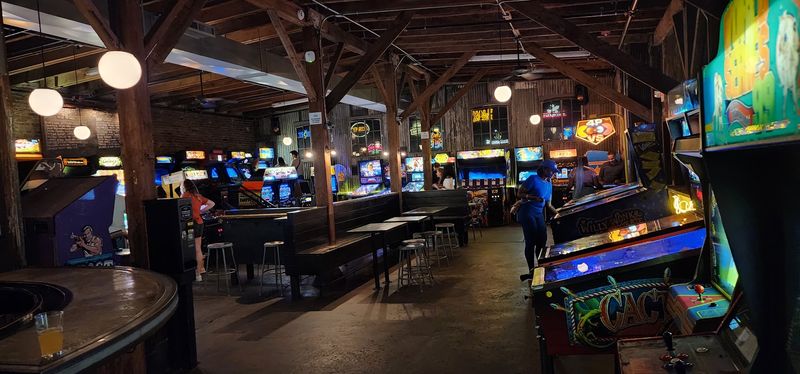
Silver balls, clacking flippers, and blinking backglasses fill a good chunk of the room. Pinball is a major part of the Fishtown Barcade, and some visitors even say the space leans toward pinball more than other locations.
That focus suits a certain kind of player. Pinball rewards patience, timing, and a light touch on the flippers.
Each machine has its own rules and hidden goals. Reading the instruction card near the bottom of the glass can help you figure out what earns big points.
A gentle nudge of the machine can save a ball, too. Push too hard, though, and you’ll trigger a tilt that ends your turn.
I like that pinball works well for groups. Players can take turns on one machine, cheer each other on, and compare scores at the end.
If you’ve only played pinball on a phone app, the real thing feels very different. The weight of the ball and the sound of the bumpers make every shot more satisfying.
After a few rounds, you’ll probably want a seat and something to sip. Luckily, the bar is only a few steps away.
A Tap Wall That Changes With the Seasons
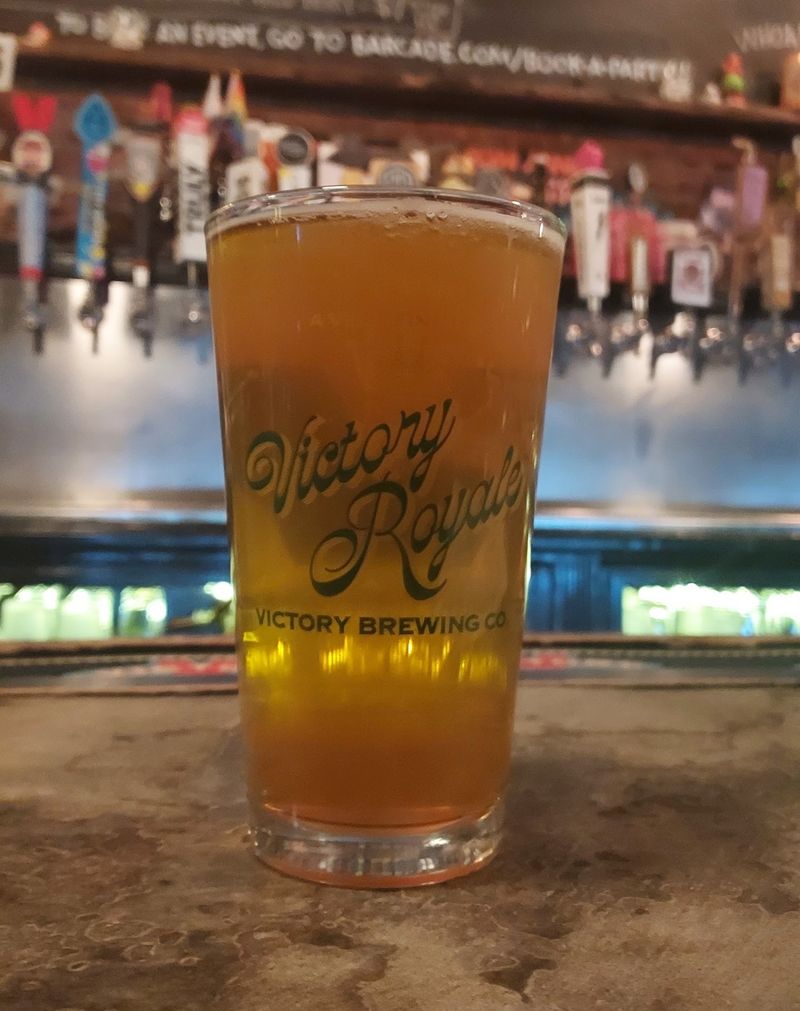
The tap list here doesn’t sit still. Barcade focuses on craft pours from smaller producers, and the selection rotates rather than sticking to the same big-name options.
Fans of trying new things will feel right at home. The list often leans toward regional makers, so many choices might be new to you.
That approach does have one trade-off. People hoping for a familiar mainstream pick may not always find it on the board.
The bar also mixes other drinks, though the main spotlight stays on the taps. Those who skip alcohol have fewer choices, so it’s smart to ask staff what non-alcoholic options are available that day.
Happy hour specials and daily deals show up regularly. Details can change, so I’d check the current schedule before planning around a specific offer.
Drink rails and small ledges sit next to many of the machines. That small design choice lets you set your cup down instead of juggling it while you play.
And yes, there’s a cabinet that ties the whole bar theme together in the most fitting way possible.
Tapper Fits the Theme a Little Too Well
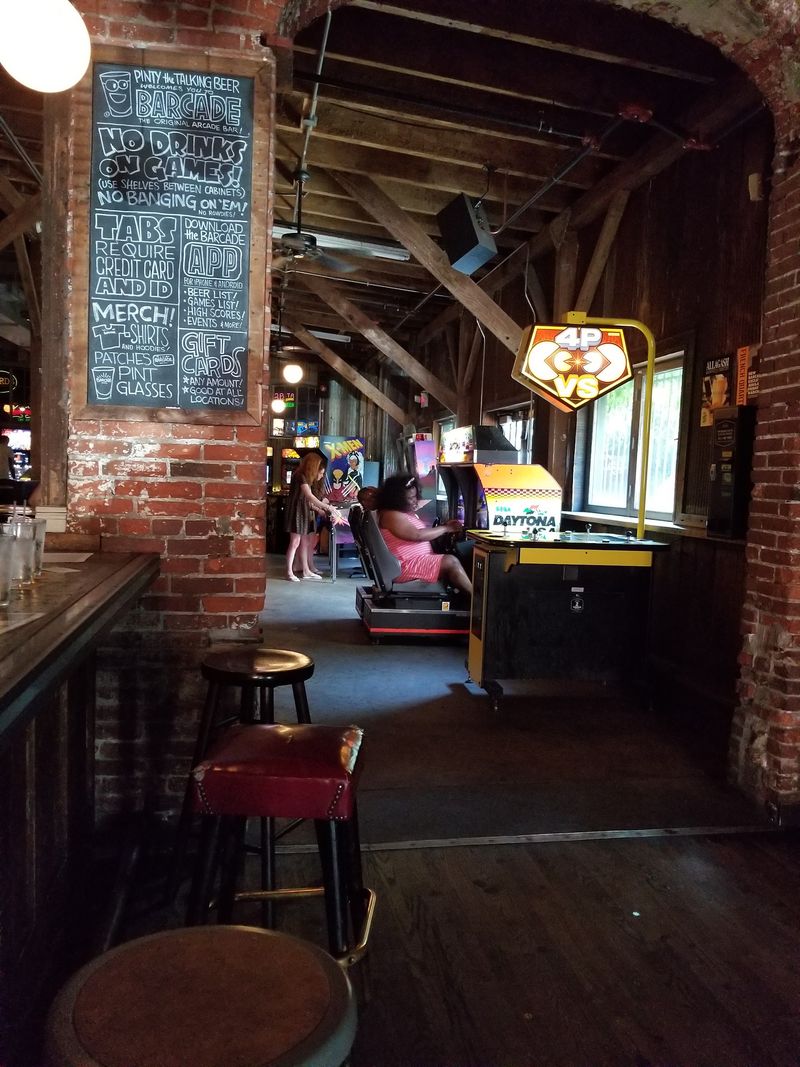
Some arcade games feel like they were made for this exact room. Tapper, the 1983 classic, puts you behind a counter sliding drinks to impatient customers before they reach the end.
Seeing it inside a bar adds a playful wink. You’re sitting in a real bar, playing a game about running a pretend one.
Tapper has been spotted at the Fishtown location, though machines can rotate. If it’s on the floor during your visit, I’d give it at least one try.
The game starts simple and speeds up fast. Customers pile up, empty mugs come flying back, and suddenly you’re working harder than the actual staff.
It’s a good reminder of how clever early arcade designers were. They built tense, fun challenges with just a joystick, one button, and a tiny screen.
Fun fact: the game was released in a few versions over the years, including one with a soda theme for arcades aimed at younger crowds.
After a round of virtual serving, real food might start sounding pretty good. The kitchen keeps things casual and snackable.
Tacos, Nachos, and Deviled Eggs Between Rounds
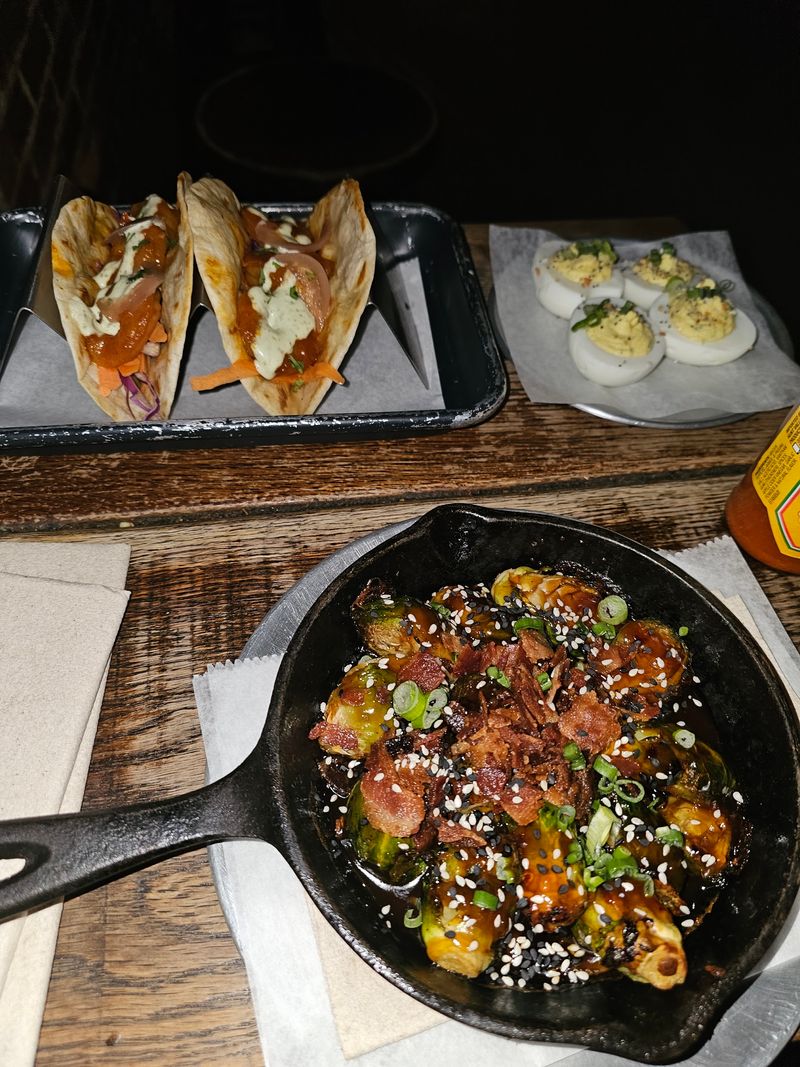
Hungry players don’t have to leave to refuel. The kitchen serves a short menu of bar snacks that are easy to eat between games.
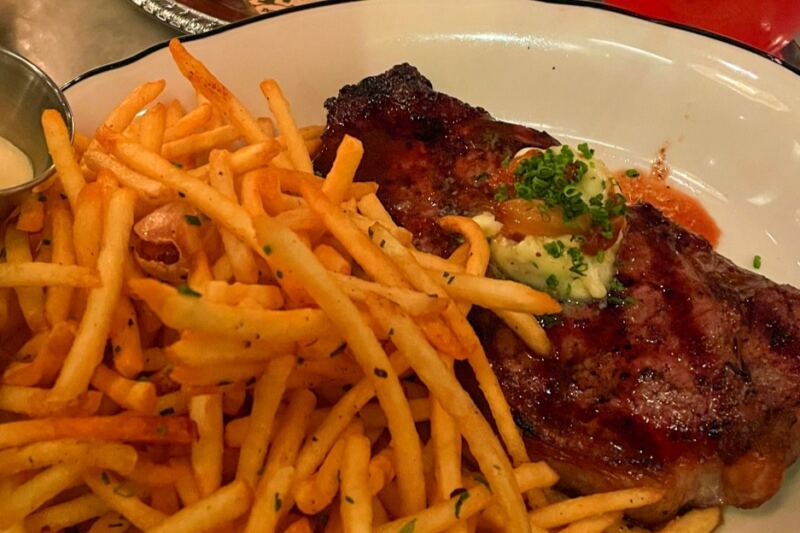
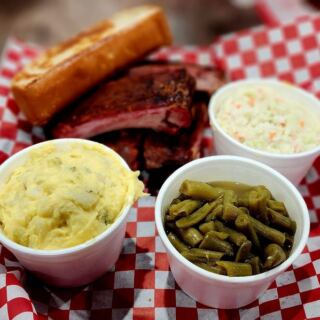
Tacos show up often in conversations about this spot. Nachos, quesadillas, and deviled eggs have also appeared on the menu, along with hot dogs and a warm dessert.
Wednesday nights have been known for a taco special. Specials can change, so check before you build your night around one.
The menu works best as snack food rather than a full sit-down dinner. I’d treat it as fuel for a few more rounds instead of the main event.
That keeps things relaxed. Groups can share a couple of plates, grab some tokens, and drift back and forth between the bar and the machines.
One small tip helps here. Wipe your hands before grabbing a joystick, since nacho cheese and arcade buttons are not a great combination.
Food and games together make for a long, easy hangout. When the weather cooperates, some people take that hangout outdoors.
An Outdoor Patio for a Breather
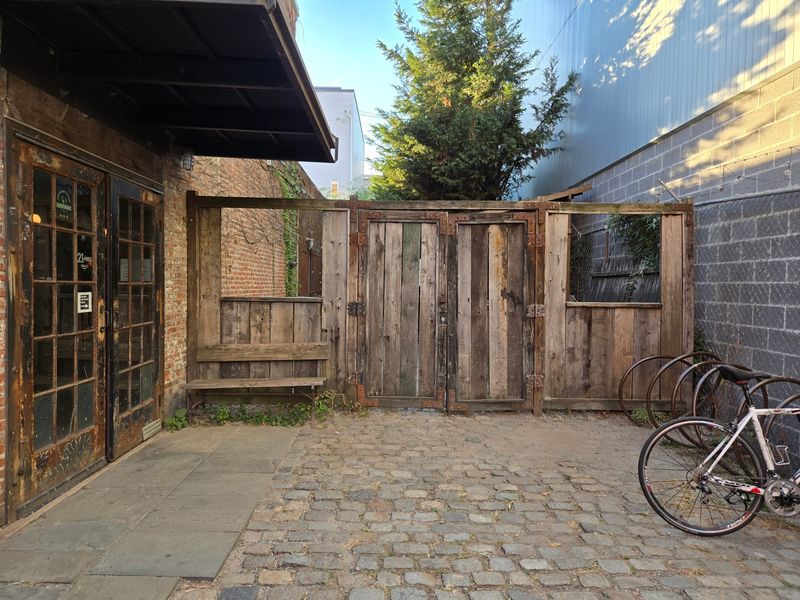
Arcades can get loud, warm, and busy. That’s why the outdoor seating area at Barcade gives people a nice spot to step away for a few minutes.
The patio has offered picnic-style benches in the past. It’s a simple space, but it works well for catching up with friends without shouting over pinball bells.
Fishtown evenings can be pleasant in spring and early fall. Those are the seasons when I’d most want to grab a bench outside.
Availability of the outdoor area can depend on weather and the season. I’d check with staff when you arrive instead of assuming it’s open.
The patio also helps on crowded nights. When every machine has a line, a short break outside gives you time to plan your next game.
It’s a good place for the friend who came along but isn’t much of a gamer. They can relax outside while everyone else chases high scores inside.
Speaking of crowds, timing your visit makes a big difference. A little planning can turn a packed night into a calmer one.
Timing Your Visit for More Play and Less Waiting
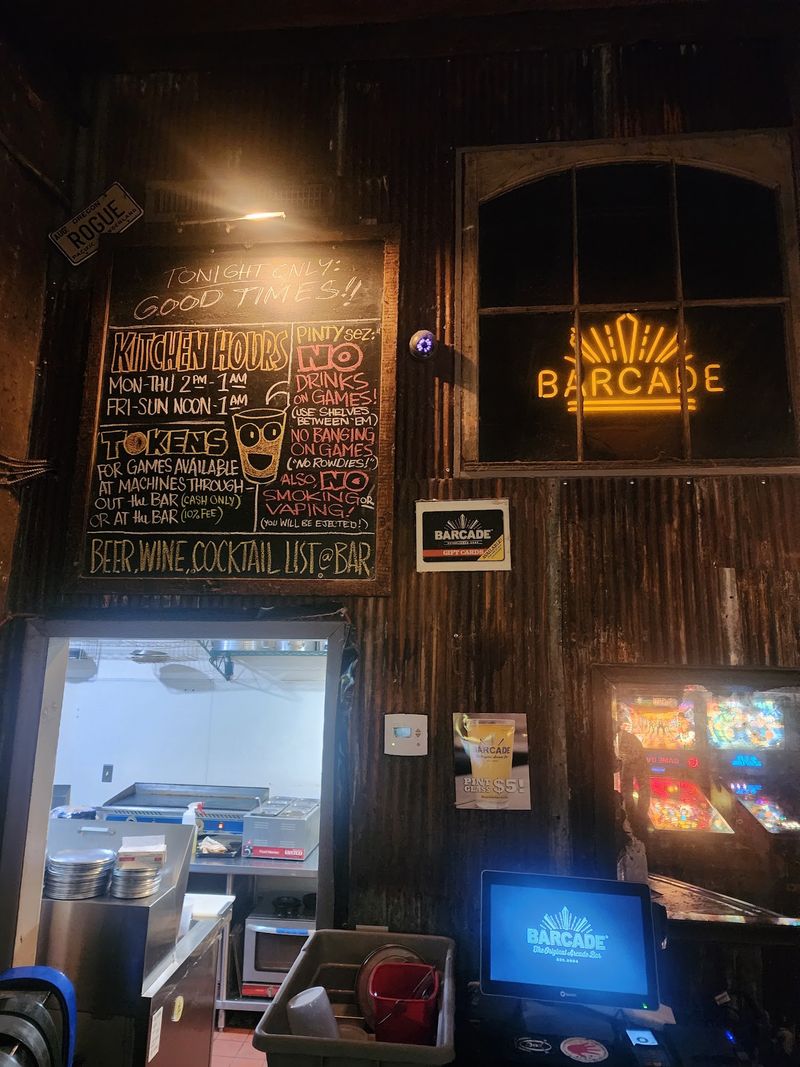
Opening time is the quiet secret here. Barcade opens at 2 p.m. on weekdays and at noon on Friday, Saturday, and Sunday, and it stays open until 2 a.m. every night.
Early hours tend to feel calmer. You can try more cabinets without waiting behind someone who refuses to give up on their game.
Weekend evenings are a different story. The room can fill up fast, and service at the bar may slow down when it’s busy.
Remember that everyone needs a valid ID showing they’re 21 or older. This is an adults-only space, so it isn’t a spot for a family outing with kids.
Parking can be tricky in Fishtown. There’s no dedicated lot, so public transit or a rideshare is often the easier choice.
The Market-Frankford Line has stops in the neighborhood, which makes it convenient from other parts of Philadelphia. I’d use it and skip the parking hunt.
With logistics sorted, all that’s left is figuring out what makes this room feel so different from a modern game spot.
Why Old Machines Still Pull a Crowd
Four friends crowded around one cabinet, each mashing buttons and yelling at the screen. That kind of moment explains why Barcade keeps working, even in a world full of home consoles.
Old arcade games were made for sharing. Many support two or four players at once, which turns strangers into teammates pretty quickly.
There’s also the nostalgia factor. Games from the Atari, Nintendo, and Sega eras remind a lot of adults of birthday parties and mall arcades from long ago.
I can understand that pull. Playing on the original hardware feels different from tapping an app, and the clunky controls are part of the charm.
The space doesn’t try to look shiny or new. Its worn, industrial feel matches the age of the machines, and that honesty gives the room real personality.
For newcomers to retro gaming, this is a low-pressure way to learn. Games are short, the rules are simple, and nobody expects you to be good right away.
Win or lose, the best souvenir is usually a story about the round that got away.
Share this story