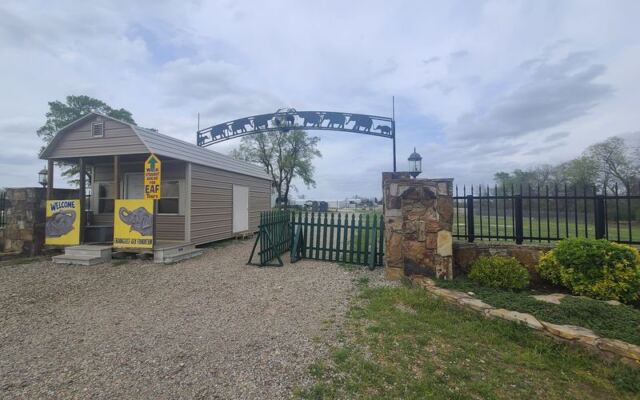
Some of the best surprises in Oklahoma hide at the end of a quiet country road with almost no signs. You pull in thinking it will be a quick stop, and then a giant gray trunk reaches out for the banana in your hand.
It is the kind of moment that makes you forget your snack, your phone, and your plans for the rest of the day. If you have ever wondered what it feels like to stand nose to trunk with an elephant, this little corner of the state has an answer waiting.
A Pasture of Giants Near the Red River
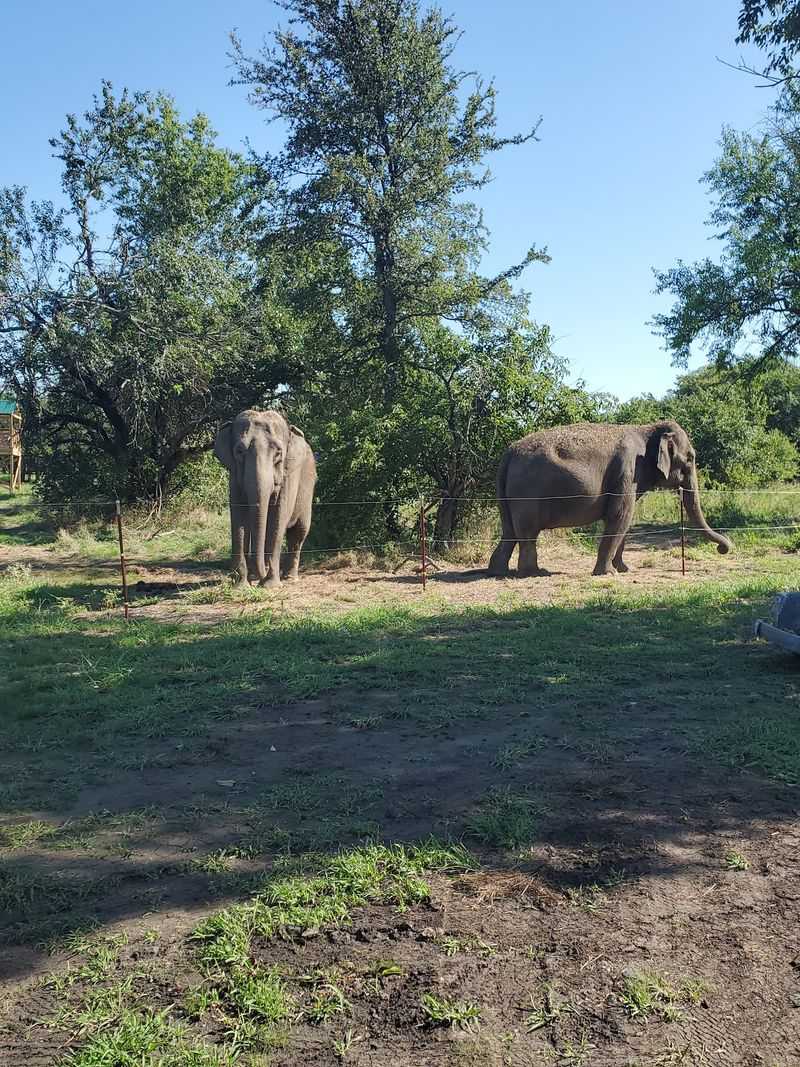
Picture a two-lane county road outside Hugo, Oklahoma, where cattle country rolls on for miles. Then picture an elephant in the middle of it.
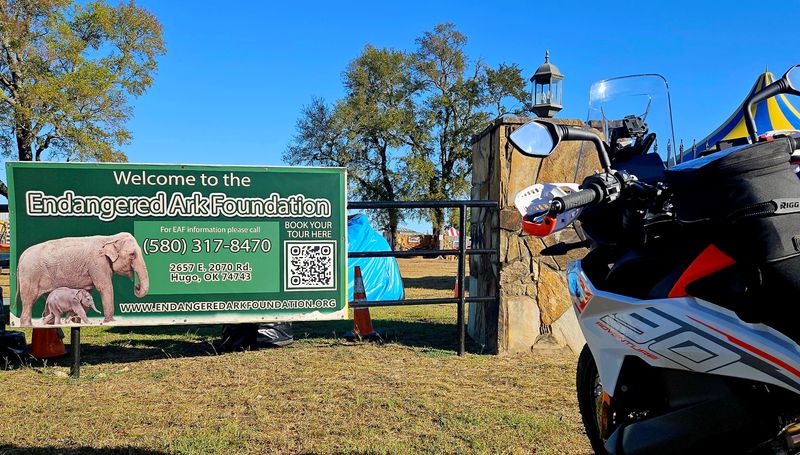
That unlikely image is real at the Endangered Ark Foundation, found at 2657 E 2070 Rd in the far southeastern corner of the state.
Officially, the property is listed as a zoo, but most visitors describe it as an elephant sanctuary and refuge for Asian elephants. Guests mention that the organization is believed to care for one of the larger elephant herds in North America.
Most of these animals spent earlier years performing under the big top before settling into quieter pastures here.
What makes the spot stand out is how close you can get. Instead of peering across a deep moat, visitors feed, pet, and photograph the elephants during guided experiences.
Families travel hours for the chance, and plenty of people describe it as a bucket list moment they finally got to check off.
The setting itself is part of the charm. Wide open land, simple buildings, and a slow pace give the whole place a calm, unhurried feeling.
It feels less like a theme park and more like visiting a very unusual farm where the residents happen to weigh several tons.
Circus Roots in a Small Oklahoma Town
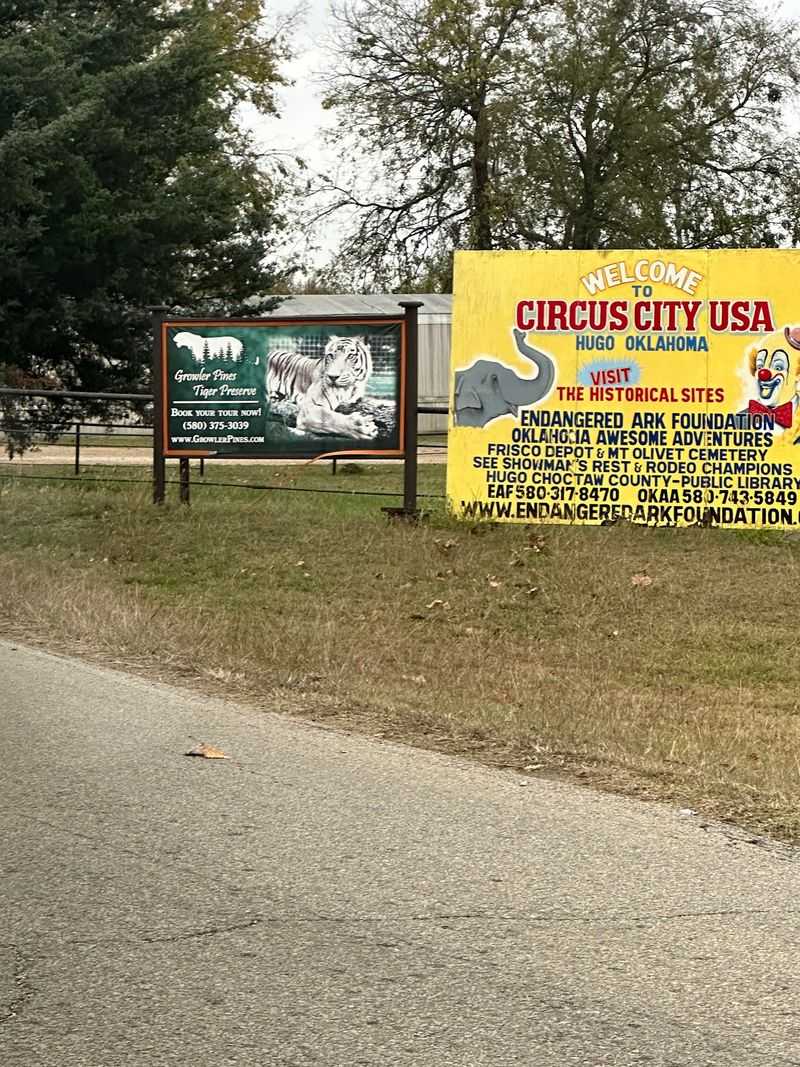
Hugo has long carried a nickname tied to traveling shows, and the elephants here are a living piece of that story. According to visitors, most or all of the herd are retired circus elephants.
During the tour, staff explain that many of the animals came from circus life before arriving on these grounds.
Family connections run deep, too. One guest recalls being greeted by a staff member who turned out to be the grandson of the original owner.
That personal link gives the experience a homegrown feel, like you are being welcomed onto someone’s family land rather than a corporate attraction.
Visitors also note that the foundation is fairly new as a public destination. Some say the team still seems to be smoothing out the business side, which makes sense for a place that started out caring for animals first and hosting guests second.
Here is a fun bit of perspective. An adult Asian elephant can eat a staggering amount of food every single day, so feeding a whole herd is no small job.
Several guests point out that proceeds from visits go toward that care, which helps explain why they view their ticket as both an outing and a contribution.
Meet Delrita, Ilia, and Bunny
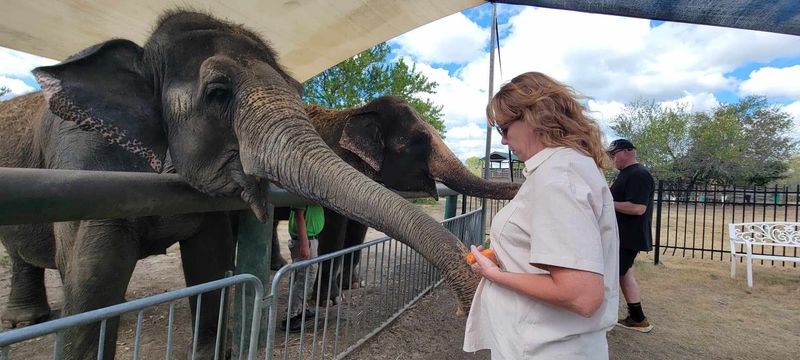
Names matter when you are face to face with an animal this big. Guests often come home talking about specific elephants, and a few names pop up again and again.
Delrita is one favorite. Overnight guests recall her carrying breakfast to their cabin and then happily accepting fresh fruit afterward.
Ilia gets similar praise, with one visitor calling her a total sweetheart after she delivered a morning meal right to the door.
Then there is Bunny, the star of one of the most touching stories shared by a visitor. He mentioned to a keeper that his mother had loved a zoo elephant named Bunny when he was young.
The keeper walked him over to the foundation’s own Bunny, opened a section of fence, and called her over so he could pet her and feed her carrots while his wife snapped photos.
Moments like that show how personal a visit can feel. You are not just looking at a herd from a distance.
You start to recognize faces, learn quirks, and leave with a favorite, which is exactly why so many people talk about coming back to see the same elephants again.
An Indoor Presentation Full of Surprises
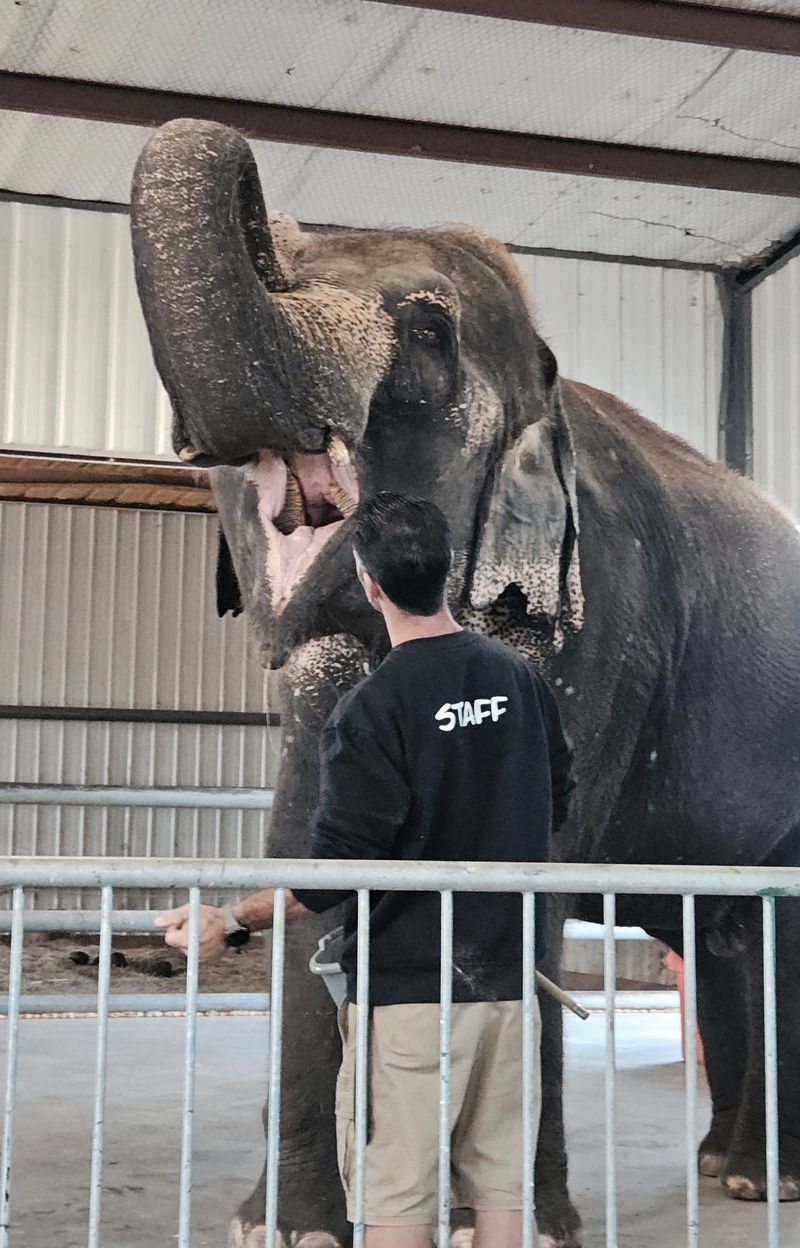
Before anyone climbs aboard a wagon, the adventure kicks off inside. A short walk from the parking area leads to an indoor facility where the educational presentation takes place, and guests consistently describe it as engaging for both kids and grown-ups.
Keepers walk through elephant biology and daily care. One highlight is a demonstration of foot care, which turns out to be a surprisingly important part of keeping these huge animals healthy.
A few basic behaviors are shown as well, giving guests a look at how keepers and elephants work together.
Little extras keep the energy up. One family remembers a random drawing where a lucky audience member got to hand an elephant a popsicle.
During that same session, an elephant created a painting that was then auctioned off to help pay for food and care.
That family actually won the painting. Their daughter, celebrating her fifth birthday, posed beside the elephant and her new artwork while the elephant held up a happy birthday sign.
Stories like that explain why visitors call the presentation interactive rather than a lecture. You learn a lot, but it never feels like sitting in a classroom.
Rolling Across the Grounds by Covered Wagon
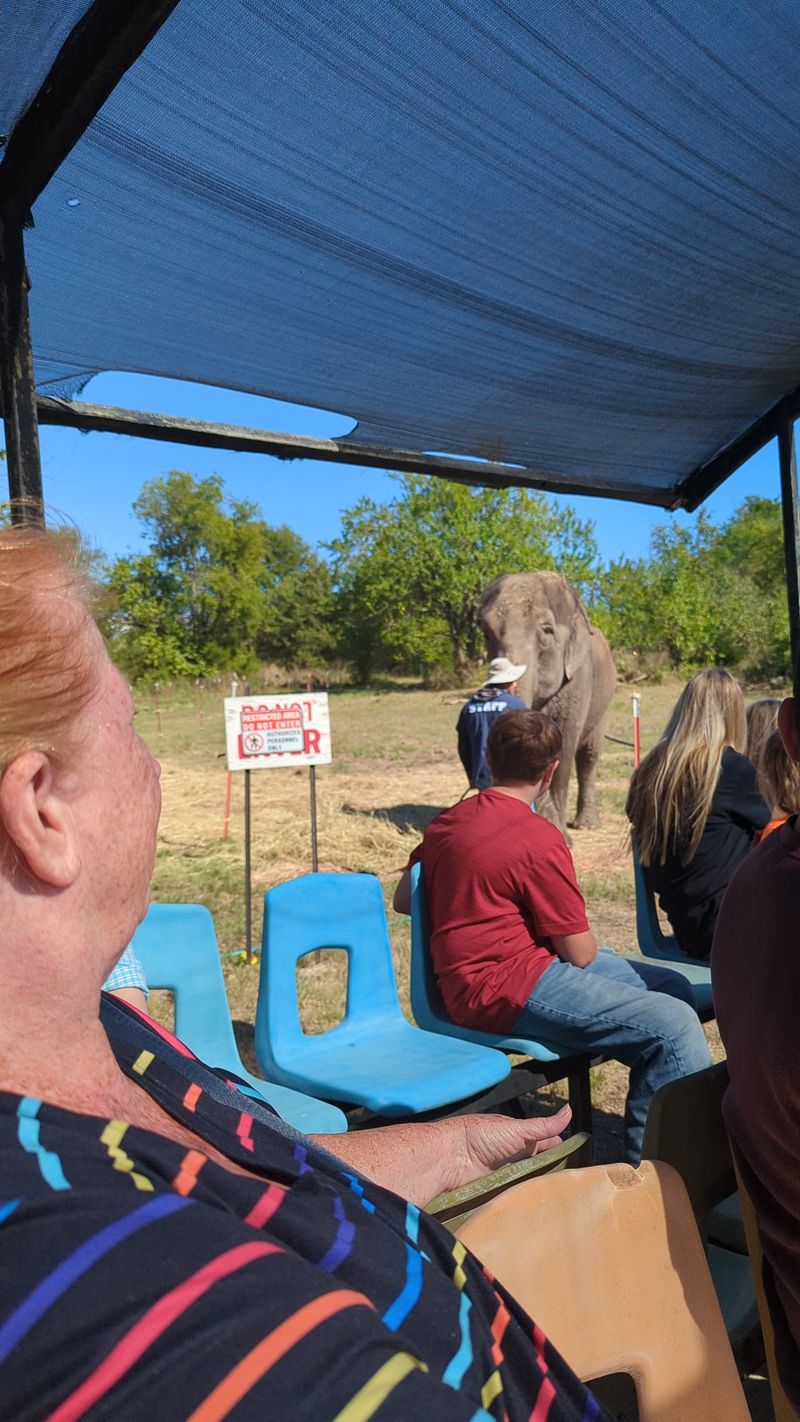
Once the indoor portion wraps up, everyone heads outside for a ride. Guests describe hopping onto a covered wagon or trolley-style trailer that rolls through the property and past the areas where elephants roam.
It is a relaxed way to take in the land. Staff have told tour groups that the foundation sits on more than 250 acres, so the ride gives you a sense of how much space surrounds the barns and pastures.
Kids tend to press against the sides, pointing whenever a trunk swings into view.
The wagon eventually stops at a spot toward the back of the grounds. That is where the real hands-on moment happens, as families step off and get time with a couple of elephants before climbing back on for the return trip.
For anyone worried about long hikes, this setup is a relief. Visitors mention there is not much walking involved, since the wagon does the heavy lifting between stops.
It also keeps the pace calm, so you can actually enjoy the scenery, snap photos, and chat with the guides instead of rushing from exhibit to exhibit like at a large city zoo.
The Banana Handoff Everyone Comes For
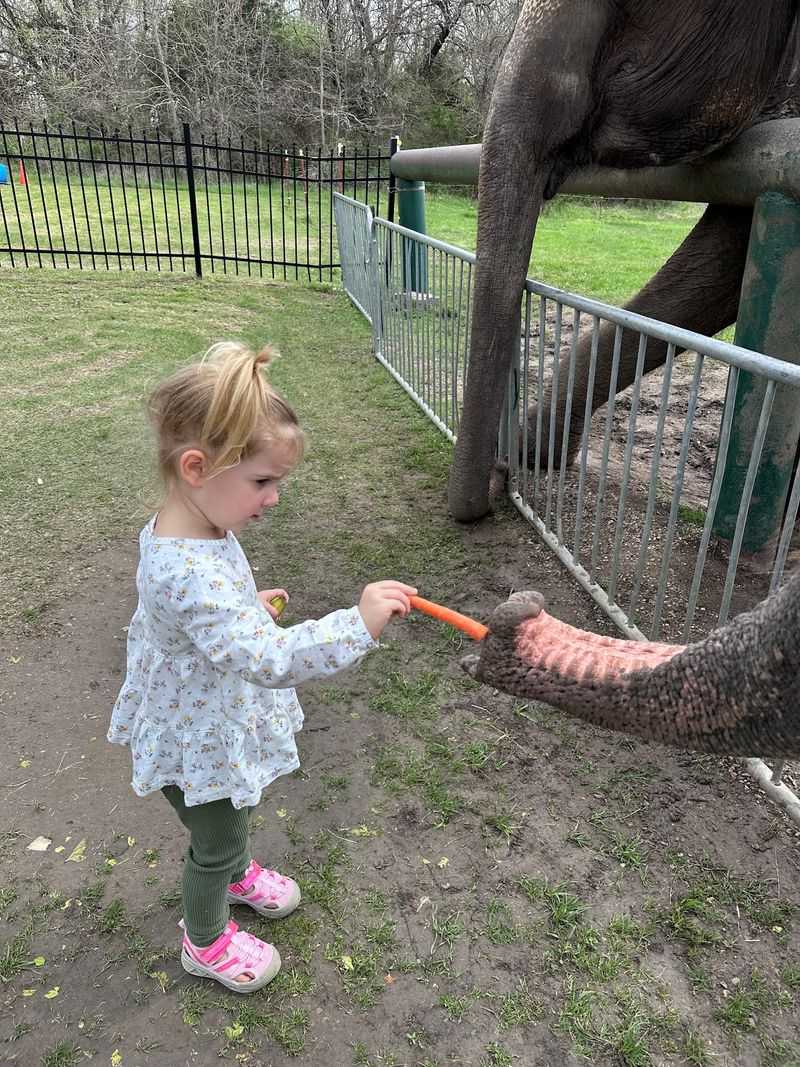
Hold out a banana and watch a trunk curl around it with surprising gentleness. For most guests, that single second is the reason they made the drive.
Feeding the elephants is easily the most talked-about part of a visit.
Snacks vary. Visitors describe handing over bananas, carrots, veggies, and fresh fruit depending on the experience they booked.
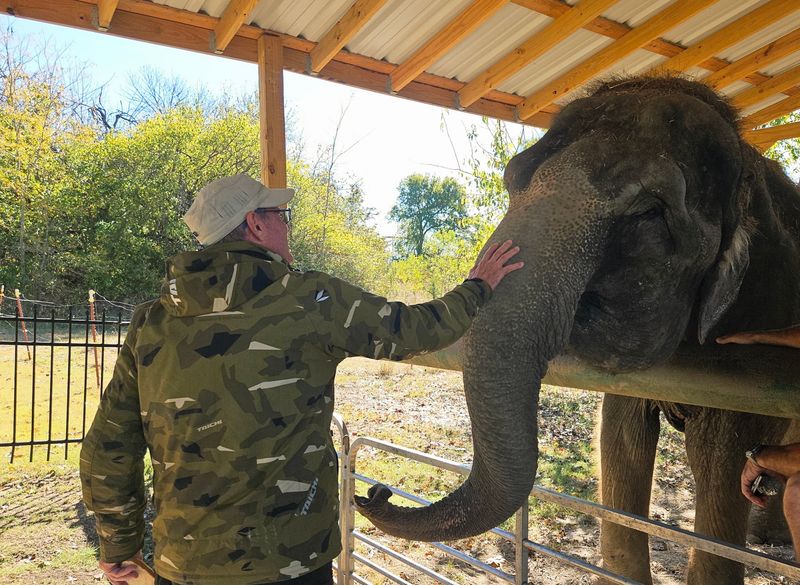
After the feeding, there is usually time to pet the elephants and pose for pictures, and one helpful staff member was known to offer to take family photos so parents could stay in the moment.
Group tours give each family a short stretch with two elephants. Some guests found that time magical.
Others felt it moved quickly, with one carrot each before heading back to the wagon, so it helps to know that the standard tour is more of a sampler than a long visit.
Want more time? Several people booked extras, including evening feeding sessions or overnight packages, and found those far more relaxed.
One parent admitted paying for additional encounters on the spot because watching her daughter’s face light up was too good to pass up.
Masterpieces Made with a Trunk
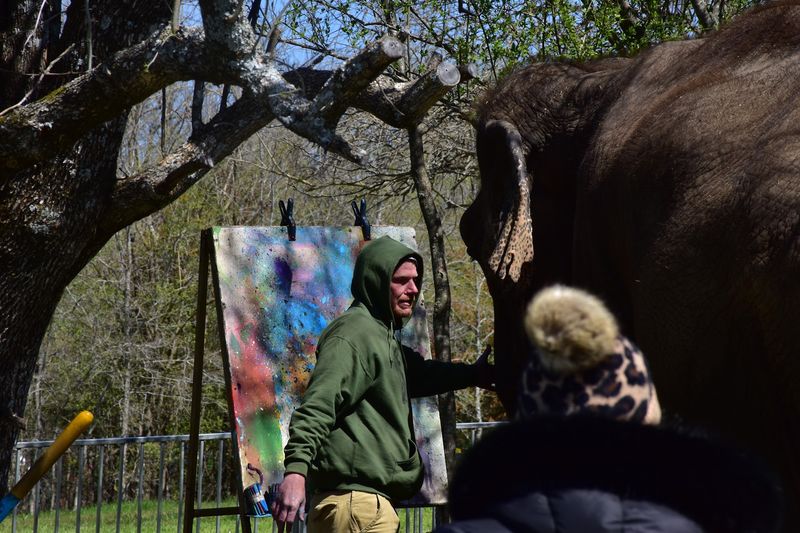
Few souvenirs beat a painting signed by, well, a trunk. Elephant art is one of the quirkiest parts of the Endangered Ark Foundation, and visitors love talking about it.
During some presentations, guests watch the elephants paint. One family won a canvas at auction, with the money going toward elephant food and care.
Another visitor watched the herd decorate T-shirts and said her son could hardly wait to bring one home.
Footprints are a thing, too. A guest who celebrated a birthday here proudly mentioned that an elephant footprint now hangs in her home.
It is a wonderfully odd keepsake, and exactly the kind of item that sparks conversation whenever friends visit.
If you miss out on a live painting, the gift shop has you covered. Visitors describe it as cute and reasonably priced, stocked with shirts and elephant artwork you can take home.
It is a nice place to browse while waiting for a tour to start.
Quick tip for collectors: since pieces made during a presentation may be auctioned, it helps to set a budget ahead of time. Bidding on a one-of-a-kind elephant original gets exciting fast, especially with kids cheering you on.
Breakfast Delivered by Trunk
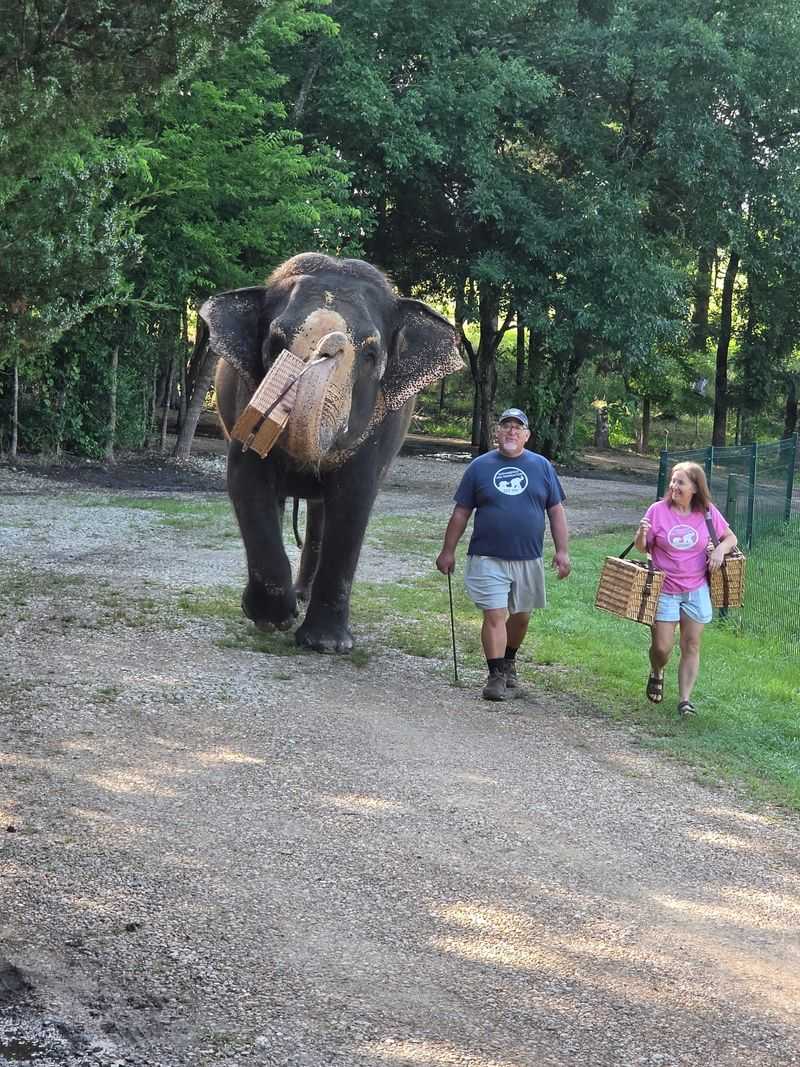
Room service has never looked like this. Guests who book an overnight cabin wake up to an elephant carrying their breakfast pail right to the door.
Visitors rave about it. One couple did the hour-long tour on a Sunday, then stayed in a cabin the next night with an added evening feeding.
Dinner was delivered, and the following morning an elephant brought breakfast before they fed her bananas and spent time visiting with her.
Another pair booked their cabin through an Oklahoma adventure travel agency. After Delrita dropped off breakfast and enjoyed some fruit, they joined a tour and learned about the whole herd.
Cleanliness earns praise as well, with one guest calling the cabins spotless. Pricing is a factor, though.
A visitor reported nightly rates running from around $300 to more than $500, depending on demand and the day of the week.
Weather can shake things up. One guest arrived on a stormy day, so the team switched to backup plans for the breakfast experience.
It is a good reminder that outdoor animal encounters depend on conditions, so keep expectations flexible and enjoy whatever version of the morning you get.
Treehouse Nights Above the Herd
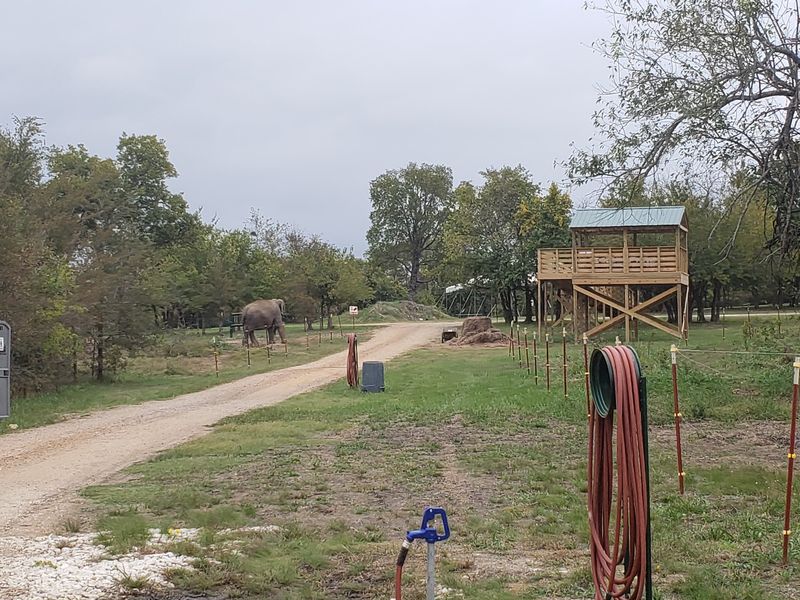
Sleeping in a treehouse with elephants nearby sounds like something from a storybook. At the foundation, it is a bookable option, and guests describe the treehouses as beautiful.
One stay shows how the staff handles surprises. A storm had damaged a treehouse roof and caused a leak above the bed.
Workers came over right away, secured a tarp, swapped the bedding, and offered a partial refund for the trouble.
That same family still called the trip amazing. Ilia brought breakfast in the morning, and they left smiling despite the soggy start.
Treehouses have caught plenty of attention from day visitors, too. One couple who stayed in a cabin said they already plan to return for a treehouse next time.
Another guest who came for the day noted that the rental lodging looked really cool, with elephants just outside.
Views are part of the appeal. From a treehouse, you can watch the elephants for long stretches, which gives a very different feel than a quick wagon stop.
Some guests find that extra observation time deepens their appreciation, while others use it to form their own opinions about daily life on the grounds.
Pumpkins, Holiday Lights, and an Eclipse
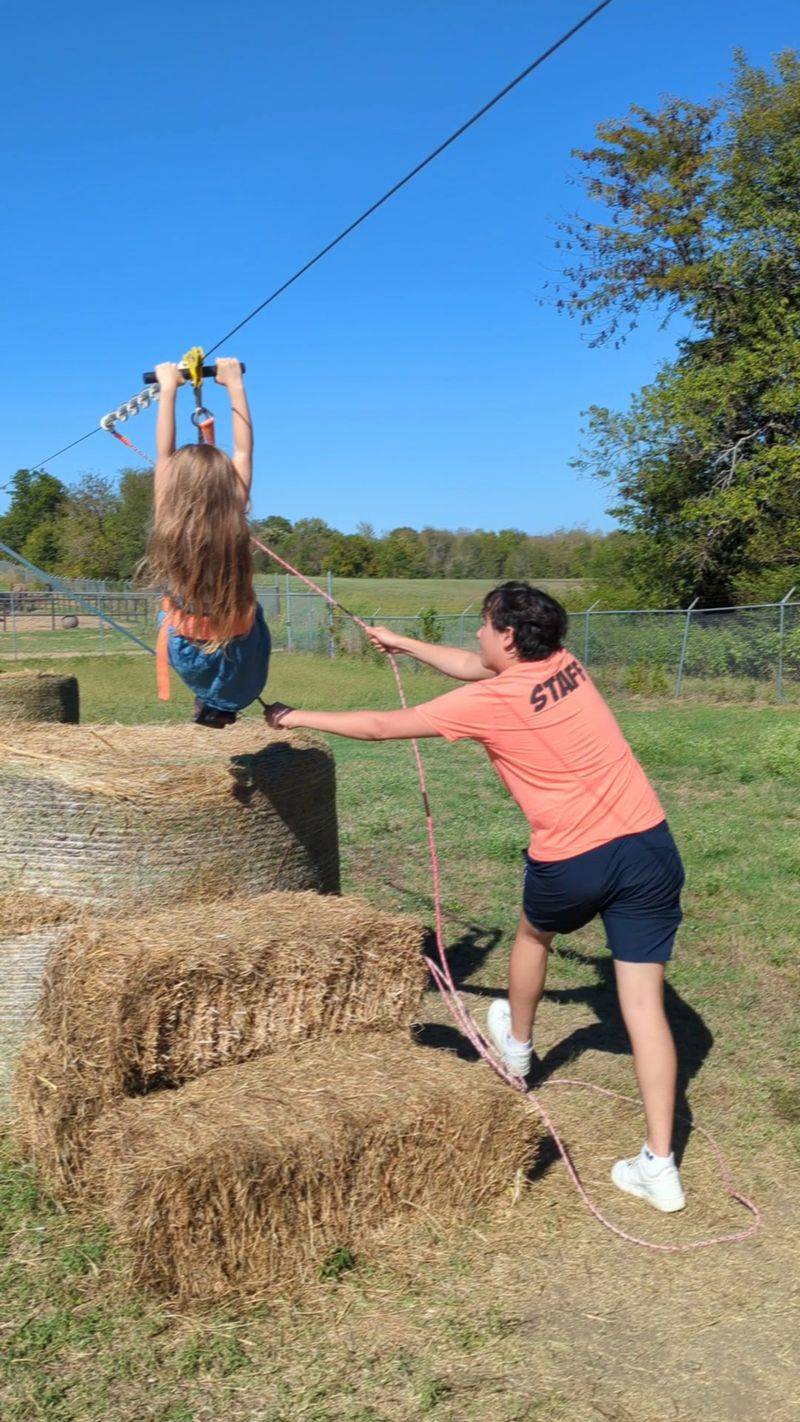
Autumn brings orange to the pastures. The foundation has hosted a fall pumpkin patch and festival, and families remember it fondly.
Guests describe hay rides past the elephants followed by a chance to feed them veggies. Kids had plenty to keep them busy, with visitors mentioning rides, games, zip lines, and bouncing.
One grandparent-filled crew joked that the whole family wore out and napped afterward.
A few details help with planning. One pumpkin patch visitor said the elephant tour was included in general admission, while other activities needed extra tickets.
She described the mood as chill and family friendly.
Winter has had its moment as well. A past Christmas event featured seasonal decorations and music inside a tent, with adult entry around $25 and infants free at the time.
Open house events have also come up, with one parent calling hers very affordable.
Then there was the sky show. During a solar eclipse, guests gathered here to watch, feed elephants, and see them paint shirts.
Imagine glancing between a darkening sky and a herd of elephants. Since events change, check the official website or call ahead before planning around a festival.
A Visit Built for Every Kind of Traveler
Accessibility is a quiet strength here. One guest who uses a walker said she was able to join every single activity thanks to thoughtful help from the staff.
Logistics are friendly from the start. Visitors note easy parking and a short walk to the indoor building, and guests with mobility challenges can get a free shuttle to the facility.
With the wagon handling travel between stops, there is little strain on tired legs.
Staff warmth comes up again and again. People describe workers as patient, kind, and happy to answer questions.
On one tour, roughly 15 to 20 guests were joined by six or more team members, which kept things personal.
Small courtesies leave big impressions. One family recalls staff phoning late arrivals to make sure nobody was lost.
Another guest running behind after a long drive got a call as she turned onto the road, and the team waited so she could join her reservation.
Age is no barrier either. Toddlers, school kids, parents, and grandparents all seem to find something to enjoy.
Whether you are celebrating a birthday or ticking off a lifelong dream, the experience adapts nicely to different needs.
Mixed Feelings Worth Weighing
Not every visitor leaves glowing, and fairness means sharing that side too. Some guests felt the standard $50 tour moved too quickly, with only a minute or two of elephant time before the wagon headed back.
One person said the staff was kind but the experience felt impersonal, almost like a line where everyone hands over a carrot and moves along. A pumpkin patch visitor gave a middle-of-the-road impression, calling it fun but noting add-on costs.
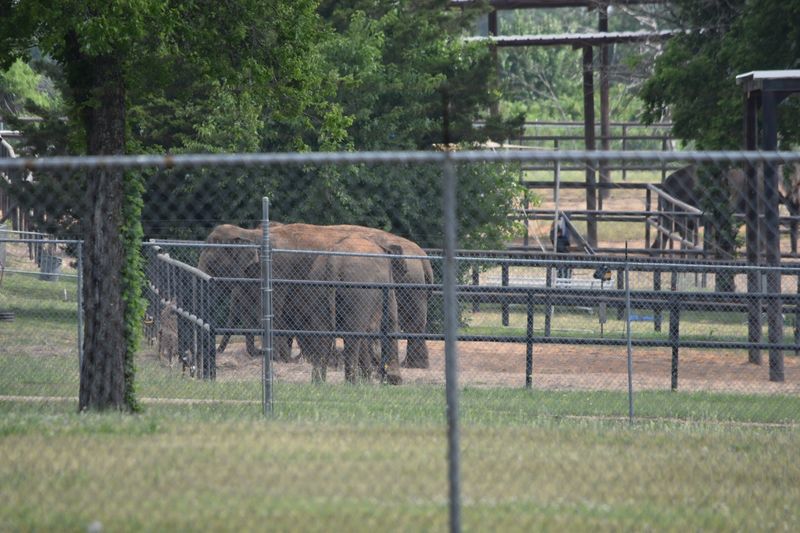
Bigger questions have come up as well. A guest who stayed in a treehouse raised concerns about how the elephants are housed, noting separated pens and behavior she found worrying.
She also pointed to the herd’s circus background and urged others to research animal facilities before visiting.
Plenty of other guests saw it differently, saying the elephants seemed well cared for and interacted because they chose to. Reasonable people can land in different places.
The takeaway is simple. Read up on the foundation, ask the keepers your questions, and watch the animals closely while you are there.
Going in informed lets you decide for yourself how you feel about the visit and where your money goes.
Hours, Ticket Prices, and Planning Tips
Timing your trip right saves headaches. The Endangered Ark Foundation is open Monday through Friday from 9 AM to 4 PM, Saturday from 9 AM to 5 PM, and Sunday from 1 to 5 PM.
Prices depend on what you book. One visitor reported tour pricing of $50 for adults and $25 for kids, while another recalled tour prices as great value.
Overnight cabins have been quoted at roughly $300 to over $500 a night, depending on demand and the day of the week.
Several guests called the outing pricey but understood why. Caring for a herd of Asian elephants is expensive, and visitors repeatedly mention that proceeds support the animals.
Reservations matter here. Tours run on a schedule, and staff keep track of who is signed up, so book ahead and plan your drive with some cushion.
Rural roads and long distances can stretch travel times.
Getting there is straightforward with GPS. Aim for 2657 E 2070 Rd in Hugo, OK 74743.
For current tour options, events, or questions, call 580-317-8470 or visit endangeredarkfoundation.org before heading out, since offerings and prices can change.
Worth the Drive to Hugo?
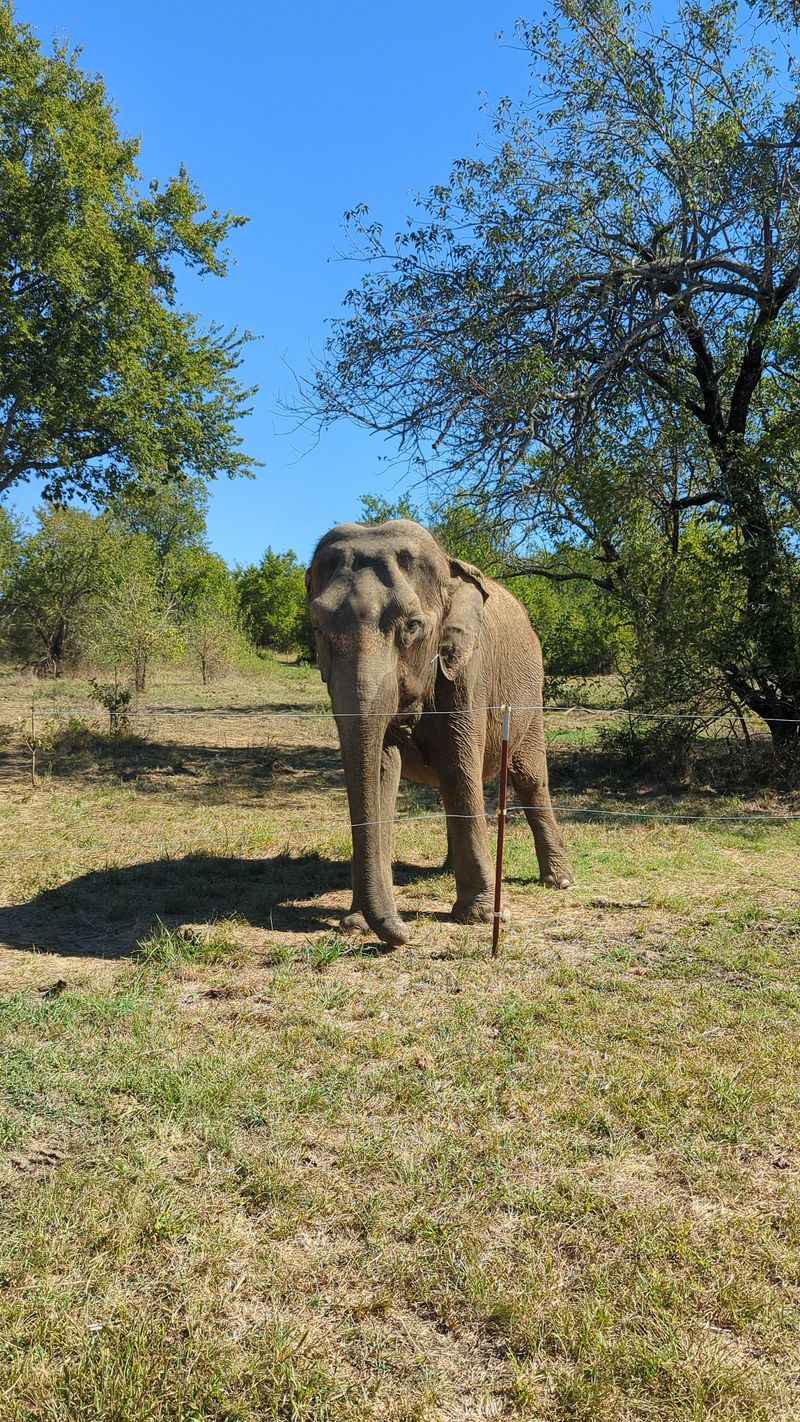
Few road trip stops let you trade a banana for a trunk hug. That alone puts this Hugo destination in a category of its own among Oklahoma attractions.
For elephant lovers, it can be pure joy. Guests talk about birthday surprises, bucket list moments, and kids calling it the best day ever.
Overnight stays with breakfast delivered by an elephant push the experience into truly memorable territory.
Still, it pays to go in with clear eyes. The standard tour can feel brief, prices run on the higher side, and some visitors have raised thoughtful questions about elephant welfare.
Doing a bit of homework beforehand helps you choose the experience that fits your comfort level.
Families with mixed ages, travelers with mobility needs, and anyone curious about Hugo’s circus heritage will likely find plenty to enjoy. Those wanting more than a quick encounter might consider an evening feeding, a cabin, or a treehouse night.
So is it worth it? For many travelers, the answer is a happy yes.
Pack some patience, bring a camera, check the hours, and get ready for an afternoon in southeastern Oklahoma that you will likely be describing to friends for a long time.
Share this story