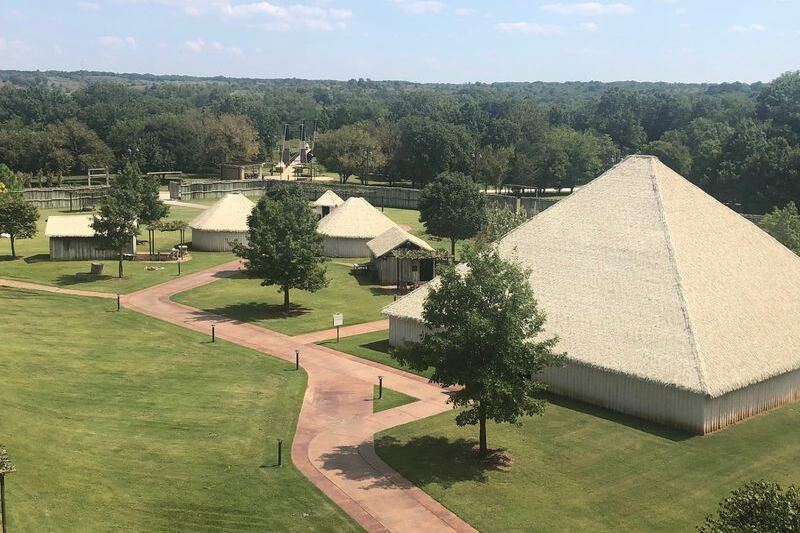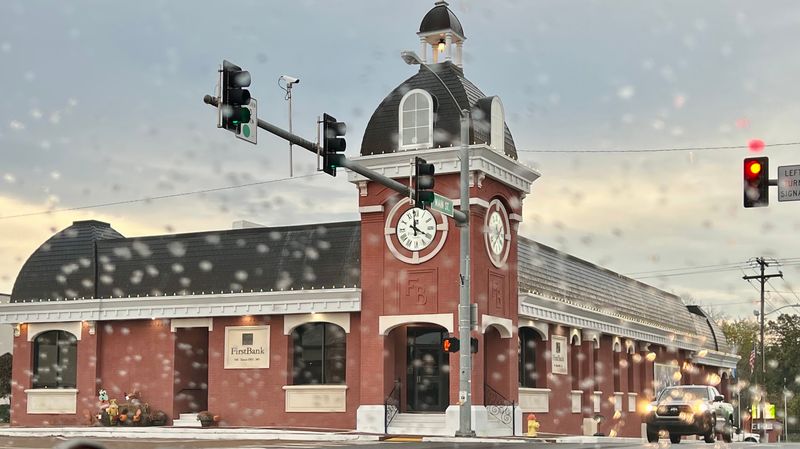
Somewhere in the green hills of southeastern Oklahoma, there is a town that seems too charming to be real. Antlers, Oklahoma sits in Pushmataha County with a personality that is equal parts rustic hunting culture and classic small-town warmth.
The name alone is enough to make you do a double-take, and the story behind it is even better. Road-trippers who stumble through here often leave wondering why nobody told them about this place sooner.
Where Antlers Actually Is and Why That Matters
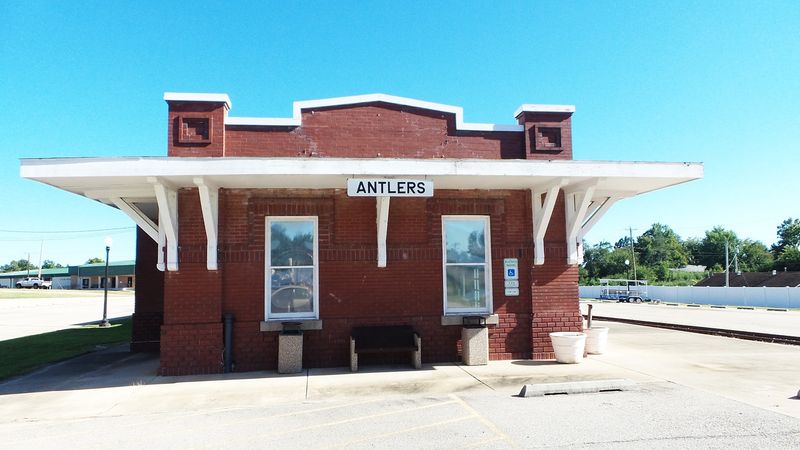
Antlers is the county seat of Pushmataha County, nestled in the heart of southeastern Oklahoma at the coordinates that put it squarely in the Ouachita Mountains region. The town carries the ZIP code 74523, and its official population clocked in at 2,221 during the 2020 United States Census.
That number might sound modest, but do not let it fool you. County seats in this part of Oklahoma punch well above their weight in terms of local character and community energy.
Pushmataha County itself is one of the most forested and wildlife-rich counties in the state. Antlers sits at the intersection of hunting culture, Choctaw Nation heritage, and the kind of rolling green landscape that surprises people who assume Oklahoma is all flat red plains.
The town is roughly 140 miles southeast of Oklahoma City, making it a solid half-day drive from the metro. It also sits close enough to the Texas border to draw visitors from the north Texas corridor looking for a weekend change of scenery.
Getting here means driving through some genuinely beautiful Oklahoma countryside, which is half the reward before you even arrive in town.
The Name That Stops Every New Visitor Cold
Few town names in Oklahoma generate as many raised eyebrows as Antlers. Most people assume it is a nod to hunting culture, which makes total sense given the region.
The actual origin, though, is a bit more poetic than a simple tribute to the hunt.
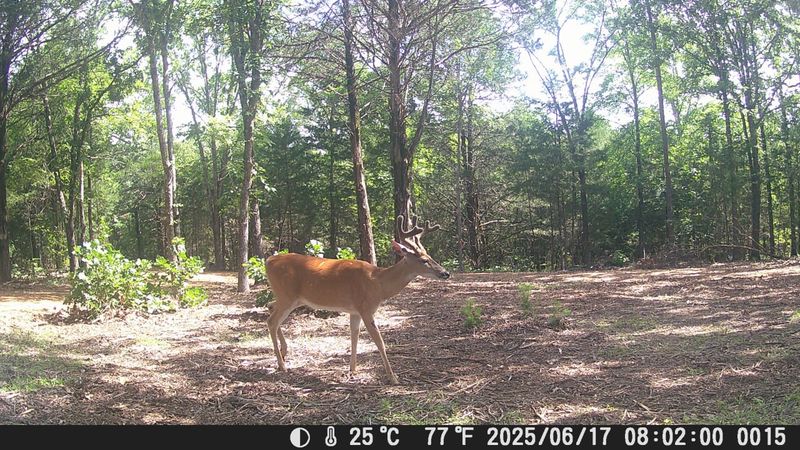
According to the town’s own history, Antlers was named for a specific type of tree that would become decorated with shed deer antlers. Deer in the area used these trees as natural scraping and rubbing posts, leaving behind their shed antlers as a kind of seasonal calling card.
Early settlers and travelers recognized this tree as a reliable marker for a nearby spring where deer regularly gathered to drink. Finding antlers on or near a tree essentially meant fresh water was close, which was genuinely valuable information for anyone moving through the wilderness.
So the town’s name is really a layered piece of frontier logic. It is part animal behavior, part survival knowledge, and part local legend all rolled into two syllables.
That combination of practical history and quirky imagery sets the tone for everything else Antlers has to offer a curious visitor.
The Hunting Lodge Atmosphere That Greets You on Arrival
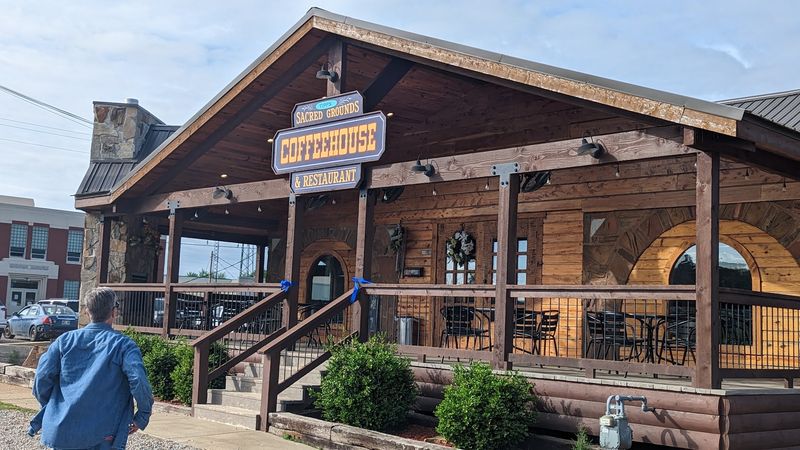
Roll into Antlers on a crisp fall morning and the vibe hits you immediately. The air carries a faint woodsmoke quality, pickup trucks line the streets, and more than a few storefronts feature antler mounts or camouflage-themed window displays.
It feels like someone took a hunting lodge and scaled it up to the size of a small city.
Pushmataha County is serious deer and turkey hunting territory, and the town makes no attempt to hide that identity. Hunting season transforms Antlers into a hub of orange vests, muddy boots, and early-morning coffee runs.
The whole town seems to lean into the season with genuine enthusiasm rather than commercial calculation.
But here is the twist that makes Antlers more interesting than a simple hunting destination. Underneath the camo and the mounted trophies, there is a deeply neighborly small-town sitcom energy at work.
Locals wave at strangers, conversations at the gas station last longer than you planned, and the pace of life feels deliberately unhurried.
That contrast between rugged outdoor culture and warm community familiarity is what gives Antlers its distinctive personality. It is a combination you do not find in many places, and it is worth experiencing firsthand.
Pushmataha County and Its Wild, Forested Identity
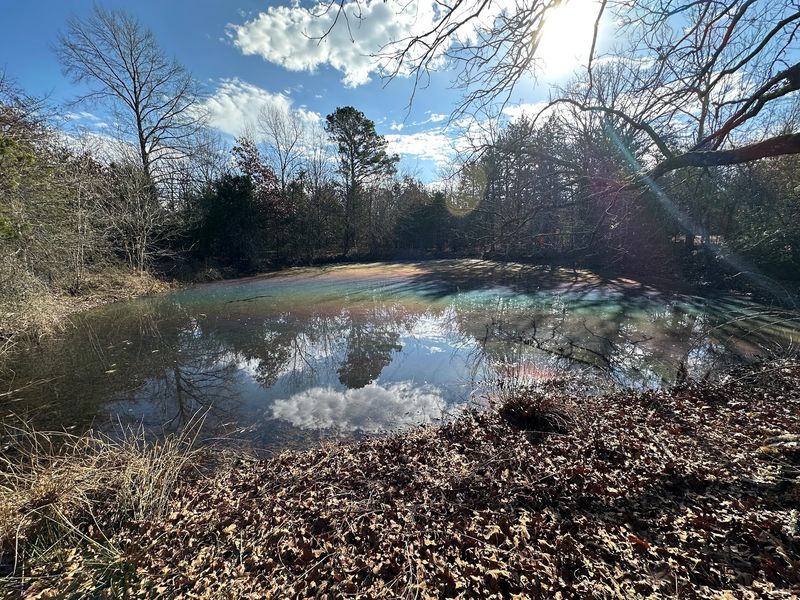
Understanding Antlers means understanding Pushmataha County first. Named for a respected Choctaw chief, the county covers a landscape that looks nothing like the Oklahoma most outsiders picture.
Thick stands of pine and oak cover the hills, and the terrain rolls and dips in ways that feel more Appalachian than Great Plains.
Wildlife is abundant here. White-tailed deer, wild turkey, and various other game species thrive in the forested environment, which explains why hunting culture is so central to the local identity.
The county’s rivers and creeks also support fishing, and the general outdoor recreation scene is robust enough to draw visitors from across the region.
Pushmataha County sits within the broader Choctaw Nation of Oklahoma’s jurisdictional area, which adds a rich layer of Native American history and culture to the region. The Choctaw influence shows up in place names, local events, and community institutions throughout the area.
The county’s relatively low population density means the forests and waterways feel genuinely wild rather than managed and manicured. For anyone who wants to feel far away from city life without actually being in the middle of nowhere, Pushmataha County delivers that balance with impressive consistency.
The Choctaw Nation Connection Running Through Everything

Antlers and the surrounding region sit within the historical and cultural territory of the Choctaw Nation of Oklahoma. This is not background noise.
The Choctaw presence shapes the landscape, the community culture, and the historical identity of the area in ways that are visible and tangible to anyone paying attention.
The county itself carries the name of Pushmataha, a Choctaw leader known for his diplomatic skills and military leadership in the early nineteenth century. Having a county named after him in this part of Oklahoma is a meaningful acknowledgment of the Choctaw Nation’s deep roots in the region.
The Choctaw Nation today operates extensively throughout southeastern Oklahoma, running programs, facilities, and community services that serve both tribal members and the broader population. Their economic and cultural footprint in towns like Antlers is substantial.
Visitors who come to Antlers purely for the hunting and outdoor recreation often leave with a broader appreciation for the layered history of the region. The Choctaw heritage adds a dimension that transforms a simple hunting trip into something closer to a genuine cultural experience.
Taking time to learn even a little of that history before arriving makes the visit significantly richer and more rewarding.
Small-Town Sitcom Energy and the People Who Create It
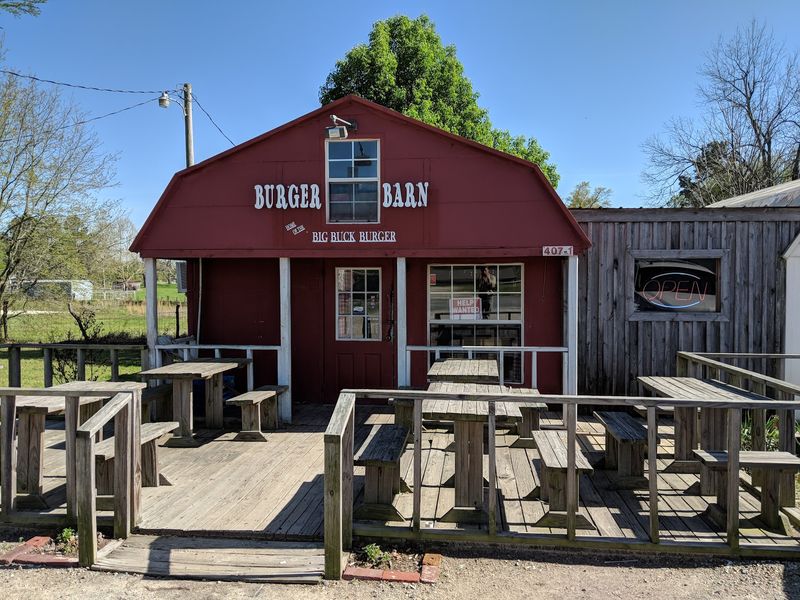
There is a specific social temperature that certain small towns maintain, and Antlers has it dialed in. Strangers get greeted.
Long conversations happen at the hardware store. The same faces show up at the gas station, the diner, and the local events, and everyone seems to know the backstory of everyone else.
That interconnected familiarity is the sitcom element of Antlers. It has the comfortable, slightly absurd quality of a place where everyone is both a main character and a supporting cast member simultaneously.
You get the sense that the town has been running this particular social dynamic for generations and has no intention of changing it.
For visitors from larger cities, this can feel almost theatrical at first. The warmth seems too consistent to be real.
But spend a few hours in Antlers and the sincerity becomes obvious. The friendliness is not performed for tourists.
It is simply how the community operates on a daily basis.
That authenticity is increasingly rare and increasingly valuable. In a travel landscape full of places that have been polished and packaged for visitors, Antlers still feels like a town that exists primarily for the people who live there, with visitors welcomed as guests rather than customers.
Deer Culture as a Year-Round Town Identity
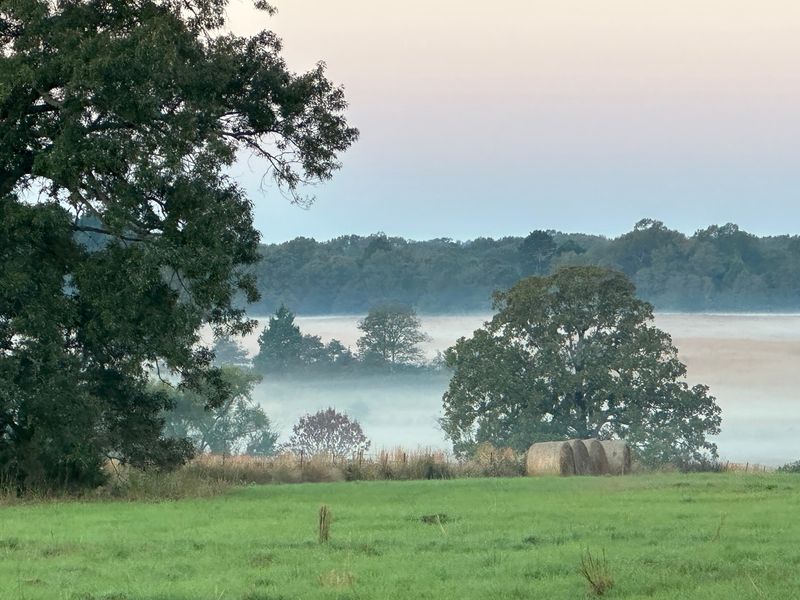
Hunting is not just a seasonal activity in Antlers. It is a year-round cultural identity that shows up in how the town decorates, how it markets itself, and how residents talk about their home.
The deer antler imagery is everywhere, from business logos to public signage, and it carries genuine pride rather than kitschy self-awareness.
White-tailed deer are the primary focus, and Pushmataha County produces some impressive specimens given the quality of the habitat. The forested terrain and the abundance of agricultural edges create ideal conditions for deer, and the local hunting community takes the pursuit seriously.
Turkey hunting is also a significant part of the local culture. Southeastern Oklahoma holds some of the best wild turkey habitat in the state, and the spring turkey season brings its own wave of visitors and excitement to the Antlers area.
What makes the deer culture interesting beyond the hunting itself is how it connects to the town’s founding story. The name, the natural history, and the ongoing community identity all trace back to the same animal.
That kind of coherent narrative thread running from a town’s origin to its present-day personality is genuinely unusual and worth appreciating.
The Landscape Surrounding Town on Every Side
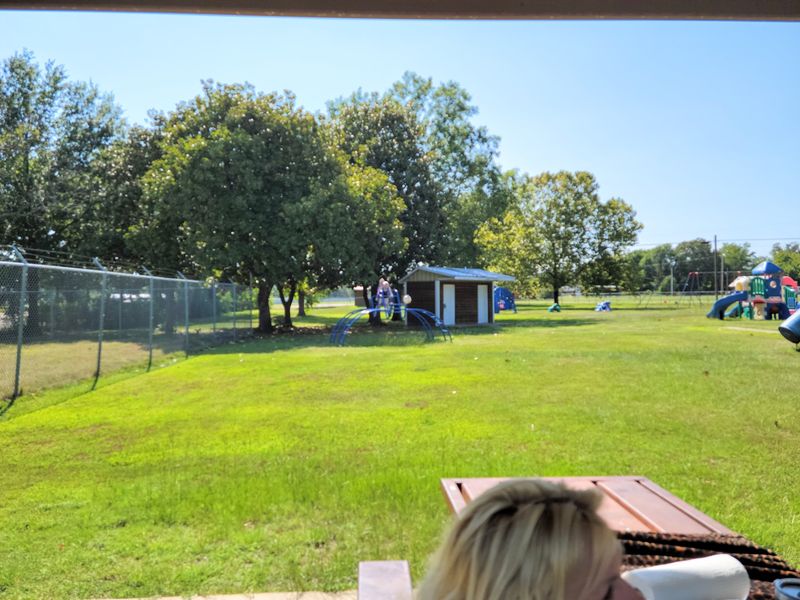
One of the most consistent surprises for first-time visitors to the Antlers area is the landscape itself. The rolling hills covered in mixed pine and hardwood forest create a visual environment that feels genuinely lush and dramatic, especially compared to the more open terrain of central and western Oklahoma.
The Ouachita Mountains region, which encompasses this part of the state, delivers the kind of scenery that makes people pull over just to take a photograph. The elevation changes are modest compared to the Rockies, but the tree cover and the quality of the light filtering through the canopy create an atmosphere that feels almost cinematic.
Fall is particularly spectacular in this corner of Oklahoma. The hardwood trees shift through amber, orange, and deep red, and the effect across miles of forested hillside is genuinely breathtaking.
The combination of fall foliage and hunting season makes October and November among the most atmospheric months to visit.
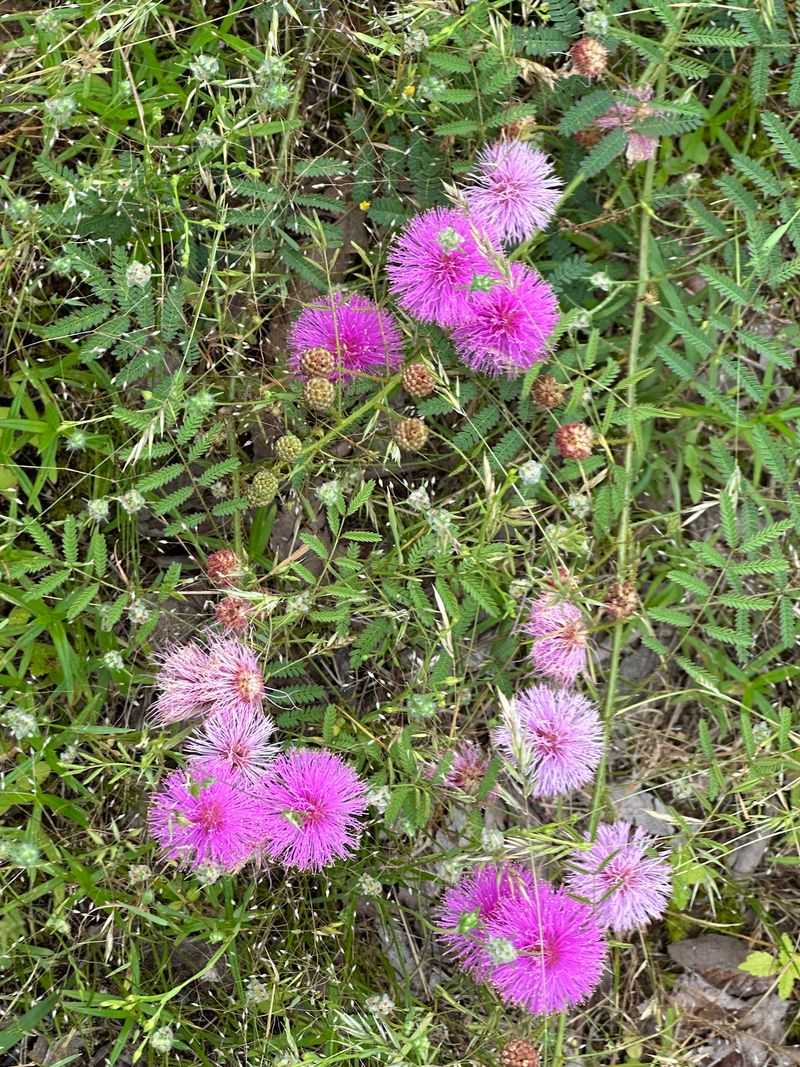
Spring brings its own rewards, with wildflowers along the roadsides and the forest canopy filling back in with fresh green growth. The area around Antlers rewards slow driving and frequent stops, which is exactly the kind of travel pace the town itself seems to encourage.
Local Commerce and the Character of the Town Square
As the county seat, Antlers organizes itself around a courthouse square in the classic Oklahoma small-town pattern. The Pushmataha County Courthouse anchors the downtown area and gives the town center its architectural gravity.
Around it, local businesses operate with the kind of modest, practical character that defines working small-town commerce.
The businesses in and around downtown Antlers are not boutique shops curated for tourists. They are the kinds of places that serve the actual needs of the people who live here.
That authenticity is refreshing in an era when many small towns have either lost their commercial core entirely or replaced it with visitor-facing retail.
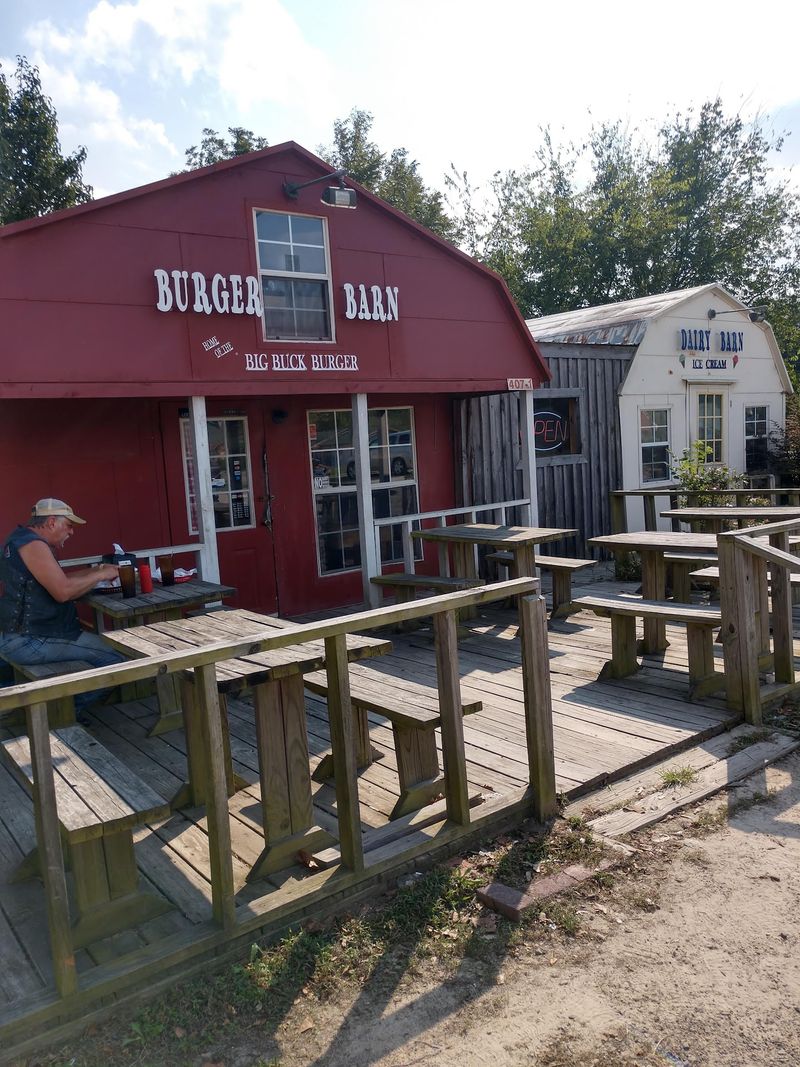
Antlers has maintained enough of its functional downtown character to feel like a real, working community rather than a preserved exhibit. Hardware stores, local diners, and service businesses share the landscape with the occasional quirky storefront that adds texture to the streetscape.
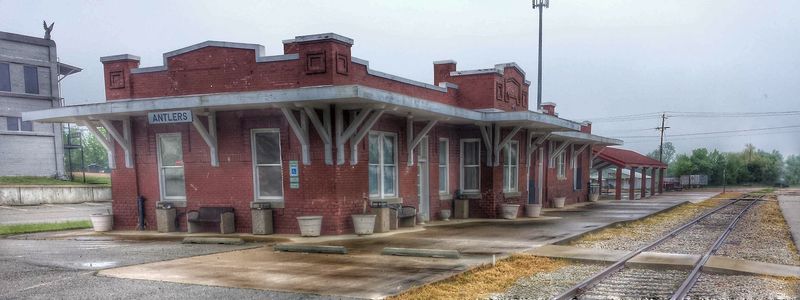
Visiting the town square gives you a quick read on the community’s personality. The scale is human, the pace is relaxed, and the architecture tells a story of a county seat that has been doing its job quietly and consistently for well over a century.
That kind of understated civic presence has its own appeal.
Outdoor Recreation Beyond the Hunting Season
Hunting gets most of the attention in Antlers, but the outdoor recreation options in the surrounding area extend well beyond deer season. The waterways of Pushmataha County offer solid fishing opportunities, and the forested terrain provides hiking and wildlife-watching experiences that hold appeal across the full calendar year.
The rivers and creeks in this part of Oklahoma run clean and clear through the forested hills, creating the kind of riparian environments that support diverse fish populations. Catfish, bass, and crappie are all part of the local fishing culture, and the more relaxed pace of fishing fits the town’s overall temperament perfectly.
The forests themselves are worth exploring on foot. The mix of pine and hardwood creates a varied habitat that supports a wide range of bird species, making the area attractive to birders as well as hunters.
The transition zones between forest types are particularly productive for wildlife observation.
For visitors who want a genuinely outdoor-focused experience without the full commitment of a hunting trip, the Antlers area offers enough natural beauty and recreational variety to fill a weekend comfortably. The key is to bring a relaxed attitude and a willingness to let the landscape set the pace rather than arriving with a rigid itinerary.
Who Antlers Suits Best as a Travel Destination
Not every destination works for every traveler, and Antlers is no exception. The town has a specific appeal that resonates strongly with certain kinds of visitors and less so with others.
Knowing which category you fall into before making the drive will save everyone time and ensure the experience lands the way it should.
Hunters are the obvious primary audience. If you are planning a deer or turkey hunting trip in southeastern Oklahoma, Antlers makes a natural base of operations.
The town is geared for that purpose in a dozen practical ways, from lodging options to local knowledge about the surrounding land.
Beyond hunters, the town suits people who genuinely enjoy small-town America for its own sake. If sitting in a local diner and having an unplanned twenty-minute conversation with a stranger sounds appealing rather than awkward, Antlers will feel like home within an hour.
Nature lovers and photographers who appreciate forested hill country without the crowds of more famous destinations will find the area around Antlers quietly rewarding. The landscape is beautiful, the light is good, and the roads are mostly empty.
Anyone expecting resort amenities, trendy restaurants, or a packed activity calendar will likely find Antlers underwhelming. But that is honestly part of its charm for the right visitor.
Practical Notes for Planning a Visit to Antlers
Getting to Antlers requires some intentionality since it sits off the main interstate corridors. From Oklahoma City, the most direct route runs southeast on US-270 and then connects through McAlester before dropping south toward Pushmataha County.
The drive takes roughly two and a half hours depending on your starting point and how many roadside stops tempt you along the way.
From Dallas, the approach comes up through the southeastern corner of Oklahoma, making Antlers a reasonable first stop on an Oklahoma road trip heading north. The drive from the Dallas metro runs around three hours under normal conditions.
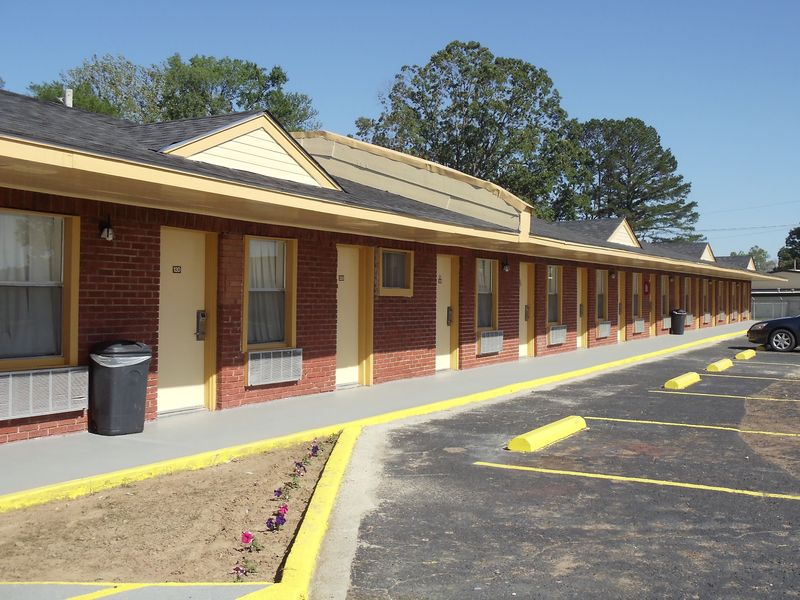
Lodging in Antlers is modest and practical rather than luxurious. Small motels and rental options serve the hunting crowd primarily, so amenities are functional rather than fancy.
Booking ahead during hunting season is genuinely important, as the town fills up faster than its size might suggest.
The best seasons for visiting are fall for the full hunting-lodge atmosphere and spring for the outdoor recreation and wildflower scenery. Summer can be warm and humid in this part of Oklahoma, though the forest cover keeps the area cooler than the open plains to the west.
Pack layers for fall visits, bring your fishing gear if the creek fishing appeals, and leave the tight schedule at home.
Why Antlers Stays With You After You Leave

Some places earn a spot in your memory through spectacle. Antlers earns it through something quieter and harder to define.
The town does not have a landmark that stops traffic or a restaurant that trends on social media. What it has is a coherent identity that feels earned rather than manufactured.
The name tells a story. The landscape backs it up.
The people complete the picture. Everything in Antlers points in the same direction, toward a community that knows exactly what it is and has no particular desire to be anything else.
That kind of self-assurance in a small town is rarer than it should be.
The hunting lodge atmosphere and the small-town sitcom warmth are not competing forces. They are two expressions of the same underlying character.
Antlers is a place where practical outdoor culture and genuine human connection coexist without friction, and that combination produces a travel experience that is genuinely difficult to replicate.
Road-trippers who take the detour to Antlers tend to describe the visit as a pleasant surprise, the kind of place they would not have sought out deliberately but are glad they found. That quiet recommendation, passed from one traveler to the next, is how towns like Antlers build their reputation one honest visit at a time.
Share this story