Somewhere in the rolling back roads of Oklahoma, past the kind of countryside that makes you second-guess your GPS, there is a farm that quietly serves one of the most memorable dinners in the state. Most people stumble across it through word of mouth, a tip from a friend who came back raving and slightly changed.
The setting alone is enough to make you slow down and stare, but what happens at the table is something else entirely. Pack your patience, bring your appetite, and prepare to be genuinely surprised.
Where Living Kitchen Farm and Dairy Sits
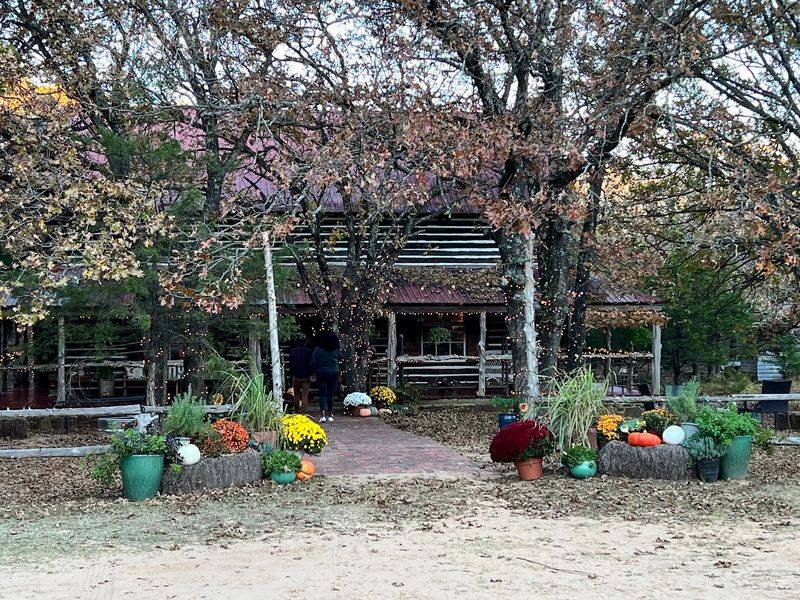
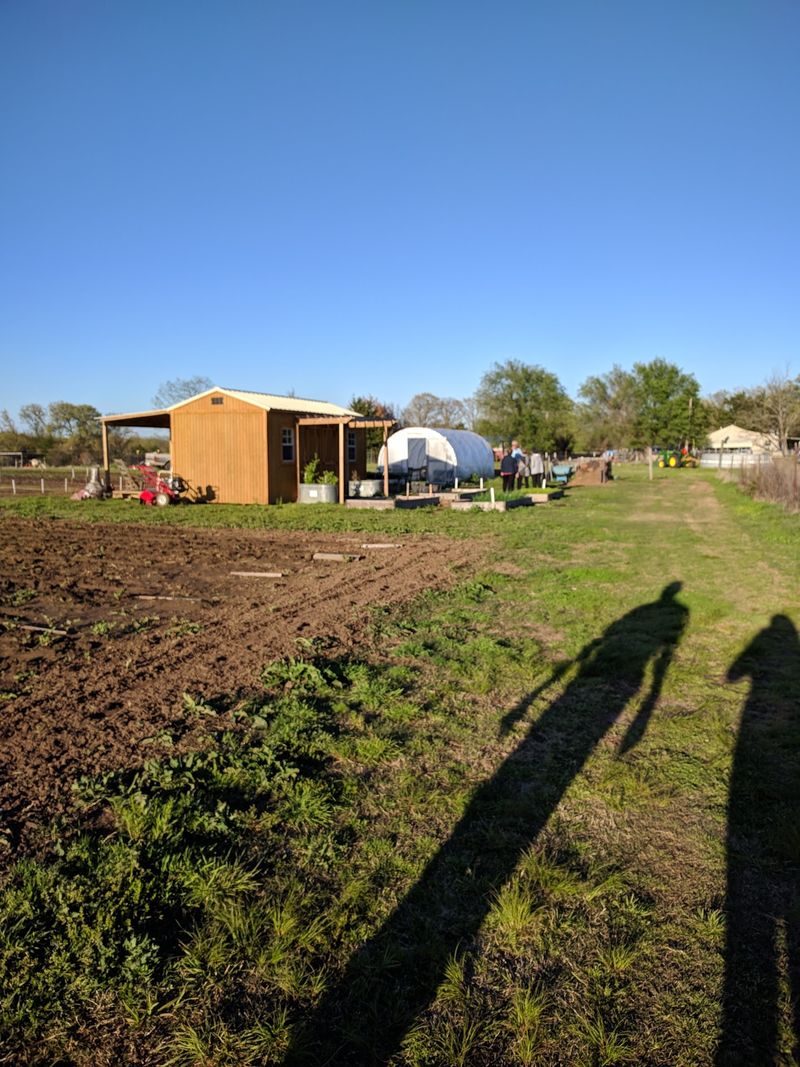
About 40 minutes from the nearest urban center, tucked along a stretch of Oklahoma back roads that most people never take on purpose, Living Kitchen Farm and Dairy occupies roughly 400 acres of open countryside near Depew, Oklahoma. Getting there requires commitment.
The route winds through the kind of rural landscape that feels genuinely untouched, with fence lines, pastures, and skies wide enough to make you exhale.
The address is 25198 S 481st W Ave, and the farm sits at coordinates that place it firmly in the heart of Creek County. Visitors who have made the drive often describe the journey itself as part of the experience, with windows down, open road, and a growing sense of anticipation building with every mile.
Finding a place this intentionally remote changes the mood before you even step out of the car. The farm does not advertise itself loudly.
There are no billboards, no neon signs, and no highway exit named after it. What greets guests instead is quiet land, soft light, and the kind of stillness that Oklahoma countryside does better than almost anywhere else.
The Vision Behind the Farm
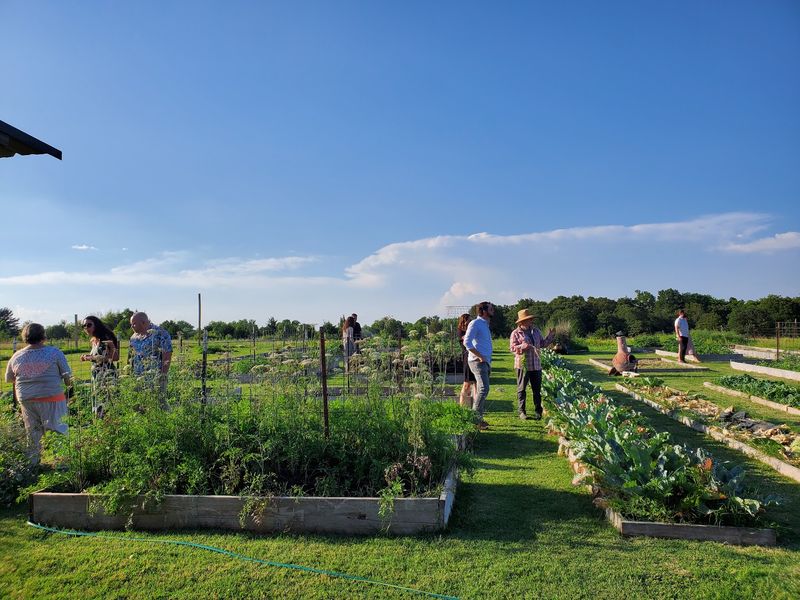
Chef Lisa Becklund and Linda Ford are the creative force behind Living Kitchen Farm and Dairy, and their partnership with farmers Will and Katelyn gives the whole operation a deeply grounded identity. The project began as a dream to connect people directly with the land that feeds them, and over the years that vision has grown into something far more layered and personal than a typical farm-to-table concept.
Regulars who have followed the farm for years describe the founders as genuinely passionate, not in a rehearsed marketing way, but in the manner of people who actually lose sleep over soil quality and seasonal harvests. Chef Becklund brings serious culinary training to an environment that could easily have settled for rustic charm alone.
Instead, the food reaches for something more ambitious.
Linda Ford’s hospitality instincts shape the social fabric of each evening, turning a dinner reservation into something closer to a gathering. Visitors consistently mention feeling welcomed rather than simply served.
The collaboration between chef, host, and farmer creates a rare alignment where every element of the evening feels considered, purposeful, and rooted in genuine care for both the ingredients and the guests enjoying them.
The Rustic Cabin Setting
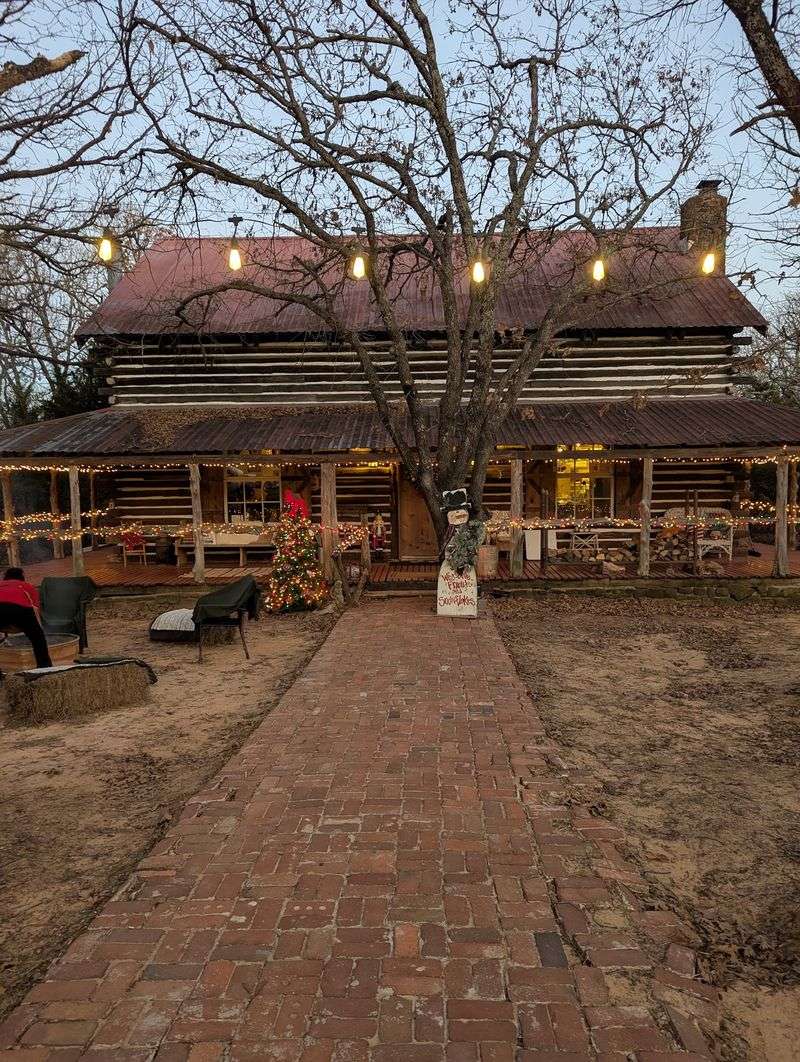
Stepping onto the property feels like arriving somewhere that was built for evenings exactly like this one. The cabin at the center of Living Kitchen is a study in warm, earthy aesthetics.
Wood tones dominate, fire pits flicker near the entrance, and the overall atmosphere leans into a comfortable rusticity that feels earned rather than manufactured.
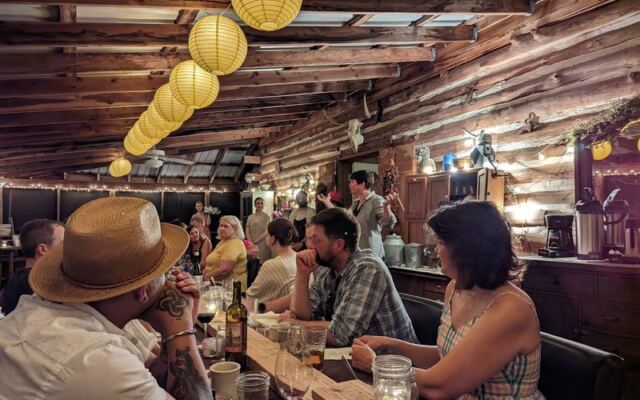
Guests are welcomed into a space that reviewers consistently describe as feeling like home, which is not something most dining venues manage to pull off. Communal tables fill the main area, encouraging conversation between people who arrived as strangers.
By the time dessert lands on the table, those strangers have typically become something closer to friends.
The screened-in back porch is where dinners actually take place, and it serves as one of the more memorable dining rooms in the state. Open to the sounds and smells of the surrounding farm, the porch frames the meal within the landscape itself.
Depending on the season, that might mean cricket song in summer or crisp country air in the colder months. Either way, the setting does a significant amount of work before the first course even arrives.
Seasonal Menus That Change Every Dinner
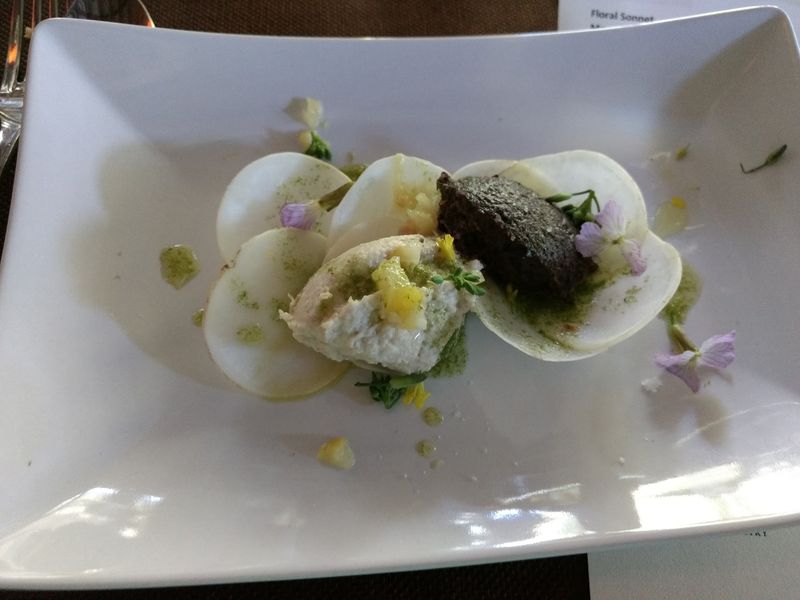
No two dinners at Living Kitchen are quite the same, and that unpredictability is very much the point. Each menu is built around what the farm and surrounding land are producing at that specific moment in the season, which means guests cannot simply order the same dish they loved last time.
The menu moves with the harvest, and the kitchen follows wherever that leads.
Past menus have featured dishes with names that read more like short poems than food descriptions. Courses like “Aurora’s Flashy Asparagus” and “The Long Walk” hint at the storytelling dimension Chef Becklund weaves into each plate.
Farmers Will and Katelyn share the story behind the ingredients during the meal, tracing each element from seed to table in a way that genuinely deepens the eating experience.
Desserts have included a lemon thyme semifreddo adorned with spring flowers, a smoky elderflower pavlova with fresh strawberries, and a dandelion ice cream that visitors still talk about long after the fact. Occasional highlights from past menus include a morel mushroom soup and a buttermilk ice cream described by one guest as the perfect balance of tart and sweet.
The kitchen clearly enjoys surprising people.
The Multi-Course Structure of the Evening
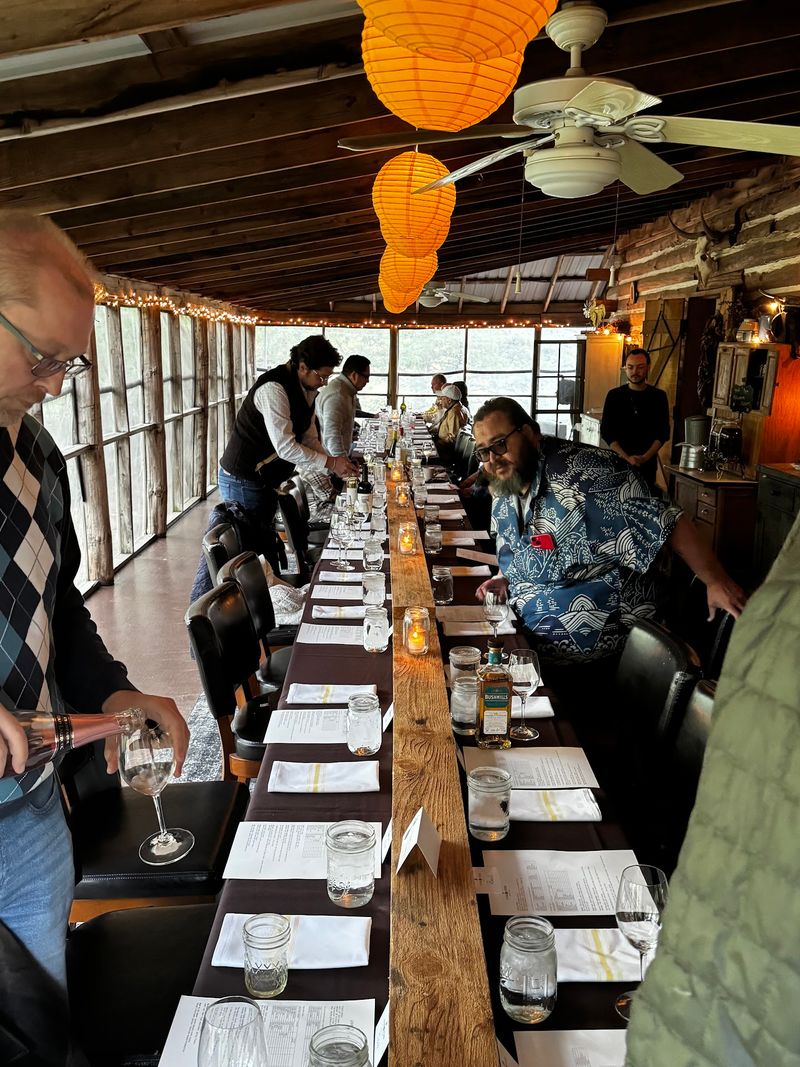
Dinner at Living Kitchen is not a quick meal. Guests should plan for approximately three hours at the table, with courses arriving every ten to fifteen minutes, giving the evening a rhythm that encourages conversation and genuine presence.
Each plate is introduced with context, a brief explanation of the ingredients, their origin on the farm, and sometimes a story about why that particular combination ended up on the menu.
A full tasting menu typically runs through eight or nine courses, moving from lighter snack-style bites into progressively richer and more complex territory. The pacing is deliberate, and for guests who arrive expecting a quick dinner, that discovery can be jarring.
For those who embrace the format, the gradual unfolding of flavors becomes one of the more pleasurable aspects of the whole experience.
Past menus have opened with inventive snack courses featuring beef tartare and unexpected preparations like wild garlic tapioca pudding, before moving through chilled soups, wood-charred vegetables, and slow-cooked proteins. The progression rewards patience.
Visitors who have attended multiple dinners mention that the arc of the meal, from the first curious bite to the final sweet course, is itself a kind of craft worth appreciating on its own terms.
Standout Dishes Guests Keep Mentioning
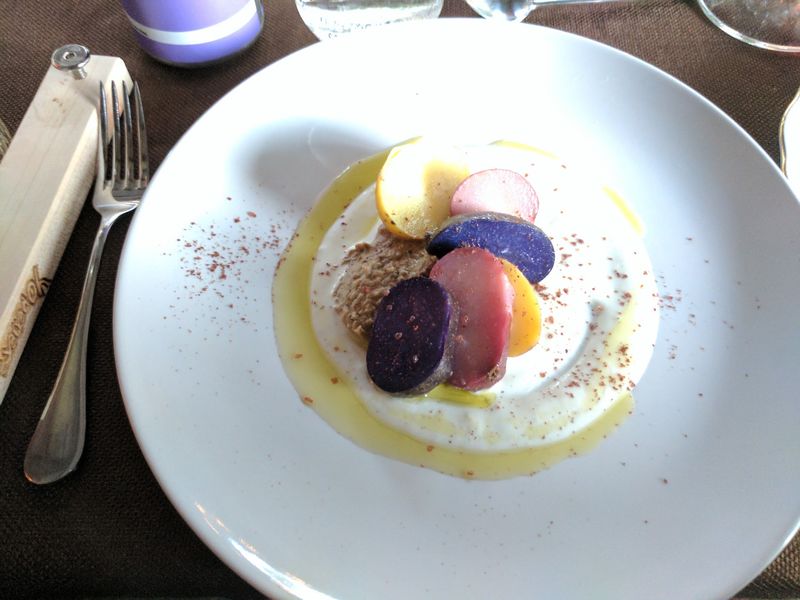
Certain dishes from Living Kitchen’s rotating menus have earned a kind of legendary status among repeat guests. Smoked brisket appears in visitor conversations more than almost anything else, praised for the care taken with traditional smoking techniques and the quality of the locally sourced beef.
When the kitchen gets that dish right, guests describe it as a straightforward demonstration of what good ingredients and skilled hands can accomplish together.
Desserts tend to generate the most enthusiastic responses. The dandelion ice cream served during the NW Passage dinner became a talking point for multiple guests, as did the buttermilk ice cream from an earlier seasonal menu.
A ginger beet iced palate cleanser has also been mentioned approvingly, valued for the way it resets the palate between heavier courses without feeling gimmicky.
The kitchen also shows a willingness to accommodate guests with specific dietary preferences. Visitors have noted instances where the staff noticed a guest was not comfortable with a particular ingredient and quietly offered an alternative without making a production of the adjustment.
That kind of attentiveness at a multi-course farm dinner is unusual, and it leaves a strong impression on the people who experience it firsthand.
Hospitality That Guests Remember by Name
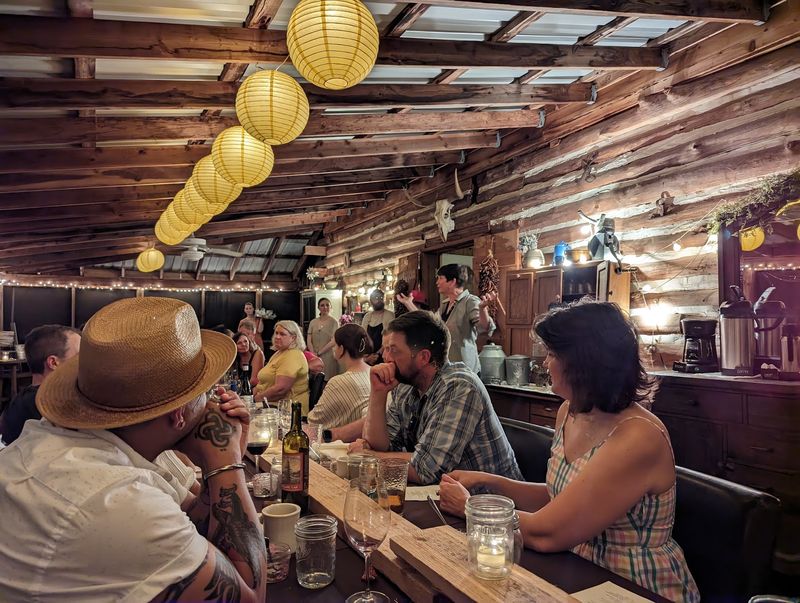
Hosts Kylie, Jon, and Abel have been named specifically by guests as part of what makes an evening at Living Kitchen feel different from a standard restaurant visit. Their role is less about taking orders and more about guiding the narrative of the evening, introducing each course, sharing context about the farm, and keeping the energy warm without becoming intrusive.
One visitor recalled a server who remembered exactly how they liked their coffee from a previous visit, months earlier. That kind of detail-oriented memory is not something a restaurant can train into a script.
It reflects a genuine investment in the guests as individuals rather than as a table number, and it tends to leave people feeling genuinely seen rather than efficiently processed.
The overall service approach has been described as theatrical in the best possible sense. There is a performative quality to the way the evening unfolds, with each course arriving as a kind of reveal, but it never tips into pretension.
The staff clearly love what they are doing, and that enthusiasm is contagious. Visitors who came in skeptical about a three-hour farm dinner often leave converted, already thinking about when they can book their next reservation.
Communal Tables and the Social Side of the Meal
Shared tables are not an accident of space at Living Kitchen. They are a deliberate design choice that shapes the entire social texture of the evening.
Guests arrive as strangers and sit elbow to elbow, which sounds awkward on paper but tends to work beautifully in practice. The pacing of the courses gives people time to talk, and the setting removes the usual social armor that people carry into more formal dining environments.
Repeat visitors often describe leaving with the contact information of people they had never met before dinner. The communal format creates a kind of enforced intimacy that, within the context of a farm porch and a long shared meal, feels natural rather than forced.
Conversations tend to drift from the food to the farm to life in general, and the hours pass faster than expected.
For couples, the communal setting adds a layer to what might otherwise be a straightforward date night. Several visitors have mentioned attending as a pair and ending up deeply engaged with the couple or group seated across from them.
The farm has hosted birthday celebrations, anniversaries, and milestone evenings, and the shared table format seems to amplify those occasions rather than diminish them.
Special Dinners and Themed Evenings
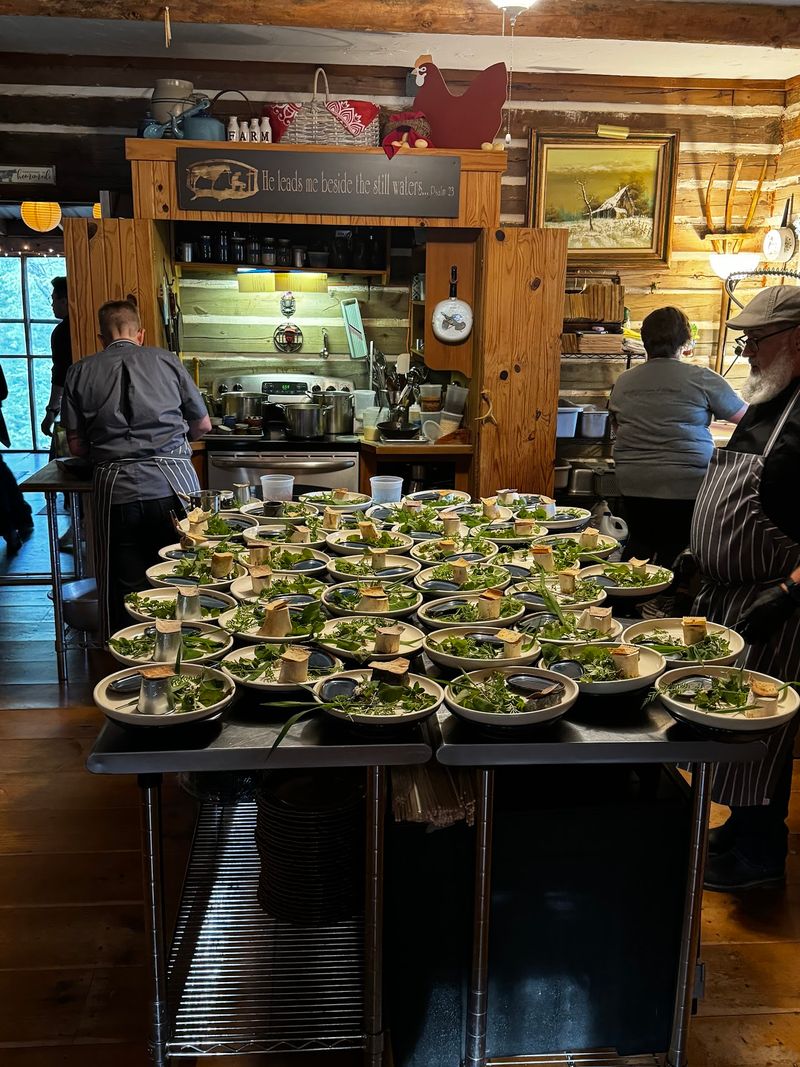
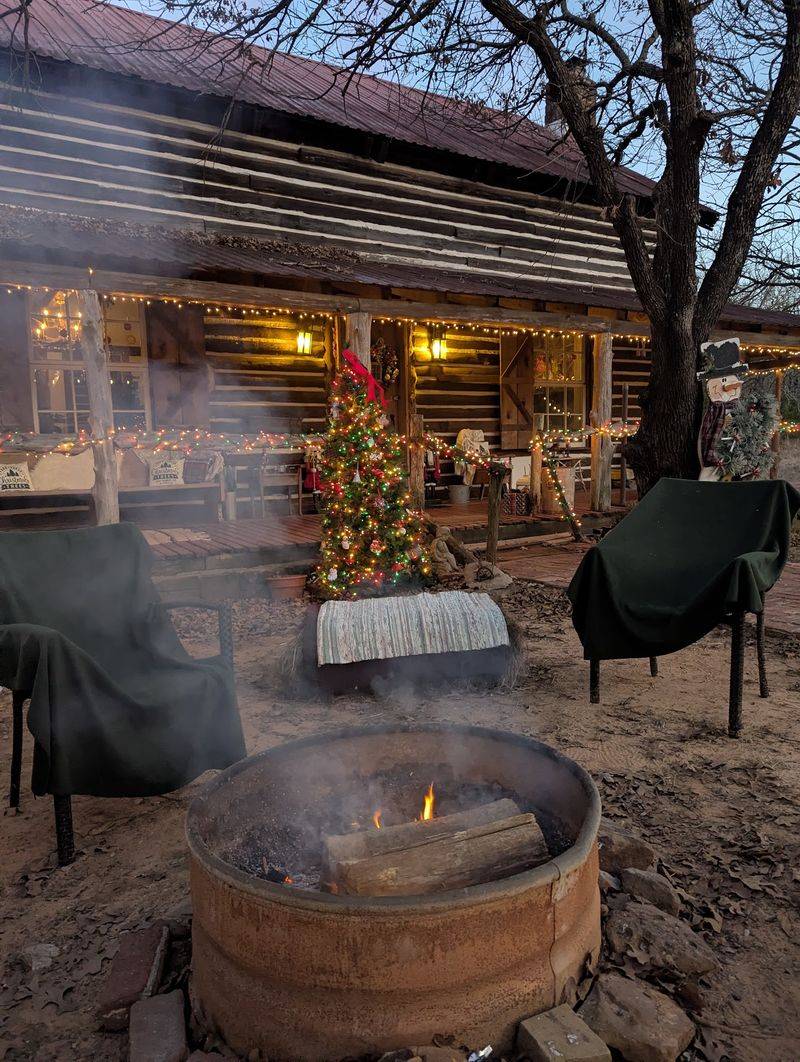
Living Kitchen runs a rotating calendar of themed dinners throughout the year, each one built around a specific ingredient, season, or concept. Past events have included the NW Passage dinner, the Humble Pie dinner, a Floral Sonnet dinner timed for Mother’s Day, and a holiday Christmas dinner complete with a live a cappella group singing carols in the dining hall.
Each themed evening brings a different energy and a menu designed specifically around its central idea.
The holiday dinner has developed a particularly strong reputation. Guests describe the combination of seasonal food, festive atmosphere, and the warmth of the cabin setting as something genuinely special.
Securing a seat at the Christmas dinner requires planning ahead, as spots tend to fill well before the season arrives.
Themed evenings also create a reason to return repeatedly, since no two dinners share the same menu or atmosphere. Guests who attended the seafood spread, for example, experienced a completely different evening from those who came for the tomato-focused summer dinner.
The farm mailing list is the most reliable way to stay informed about upcoming events, and regulars strongly recommend signing up early to avoid missing reservations entirely.
What the Porch Experience Actually Feels Like
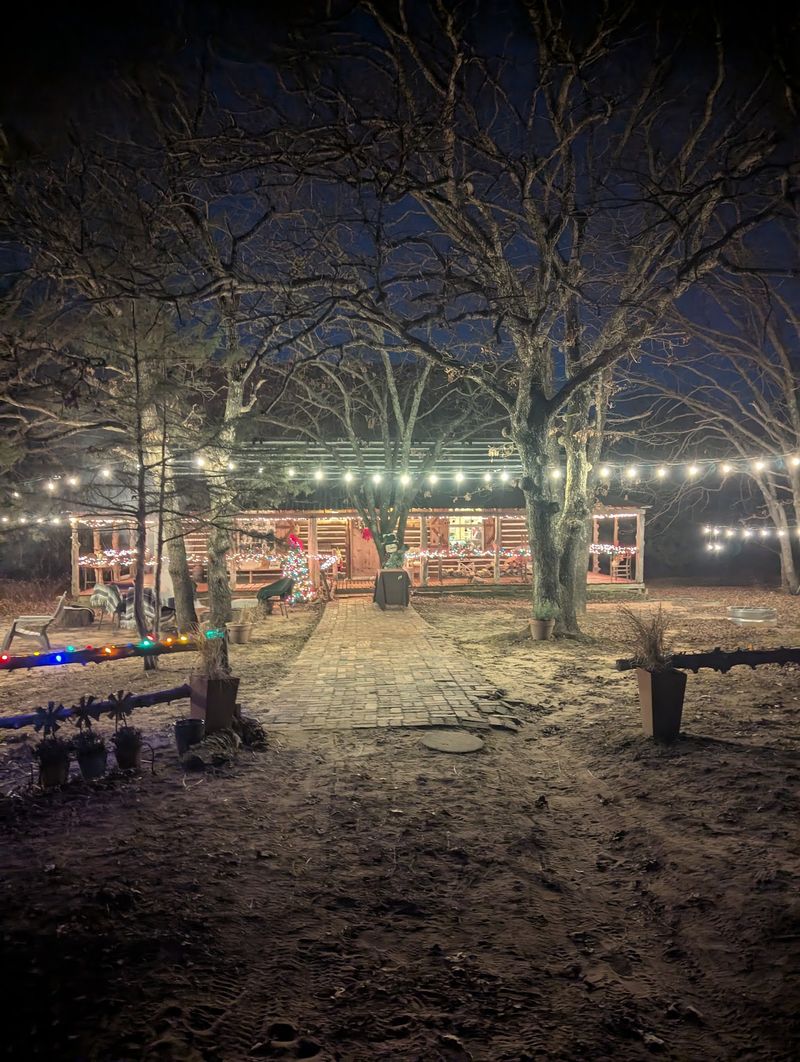
Eating on a screened-in farm porch in rural Oklahoma is a sensory experience that no amount of advance reading fully prepares you for. The sounds of the surrounding land filter in through the screens, the air carries the smell of grass and soil, and the darkness beyond the porch edge is the kind of absolute dark that city dwellers rarely encounter.
That setting changes the way the food tastes, or at least the way it registers emotionally.
Visitors who have attended multiple dinners across different seasons describe the porch as feeling genuinely different each time. Summer evenings bring warmth and the ambient sounds of insects and frogs.
Winter dinners shift the mood toward something more intimate, with space heaters working against the chill and plastic sheeting added to block the wind. The farm is transparent about the outdoor nature of the dining space, noting it across their website and in pre-dinner communications.
Dressing appropriately for the season matters more here than at most restaurants. Guests attending in colder months are advised to layer up, as even with heaters the screened porch can run cool by the end of a three-hour dinner.
Summer guests should expect warmth and limited airflow. Both experiences have their own distinct character, and neither is quite like dining anywhere else.
Who This Experience Is Built For
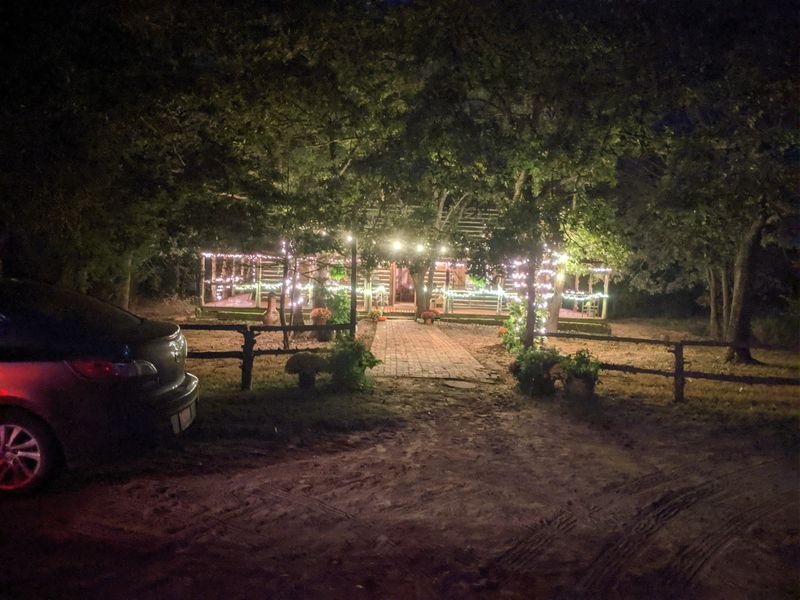
Living Kitchen is not trying to be all things to all people, and that clarity of purpose is part of what makes it work so well for the guests it does attract. The experience suits people who are genuinely curious about food, open to a slower pace, and comfortable with the idea that dinner is an event rather than a transaction.
If the goal is a quick meal before a movie, this is not the right venue.
Couples looking for a meaningful date night consistently rank among the most enthusiastic visitors. The combination of a scenic drive, a beautiful setting, and a long shared meal creates the conditions for genuine connection.
Several guests have described the evening as one of the better date nights they have had in years, and the farm has clearly become a go-to destination for anniversaries and special occasions.
Food-curious guests who enjoy learning about where their ingredients come from, how they were grown, and why certain combinations ended up on the plate will find the dinner format deeply satisfying. Repeat visitors also tend to be people who appreciate variety, knowing that each return trip brings an entirely different menu and a fresh set of surprises from the kitchen.
Practical Details for Planning Your Visit
Reservations are essential at Living Kitchen Farm and Dairy, and they are not always easy to secure. Dinners sell out well in advance, particularly for popular themed evenings and holiday dates.
The farm website at livingkitchenfarmanddairy.com is the primary booking channel, and getting on the mailing list is the most reliable way to hear about upcoming dinners before spots disappear.
Pricing runs approximately $150 per person, which covers the full multi-course tasting menu for the evening. That figure reflects the cost of a multi-hour, chef-driven farm experience rather than a standard restaurant meal, and most guests who come prepared for that investment find the value reasonable given the scope of what the evening delivers.
The farm can be reached by phone at +1 918-284-8169 for questions about reservations or specific dining details. The drive from most Oklahoma cities runs between 30 and 60 minutes depending on starting point, with the final stretch covering rural back roads that reward a relaxed pace.
Guests are encouraged to review the farm’s website thoroughly before booking, as detailed information about the outdoor porch setting, dress recommendations, and dinner format is provided to help visitors arrive with accurate expectations and leave thoroughly satisfied.
Seasonal Considerations and When to Go
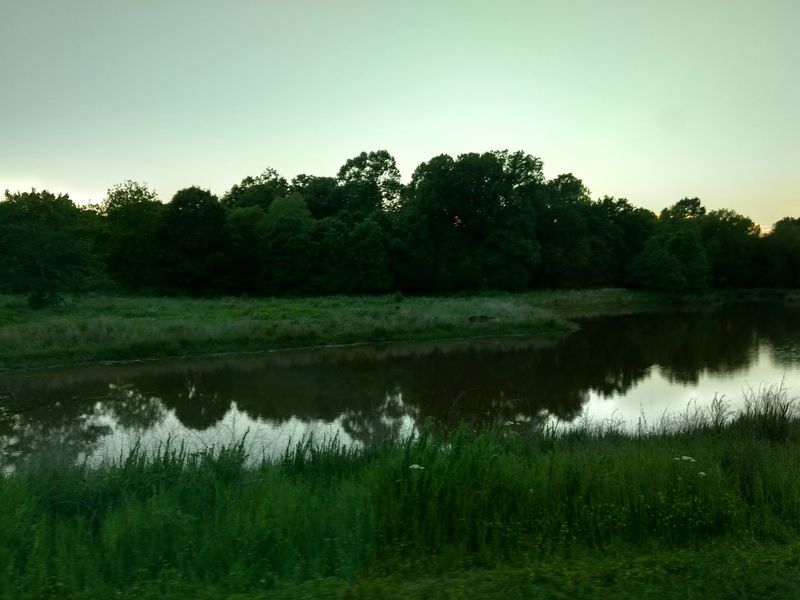
Timing a visit to Living Kitchen requires some thought, because the outdoor porch setting means the season shapes the experience in meaningful ways. Spring and fall tend to offer the most comfortable conditions, with mild temperatures that suit a three-hour outdoor dinner without requiring heavy layers or fans running overhead.
The landscape around the farm also tends to look its best during those shoulder seasons.
Summer visits are entirely possible and have produced memorable evenings for plenty of guests, but the lack of air conditioning on the screened porch is a genuine consideration. The farm is transparent about this in multiple places across their website and in pre-visit communications.
Guests who come prepared for warmth and embrace the outdoor element tend to have a great time. Those who expect a climate-controlled environment will likely be uncomfortable.
Winter dinners carry their own appeal. The holiday themed evenings in particular have earned strong praise, with the cozy cabin atmosphere and seasonal menus creating a warmth that offsets the chill.
Space heaters and additional wind barriers are used during cold months, but layering up remains a practical recommendation. Whichever season draws you out, the farm’s calendar moves quickly, and early booking is always the smarter approach.
Whether the Long Drive Out Is Worth It
Honest answers to that question depend entirely on what kind of traveler you are. For guests who arrive having read the website, accepted the outdoor setting, and cleared an entire evening on the calendar, the consensus is strongly positive.
Visitors describe leaving with full stomachs, warm feelings, and a genuine desire to book the next available date. The word magical appears in guest recollections more often than almost any other descriptor.
For guests who arrive expecting a conventional restaurant experience, a two-hour drive, and a quick turnaround, the evening can feel long and the remote location can feel more inconvenient than charming. The farm’s own response to critical feedback has been measured and honest: the experience is specific, the setting is unconventional, and the best outcomes come from guests who understand what they are signing up for before they make the drive.
Taken on its own terms, Living Kitchen Farm and Dairy offers something genuinely rare in Oklahoma dining. A 400-acre working farm, a chef-driven seasonal menu, a porch open to the sounds of the countryside, and a hospitality team that remembers how you take your coffee.
That combination does not exist in many places, and for the guests it resonates with, the back-road drive becomes part of the pleasure rather than an obstacle.
Share this story