Nestled along the shores of the Chesapeake Bay, Chesapeake City, Maryland is the kind of place that makes you forget your phone exists. This tiny canal town sits where the Chesapeake and Delaware Canal meets the upper bay, creating a pocket of natural beauty, fresh seafood, and waterfront charm that most travelers speed right past.
Blue herons wade in the shallows, crab cakes sizzle in old kitchens, and tugboats drift past like slow-moving postcards. If you have ever wanted a weekend that feels genuinely restorative, this is your spot.
The Chesapeake and Delaware Canal
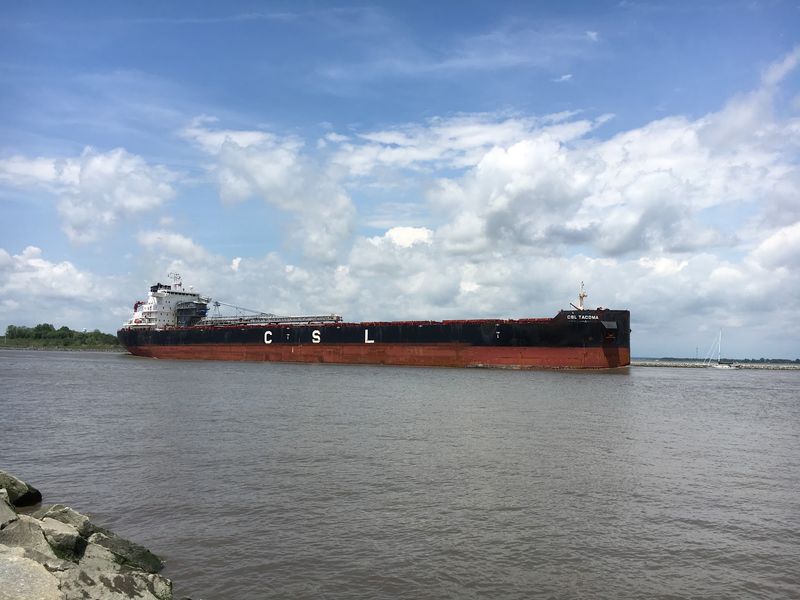
Few waterways in America carry the quiet drama of the Chesapeake and Delaware Canal. Stretching fourteen miles across the top of Maryland, this canal connects two of the most storied bodies of water on the East Coast.
When I first stood on the bank and watched a massive cargo ship glide silently past, I honestly laughed out loud. It felt surreal seeing something that enormous in a town this small.
Built in 1829, the canal is one of the oldest in the country still in active use. Tugboats, sailboats, and container ships all share the same channel, making for surprisingly entertaining waterfront watching.
The free Chesapeake City town park sits right along the canal bank, giving visitors a perfect front-row seat. Bring a coffee, grab a bench, and let the slow parade of vessels do all the entertaining.
It is the best free show in Maryland.
Crab Cakes at Schaefer’s Canal House
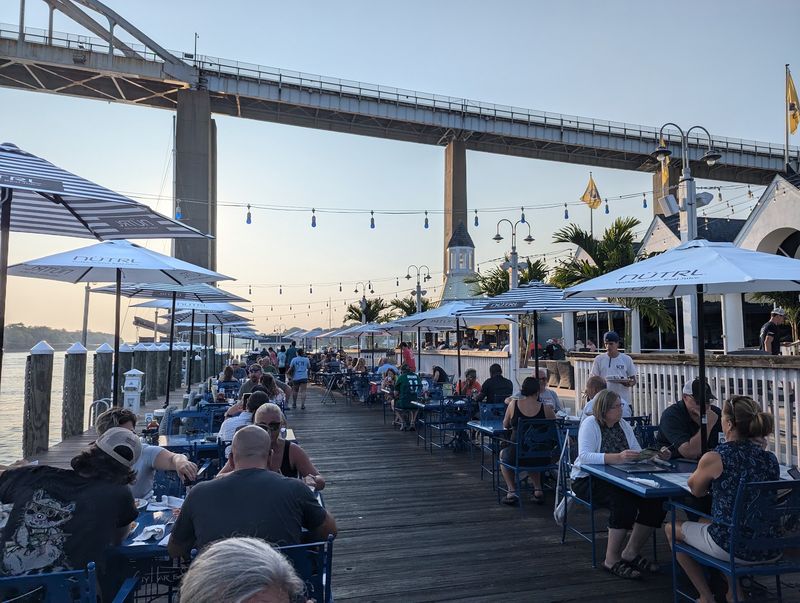
Schaefer’s Canal House has been feeding hungry travelers and locals since 1914, which means they have had over a century to perfect their crab cakes. Sitting on the water with a direct view of the canal, this restaurant delivers the full Maryland waterfront experience in one satisfying meal.
The crab cakes here are the lump-meat-only kind, barely held together, tasting almost entirely of sweet blue crab.
I ordered mine broiled rather than fried, which let the crab flavor take center stage without any distraction. The side of Old Bay fries was completely unnecessary and completely worth it.
Schaefer’s draws a mix of boaters pulling up to the dock, day-trippers from Wilmington, and regulars who have been coming for decades. The atmosphere feels lived-in and genuine rather than polished for tourists.
Weekend reservations are recommended during summer months. Watching a freighter pass while eating fresh crab is a Maryland memory you will not shake easily.
Bohemia River Kayaking and Paddling
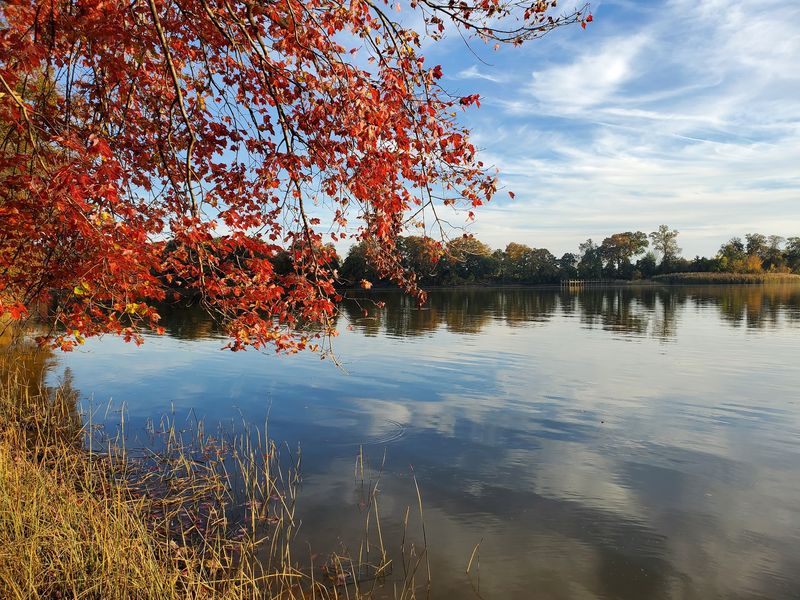
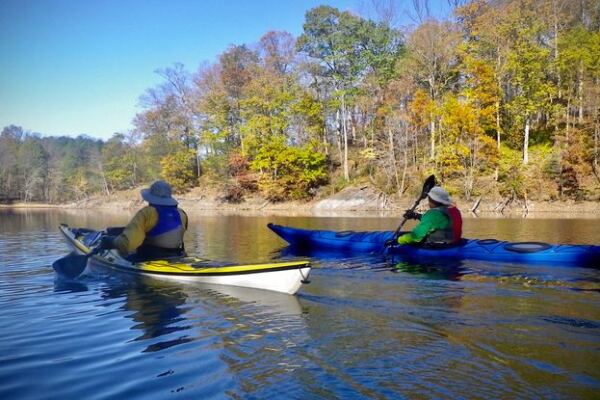
The Bohemia River flows quietly into the upper Chesapeake Bay just south of Chesapeake City, offering some of the most peaceful paddling water on the Eastern Shore. On a calm morning, the river surface looks like a silver ribbon unspooling through miles of forested shoreline.
I rented a kayak from a local outfitter and spent three hours barely paddling, mostly just drifting and listening to ospreys argue overhead.
The Bohemia is wide enough to feel open but sheltered enough to stay manageable even for beginners. Bald eagles nest along the upper stretches, and it is entirely normal to see one perched in a dead tree above the waterline.
The river connects to several creeks worth exploring, and many paddlers make a full day of weaving through the quiet backwaters.
Chesapeake City sits at a perfect launching point for multi-hour trips. Bring water, sunscreen, and a genuine willingness to slow down completely.
Elk Neck State Park and Its Dramatic Overlooks
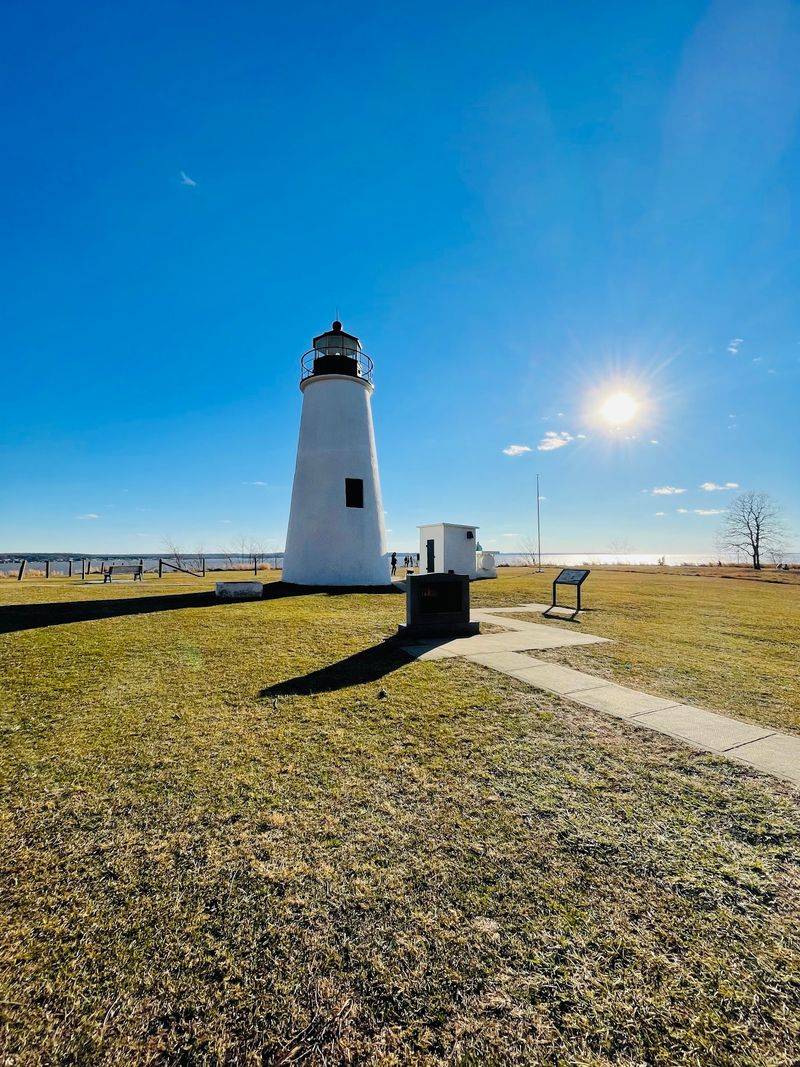
About twenty minutes south of Chesapeake City, Elk Neck State Park sits on a long peninsula jutting into the upper Chesapeake Bay like a green thumb pointing south. The park covers over 2,000 acres of forest, beach, and bluff, offering some of the most dramatic elevated views of the bay available anywhere in northern Maryland.
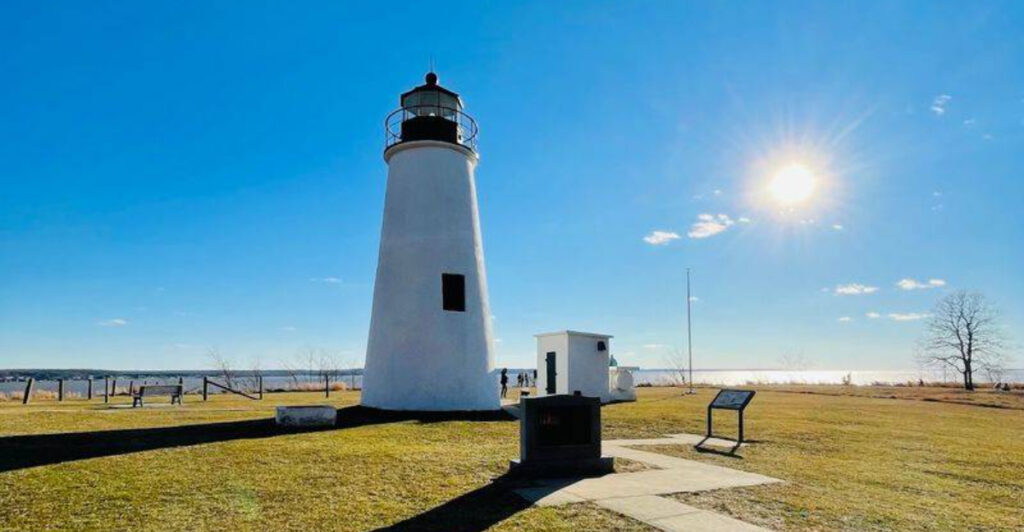
Standing at the Turkey Point Lighthouse overlook feels like discovering a secret the rest of the state forgot to share.
Turkey Point Lighthouse perches at the very tip of the peninsula, 100 feet above the waterline, with views stretching miles across open water. The hike to reach it winds through cathedral-like groves of oak and pine before opening to that stunning coastal panorama.
I arrived at golden hour and stayed until the light turned pink, which was longer than planned and exactly right.
The park also has sandy beaches, boat launches, and campsites for those who want to make the experience last more than an afternoon.
The Historic South Side of Chesapeake City
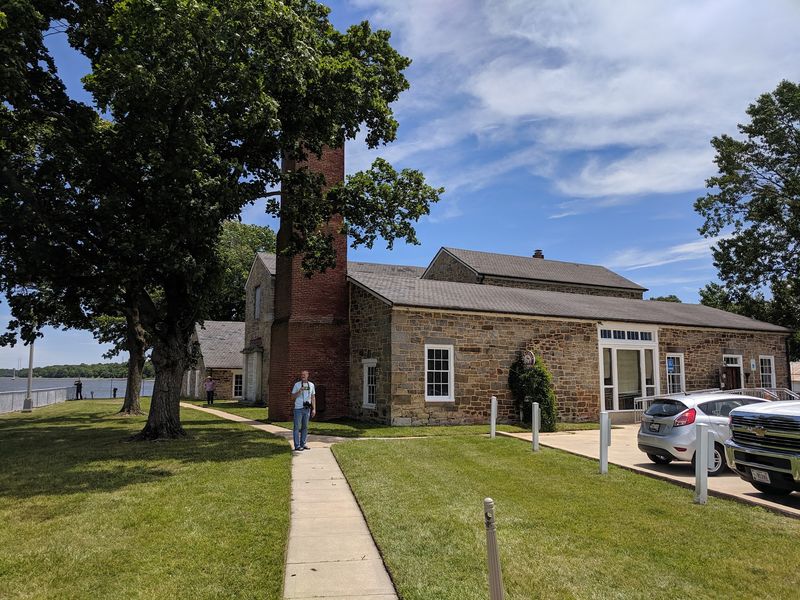
Chesapeake City’s south side feels like someone pressed pause on the nineteenth century and just never pressed play again. Victorian homes line the quiet streets with wide front porches, ornate trim, and the kind of unhurried dignity that makes you want to sit down and read something long.
The neighborhood was placed on the National Register of Historic Places, and walking through it, you understand exactly why.
The C and D Canal Museum sits right in the heart of this historic district, housed in a beautifully restored 1851 pump house. Admission is free, and the exhibits explain how the canal was built, operated, and expanded over nearly two centuries.
It is the kind of small museum that rewards curiosity more than speed.
Local shops and a handful of galleries scatter through the neighborhood, mostly run by people who actually live there. The whole south side has a quiet, authentic character that feels refreshingly unpolished and genuinely worth exploring on foot.
Bald Eagle Sightings on the Upper Bay
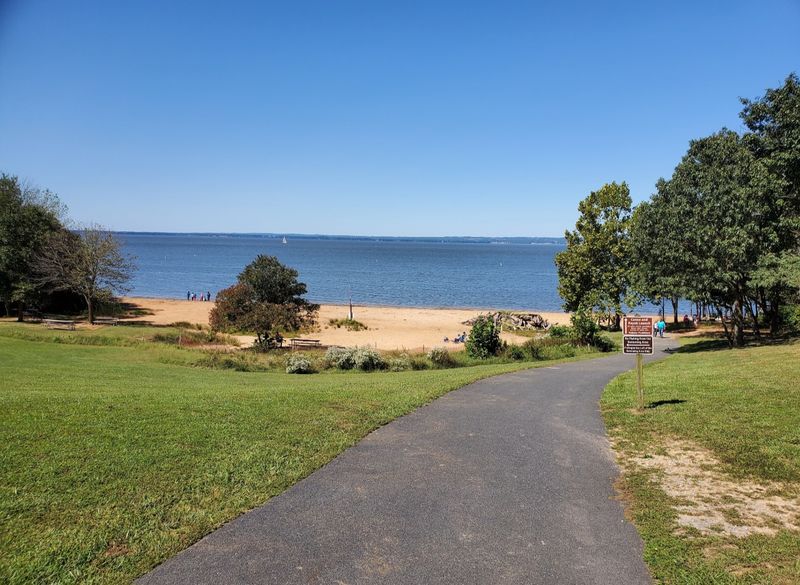
Maryland holds one of the densest concentrations of nesting bald eagles in the eastern United States, and the upper Chesapeake Bay around Chesapeake City puts you right in the middle of that remarkable population. Seeing a bald eagle in the wild for the first time is the kind of experience that stops a conversation completely.
I watched one snatch a fish from the canal surface from maybe fifty yards away and genuinely forgot to breathe for a moment.
Eagles are visible year-round in this region, but winter months between December and February bring even larger numbers as birds gather along open water. The canal banks, the Bohemia River, and the shores of Elk Neck State Park are all reliable viewing spots.
Binoculars help but are not always necessary given how close these birds sometimes fly.
Local birding groups run seasonal eagle-watching tours that pair well with a crab cake lunch afterward, which is essentially the perfect Maryland afternoon.
Fresh Oysters and Watermen Culture
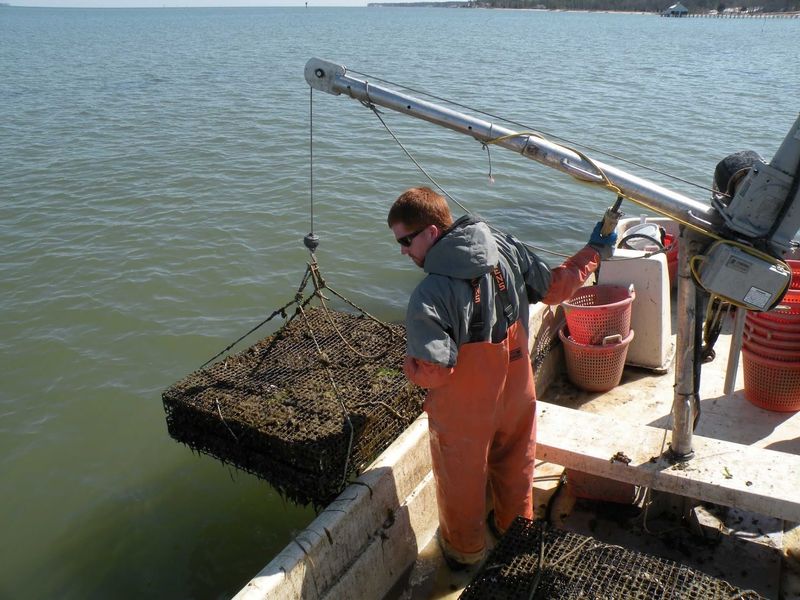
The watermen of the Chesapeake Bay have been harvesting oysters from these waters for generations, and the culture around that work is as much a part of Maryland’s identity as the blue crab. Around Chesapeake City, you can still find raw oysters pulled from local beds, served on the half shell with nothing more than a squeeze of lemon and a splash of hot sauce.
That simplicity is exactly the point.
The Chesapeake Bay oyster industry nearly collapsed in the late twentieth century due to disease and overharvesting, but careful restoration efforts have brought oyster populations back significantly. Local restaurants now source from nearby aquaculture farms that are helping rebuild the bay’s ecology one oyster at a time.
Eating them feels like participating in something meaningful rather than just ordering an appetizer.
Fall and winter are peak oyster season in Maryland. Visiting between September and March gives you the best access to freshly harvested local product at its most flavorful.
Sunset Views From the Canal Bridge
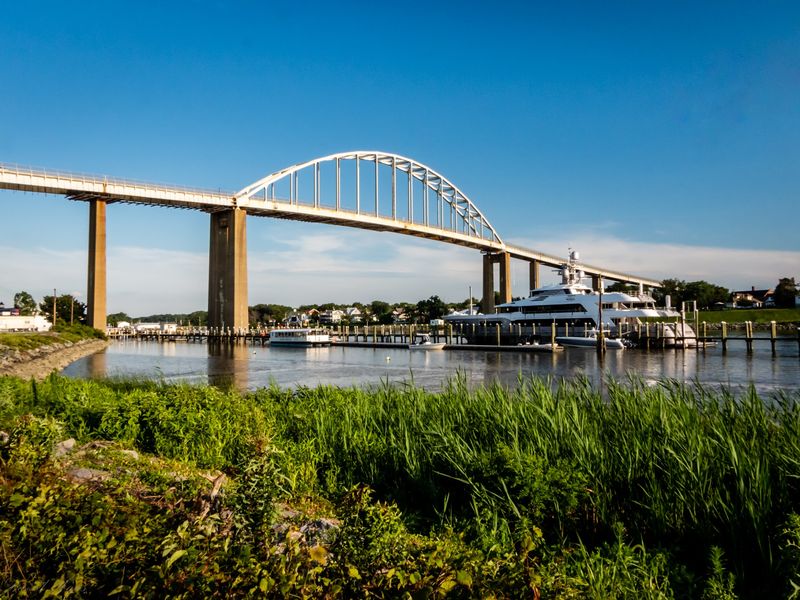
Nobody tells you about the sunsets in Chesapeake City, which feels like a genuine oversight. Standing on the Route 213 bridge as the sun drops behind the tree line to the west turns the entire canal into a mirror of orange and rose-colored light.
Boats leave long golden wakes across the surface, and the whole scene looks almost too pretty to be real. I took approximately forty-seven photos and none of them did it justice.
The bridge offers an unobstructed east-to-west view across the canal, making it one of the best sunset vantage points in northern Maryland. The town park benches along the south bank provide a slightly lower but equally beautiful angle, especially if you bring a blanket for cooler evenings.
Locals gather here naturally as the light fades, not because it is organized, but because beautiful things tend to draw people together.
Summer evenings linger longest, giving you extra time to soak in the colors before dark settles over the water.
Seasonal Festivals and the Town’s Community Spirit
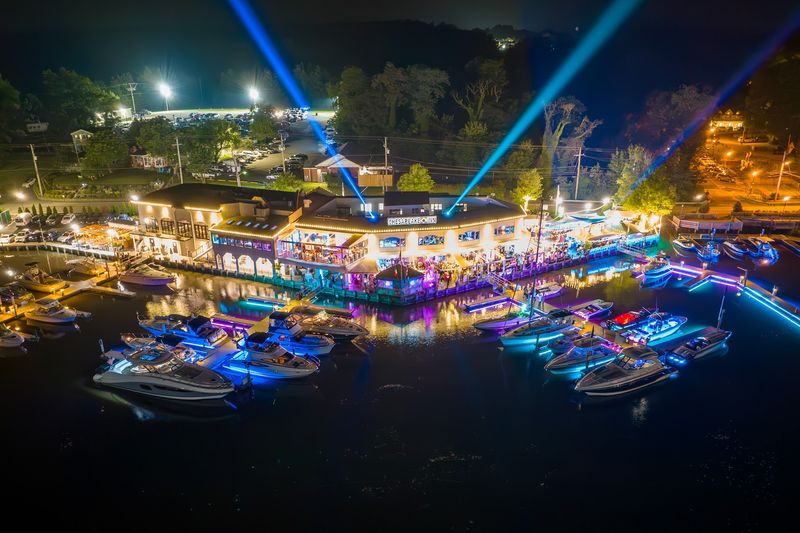
Chesapeake City punches well above its weight when it comes to community events. For a town of fewer than 700 people, it manages to pull together festivals, boat parades, and art walks that draw visitors from across the region.
The annual Canal Days festival each summer fills the waterfront with local vendors, live music, and the kind of easy neighborly energy that bigger towns spend millions trying to manufacture.
The holiday boat parade in December turns the canal into a floating light show, with decorated vessels of every size drifting past the town park as families line the banks. It is the sort of tradition that reminds you why small towns still matter in a world that keeps moving faster.
I stumbled into the tail end of one on my last visit and ended up staying two extra hours.
Chesapeake City does not just feel like a stop on a map. It feels like a place that remembers how to be a place, and that is rarer than it should be.
Share this story