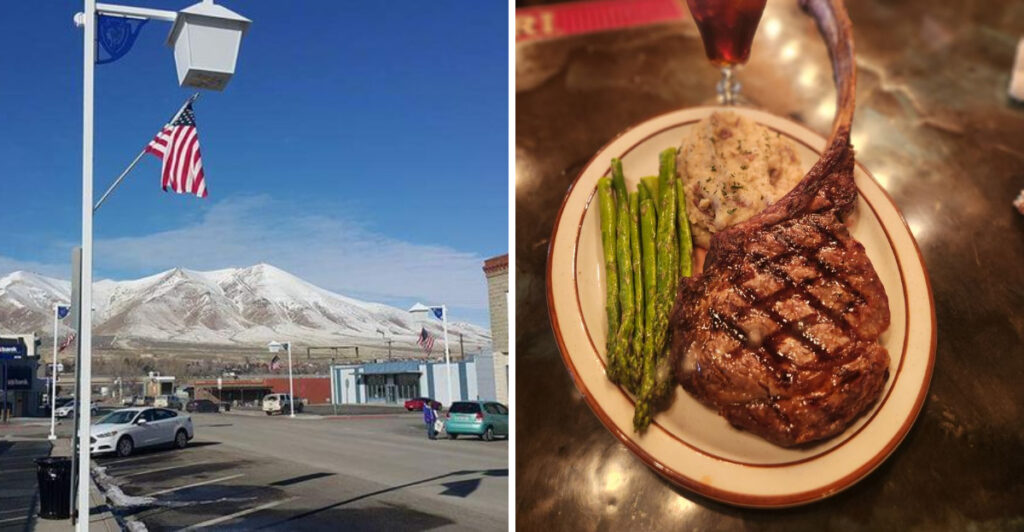
Most people blow right past Winnemucca, Nevada on Interstate 80 without a second thought. That would be a mistake.
This high desert city of just over 8,000 people has quietly built a food culture that punches way above its size, shaped by Basque immigrants, cattle ranchers, and generations of families who took eating seriously. Once you know what is waiting here, you will start planning a detour.
A Desert City With a Surprising Culinary Identity
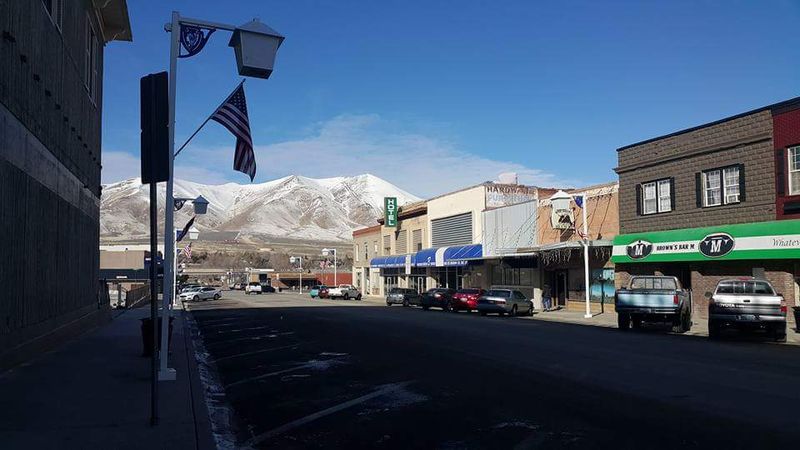
Winnemucca sits along the Humboldt River in northern Nevada, roughly halfway between Reno and Salt Lake City. It is the county seat of Humboldt County and the only incorporated city there, which means it carries a lot of weight for a relatively small place.
What surprises most first-time visitors is how much culinary ambition exists here. This is not a town where you settle for fast food because nothing else is open.
Local restaurants reflect the city’s layered history, from Basque shepherds who arrived in the 1800s to the ranching families who shaped the region’s appetite for hearty, no-nonsense cooking.
The food here tells a real story. You can taste the cultural influences in almost every meal, and that depth of flavor is exactly what keeps people coming back long after they expected to just pass through.
The Basque Roots That Changed Everything
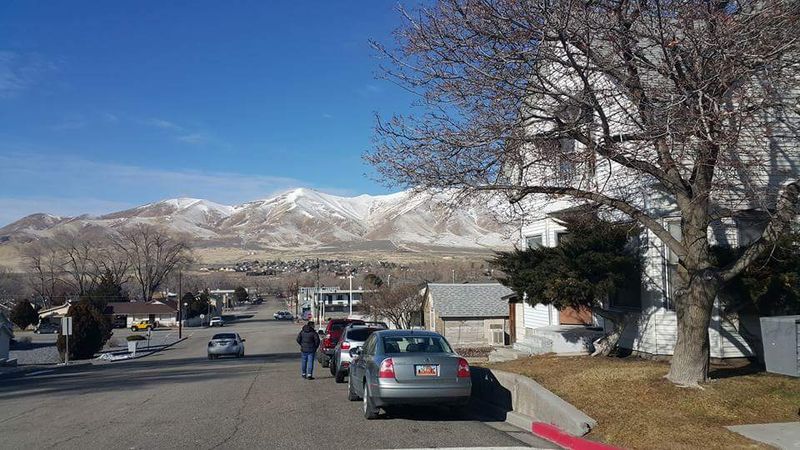
Few food traditions have shaped northern Nevada more profoundly than Basque cooking. Basque immigrants from the Pyrenees region between Spain and France arrived in the American West during the 1800s to work as shepherds, and many settled in Humboldt County.
They brought with them a cooking tradition built on communal meals, slow-cooked meats, and bold seasoning. Basque restaurants in this region typically serve food family-style, meaning large portions of soup, salad, beans, and a main course all arrive at the table together.
In Winnemucca, that tradition is alive and real. Eating at a Basque restaurant here does not feel like a tourist experience.
It feels like sitting down with a family that has been cooking the same recipes for generations. The portions are generous, the flavors are direct, and the experience is genuinely unlike anything you will find at a chain restaurant.
Martin Hotel and the Power of a Long Legacy
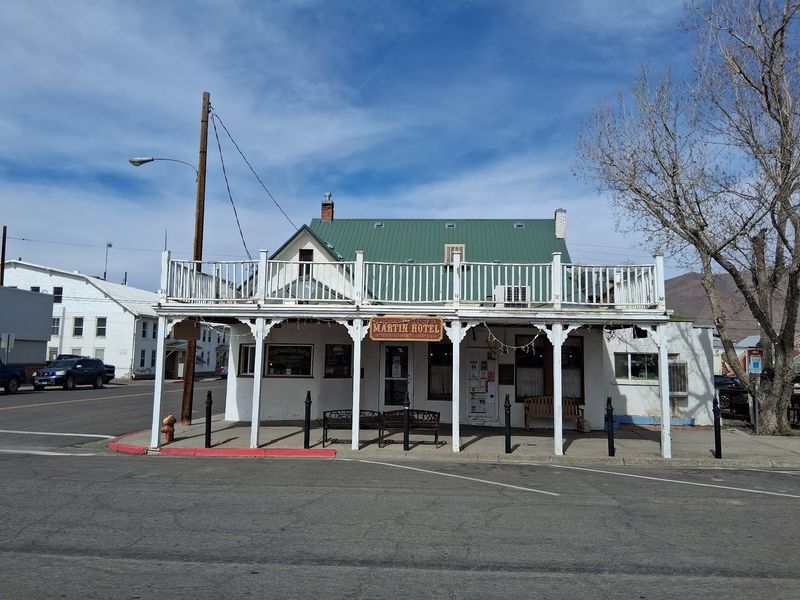
The Martin Hotel in Winnemucca has been serving Basque food for well over a century, making it one of the oldest continuously operating restaurants in Nevada. That kind of longevity does not happen by accident.
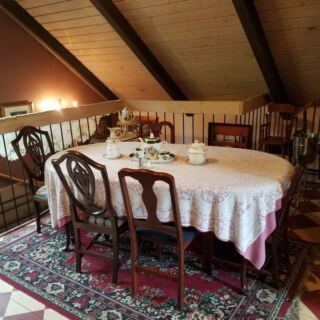
Located at 94 West Railroad Street in Winnemucca, Nevada, the Martin Hotel became a gathering place for Basque shepherds who needed a familiar meal and a warm place to rest after long stretches in the desert. The building still carries that lived-in energy, with a dining room that feels more like someone’s home than a commercial kitchen.
The menu follows classic Basque structure. Meals arrive in courses, starting with soup and salad, moving through beans and a main dish like lamb or oxtail.
Nothing about the experience is rushed, and that slower pace is part of what makes the Martin Hotel worth every minute you spend there.
Why Lamb Is the Signature Protein of This Region
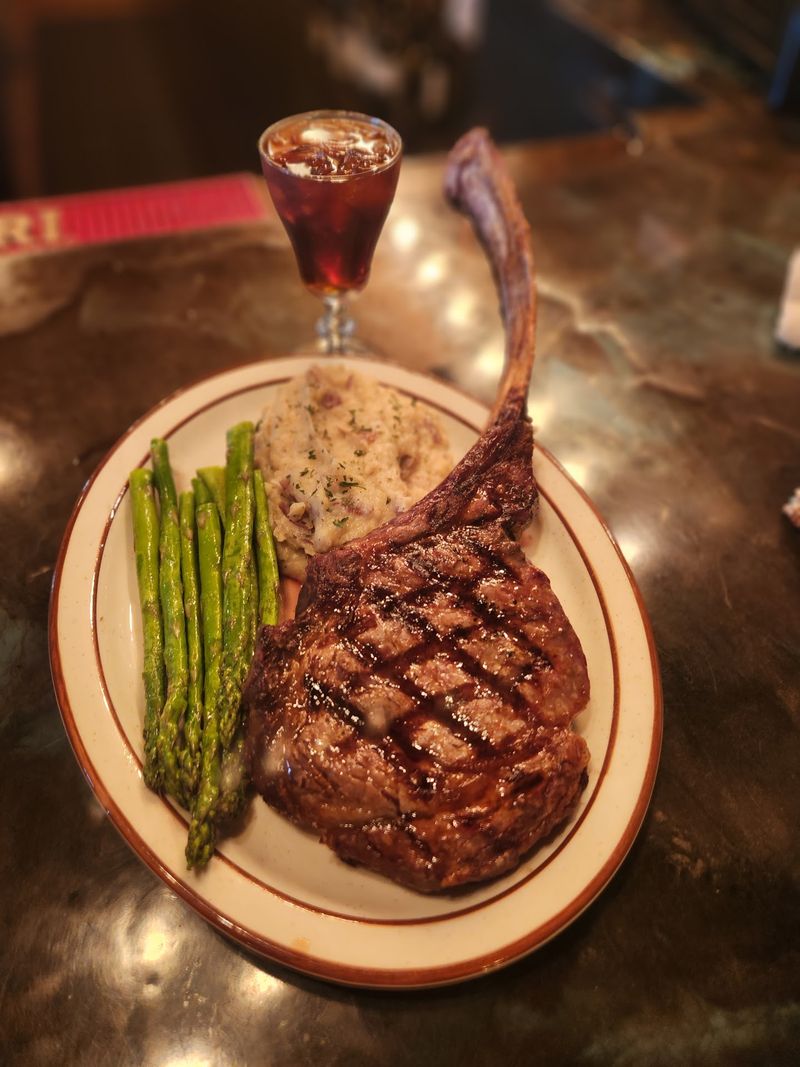
You cannot talk about Winnemucca’s food identity without talking about lamb. Sheep ranching was central to the Basque shepherd economy in this region, and lamb became the cornerstone protein of local Basque cooking as a result.
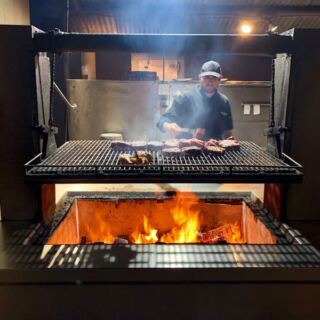
Slow-cooked lamb stew, roasted leg of lamb, and lamb chops prepared simply with garlic and herbs appear across local menus. The quality of the meat reflects the ranching heritage of the surrounding land, where sheep have grazed for generations.
For many visitors, this is their first real encounter with lamb cooked this way. It is tender, deeply savory, and nothing like the mild lamb you might find at a suburban grocery store.
The high desert environment and the ranching traditions that come with it produce meat with genuine character. That character ends up on your plate in a way that is hard to forget after you have tasted it once.
Oxtail Soup That Earns Its Reputation
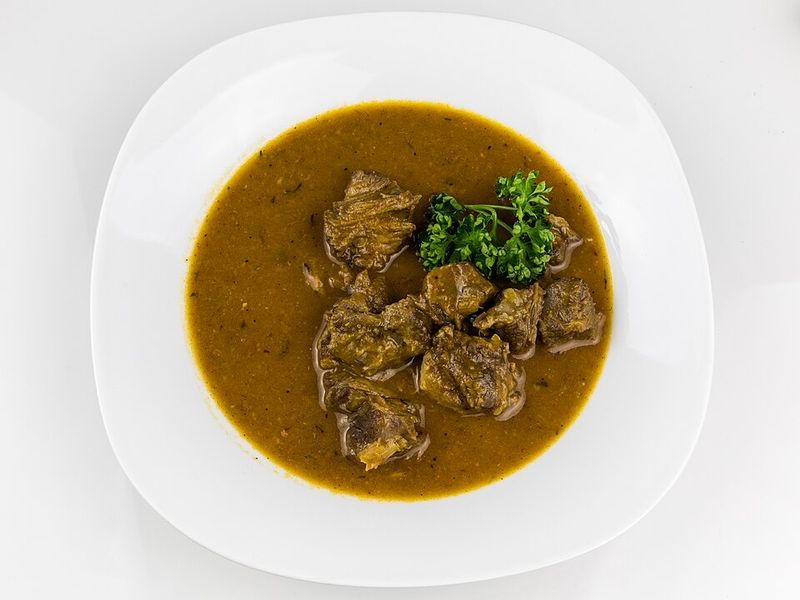
Oxtail soup might not sound glamorous, but in Winnemucca it is something people genuinely look forward to. The Basque tradition of slow-cooking tough cuts of meat until they become deeply flavorful broth is on full display in this dish.
The soup arrives dark, rich, and complex, with meat that falls easily from the bone after hours of simmering. Vegetables absorb all of that flavor, and the broth itself is thick enough to feel like a meal on its own before the main course even arrives.
This is comfort food in the truest sense, not because it is simple, but because it is deeply satisfying. Eating a bowl of oxtail soup on a cold Nevada evening, with mountains visible through the window and the smell of the kitchen filling the room, is one of those experiences that makes a small town feel like exactly the right place to be.
Communal Dining and What It Teaches You About a Place
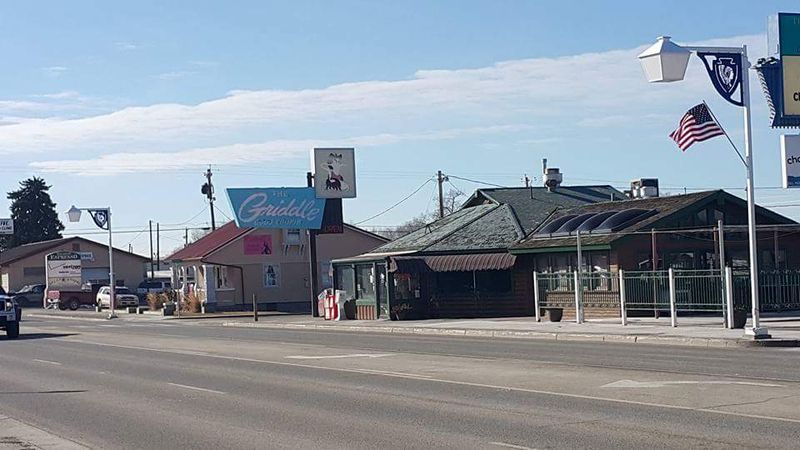
One of the most interesting things about eating in Winnemucca is the communal style of Basque restaurants. You often share a table with strangers, and the food arrives in large shared dishes rather than individual plates.
It sounds unusual if you have never experienced it, but it works beautifully.
Conversations start naturally when you are passing a bowl of beans or reaching for bread at the same time as someone across the table. By the end of the meal, you have usually learned something about the other diners, where they are from, where they are headed, and why they stopped in Winnemucca.
That kind of connection is rare in modern dining. Most restaurants are designed to keep tables separate and meals private.
Basque dining does the opposite, and the result is that eating here feels like participating in something, not just consuming something. That distinction matters more than you might expect.
Beyond Basque: The Mexican Food Scene Worth Knowing
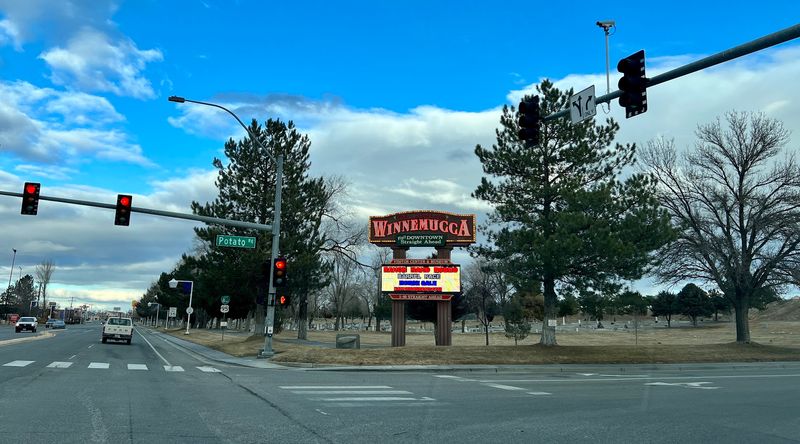
Winnemucca’s food story does not begin and end with Basque cooking. The city also has a strong Mexican food presence that reflects the significant Latino community that has long been part of Humboldt County’s population and workforce.
Local Mexican restaurants here lean toward home-style cooking rather than Tex-Mex interpretations. Slow-braised meats, handmade tortillas, and sauces built from dried chiles and fresh ingredients show up on menus across town.
The flavors are direct and honest, cooked by people who learned these recipes from family rather than from a corporate training manual.
What makes the Mexican food in Winnemucca stand out is consistency. These are not places trying to be trendy or fusion-forward.
They are places doing one thing extremely well, day after day, for a community that knows exactly what good food tastes like. That kind of local accountability produces reliable, satisfying results every single time.
The Role of Ranching Culture in Shaping Local Menus
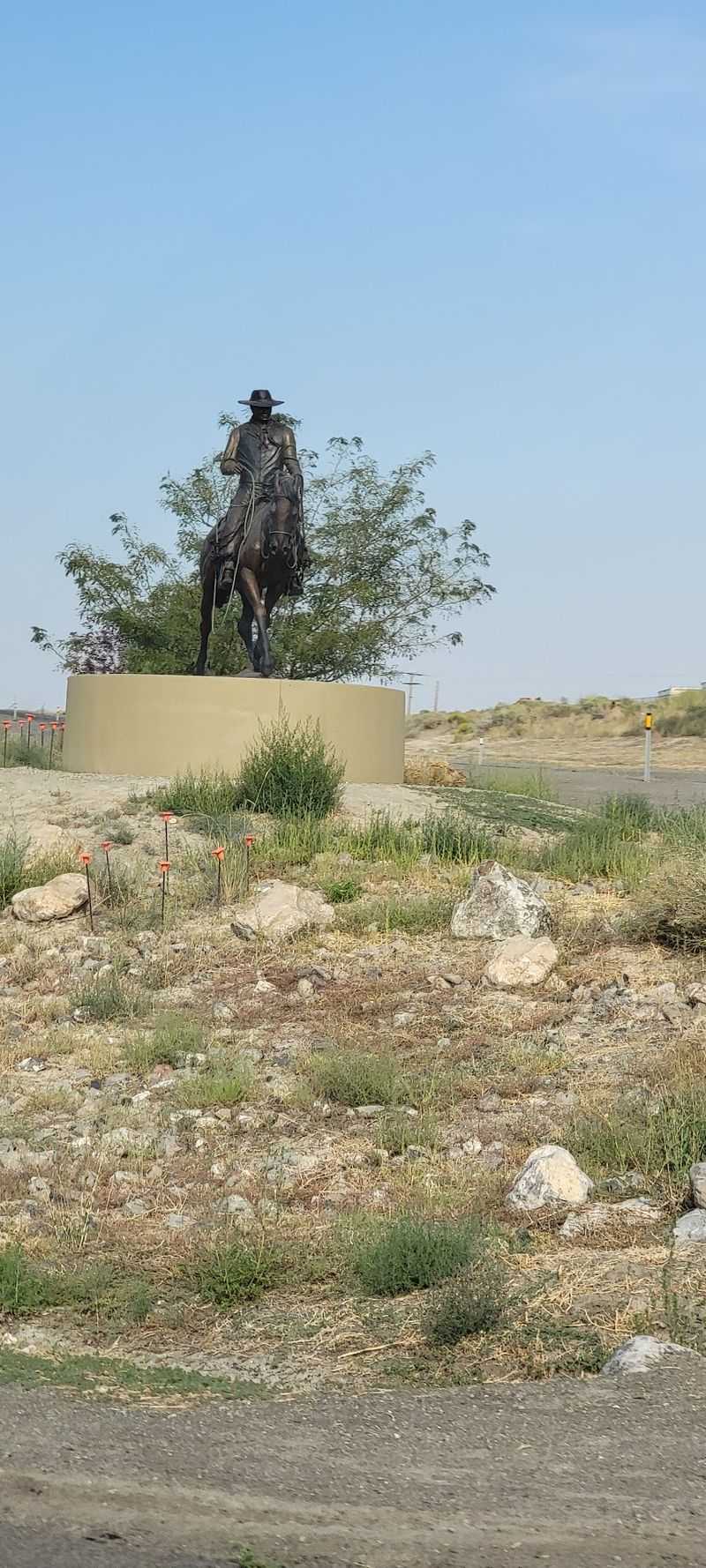
Ranching is not just background scenery in Winnemucca. It is a living industry that directly influences what people eat and how they think about food.
Humboldt County has long been cattle country, and that reality shows up in local restaurants every single day.
Beef here is taken seriously. Steakhouses and casual diners alike prioritize quality cuts, and the connection between local ranching and local restaurants is shorter than in most American cities.
When beef is sourced close to where it is cooked, the difference in flavor is noticeable.
Ranching culture also shapes the attitude toward food in Winnemucca. Meals are meant to be filling and real, not decorative.
Portions reflect the appetite of people who work physically demanding jobs outdoors. That straightforward relationship with food creates a dining culture where substance always wins over style, and that is not a compromise.
It is a genuine strength.
Local Diners and the Art of the Everyday Meal
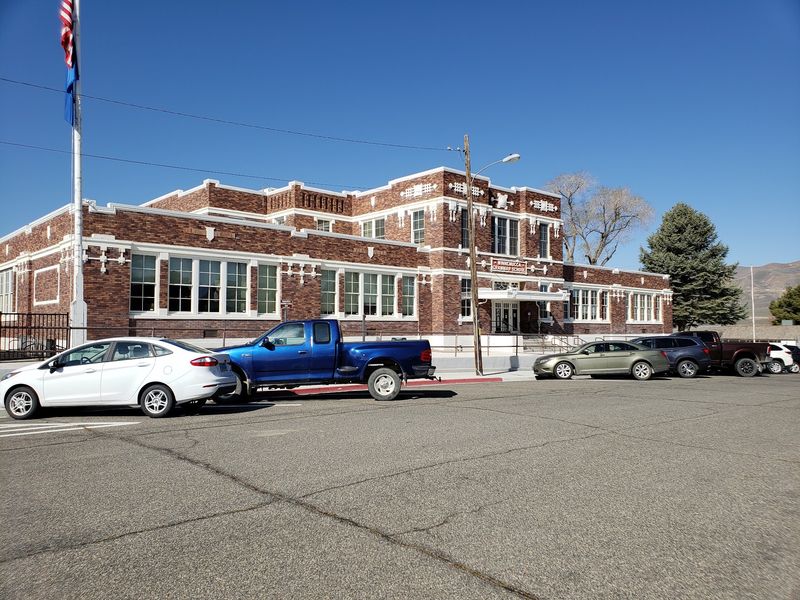
Not every great meal in Winnemucca comes from a historic Basque hotel or a family-run Mexican kitchen. Some of the most satisfying eating happens at the kind of straightforward American diner that has become rare in larger cities.
These spots open early and stay busy through breakfast and lunch. The coffee is hot and refilled without asking.
Eggs come with toast and hash browns that are actually crispy. Pie arrives in generous slices, and the fillings taste like real fruit rather than something from a can.
There is something grounding about a good diner meal. It does not ask anything of you.
You sit down, you eat well, and you leave feeling like the day is off to a proper start. In a town like Winnemucca, where people have real work to do, the local diner is not a nostalgia act.
It is still a genuine institution that holds the community together one breakfast at a time.
What the Humboldt River Valley Adds to the Experience
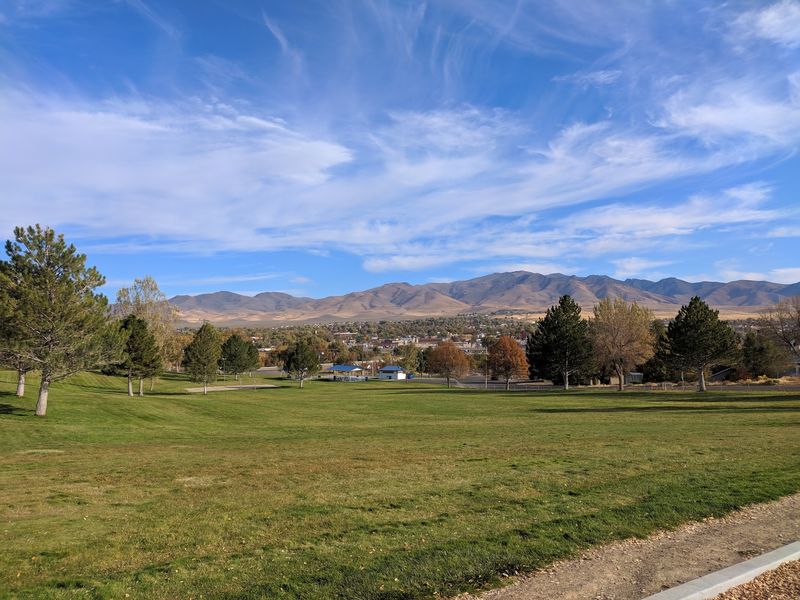
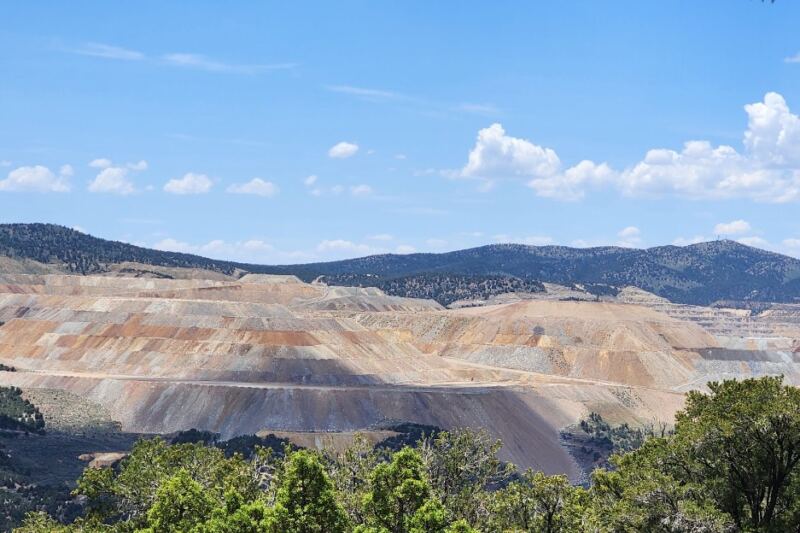
Eating well in Winnemucca feels different partly because of where you are. The Humboldt River valley runs through this part of Nevada, creating a strip of green in an otherwise rugged desert landscape.
That contrast is striking, and it gives the city a setting that makes every meal feel a little more memorable.
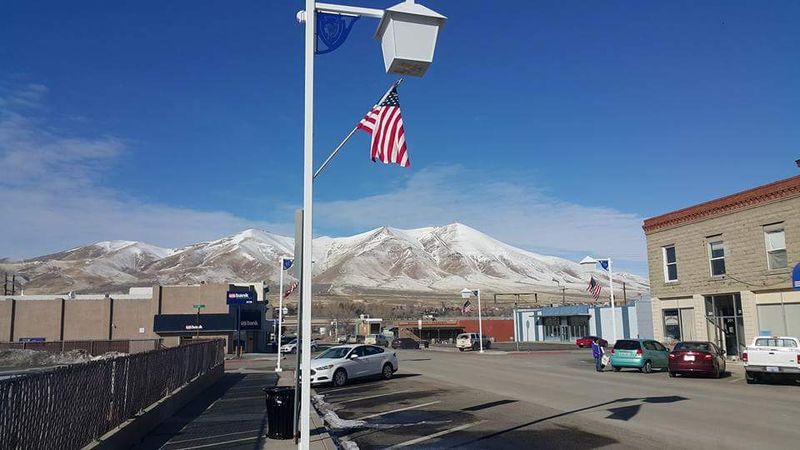
Driving into town from either direction on Interstate 80, you watch the terrain shift from open sagebrush flats to the low hills surrounding the city. The Santa Rosa Range rises to the north, visible from almost anywhere in Winnemucca on a clear day.
That kind of backdrop changes the mood of a meal, even when you are eating indoors.
The landscape also reminds you of the agricultural reality that makes this food culture possible. The river, the ranches, and the wide-open land are not just scenery.
They are the foundation of everything that ends up on your plate in this part of Nevada.
Why Travelers on Interstate 80 Should Actually Stop Here
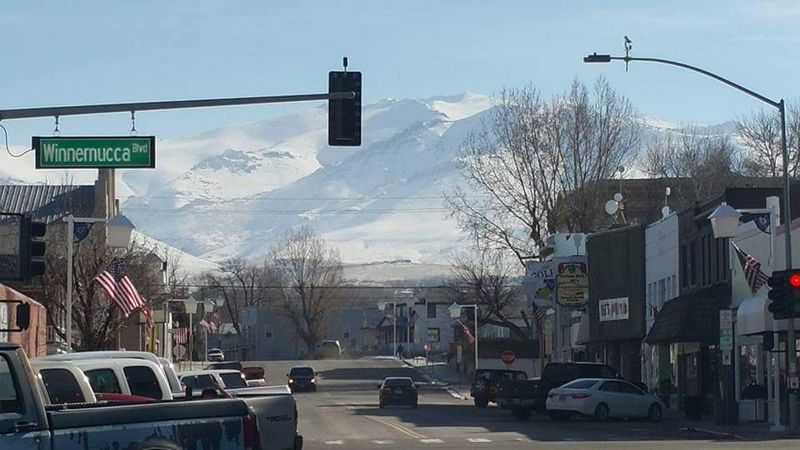
Interstate 80 cuts straight through Winnemucca, and most drivers treat the city as nothing more than a fuel stop between Reno and Salt Lake City. That is an honest mistake that costs them a genuinely good meal.
The city is set up well for road travelers. Restaurants are accessible from the main corridor, and the compact size of downtown means you can park once and walk to several options without any difficulty.
A stop here does not have to mean a long detour or a complicated navigation situation.
More importantly, eating in Winnemucca gives you something that a highway rest stop never will: a real sense of place. You understand something about northern Nevada and the people who built it just by sitting down for a Basque meal or a plate of slow-braised beef.
That kind of context makes the rest of the drive feel more meaningful, not just more full.
A Town Worth Returning To, Not Just Passing Through
The best argument for Winnemucca’s food scene is not any single restaurant or any single dish. It is the cumulative effect of a community that has taken cooking seriously for a very long time, across multiple cultural traditions, without chasing trends or trying to impress anyone outside of itself.
That kind of food culture is increasingly rare. Most American cities have seen their local dining scenes homogenized by national chains and shifting real estate economics.
Winnemucca has held onto something genuine, and you can taste it in the soup, the lamb, the handmade tortillas, and the morning pie.
Coming back a second time is easy to justify. There is more to try, more to understand, and more to appreciate about a place that feeds its people this well without making a big deal about it.
Sometimes the most honest food scenes are the ones that never needed to announce themselves to the world.
Share this story