In northern New Hampshire, one charming small town packs an impressive collection of surprises into a single Main Street. Visitors can discover a Guinness World Record, meet a beloved literary character cast in bronze, browse distinctive local shops, and enjoy beautiful views near the White Mountains.
With a population of just over 6,000, this overlooked destination delivers far more personality than its size suggests. It’s the kind of place that makes driving straight through feel like a missed opportunity.
Where the Record-Breaking Sweetness Lives: Chutters on Main Street
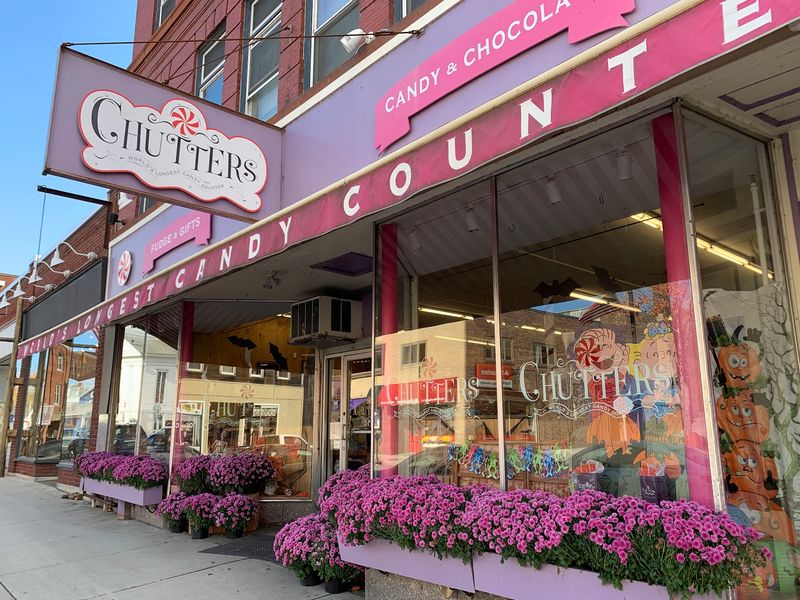
Some world records are set in stadiums or laboratories, but this one lives inside a cheerful candy store at 43 Main Street, Littleton, New Hampshire 03561, right in the heart of a walkable downtown that feels like it was designed by someone who really loved small towns.
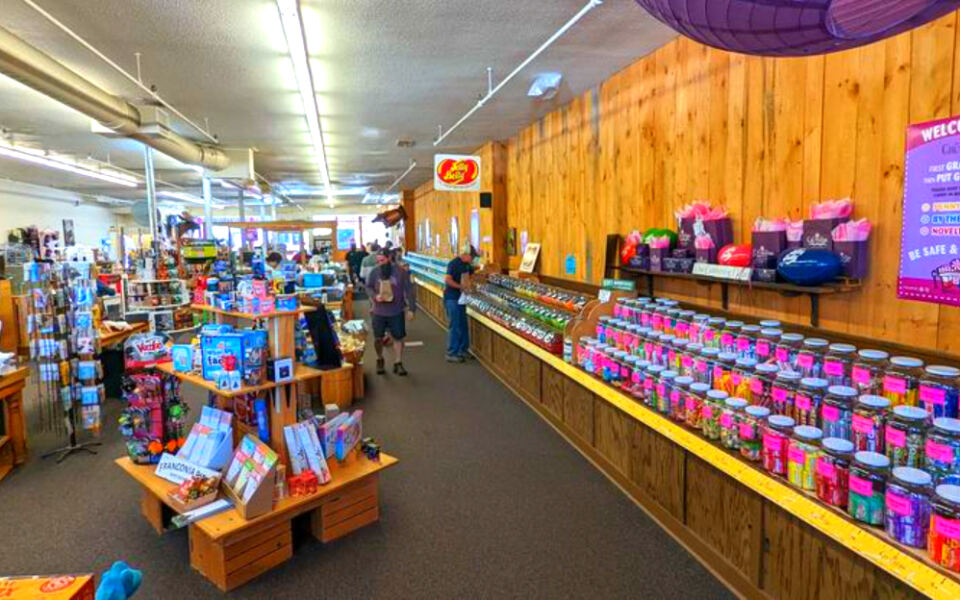
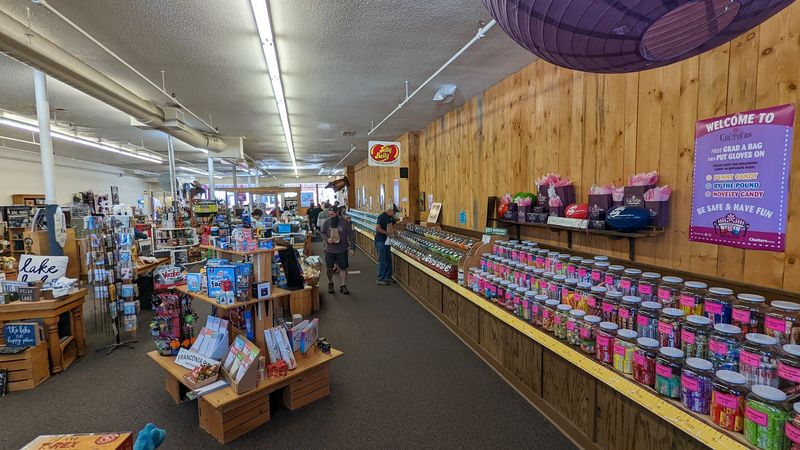
Chutters holds the Guinness World Record for the longest continuous candy counter in the world, stretching an astonishing 112 feet along its interior walls. The moment you cross the threshold, the scent of sugar and chocolate wraps around you like a welcome hug from an old friend.
Glass jars line every inch of that legendary counter, and the sheer variety on display is almost disorienting in the best possible way. This is not a quick errand stop; it is an experience that rewards slow, deliberate browsing.
Plan to spend more time here than you expect, because the counter has a way of making minutes disappear.
500 Jars, 70 Jelly Bean Flavors, and a Brown Paper Bag With Your Name on It

The numbers inside Chutters read like a sugar enthusiast’s dream statistics sheet: more than 500 jars of candy, nearly 70 different flavors of jelly beans, and a fudge counter offering around 50 varieties that range from classic chocolate to inventive flavors like dark chocolate sea salt caramel and carrot cake.
You are handed a small brown paper bag and essentially set loose, which is both liberating and slightly dangerous for anyone with a sweet tooth. Nostalgic penny candies sit alongside international treats, gummy lobsters in cherry flavor, and gummy chicken feet that spark conversation every single time.
The specialty chocolate section deserves its own visit, featuring over 170 varieties of nut clusters, rich caramels, and handcrafted confections. Every section of that 112-foot counter reveals something new, which means even a second or third visit feels fresh.
The house-made fudge alone is reason enough to plan a return trip to Littleton.
The Surprising Origin Story Behind the Name Chutters
Not many candy stores can trace their roots back to a Congregational minister, but Chutters is not most candy stores. Frederick George Chutter arrived in Littleton in the late 1880s as a minister before eventually pivoting to open a dry goods business, laying the commercial groundwork for what would eventually become a world-record-holding confectionery destination.
That unlikely origin adds a layer of texture to the store that you simply cannot manufacture. The present-day candy shop opened in 2003, but its connection to a location with deep roots on Main Street gives it an authenticity that feels earned rather than constructed.
Knowing that the name above the door belonged to a minister-turned-merchant who shaped the commercial character of this block makes every candy purchase feel like a small participation in local history. Littleton has a habit of surprising you with context just when you think you have the full picture, and Chutters is a perfect example of that quality.
Main Street That Earned a National Award and Deserves Every Bit of It
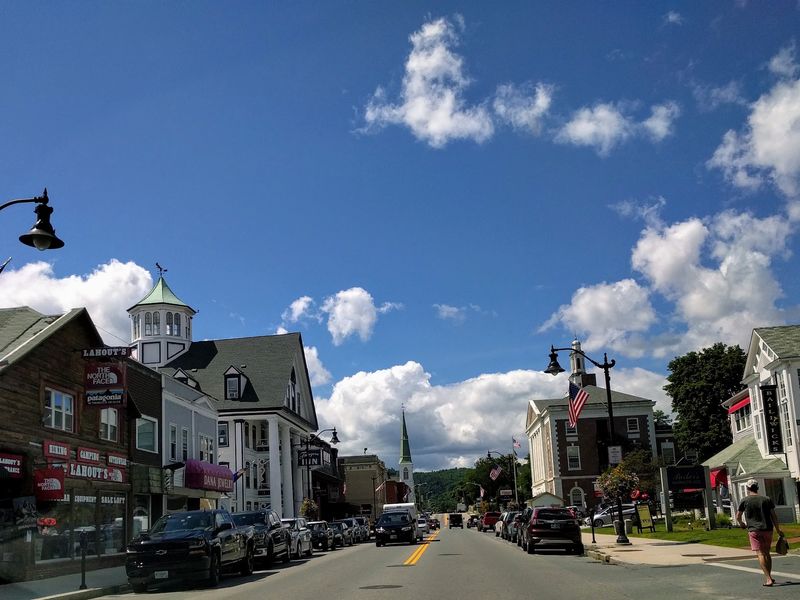
Main Street in Littleton did not stumble into its reputation by accident. In 2003, it received the prestigious Great American Main Street Award, a recognition that acknowledges outstanding achievement in downtown revitalization, and a visit makes it immediately clear why the judges were impressed.
The 19th-century red-brick architecture is meticulously maintained, with cast-iron storefronts and large display windows that hint at a prosperous commercial past. What makes it feel alive rather than merely preserved is the low storefront vacancy rate and the genuine mix of locally owned shops, bookstores, artisan boutiques, and cozy restaurants that fill those historic spaces.
You will not find the usual parade of chain stores here. Every shop reflects a decision made by someone who cares deeply about this particular street in this particular town.
An afternoon spent simply walking from one end to the other, ducking into galleries and stopping for coffee, is one of the most satisfying ways to experience what Littleton is really about.
Pollyanna, the “Glad Town,” and a Bronze Statue That Earns Its Place
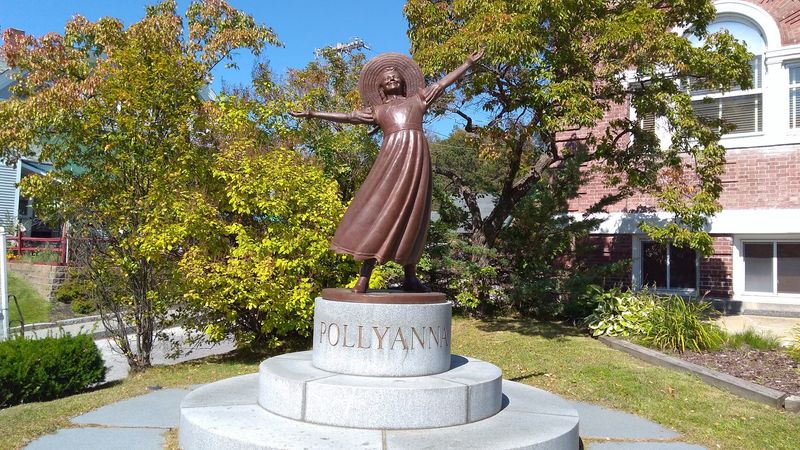
Littleton carries a nickname that sounds almost too wholesome to be real: “the Glad Town.” It earned this title because Eleanor Hodgman Porter, the author who created the famously optimistic character Pollyanna in 1913, was a local resident, and the town has embraced that legacy with genuine warmth rather than mere tourism marketing.
A bronze statue of Pollyanna stands on the library lawn along Main Street, and it is more than decorative. Pollyanna’s story centers on her “glad game,” a practice of finding reasons to be grateful even in difficult circumstances, and that spirit feels genuinely present in the interactions you have with locals throughout town.
Business owners greet you like a neighbor, not a transaction. The cheerful disposition you encounter is not performed for visitors; it reads as a deeply held community value.
The statue serves as a quiet reminder that a town’s character can be shaped by the stories it chooses to tell about itself, and Littleton has chosen wisely.
Thayer’s Inn and the Weight of Nearly 175 Years of History
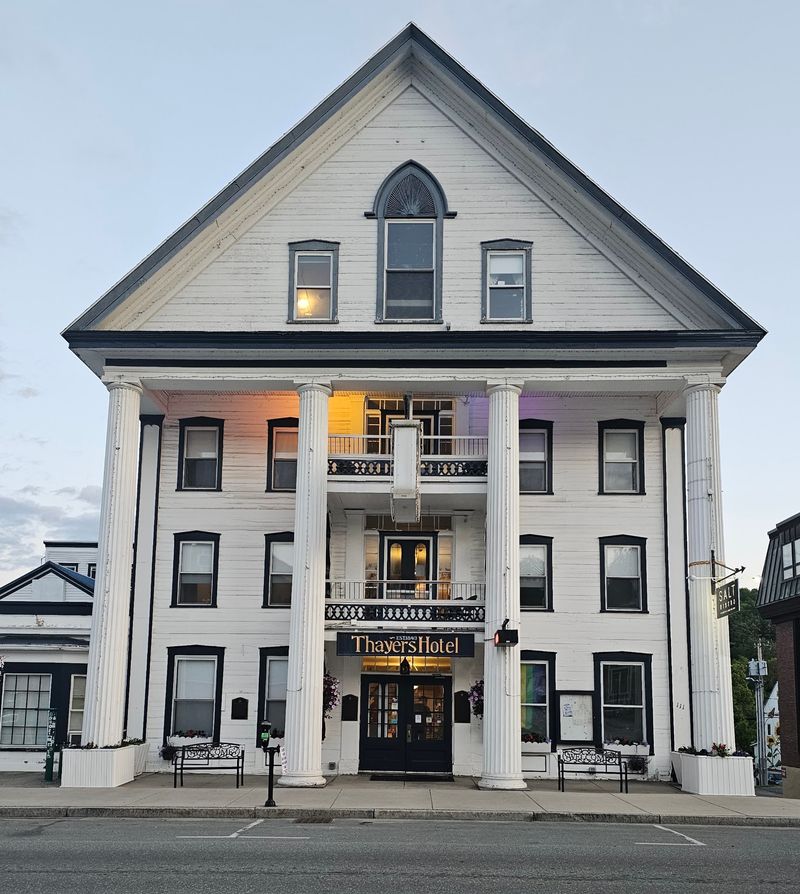
There is something quietly remarkable about a building that has been welcoming guests since 1850. Thayer’s Inn, a Greek Revival-style landmark on Main Street, has hosted presidents and prominent figures across nearly 175 years of continuous operation, making it one of the more tangible connections to Littleton’s layered past.
The architecture alone warrants a slow look. The classical columns and period detailing communicate a confidence that was common in mid-19th century New England commercial construction, when towns like Littleton were asserting their place in the regional economy with buildings meant to last generations.
That ambition was clearly well-placed.
Staying at Thayer’s Inn means sleeping in a building that has absorbed the conversations and footsteps of an enormous span of American history. Even if you are not an overnight guest, passing by and pausing to read the details of its facade is a worthwhile moment of reflection.
The inn anchors Main Street in a way that no newer construction could replicate, and it makes the whole block feel more significant.
Jax Jr. Cinemas: One of America’s Last Classic Downtown Movie Houses
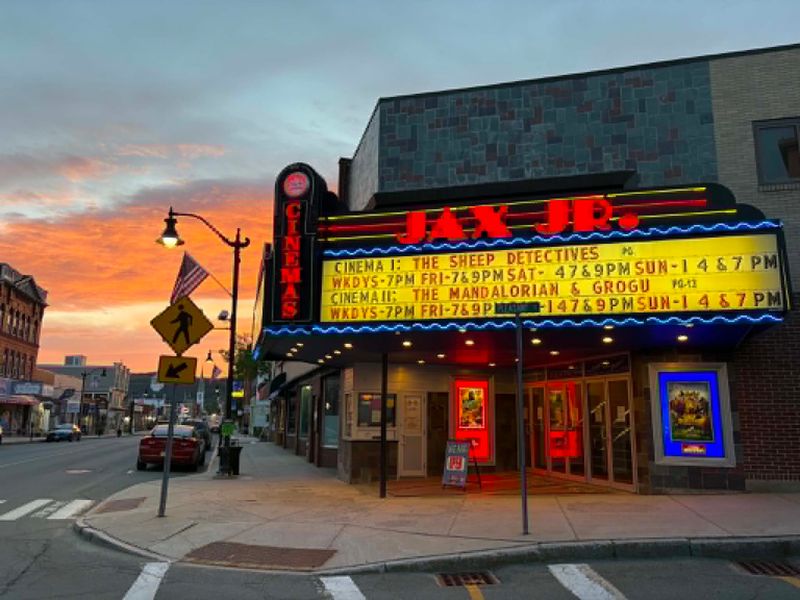
Most small towns lost their downtown movie theaters decades ago to multiplex sprawl on the outskirts of larger cities. Littleton held onto its historic two-screen cinema, and the fact that Jax Jr. Cinemas has been showing films since 1920 makes it one of America’s last surviving fine downtown movie houses.
Catching a film here is a genuinely different experience from a modern multiplex. The scale is human, the atmosphere is nostalgic without feeling dusty, and the knowledge that the same space has been entertaining audiences for over a century adds a quiet weight to the evening.
You are not just watching a movie; you are participating in a tradition.
The cinema contributes meaningfully to Main Street’s evening energy, drawing locals and visitors alike into the downtown core after dinner. It is a small detail that says a great deal about Littleton’s priorities as a community, namely, that some things are worth preserving simply because they make a place feel like home rather than a waypoint.
Littleton Coin: A Nationwide Numismatic Institution Hidden in Plain Sight
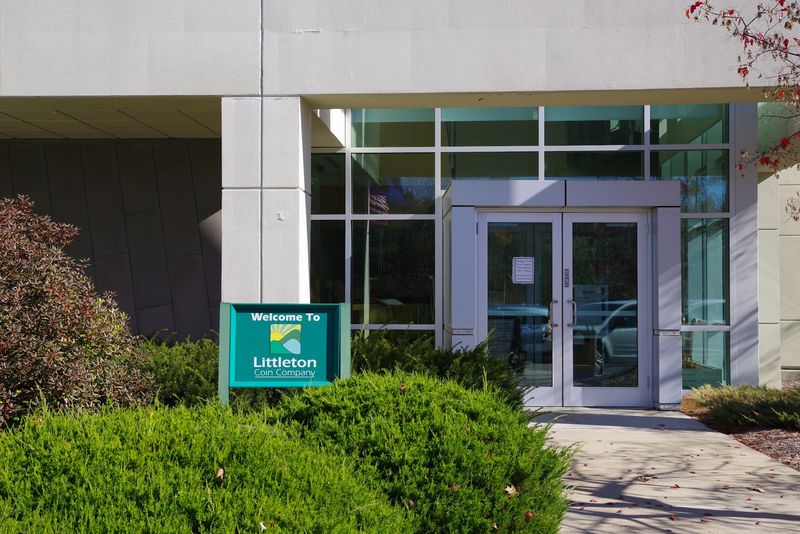
Few visitors expect to find one of America’s most respected currency-selling businesses tucked into a small New Hampshire mountain town, but Littleton Coin has been doing exactly that since 1945. What began as a modest mail-order operation has grown into a significant nationwide enterprise, shipping coins and currency to collectors across the country from its base in Littleton.
The company’s longevity speaks to the same entrepreneurial persistence that shaped the town’s commercial character across multiple generations. Littleton has never been a place that rested on a single industry or a single claim to fame; it has always found ways to diversify and evolve while keeping its roots firmly in place.
For coin enthusiasts, knowing that a respected numismatic institution operates out of this town adds a satisfying layer to any visit. For everyone else, it is simply a reminder that Littleton contains more depth than its postcard-perfect exterior suggests, and that the most interesting discoveries here often come when you least expect them.
The Ammonoosuc River, a Covered Bridge, and a Riverwalk Worth Every Step
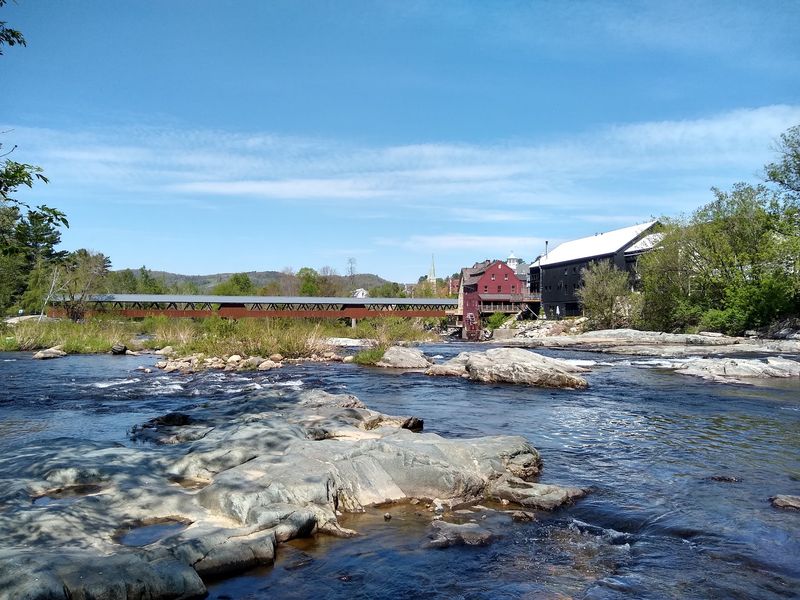
Littleton was settled in 1770 along the banks of the Ammonoosuc River, and that waterway remains central to the town’s identity and its natural appeal. The Riverwalk, which follows the river through the heart of town, offers one of the most peaceful ways to decompress after a sugar-fueled afternoon on Main Street.
A charming covered bridge along the route adds a distinctly New England visual accent to the walk, the kind of scene that makes you slow down instinctively and reach for your camera. The sound of moving water and the dappled light filtering through the tree canopy create an atmosphere that feels restorative in a way that is hard to articulate but easy to feel.
The river also carries historical significance as the source of power for the mills that drove Littleton’s early industrial economy. That context transforms a pleasant walk into something richer, a quiet tour through the physical geography that shaped the town’s development across two and a half centuries of continuous habitation.
White Mountain Trails and Outdoor Adventures Right Outside Town
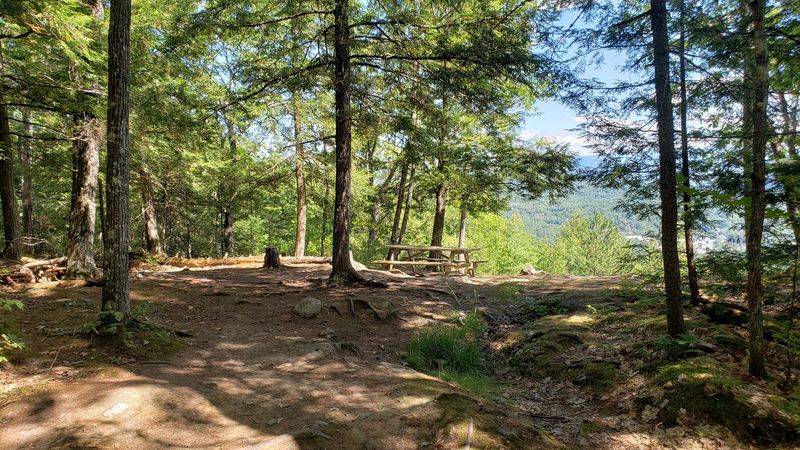
Littleton’s position at the northern edge of the White Mountains means serious outdoor access is never more than a short drive, or in some cases a short walk, from the candy store. The Kilburn Crag trail rewards hikers with a panoramic view of the town spread out below, framed by the surrounding mountain ridgelines, and it is accessible enough to appeal to hikers of varied experience levels.
The Parker Mountain trail network expands the options for walking, trail running, and mountain biking, while The Dells area offers a more leisurely nature walk through forested terrain. Guided ATV tours are also available for those who prefer to cover more ground with a little mechanical assistance, crossing scenic bridges and following the historic rail trail through the surrounding landscape.
Winter transforms the region into a destination for skiing and snow sports, with several well-regarded ski areas within reasonable driving distance. The outdoor calendar here essentially never runs out of content, which makes Littleton a genuinely year-round destination rather than a seasonal stop.
Local Dining That Goes Well Beyond the Candy Counter
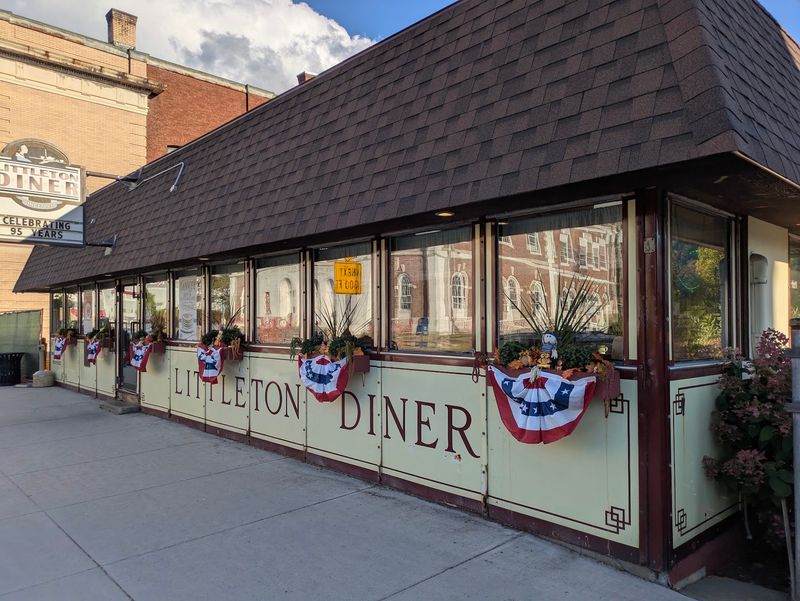
After covering the full length of that 112-foot candy counter, your appetite for actual meals will eventually reassert itself, and Littleton’s dining scene is more than ready to oblige. The Littleton Diner is the most storied option, an institution that earned recognition from Yankee Magazine for its pancakes, which are the kind of compliment that carries real weight in New England.
The diner’s classic ambiance feels immediately comfortable, the sort of place where the coffee arrives quickly and the menu reads like a reliable old friend. Beyond traditional American comfort food, the town also offers authentic Thai cuisine and a selection of coffee shops and bakeries that handle the morning pastry and afternoon pick-me-up duties with equal competence.
The overall dining landscape reflects the same locally driven, unpretentious character that defines the rest of Main Street. None of these establishments are trying to be something they are not, and that honesty translates directly into food that satisfies without overcomplicating.
Good meals here feel like a natural extension of the town’s broader personality.
Practical Tips for Making the Most of Your Littleton Visit
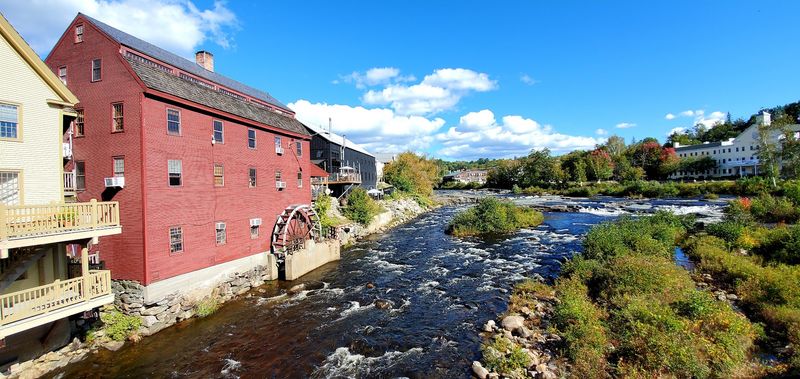
Littleton rewards visitors who come without a rigid itinerary and leave with a car full of candy and a genuine fondness for a place they did not expect to love this much. Parking is straightforward along Main Street, and the compact downtown layout means most of the key attractions are within comfortable walking distance of each other.
Fall is a particularly spectacular time to visit, when the surrounding White Mountain foliage turns the landscape into something almost theatrical in its color. Summer brings ideal conditions for hiking and river walks, while winter opens up access to nearby ski terrain.
Picking up a walking tour brochure from a local information center is a smart first move, as it maps out the historic architecture and named landmarks that give the streetscape its depth.
Accommodations range from historic Thayer’s Inn to smaller local lodgings, and booking ahead during peak foliage season is genuinely necessary rather than just a cautious suggestion. Arrive with time to spare, because Littleton has a reliable talent for making scheduled half-day stops stretch into full, deeply satisfying days.
Share this story