When the Pacific Northwest heat finally arrives, locals know exactly where to go. It becomes the place to be when summer temperatures climb and everyone needs a cool escape.
This place offers river access, waterfall views, and a refreshing break from the heat. This spot is not just another pretty waterfall overlook.
It combines natural beauty, a fascinating historic power station, accessible trails, and direct river access that makes it a true summer destination worth planning your whole day around. Whether you are looking for a peaceful morning walk or a full afternoon by the water, this place delivers something for everyone.
Two Ways to Get There, One Great Payoff
Getting to the lower falls is part of the adventure, and there are two distinct routes to choose from. The first option is driving directly to the lower parking lot, which is about 3 to 4 miles from the upper falls area through some quiet neighborhood roads.
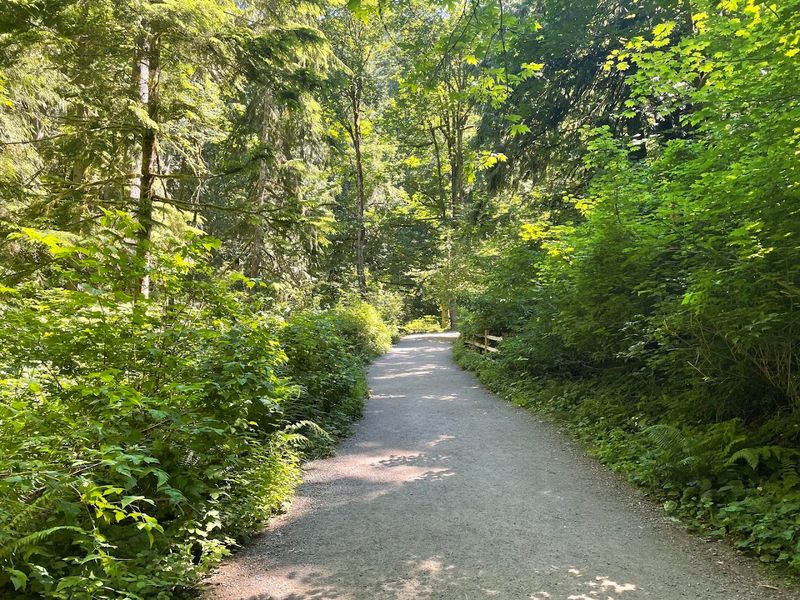
The second option is hiking down from the upper falls trailhead. The trail is roughly half a mile long, well-maintained, shaded by tall trees, and dotted with informational plaques about the surrounding forest.
Going down takes around 15 minutes at a comfortable pace.
The catch with hiking is the return trip. The uphill climb back to the upper lot is noticeably steep and will test your legs, especially on a hot day.
Driving down to the lower lot is the smarter move for families, older adults, or anyone who wants to save energy for actually enjoying the river. Both options lead to the same rewarding destination.
The Historic Power Station That Steals the Show
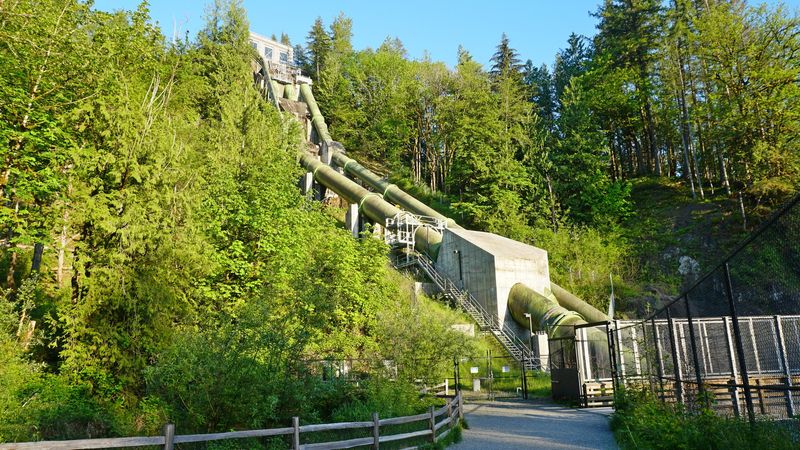
Most people come for the waterfall, but the old hydroelectric power station along the path to the viewing platform tends to stop everyone in their tracks. The facility has been harnessing the power of the Snoqualmie River for electricity generation for well over a century, making it one of the older power stations in the Pacific Northwest.
As you walk the short trail from the parking lot, you pass directly alongside the power plant structures. Informational signs explain how the hydroelectric process works and share the history of this remarkable piece of infrastructure.
It is not every day that a nature walk doubles as a history and engineering lesson. The contrast between the raw natural power of the falls and the human-built machinery designed to capture that energy makes this part of the visit genuinely thought-provoking.
Kids and adults alike tend to slow down here and read more carefully than they expected to.
The Viewing Platform Up Close
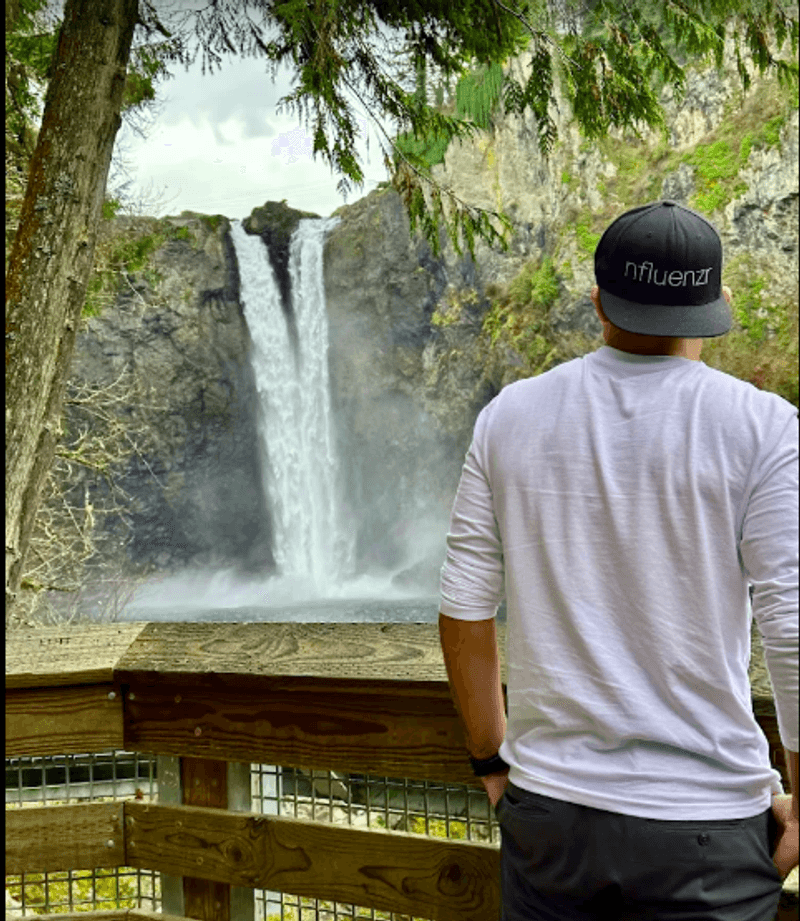
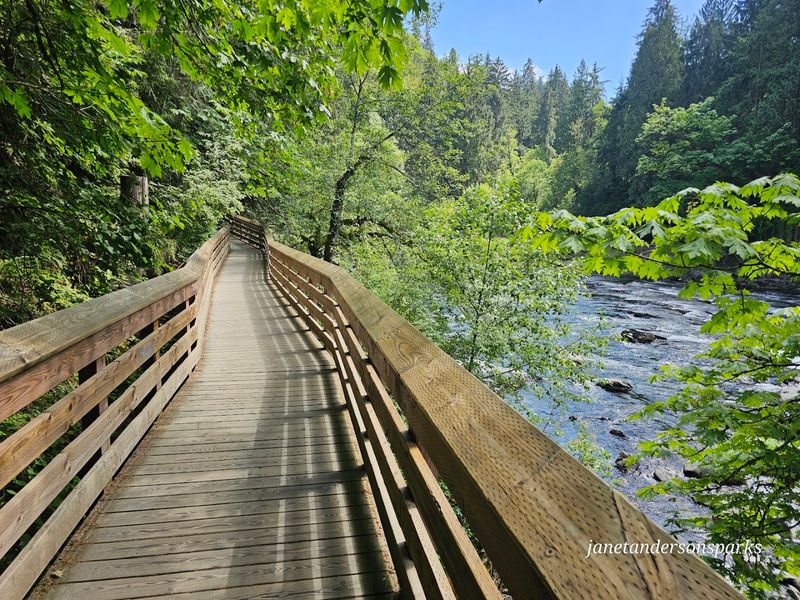
The path from the parking lot starts as a gravel trail and then transitions into a wooden boardwalk that leads directly to the viewing platform. The whole walk is short, making it one of the more accessible waterfall viewpoints in the region.
From the platform, the falls appear massive and immediate. Unlike the upper observation deck where the falls are impressive but distant, the lower viewpoint puts you right in front of the cascading water.
The scale is genuinely hard to capture in a photo, which is why so many people say the place has to be seen in person to be fully appreciated.
The platform can hold only a small number of people at once, so there may be a brief wait during busy periods. That said, the crowd tends to be patient and good-natured, with everyone naturally taking turns.
Early morning visits almost entirely eliminate any wait time and offer the calmest, most peaceful experience at the platform.
River Access and the Rocky Beach Below
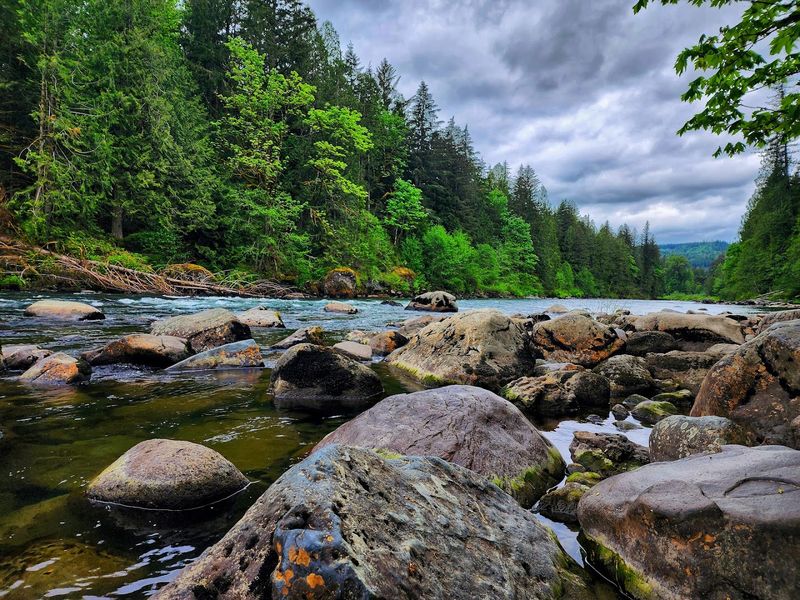
One of the biggest draws of the lower falls area during summer is the direct access to the Snoqualmie River itself. Beyond the viewing platform, a path leads down to the river where large boulders line the bank and the water runs clear and cool.
Getting to the water requires some agility. The boulders are sizable and uneven, so sturdy footwear is a must, and the path can be slippery even when it looks dry.
That said, families with older kids and active adults consistently find the scramble worth the effort.
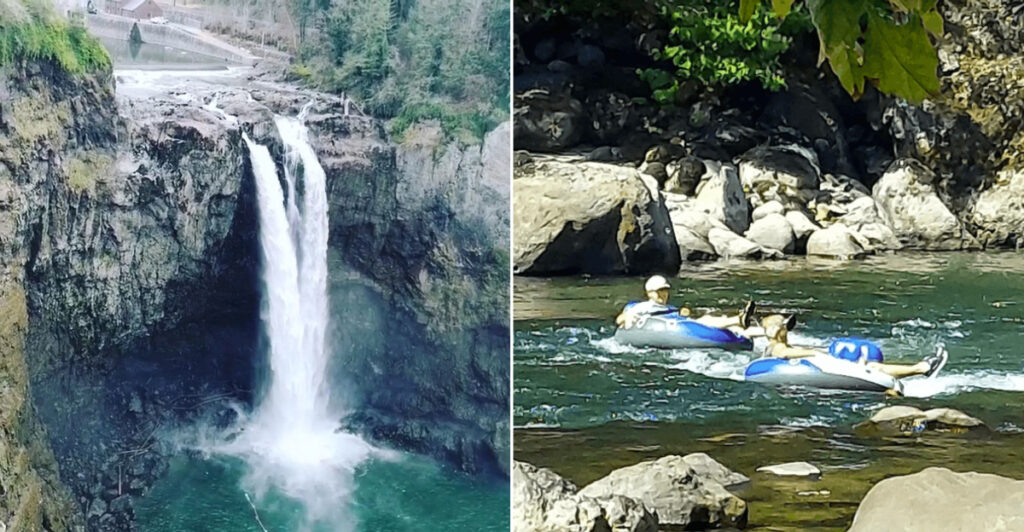
Once you reach the water’s edge, the float-friendly stretch of river becomes obvious. The Snoqualmie River here is wide, relatively calm in summer, and cold enough to cut through even the hottest August afternoon.
It is the kind of place where people arrive planning to stay an hour and end up spending the entire afternoon, completely forgetting about whatever they had scheduled next.
Why Summer Changes Everything Here
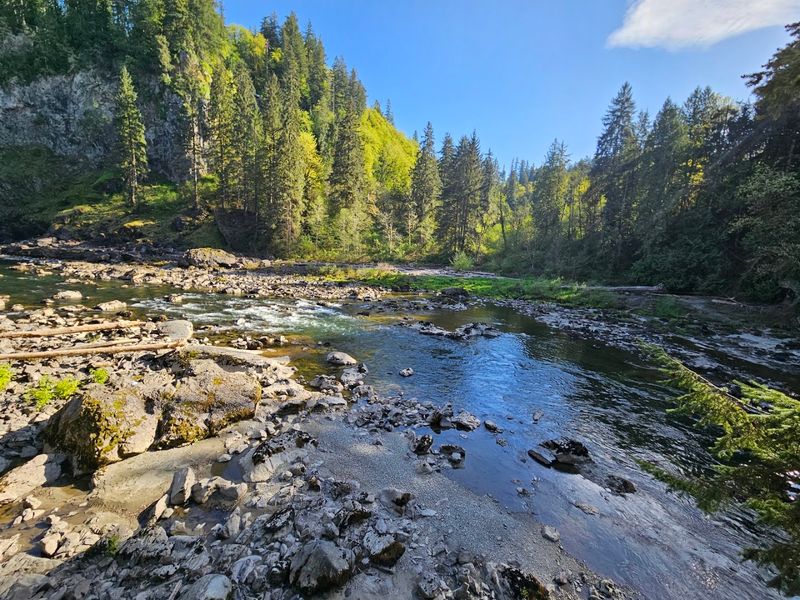
The lower falls area transforms noticeably once summer arrives in western Washington. The trails stay dry, the river drops to more manageable levels, and the surrounding forest provides natural cover that keeps the area cooler than open parks or urban spots.
Summer weekends bring families, groups of friends, and plenty of people floating the river in tubes and inflatables. The atmosphere shifts from a quiet nature walk to something closer to a community gathering spot, with the waterfall serving as a dramatic backdrop to an otherwise relaxed afternoon.
The best summer visits happen early in the morning on weekdays. By 9 AM on a Friday, the parking lot is manageable and the trails are quiet.
By late morning, the lot fills quickly and the popular spots along the river get crowded. Arriving early not only guarantees parking but also gives you the full run of the place before the summer crowds make their entrance.
Float the Snoqualmie River
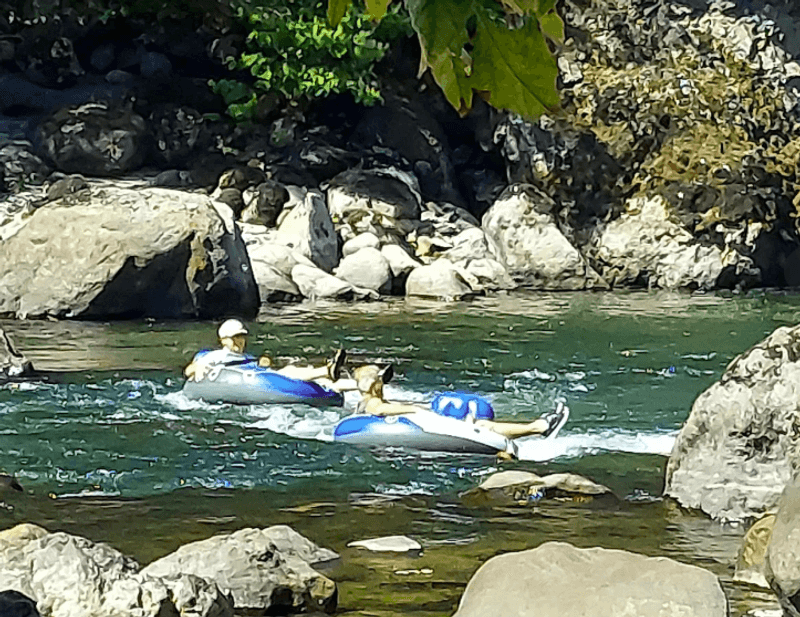
On a warm summer day, floating the Snoqualmie River near Fall City offers a relaxed way to enjoy Washington’s natural scenery. Tubers drift along a broad stretch of river bordered by leafy trees, open farmland, and peaceful views of the Snoqualmie Valley.
The experience is usually more about slowing down than chasing excitement, with plenty of time to talk, soak up the sun, and cool off in the fresh water. Many visitors arrange vehicles at separate launch and exit points before starting, since the float follows the current downstream.
River conditions can change quickly, however, so checking water levels and weather is essential before entering. Wearing a properly fitted life jacket is also important, even when the surface appears calm, because cold water, submerged branches, and stronger currents may be difficult to spot.
For visitors prepared with safety gear and a clear route, a Snoqualmie River tubing trip can turn an ordinary hot afternoon into a memorable Washington summer escape.
What the Trail Teaches You Along the Way
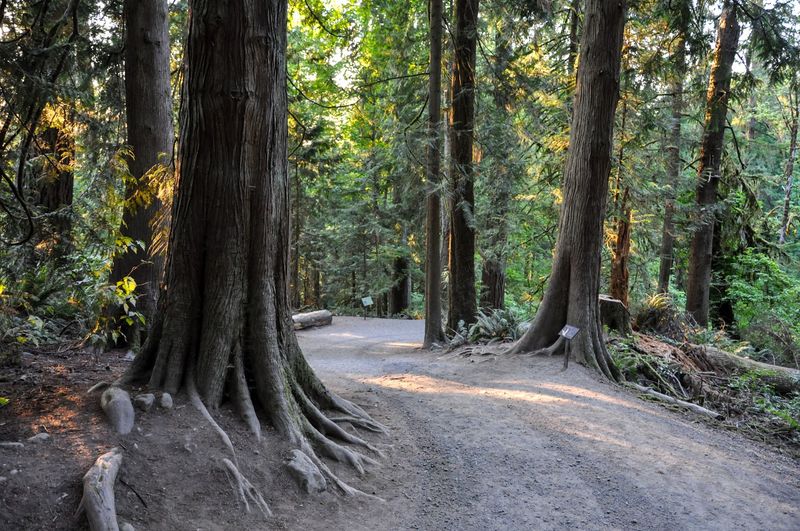
The half-mile trail connecting the upper falls to the lower area is more than just a way to get from point A to point B. Plaques are spaced along the path that identify tree species, explain the ecology of the old-growth forest, and share details about the river’s natural history.
The forest here is genuinely old. Massive Douglas firs and western red cedars line the trail, and the canopy is dense enough to create a completely different atmosphere from the open viewpoints above.
The trail is well-maintained with clear markings, though some sections have fencing installed in spots where people repeatedly went off-trail in the past.
Staying on the marked path is important both for personal safety and for protecting the ecosystem. The forest floor is fragile, and the park has made real efforts to preserve it.
Taking a few minutes to read the trail plaques adds meaningful context to what is already a rewarding walk through one of the most striking natural corridors in the region.
Parking, Restrooms, and the Practical Stuff
Logistics matter when planning a day trip, and the lower falls area handles the basics well. The lower parking lot off SE Fish Hatchery Rd offers free parking, which is a notable perk compared to the upper falls lot where fees apply.
Restrooms are available at the lower lot, making it a practical base for families or anyone planning a longer visit.
Parking at the lower lot fills up on summer weekends, but the turnover is relatively steady since most visits last between one and three hours. Arriving before 9 AM on weekends almost guarantees a spot.
Weekday mornings are even more relaxed, with the lot rarely reaching capacity before late morning.
There is also a visitors center at the upper falls that opens at 10 AM during peak season. If you are planning to combine both the upper and lower falls in one outing, the lower falls make a great first stop before heading up to the main overlook later in the morning when the visitors center is open.
Best Time of Day to Make Your Move
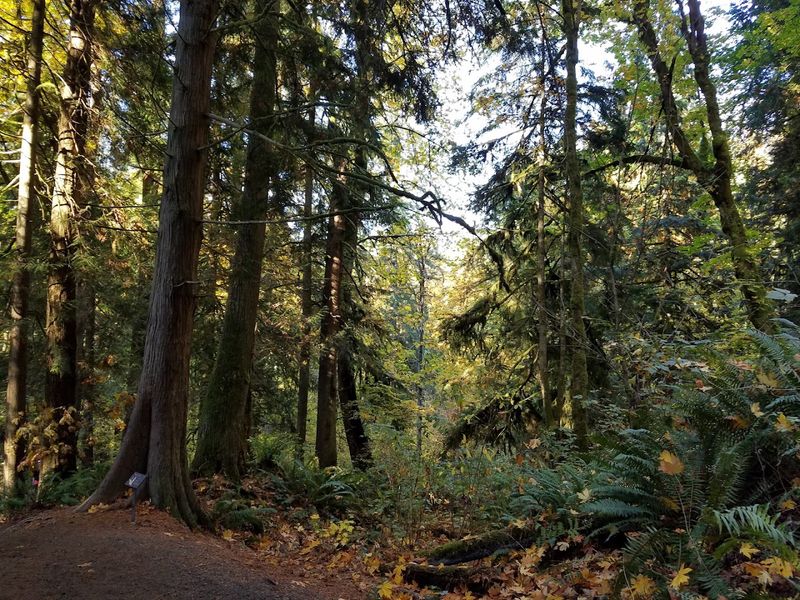
Timing a visit to the lower falls can make the difference between a peaceful, memorable morning and a frustrating scramble for parking and elbow room on the trail. The sweet spot is arriving between 7 and 9 AM, especially on weekends between June and September.
Early arrivals get the trail largely to themselves, the parking lot is uncrowded, and the light through the forest canopy is at its best. By 11 AM, the lot at the lower falls regularly fills, and the viewing platform sees steady lines.
Sunday afternoons are the busiest period of the entire week.
Weekday visits, particularly Monday through Thursday, offer a noticeably calmer experience at almost any time of day. The falls themselves look different depending on the season and recent rainfall.
After a heavy rain, the volume of water increases dramatically and the view from the lower platform becomes even more striking than during the dry summer months.
A Spot That Works for Almost Every Group
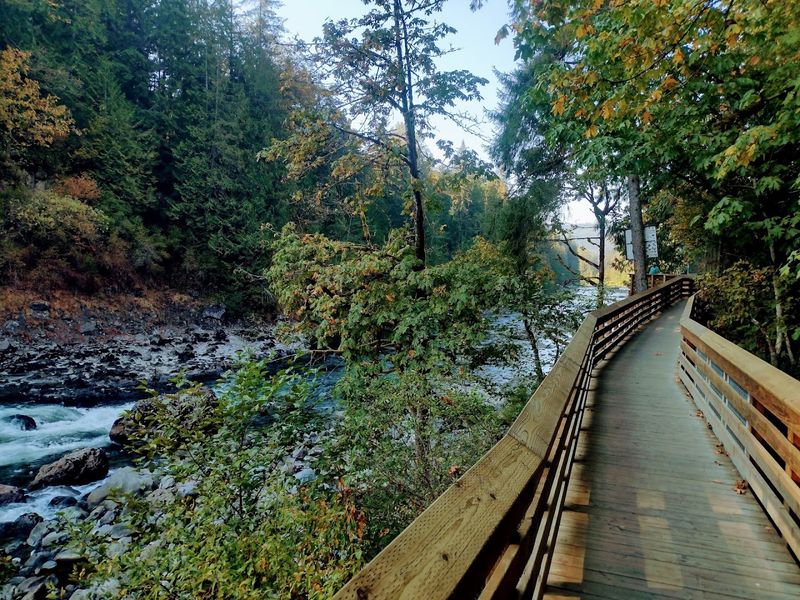
The lower falls area has a rare quality among outdoor destinations in Washington: it genuinely works for a wide range of people. The short, flat boardwalk to the viewing platform is accessible for older adults and young children.
The boulder scramble to the river suits active families and adventurous teens. The forest trail appeals to anyone who wants more of a nature walk.
Large groups have been known to spend full afternoons here without running out of things to do. The combination of the waterfall view, the river beach, the historic power station, and the forest trail means there is enough variety to keep different members of a group engaged in different ways at the same time.
Dogs are a common sight on the trail and along the river, and the outdoor setting makes this a natural fit for pet owners. Just keep a close eye on smaller dogs near the boulders, where the footing gets unpredictable quickly.
Making the Most of Your Full Day Out
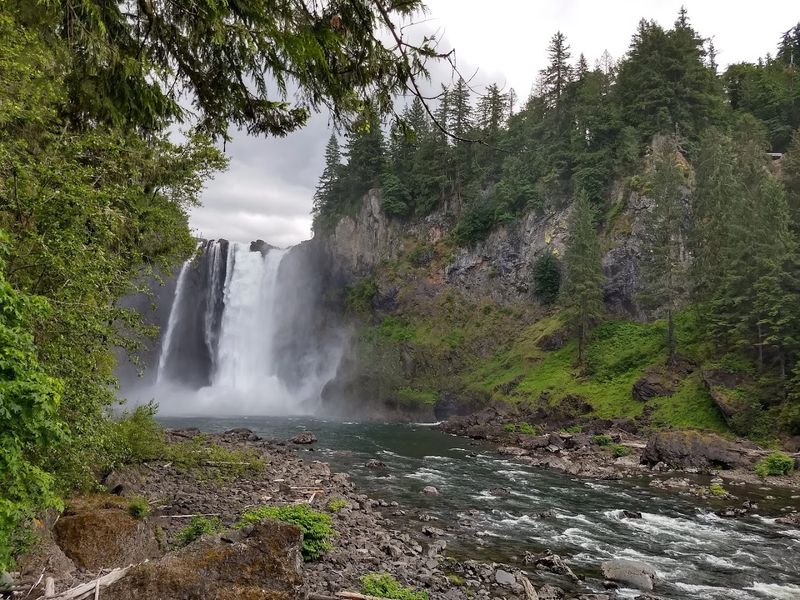
The lower falls work best as part of a longer outing rather than a quick stop. A half-day here moves naturally from the parking lot to the power station walk, then to the viewing platform, then down to the river for time on the boulders.
That sequence alone fills three to four comfortable hours without feeling rushed.
Pairing the lower falls with a stop at the upper falls observation deck makes for a complete Snoqualmie Falls experience. The two viewpoints are dramatically different, and seeing both in one trip gives a fuller picture of just how impressive this waterfall system really is.
After a morning at the falls, Fall City itself is just a short drive away and offers a handful of spots to grab coffee or a bite before heading home. The combination of river time, forest walking, and a relaxed post-hike stop nearby makes this one of the more well-rounded summer day trips available within easy reach of the greater Seattle area.
Where Exactly is This Place
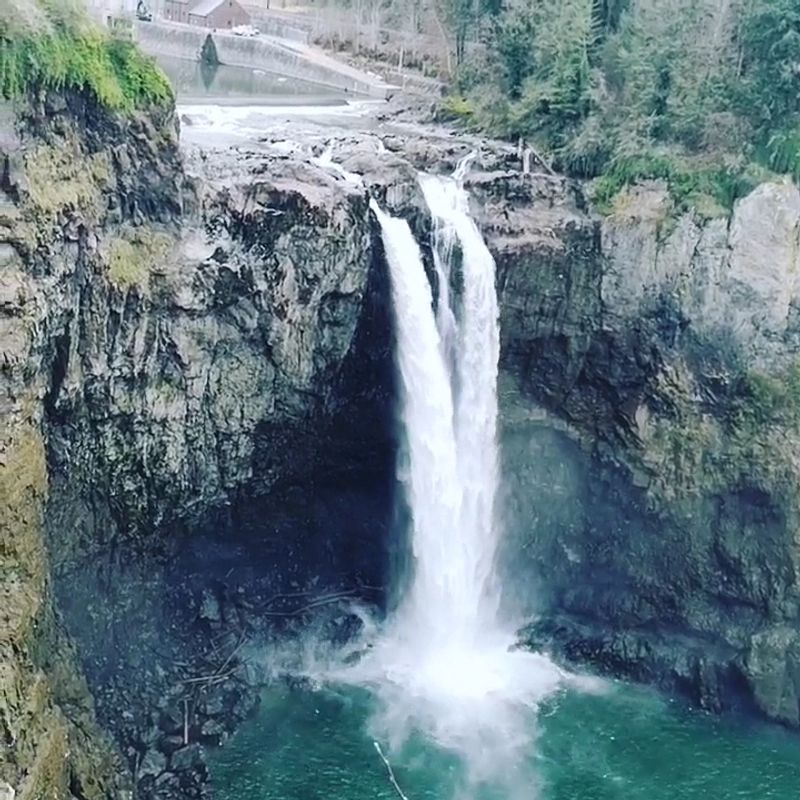
Snoqualmie Lower Falls is tucked along the Snoqualmie River at 37479 SE Fish Hatchery Rd, Fall City, WA 98024. This is a separate experience from the famous upper falls overlook, and many people who have visited the area for years have never made it down here.
The lower falls area sits at river level, giving visitors a completely different perspective on the waterfall than the classic postcard shot from above. You are close to the water, surrounded by old-growth trees, and standing near a historic hydroelectric power station that has been part of this landscape for over a century.
The site is open 24 hours a day, seven days a week, though the access gates close after sunset. There is a small parking lot on site, restrooms are available, and the walk from the parking area to the main viewing platform is short and manageable for most people.
Share this story