Most people driving through the South Carolina Lowcountry have no idea that a crumbling set of concrete military batteries sits just steps from a quiet stretch of beach. Built in 1898 during the Spanish-American War, these ruins have stood for well over a century, slowly being reclaimed by moss and salt air.
The story behind them is just as compelling as the structures themselves. Fort Fremont Preserve on St. Helena Island is one of those places that rewards curious travelers who take the time to venture off the main road.
The Spanish-American War Origins of Fort Fremont
Few coastal parks carry a backstory as gripping as this one. Fort Fremont was built in 1898 as a direct response to the Spanish-American War, when the U.S. government feared that enemy naval ships might target the strategically valuable Port Royal Sound.
The federal government moved quickly, authorizing the construction of gun batteries designed to protect this stretch of the South Carolina coast. The fort was named after Major General John C.
Fremont, a well-known military and political figure of the era.
Construction crews worked fast, completing the concrete batteries in a matter of months. By the time the fort was operational, the war had already ended, meaning these massive guns were never fired in actual combat.
That detail makes the whole place feel like a carefully preserved time capsule, frozen at the exact moment history changed direction.
Finding Fort Fremont Preserve on St. Helena Island
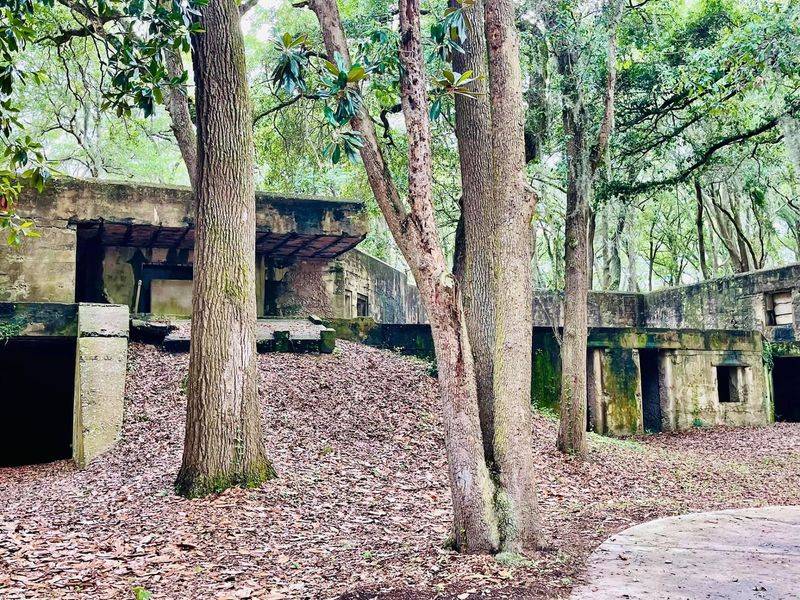
Getting to this preserve is half the adventure. Fort Fremont Preserve is located at 1124 Lands End Rd, St. Helena Island, SC 29920, and the drive there winds through some of the most beautiful Lowcountry scenery in the state.
Spanish moss hangs from massive live oak trees that arch over the road, creating a natural canopy that feels almost theatrical. The closer you get to the preserve, the more the landscape opens up toward the water, giving you a sense that something significant is just ahead.
Admission is free, which makes this an easy stop for families, solo travelers, or anyone passing through the Sea Islands region. The preserve is open seven days a week from 7 AM to 7 PM, giving visitors a solid window of time to explore at a relaxed pace without feeling rushed.
What the Concrete Batteries Actually Look Like Up Close
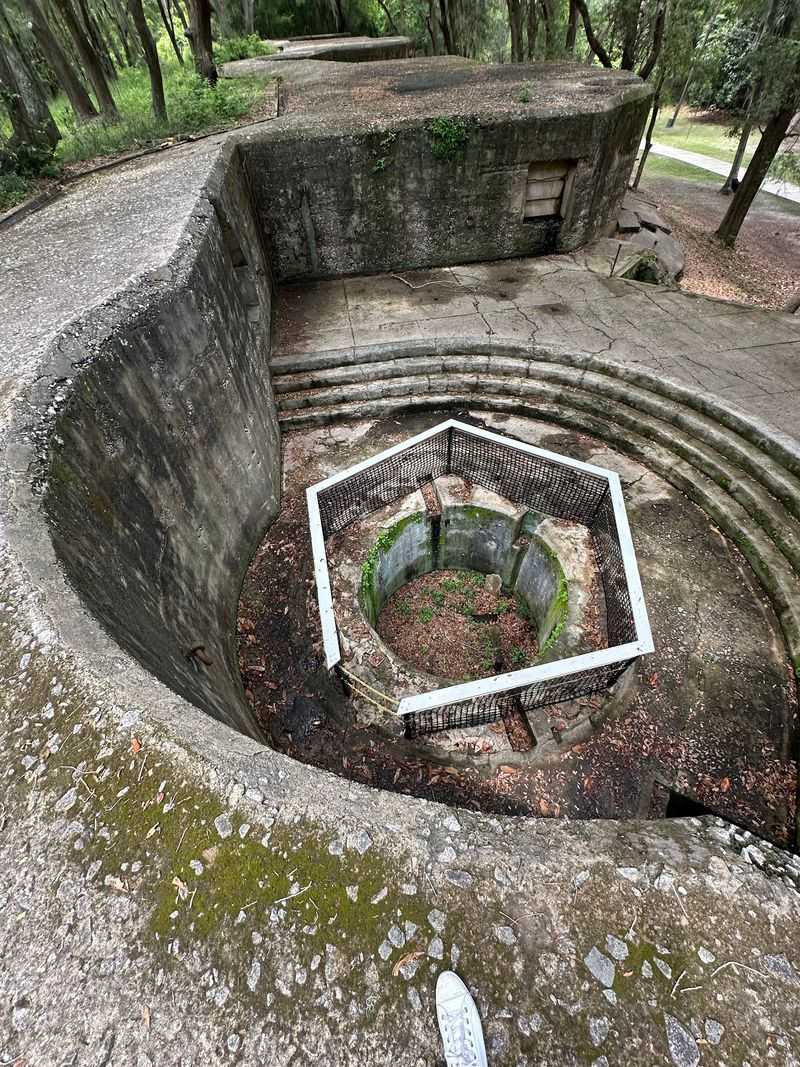
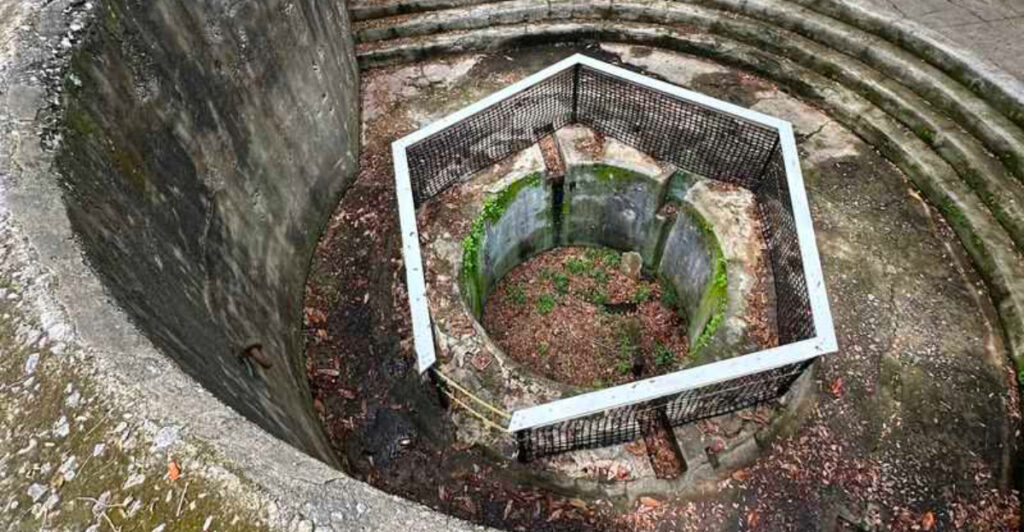
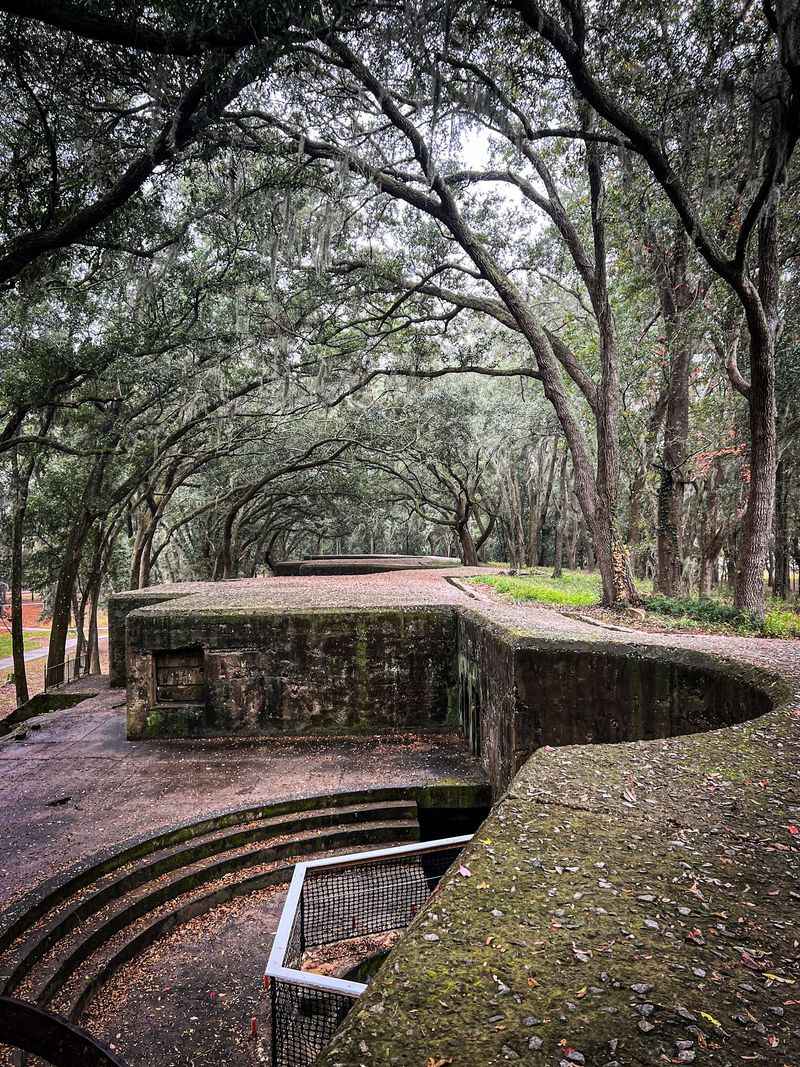
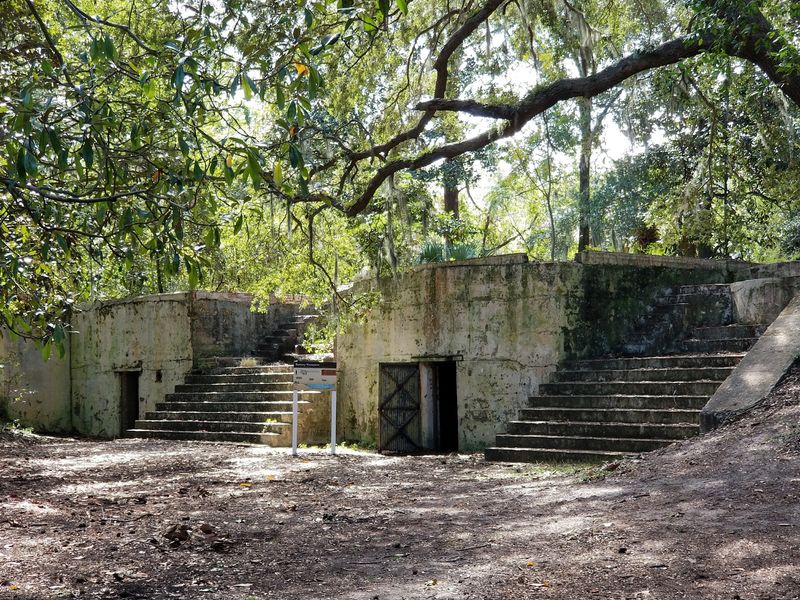
Seeing the batteries in person is a completely different experience from reading about them. The concrete structures are massive, far larger than most visitors expect, with thick walls built to absorb the recoil of heavy artillery guns that were never actually fired.
Moss and vines creep across the surfaces, softening the hard edges in a way that feels almost painterly. The rooms where ammunition was once stored are still accessible, and walking into them gives you an immediate sense of the scale and seriousness of the original military installation.
Some interior walls carry graffiti left by visitors over the years, which is genuinely unfortunate given the historical significance of the site. Still, the structural integrity of the batteries remains impressive for construction that is well over a century old.
The sheer size of everything is what tends to stop people mid-step.
Climbing the Ramparts for a View of Port Royal Sound
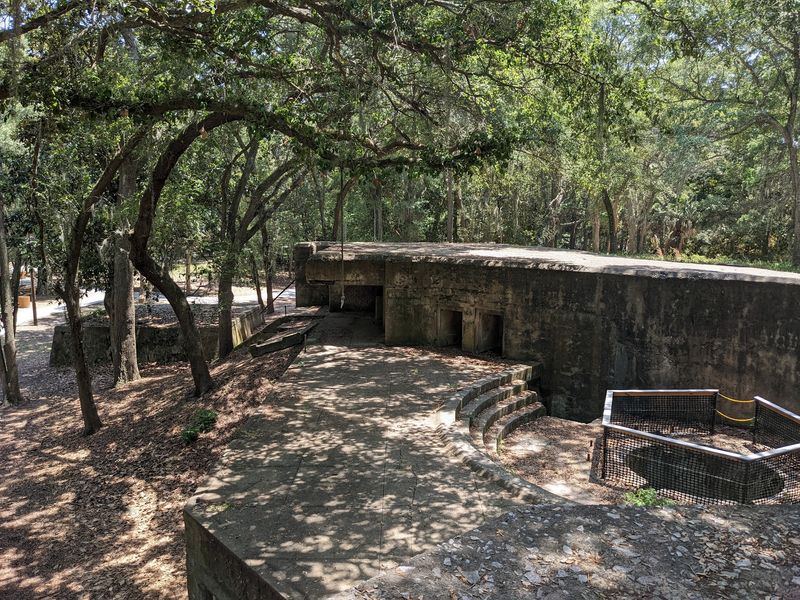
One of the most memorable parts of any visit here is climbing up onto the ramparts and looking out over Port Royal Sound. The view is genuinely striking, with open water stretching out in both directions and the flat Lowcountry landscape spreading across the horizon.
Standing up there, it is easy to understand why this location was chosen for coastal defense. The elevated position would have given artillery crews a commanding line of sight over any approaching vessel.
The strategic thinking behind the placement becomes obvious the moment you reach the top.
A word of caution worth passing along: there are no railings or barriers along the top of the ramparts, and drops of several feet onto concrete are possible. Keeping a close eye on young children up there is genuinely important.
Wear solid, non-slip shoes, especially if leaves or moisture have made the surfaces slick.
The Visitor Center and Its Exhibits
The visitor center at Fort Fremont is compact but genuinely informative. Inside, you will find scale models showing how the original fort was armed, along with displays that trace the construction process and the military strategy behind the installation.
A short film plays inside the center and does a solid job of placing the fort within its broader historical context. Watching it before walking the grounds makes the whole experience click into place in a way that self-guided wandering alone cannot quite achieve.
The interpretive center is staffed by people who clearly care about the history here. They are knowledgeable and happy to answer questions in detail.
Hours for the center are more limited than the preserve itself, so checking the schedule before you go is worth the extra minute. Clean restrooms and a water fountain are available at the center building every day.
Self-Guided Tours Through the Preserve App
Not everyone wants to follow a guided tour, and the folks at Fort Fremont have thought about that. The preserve offers a self-guided tour through a dedicated app, which lets you move at your own pace while still accessing detailed historical commentary tied to specific spots around the site.
The app format works particularly well for families with kids who like to wander, since you are not locked into a fixed schedule or a group pace. You can linger at the battery structures as long as you like, then pull up the next stop whenever you are ready.
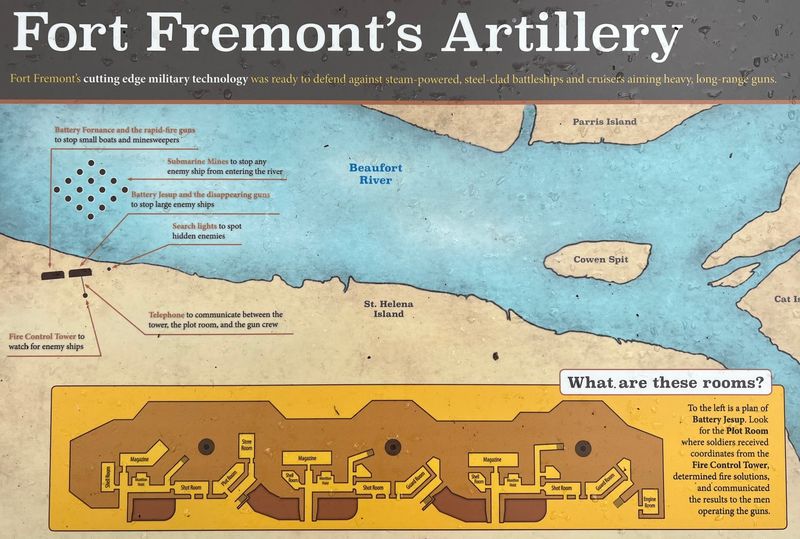
Throughout the preserve, informational displays are also posted at key points, covering topics like the fort’s conception, construction methods, defensive capabilities, armament, and eventual decommissioning. Even without the app, there is enough on-site context to make the visit feel educational rather than confusing.
Both options work well depending on your preference.
The Small Beach Hidden Just Behind the Fort
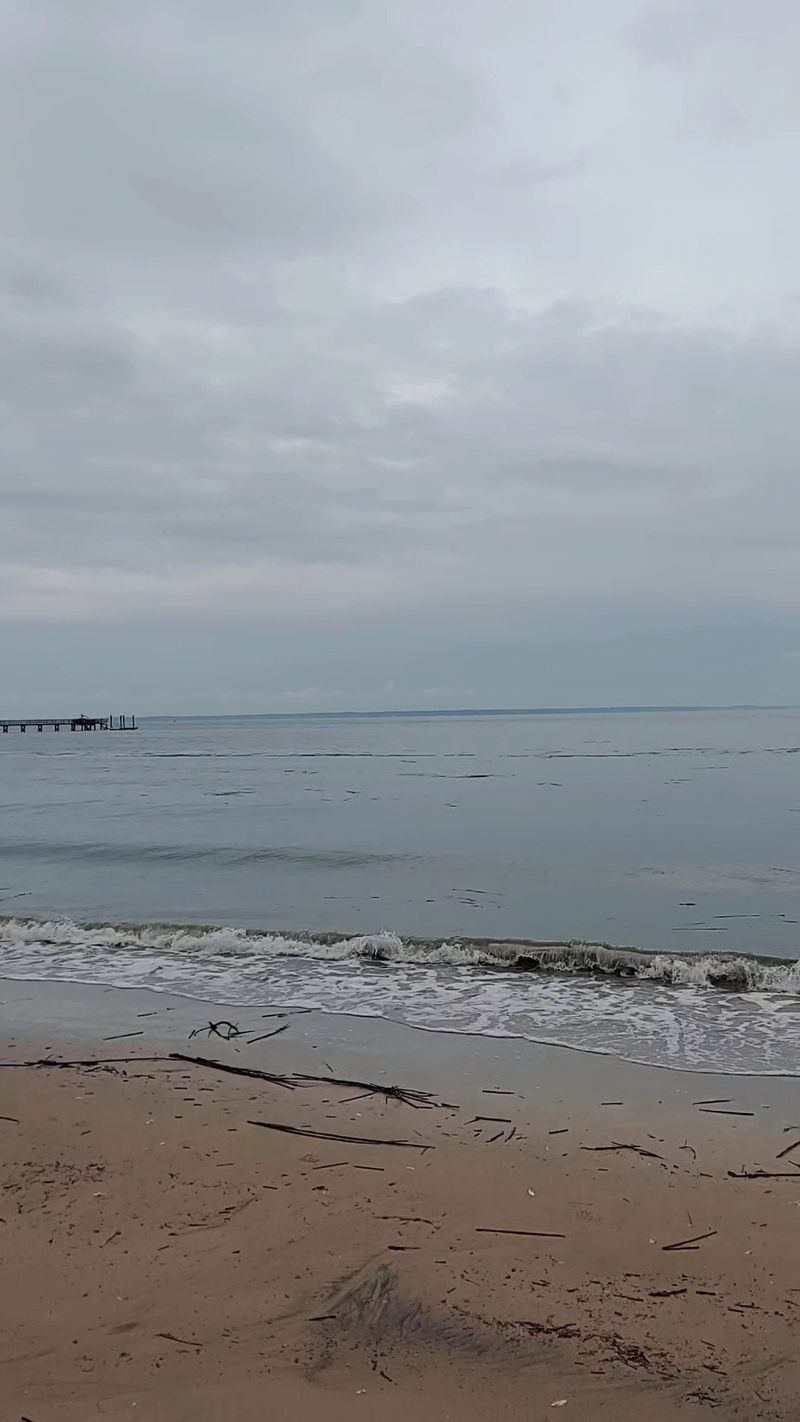
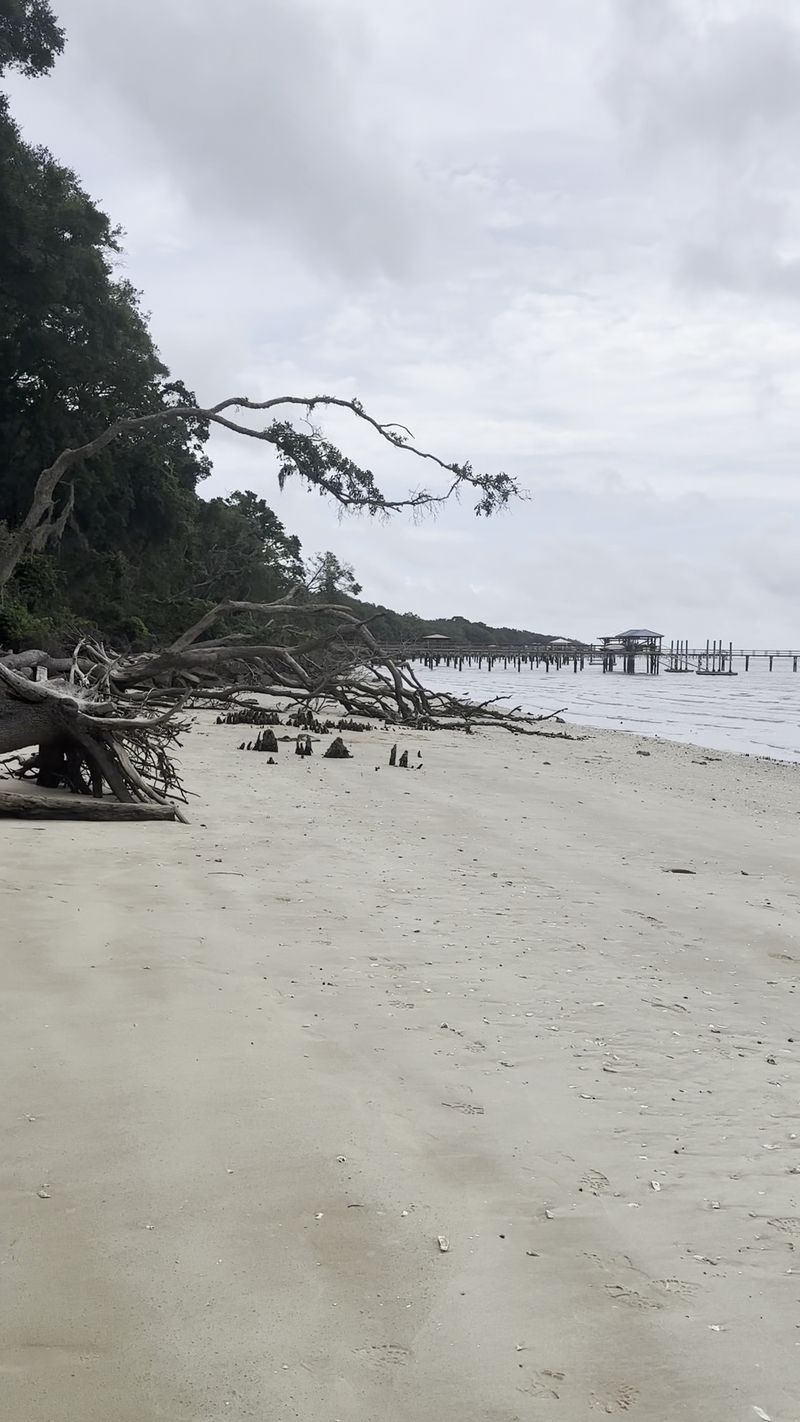
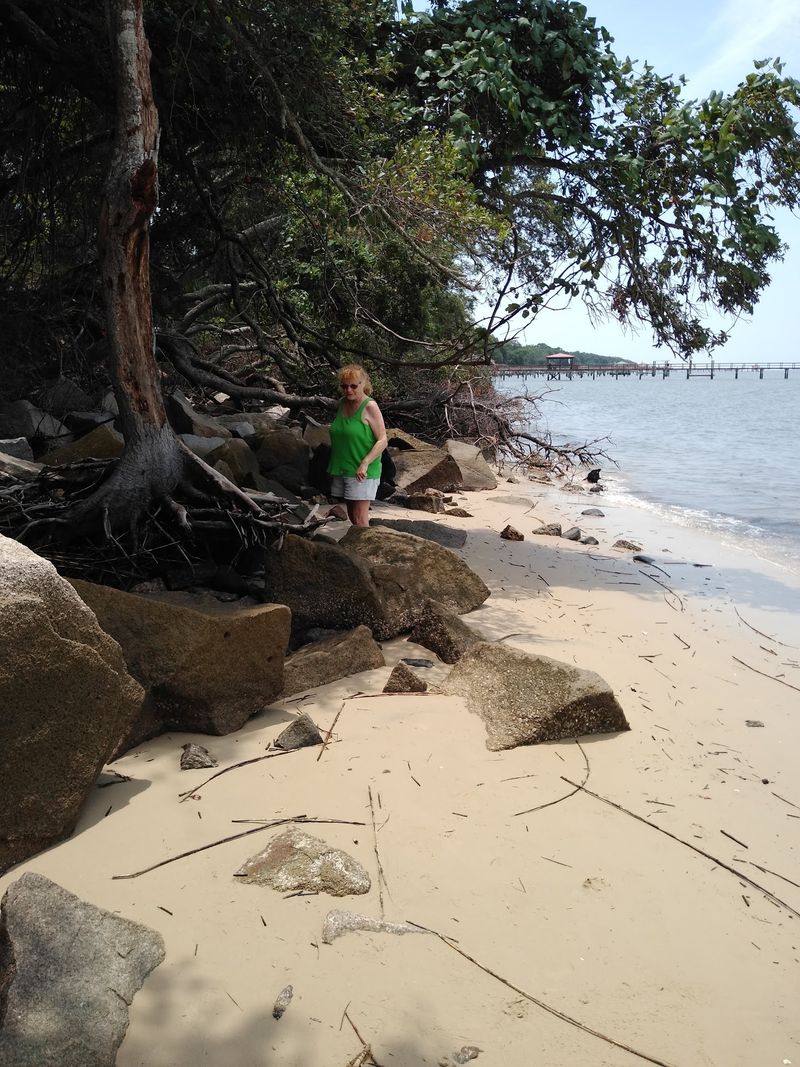
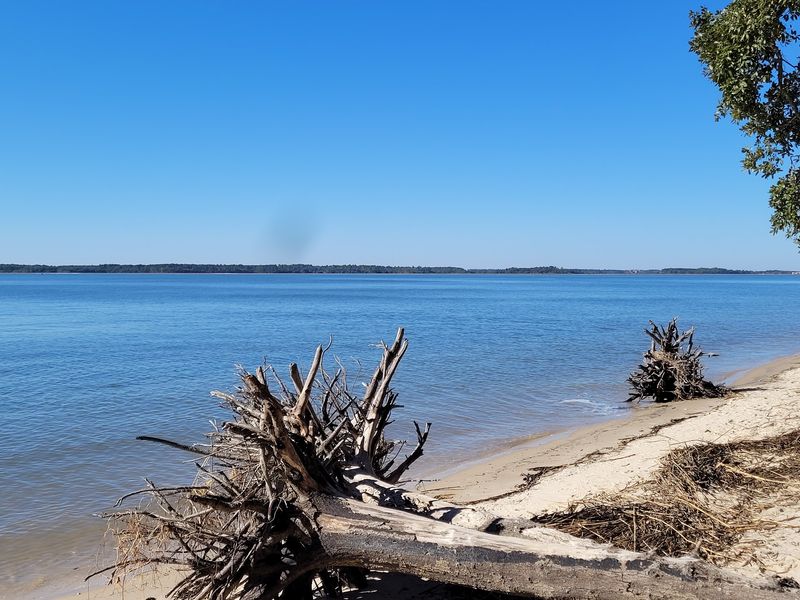
Here is the detail that tends to genuinely surprise first-time visitors: there is a beach right here. A short walk behind the fort leads you to a small inlet beach where the water is calm and the scenery is completely different from the industrial-scale concrete you just left behind.
The beach is lined with pieces of driftwood and scattered seashells, and the overall vibe is quiet and almost private. On most days, the number of people there is low enough that you can find a stretch of sand entirely to yourself.
Sea birds work the shoreline, and the sound of the water rolling in creates a genuinely peaceful atmosphere after the historical intensity of the fort itself. The contrast between the two environments, one hard and military, the other soft and coastal, is part of what makes this preserve feel like two completely different experiences packed into one visit.
Shelling and Exploring Along the Water’s Edge
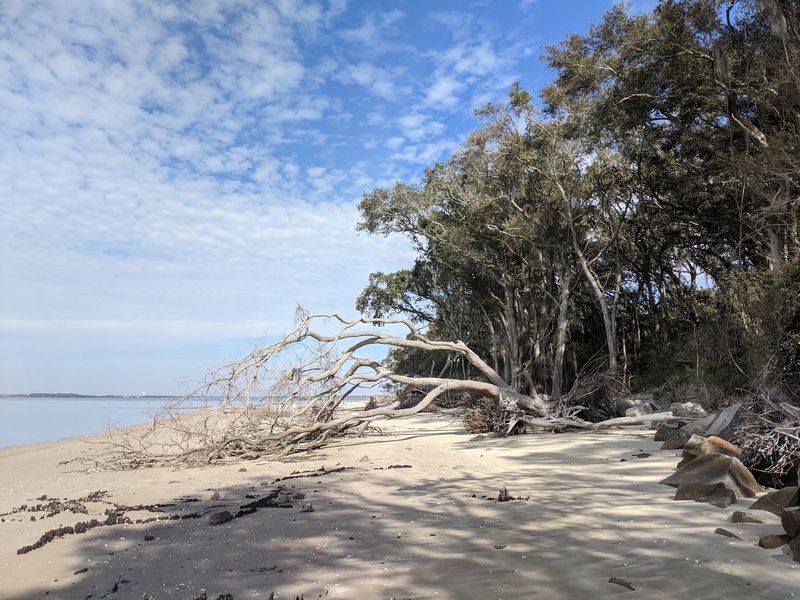
The inlet beach at Fort Fremont is a solid spot for shell hunting. Visitors who take a slow walk along the waterline tend to find a good variety of shells and smooth rocks, especially after the tide has shifted and deposited a fresh layer along the sand.
The shells here are not always perfect, but that is part of what makes beachcombing feel authentic rather than curated. You are picking through what the water actually brought in, which changes from visit to visit depending on the season and the tides.
Kids especially seem to love this part of the outing. After spending time walking around concrete ruins and reading historical displays, having a stretch of open beach to run on and collect things from feels like a natural reward.
More than one family has reportedly lost track of time here, which is honestly a good sign for any outdoor destination.
The Picnic Area and Outdoor Facilities
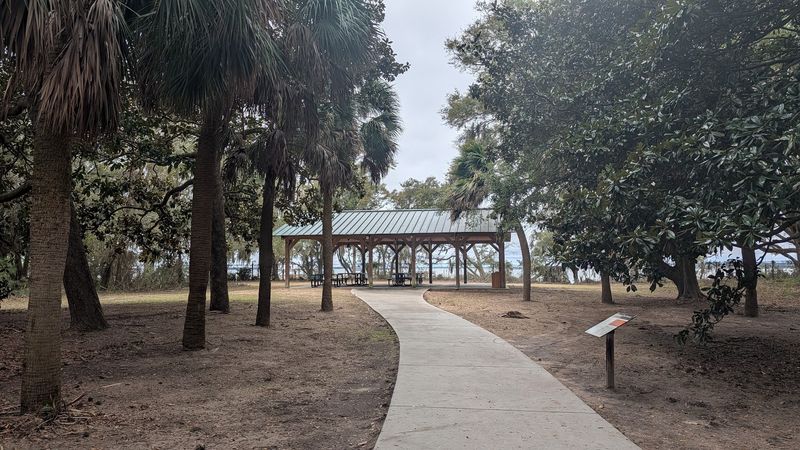
Fort Fremont is genuinely well set up for a half-day outing. The picnic area here is one of the better ones you will find at a free public preserve, with covered tables that provide real shade during warm Lowcountry afternoons when the sun gets serious about making its presence known.
A gazebo has been added more recently, creating another comfortable spot to sit, eat, and watch the surroundings without baking in direct sunlight. Paved pathways have also been improved, which makes the preserve more accessible for visitors who need a smoother surface to navigate.
Parking is available on-site with enough spaces to handle a reasonable number of visitors without things feeling cramped. The restrooms are clean and accessible from the visitor center building every day of the week.
Having these practical amenities in place makes it easy to plan a longer stay rather than just a quick pass-through.
Sunset Visits and the Golden Hour Drive
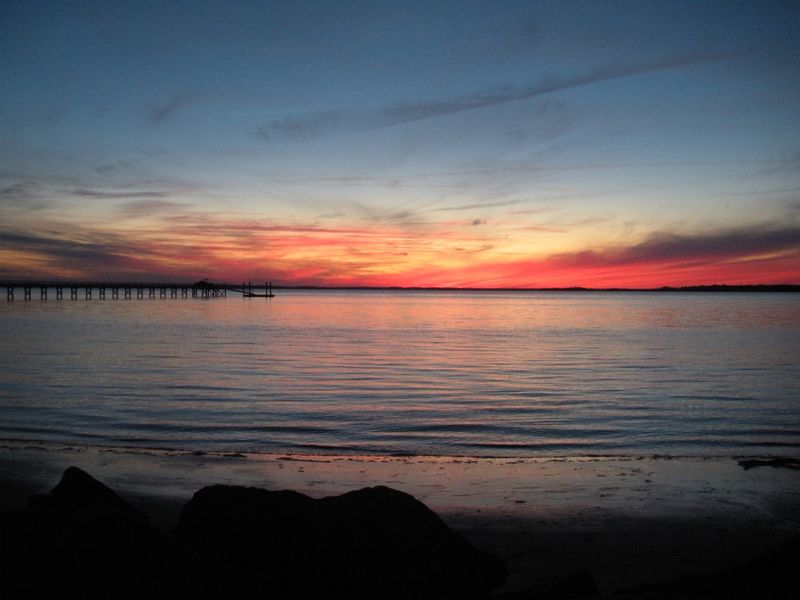
Timing a visit to Fort Fremont around sunset turns a good outing into a great one. The preserve stays open until 7 PM, which during much of the year lines up nicely with the golden hour light that settles over the Lowcountry in the late afternoon.
The drive along Lands End Road during that time of day is genuinely beautiful. Live oak trees draped in Spanish moss catch the warm light in a way that makes the whole road feel cinematic without trying to be.
The water views near the preserve shift from blue to amber as the sun drops, and the fort’s concrete surfaces take on a warmer tone that softens the whole scene.
Visiting near closing time also tends to mean fewer people on the grounds, which makes the experience feel quieter and more personal. Early evening at the beach section is particularly peaceful and worth planning around if your schedule allows it.
What Kids Discover at Fort Fremont
Fort Fremont has a way of turning history into something kids actually want to engage with. The scale of the concrete batteries is impressive enough to hold a child’s attention without any extra explanation needed.
Walking through the ammunition storage rooms and climbing the earthen slopes around the batteries feels more like adventure than a classroom lesson.
The combination of fort exploration and beach access makes this a genuinely well-rounded family stop. Kids who might lose interest in a traditional museum setting tend to stay engaged here because there is always something physical to do, whether that is hunting for shells, climbing accessible sections of the fort, or just running around the open grounds.
Parents appreciate that the experience naturally opens up conversations about American history without forcing it. The fort’s story, built during wartime but never used in battle, is the kind of detail that tends to stick with younger visitors long after the drive home.
The Decommissioning Story and Why the Fort Was Abandoned
The fort’s short operational life is one of the most interesting chapters of its story. After the Spanish-American War ended quickly and the immediate threat to the coast faded, the military presence at Fort Fremont became harder to justify.
The installation was eventually decommissioned and the land was transferred away from federal control.
Over the following decades, the site sat largely forgotten, with the concrete batteries slowly being overtaken by vegetation and the elements. The Lowcountry climate is not gentle on anything left unattended, and the fort shows those decades of exposure in the texture of its walls and the plant life that has threaded through every available crack.
What saved the site from complete deterioration was growing recognition of its historical significance. Preservation efforts eventually brought the property into public hands, and the work done to stabilize and interpret the ruins has given the fort a second life as an educational landmark worth protecting.
Informational Displays Scattered Throughout the Grounds
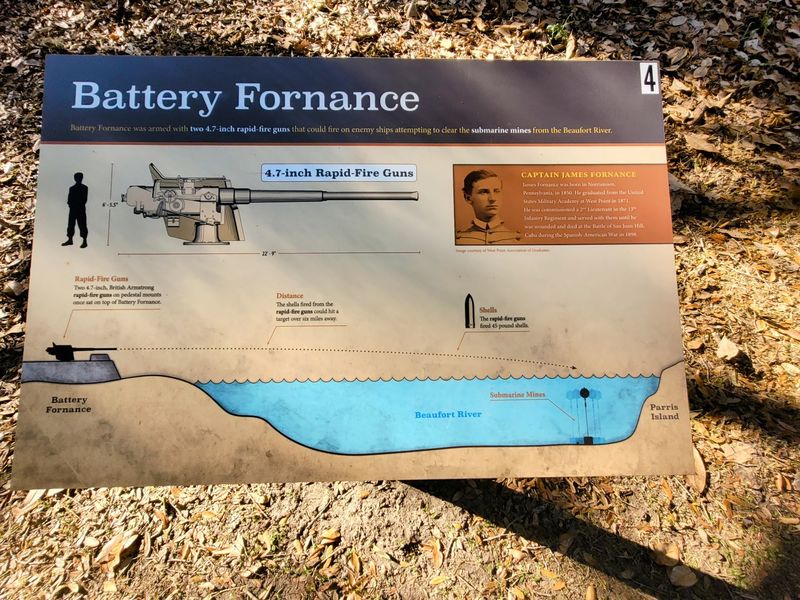
One of the thoughtful touches at Fort Fremont is the placement of informational displays throughout the preserve grounds. Rather than funneling all the historical context into one building, the site distributes it across multiple stations positioned near the relevant structures.
Each display covers a different aspect of the fort’s story, from the reasoning behind its construction to the specific types of artillery that were mounted here. Reading through them in sequence as you walk the grounds creates a natural narrative arc that builds as you move from one structure to the next.
The writing on the displays is clear and accessible, making it easy for visitors of all ages to follow along without needing a background in military history. For anyone who arrives when the visitor center is closed, these outdoor panels ensure the visit still delivers real educational value.
They are one of the more underappreciated features of the whole preserve.
Photography Opportunities at the Fort and Beach
Fort Fremont is a genuinely photogenic place, and not just because the ruins look dramatic. The combination of weathered concrete, creeping vegetation, open water views, and the soft Lowcountry light creates a layered visual environment that rewards anyone who takes the time to explore different angles.
The beach section offers its own set of compelling shots, particularly in the early morning or late afternoon when the light is low and the water reflects the sky. Pieces of driftwood scattered along the shoreline add natural foreground interest that does not require any staging.
The drive to the preserve is worth photographing too. The live oak canopy along Lands End Road is the kind of scene that looks almost too beautiful to be real, especially when Spanish moss catches the late afternoon sun.
More than a few visitors have mentioned that the drive itself produced some of their favorite images from the trip.
Practical Tips for Planning Your Visit
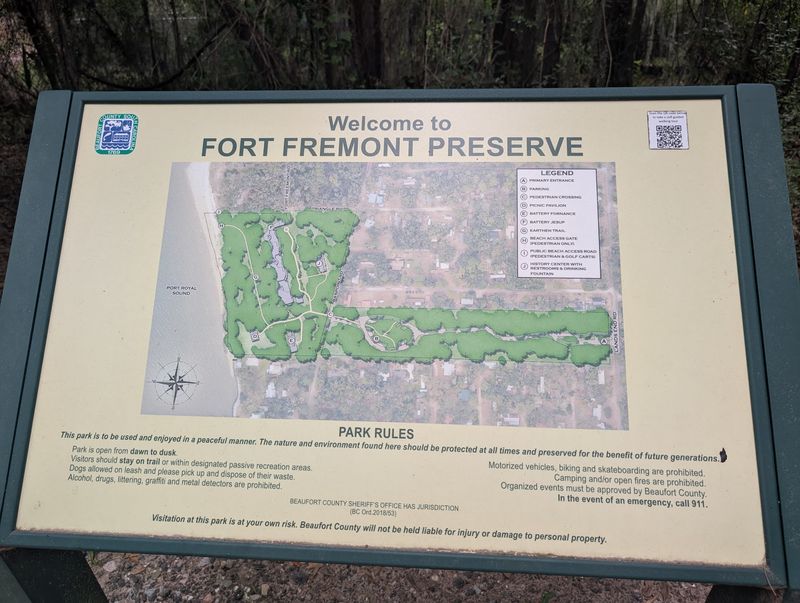
A few practical details can make a real difference in how much you get out of a visit to Fort Fremont. The preserve is open daily from 7 AM to 7 PM, and admission is free every day of the week.
The visitor center has more limited hours, so checking the current schedule at fortfremont.org before you go will save any disappointment on arrival.
Wear comfortable shoes with good grip. The ramparts and some of the earthen areas around the batteries can be uneven, and leaf cover in certain seasons makes footing less predictable than it looks.
Bringing water is a good idea, especially during warmer months when the Lowcountry humidity makes even a short walk feel more demanding than expected.
The preserve works well as a standalone outing or as part of a longer day exploring St. Helena Island and the surrounding Sea Islands. Either way, setting aside at least two hours gives you enough time to do the fort and the beach justice.
Share this story