Three waterfalls tumbling side by side over a mossy cliff, with limestone caves carved into the rock just steps away – that is not something you expect to find tucked into a quiet canyon in western Colorado. Most people drive right past the turnoff without a second thought, completely unaware of what is waiting at the end of that winding road.
Rifle Falls State Park is one of those rare places that genuinely surprises you, no matter how many photos you have seen beforehand. The mist, the sound of rushing water, and the dark cave openings waiting to be explored make this small park feel far bigger than its size suggests.
The Triple Waterfall That Stops Everyone in Their Tracks
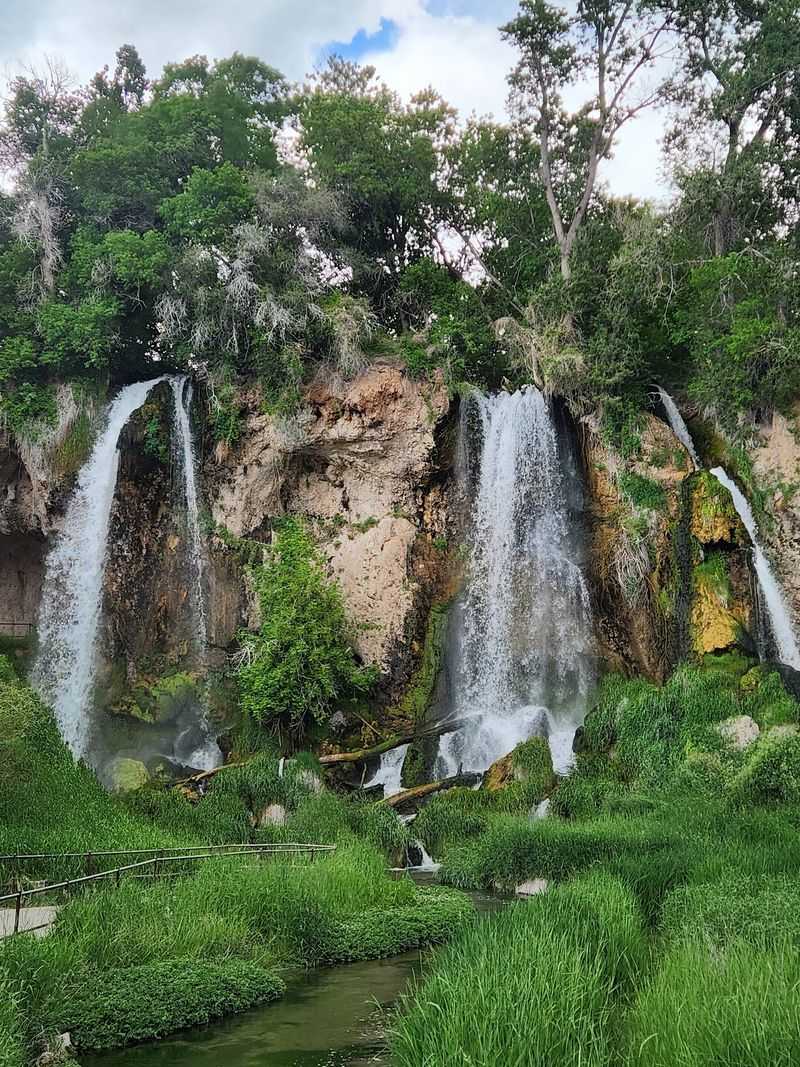
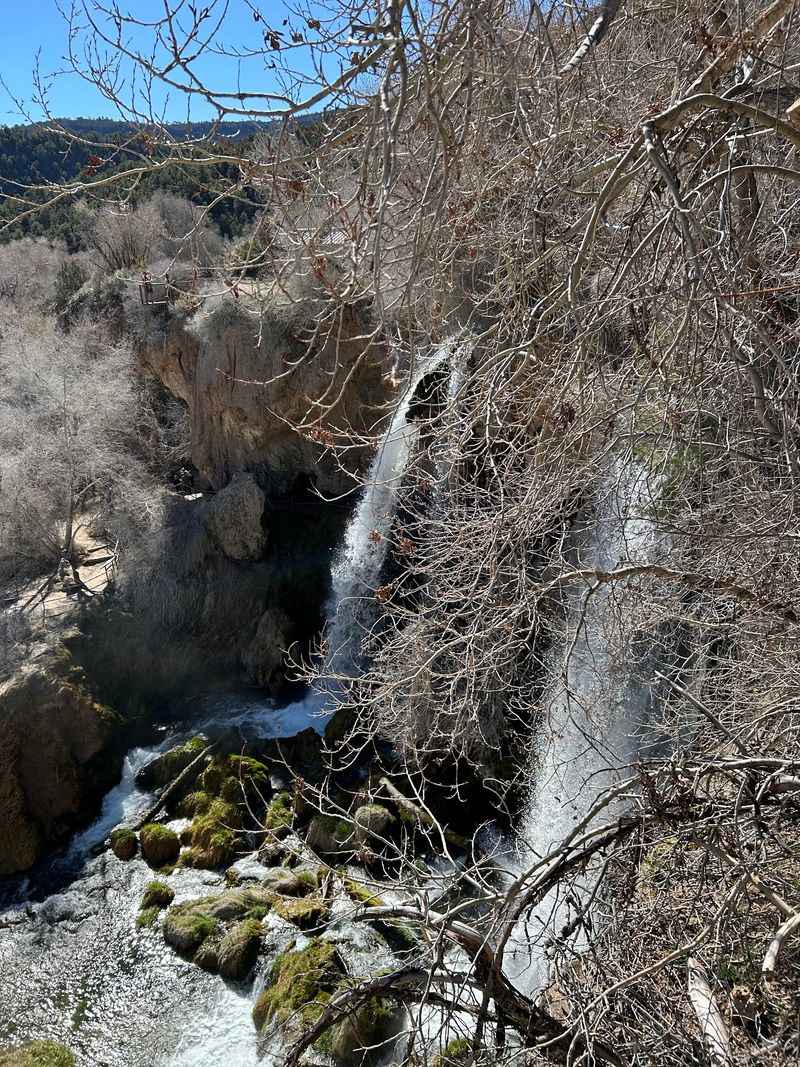
Most waterfalls give you one curtain of water and call it a day. Rifle Falls gives you three, all tumbling simultaneously down a 70-foot travertine cliff, side by side, like nature decided one was simply not enough.
The visual impact hits you almost immediately after leaving the parking area. The path curves gently, and then suddenly the falls appear in full view, framed by dripping green moss and canyon walls.
The sound alone is worth the drive.
What makes this waterfall genuinely unusual is the travertine limestone formation it flows over, built up over thousands of years by mineral-rich water. The cliff face is alive with ferns, mosses, and wildflowers clinging to every wet surface.
You can stand at the base and feel the cool mist settle on your skin. The whole scene feels almost tropical, which makes it especially surprising given the dry western Colorado landscape surrounding it.
Rifle Falls State Park: Where to Find It and What to Expect
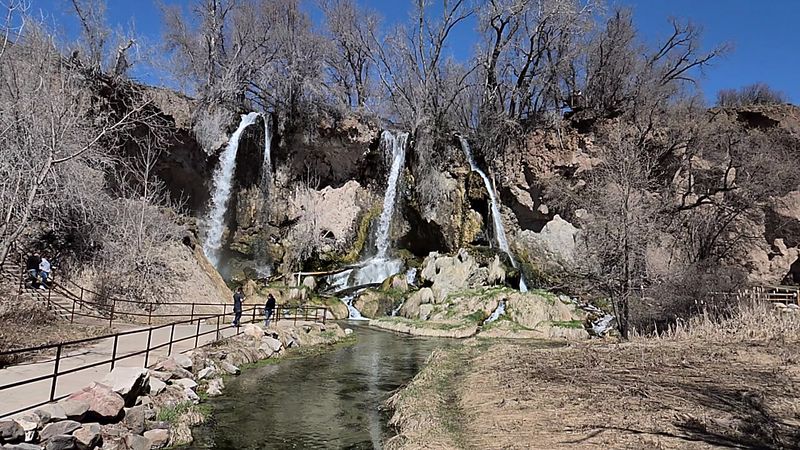
Getting here requires a short detour off Interstate 70, but the drive itself is part of the reward. The road winds through a narrow canyon carved by East Rifle Creek, with steep rock walls rising on both sides as you get closer.
Rifle Falls State Park is located at 5775 Highway 325, Rifle, CO 81650, in the United States. The park opens daily at 8 AM and closes at 10 PM, giving visitors plenty of time to explore without feeling rushed.
A day pass is required and is currently cash only, so come prepared.
The park sits on a compact piece of land that packs in an impressive amount of natural variety. Waterfalls, limestone caves, hiking trails, campgrounds, wildlife, and a nearby fish hatchery all share this small canyon.
First-time visitors are often surprised by how much is available within such a short walking distance from the parking area.
Limestone Caves That Beg to Be Explored
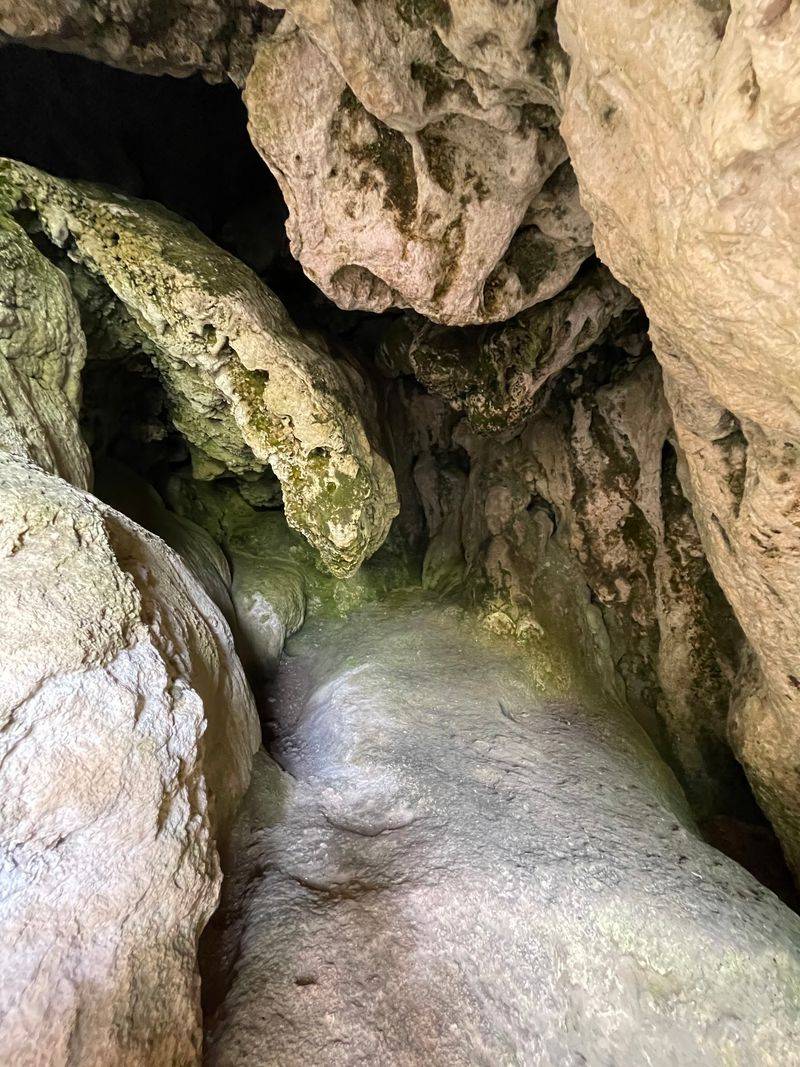
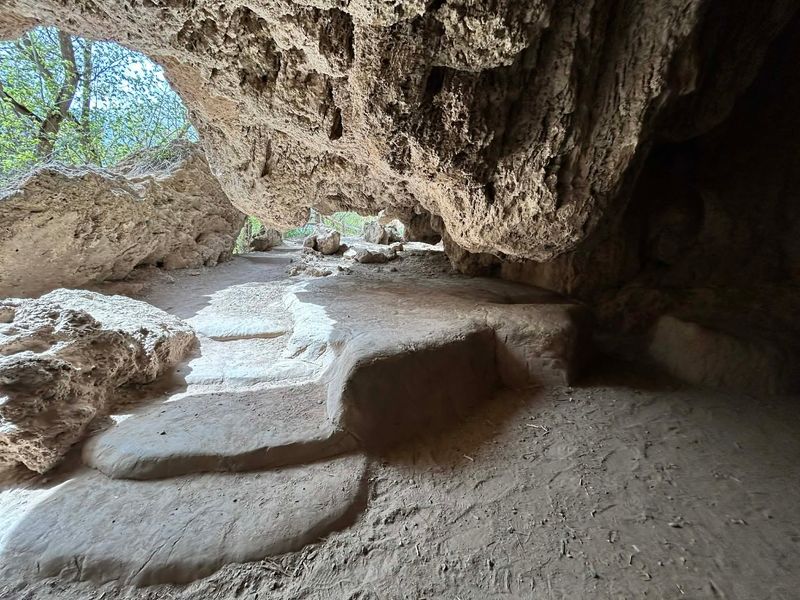
The caves at Rifle Falls are not the polished, guided-tour kind. These are raw, dark, bat-inhabited limestone chambers carved naturally into the cliff, and they sit just a short walk from the main waterfall viewing area.
Several cave openings are visible from the Coyote Trail, and the more curious visitors can step inside and let their eyes adjust to the darkness. Bringing a headlamp is a genuinely good idea here.
The caves are marked as bat habitat, and depending on the season, you might hear movement deep inside before you see anything.
Even if you only peek in from the entrance, the experience feels surprisingly adventurous for a park this accessible. The contrast between the bright, mist-soaked waterfall and the cool, shadowy cave interiors is striking.
These limestone formations took thousands of years to develop, and standing inside them makes that timeline feel very real and a little humbling.
The Coyote Trail and What You Will Discover Along It
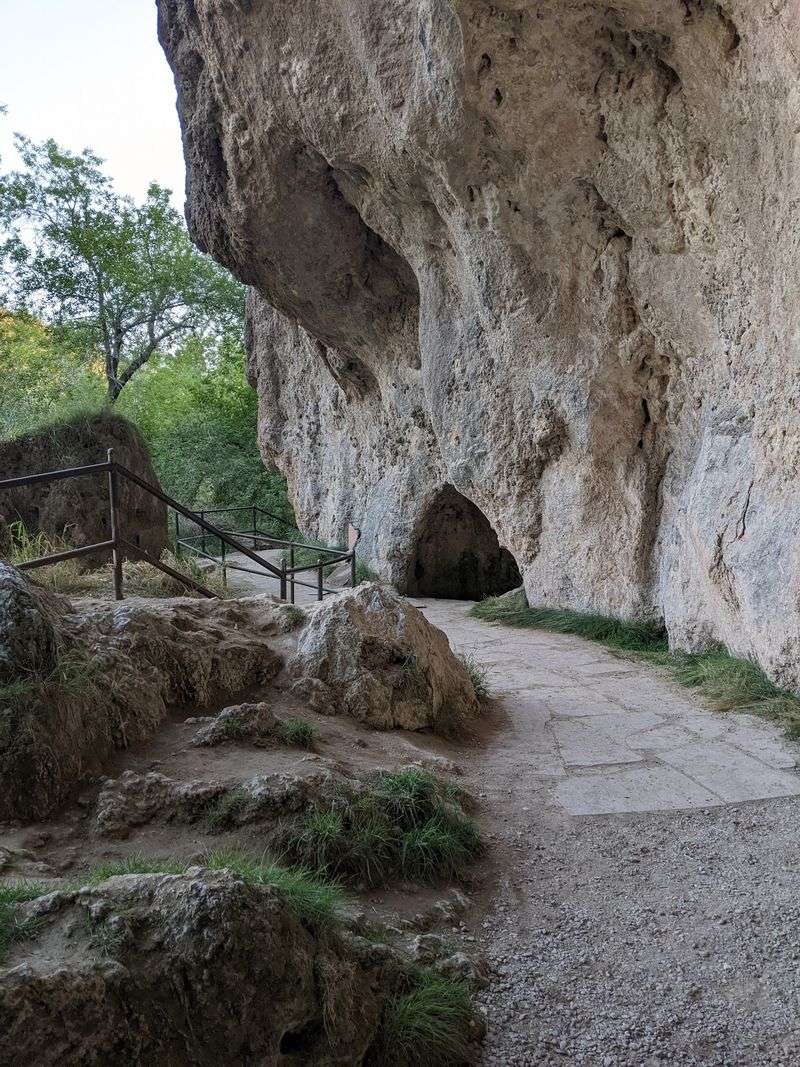
The Coyote Trail is the trail most worth your time at Rifle Falls. It loops from the base of the falls, climbs past the cave openings, and eventually brings you up to a viewpoint above the waterfall where you can look back down at the canyon below.
The elevation gain is not extreme, but there are stairs built into the cliff face that require some steady footing. Wear shoes with actual grip.
The trail surface can be slick from mist and spray, especially near the lower sections close to the falls. Hiking boots are a smart call, and so are grippy gloves if you plan to use the handrails on the steeper stair sections.
The payoff at the top is a clear view of the reservoir that feeds the three falls, along with a bird’s-eye perspective of the canyon that is genuinely hard to capture in a photo. Most visitors find the loop takes well under an hour at a relaxed pace.
Walking Behind the Waterfall – Yes, That Is Actually Possible
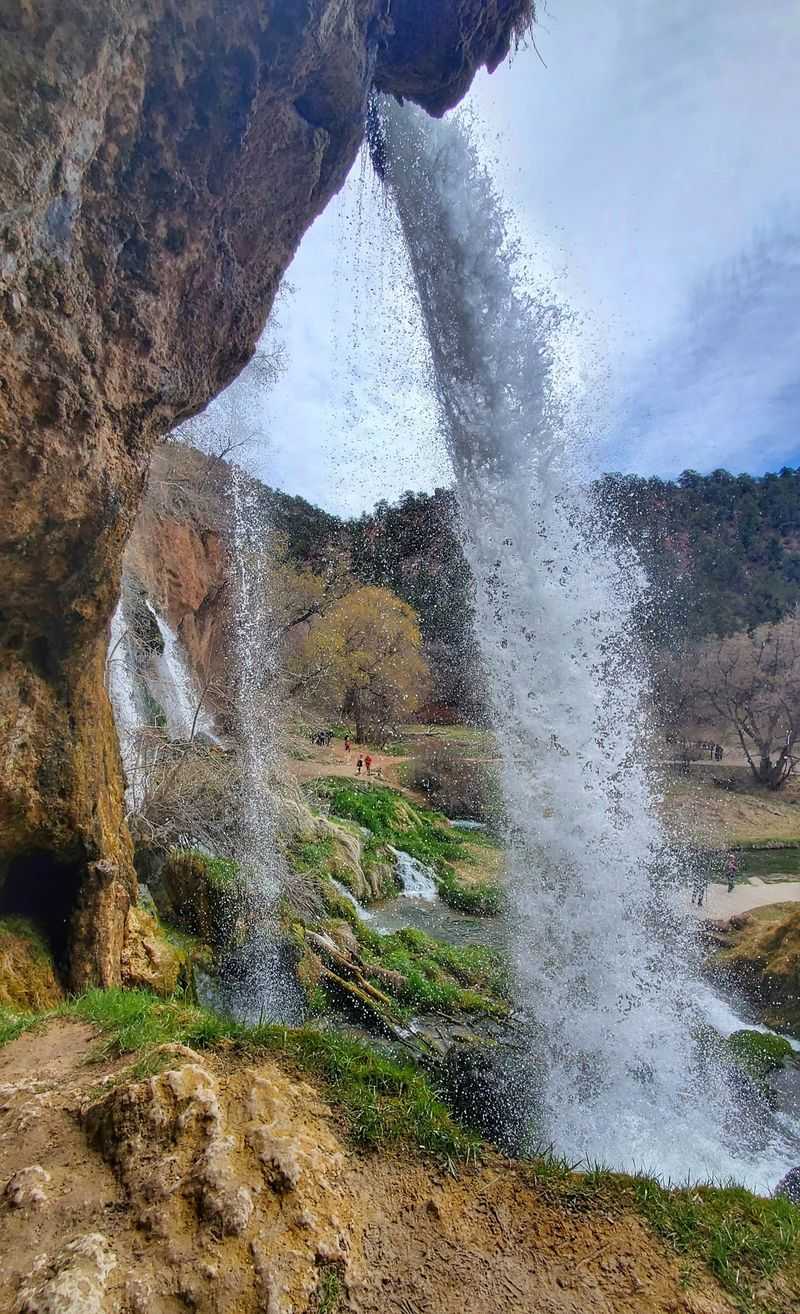
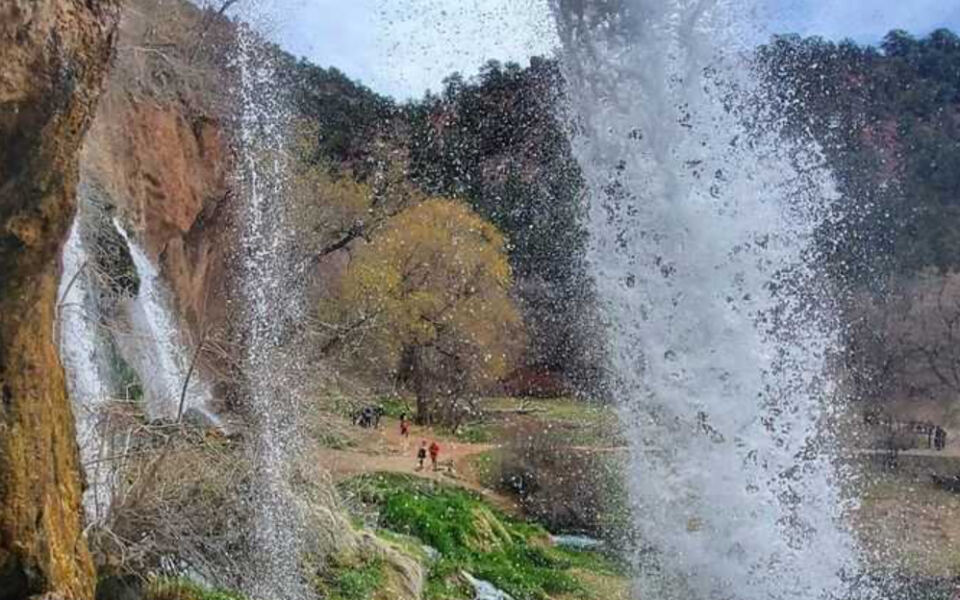
There is a moment on the trail near the base of Rifle Falls where you can position yourself behind the falling water and look out through the curtain toward the canyon. It is one of those experiences that photos simply cannot translate accurately.
The sound from behind the falls is completely different from what you hear standing in front of them. The roar becomes surrounding rather than directional, and the mist wraps around you from every angle.
The light filtering through the water creates shifting patterns on the wet rock walls that change constantly as the flow shifts.
Not everyone realizes this option exists, which means the spot tends to be less crowded than the main viewing area directly in front of the falls. Taking a moment to step around and experience the waterfall from that angle adds a completely different layer to the visit.
It is one of those quiet surprises the park does not advertise loudly.
The Travertine Cliff and How It Keeps Growing
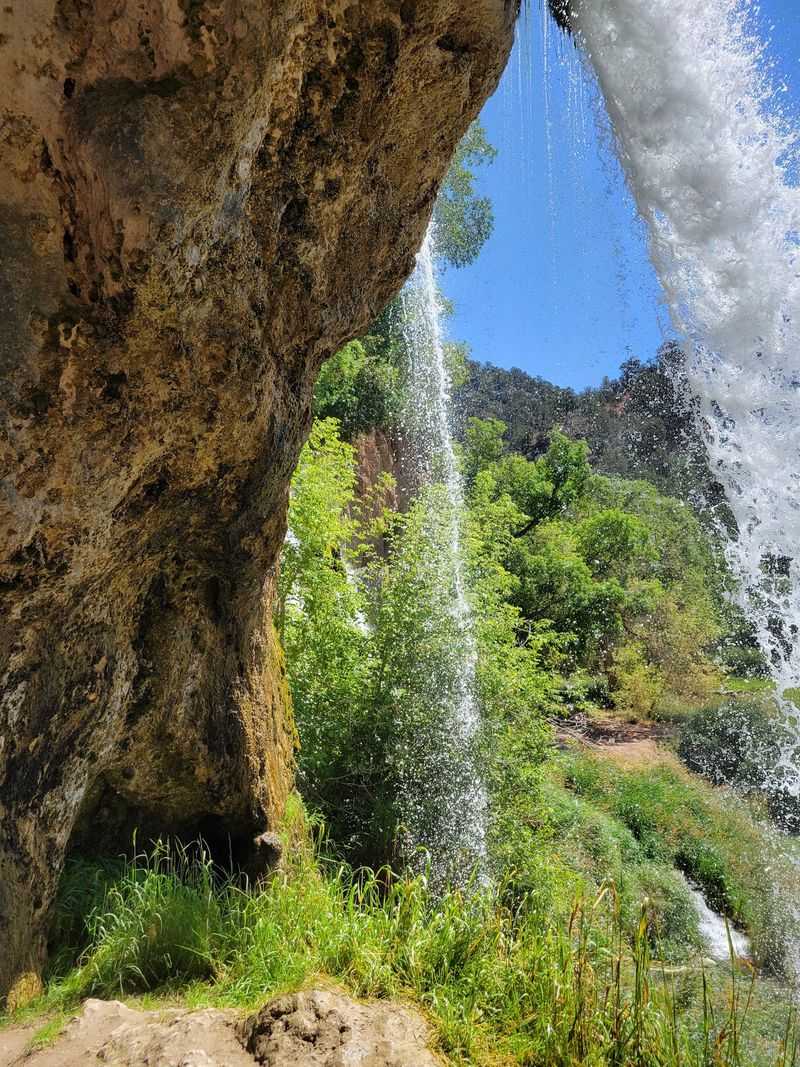
The cliff the waterfalls tumble over is not ordinary rock. It is travertine, a type of limestone formed when mineral-laden water deposits calcium carbonate as it flows and evaporates over time.
The cliff at Rifle Falls is still actively growing, which makes it one of the more geologically alive features in the state park system.
That mineral process is also responsible for the caves nearby. As water carved and deposited material over thousands of years, it left behind hollow chambers and layered formations that now define the character of this canyon.
The mossy, dripping surface of the cliff is a direct result of that ongoing mineral activity.
Looking closely at the rock face, you can see layers of different textures and colors stacked on top of each other. Each layer represents a different period of water flow and mineral deposit.
It is slow-motion geology happening right in front of you, and most visitors walk right past without realizing it.
Wildlife Watching in a Canyon That Rewards Patience
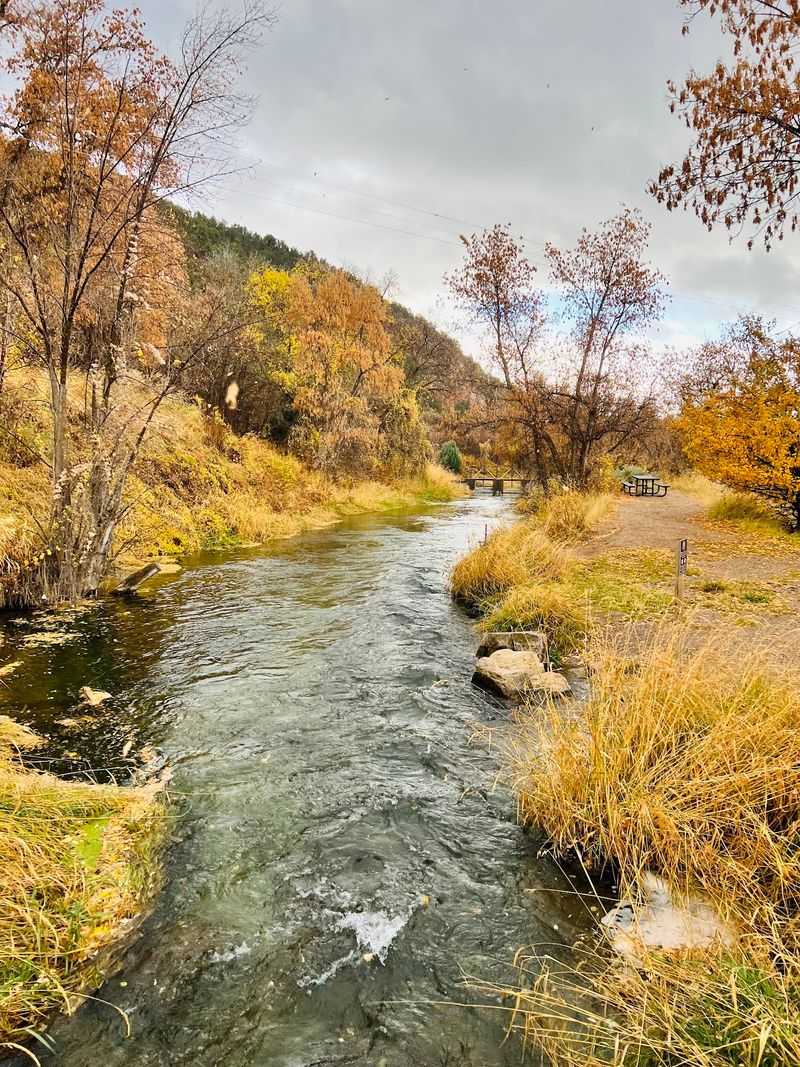
Brook trout are easy to spot in the clear water of East Rifle Creek just below the falls. The water is so transparent that you can watch them hold position in the current without any special equipment.
It is one of those small, satisfying details that makes the park feel genuinely alive rather than just scenic.
Bald eagles have been known to nest in the area, which is part of why certain trail sections are occasionally closed during sensitive nesting periods. Beaver activity is also visible along sections of the creek, and the Beaver Trail offers a good route for spotting signs of their work along the water’s edge.
The canyon environment supports a surprising range of wildlife for such a compact area. Deer, various bird species, and bats all share the park, and the bat caves near the waterfall are an active habitat.
Visiting at dusk gives you a real chance of watching bats emerge from the cave openings above the falls.
Camping Inside the Canyon at Rifle Falls
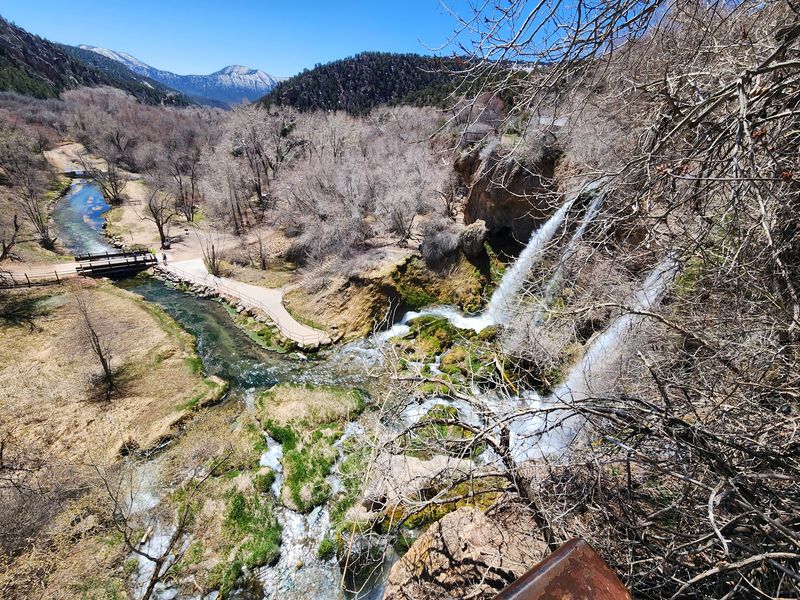
Spending the night at Rifle Falls puts you in a completely different relationship with the park. The campgrounds sit within the canyon itself, and falling asleep to the sound of East Rifle Creek running nearby is a genuinely restful experience that day visitors do not get to have.
The Squirrel Loop walk-in campsites are particularly popular and tend to fill up quickly during warmer months. Arriving early or booking in advance is the practical move.
Firewood is available for purchase inside the park, which saves you the trouble of hauling your own from a distance.
Morning in the canyon is especially quiet. The light comes in slowly over the canyon walls, the air is cool, and the falls are audible from the campground before you even start walking toward them.
Photographers specifically tend to favor early morning light at the falls, when the mist catches the low sun at angles that midday simply does not offer.
How Accessible This Park Really Is for Casual Visitors
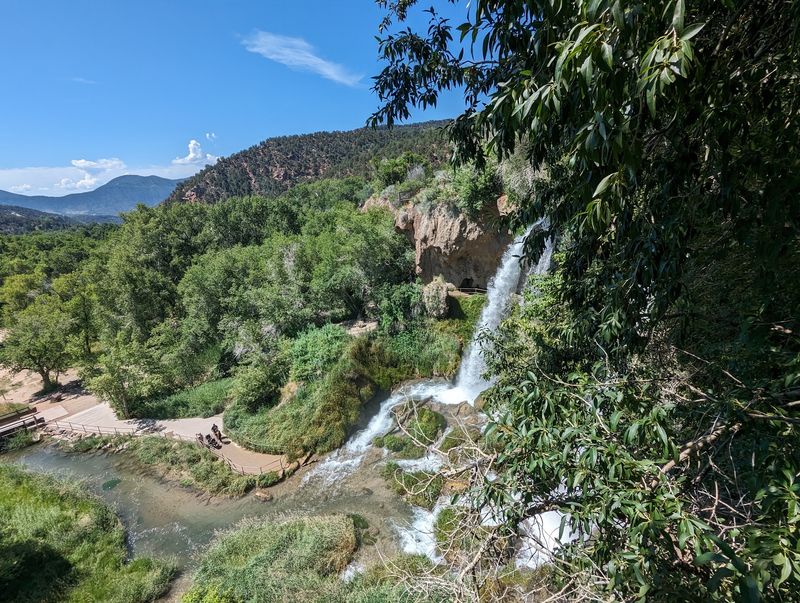
One of the most honest things you can say about Rifle Falls is that you do not need to be a serious hiker to have a genuinely great time here. The path from the parking area to the main waterfall viewing area is short, relatively flat, and accessible to most visitors regardless of fitness level.
The lower section of the trail near the falls is accessible for mobility devices, and the viewing area at the base of the falls gives everyone a full, unobstructed look at all three cascades. The paved and compacted dirt paths make footing straightforward in dry conditions.
The stairs on the upper Coyote Trail section are steeper and require more effort, but they are built with handrails and are manageable for most people who can handle a standard staircase. The park genuinely works for a wide range of visitors, from young kids to older adults who want a meaningful outdoor experience without an intense physical commitment.
The Fish Hatchery Just Beyond the Falls
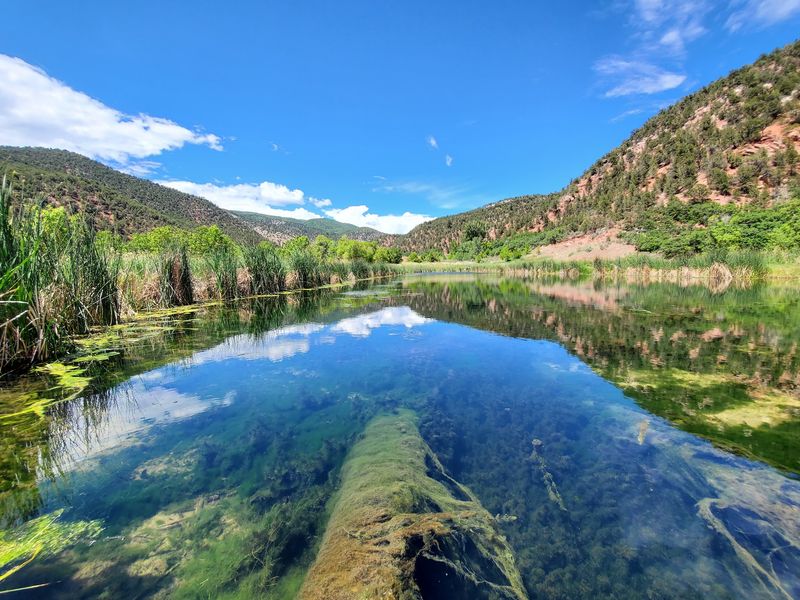
Past the main falls area and up the canyon road sits a fish hatchery that most casual visitors overlook entirely. The Rifle Falls Fish Hatchery is operated by Colorado Parks and Wildlife and raises several species of trout for stocking across the state’s rivers and reservoirs.
Stopping here adds a genuinely interesting layer to the visit, especially for families with kids who are curious about where the fish in Colorado’s waterways actually come from. The rearing ponds are visible, and watching the fish at various stages of growth is unexpectedly engaging even for people who are not particularly interested in fishing.
The hatchery sits at the upper end of the canyon, where the road narrows and the landscape becomes quieter and more remote-feeling. Getting there requires a short additional drive beyond the main park facilities.
The combination of the falls, the caves, and the hatchery makes for a full half-day or longer outing without needing to go anywhere else.
What the Park Looks Like in Winter
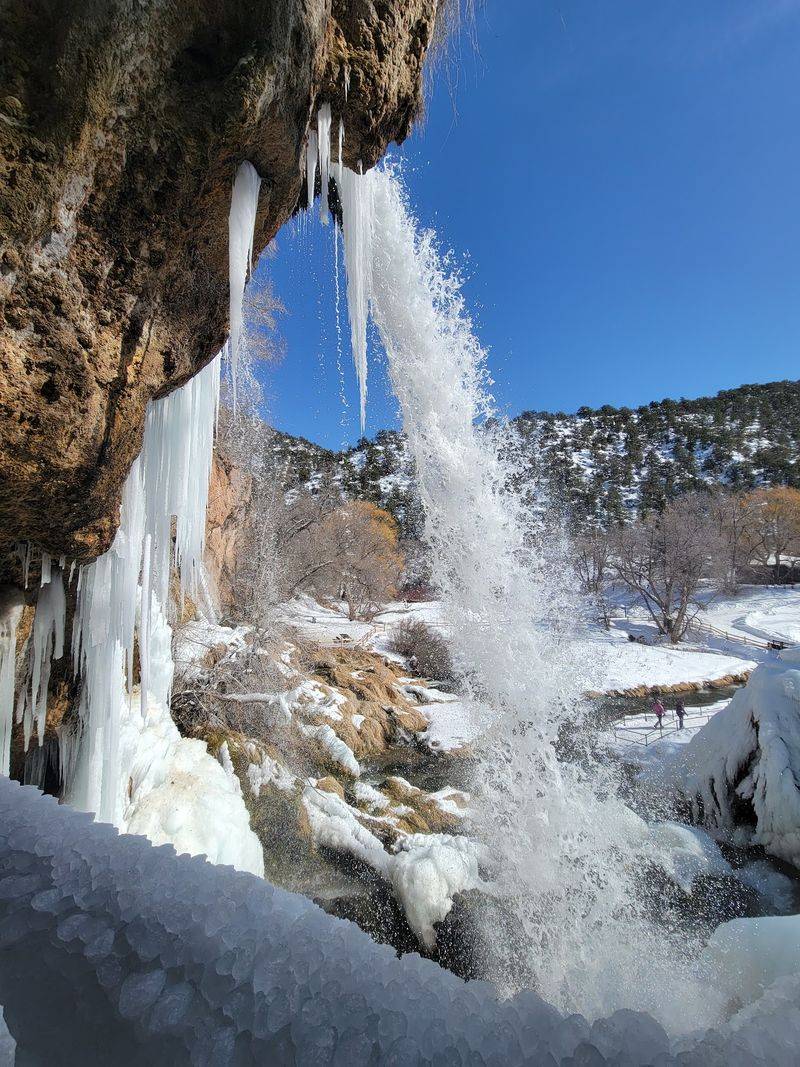
Winter transforms Rifle Falls into something that feels almost surreal. The waterfall partially freezes, creating layered ice formations on the cliff face while water continues to flow behind and through the ice.
The result is a sculptural landscape that looks completely different from the lush green version most photos show.
The mist from the falls freezes on nearby branches and rock surfaces, coating everything within range in a thin layer of ice that catches the light in unexpected ways. The caves take on a different character in cold weather too, with ice formations sometimes developing near the entrances.
Winter visits require more preparation. Ice on the trail surface is a real hazard, and microspikes or traction devices are worth bringing along with insulated layers.
The park sees fewer visitors in winter, which means the canyon feels genuinely quiet in a way that summer simply cannot offer. That solitude, combined with the frozen scenery, makes a cold-weather visit memorable in a completely different way.
The East Rifle Creek Canyon Setting That Frames Everything
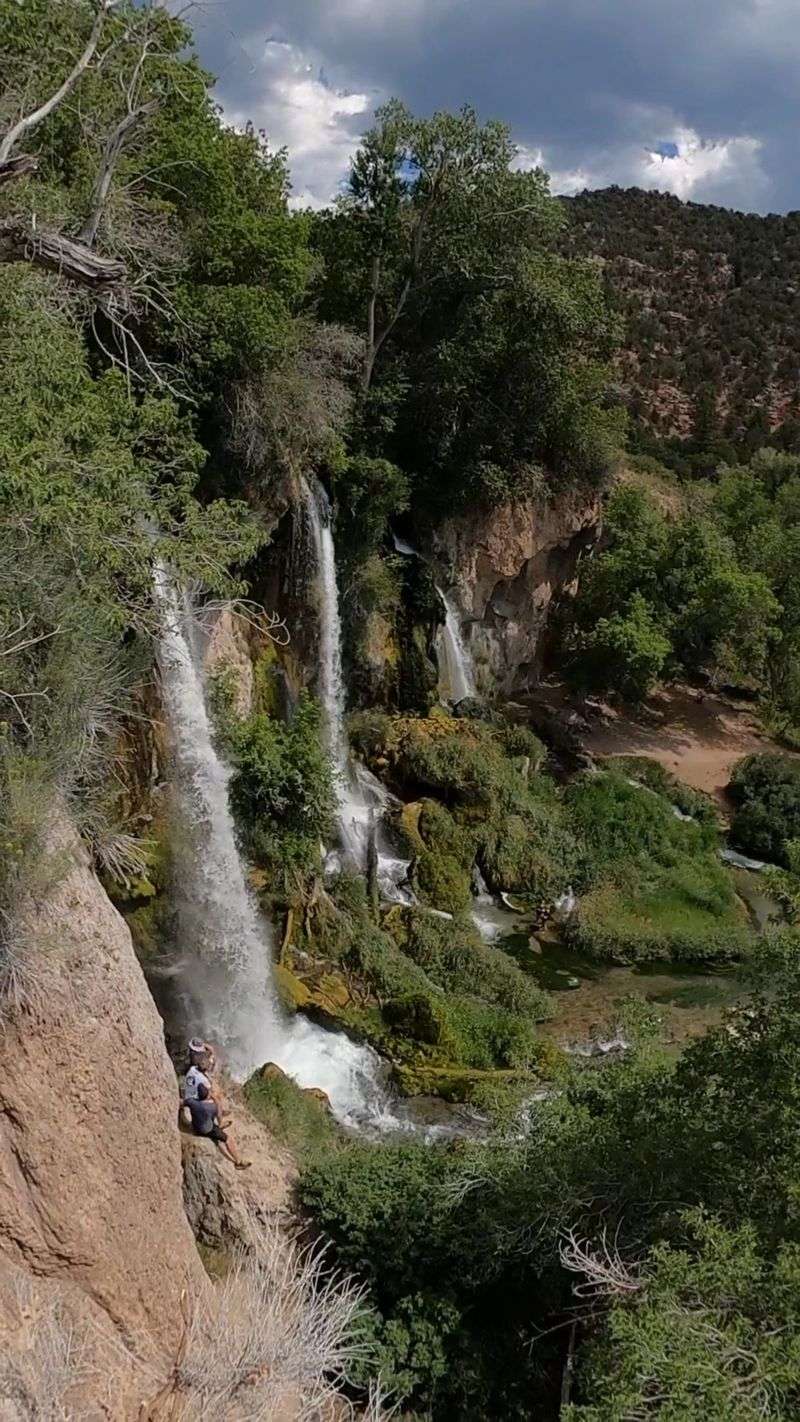
The waterfall and caves get most of the attention, but the canyon itself deserves a moment of recognition. East Rifle Creek carved this narrow passage through the rock over a very long time, and the resulting walls create a sheltered, almost private atmosphere that amplifies everything happening inside it.
The canyon walls trap sound, which is why the falls seem louder than you might expect before you even see them. They also create a microclimate that keeps temperatures noticeably cooler than the surrounding high desert terrain.
In summer, that temperature difference is immediately apparent when you turn off the main highway and start driving toward the park.
Cottonwood trees line the creek bed and fill the canyon with dappled shade during warmer months. The combination of the water, the rock, the trees, and the falls creates a sensory environment that feels complete and self-contained.
The canyon does not need anything added to it to feel like a genuinely special place.
Practical Tips That Will Make Your Visit Much Smoother
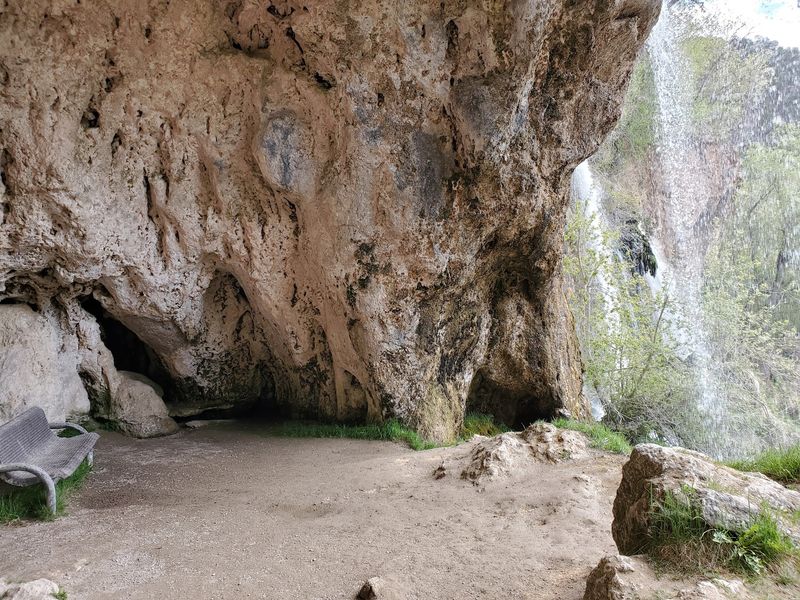
A few practical details can make a real difference here. The parking area near the falls fills up fast on weekends and summer mornings, so arriving early or timing your visit for late afternoon genuinely helps.
The day pass is cash only, so stop at an ATM before heading up the canyon road.
The park allows leashed dogs on the trails, which is a detail that matters to a lot of visitors. There are picnic tables available near the falls area, making it a workable spot for a relaxed outdoor lunch without much setup required.
Restroom facilities are on-site near the parking and camping areas.
Cell service is limited inside the canyon, so downloading a map or trail information beforehand is a smart move. Bring water and snacks since there are no food vendors inside the park.
Spending at least two to three hours gives you enough time to see the falls, explore the caves, and walk the Coyote Trail without feeling rushed.
Photography Opportunities That Keep People Coming Back
Rifle Falls is the kind of place that fills up a memory card fast. The triple waterfall provides a naturally compelling subject at almost any time of day, but the light changes dramatically depending on when you visit.
Morning light hits the cliff face directly and brings out the green of the moss and ferns in a way that afternoon light simply does not replicate.
The cave openings create interesting framing opportunities for photographers willing to position themselves creatively. Shooting from inside a cave entrance toward the falls produces images with natural dark foreground framing and bright water in the background.
The contrast works well even on overcast days when direct sunlight is not available.
Long exposure shots of the falls require a tripod and some patience with other visitors moving through the frame, but the results can be genuinely striking. The mist that settles around the base of the falls adds a soft atmospheric quality to images that makes even phone camera photos look better than expected.
Why This Small Park Leaves a Bigger Impression Than Expected
There is something specific about Rifle Falls that stays with you after you leave. It is not just the waterfalls, though those are genuinely impressive.
It is the combination of elements packed into such a compact space – the falls, the caves, the creek, the canyon walls, the wildlife – all within a short walk of where you park your car.
Most parks of this size offer one or two things worth seeing. Rifle Falls offers a half-dozen without requiring a long hike or significant physical effort to access any of them.
That density of experience in a small footprint is unusual and is probably the main reason visitors consistently say they plan to return.
The surrounding area adds to the overall appeal. The drive through the canyon approaching the park is scenic on its own, and the broader Rifle area offers additional options for those who want to extend their time in the region.
The park rewards both a quick stop and a full day of slow, attentive exploration equally well.
Share this story