A 23-acre state park in central Pennsylvania packs an abandoned railroad tunnel, a famous trout stream, rustic camping, and access to miles of forest into a remarkably small space.
Poe Paddy State Park sits between Poe Mountain and Paddy Mountain in Centre County, surrounded by the much larger Bald Eagle State Forest. Penns Creek runs beside the campground, while the Mid State Trail passes directly through the park.
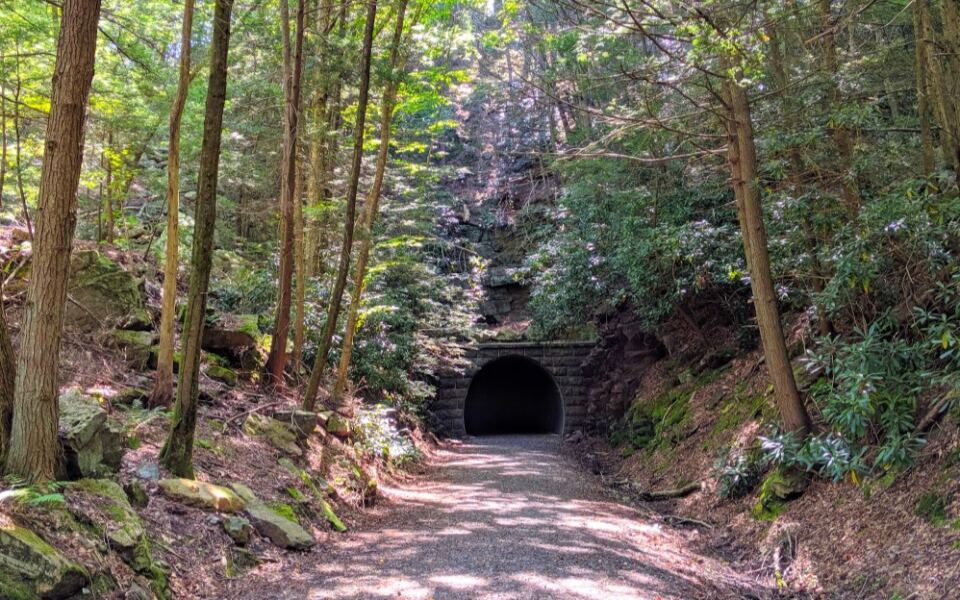
The most unusual attraction is the historic Paddy Mountain Railroad Tunnel. Built in the 1870s for a railroad serving the region’s lumber industry, the tunnel cuts roughly 250 feet through the mountain and can now be explored as part of the trail system.
Penns Creek provides another major reason to make the remote drive, particularly for anglers who come for its trout fishing and seasonal mayfly hatches. Add camping, hiking, and cycling, and this tiny park offers far more than its size suggests.
A Secluded Valley Address Worth Finding
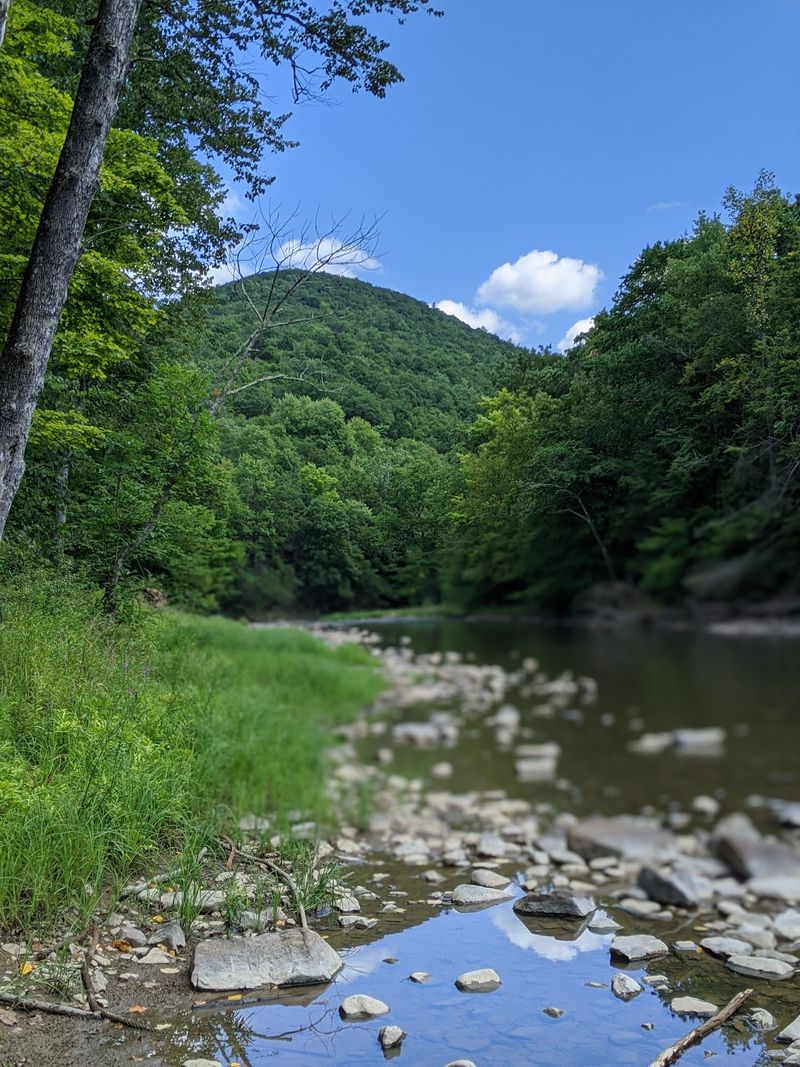
Not every great destination announces itself with a flashy sign or a busy parking lot. Poe Paddy State Park, located at 1087 Poe Vly Rd, Woodward, PA 16882, sits deep within Centre County, tucked between Poe Mountain to the east and Paddy Mountain to the west.
The park covers just 23 acres, which sounds modest until you realize it sits at the confluence of Big Poe Creek and the nationally renowned Penns Creek. The surrounding Bald Eagle State Forest adds nearly 200,000 acres of wild, forested land in every direction.
Getting there requires navigating unpaved mountain roads for at least 25 minutes from the last paved stretch, and that remote approach is part of the experience. Visitors who make the drive are rewarded with a landscape that feels genuinely undisturbed, with mountain ridges framing a lush green valley that has changed very little over the past century.
The park is open 24 hours, and you can reach the office at +1 717-667-3622.
The Lumber Town That Vanished Into the Forest
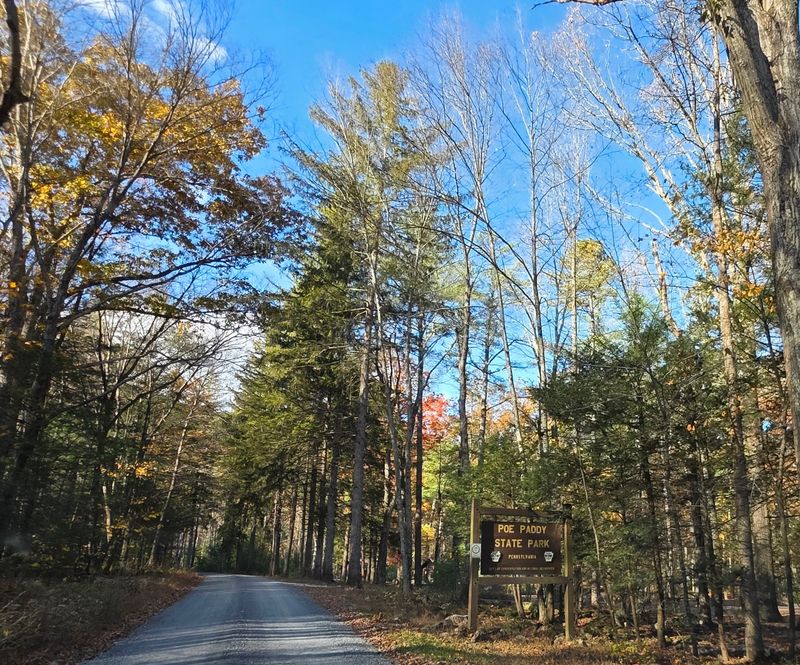
Long before campers pitched tents here, this quiet valley hummed with the noise of an entire industrial town. In the 1890s, a community called Poe Mills occupied this very ground, home to over 300 residents who worked the steam-powered sawmills that lined Big Poe Creek.
The creek was dammed to power those mills, and a railroad line built around 1879 carried timber out of the rugged terrain, connecting remote operations to markets far beyond the mountains. When the timber supply ran out, Poe Mills faded away, and the forest slowly reclaimed everything.
Then came the 1930s and a new chapter written by the Civilian Conservation Corps. Young men from Camp S-63-PA cleared brush, built roads, planted trees, and constructed the facilities that became both Poe Paddy and the nearby Poe Valley State Park.
Their Depression-era labor shaped this landscape in ways that are still visible today, and that layered history gives the park a quiet depth that goes well beyond its modest size.
Walking Through a Mountain: The Railroad Tunnel
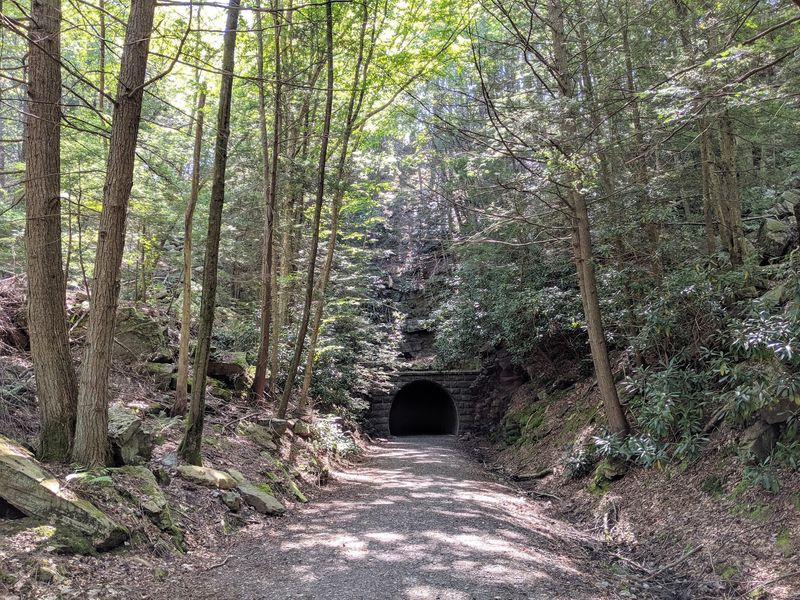
Few things stop a hiker in their tracks quite like a tunnel carved directly through a mountain. The Paddy Mountain Railroad Tunnel, also known as the Poe Paddy Tunnel, was built in the 1870s for the Lewisburg, Centre, and Spruce Creek Railroad, serving the lumber industry before later carrying passengers on scenic excursions.
The tunnel runs approximately 250 to 266 feet through solid rock, and the moment you step inside, the air cools noticeably and the forest sounds fade into a soft echo of dripping water and footsteps. The stone east portal is original, giving the entrance a genuinely historic character.
Penn Central abandoned the line in 1970, and the tunnel eventually became part of the Mid State Trail. A temporary closure in 2013 for structural plate lining led to its reopening with bat-friendly gates, protecting five of Pennsylvania’s six hibernating bat species that use it as a winter refuge.
Today, the tunnel is a family-friendly walk that delivers a surprisingly dramatic experience for such a short distance.
Penns Creek and the Green Drake Hatch That Stops Time
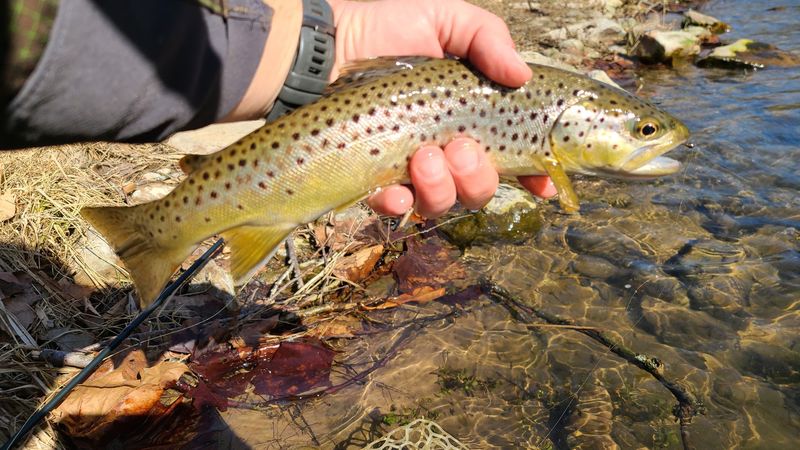
There are trout streams, and then there is Penns Creek. Fly fishers travel from across the country specifically for this water, drawn by its reputation as one of the finest wild trout fisheries on the East Coast.
The creek flows directly alongside the Poe Paddy campground, making it almost absurdly convenient for anglers.
The event that puts this stream on the national calendar is the Green Drake mayfly hatch, which typically erupts in late May or early June. During this window, the surface of the creek transforms into a living spectacle, and brown trout that normally stay hidden begin feeding aggressively.
Sulphur and caddis fly hatches in May offer additional action for those who plan around the season.
Wild brook trout and brown trout share these waters, and reports of brown and rainbow trout exceeding seven pounds are common enough to be credible. Specific sections of the creek carry catch-and-release or trophy trout designations, all managed by the Pennsylvania Fish and Boat Commission to keep this remarkable fishery healthy for future generations.
Trails That Connect History to the Backcountry
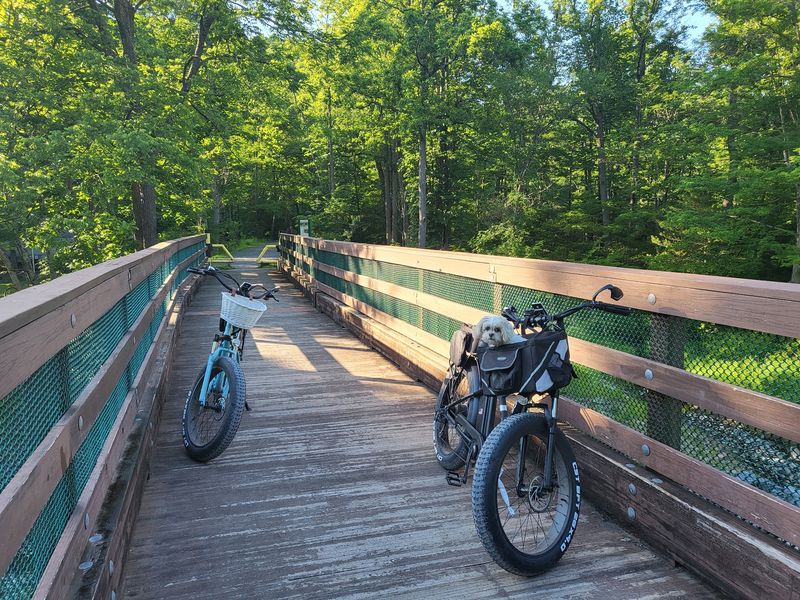
The Mid State Trail, a 327-mile route crossing Pennsylvania, passes directly through the park, marked with orange blazes that invite long-distance hikers to linger. Most visitors, however, gravitate toward shorter options that deliver big scenery without requiring a multi-day commitment.
The John and Ann Snyder Trail covers 0.6 miles out and back, offering views of Penns Creek and Paddy Mountain on a dog-friendly path that works well for families. A creek crossing may be necessary depending on water levels, which adds a small element of adventure to an otherwise gentle walk.
The Penns Creek Rail Trail incorporates the historic tunnel into a three-mile stretch of relatively flat terrain, making it equally suitable for hikers and cyclists who prefer a smooth grade through the forest. Beyond the park’s boundaries, the Bald Eagle State Forest opens up an extensive network of gravel roads and winding paths for mountain bikers and gravel riders, with challenging climbs that reward with sweeping ridgeline views and long, rolling descents through quiet woodland.
Rustic Campsites Where the Creek Sings All Night
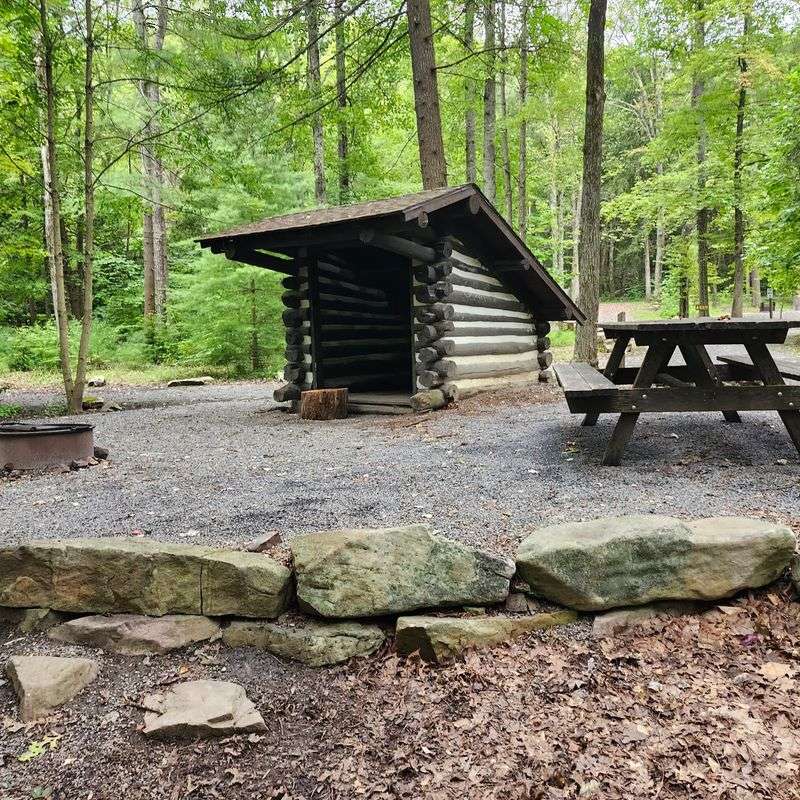
Camping at Poe Paddy is the kind of experience that reminds you why people started camping in the first place. The campground operates seasonally from mid-April through mid-December, offering 34 to 39 tent and trailer sites plus five Adirondack-style lean-tos that provide shelter without walls, keeping you close to the sounds of the forest.
Some sites offer electric hookups, though these book up quickly and require advance planning. Vault toilets and drinking water are available on-site, while hot showers and a dump station are a short drive away at Poe Valley State Park, a practical arrangement that preserves the quiet atmosphere here.
Streamside sites are among the most sought-after, and it is easy to understand why once you hear Penns Creek moving past in the darkness. Cell service is essentially nonexistent, which most visitors count as a feature rather than a drawback.
Pets are welcome on designated sites for a small fee, and reservations can be made up to eleven months in advance, which is worth knowing before peak fishing season arrives.
Paddling the Creek: A Quieter Way to See It All
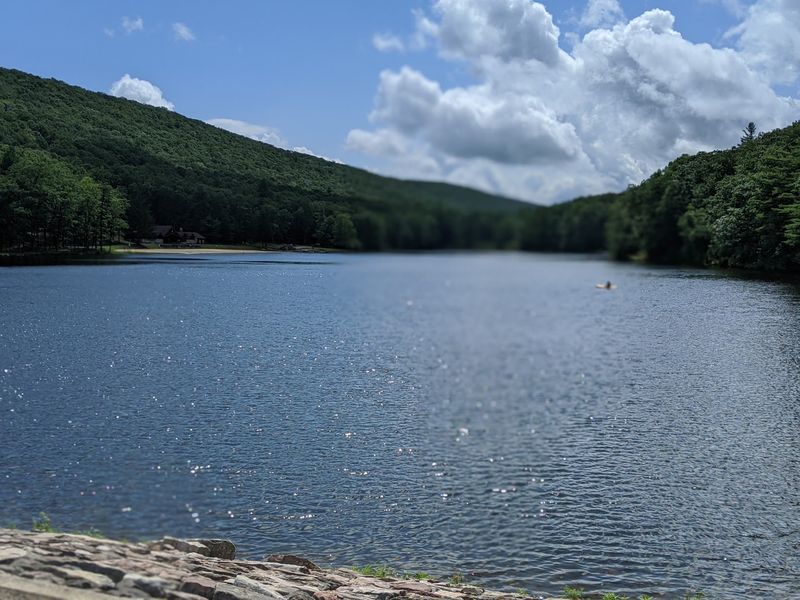
Fishing and hiking get most of the attention at Poe Paddy, but the non-motorized boat launch on Penns Creek opens a completely different perspective on the valley. Pushing off from the bank and letting the current take over is one of the more peaceful ways to spend an afternoon in this part of Pennsylvania.
Penns Creek mixes class II rapids with wide, flat pools, giving paddlers a varied experience rather than a monotonous float. The steep mountain slopes rising on either side create a natural corridor that feels surprisingly dramatic from water level, especially when the forest canopy is at full summer density.
Herons stand motionless along the banks, trout dimple the surface in the calmer pools, and the only sounds are water and wind. Kayaks and canoes both work well on the accessible stretches, and the relatively gentle character of most sections makes it suitable for paddlers who are not looking for whitewater thrills.
The experience pairs naturally with a morning of fishing or an afternoon hike through the tunnel, rounding out a full day on the water.
How Each Season Rewrites the Park’s Personality
Summer draws the largest crowds, with daytime temperatures in the mid-70s to mid-80s Fahrenheit and cooler nights that make sleeping in a tent genuinely comfortable. Late May and early June belong to the anglers chasing the Green Drake hatch, and the campground fills quickly during that window.
Fall transforms the surrounding Bald Eagle State Forest into a canvas of crimson, gold, and amber, and the lighter crowds make it one of the best times to visit for hikers and cyclists. The colors reflect in Penns Creek on calm mornings, and the cooler air makes long trail days far more pleasant than the humid summer equivalent.
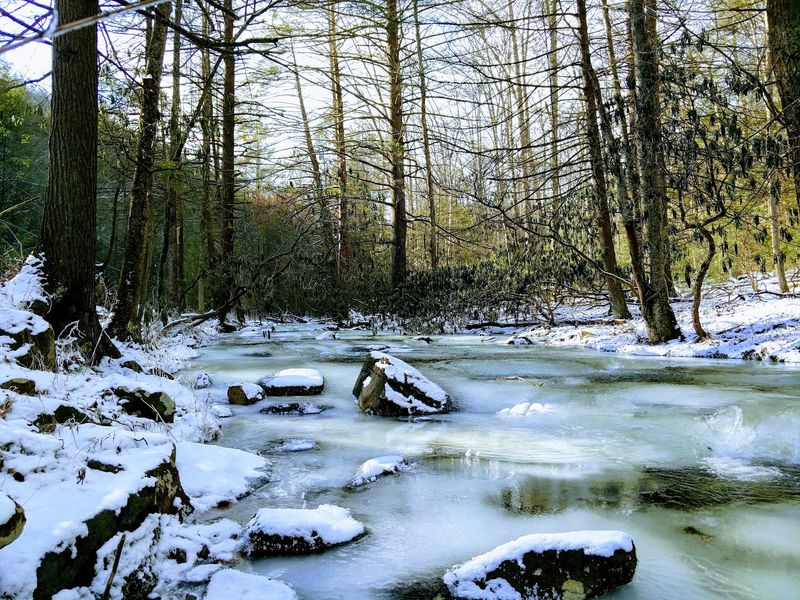
Spring brings budding trees and energized waterways, with sulphur and caddis hatches in May keeping anglers busy before the Green Drake arrives. Winter is strictly for the self-sufficient, as park and forest roads are not maintained for snow and access can become impossible.
For those prepared for cold-weather solitude, the snow-covered valley offers a stark, quiet beauty that feels entirely different from every other season.
Tubing, Biking, and the Simple Joy of Doing Less
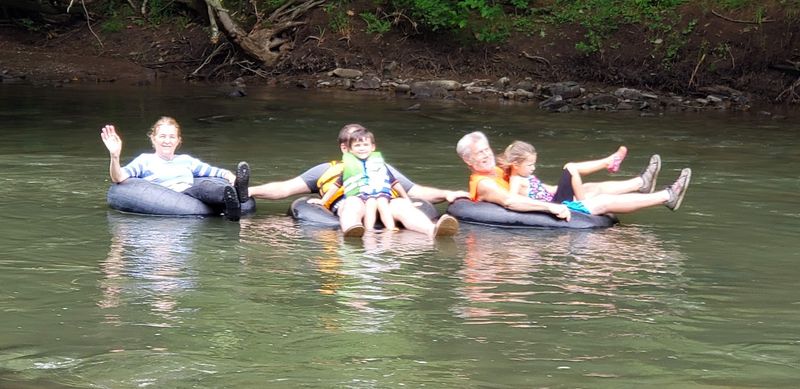
Not every visit to Poe Paddy needs to involve a fishing rod or a topographic map. Tubing on Penns Creek has become a genuinely popular activity, and even in lower water conditions the float delivers a relaxed, fun experience that works well for families and groups who want something active without being strenuous.
Cycling the Penns Creek Rail Trail on a trail bike is another option that gets overlooked in favor of the more famous fishing. The flat grade of the old railroad bed makes it accessible for riders of most skill levels, and passing through the tunnel on two wheels adds a memorable moment to an otherwise easy ride.
The Bald Eagle State Forest roads beyond the park cater to gravel cyclists and mountain bikers looking for more of a challenge, with climbs that earn long views and fast descents through cathedral-like stretches of forest. A playground on-site keeps younger visitors entertained close to camp, and the park is noted as handicap accessible, making it a welcoming destination for a broader range of visitors than the rugged approach roads might suggest.
The Wildlife Sharing the Valley With You
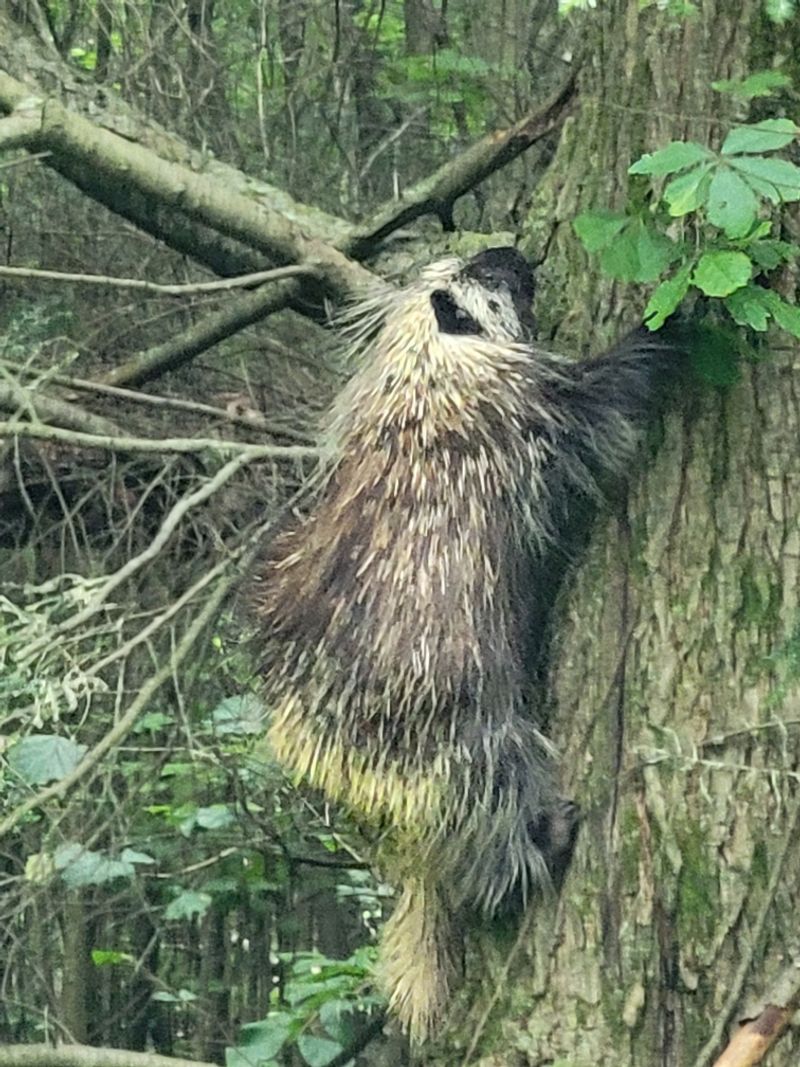
Bald eagles have been spotted gliding low over Penns Creek, which is the kind of detail that turns an ordinary campsite morning into something worth telling people about. Deer graze near the creek banks with a comfort that suggests they have long since stopped worrying about the occasional camper.
The historic railroad tunnel adds a wildlife dimension that most parks cannot offer. Five of Pennsylvania’s six hibernating bat species, including some classified as state and federally threatened, use the tunnel as a winter refuge.
The bat-friendly gates installed during the 2013 renovation were designed specifically to protect these populations while keeping the passage open to hikers.
Bird activity throughout the forested valley is consistent and varied, making the park a quiet destination for those who enjoy watching without a checklist in hand. The surrounding Bald Eagle State Forest amplifies all of this, providing an unbroken habitat corridor that supports a wide range of wildlife.
Keeping a respectful distance and staying on marked trails is the practical way to ensure that future visitors encounter the same richness that makes this valley feel so alive.
Practical Tips for a Smooth Visit to a Remote Park
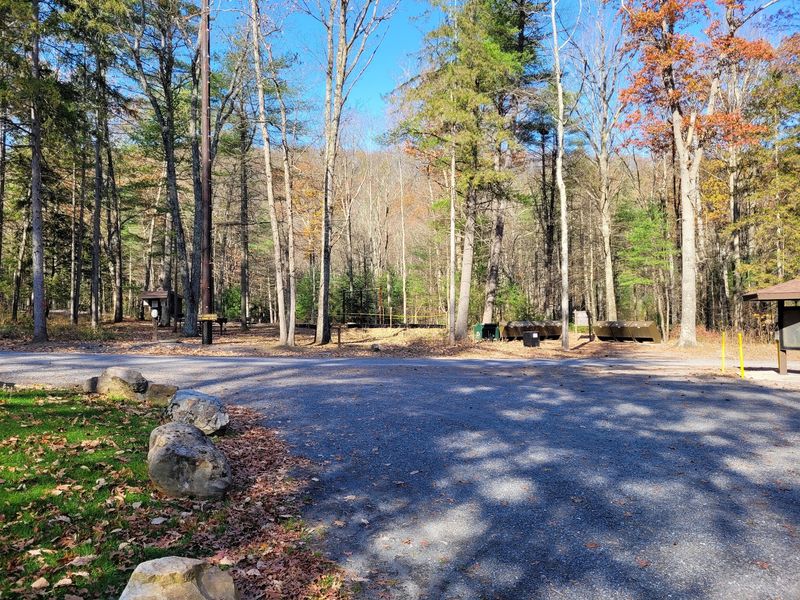
The roads leading into Poe Paddy are unpaved, and some sections have been known to wash out badly enough to challenge vehicles without decent ground clearance. The recommended approach from Route 322 or through Millheim avoids the most problematic stretches, and downloading an offline map before leaving cell range is genuinely useful advice rather than a casual suggestion.
Cell service disappears well before the campground comes into view, so any reservations, directions, or essential information should be sorted out in advance. Reservations are accepted up to eleven months ahead, and popular periods like the Green Drake hatch or peak fall foliage fill quickly.
Bug spray and layers are worth packing regardless of the season, as the valley’s microclimate can produce cool mornings even in midsummer, and insects are active near the water. Larger RVs and trailers should research site suitability carefully, as not all sites accommodate big rigs and the access roads leave little room for error.
Stocking up on food and supplies before making the final drive is a straightforward step that prevents an inconvenient 25-plus-minute return trip to the nearest town.
Share this story