Tucked inside the small town of Okarche, Oklahoma, Holy Trinity Catholic Church is the kind of place that stops you mid-step and makes you question your geography. The stonework, the soaring interior, and the intricate Italian woodwork feel more like something you’d find in a cobblestone village in northern Italy than in a prairie town an hour north of Oklahoma City.
Beyond the beauty, the church carries a story that connects this quiet corner of the Great Plains to one of the most remarkable figures in American Catholic history. Whether you’re drawn by faith, architecture, history, or simple curiosity, Holy Trinity rewards every kind of visitor who walks through its doors.
Okarche, Oklahoma and the Church at Its Heart
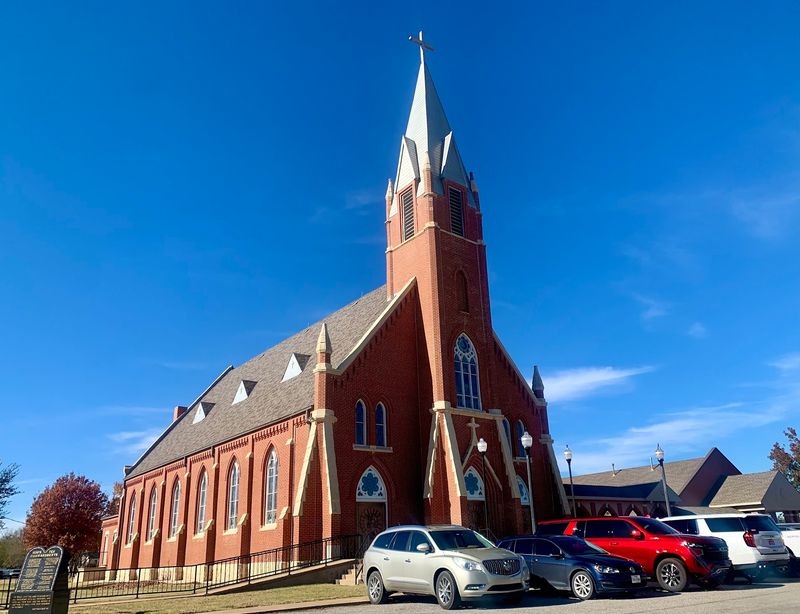
About 40 miles northwest of Oklahoma City, the town of Okarche sits quietly along the rolling Oklahoma plains, population just over 1,200. Holy Trinity Catholic Church stands at 211 Missouri Ave, Okarche, OK 73762, and it anchors this small community with a presence far grander than the town’s size might suggest.
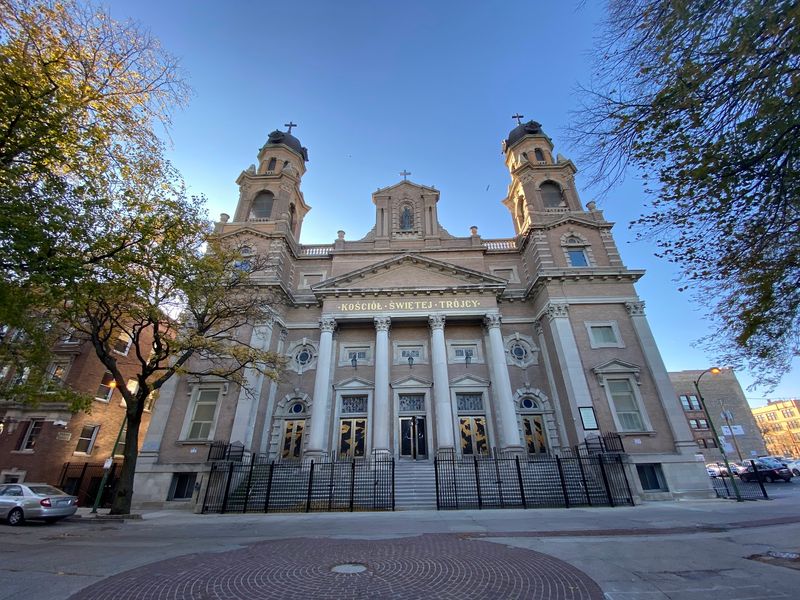
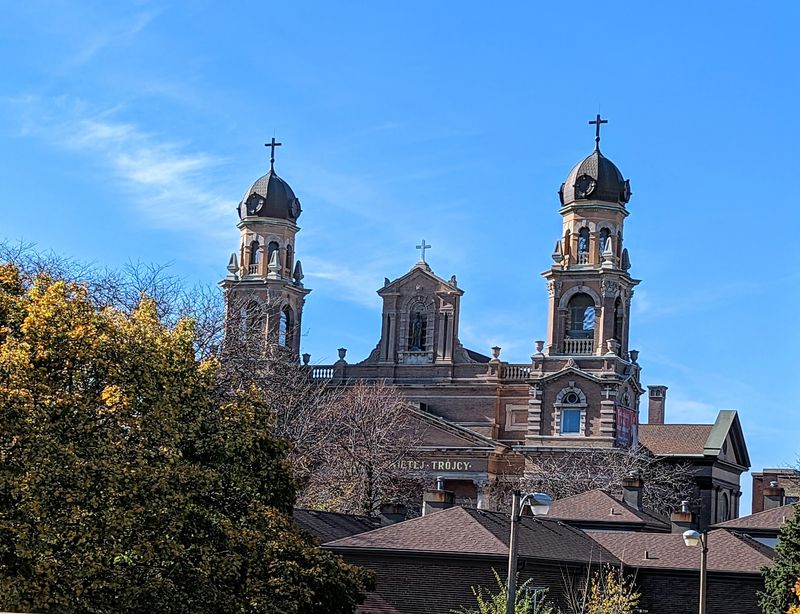
From the outside, the church carries a weight and permanence that feels borrowed from the Old World. The stone construction, the tall narrow windows, and the careful symmetry of the facade give it an almost cathedral-like quality that catches visitors off guard.
Okarche itself was settled heavily by German and Czech Catholic immigrants in the late 19th century, and Holy Trinity grew directly from that community. The parish has been a spiritual and cultural cornerstone here for well over a century, shaping generations of families who farmed the surrounding land.
Most people driving through on a weekday might glance at the church and keep moving. Those who stop and actually walk inside quickly realize they have stumbled onto something genuinely extraordinary, something that belongs on a travel itinerary right alongside far more famous destinations.
The European Roots Behind an Oklahoma Parish
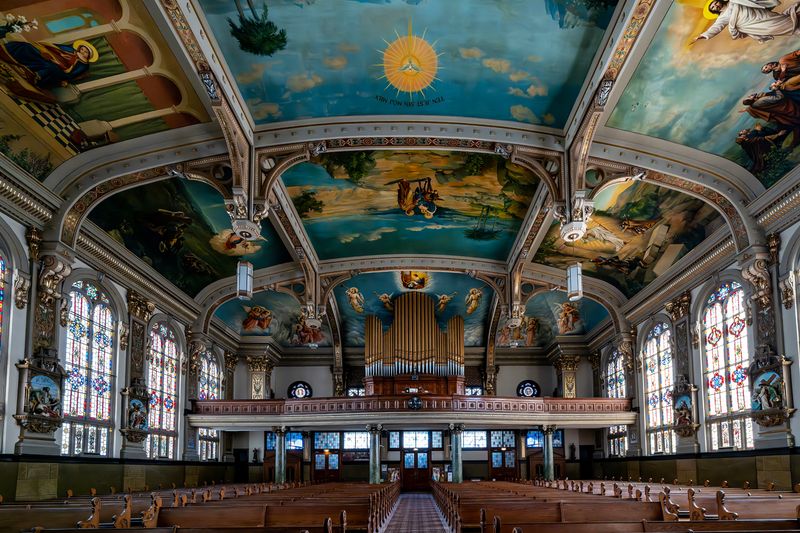
German and Czech Catholic families who settled the Oklahoma Territory in the 1890s brought more than farming skills with them. They carried a deep devotion to their faith and a determination to build churches worthy of that devotion, even on the frontier.
Holy Trinity was established to serve that immigrant community, and from the very beginning, the congregation set a high standard. Rather than constructing a modest pioneer chapel and calling it done, the parishioners invested in craftsmanship and materials that reflected the grand Catholic church traditions of their homelands.
That European sensibility is visible in every corner of the building. The attention to detail, the quality of the materials, and the overall aesthetic ambition all point back to a community that refused to let geography dilute its heritage.
Churches like this one were common in parts of the Midwest where Catholic immigrant communities clustered, but finding one this well-preserved in Oklahoma feels like a genuine discovery. The congregation’s decision, noted by longtime parishioners, to resist mid-20th-century renovation trends kept the interior remarkably intact and true to its original vision.
Italian Woodwork That Commands the Room
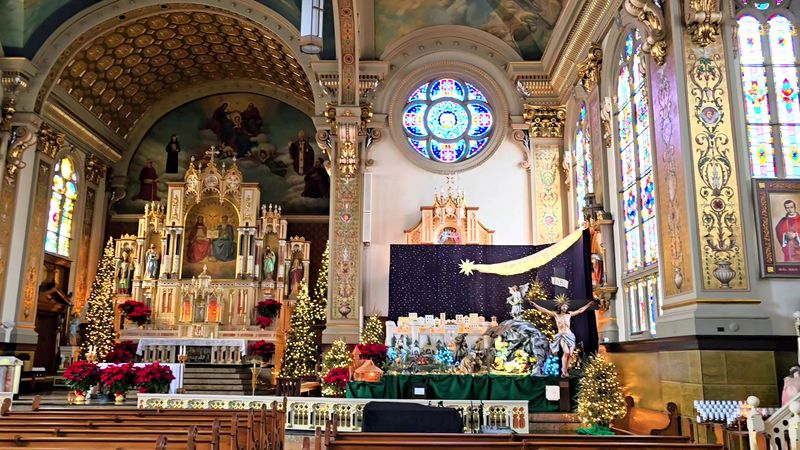
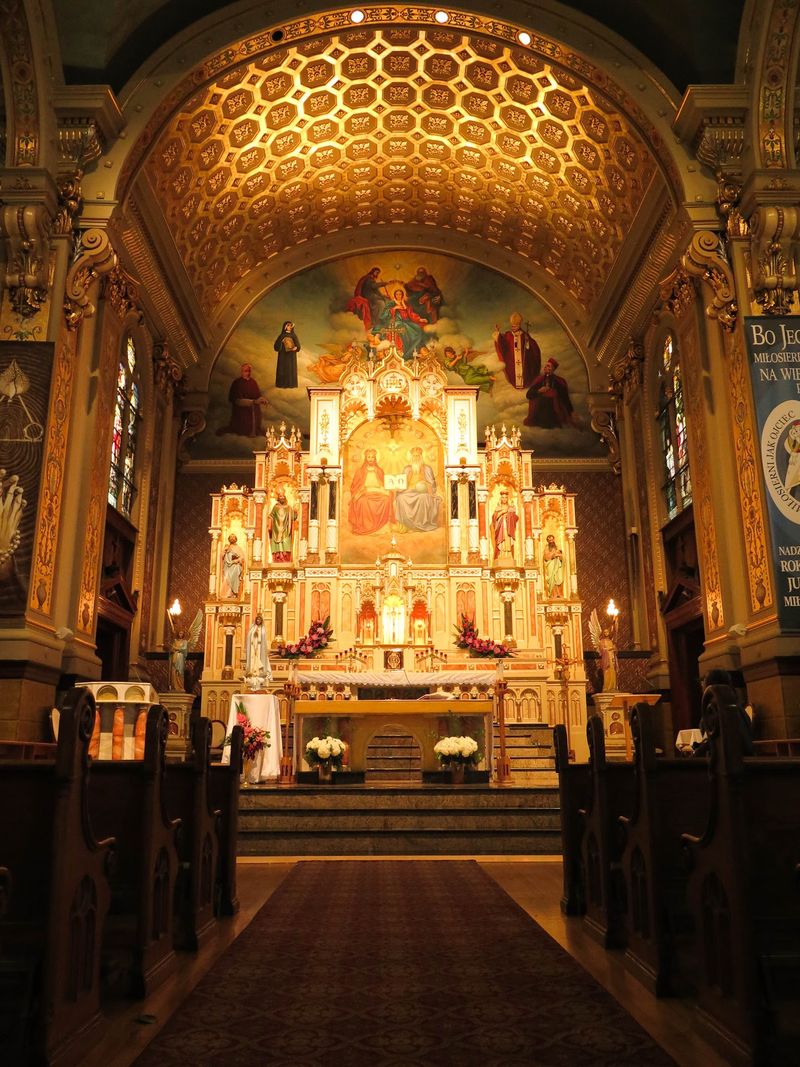
The woodwork inside Holy Trinity Catholic Church is the detail that visitors mention first, and it is easy to understand why. The carved Italian woodwork throughout the sanctuary is meticulous, rich in detail, and entirely unexpected in a small Oklahoma town.
The altar area in particular draws the eye immediately. The craftsmanship reflects a tradition of religious woodcarving that flourished in Italy for centuries, where artisans dedicated years of training to producing exactly this kind of refined, devotional work.
Running your eyes along the carvings, you notice the layering of motifs, the precision of the joinery, and the way the wood has aged into a warm, honeyed tone that no modern finish can replicate. It reads less like decoration and more like a sustained act of reverence translated into craft.
The congregation’s choice to preserve this woodwork rather than update it during the mid-20th century renovation craze was a decision that has aged extraordinarily well. What some might have called outdated in the 1970s now feels like one of the most valuable artistic assets in the entire state of Oklahoma.
The Architecture That Tricks Your Eyes Into Thinking Europe
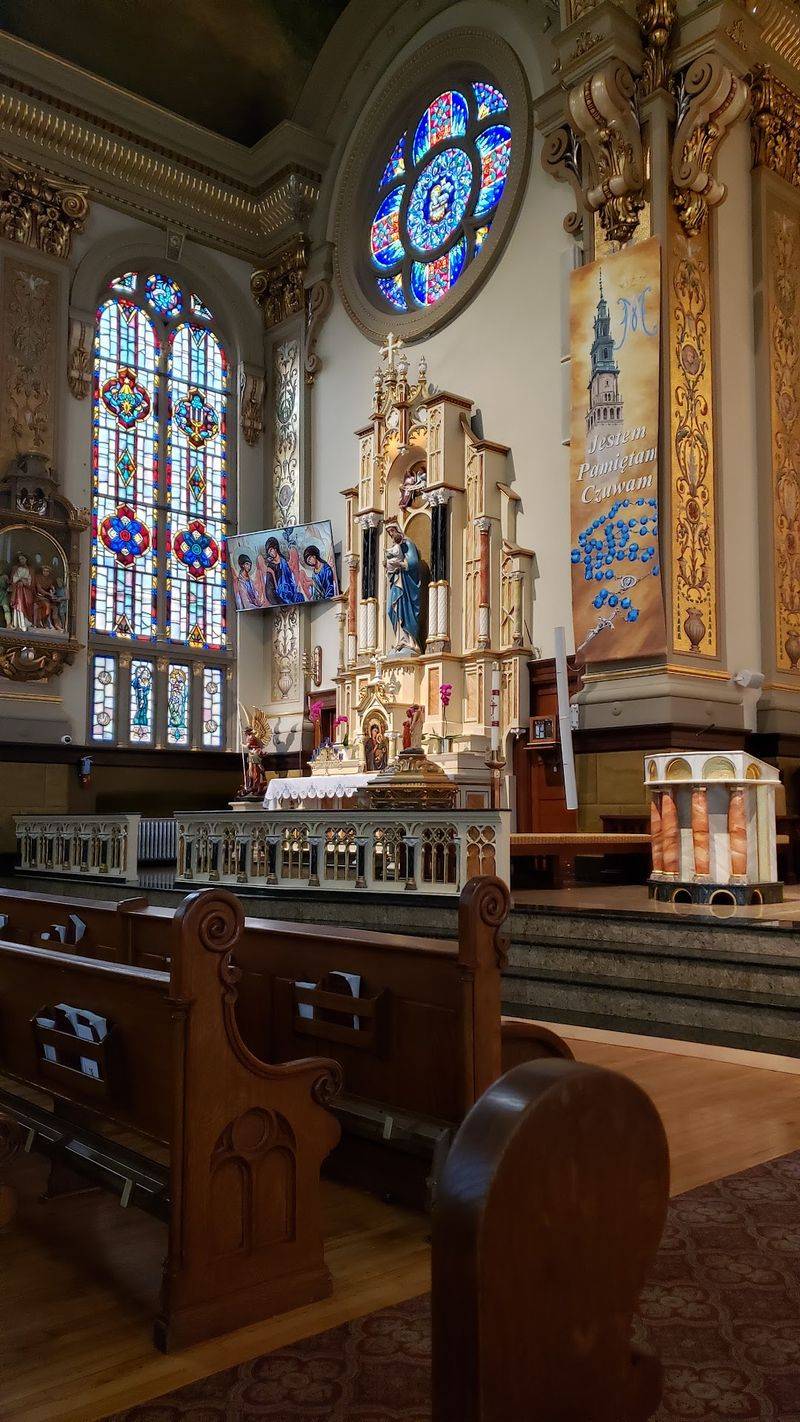
Beyond the woodwork, the overall architecture of Holy Trinity creates a sensory experience that consistently surprises first-time visitors. The nave stretches upward with confident verticality, and the proportions feel calibrated to inspire a specific kind of quiet awe.
Tall, narrow windows filter light in a way that shifts throughout the day, casting patterns across the stone floors and wooden pews that change depending on the hour and season. Visiting in the morning versus the afternoon produces noticeably different moods inside the same building.
The stonework, both inside and out, adds a solidity and age to the space that newer churches rarely achieve. There is a tactile quality to the walls and columns that encourages you to slow down and actually look rather than simply pass through.
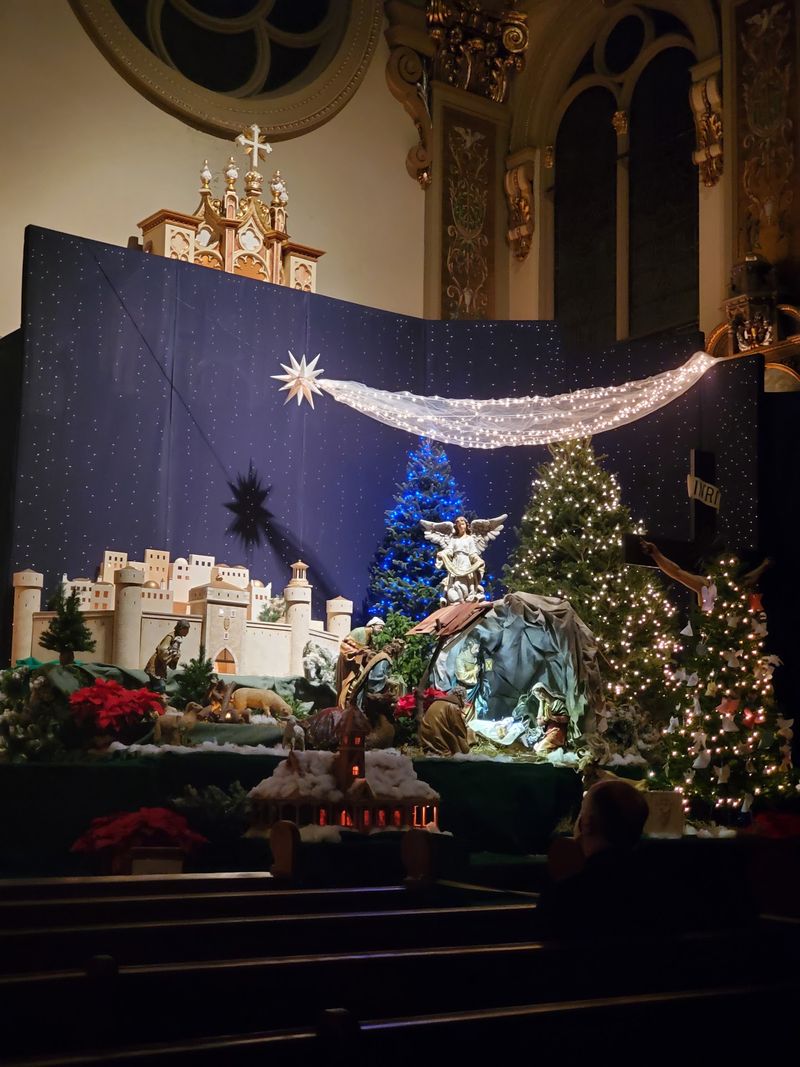
At Christmas, the church reportedly takes on an extra layer of magic, with seasonal decorations amplifying the already atmospheric interior into something that regulars describe as genuinely transporting. Even outside the holidays, though, the architecture alone earns Holy Trinity a spot among Oklahoma’s most visually compelling historic spaces, a distinction that requires no exaggeration to support.
Blessed Stanley Rother and Why His Story Changes Everything
No visit to Holy Trinity Catholic Church is complete without understanding who Stanley Rother was, because his story transforms the church from a beautiful historic building into a genuinely sacred pilgrimage destination.
Born and raised in Okarche, Rother grew up attending Holy Trinity as a farm boy from a local family. He was ordained a Catholic priest and eventually traveled to Guatemala as a missionary, where he served the indigenous Tz’utujil people of Santiago Atitlan for over a decade.
During the violent political upheaval of the 1980s, Rother refused to abandon his congregation despite credible threats to his safety. He was killed in 1981, becoming what the Catholic Church formally recognizes as America’s first native-born martyr.
Pope Francis beatified him in 2017, giving him the title Blessed Stanley Rother, one step below full canonization as a saint. The ceremony was held in Oklahoma City and drew tens of thousands of attendees.
For Holy Trinity, his beatification elevated the parish from a local treasure to a site of international Catholic significance, one that draws pilgrims from across the country and beyond.
Vestments, Relics, and the On-Site Memorial Collection
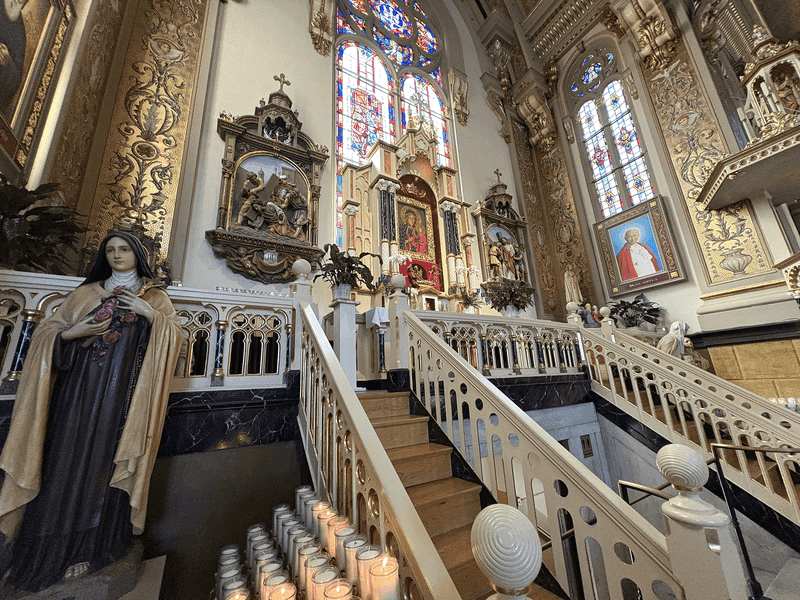
Holy Trinity does not simply tell Stanley Rother’s story through plaques and pamphlets. The church actually houses a collection of his vestments and personal items, giving visitors a tangible, physical connection to the man himself.
Seeing the actual vestments worn by a beatified martyr in the same church where he was baptized and formed in faith is the kind of experience that tends to land differently than reading about someone in a book. The objects carry a quiet weight that photographs simply cannot convey.
A gift shop on the premises offers visitors the chance to take something meaningful home, whether that is a devotional item related to Blessed Stanley, a piece of parish history, or simply a keepsake from a visit that proved more moving than expected.
For Catholic pilgrims specifically, the combination of the on-site relics, the intact historic interior, and the direct biographical connection to Rother makes Holy Trinity a genuinely rare stop. Very few American churches can claim this kind of layered significance, where living architectural history and the legacy of a future saint occupy the exact same space.
A Gift Shop Worth Browsing
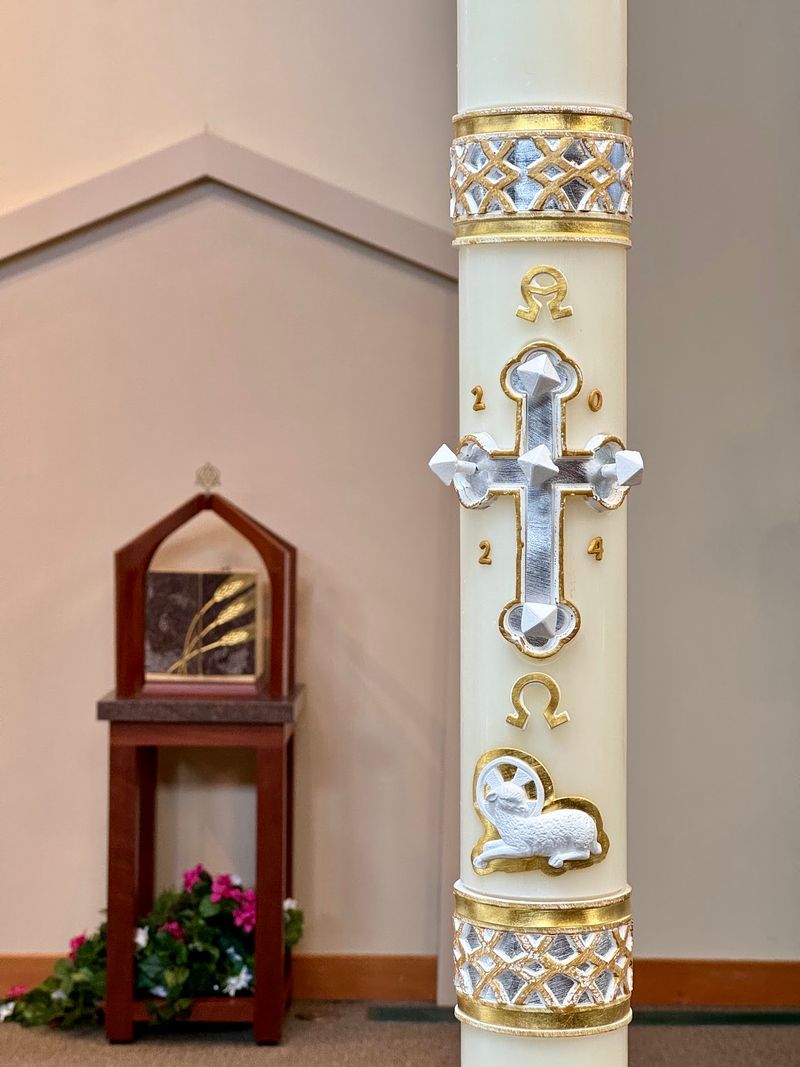
Gift shops attached to historic churches can sometimes feel like afterthoughts, a folding table near the exit with a few postcards and a donation jar. The shop at Holy Trinity operates with more intention than that.
The offerings center naturally on Blessed Stanley Rother, reflecting the parish’s role as a pilgrimage destination and a keeper of his legacy. Devotional items, books about his life and mission, and commemorative pieces related to his beatification all feature in the selection.
Beyond Rother-specific items, the shop stocks the kind of quality Catholic devotional goods that visitors from outside the area may not easily find at home. For anyone already making the trip to Okarche, browsing the shop adds a meaningful dimension to the visit without requiring much additional time.
The revenue also supports the parish’s ongoing mission, which gives purchasing something here a layer of purpose beyond the transactional. Whether you leave with a prayer card, a small book, or a more substantial keepsake, the shop sends you home with a reminder of a place that most people did not expect to find quite so compelling when they set out that morning.
The Atmosphere Inside and What It Does to You
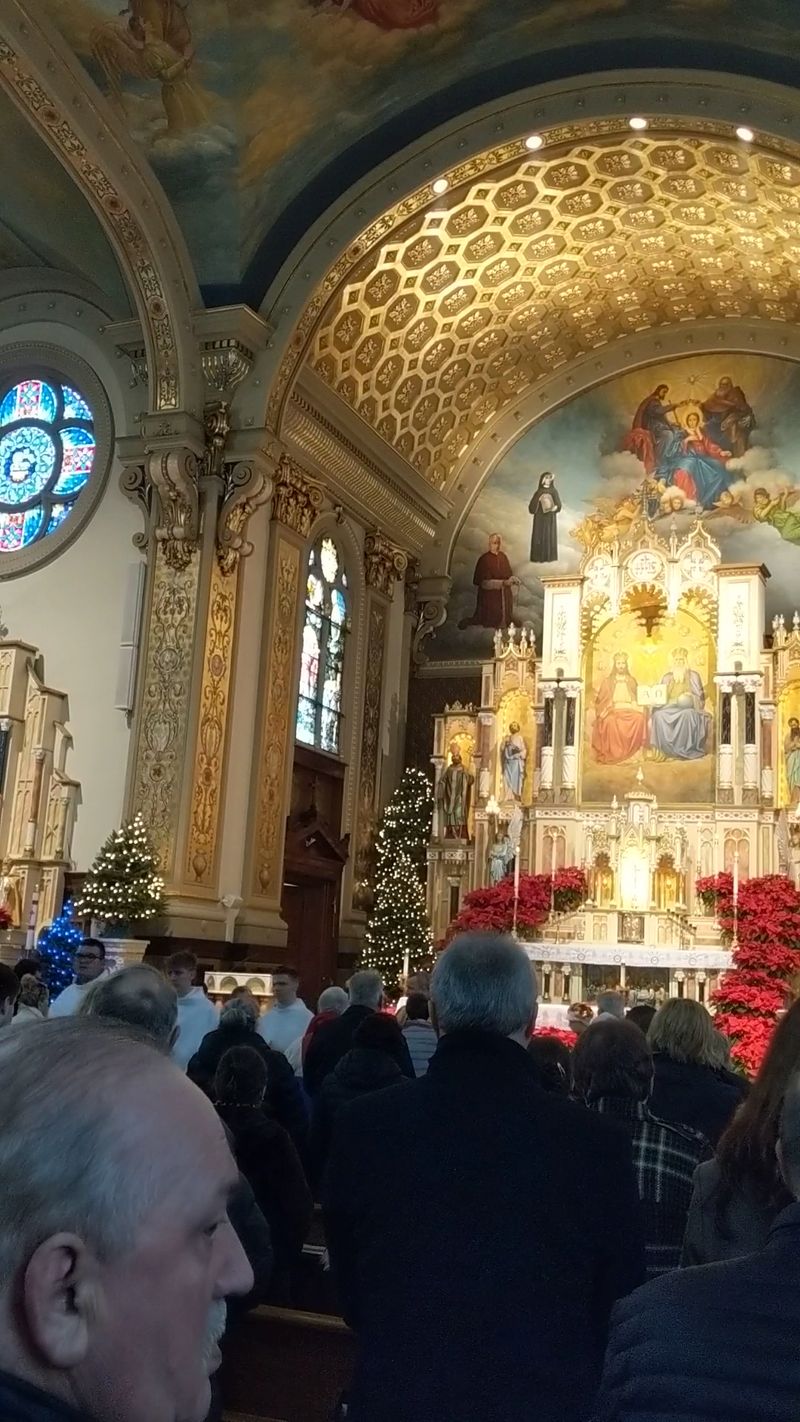
There is a particular quality of silence inside old stone churches that modern buildings simply cannot manufacture. Holy Trinity has it in full measure, the kind of hush that feels active rather than empty, as though the accumulated prayers of a century and a half still linger in the air.
Even visitors who do not identify as religious tend to slow down once they are inside. The scale of the interior, the quality of the light, and the richness of the woodwork create an environment that invites contemplation rather than distraction.
The church earns a 4.5-star rating on Google from 32 reviews, and the consistent thread running through the positive responses is the word “beautiful” in various forms. That kind of consensus across different types of visitors, from devout Catholics to architecture enthusiasts to curious travelers, speaks to something genuinely universal in the space.
Spending even twenty quiet minutes inside Holy Trinity has a way of resetting your internal pace. You arrive from the highway with your mind still running at road speed, and you leave at something closer to a walk, which is probably the most honest measure of what a place like this actually does for you.
Christmas at Holy Trinity and Why Timing Your Visit Matters
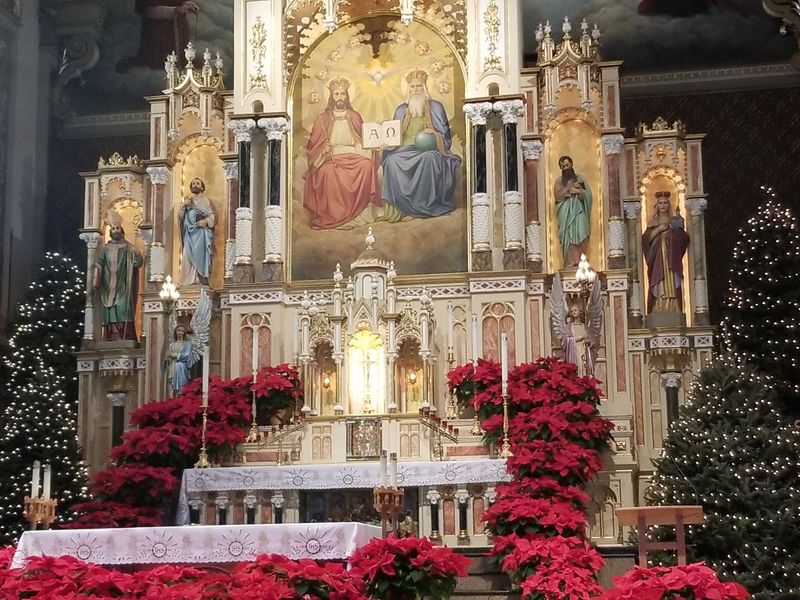
Every season brings something different to Holy Trinity, but Christmas earns a special mention because the holiday transforms an already remarkable interior into something that visitors consistently describe as extraordinary.
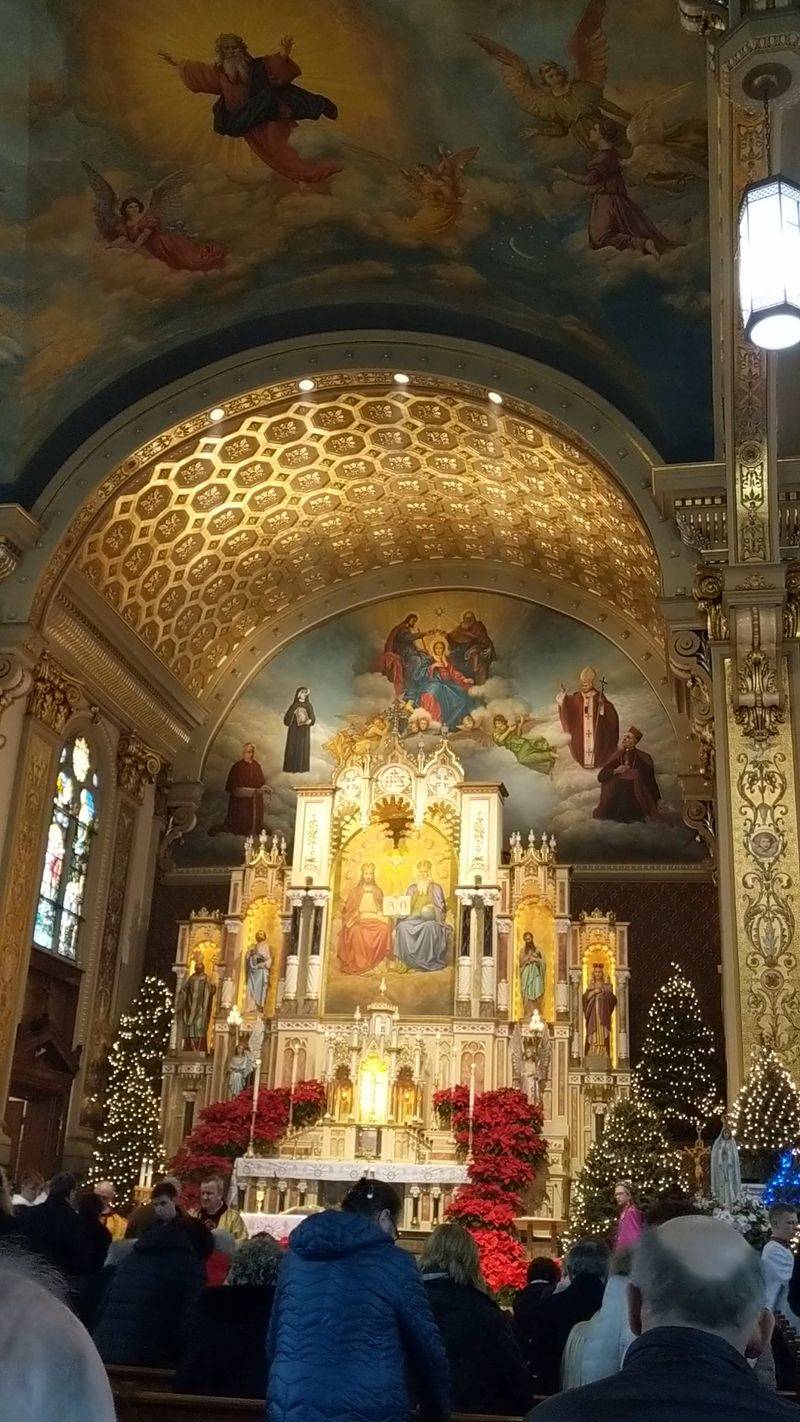
The combination of the carved Italian woodwork, the tall windows, the stone architecture, and traditional Christmas decorations creates a visual and atmospheric layering that feels genuinely cinematic. Candles, seasonal flowers, and liturgical ornamentation all amplify the church’s natural beauty rather than competing with it.
Attending a Christmas Mass here would put you in the same space where generations of Okarche families, including the Rother family, celebrated the holiday. That continuity of place and practice is something you cannot replicate in a newer building.
If your schedule allows any flexibility, planning a visit during the Advent or Christmas season adds a dimension to the experience that photographs cannot fully capture. The church is beautiful in any month, but the holiday version of Holy Trinity represents the destination operating at full atmospheric power, the kind of visit that tends to become a story you tell people for years afterward.
Who Should Make the Drive to Okarche
Catholic pilgrims represent the most obvious audience for Holy Trinity, and the parish fully supports that role by maintaining the Blessed Stanley Rother collection and welcoming visitors who come specifically to honor his memory.
Architecture enthusiasts and history travelers, however, belong on that list just as firmly. The quality of the Italian woodwork, the European character of the building, and the church’s place in Oklahoma’s immigrant settlement history make it a legitimate heritage destination regardless of religious affiliation.
Families with children curious about history, particularly the story of Stanley Rother, will find the visit naturally engaging. His life story, from Oklahoma farm boy to beatified martyr, has the kind of narrative arc that holds attention across age groups.
Road trippers passing through central Oklahoma also find Holy Trinity a worthwhile detour from the I-40 corridor or the drive between Oklahoma City and Enid. The town of Okarche sits close enough to the metro area that combining the church visit with other Oklahoma City area stops makes for a satisfying day trip.
No single type of visitor owns this place; it earns its appeal across a genuinely wide range of interests and backgrounds.
Hours, Phone, and Planning Your Visit
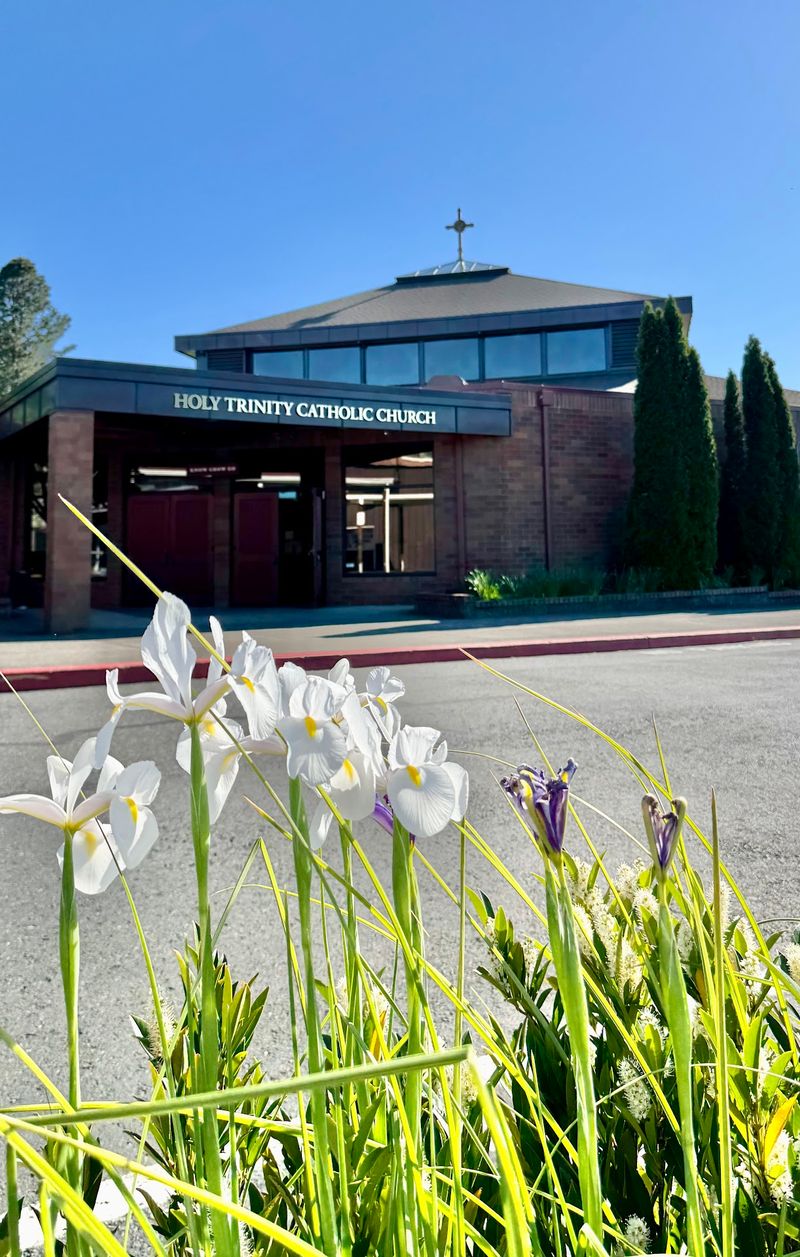
Holy Trinity Catholic Church keeps weekday hours, running from 8:30 AM to 4:00 PM Monday through Friday. The church is closed on Saturdays and Sundays for general visiting, though Mass schedules may differ, so contacting the parish directly before a weekend visit is worth the extra step.
The phone number for the parish office is +1 405-263-7930, and the church maintains a website at holytrinityok.org where updated information on services, events, and visiting guidelines is available. A quick call or site check before making the drive will save you from arriving during a closed period.
Because the visiting window closes at 4:00 PM, planning to arrive by early-to-mid afternoon gives you comfortable time to explore the interior, browse the gift shop, and absorb the space without feeling rushed toward closing time.
Okarche is a small town, so dining options are limited nearby, but the short drive to Yukon or Weatherford opens up more choices if you want to build a full day around the trip. The church itself requires no admission fee, which makes the only real cost the drive, a reasonable trade for what you find when you get there.
Getting to Okarche from Oklahoma City
Reaching Okarche from Oklahoma City takes roughly 45 minutes to an hour depending on your starting point and traffic through the metro. The most direct route heads northwest on US-270 or I-40 West before connecting north toward Okarche through Canadian County.
The drive itself is classic central Oklahoma prairie, flat and open with wide sky in every direction. There is something fitting about arriving at a church this grand after a drive through such understated landscape.
The contrast between the plains and the interior of Holy Trinity is part of what makes the visit feel surprising.
Okarche sits just off State Highway 3, and the church is easy to locate once you are in town. Parking is available on-site and along the surrounding streets, which is never a complicated matter in a town this size.
For visitors coming from Enid to the north, Okarche falls naturally along the southward route toward Oklahoma City, making Holy Trinity an easy stop rather than a dedicated detour. From almost any direction in central Oklahoma, the drive is manageable enough that the only real question is why you have not made it before now.
A Final Word on Why Holy Trinity Stays With You
Some places exceed their description and some fall short of it. Holy Trinity Catholic Church lands firmly in the first category, delivering more than the phrase “beautiful old church in a small town” can adequately prepare you for.
The combination of factors here is genuinely unusual. You have a building of real architectural distinction, preserved with the kind of care that most historic structures never receive.
You have the legacy of Blessed Stanley Rother, a figure whose biography is compelling on purely human terms before you even factor in the religious dimension. And you have a living parish community that takes obvious pride in both the building and the story it holds.
None of those elements would be as powerful in isolation. Together, they create a destination that justifies the drive from anywhere in the region and earns its 4.5-star rating without the slightest need for inflated praise.
Oklahoma has a habit of hiding its best surprises in plain sight, and Holy Trinity Catholic Church in Okarche is one of the finest examples of that tendency. Go on a weekday, give yourself at least an hour, and let the place do what it does quietly and without any need for fanfare.
Share this story