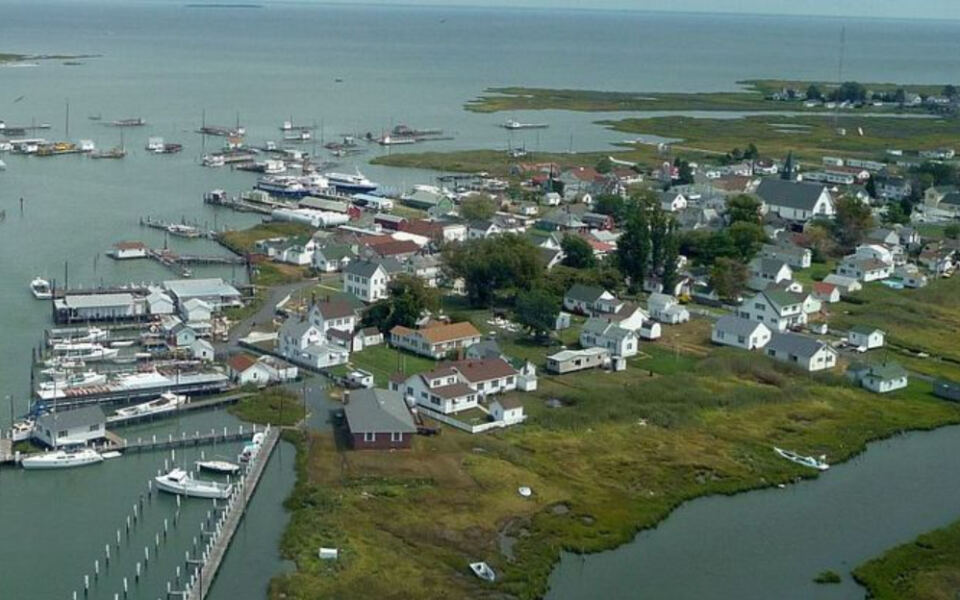
There is a small island in the Chesapeake Bay where golf carts outnumber cars, no bridge connects it to the mainland, and people still speak with an accent that researchers say echoes early colonial English. The only way to get there is by boat or small plane, and once you arrive, you feel like you have stepped into a completely different world.
This place has been slowly sinking into the bay for over a century, losing land at a pace that worries scientists and residents alike, yet people still call it home with fierce pride. That island is Tangier, Virginia, and it is one of the most genuinely surprising places I have ever visited in the United States.
A Place Frozen in Time
Most American towns change fast. New buildings go up, roads get wider, and old ways fade out.
Tangier Island moves at a completely different pace, and the moment the ferry pulls into the small harbor, you feel it immediately.
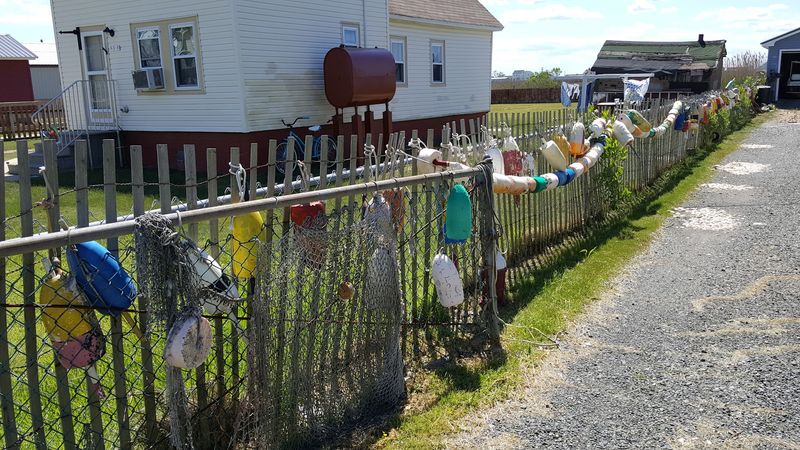
There are almost no cars on the island. Residents get around on golf carts, bicycles, and on foot.
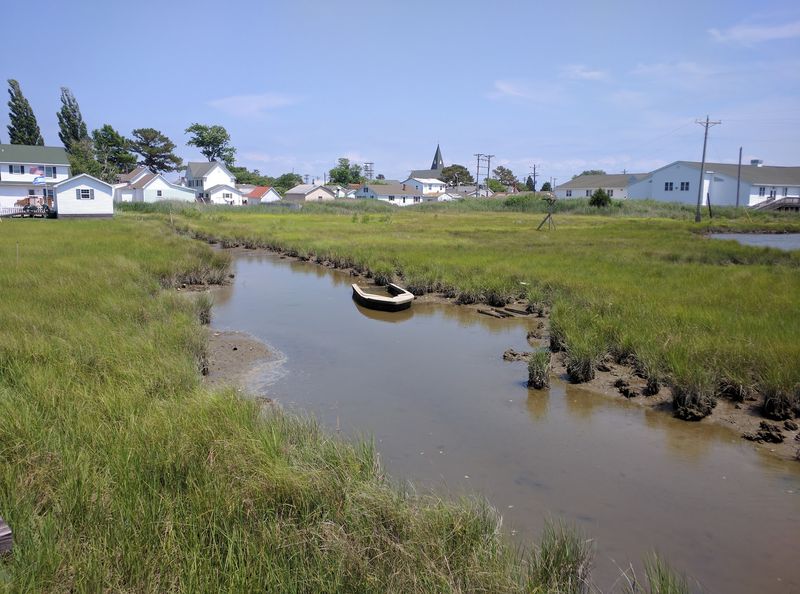
The narrow lanes between homes are barely wide enough for two people to walk side by side. Cats wander freely, boats bob in the water, and crab pots are stacked high near the docks.
Tangier Island sits in the middle of the Chesapeake Bay in Accomack County, Virginia, at Virginia 23440, United States. It is roughly 12 miles from the nearest mainland shore.
The population was 436 at the 2020 census, making it one of the smallest inhabited communities in the entire country.
No Bridge, No Easy Road
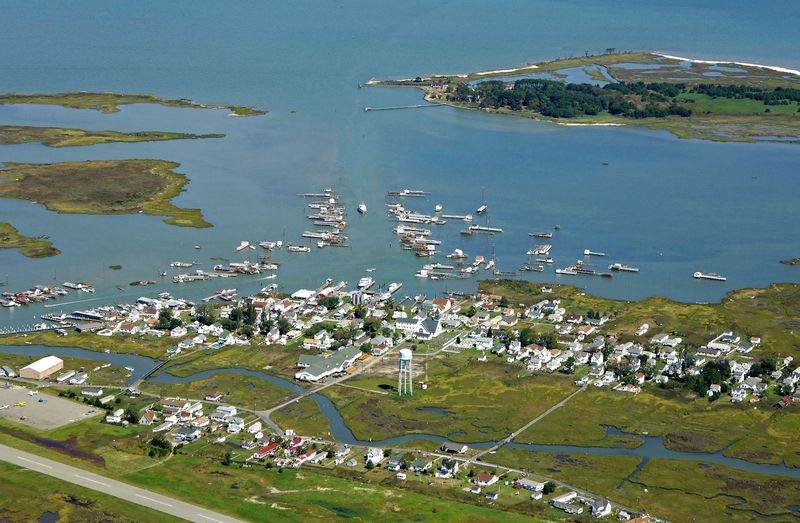
Getting to Tangier requires a commitment most travelers are not used to making. There is no bridge, no tunnel, and no causeway connecting the island to the Virginia mainland.
The only realistic options for most visitors are a passenger ferry or a small private aircraft landing on the island’s short airstrip.
Ferry service runs seasonally from Crisfield, Maryland, and from Reedville, Virginia, with the boat ride taking roughly one hour depending on the departure point. The ride itself is part of the experience.
You watch the land disappear behind you and feel the bay open up in every direction.
That sense of physical separation from the rest of the world is not just geographic. It shapes everything about life on Tangier, from the way residents communicate to the way they earn a living.
The water is not just scenery here. It is the reason the island exists at all.
The Accent That Stopped Linguists Cold
One of the most talked-about things on Tangier Island has nothing to do with scenery. It is the way people talk.
Linguists have studied the Tangier accent for decades because it contains features that sound distinctly older than standard American English.
Some researchers have described it as retaining elements of the English spoken by early settlers, though the full picture is more complex than a simple comparison. The accent developed in isolation over generations, shaped by the island’s geography and tight-knit community.
It sounds unlike anything you will hear anywhere else in Virginia.
Younger islanders today sound somewhat different from older residents, and the accent is gradually shifting. But spend an afternoon listening to longtime Tangier watermen talk about the bay, and you will hear something that feels genuinely rare.
It is a living piece of American linguistic history tucked inside a very small community.
Crabbing Is the Heart of the Island
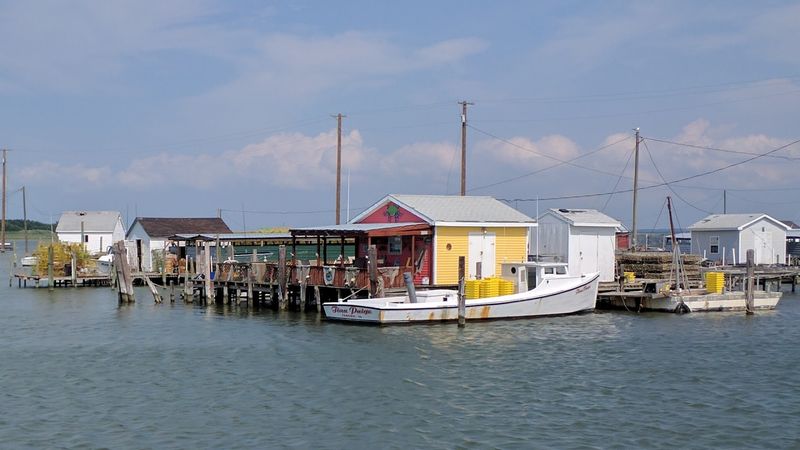
Blue crabs made Tangier what it is. The island’s economy has revolved around harvesting blue crabs from the Chesapeake Bay for generations, and crabbing is not just a job here.
It is a way of life passed down from parent to child with deep seriousness.
Tangier watermen head out before sunrise, checking crab pots and working through the morning. The soft-shell crab industry has been especially important to the island.
Soft-shell crabs are blue crabs caught just after they shed their hard shells, and Tangier has long been recognized as a major supplier of them to restaurants across the East Coast.
Walking near the docks, you can see the shedding tanks where crabs are monitored around the clock during the season. The whole operation is hands-on and labor-intensive in ways that modern food production rarely is.
Watching it up close gives you real respect for what ends up on your plate.
A Shrinking Shoreline
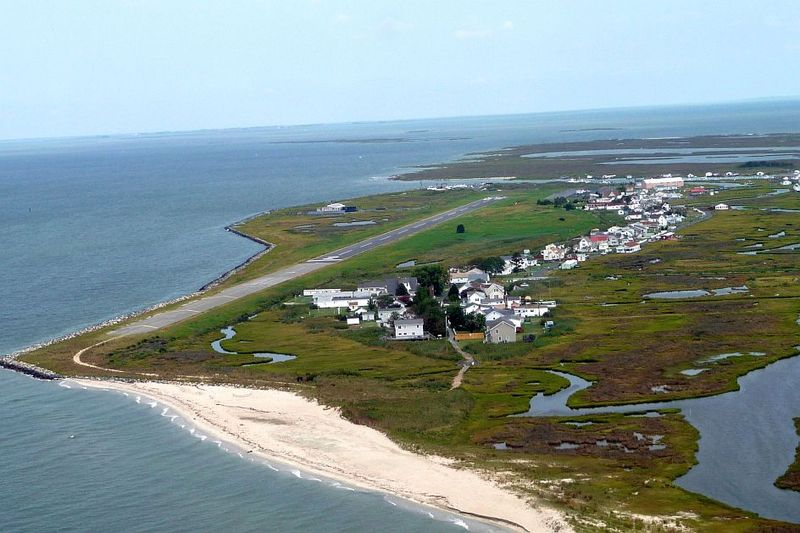
Since 1850, Tangier Island has lost roughly 67 percent of its original landmass to erosion and rising water. That number is staggering when you stand on the island and try to picture what it once looked like.
Entire sections of land that people lived on are now underwater.
Scientists who study the island say that without significant intervention, the remaining habitable land could become uninhabitable within decades. The combination of erosion, land subsidence, and sea level rise creates a situation with no simple fix.
Some residents have watched family cemeteries wash away into the bay.
The U.S. Army Corps of Engineers has been involved in efforts to protect what remains, including rock revetment projects along certain shoreline sections.
The issue draws national attention periodically, and the island has become a real-world example of coastal land loss that researchers and policymakers reference in broader discussions about Chesapeake Bay preservation.
Golf Carts Instead of Cars
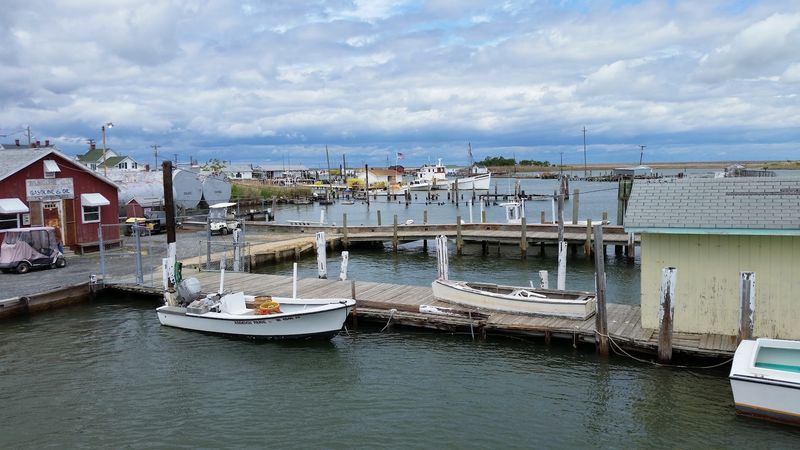
Pulling up to the Tangier Island dock and watching the local transportation system in action is genuinely delightful. Golf carts are everywhere.
They serve as the primary vehicle for residents moving around the island, hauling groceries, carrying tools, and transporting visitors who rent them for the day.
The roads, if you can call them that, are narrow packed-dirt and gravel paths that wind between homes and along the water. Full-size cars would simply not fit in most places, and even if they did, there is nowhere to drive to.
The island is small enough that most destinations are reachable on foot in under ten minutes.
Renting a golf cart for a few hours is one of the best ways to explore Tangier at your own pace. You can loop around the main ridge, pass by the old church, and find quiet spots near the water where the only sounds are birds and the bay.
The Watermen’s Museum and Island History
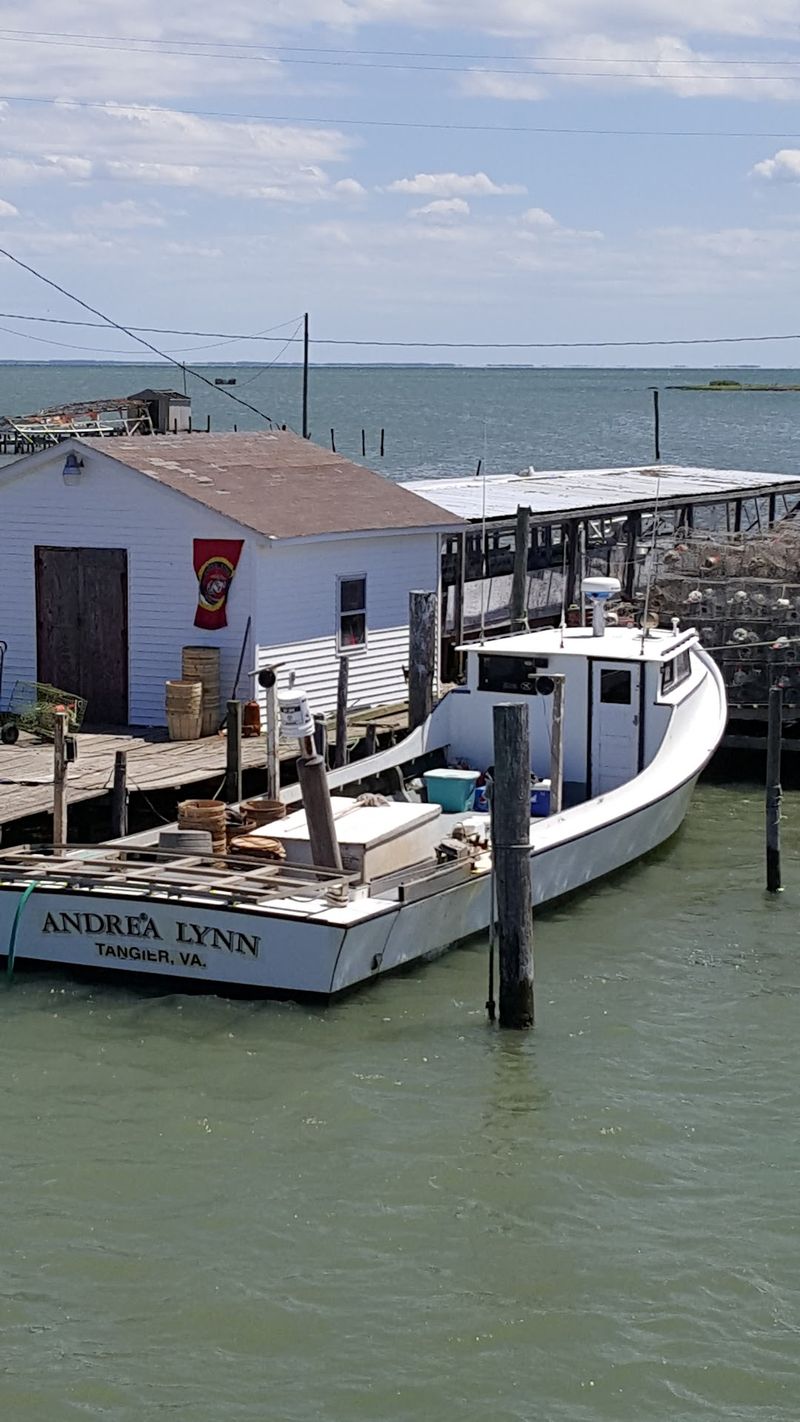
History on Tangier Island is not locked behind glass in a large formal building. It lives in the stories people tell and in the small museum that gives visitors context for what they are seeing around them.
The Tangier History Museum offers photographs, artifacts, and information about island life through the decades.
The museum covers topics like the crabbing and oystering industries, the island’s early settlement history, and the cultural traditions that developed in isolation over generations. Seeing old photographs of Tangier when its land area was significantly larger makes the erosion story feel immediate and personal.
For first-time visitors, spending time at the museum before wandering the island helps everything click into place. You start to understand why the community is so tight-knit, why the watermen’s identity runs so deep, and why residents feel such a strong connection to a place that the rest of the world is only beginning to notice.
Where to Eat on the Island
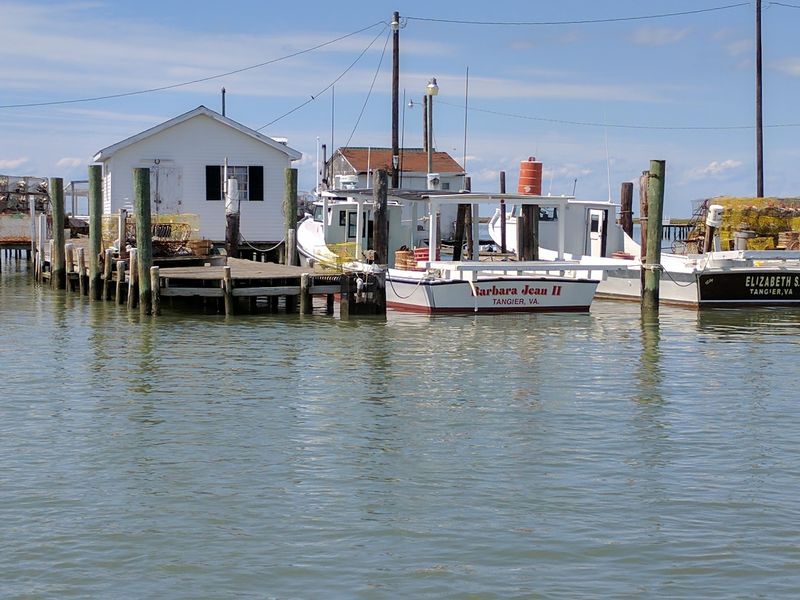
Food options on Tangier are limited by design. This is a small island with a small population, and the dining scene reflects that reality honestly.
What you will find, though, is some of the freshest crab you can eat anywhere in Virginia.
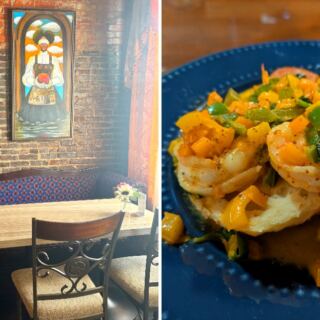
Crab cakes, soft-shell crabs, and crab sandwiches appear on menus at the island’s small restaurants and lunch spots. The seafood comes directly from local watermen, which means the supply chain from the bay to your plate is about as short as it gets.
Freshness is not a marketing claim here. It is just geography.
Most restaurants on Tangier are casual, family-run operations with simple menus and unpretentious settings. You are not going to find a trendy tasting menu or an elaborate cocktail list.
What you will find is honest food served without fuss, eaten with a view of the same water where it was caught that morning.
The Church at the Center of Community Life
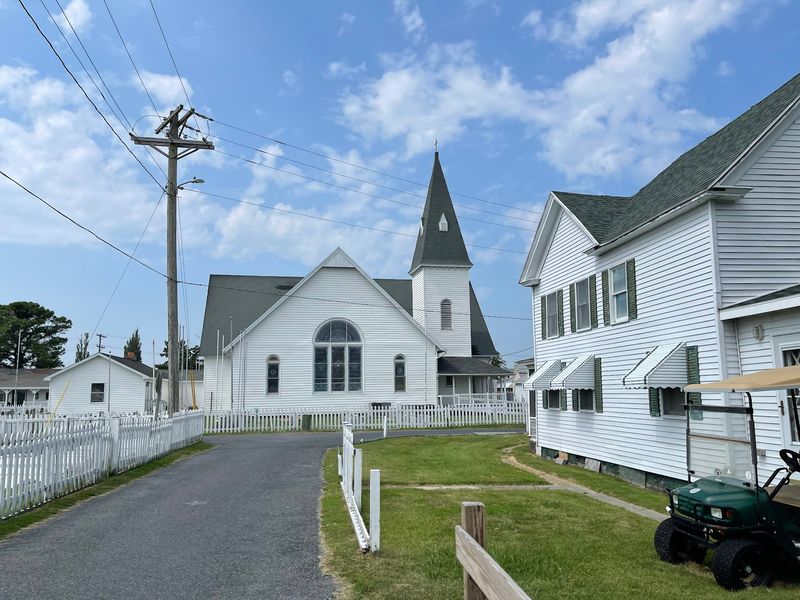
Faith has always been central to life on Tangier Island. The community has been predominantly Methodist for generations, and the church plays a role in daily life that goes well beyond Sunday services.
Social events, community decisions, and island traditions all orbit around the congregation in ways that feel genuinely old-fashioned in the best sense.
The island’s religious culture is visible in small ways throughout your visit. Tangier has historically been a dry island, meaning alcohol is not sold there, which reflects the community’s values rather than any external regulation.
That choice says something real about how residents see their home.
Visitors who attend a Sunday service at the church, even briefly, often describe it as one of the most memorable parts of their trip. The warmth of the community, the simplicity of the setting, and the sense that these traditions have continued uninterrupted for a very long time make it a genuinely moving experience.
Wildlife Along the Water’s Edge
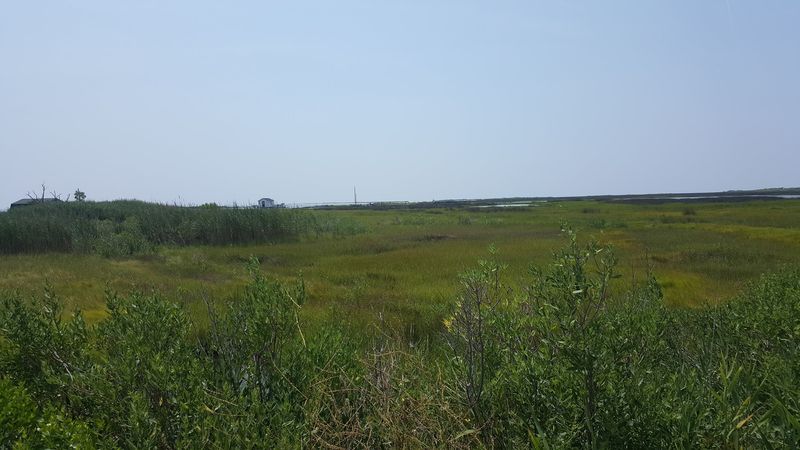
The wetlands and marshes surrounding Tangier Island support a surprising variety of wildlife that most visitors do not expect to find on such a small patch of land. Great blue herons are a common sight along the water’s edge, standing still in the shallows with their characteristic patience.
Ospreys nest on the island and can often be spotted diving for fish in the bay. Brown pelicans, gulls, and various shorebirds move through depending on the season.
The marsh grass itself is part of the Chesapeake Bay ecosystem and provides critical habitat for juvenile fish, crabs, and other marine life.
Walking the outer edges of the island during the early morning or late afternoon gives you the best chance of quiet wildlife observation. The landscape is flat and open, which means sightlines are long and unhurried.
You can watch a heron fish for ten minutes without it moving more than a foot.
What Happens When the Ferry Leaves
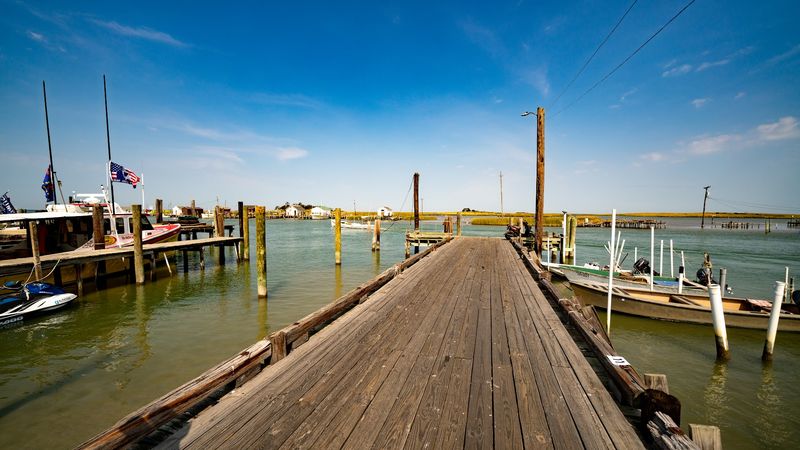
Most visitors to Tangier arrive on the morning ferry and leave on the afternoon boat. That pattern means the island fills up briefly around midday and then empties out again by late afternoon.
If you time your visit to linger after the crowds thin, you get to see a completely different version of the place.
Once the day-trippers leave, the island settles back into its own rhythm. Residents go back to their routines, the cats reclaim the paths, and the sounds of the bay take over again.
The pace slows in a way that feels almost meditative.
Staying overnight on Tangier is possible through a small number of local bed and breakfast options. Waking up before sunrise on the island, hearing the watermen’s boats heading out across the dark water, is an experience that puts the whole place in a completely different light.
That quiet morning hour might be the real Tangier.
How Climate Change Has Made Tangier Famous
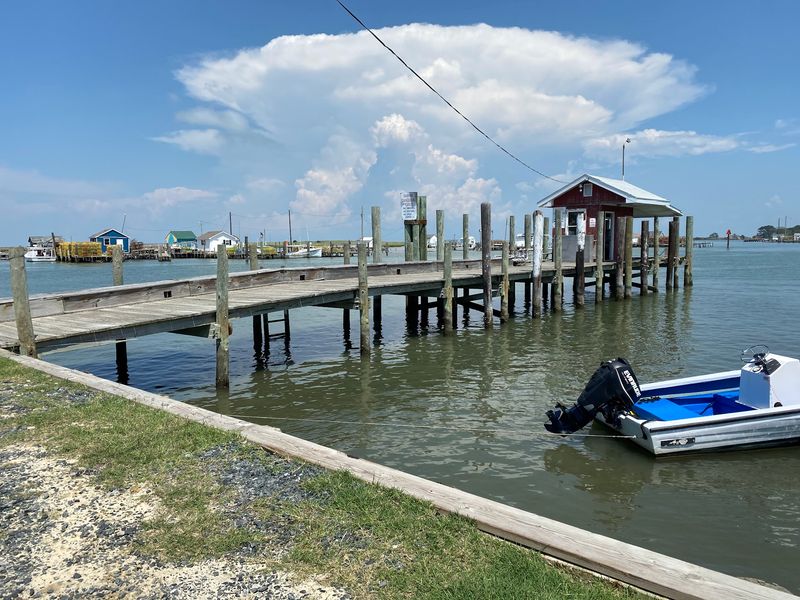
Tangier Island has become something of an unlikely reference point in national conversations about climate change and coastal erosion. Scientists, journalists, and documentary filmmakers have all visited the island to document what is happening to its land and its people.
The situation is genuinely complex. Tangier sits in a region where land subsidence, which is the gradual sinking of the ground, combines with sea level rise to accelerate the loss of shoreline faster than in many other coastal areas.
Researchers have used the island as a case study for what other low-lying coastal communities may face in coming decades.
What makes Tangier’s story particularly compelling is the human dimension. Residents are not abstractions in a scientific report.
They are real people with multi-generational roots in a place they love. Their perspective on the future of the island adds a layer of emotional weight to data that might otherwise feel distant and academic.
Planning Your Trip to Tangier
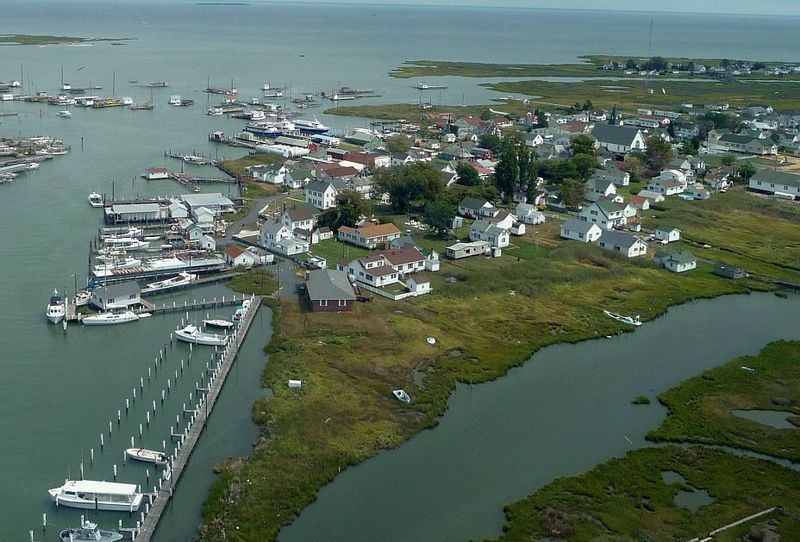
A visit to Tangier Island requires more planning than most day trips, but the effort is absolutely worth it. Ferry schedules are seasonal, so checking current departure times from Crisfield, Maryland, or Reedville, Virginia, before you go is essential.
Boats do not run year-round from all locations.
Bring cash, as some small businesses on the island may not accept cards. Pack sunscreen and comfortable walking shoes because the terrain is flat but the sun on the open water is intense.
There is no large grocery store on the island, so arrive prepared with anything you might need for the day.
The best time to visit is late spring through early fall when the weather is cooperative and the crabbing season is active. Arriving early on the ferry gives you more time before the afternoon boat back.
And if your schedule allows an overnight stay, book it well in advance because options are very limited.
Share this story