Some of the best discoveries in Oklahoma happen when you turn off a busy road expecting nothing special. You pull into a quiet lot, glance up, and suddenly you are staring at a doorway covered in colorful gods and fine details.
It feels like stumbling onto a secret that has been hiding in plain sight. This peaceful spot is the kind of place that makes you curious, calm, and eager to learn more all at once.
A Sacred Landmark on East 21st Street
Out on the eastern edge of Tulsa, at 16943 E 21st St, sits a building that surprises plenty of first-time passersby. The Hindu Temple of Greater Tulsa serves as a spiritual home for the local Hindu community, and it welcomes curious visitors too.
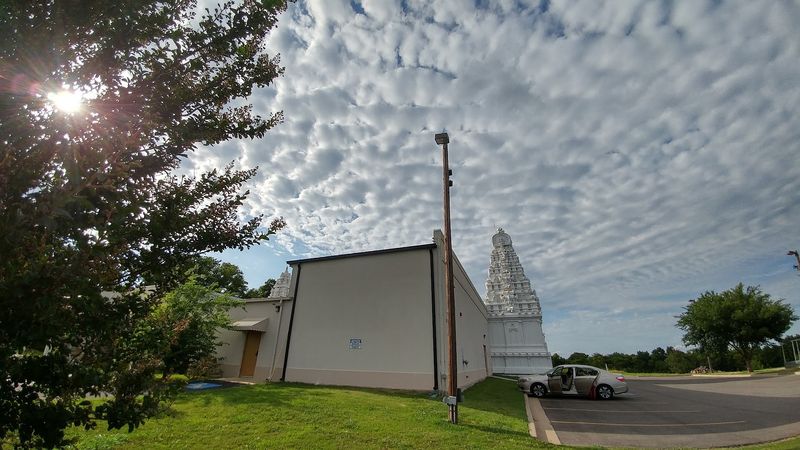
Visitors often describe it as being in the northeastern part of the city, set on a large, open property. Instead of crowded streets, you find wide stretches of grass and plenty of sky.
That roomy setting makes the temple feel calm before you even reach the door.
So what exactly is it? At its heart, the temple is a place of worship where devotees come to pray, celebrate festivals, and connect with one another.
Guests mention the prime deity here is Mahalakshmi, the goddess often linked with prosperity and good fortune.
For Oklahomans who have never stepped inside a Hindu temple, this spot offers an easy, close-to-home introduction. You do not need to travel across the world to see intricate sacred art or feel a peaceful spiritual atmosphere.
It is right here in Green Country, waiting for anyone respectful and open-minded enough to stop by and look around.
Growth, Expansion, and a Community Effort
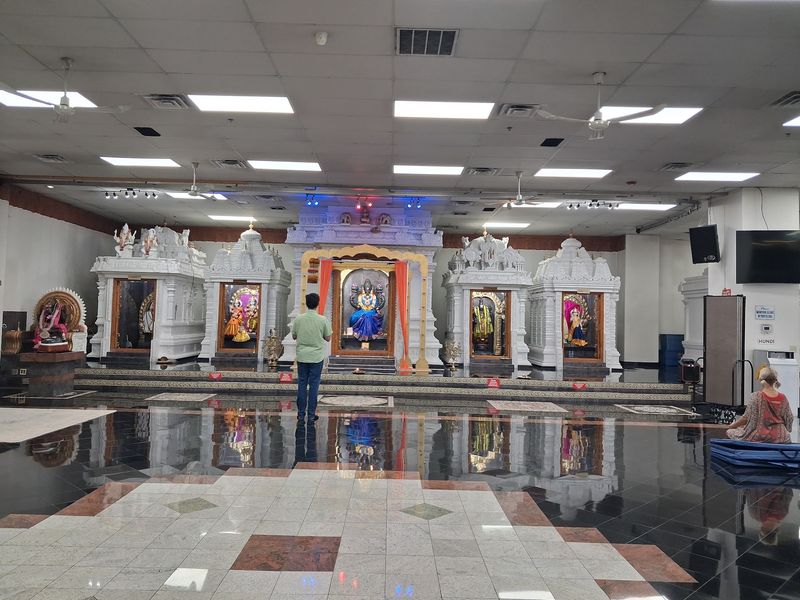
Temples rarely appear overnight, and this one has grown step by step thanks to the people who love it. Longtime visitors recall an expansion several years back that brought most of the major Hindu gods together under one roof.
Around that time, the temple also held a kumbabishekam, a special consecration ceremony that blesses a temple and its sacred images. For devotees, an event like that is a big milestone, a bit like a grand reopening filled with prayer and celebration.
The story did not stop there. More recent visitors note that development is still underway, supported by the devotees themselves.
They describe the work as planned and thoughtful, with attention paid to practical needs like ample parking.
Here is a fun detail for history fans. Many Hindu temples in America began as small gatherings in homes or rented halls before communities raised enough support to build something permanent.
The Tulsa temple reflects that same spirit of neighbors pitching in.
Walking the grounds today, you are seeing the result of years of teamwork. Every improvement, from new spaces to fresh landscaping, tells a quiet story about a community putting down deep roots in Oklahoma soil.
The Ornate Entrance That Stops You in Your Tracks
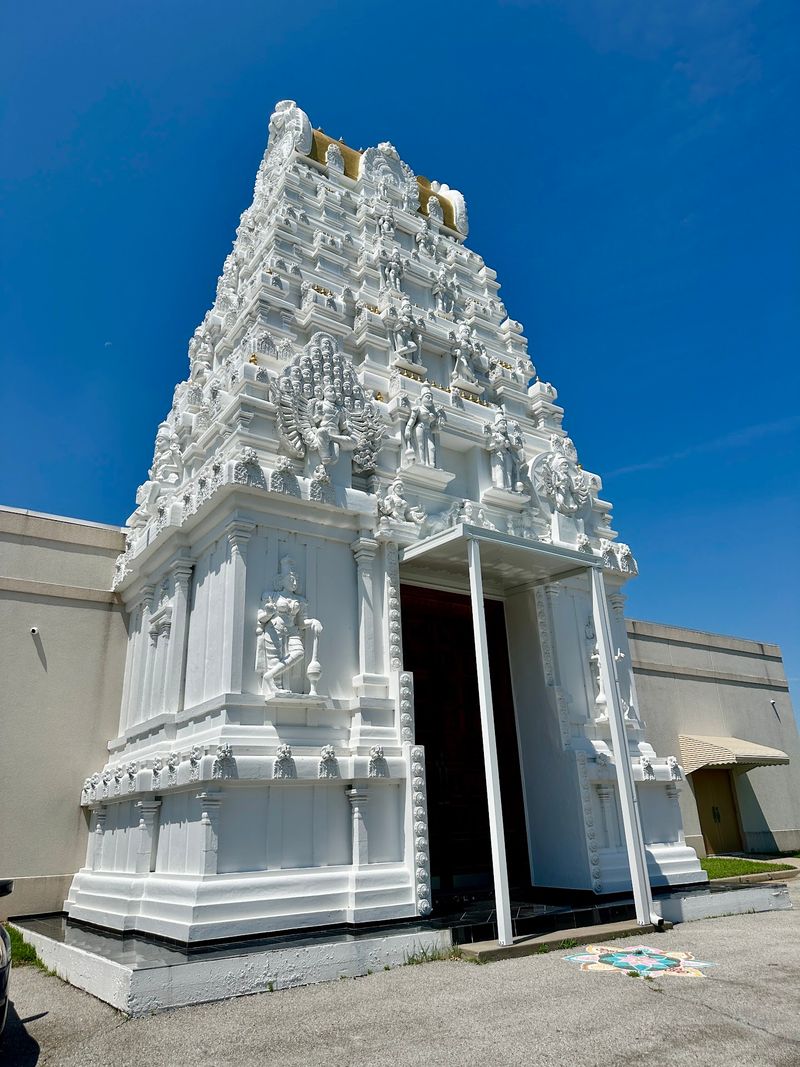
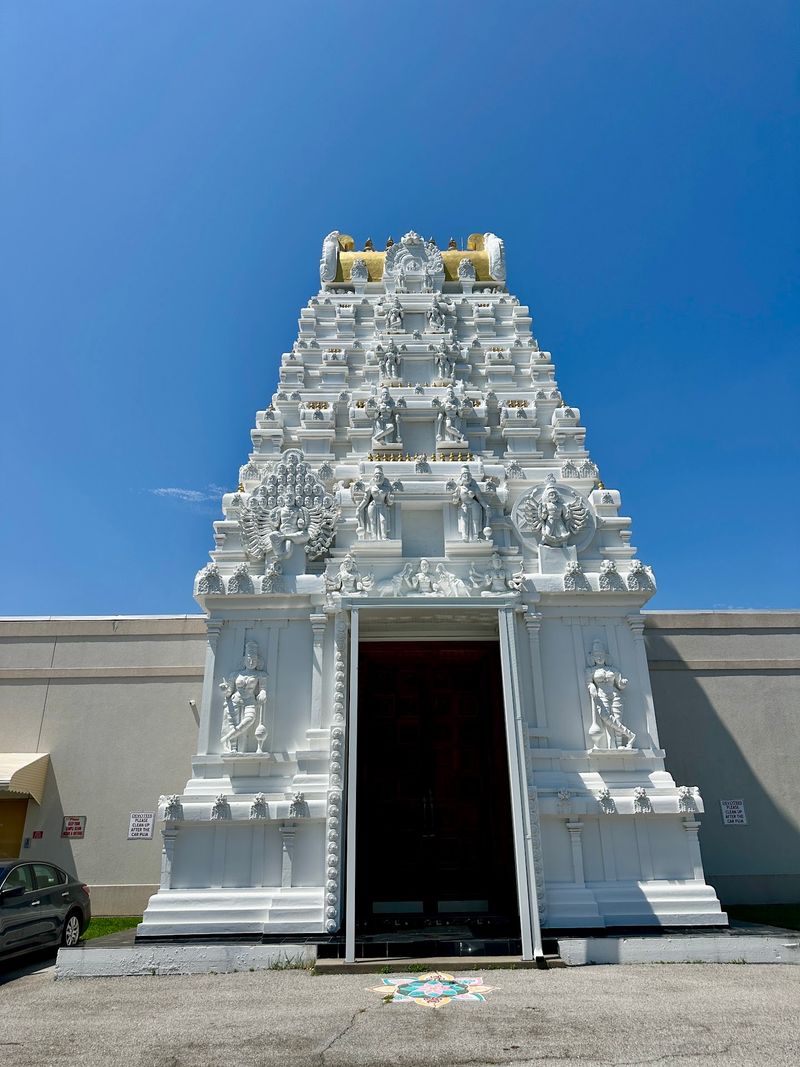
Picture yourself walking up the path, coffee still in hand, when a wall of detail suddenly fills your view. That is the effect the temple entrance has on many people.
Visitors rave about the gorgeous ornate decorations framing the doorway, with many depictions of gods arranged around it. At the center stands a beautiful door that feels like an invitation into another world.
Even guests who arrived after closing time say the entrance alone made the trip worthwhile.
Why decorate an entrance so richly? In Hindu tradition, a temple doorway marks the passage from ordinary life into sacred space.
The artwork helps set the mood, reminding people to slow down and leave daily worries behind.
Take a few minutes to study the figures closely. You may notice different poses, expressions, and symbols, each with its own meaning.
If you are new to Hindu art, snap a photo and look up the gods later, which turns your visit into a mini lesson.
Photographers, artists, and anyone who appreciates craftsmanship will find plenty to admire. It is a rare sight in Oklahoma, and it rewards patient eyes with fresh details each time.
Deities Dressed in Dazzling Splendor
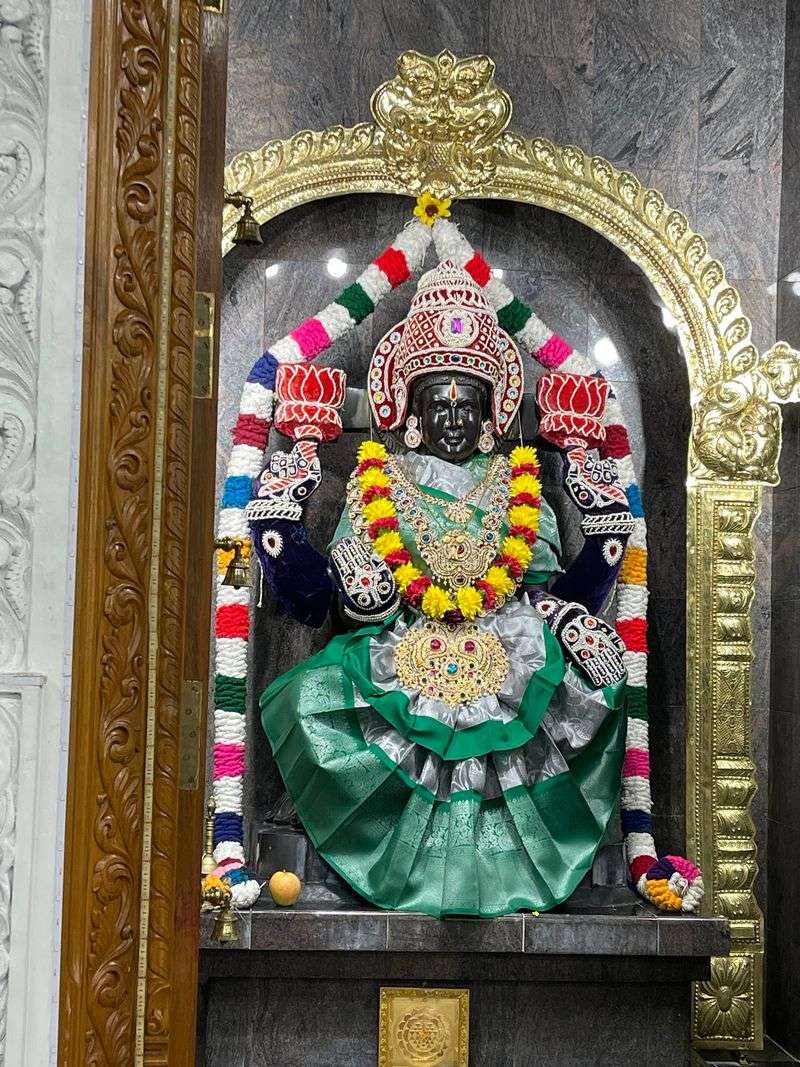
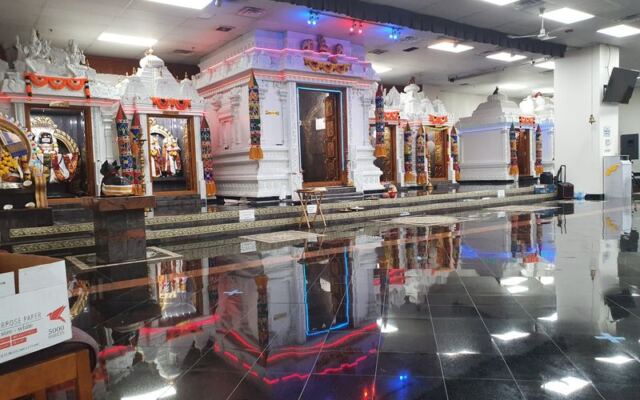
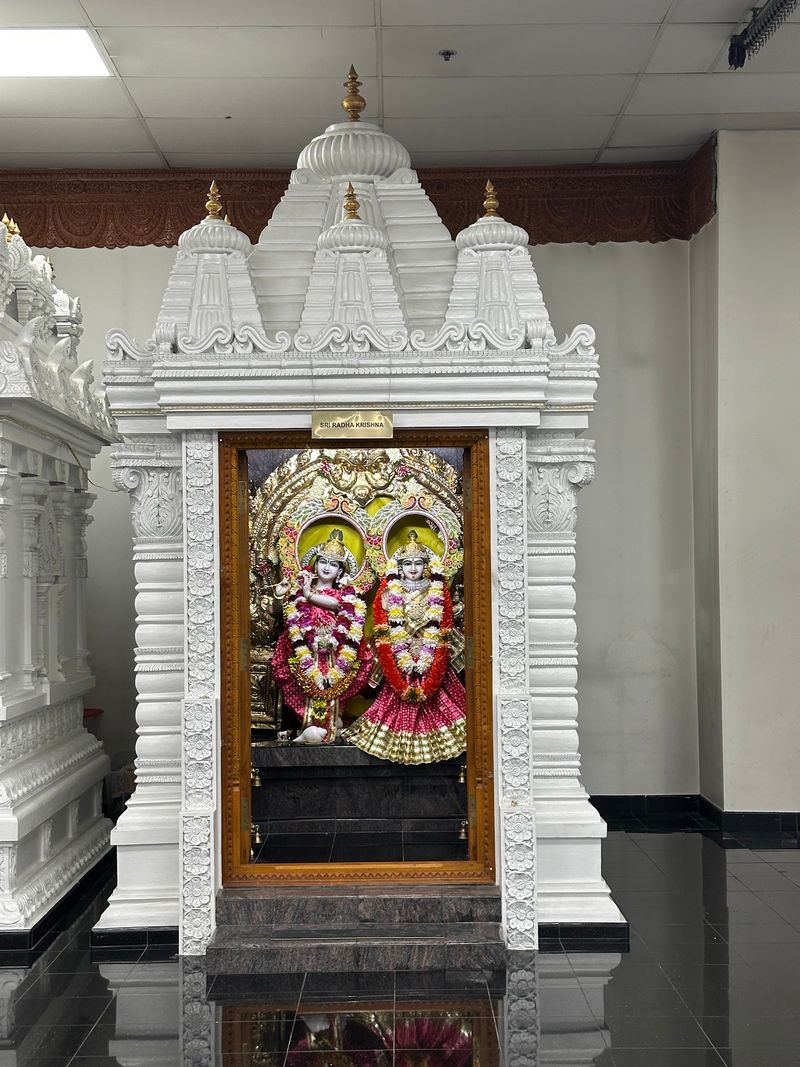
Step inside, and the colors take over. Guests describe the deities here as dressed spectacularly, calling the sight a real treat for the eyes.
The temple houses almost all of the major Hindu deities, with Mahalakshmi honored as the prime goddess. One longtime visitor praised the lovely vigrahams, which is the word for the sacred images or idols worshipped in the temple.
Each one is carefully adorned, often with fabric, ornaments, and flowers.
Did you know? In many Hindu temples, priests and volunteers change the deities’ clothing and decorations regularly, sometimes daily and especially for festivals.
That means repeat visitors may see a fresh look every time they come.
Having so many gods in one place makes the temple a gathering point for families from different regional traditions. Someone devoted to Ram can pray beside someone devoted to Lakshmi, all under the same roof.
It is a lovely example of togetherness.
If you are visiting as a guest, simply observe quietly and respectfully. Darshan, the act of seeing and being seen by the divine, is central to worship here.
Many guests mention having a very good darshan, leaving with full hearts and calm minds.
Open Lawns, Parking, and a Playground
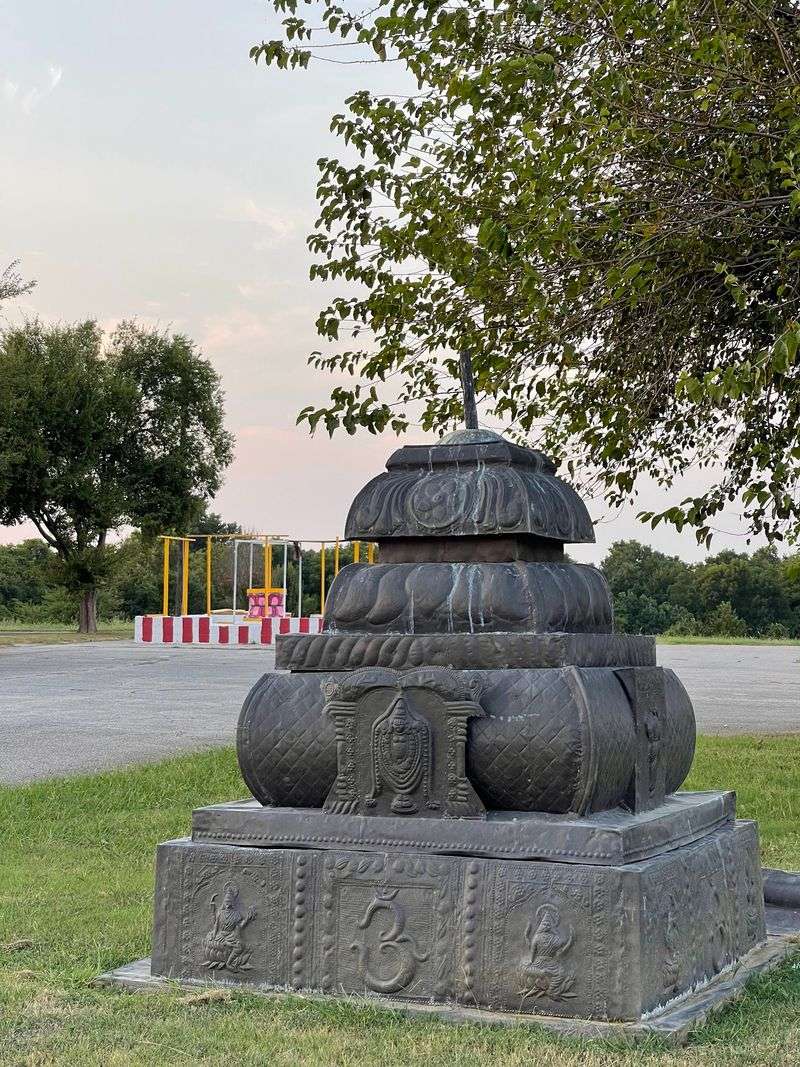
Kids get restless, and that is perfectly normal. Happily, families report that the temple grounds include a small play area for children, which earlier visitors also called a very well kept playground.
Beyond the swings, the property itself is a highlight. Guests describe it as a very big, grassy open space that feels beautiful on its own.
On a mild Oklahoma afternoon, those lawns invite you to stroll slowly and soak in the quiet.
Parking usually gets a thumbs-up too. Many visitors mention a big lot, and recent development work has focused on providing ample space for cars.
That is welcome news for anyone arriving with a full minivan.
One small heads-up comes from a guest who arrived around 5:45 in the evening. They found the area quite dark and struggled to find a spot.
Busy evenings and festival days may fill the lot faster than you expect.
So plan accordingly. Daytime visits offer the best views of the grounds, easier parking, and plenty of light for little ones to play safely while adults enjoy the peaceful surroundings.
Calm Atmosphere and Welcoming Devotees
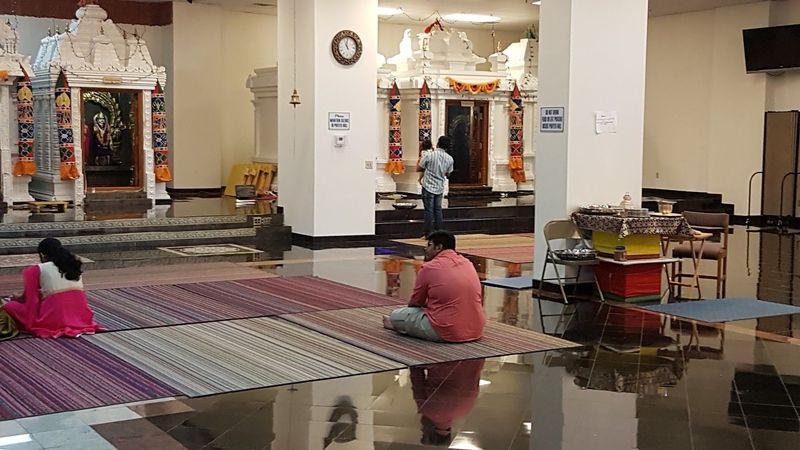
Quiet is the word that keeps coming up. Again and again, visitors describe the temple as calm, serene, and peaceful, a neat place to sit and meditate.
People also talk warmly about the folks they meet. Guests say the devotees are kind and sweet, and volunteers come across as motivated and helpful.
One visitor specifically mentioned that the newer pandit ji, the temple priest, is really kind and friendly.
Festivals bring an extra spark. One family shared that they celebrated Diwali here two years in a row and planned to return.
Earlier guests also remembered enjoying prasadam, the blessed food offered to worshippers after prayers.
Who will love it most? Hindu families seeking a spiritual home will obviously feel right at place.
Yet curious travelers, students studying world religions, and anyone craving a peaceful hour away from screens can find value here too.
On Sundays, a visitor noted, kids classes take place at the temple, including Balvihar and yoga. That shows how the temple doubles as a learning space for younger generations.
It is not only about prayer, but also about passing traditions forward with care.
Hours, Contact Details, and Practical Tips
Timing matters here, because the schedule changes depending on the day. On Saturdays and Sundays, the temple is open from 9 a.m. to 8 p.m., giving weekend visitors lots of flexibility.
Weekdays are split into two windows. Monday through Friday, doors open from 9 to 11 a.m. and again from 6 to 8:30 p.m.
Showing up in the middle of a weekday afternoon will likely leave you admiring the entrance from outside.
Need to check something first? Call the temple at 918-438-3850 or browse its website at htgt.org for updates on events and services.
Festival dates and special ceremonies can shift, so checking ahead is smart.
A few handy notes from past visitors will help. There is no canteen on site, so eat before you arrive or pack snacks for the drive.
Some guests felt archana tickets, which cover a personal prayer service, were on the pricey side, so ask about costs beforehand.
Finally, dress modestly and be ready to remove your shoes, a common custom at Hindu temples. Speak softly inside, and follow the lead of devotees around you.
Why It Earns a Spot on Your Oklahoma List
Oklahoma is full of surprises, from roadside oddities to hidden lakes, and this temple deserves a spot among them. Few places in the state offer such a striking blend of art, faith, and quiet.
The ornate entrance alone is worth the drive, with its many gods and handsome door greeting you before you set foot inside. Add in beautifully dressed deities, roomy lawns, and a friendly community, and you have a destination that lingers in memory.
It is not a theme park, of course. It is an active place of worship, so the best visits come with respect, patience, and a willingness to learn.
Arrive during open hours, follow local customs, and let the calm do its work.
Families will appreciate the playground and open space. Spiritual seekers will value the peaceful halls.
Curious road-trippers will leave with photos and stories few friends have heard before.
Next time you are cruising through east Tulsa with an hour to spare, consider pulling into that big lot. You might just find that one doorway opens up a whole new way of seeing your own home state.
Share this story