Tucked along a busy stretch of East 21st Street in Tulsa, Oklahoma, a Buddhist temple sits quietly behind its gates, holding one of the most unexpected and calming spaces in the entire state. Chua Tam-Bao is a working Vietnamese Buddhist temple that opens its grounds to the public every single day, welcoming curious visitors, quiet seekers, and anyone who simply needs a moment of stillness.
The property is dotted with Buddha statues, garden paths, a small pond, and a wooden bridge, all of which feel genuinely transported from another part of the world. If you have ever driven past and wondered what hides behind those gates, the answer is far more beautiful than you might expect.
Where to Find Chua Tam-Bao in Tulsa
Most people drive right past it without a second glance. Chua Tam-Bao sits at 16933 E 21st St, Tulsa, OK 74134, tucked into the northeastern edge of the city in a way that feels almost deliberately hidden from the rush of daily traffic.
The temple is a Vietnamese Buddhist place of worship, and it has been quietly serving its community and welcoming outside visitors for many years.
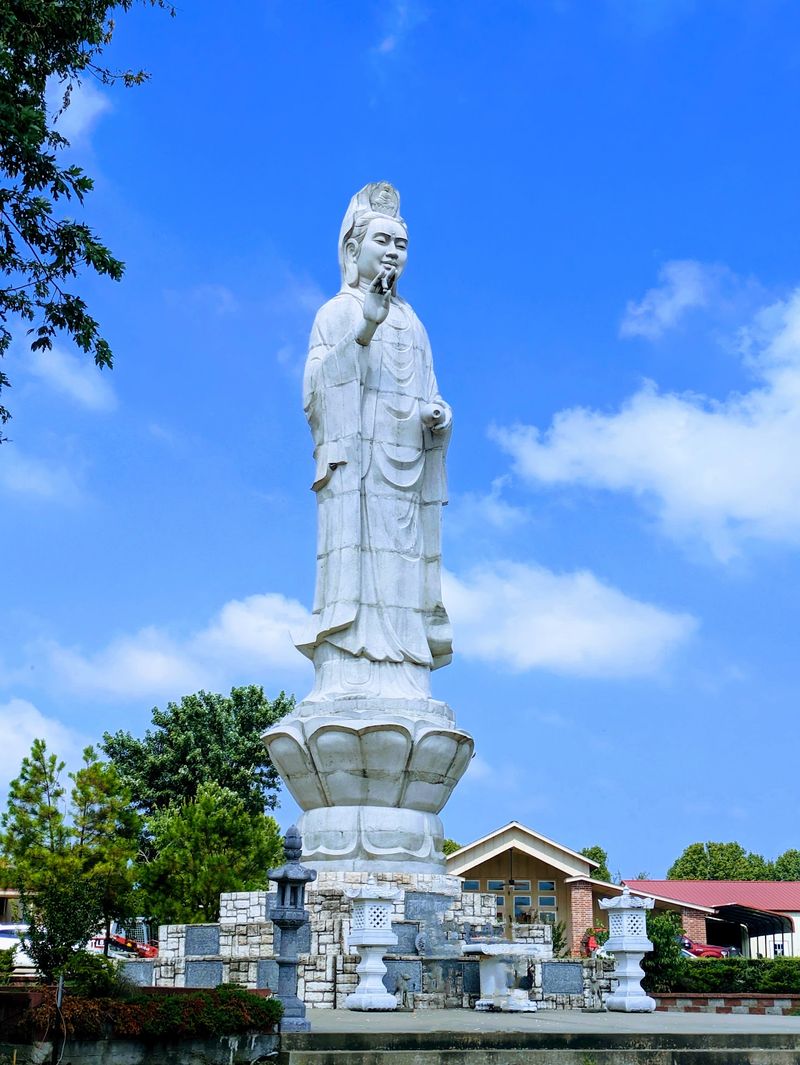
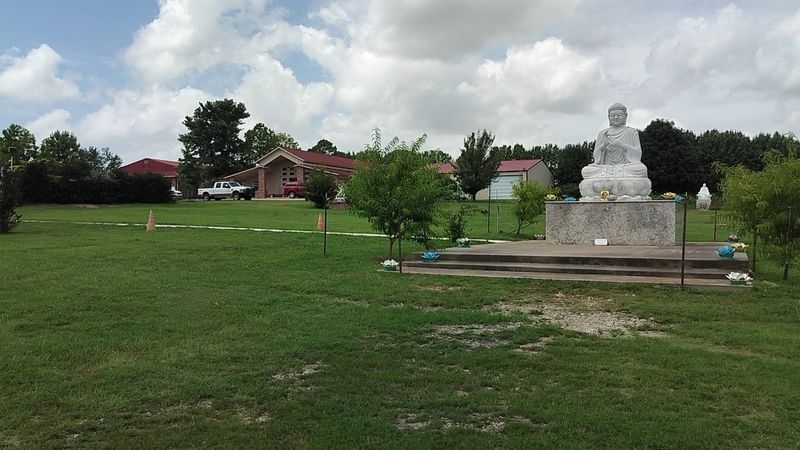
What gives it away from the road is the large, luminous Buddha sculpture that rises above the property line, almost beckoning passersby to pull over and take a closer look. The address places it well within Tulsa city limits, yet the moment you step through the gate, the surrounding urban landscape seems to dissolve entirely.
There is no dramatic signage competing for your attention, no ticket booth, no gift shop crowding the entrance.
The temple holds a 4.8-star rating across 155 Google reviews, which is a quietly impressive number for a religious site that never advertises itself. Getting there is straightforward, and the grounds are open to the public every day of the week during daytime hours.
The Story Behind the Temple Grounds
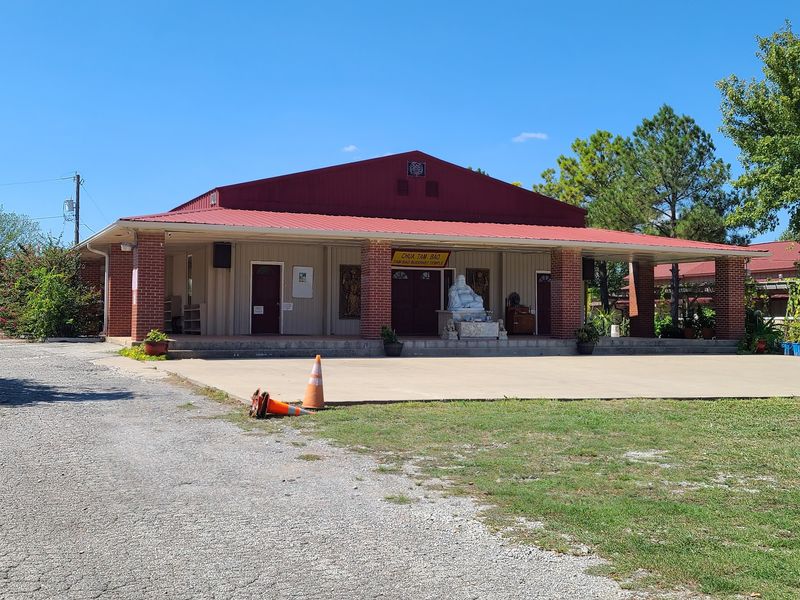
Long-time community members carry a layered memory of this place that stretches back through several distinct chapters of growth. What began as a modest altar inside a main house eventually moved into a barn, and from there the temple expanded steadily across the property over the years.
An interest-free loan helped fund early construction, and community members who forgave that loan had their names inscribed on bricks as a lasting gesture of gratitude.
Additional land was purchased over time, trees were planted in careful succession, and the grounds grew into the multi-acre spiritual campus visitors explore today. The Vietnamese Buddhist community behind Chua Tam-Bao built this place piece by piece, through collective effort and sustained devotion rather than any single dramatic moment of creation.
Abbots and nuns continue to care for the property, maintaining the statues, tending the garden paths, and overseeing the regular religious services held on-site. That ongoing human investment is visible everywhere you look, from the trimmed hedges to the carefully placed figurines.
The temple is not a preserved relic; it is an active, breathing religious home that also happens to be one of Tulsa’s most quietly remarkable public spaces.
The Buddha Statues That Fill Every Corner
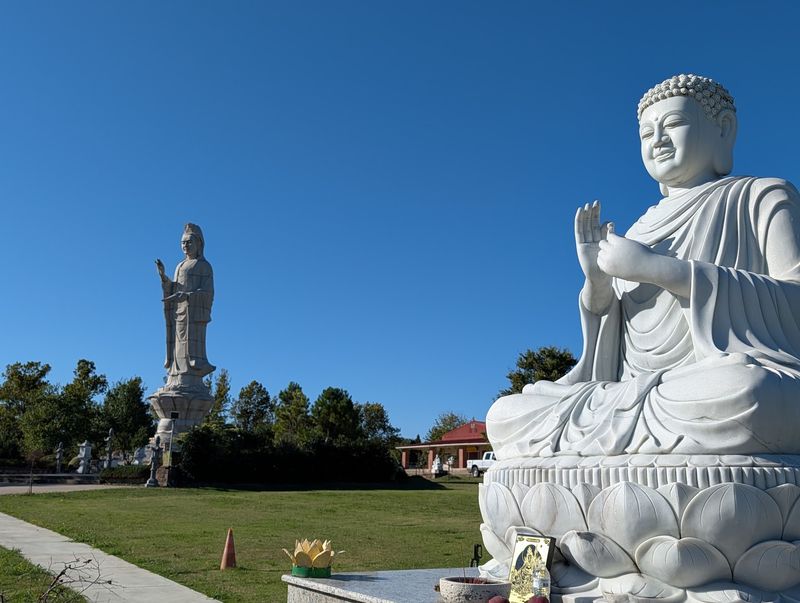
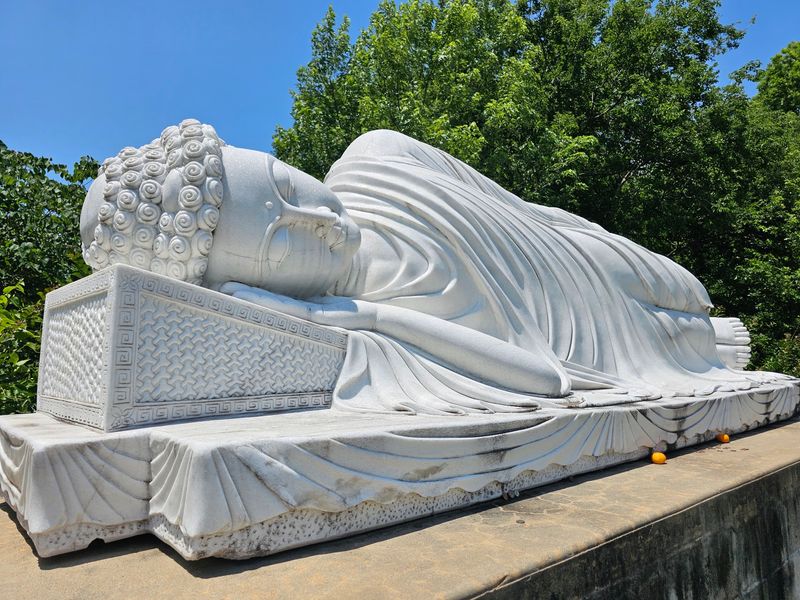
Wandering the grounds at Chua Tam-Bao feels like flipping through a visual encyclopedia of Buddhist iconography. Statues appear around nearly every bend, ranging from small decorative figures nestled among plants to large commanding sculptures that anchor entire sections of the garden.
Each one carries its own posture, expression, and symbolic meaning, which gives the property a sense of quiet variety rather than repetition.
The main Buddha sculpture is visible from East 21st Street and serves as the natural focal point of the entire site. Signs posted around the grounds politely but firmly ask visitors not to climb on the statues and to treat the space with the respect due to an active religious site.
Most visitors honor that request without hesitation, though the signs exist because not everyone has done so in the past.
Beyond the central figure, smaller shrines and deity representations are scattered across the property in arrangements that feel organic rather than staged. Some are sheltered beneath canopies of mature trees, while others stand open to the sky.
The cumulative effect of so many figures across so much green space creates an atmosphere that feels genuinely unlike anything else in Oklahoma.
The Pond, the Bridge, and the Island
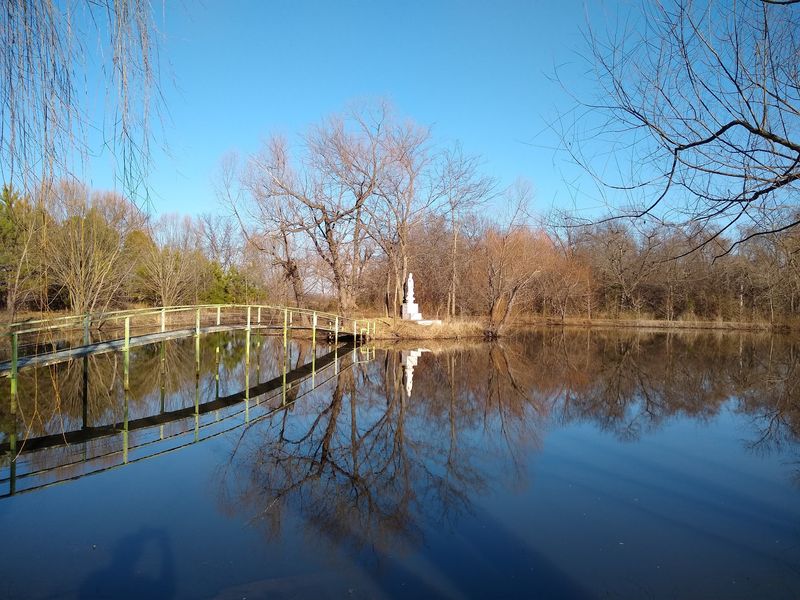
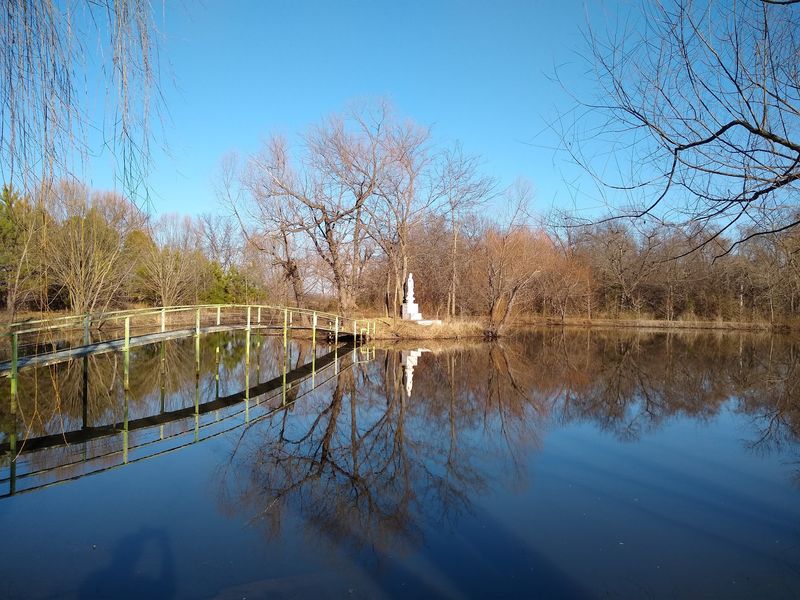
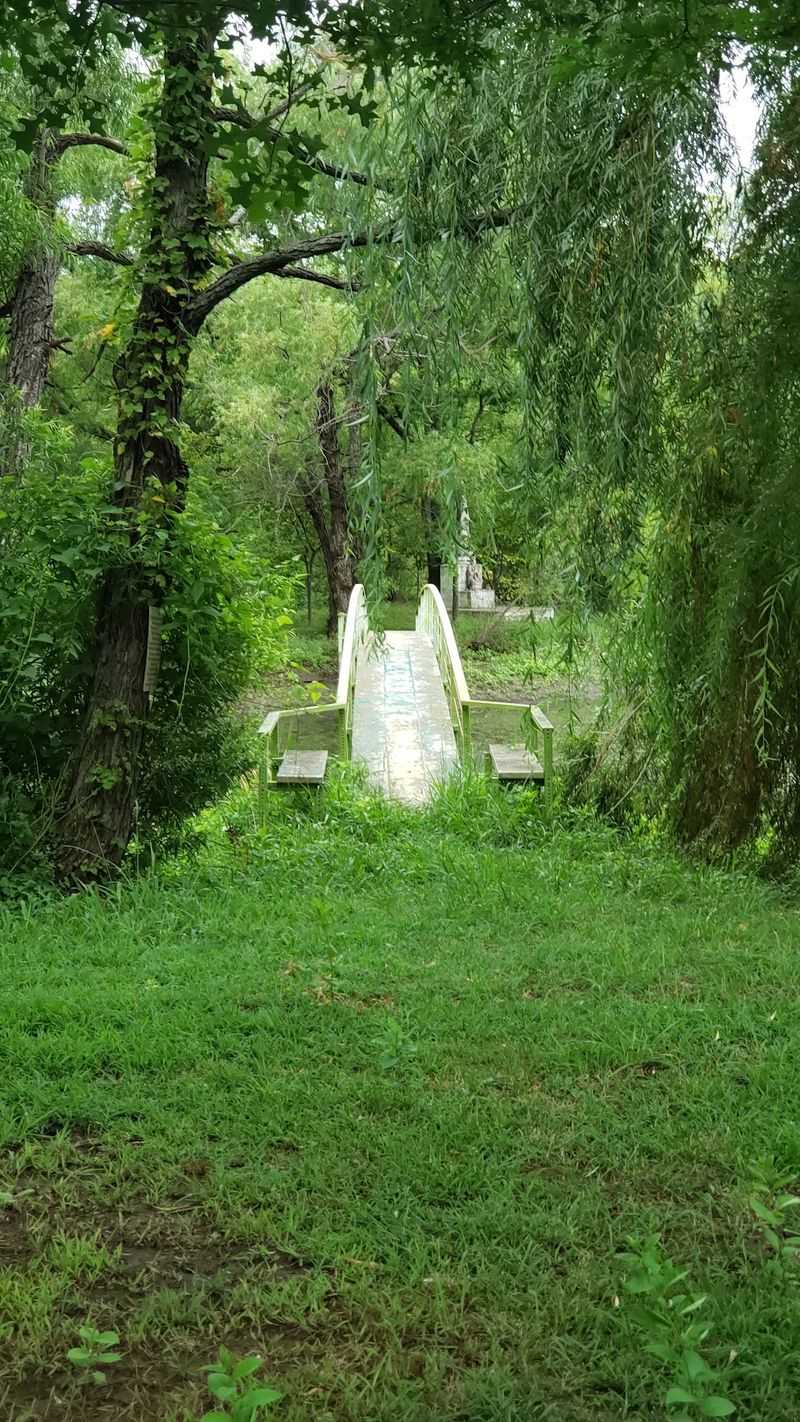
Toward the back of the property, the landscape opens up around a small pond that adds a genuinely meditative quality to the grounds. A wooden bridge once connected the main garden path to a small island in the center of the water, creating one of the most photogenic spots on the entire property.
As of recent visits, that bridge has been closed for repair, though there is hope among regular visitors that it will reopen before long.
Even without crossing the bridge, the pond area is worth seeking out. The water catches light in a way that makes the surrounding statues and trees reflect softly across the surface, and the stillness of that back section of the property feels noticeably deeper than the areas closer to the street.
It is the kind of spot where people tend to slow down without meaning to.
The combination of water, greenery, and Buddhist figures in a single compact space gives this corner of the temple grounds an almost storybook quality. A garden pond might sound like a modest feature, but in context, surrounded by acres of statues and mature trees on the eastern edge of Tulsa, it lands as something genuinely special and worth the walk to find.
Meditation and Spiritual Practice on the Grounds
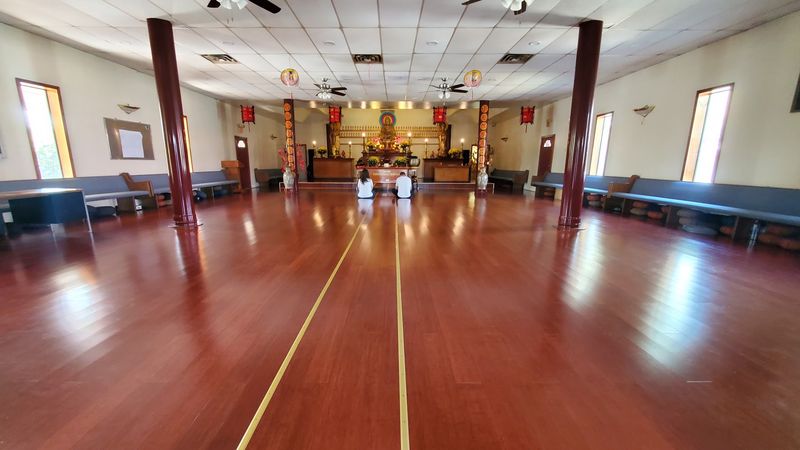
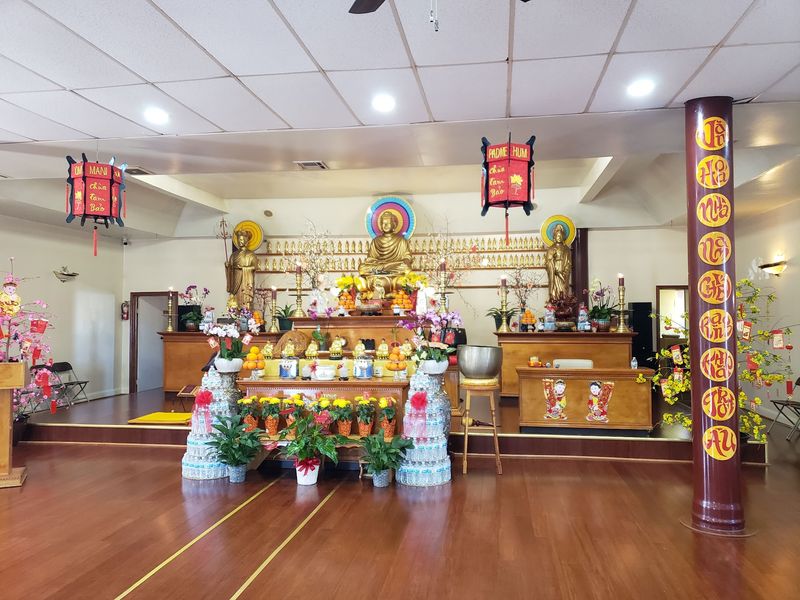
Beyond its visual appeal, Chua Tam-Bao functions as a genuine place of spiritual practice for its community and for individual visitors who arrive with that intention. A dedicated structure on the grounds serves as a meditation space, and while it is not always open during casual walk-in visits, it adds an important layer of purpose to the property that sets it apart from a simple garden or sculpture park.
An English-language service takes place on Sunday mornings at 9 AM, open to anyone who wants to attend. The Sangha, which is the community of practitioners gathered around the temple, has a reputation for being genuinely welcoming to newcomers regardless of background or prior experience with Buddhism.
Dharma talks are held in a circle format that encourages participation at whatever level feels comfortable for each person present.
For visitors who arrive on a weekday simply to walk the grounds, the atmosphere still carries a contemplative weight. People come to think through difficult decisions, to find a moment of calm in the middle of a complicated week, or to simply sit quietly in a place that does not demand anything from them.
That quality of unhurried stillness is one of the temple’s most consistent gifts to anyone who visits.
The Feeling of Leaving Tulsa Without Going Anywhere
There is a particular kind of surprise that comes with discovering a space that genuinely does not feel like the city surrounding it. At Chua Tam-Bao, that sensation arrives quickly and stays for the duration of your visit.
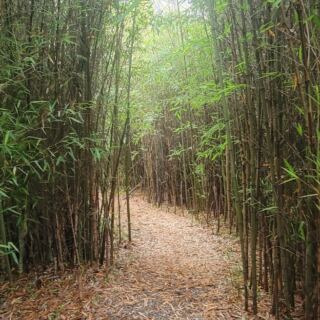
The noise of East 21st Street fades almost immediately once you move past the entrance, replaced by birdsong, rustling leaves, and the kind of quiet that urban Tulsa rarely offers.
Multiple visitors have described the experience using nearly identical language without knowing it: the grounds feel like they are not in Tulsa, or even close. That response is not hyperbole.
The combination of mature tree cover, layered garden paths, water features, and dozens of statues creates a sensory environment that genuinely disconnects the mind from its surroundings in the best possible way.
Part of what makes the effect so strong is the scale of the property. Several acres of carefully tended grounds give the space room to breathe, and the layout encourages slow, wandering exploration rather than a quick loop.
Visitors who rush through miss the full impact. Those who take their time and allow the garden to unfold at its own pace tend to leave with a feeling that is difficult to name but easy to recognize as something worth returning for.
Who Belongs Here and Why Everyone Is Welcome
One of the most quietly remarkable things about Chua Tam-Bao is how broad its appeal turns out to be. The temple draws practicing Buddhists for regular services, but it also draws curious first-timers, photographers, people going through hard seasons in their lives, and travelers who simply want to experience something genuinely different during a visit to Tulsa.
The grounds ask nothing of you beyond basic respect.
Nobody approaches you as you walk the property. There are no guided tours, no required explanations, and no pressure to participate in anything.
The freedom to explore at your own pace, in your own way, with your own thoughts, is built into the experience by design. That kind of unstructured openness is rarer than it sounds in a world where most public attractions are choreographed from start to finish.
The temple is also notably family-friendly in a calm, educational way. Children who visit encounter art, nature, and cultural exposure all at once, without needing to be entertained or managed.
For solo visitors, couples, and small groups alike, the grounds offer exactly the kind of flexible, low-pressure outing that suits almost any mood or energy level. The welcome here is quiet but entirely genuine.
Practical Details for Planning Your Visit
Chua Tam-Bao keeps consistent hours throughout the week, opening at 8 AM and closing at 7 PM every day, including weekends. That seven-days-a-week schedule makes it easy to fit into almost any itinerary, whether you are planning a quiet weekday morning or a weekend afternoon drive across town.
The grounds are free to visit, which makes the experience accessible to anyone regardless of budget.
The temple’s phone number is listed as +1 918-438-0714, and the website can be found at ducquanam.com for anyone who wants more information before visiting. A word of caution worth mentioning: at least one visitor arrived during posted open hours and found the gate locked with no answer at the phone number.
That kind of occasional inconsistency is worth keeping in mind, and a quick call ahead during busy or holiday periods might save a wasted trip.
Parking is available on the property, and the address at 16933 E 21st St places the temple in the northeastern section of Tulsa, making it a reasonable drive from most parts of the city. Comfortable walking shoes are recommended since the grounds cover several acres and the paths reward those who explore them fully rather than sticking to the main entrance area.
A Hidden Tulsa Gem Worth the Detour
Tulsa has no shortage of things to do, but very few of them offer the specific combination of beauty, calm, cultural richness, and accessibility that Chua Tam-Bao delivers without asking anything in return. The temple earns its 4.8-star rating not through spectacle but through sincerity.
Every element of the grounds, from the smallest garden figurine to the large central sculpture visible from the road, reflects years of genuine care and community investment.
For road-trippers passing through eastern Oklahoma, the temple makes for an ideal unplanned stop that ends up being one of the most memorable parts of the journey. For Tulsa residents who have never made the drive out to East 21st Street with this destination in mind, the visit tends to produce a pleasant kind of embarrassment that something this good existed nearby all along without ever being discovered.
The grounds are not perfect in every corner, and the occasional signs of ongoing maintenance or stored materials remind you that this is a working religious campus rather than a manicured museum. That honest, lived-in quality is part of what makes Chua Tam-Bao feel real.
Come with an open mind, walk slowly, and leave the city behind for an hour. Tulsa will still be there when you get back.
Share this story