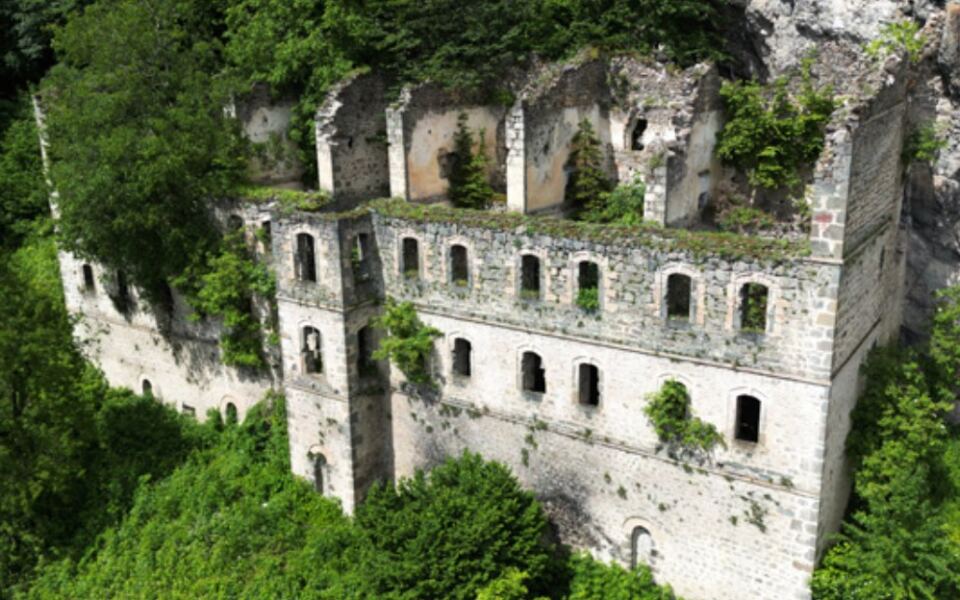
Deep in the forests near Trabzon, Turkey, a stone monastery sits quietly while the world rushes by. Vazelon Monastery is more than 1,700 years old, and it still holds frescoes, secrets, and plenty of mystery.
Getting there takes some effort, but visitors say the reward is huge. Here are ten things to know before you go.
A Story That Starts in 270 AD
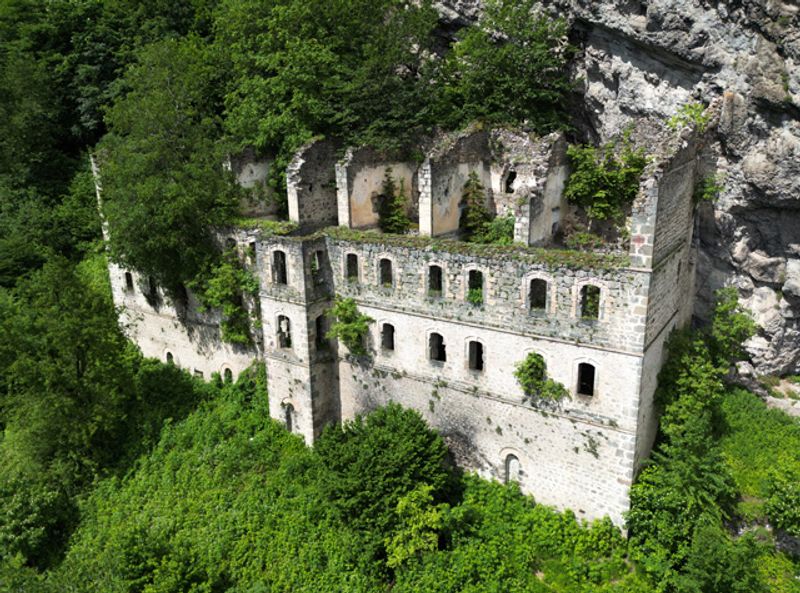
Few buildings in the world can say they were born in the third century. Vazelon Monastery is said to date back to 270 AD, which makes it older than many famous European castles.
That is a lot of candles, prayers, and winters.
The site sits in the Maçka district of Trabzon Province, about 40 kilometers south of the city. Emperor Justinian I ordered repairs around 565 AD, so the place already mattered a great deal in early Byzantine times.
Over the centuries, builders returned again and again to fix and expand it.
The buildings you see today mostly come from a rebuilding in 1410. So you are looking at layers of history stacked like pages in an old book.
One visitor said that with a little imagination, you can almost feel prayers that were offered here for more than 1,700 years.
Bring a bit of that imagination along. The stones are quiet, but the story behind them is loud, long, and surprisingly dramatic.
Reading a short history before your trip makes every wall more exciting.
The Richest Monastery in the Region
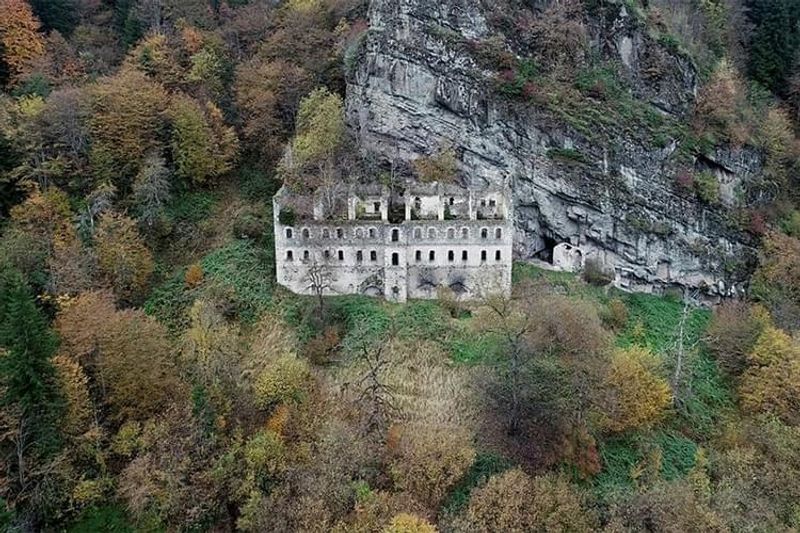
Money talks, and Vazelon once talked very loudly. Records say it was the wealthiest monastery in the Maçka region.
Its influence reached religious, cultural, and economic life across the valleys.
There is even a story that nearby Sumela Monastery was built using income from Vazelon. Think about that for a second.
The quiet ruin you hike to today once helped fund a famous cliffside landmark.
That wealth also gave the monastery real power. In 1821, a prior named Chrysanthos used diplomacy and the monastery’s riches to prevent a massacre in about 40 surrounding Christian villages.
That is a rare moment when a bank account helped save lives.
Standing in the ruins now, it is hard to picture such influence. Moss covers the stones and trees reach through broken walls.
Still, the size of the site gives a hint that this was once a busy center of land, trade, and faith.
Frescoes That Refuse to Fade
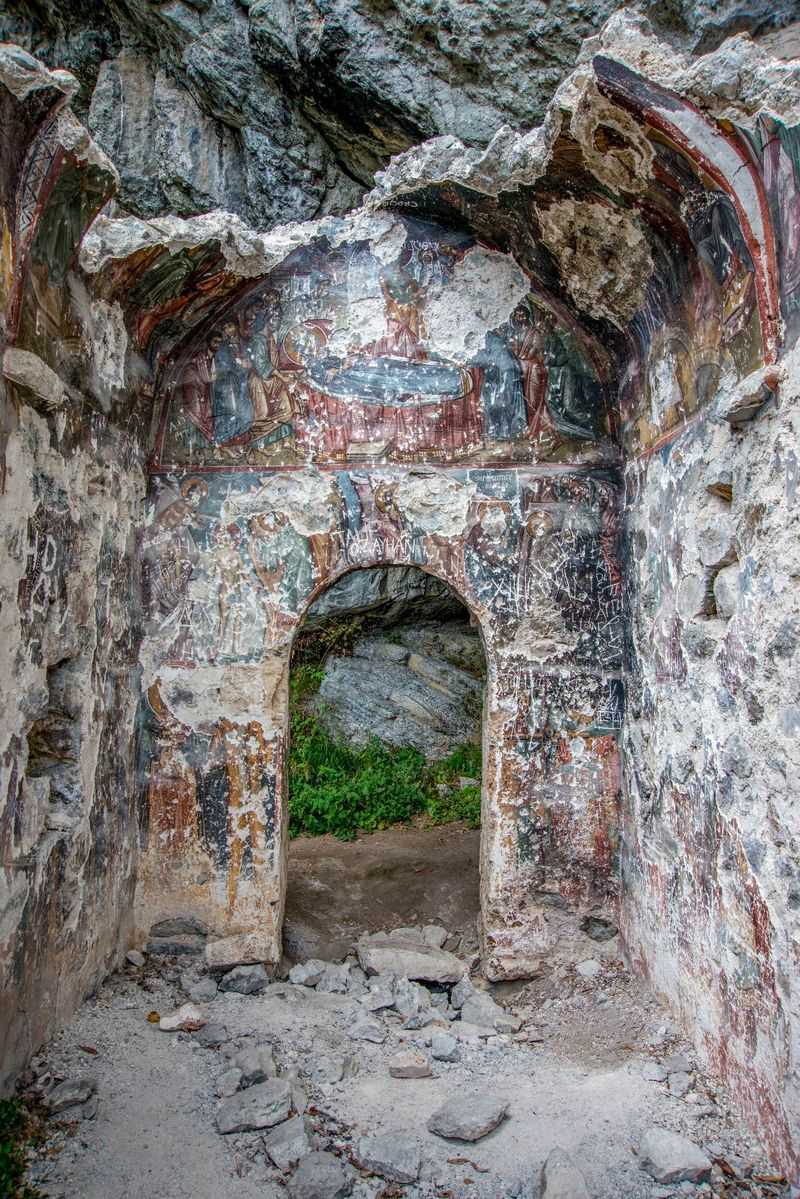
Look up, look closely, and you may spot color where you least expect it. The north outer walls of the church still carry frescoes showing Heaven, Hell, and the Last Judgement.
Reports say they still hold much of their original beauty.
Think of how many storms, snowfalls, and centuries those paintings have faced. Yet figures and shapes remain, tucked on stone that has no roof to protect it.
That makes each visible detail feel like a small surprise.
Photographers love this part of the site. Soft forest light makes the faded reds and ochres glow a little.
Go slowly and let your eyes adjust, because the best details often show up after a minute or two.
Please keep your hands off the walls. Oils from skin can harm old paint, and there is no guard here to remind you.
Take pictures, take notes, and leave the art exactly as you found it.
A Rough Past of Attacks and Ruin
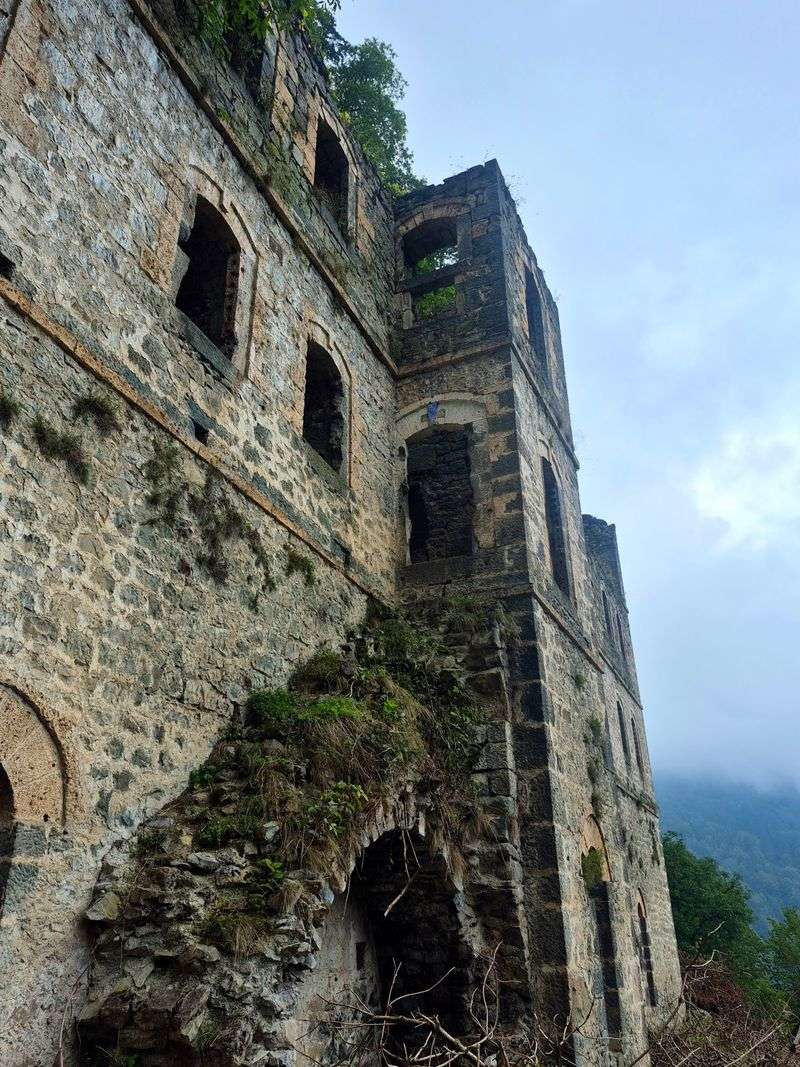
Peaceful today, stormy before. Vazelon Monastery was attacked and ruined many times over its long life.
In 490, Sassanid Persians are said to have struck the monastery and killed the 400 people living there.
Later, during Ottoman rule from 1453 to 1922, the monastery was razed more than once. Each time, it seems, people came back and built again.
That stubborn habit of rebuilding is a big part of its charm.
The final blow came in 1922. After that, the monastery was left in the ruined state you see now.
The roofless walls tell that story without a single sign.
It is a heavy history, so walk with respect. Take a moment near the stones and think about the people who lived, worked, and prayed here.
A quiet pause says more than a loud photo shoot ever could.
The Last Monk and a Saved Icon
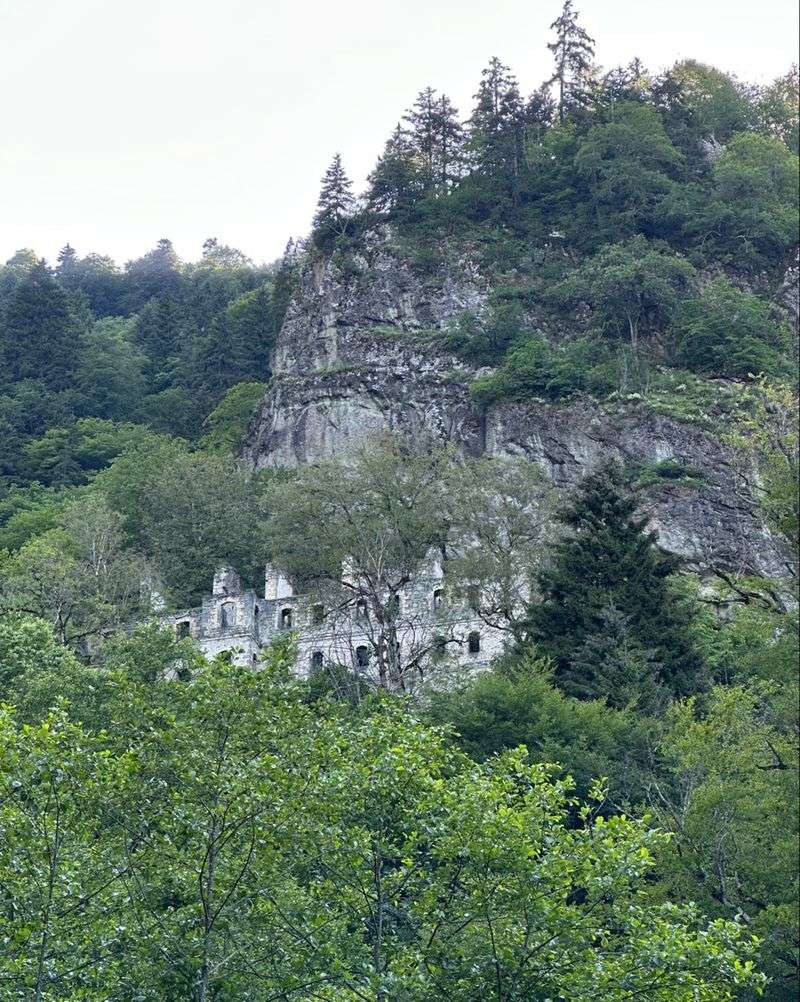
One man, one icon, and a very long journey. When the monastery fell in 1922, its last monk, Dionysios Amarantidis, rescued the icon of Saint John the Forerunner.
He carried it away to safety.
The icon later found a new home at the monastery of Agia Triada in Serres, Greece. So a piece of Vazelon is still cared for today, far from its Turkish mountains.
That small fact makes the ruins feel a little less lonely.
Only one item from the monastery’s archive is known to remain, and it sits in a museum in Leningrad. Most of the written memory is simply gone.
That makes every surviving object extra precious.
The monastery was left empty after the population exchange between Greece and Turkey. Standing in the quiet courtyard, you can picture the final days.
It is a sad scene, but also one of hope, because someone cared enough to save something.
The Hike Is Half the Fun
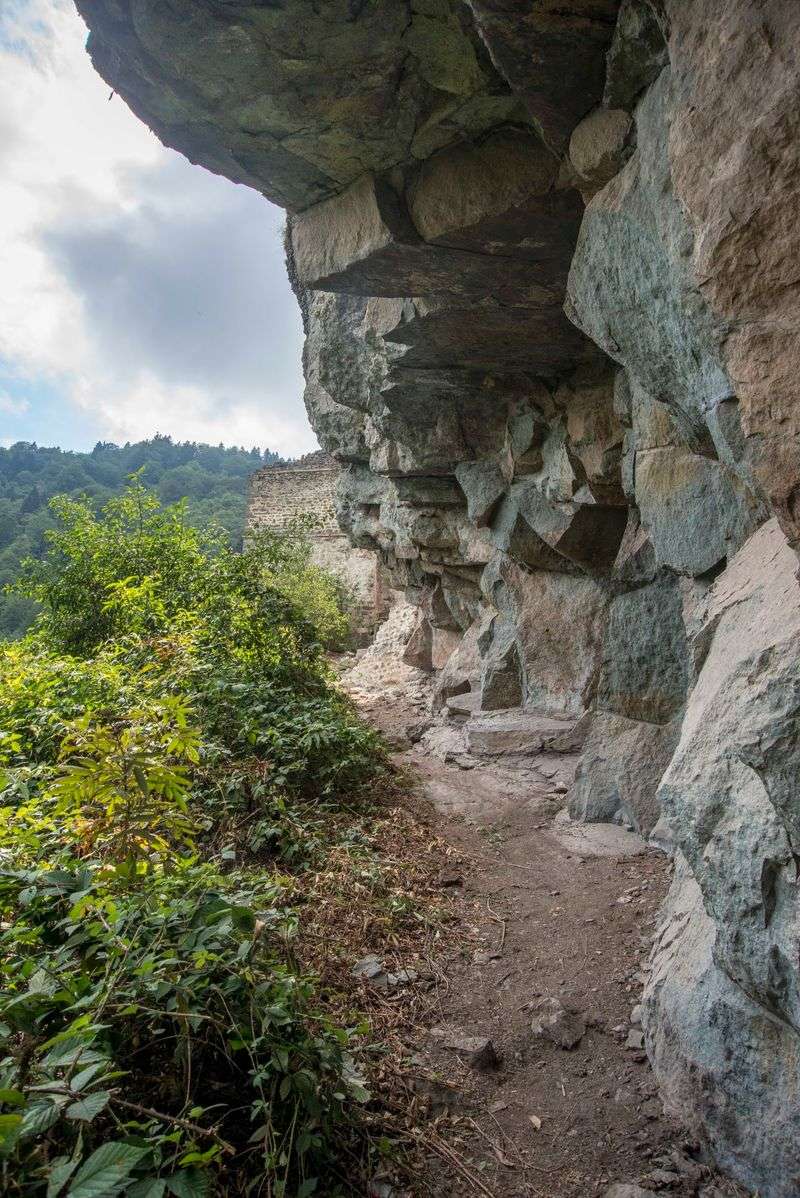
Sturdy shoes are not optional here. The last stretch is a short but steep trail, and reviewers say it can be hard to spot.
One group walked about 10 minutes uphill after leaving the gravel road.
Several visitors suggest walking the roughly 5 kilometers from where the gravel begins. They say it puts you in the mood and the scenery is very pretty.
Expect to spend two to three hours in total.
Watch for a small path that leaves the road on the left after about 3 kilometers. It is easy to miss, so a trail app with the exact location helps a lot.
Saving an offline map before you lose signal is a smart move.
The path can be slippery, especially after rain. Take your time, use your hands when needed, and keep snacks in your bag.
The forest is peaceful, and you may not meet another soul.
Roads Only Brave Cars Should Try
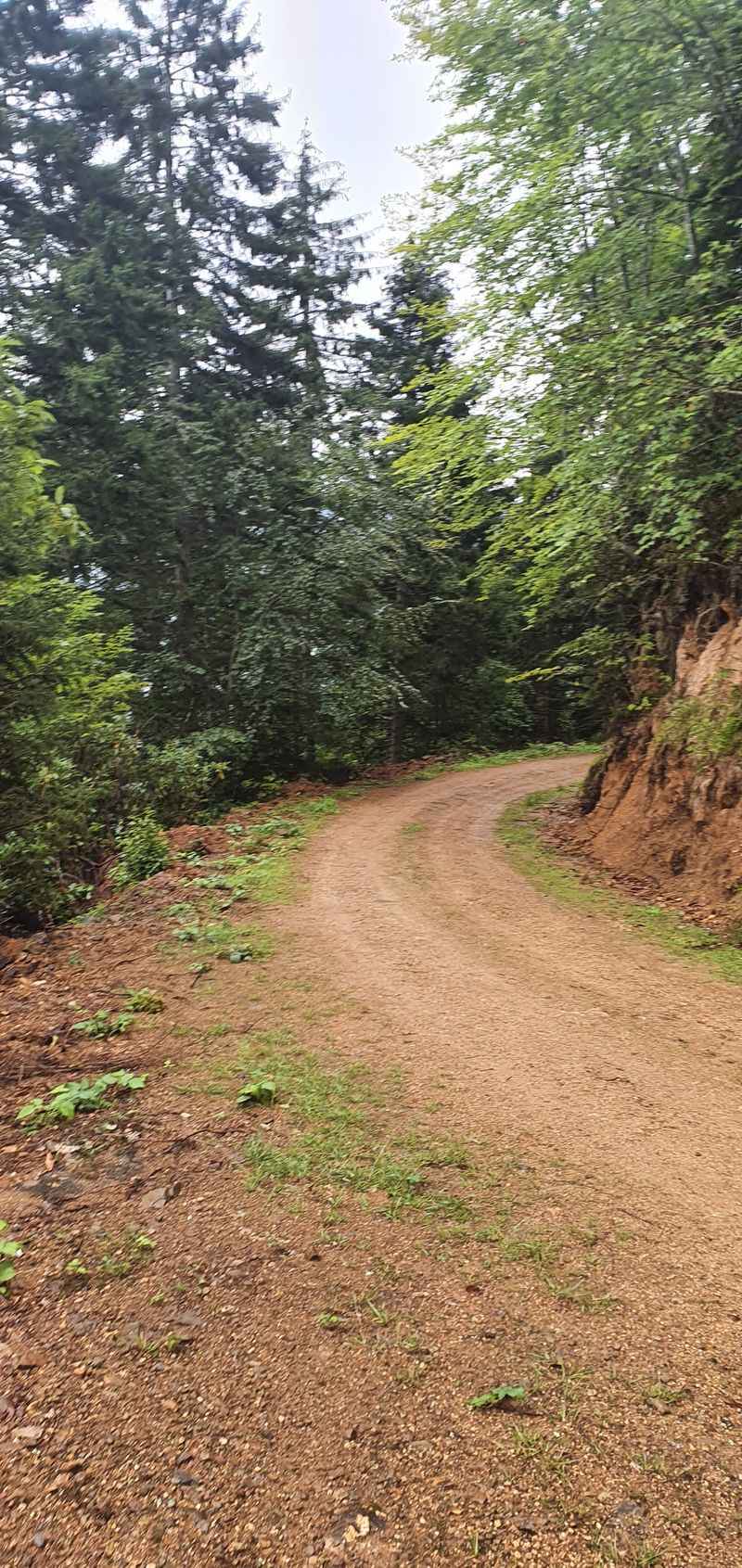
Your small car may have strong opinions about this road. Visitors report rough gravel, steep sections, and muddy spots.
The paved road ends well before the monastery.
High clearance helps, and four-wheel drive is even better. Some people made it most of the way and still turned back as the car started to slip.
Others parked in a small village and walked about one kilometer on the road.
Single-lane stretches make meeting another car tricky, and signs are scarce. A fallen tree once blocked the road for one traveler.
Check conditions before you go, and do not count on lighting or warning signs.
On the bright side, the drive passes a pretty mosque, apple trees, and small waterfalls. Even people who never reached the ruins called the forest lovely.
Walking part of the way is often the wisest and calmest choice.
Vazelon Versus Sumela
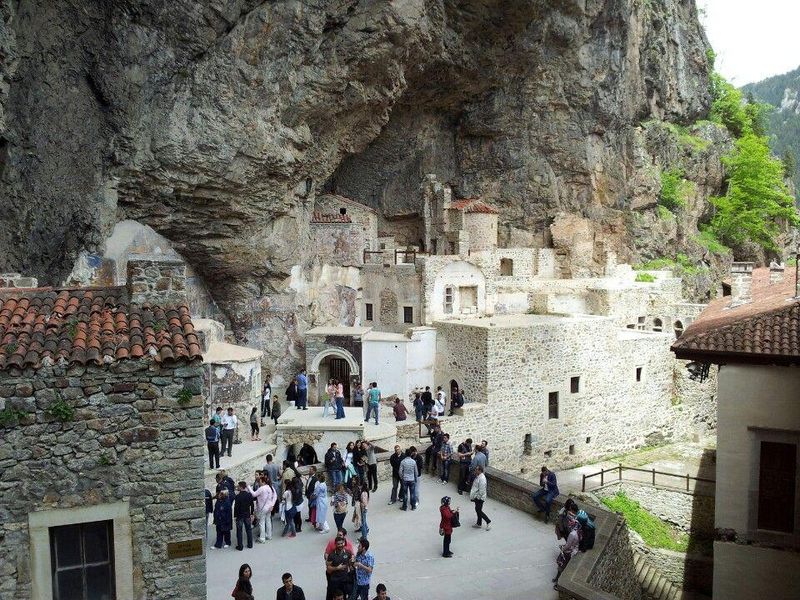
Sumela gets the crowds, and Vazelon gets the quiet. Many travelers visit both in a single day.
One said Sumela felt over-renovated, while Vazelon felt raw and real.
Vazelon has been called a smaller version of Sumela, with a grandeur all its own. It is also free, which makes budget travelers smile.
Fewer tour buses means fewer selfie sticks too.
Plan the morning for Sumela, then head here in the afternoon. Remember that the dirt roads and the trail take time.
Leave early enough to hike back before dark.
Some visitors hope for careful restoration so more people can enjoy the site. Others hope it stays wild.
Either way, going now means seeing it in a quiet, unpolished state.
Weather Can Make or Break the Trip
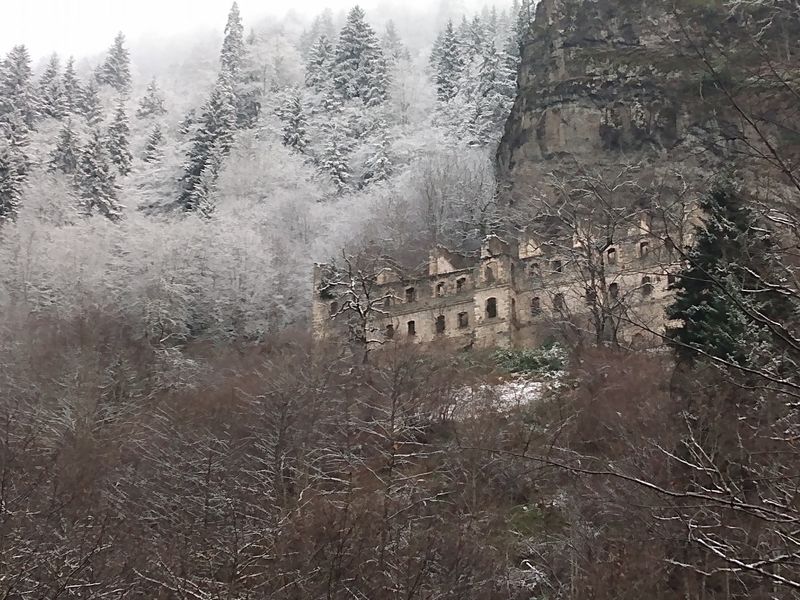
Clouds here are not just scenery. They can swallow the trail whole.
One visitor got lost while walking between the clouds and never found the ruins.
Rain makes everything harder. Dirt roads turn muddy and full of potholes, and the path gets slippery.
Since the monastery has no roof, you will also get wet once inside.
Pick a dry day if you can. Late spring and early autumn often give pleasant hiking weather in the region, though mountain skies change fast.
Check the forecast the night before.
Pack a light rain jacket, water, and a charged phone. Wear shoes with real grip.
A little planning turns a tricky trip into a lovely one.
Finding the Way In
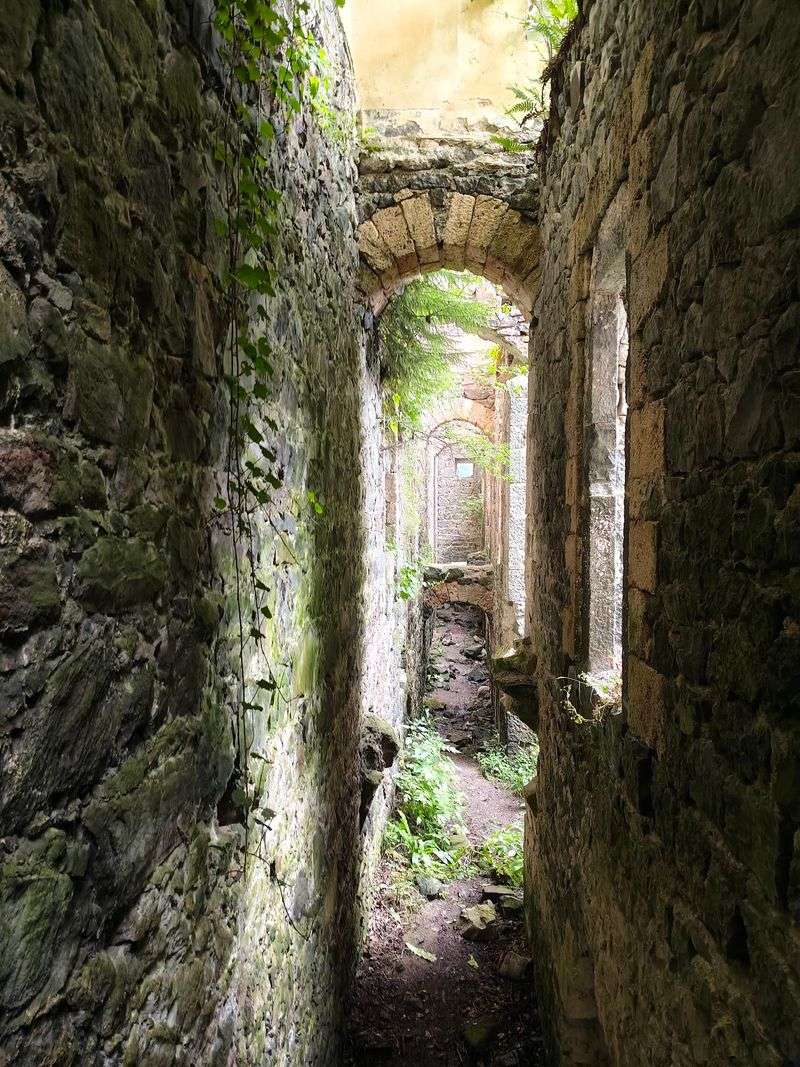
Here is a secret entrance, sort of. At the front stands an external chapel, and directly across from it is a hole in the wall that lets you into the ruins.
It feels like a treasure hunt.
Inside, take your time. Look for the church, the stone arches, and the frescoes on the outer walls.
Many visitors spend an hour or more simply wandering and taking photos.
The site is rated 3.8 stars from over 400 reviews, and the low scores mostly come from people who never reached it. Those who arrived often called it the highlight of their trip.
One wrote that once you find this place, you will be rewarded.
Step carefully, since old stones can be loose. Leave no trash and take only photos.
That way, the next hiker gets the same quiet surprise you did.
Share this story