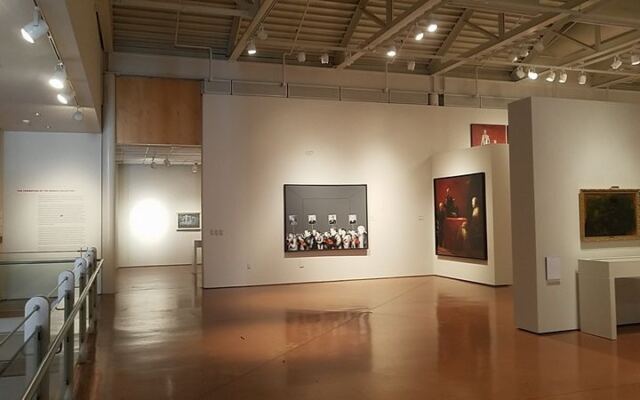
An ordinary campus stop can turn into the most interesting part of an afternoon, especially when there is no admission charge to reconsider. In New Jersey, one university art museum offers free access to galleries filled with work from different places and periods.
Its collection includes about 60,000 objects, but you do not need an art degree or a full day to find something worth your attention. Read on for the collections, changing exhibitions, and practical details that make this unassuming stop worth a closer look.
A Campus Museum Open to Everyone
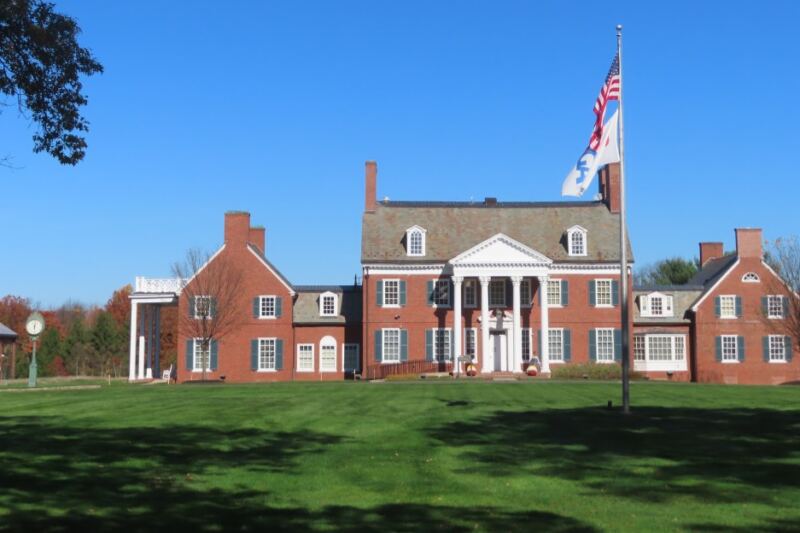
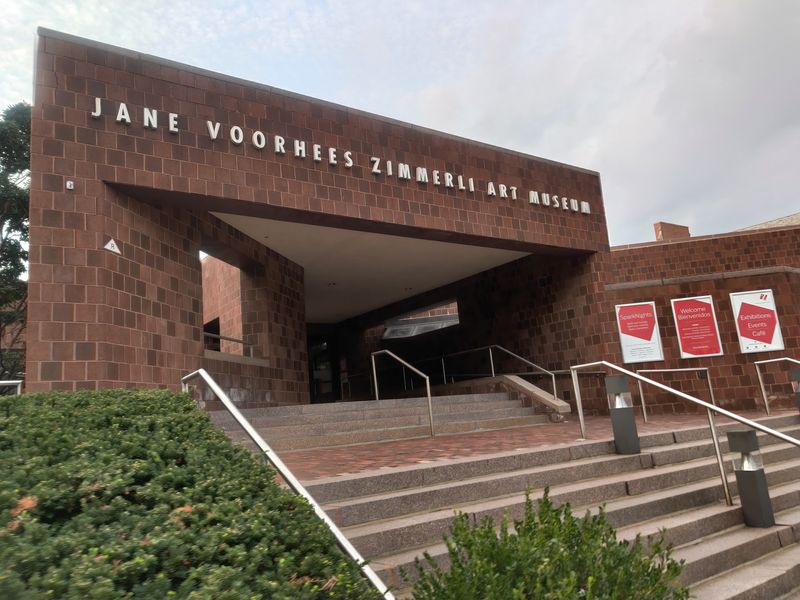
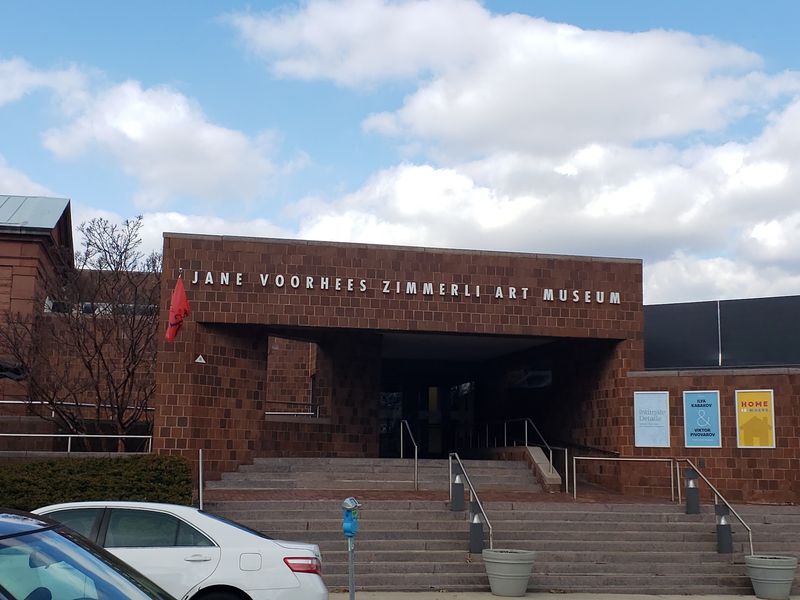
A college connection does not mean you need a student ID to explore the art. Zimmerli Art Museum, Rutgers University, is at 71 Hamilton St, New Brunswick, NJ 08901, United States, and admission is free to the public.
The campus setting gives the museum a useful role beyond a traditional sightseeing stop. It can be part of a university outing, a focused study session, or an afternoon planned around the galleries alone.
There is no need to treat the building as a place reserved for people who already know their artists. The collections cover different periods and forms, allowing newcomers to begin with whatever catches their interest.
For local residents, that public access is the central discovery. A university museum with a substantial collection is available without an admission bill, making a short exploratory trip just as reasonable as a longer, more deliberate visit.
Sixty Thousand Objects and Many Directions
About 60,000 objects give this museum a broader scope than its campus address might suggest. Its holdings include ancient and modern art from around the world, so the subject is not limited to one artist, country, or century.
That number describes the collection, not a promise that every object will be displayed during one trip. Separating those two ideas helps set realistic expectations before entering the galleries.
A useful approach is to choose a few works and give them proper attention rather than trying to account for the entire institution. Paintings, sculpture, photographs, and other formats provide several possible starting points.
The variety also makes the museum suitable for people with different interests sharing one outing. One person may prefer an older work, while another connects with contemporary art.
Nobody needs to agree on a favorite for the afternoon to have a clear purpose.
European Art With Room for Questions
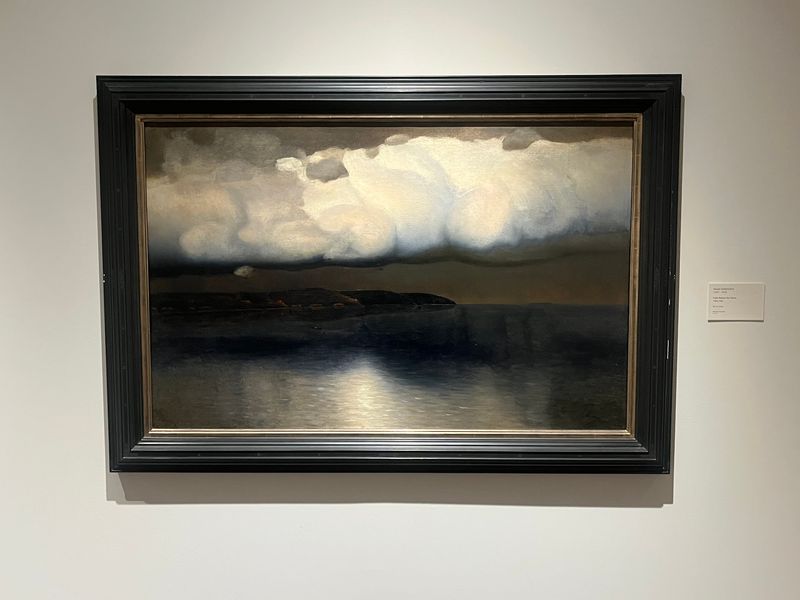
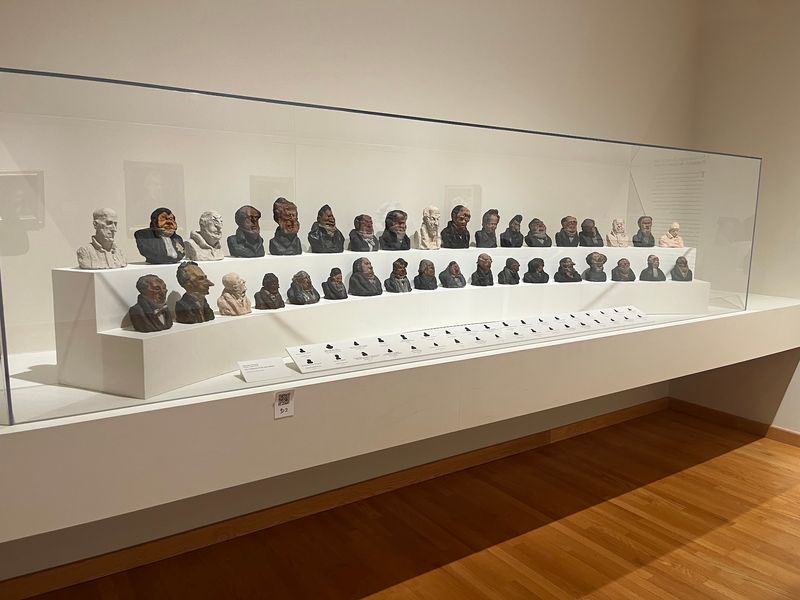
Older European works offer a different starting point from the museum’s modern material. The supplied accounts identify European artwork, including nineteenth-century art, as part of the gallery experience.
Rather than treating an unfamiliar painting as a test of knowledge, begin with its label and subject. Basic questions about when a work was made and what it presents can make a gallery easier to approach.
The range matters because an afternoon here need not focus entirely on contemporary ideas. European works provide another period to consider, adding context to the different artistic approaches represented elsewhere in the museum.
Exact displays can change, so a particular artist or painting should not become the sole reason for a trip without checking current exhibition information. Let this part of the collection be an opportunity for discovery instead.
There is plenty of value in meeting an unfamiliar work without a ready-made opinion.
Soviet Nonconformist Art in Focus
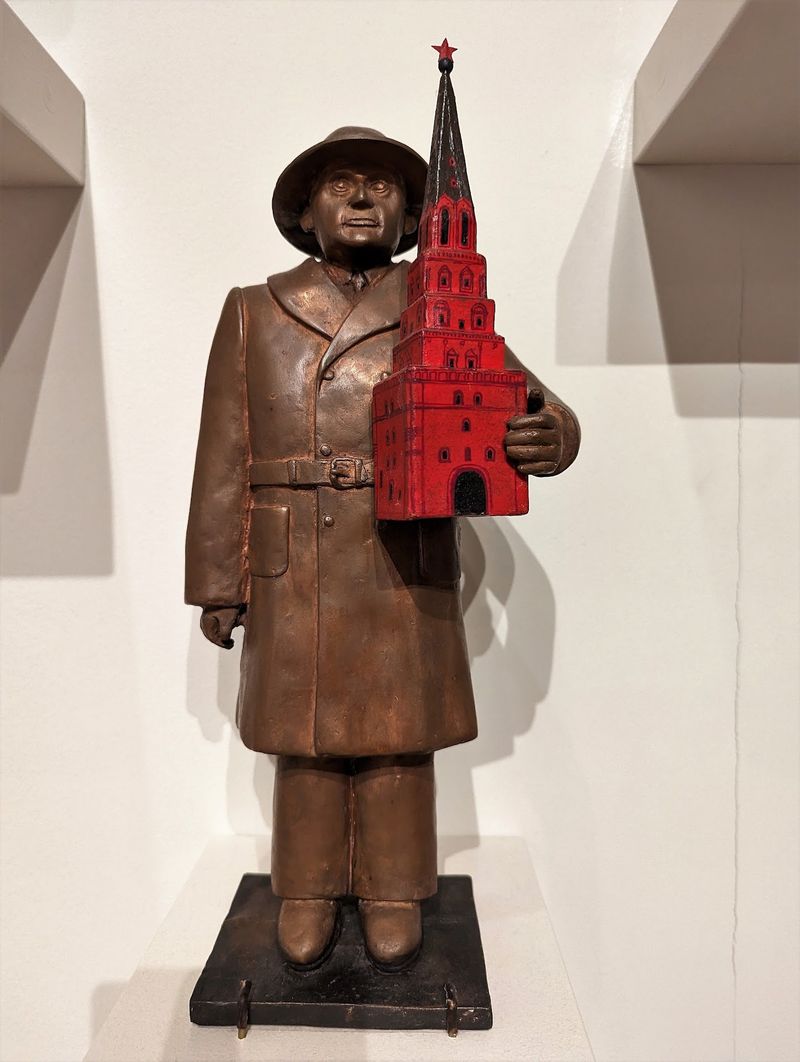
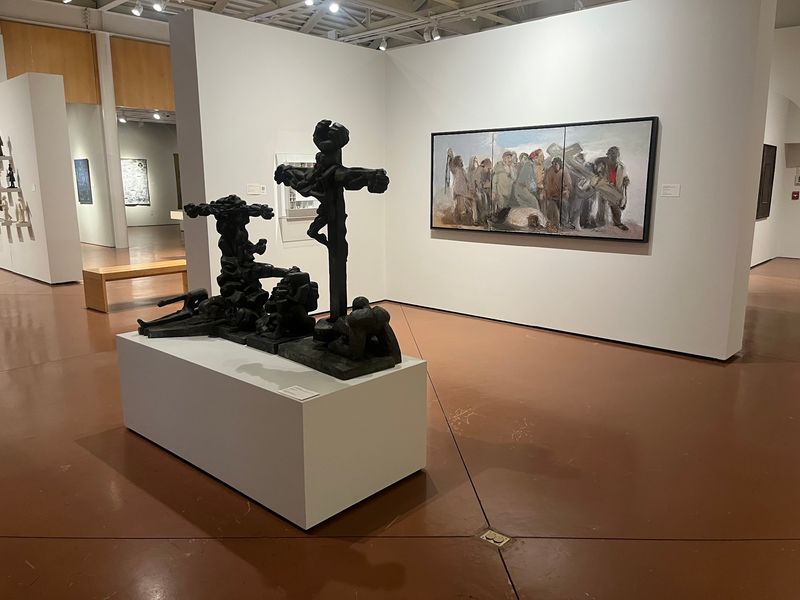
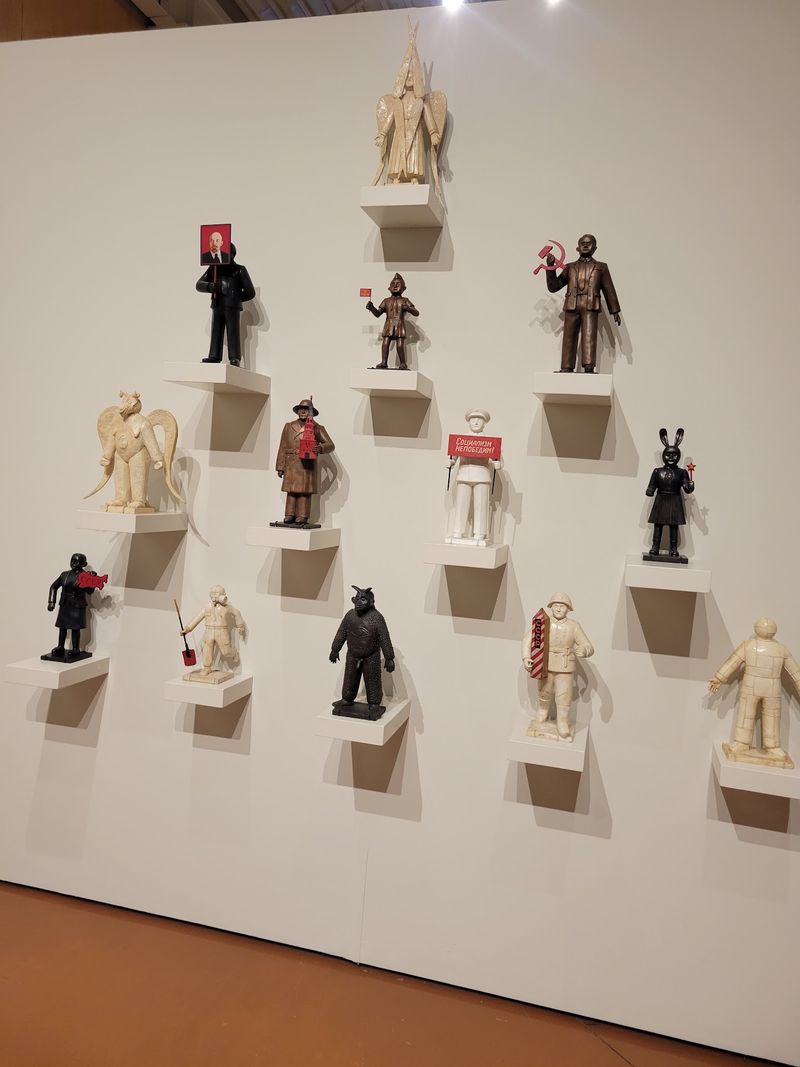
Soviet nonconformist art gives the museum a particularly distinctive subject to explore. Russian and Soviet works appear repeatedly in the supplied descriptions of the collections, making this area more than a passing detail.
For someone unfamiliar with the term, the gallery explanations are a sensible place to begin. Read the information provided beside the works before deciding how an artist’s choices relate to the wider exhibition.
The appeal here is not simply the chance to recognize a famous name. It is the opportunity to encounter artistic perspectives that may be less familiar than those in a general introduction to art.
A focused visit could give this material extra time instead of moving quickly through every section. Current displays should still be checked before making plans around a particular artist.
The broader collection offers a reason to return without assuming that one exhibition will remain unchanged.
American Art Beyond a Single Medium
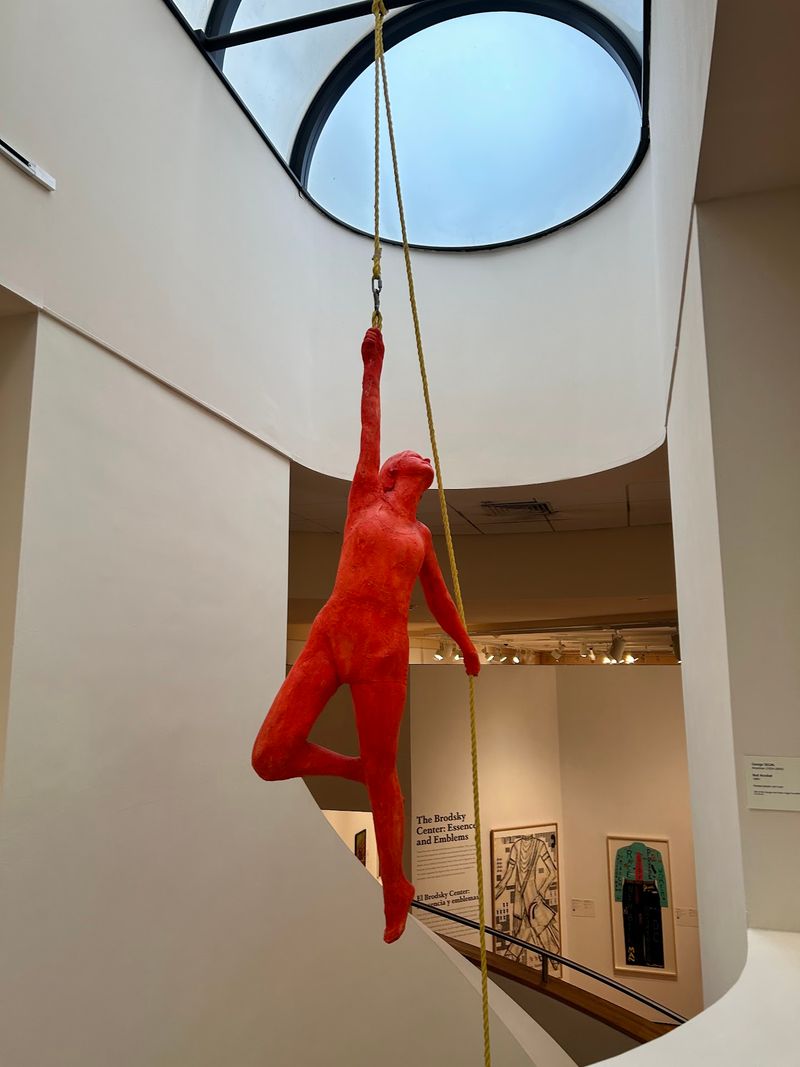
American art is not confined to paintings in this collection. The supplied material describes holdings that include sculpture, prints, drawings, photographs, and decorative arts, offering several ways to approach the subject.
That mix encourages a more flexible gallery visit. Someone who does not connect with one medium can turn to another without leaving the larger story of American art behind.
Andy Warhol has also appeared in museum exhibitions described in the source material. His name may provide a familiar entry point, but past appearances should not be mistaken for a guarantee of a current display.
Before traveling specifically for Warhol, check the museum’s exhibition information. Otherwise, approach the American collection with a wider interest in how artists work across different formats.
The most useful discovery may be an unfamiliar photograph or drawing rather than the name that first persuaded you to make the trip.
Sculpture and Other Ways of Making Art
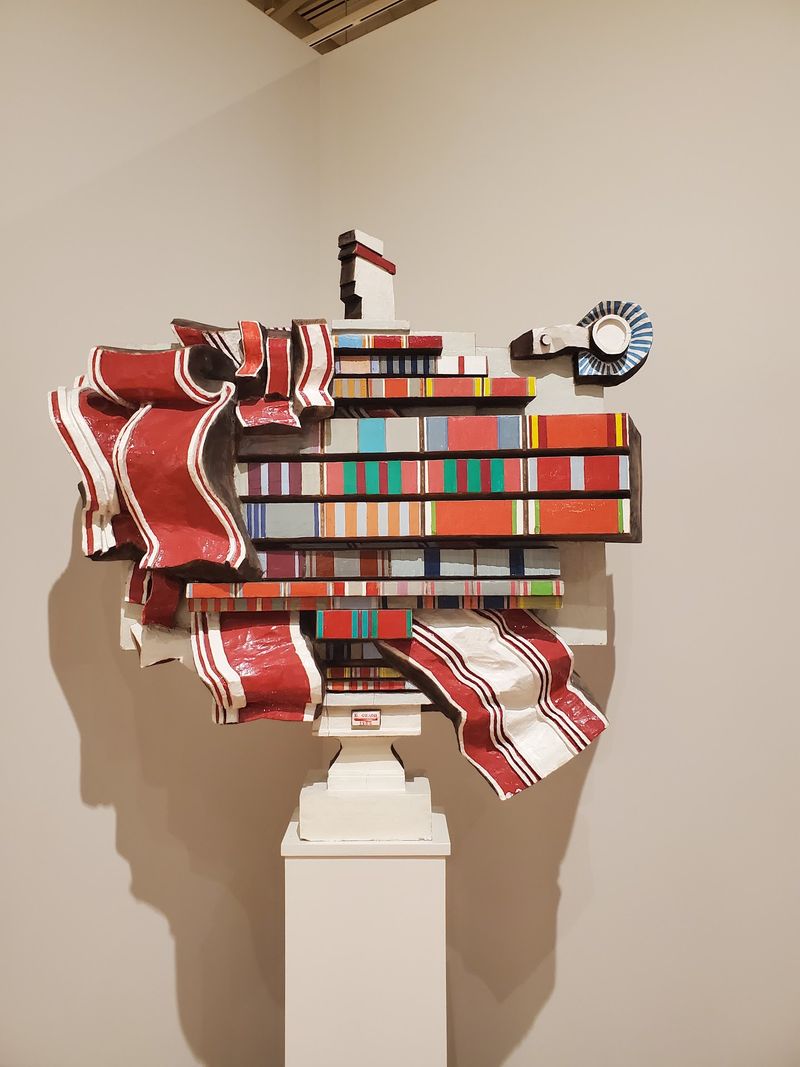
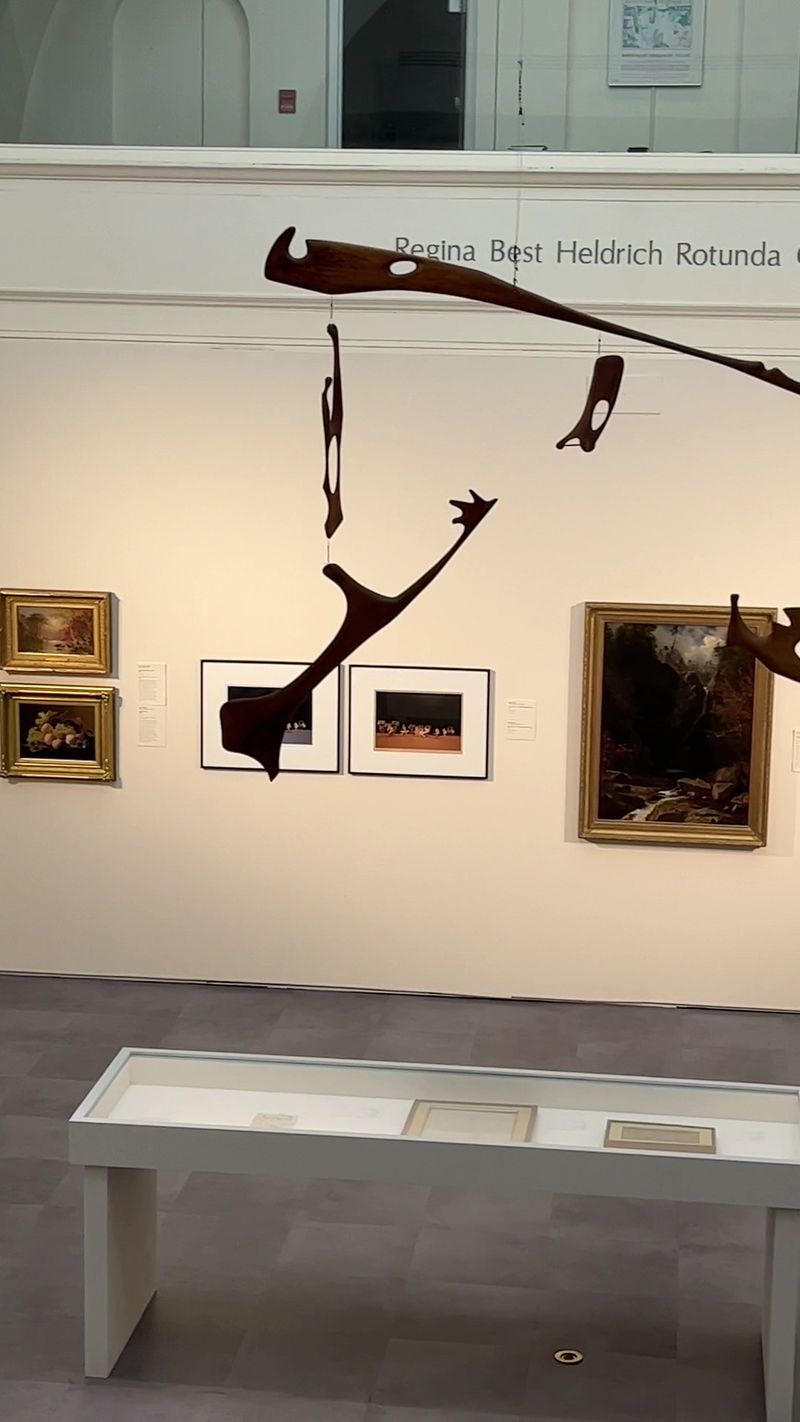
Not every artwork here belongs in a frame. Sculpture is part of the museum’s range, adding another form to consider alongside paintings, photographs, and works on paper.
The supplied material also records a past display of Ruth Asawa’s wire art. That example points to the variety of artistic methods represented, though it does not establish that those works are currently on view.
A helpful way to approach three-dimensional work is to ask about the material and the decisions involved in making it. Those questions keep the experience grounded without requiring specialized terms or an extensive art background.
Families and friends can use the different formats as conversation starters, comparing which kinds of work interest them most. Check current exhibitions for specific installations, then leave room for something unexpected.
A museum afternoon does not have to follow a paintings-only plan to feel complete or worthwhile.
Changing Galleries and Fresh Reasons to Return
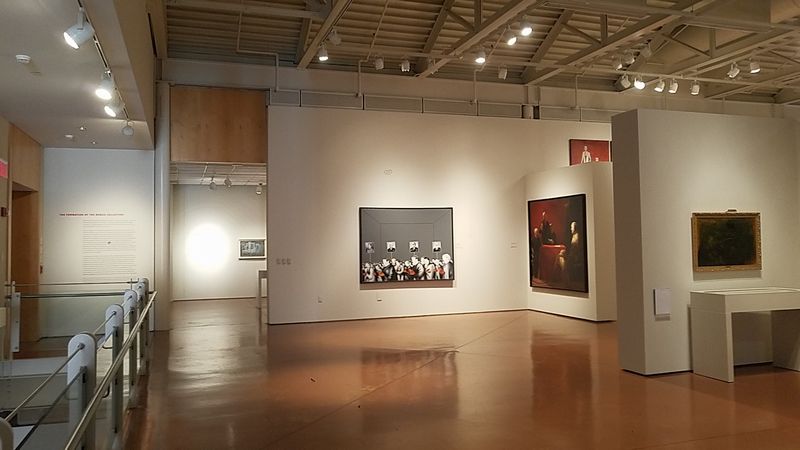
A repeat trip does not have to repeat the same afternoon. Rotating galleries and temporary exhibitions are part of the museum experience described in the supplied material.
That makes the exhibition schedule especially useful, even for someone who has already explored the building. A new display can shift the focus toward a different artist, period, medium, or topic.
Past accounts mention several specific exhibitions, but those references are historical rather than a current checklist. The museum’s website is the appropriate place to confirm what is available when you plan to go.
For nearby residents, free admission makes this changing program practical to follow without committing to a major outing each time. A shorter return visit centered on one exhibition can be enough.
Familiar surroundings do not require familiar art, and checking the calendar is a simple way to keep the next trip purposeful rather than automatic.
Public Programs With a Community Purpose
The calendar offers more than independent time with the collection. The supplied accounts describe free public events that include crafts, tours, and artist talks, along with programs suited to families and academic audiences.
SparkNight is one named example of the museum’s event programming. A past edition celebrated Black History Month, connecting the gallery experience with a broader cultural occasion.
Those examples should guide curiosity, not create assumptions about the next event. Dates, activities, registration requirements, and eligibility need to be confirmed on the relevant museum event page.
A program can be a useful choice for someone who prefers a starting point or a shared discussion instead of an entirely self-directed visit. An ordinary gallery afternoon remains a separate option.
Choose the format that fits your interests, and check its details before traveling so the event itself, rather than a scheduling surprise, becomes the focus.
An Unhurried Outing for Different Interests
No art-history homework is required before spending an afternoon here. The museum’s varied collections support several approaches, including a solo visit, time with a friend, or a family outing.
The supplied accounts describe organized galleries and opportunities to explore at an individual pace. Crowd levels can vary, however, so an earlier quiet experience should not become a promise about your own trip.
Students may find material relevant to a project, while casual museumgoers can concentrate on a few works without attempting a full collection survey. Both approaches fit a place with different subjects and formats to explore.
Questions are reasonable, especially when a label introduces an unfamiliar artist or movement. Ask at the information desk about available guidance rather than assuming a scheduled tour is included.
The goal need not be mastery; a better understanding of one work is a perfectly worthwhile result for the afternoon.
Free Admission and a Five-Day Schedule
Thursday offers the longest visiting window in the supplied schedule. The museum is open that day from 11 a.m. to 8 p.m., giving people an option beyond a standard daytime stop.
Wednesday and Friday hours are 11 a.m. to 6 p.m. Saturday and Sunday hours are noon to 5 p.m., while Monday and Tuesday are closed.
Admission is free, and public access is not limited to Rutgers students. That removes one planning expense, though it does not mean every other part of the outing, including parking, is automatically free.
Before setting out, confirm the schedule at zimmerli.rutgers.edu, particularly when planning around a special event or a specific exhibition. A quick check is more useful than relying on an old listing.
Choose a window that leaves enough time for the galleries you care about, rather than arriving close to closing and trying to cover everything.
Parking Rules Worth Checking First
The lot behind the building is not a general public parking option. In its supplied response, the museum explains that this university-operated lot is for faculty and staff.
Public use is permitted only during certain special events, and advance vehicle registration is required. When that option is available, the museum includes a registration link on the individual event page.
That clarification matters more than informal accounts suggesting that the rear lot is available or that Sunday parking is always free. Do not assume that a space near the museum comes with permission to use it.
Consult zimmerli.rutgers.edu/visit/directions-parking before traveling, and follow posted rules for any parking option you choose. The supplied material does not establish a current public parking price or a specific transit route.
A little preparation keeps the practical side of this free-admission outing from becoming an avoidable complication on arrival.
A Worthwhile Stop Without a Big Commitment
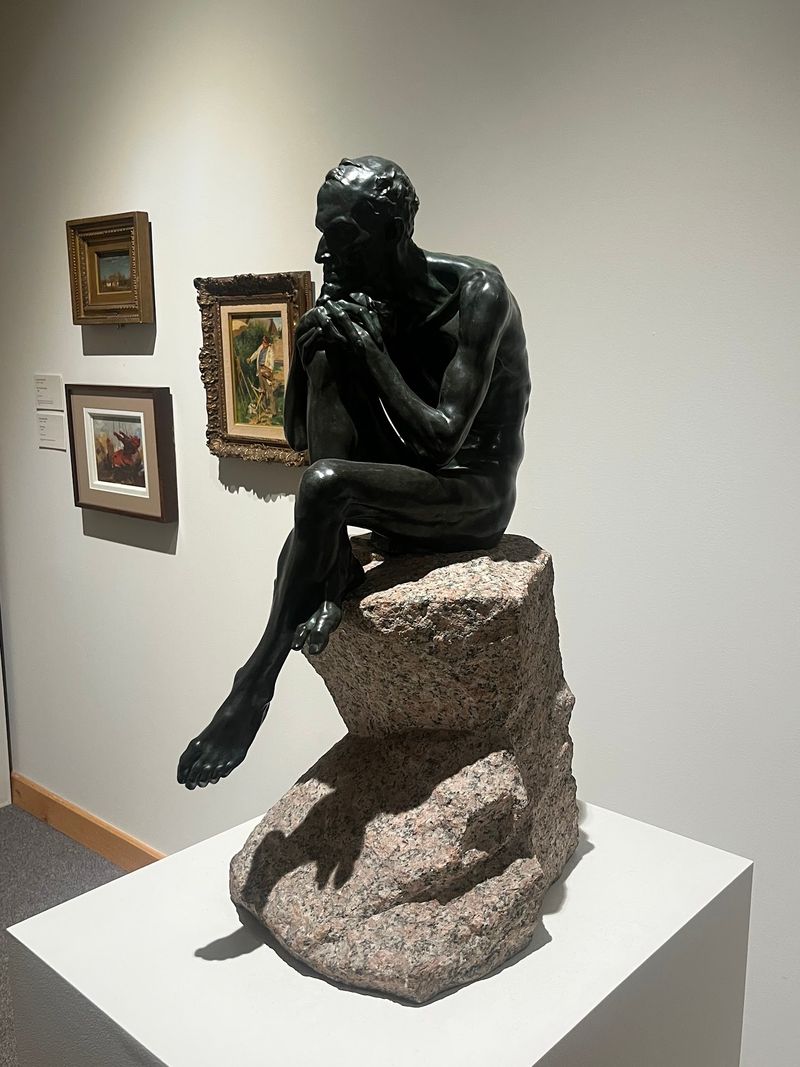
A good reason to go is already built into the arrangement: substantial art collections are available without an admission charge. The appeal becomes more specific through European works, American art, Soviet nonconformist material, sculpture, and changing exhibitions.
Not every trip needs the same ambition. One afternoon might center on a temporary show, while another gives extra attention to a collection area that was unfamiliar before.
The practical limits are straightforward rather than discouraging. Confirm current displays, choose an open day, and sort out parking before arrival instead of treating the university lot as an automatic solution.
For New Jersey residents seeking a manageable cultural outing, the museum offers clear public access and several reasons to remain curious. There is no need to turn the visit into a grand project.
Start with an interest, allow time for the galleries, and let a few worthwhile discoveries be enough.
Share this story