Tucked away in the rolling plains of southwest Oklahoma, there is a place that stops first-time visitors in their tracks. Massive granite peaks rise out of nowhere, bison roam freely across open grasslands, and the whole experience feels more like a dream than a day trip.
Most people have no idea it even exists until they are standing right in the middle of it. Once you find it, you will understand why regulars keep coming back year after year.
Location and What the Refuge Actually Is
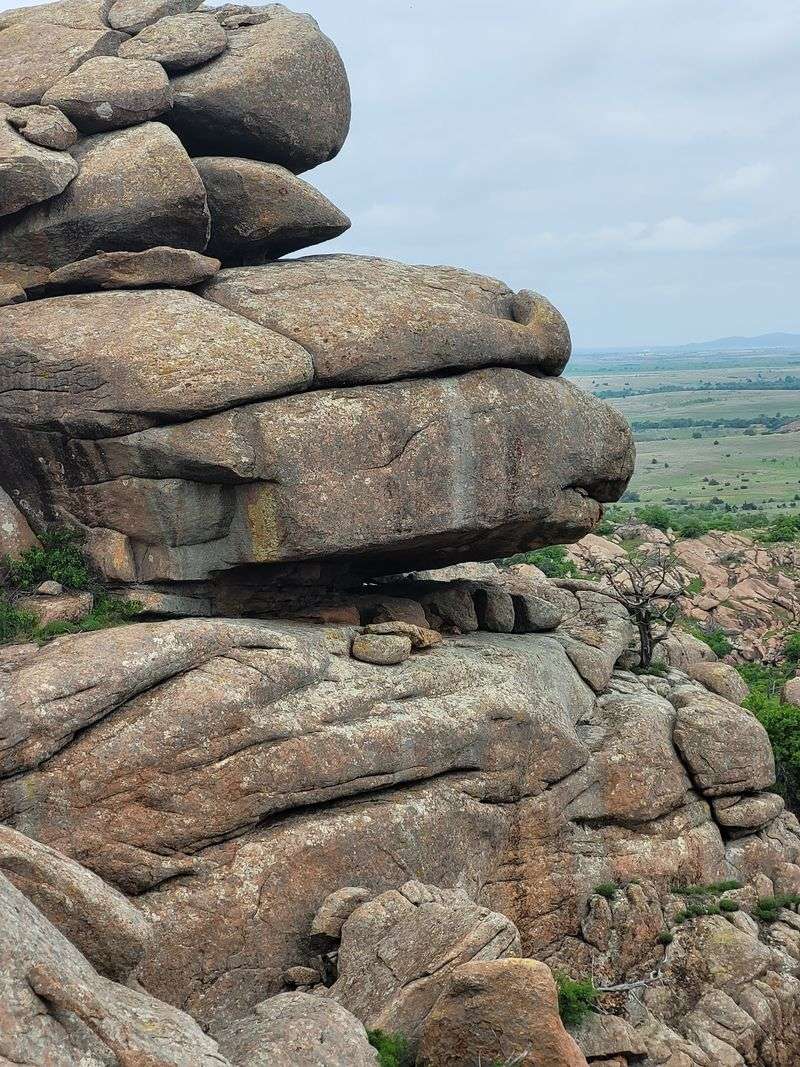
Sprawling across more than 59,000 acres in southwest Oklahoma near Lawton, the Wichita Mountains Wildlife Refuge is one of the oldest and largest federal wildlife refuges in the United States. Managed by the U.S.
Fish and Wildlife Service, it was established in the early 1900s to protect native wildlife and restore ecosystems that had been severely depleted across the southern plains.
Unlike a typical state park, this refuge functions first as a protected sanctuary for animals and native plants. Human visitors are welcome, but the land belongs to the wildlife.
That distinction shapes every aspect of the experience, from the unmarked trails to the free-roaming herds you might encounter just steps from your car.
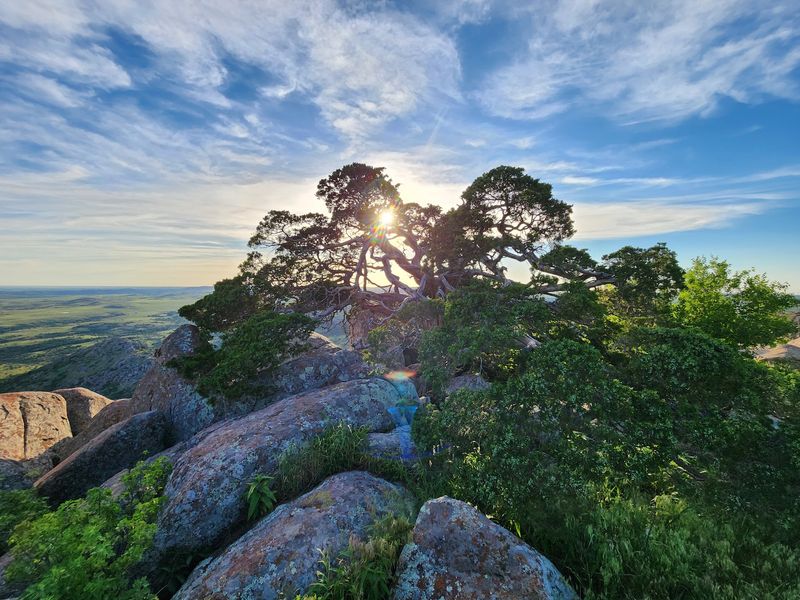
The landscape itself is a geological surprise. Ancient granite mountains, some of the oldest exposed rock formations in North America, jut dramatically from the flat surrounding plains.
Mixed-grass prairie stretches between the peaks, dotted with small lakes and wetlands. For anyone expecting flat Oklahoma farmland, the scenery here delivers a genuine and memorable shock.
The Ancient Granite Mountains
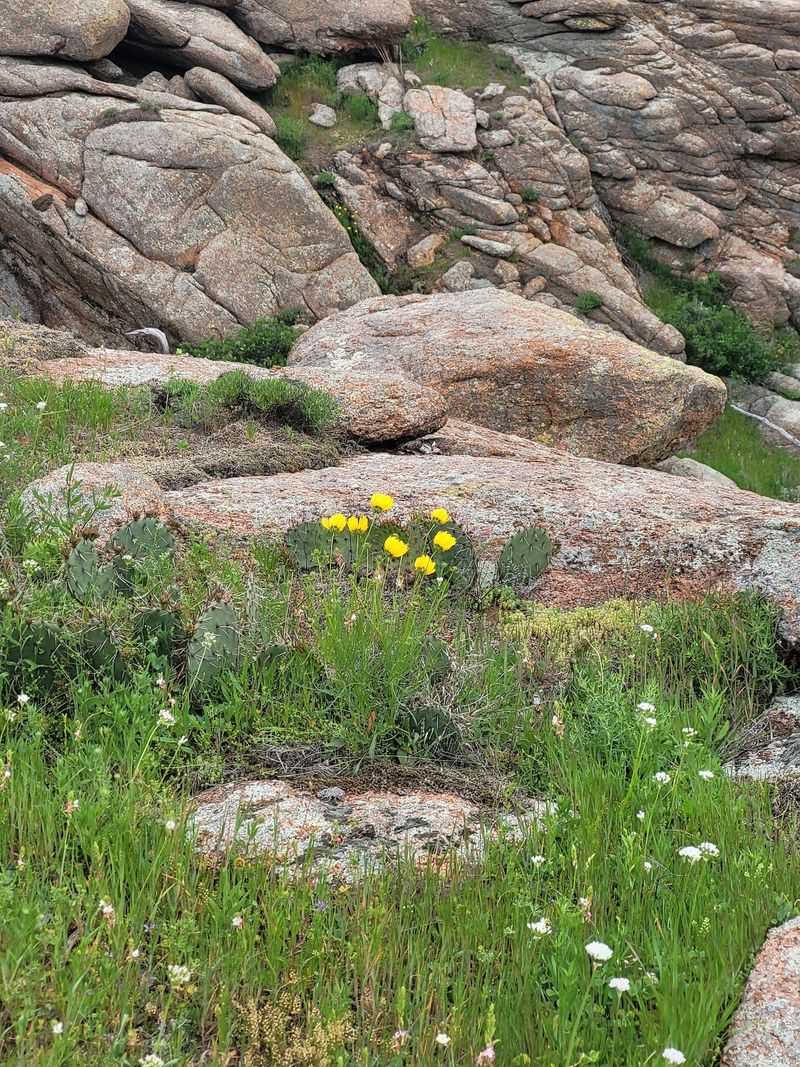
Few geological features in Oklahoma generate as much awe as the granite outcrops that define the Wichita Mountains. These rocks are estimated to be around 500 to 600 million years old, making them among the most ancient exposed formations anywhere in the region.
Standing next to one of these massive boulders puts time in a completely different perspective.
Visitors often describe the sudden appearance of the peaks as one of the most unexpected sights in the state. Driving through the flat plains surrounding the refuge and then watching granite domes rise from the earth creates a sense of arriving somewhere genuinely extraordinary.
The rugged texture of the rock, streaked with mineral colors and split by centuries of weathering, adds to the visual drama at every turn.
Rock climbers have discovered these formations as well, and the refuge offers access to climbing at numerous crags throughout the area. Trad climbing is the primary style permitted, and the sheer variety of routes keeps experienced climbers returning throughout the year.
Whether you are scaling the rock or simply standing at its base looking up, the mountains command your full attention.
Free-Roaming Bison Herds
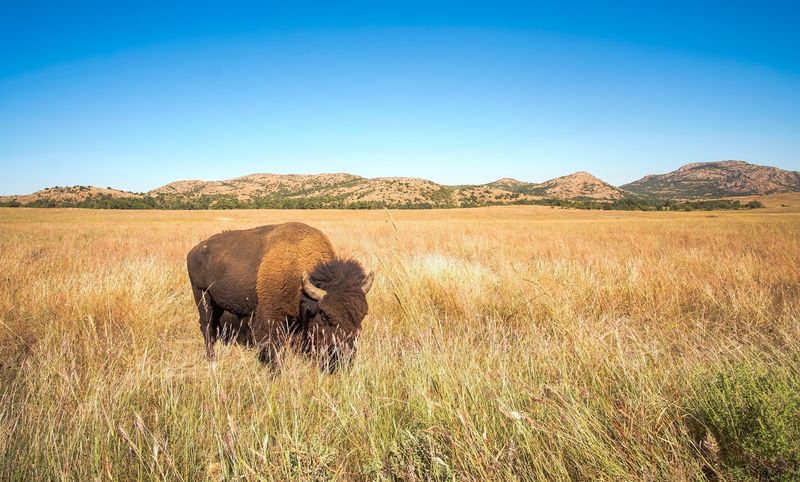
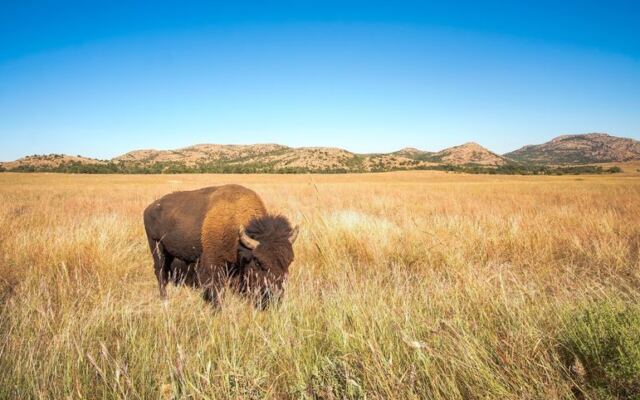
Seeing a bison up close, without a fence between you, is the kind of encounter that rewires your sense of the natural world. At the Wichita Mountains Wildlife Refuge, free-roaming herds of American bison move across the open grasslands on their own schedule, and spotting them is genuinely one of the highlights of any visit.
Visitors mention that late afternoon tends to be the best window for bison sightings.
The refuge has maintained a bison herd since the early 1900s, when the animals were nearly wiped out across North America. Bringing them back here was part of a broader conservation effort, and today the herd remains one of the most visible symbols of the refuge’s mission.
Watching these enormous animals graze quietly against a backdrop of granite peaks is a humbling sight that photographs cannot fully capture.
One important note for anyone planning a visit: bison are wild animals and should never be approached. They move freely throughout the refuge, which means encounters can happen anywhere along the roads or trails.
Keeping a respectful distance ensures both your safety and the animals’ comfort. Regulars treat every sighting as a privilege rather than a guarantee.
Texas Longhorns, Elk, and Prairie Dog Town
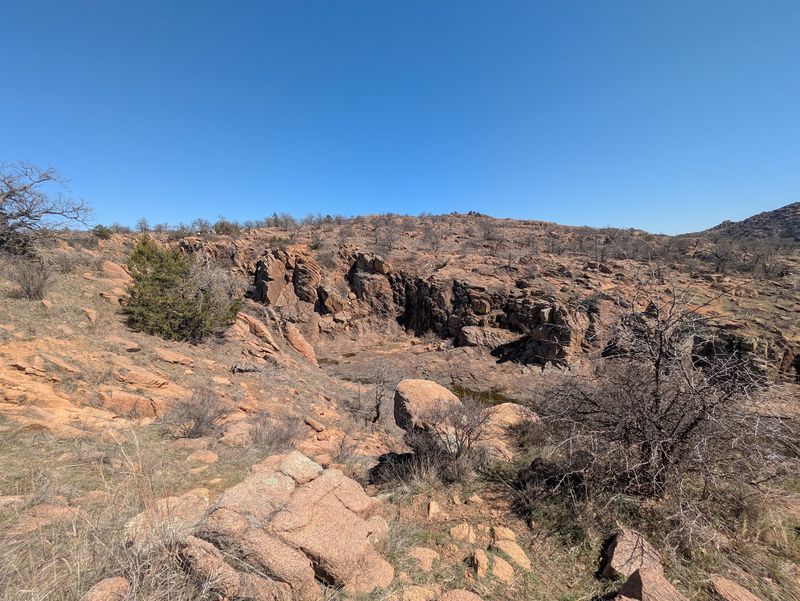
Bison get most of the attention, but the wildlife roster at the Wichita Mountains goes well beyond one iconic species. Texas Longhorn cattle roam the refuge alongside the bison, their impressive horn spans making them an unmistakable sight along the scenic roads.
Rocky Mountain Elk also call the refuge home, adding yet another layer to an already remarkable animal-watching experience.
Prairie Dog Town is one of the most entertaining stops in the entire refuge. A dedicated area where a lively colony of black-tailed prairie dogs has established its underground community, it draws visitors of all ages who come to watch the animals pop in and out of burrows, chatter at each other, and go about their busy routines.
Children especially tend to love the unpredictable energy of the colony.
For those keeping a wildlife checklist, the refuge also supports populations of white-tailed deer, wild turkey, and various reptiles including the eastern collared lizard, locally nicknamed the mountain boomer. Snakes and birds round out an ecosystem that feels impressively complete.
Every drive through the refuge has the potential to turn into an impromptu wildlife tour, which is a big part of what keeps visitors coming back.
Mount Scott and the Scenic Drive
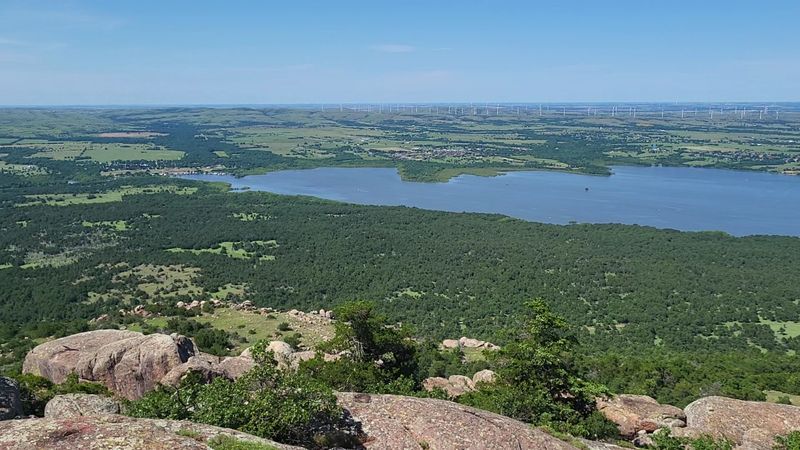
Mount Scott is the crown jewel of the refuge road network. A paved road winds to the summit, offering one of the most accessible panoramic viewpoints in all of Oklahoma.
From the top, the view stretches across the granite peaks, the surrounding prairie, and the lakes below in a sweeping scene that visitors consistently describe as jaw-dropping. Weather permitting, the drive up is open to the public and completely free.
For those who prefer to earn their views on foot, the Mount Scott Trail provides a full-day hiking challenge that rewards the effort with outstanding scenery at every elevation. Hikers are advised to bring significantly more water than they think they will need, especially in summer when shade along the trail is minimal.
The wide path also accommodates cyclists, though some of the inclines offer a serious workout on the way up.
Scenic drives throughout the wider refuge are popular with motorcyclists and Sunday afternoon explorers alike. The roads wind through open grassland, past rock outcrops, and alongside small lakes, making even a slow loop through the area feel like a genuine adventure.
Keeping a camera within reach is basically a requirement on any route through the Wichitas.
Hiking Trails and Rock Climbing
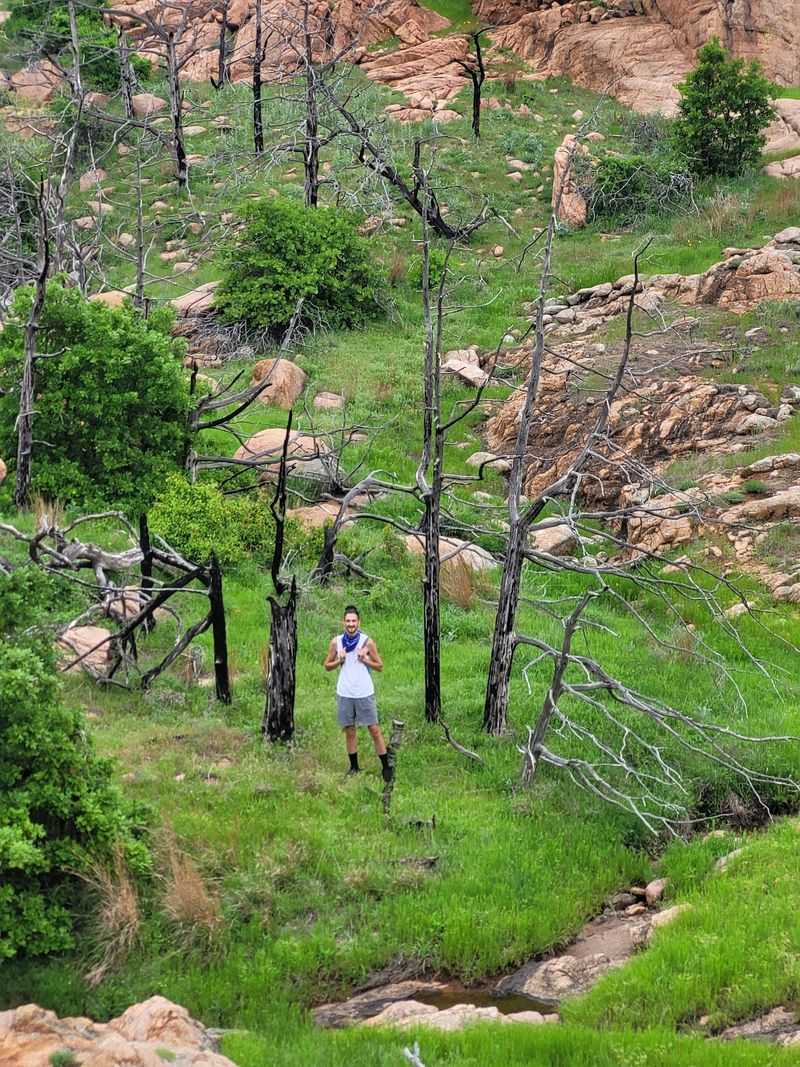
Active visitors have plenty to work with at the Wichita Mountains. The refuge offers a range of trails from easy lakeside walks to demanding granite scrambles that require careful footing and solid stamina.
Charon’s Gardens Wilderness Area is among the most sought-after destinations for serious hikers, offering a rugged backcountry feel that is rare in Oklahoma.
Trail marking is one area where honest preparation helps. Several visitors have noted that some paths are not clearly signed, and maps from the visitor center can be outdated.
Downloading an offline map before arrival is a practical step that prevents frustration, especially on longer routes where cell service is essentially nonexistent throughout the refuge. The lack of connectivity, while inconvenient, also adds to the sense of genuine wilderness immersion.
Rock climbing at the numerous crags scattered across the refuge draws a dedicated community of climbers who appreciate the variety and challenge of the granite routes. Traditional climbing is the primary style permitted, and the terrain offers plenty of options for experienced trad climbers.
The combination of challenging ascents and sweeping views from the top makes the Wichitas a legitimate climbing destination, not just a scenic backdrop for casual walkers passing through.
Lakes, Fishing, and Peaceful Picnic Spots
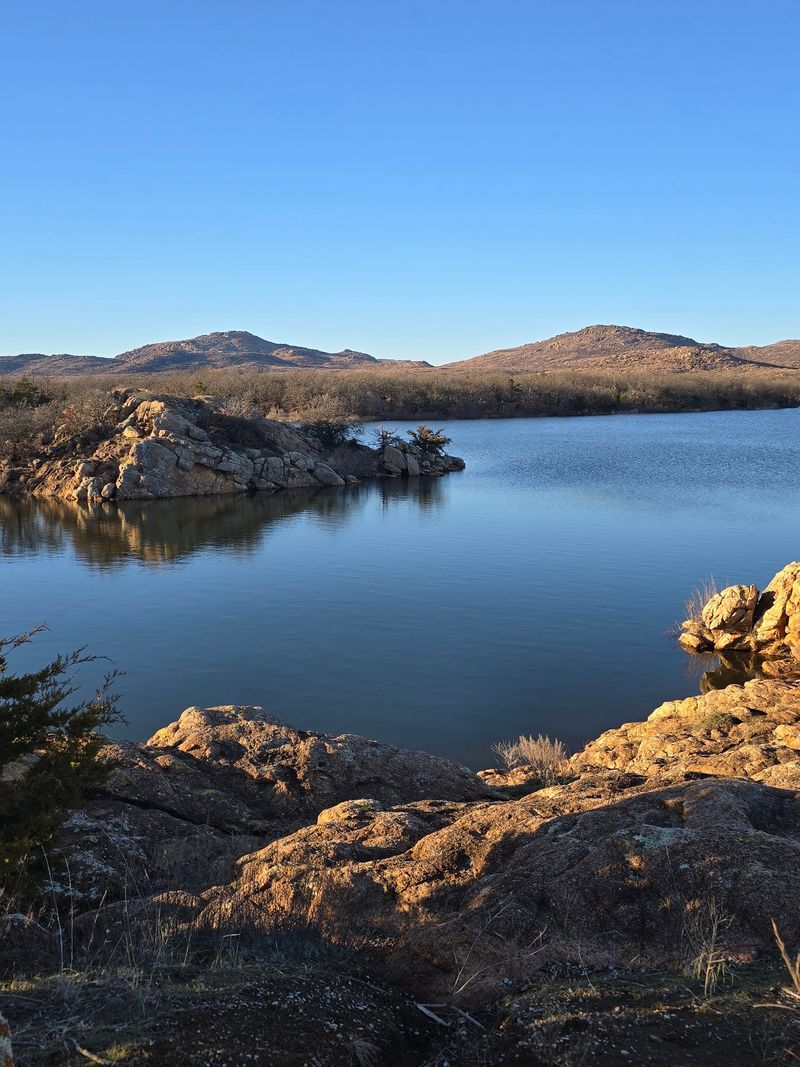
Water plays a quieter but equally important role in the refuge experience. Several small lakes are scattered throughout the area, including Lake Elmer Thomas and Quanah Parker Lake, offering peaceful spots for fishing, reflection, and simply sitting still for a while.
The lakes sit within the granite landscape in a way that feels almost deliberately picturesque, their calm surfaces reflecting the surrounding hills.
Fishing is a popular draw, and the refuge provides access to docks and shoreline spots that work for anglers of different skill levels. Families often combine a fishing outing with a picnic, taking advantage of the designated picnic areas spread throughout the refuge.
These spots offer a relaxed way to spend an afternoon without committing to a full hike.
Restroom facilities vary by location. Flushing toilets are available at the visitor center and at the Holy City of the Wichitas, and both locations are wheelchair accessible.
Non-flushing facilities can be found at picnic sites and the fishing dock. Lake Jedidiah and the summit of Mount Scott do not have restroom facilities, so planning ahead is worth the small effort.
The overall infrastructure is modest but functional for a day of outdoor exploration.
The Holy City of the Wichitas
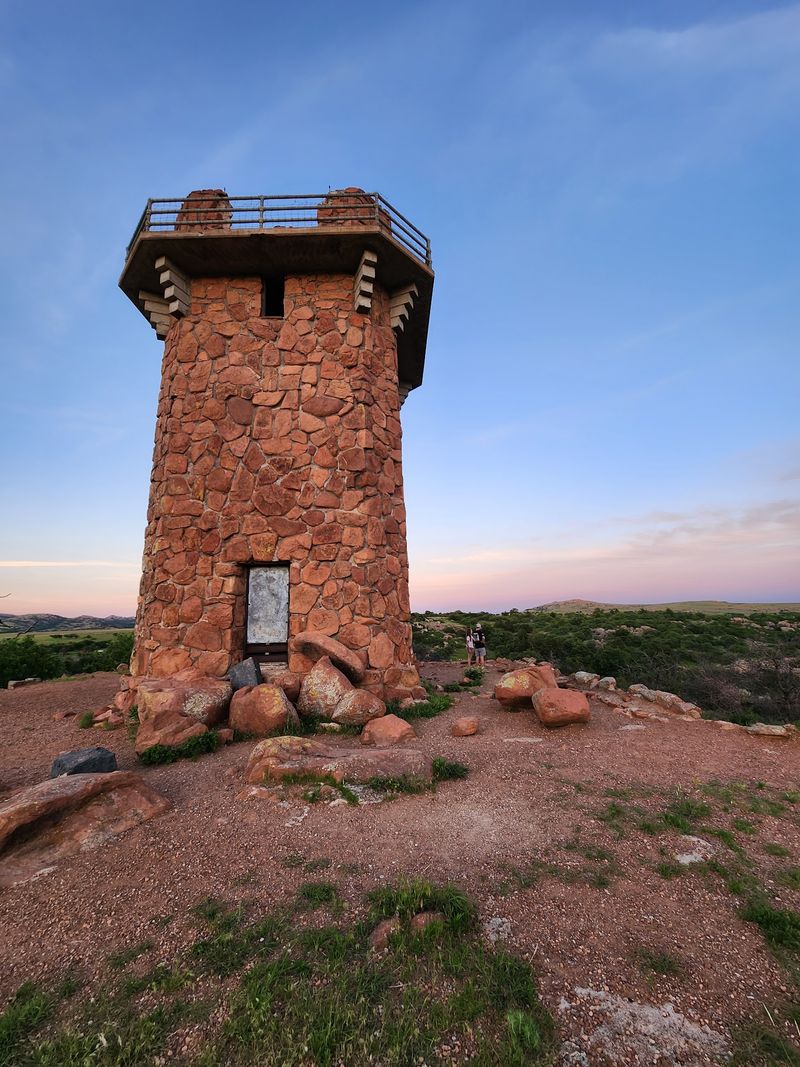
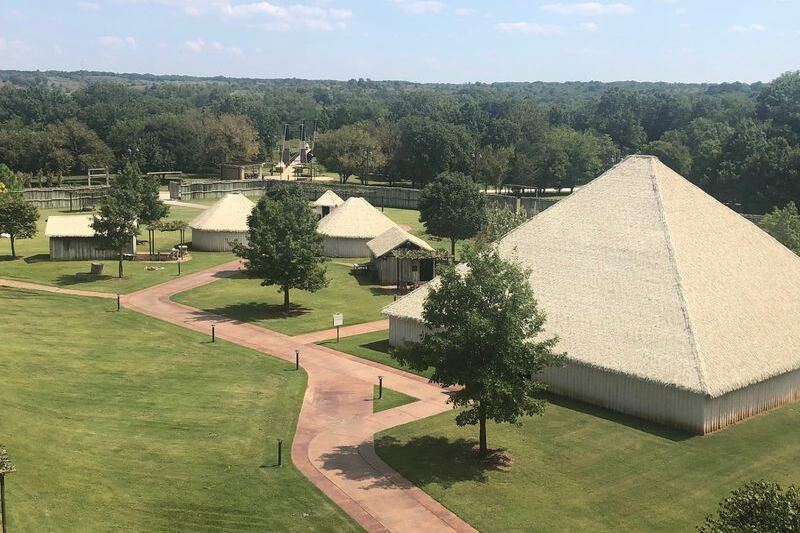
One of the most unexpected stops within the refuge is the Holy City of the Wichitas, a collection of stone structures built into the landscape that serves as an outdoor amphitheater for religious performances. The site has a long history connected to Easter pageants, and its handcrafted stone buildings feel completely unlike anything else you will find in southwest Oklahoma.
The architecture blends naturally with the surrounding granite environment, as if the structures grew directly from the rock rather than being constructed on top of it. Walking through the site outside of performance season offers a quiet and contemplative experience, with the mountains as a backdrop and the stillness of the refuge surrounding everything.
Visitors who stumble onto it without prior knowledge are often genuinely surprised by its scale and craftsmanship.
The Holy City adds a cultural and historical dimension to a refuge that is primarily known for its natural features. For anyone interested in Oklahoma’s layered history, spending time here rounds out the visit in a meaningful way.
Restrooms at this location are flushing and wheelchair accessible, making it one of the more comfortable stops for visitors with mobility considerations. The site is worth including on any itinerary through the Wichitas.
Who the Refuge Suits and What to Expect
Few outdoor destinations in Oklahoma manage to satisfy such a wide range of visitors at once. Families with young children find the refuge approachable thanks to the easy scenic drives, picnic areas, and the guaranteed entertainment of Prairie Dog Town.
Hikers and climbers find enough challenge in the granite trails and crags to fill a full weekend. Photographers, wildlife watchers, and anyone craving a genuine digital detox all leave with something memorable.
The complete absence of cell service throughout most of the refuge is worth mentioning as both a feature and a practical consideration. Some visitors find it liberating.
Others are caught off guard. Either way, the disconnection tends to sharpen attention in a useful way, making wildlife sightings feel more immediate and the landscape more vivid than it might through a phone screen.
Motorcyclists enjoy the winding scenic roads, and the refuge sees a steady stream of road-trippers who include it as a stop on longer southwest Oklahoma routes. Solo adventurers, couples, and multigenerational family groups all seem equally at home here.
The refuge does not cater to any single type of visitor, which is perhaps its greatest strength. Whatever pace you bring to the Wichitas, the place tends to reward it.
Visiting Hours, Entry Fees, and Getting There
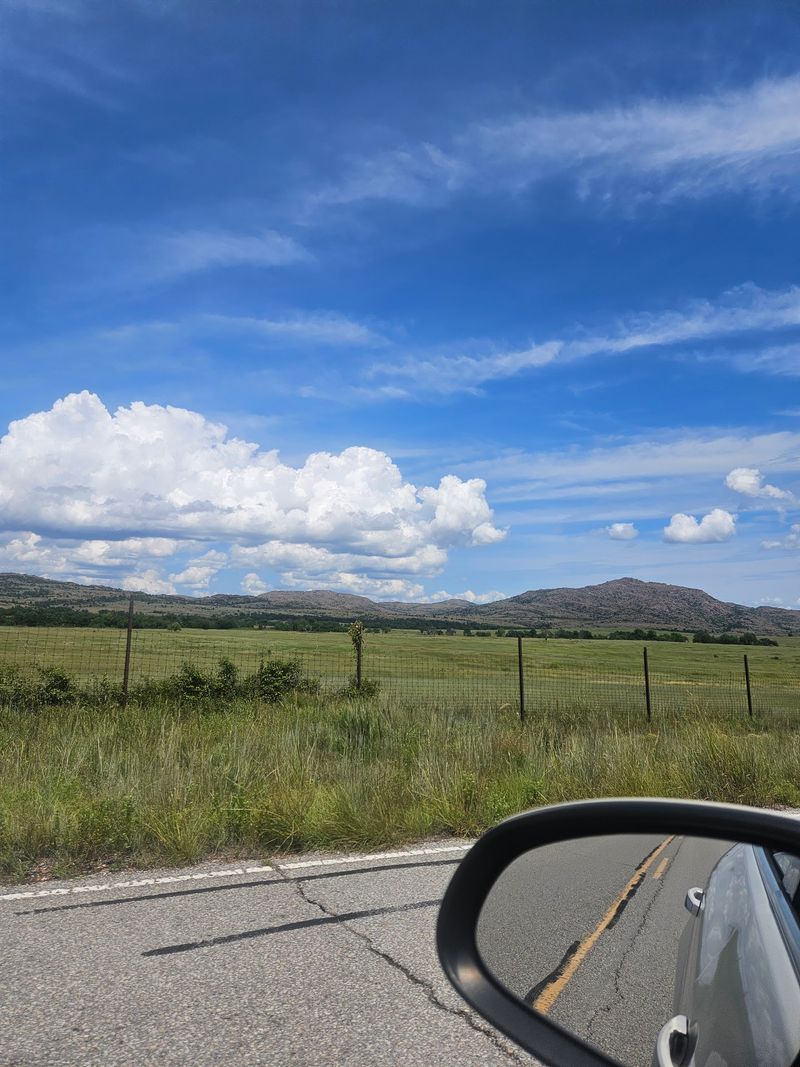
Getting to the Wichita Mountains Wildlife Refuge is straightforward for anyone traveling from within Oklahoma or from the Dallas-Fort Worth area. The refuge is located near Lawton, Oklahoma, placing it roughly a three-hour drive from the DFW metroplex and within comfortable range for a day trip or a weekend getaway.
The drive through southwest Oklahoma itself has a quiet, wide-open appeal that sets the mood well before arrival.
Entry to the refuge is free, which remains one of the most pleasant surprises for first-time visitors. There is no gate fee and no reservation required for general access, making it an unusually accessible public land experience.
A campground within the refuge provides overnight options for those who want to extend their stay and catch early morning wildlife activity before day visitors arrive.
The visitor center is the best starting point for anyone new to the refuge. Staff can provide current maps, trail condition updates, and guidance on where wildlife has been spotted recently.
The center also includes a small museum and offers flushing restroom facilities. For the most current information on road closures, seasonal access changes, or special events, the official U.S.
Fish and Wildlife Service website at fws.gov/refuge/wichita-mountains is the most reliable resource. The phone number on record is +1 580-429-3222.
Share this story