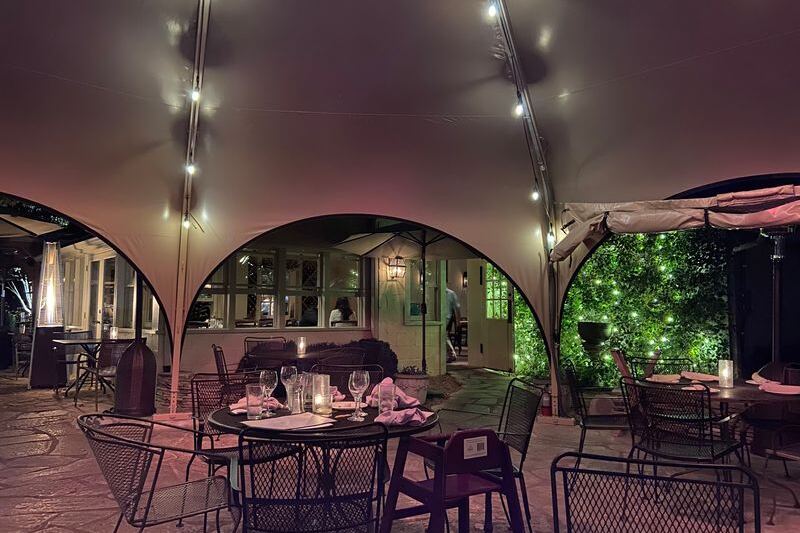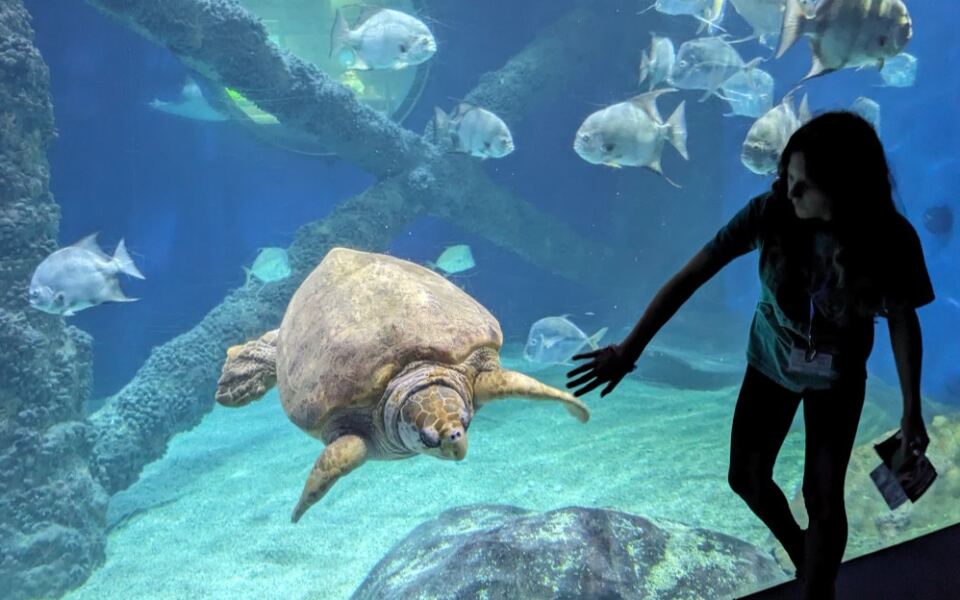
Behind a glass window, a sea turtle with a damaged flipper floats in a medical pool while a team works to get it back to the ocean. Most aquariums keep that kind of work out of sight, but one on the Virginia coast lets visitors watch it happen.
Rescued turtles, some washed up cold and weak on local beaches, get care in a working rehabilitation center. Here is what it looks like, and why it is worth planning a trip around.
A Window Into Real Rescue Work
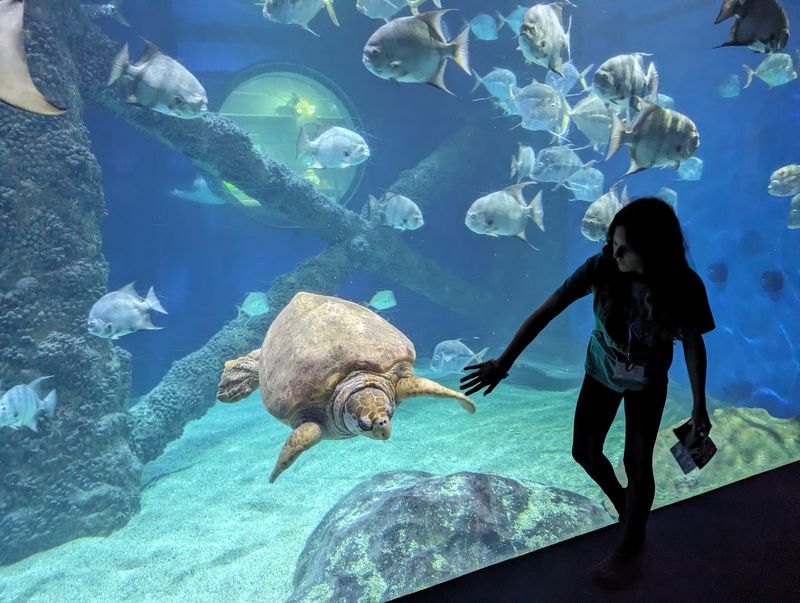
A turtle with a bandaged flipper is not what most people expect to see at an aquarium. Here, the sea turtle rehabilitation center gives guests a view of animals that are being treated, not just displayed.
The idea is simple but powerful. Instead of reading about conservation on a sign, you watch it unfold in front of you.
Rescued turtles are cared for in medical pools, and the setup lets you observe how patients are monitored and moved. Some visits may show more activity than others, since the work follows the needs of each animal.
I found myself lingering far longer than planned. Kids nearby pressed their noses to the glass and asked nonstop questions, and nobody seemed in a hurry to move along.
Plan to arrive with patience, because this is the part of the trip that rewards slowing down.
Where to Find It in Virginia Beach
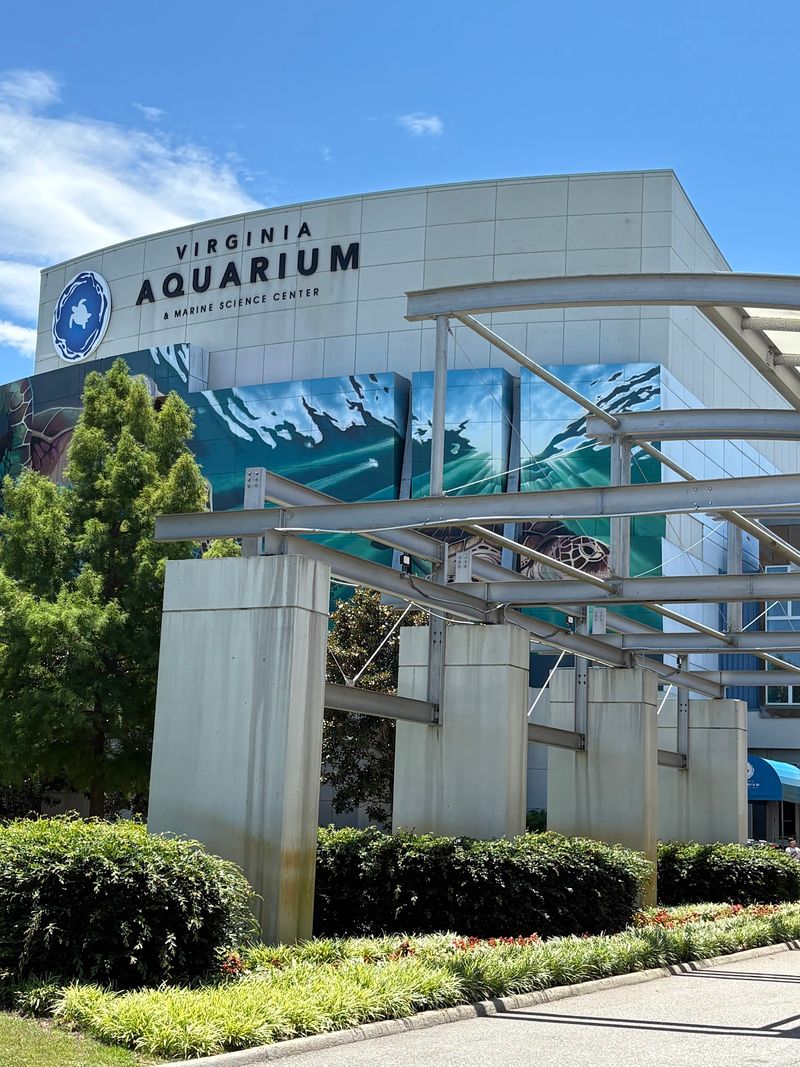
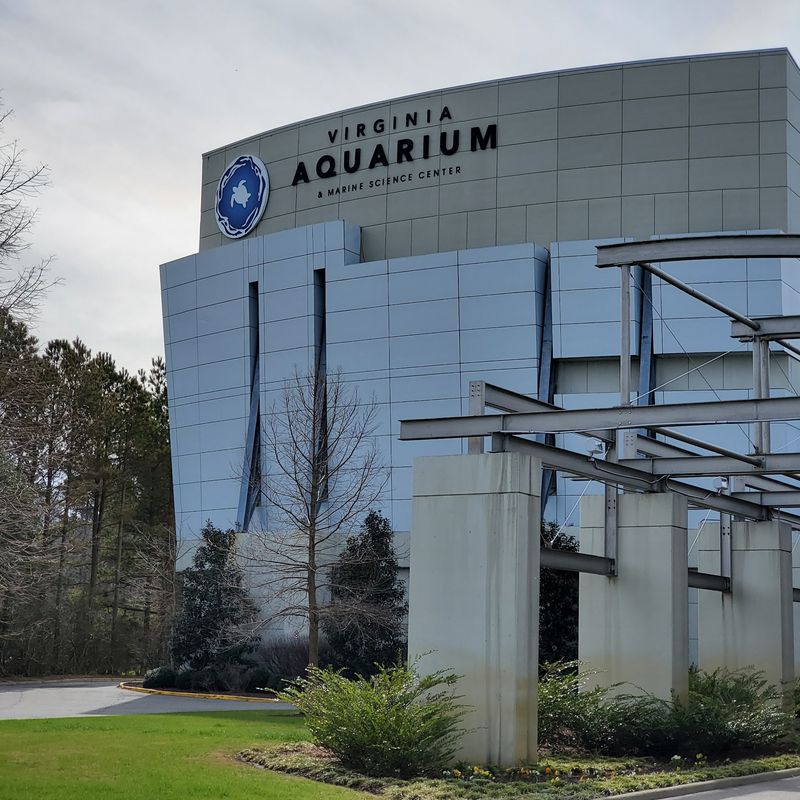
The center is part of the Virginia Aquarium & Marine Science Center, 717 General Booth Blvd, Virginia Beach, Virginia, United States. It sits on the water’s edge, so the trip comes with salt air and marsh views.
The property is split into two buildings joined by an outdoor trail. The North Building holds most of the animal exhibits, which makes it the natural starting point.
Doors open at 9 am and close at 5 pm each day, according to the current listing. Buying tickets online ahead of time can save you from a long line at the entrance.
Parking is on site, and a daily fee applies. On busy summer days the lot can fill up, so arriving early is smart.
Once inside, the turtle area is only one stop in a much bigger story, and the next section explains why these animals need help.
Why Sea Turtles End Up Needing Care
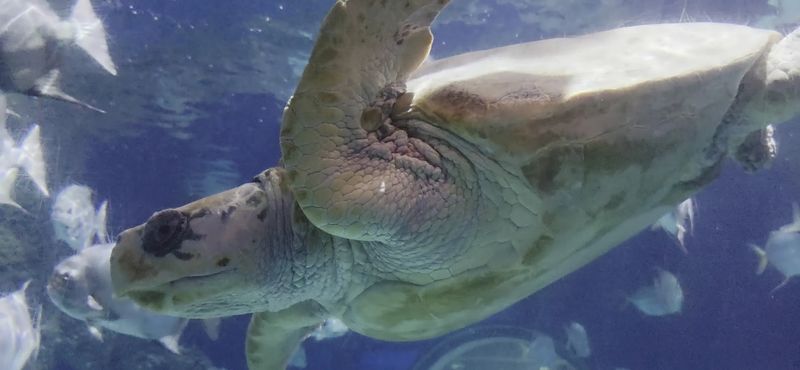
Cold water can be tough on sea turtles. When temperatures drop, some become sluggish and wash ashore, unable to swim or eat the way they should.
Others arrive with injuries from boats, fishing gear, or debris in the water. Each case is different, and each turtle gets a plan built around its condition.
Learning this changed how I looked at the beach nearby. A turtle on the sand is not always a sign of a nesting event, and trained responders know how to help.
If you ever spot a stranded animal, keep your distance and call local authorities instead of moving it yourself. That small step can make a big difference.
The aquarium works with such cases, so what you see through the glass connects straight back to the coastline just outside.
Meeting the Big Turtles Up Close
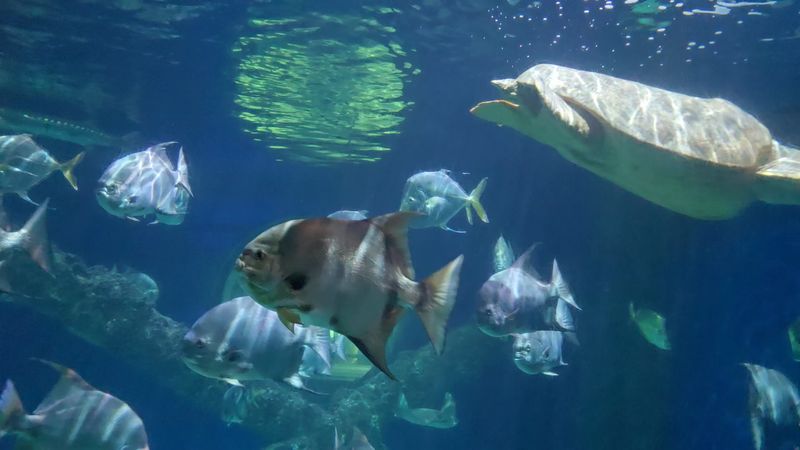
Size surprises people. Adult sea turtles in the exhibits are big, slow, and graceful as they glide past the glass.
Watching one paddle by makes the whole room go quiet for a moment. Their flippers move with an easy rhythm that is hard to look away from.
Some guests feel the tank could be larger, and that is a fair thing to notice. It shows how much thought goes into animal care and how exhibits can keep improving over time.
The aquarium has also been renovating parts of the property, so some areas may change from visit to visit.
Bring a little curiosity and take your time here. Turtle watching is best when you are not rushing to the next exhibit.
The Behind the Scenes Tour
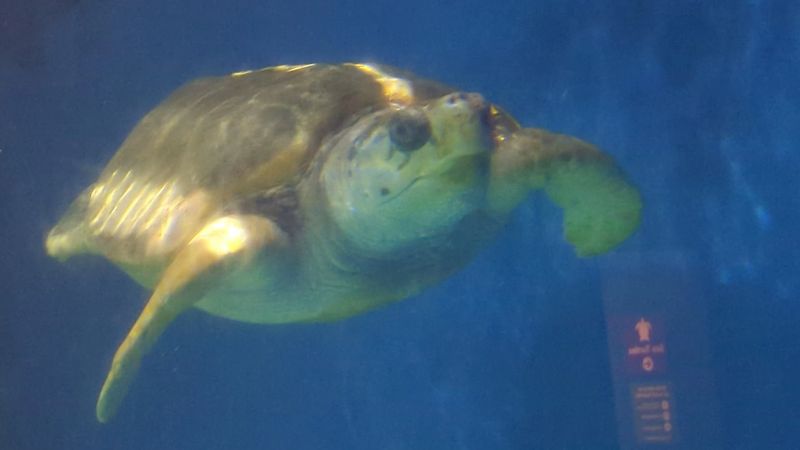
A special tour takes guests beyond the usual walkways. It offers a closer look at how the aquarium runs and gives a chance to see turtles from a different angle.
One family told me they were able to stand near the large tank and see the turtles up close. Seeing the animals from above feels very different than looking through glass.
These tours usually cost extra and may need advance booking, so check the aquarium website before you go. Availability can change with the season and the day.
Ask questions during the tour. Guides tend to share small details about feeding, health checks, and daily routines that never appear on signs.
It is the best way to turn a pleasant visit into something you will talk about for weeks.
Sharks, Rays, and a Walk-Through Tunnel
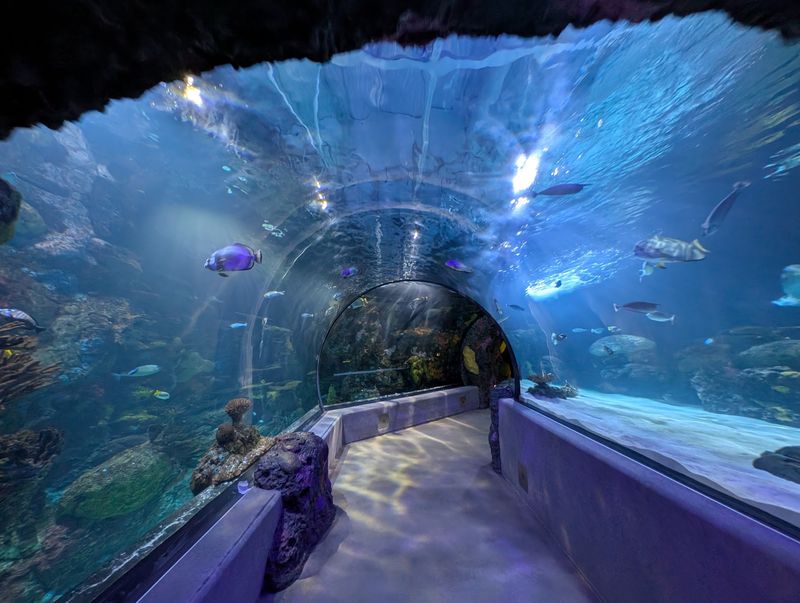
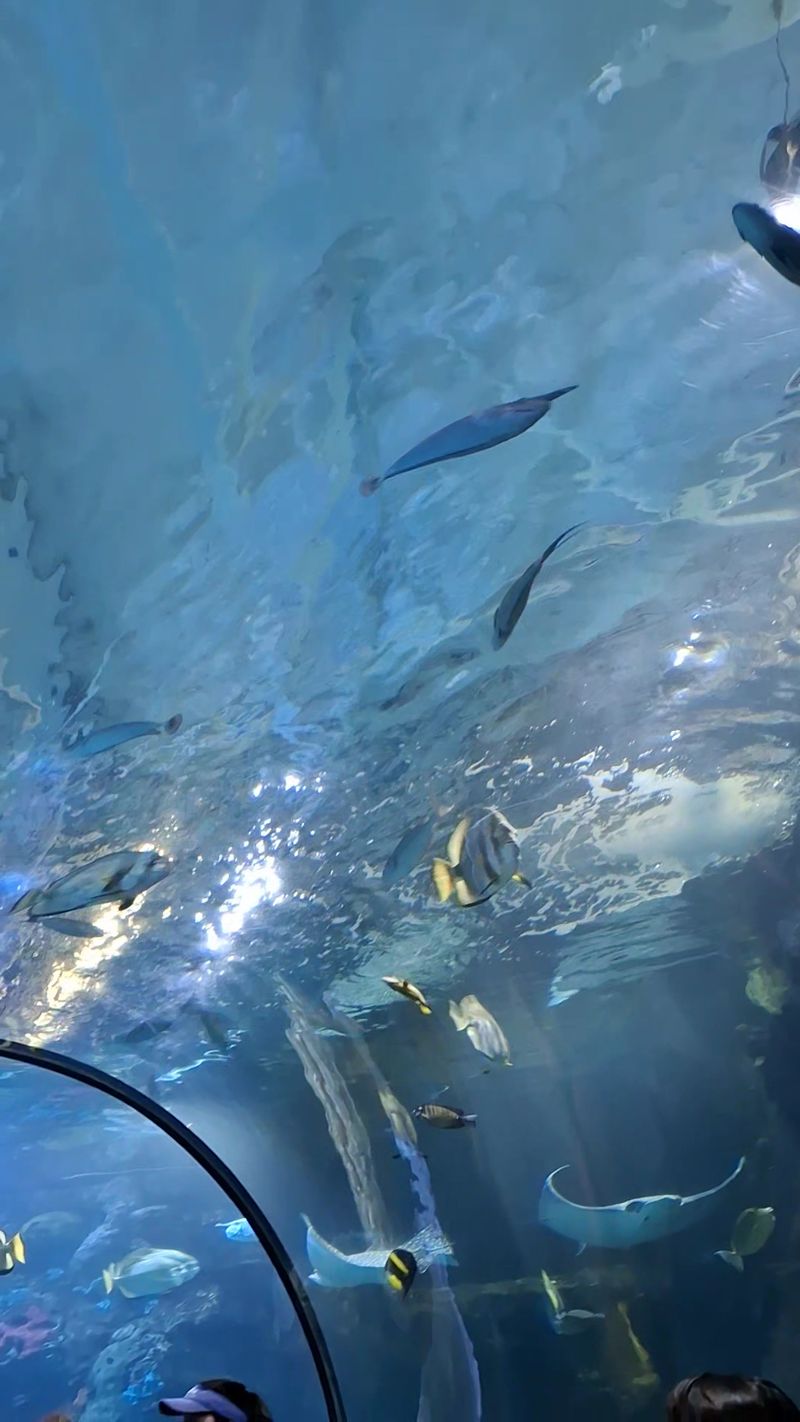
Overhead, a shark glides past while a ray flaps by like a living kite. The walk-through tunnel is a favorite stop, and kids tend to freeze right in the middle of it.
The shark exhibit also includes a submarine that children love to explore. It adds a playful twist to an otherwise calm room.
Nearby, a touch area lets guests gently feel rays as they pass. The stingrays were a top pick for one six-year-old I heard about.
Wash your hands afterward and follow the posted rules for touching. The animals are sensitive, and gentle contact keeps them comfortable.
After this busy room, the next stop is a bit more unusual and involves one of the biggest lizards on Earth.
A Komodo Dragon Face to Face
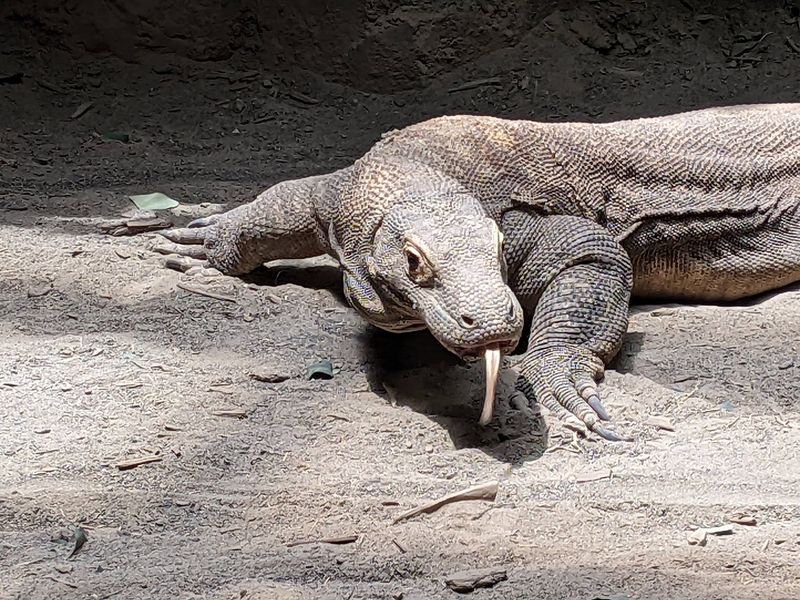
Few animals draw a crowd like a Komodo dragon. Its forked tongue flicks in and out while it studies whoever stands closest.
The exhibit is set up so guests can get surprisingly near. I will not spoil exactly how, but expect a moment that makes people lean in.
Reptiles share the main building with fish and turtles, so it is easy to fit this stop into your route. Many guests say the dragon is one of their favorite surprises.
Photos work best when the lizard is active, usually when the room is quiet. Early or late in the day tends to be calmer.
With scales and claws behind you, it is time to step outside, where the trip changes pace entirely.
The Nature Trail Between Buildings
Between the two buildings, a trail stretches over marsh and water. It is long enough to feel like a small outing of its own.
Along the boardwalk, you may spot wild fish and crabs in the shallows. Some guests spent so much time here they never reached the second building.
The walk can be warm on sunny days, so bring water and a hat. Shade is limited in places.
Signage for the route can be easy to miss, so check your map before setting out. If the heat is too much, driving between buildings is an option.
The view across the water gives your eyes a break from tanks and glass, and it sets the stage for the quieter South Building.
Jellyfish and Hands-On Science
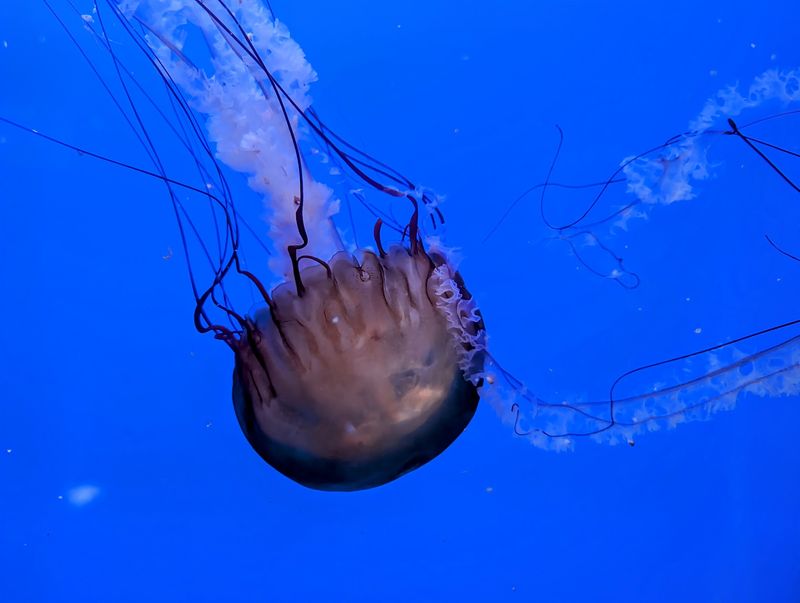
Soft, drifting, and strangely calming, jellyfish take center stage in the South Building. Some guests even get a chance to touch them in a designated area.
The building also offers science activities geared toward children. They are simple, hands-on, and good for kids who need a break from just looking.
Exhibits here have varied during renovation work, so check the aquarium website for what is open. A small gift shop and a cafe are available on site.
Compared with the main building, this one is quieter and less crowded. That makes it a good place to rest tired feet.
Once the learning is done, there are more active options waiting, and they involve ropes and heights.
Boat Tours and Dolphin Watching
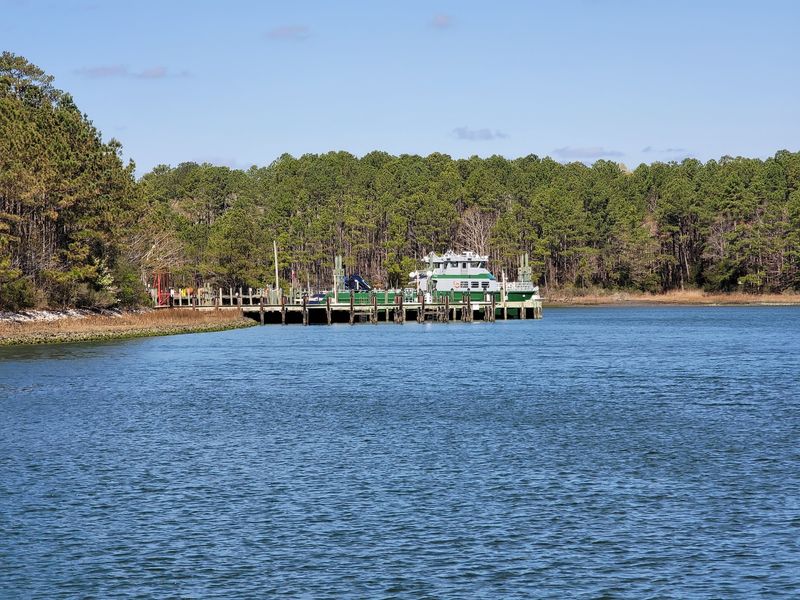
Dolphins rise out of the water close enough to make the whole boat gasp. The aquarium runs a dolphin boat tour that gets strong praise from families.
A friendly crew explains what you are seeing and why it matters. The weather on the day of one visit was beautiful, which added to the fun.
Tours depend on season and conditions, so confirm dates and times online. Dress in layers and bring sunscreen.
Keep your phone ready but your eyes up. Dolphins move fast, and the best moments often happen in a second.
Back on land, the trip leans toward practical matters like timing and tickets, which can shape how your day goes.
Smart Tips for Tickets and Crowds
Planning helps more than anything else here. Buy tickets online before you arrive to skip the longest line.
Weekends and hot summer days draw big crowds. Going later in the afternoon, about two hours before closing, tends to feel calmer.
Many guests find about two to three hours is enough to see the main attractions. Add more time if you want the trail, the South Building, or a tour.
Parking costs extra, and the lot can fill up. Check the aquarium website for current prices, renovation updates, and exhibit status.
Children four and under enter free, which helps with family budgets. Keep an eye out for adult evenings too, which are for guests 21 and older.
More to Explore Along the Coast
When the aquarium visit ends, the coast is right there. A walk along the shoreline is a natural way to finish the day.
The turtles inside the center also remind you what lives just offshore. A stroll with that in mind makes the waves feel different.
Other marine centers and wildlife areas along the Virginia coast offer their own stories. Looking them up before your trip can help you build a fuller itinerary.
Renovations at the aquarium mean there is always something new to return for. Each visit may show a different side of the place.
Leave with sandy shoes and a few good questions. That is usually the sign of a trip well spent.
Share this story