Rows of brick buildings once packed with tobacco leaves now hold studios, apartments, restaurants, and a small museum. A river that once powered mills now runs beside a trail where walkers and cyclists roll along.
I spent a few days exploring how this Virginia city gave old warehouses a second life. The story is full of surprising details that make a visit worth planning.
Brick Warehouses With a New Job
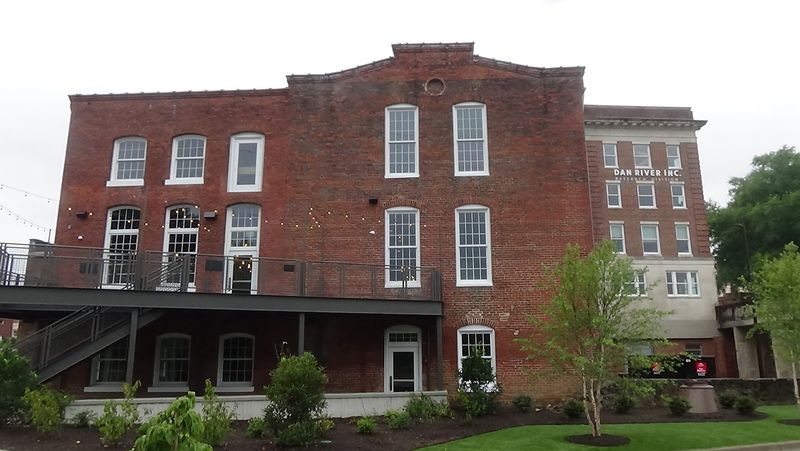
Brick is the first thing you notice here. Tall walls, arched windows, and heavy beams tell you these buildings were made for work, not show.
Many of them once stored and sold tobacco leaf, which was a major business in this part of Virginia for generations. Today the same structures hold new uses, and the old character is still easy to see.
I liked how the city kept the bones of the buildings instead of starting over. Rough brick, tall ceilings, and wide floors give the district a feel that new construction rarely matches.
Walk slowly and look up. Faded painted signs and old loading doors are small details that many people hurry past, yet they tell the story of the neighborhood better than any plaque could.
The River District Takes Shape
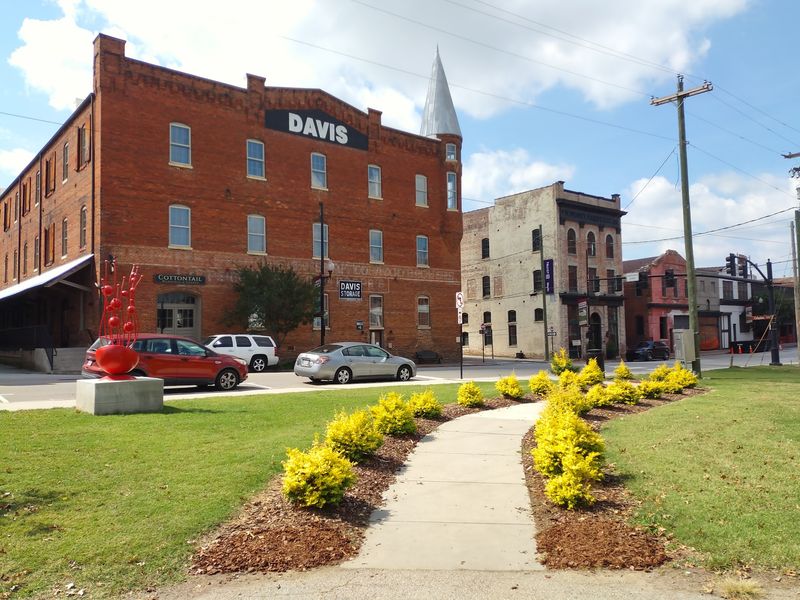
Here is where the name finally comes in. The River District in Danville, Virginia, United States, is the part of the city where the old tobacco warehouses have been reborn as a walkable neighborhood.
It sits near the Dan River, which gives the whole area a breezy, open feel. Streets are short and easy to cross on foot, so you can park once and wander.
The district is known for the mix of old and new. Loft apartments, studios, and shops share blocks with buildings that still look the way they did a century ago.
I suggest starting with a slow loop around the blocks before choosing where to stop. That way you spot the corners you would otherwise miss.
A Tobacco Story Told Plainly
To understand why these buildings exist, you need a little history. Danville sits in Southside Virginia, a region long tied to tobacco farming.
Farmers brought their leaf to town, and warehouses were built to hold it for sale. The city became known as a market for bright leaf tobacco, and the large buildings grew up to match that trade.
When the industry changed, many of those structures sat quiet. Instead of tearing them down, the community found fresh ways to use them.
That choice is the heart of the story. It shows how a place can honor its past while giving younger residents reasons to stay, work, and gather downtown.
Where the Dan River Does the Talking
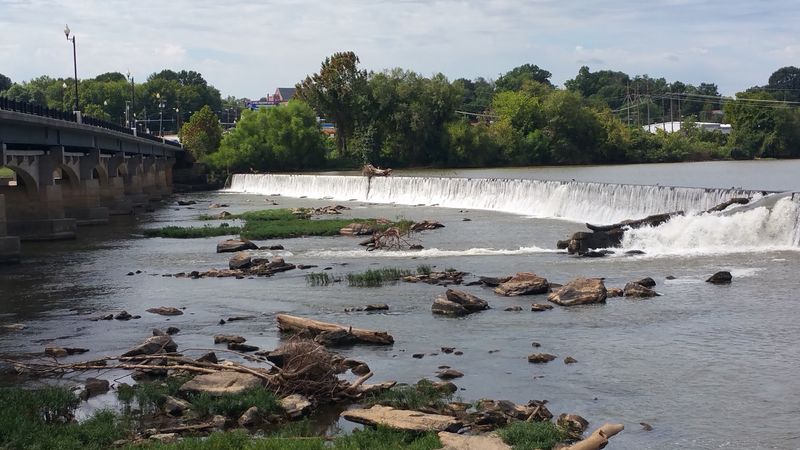
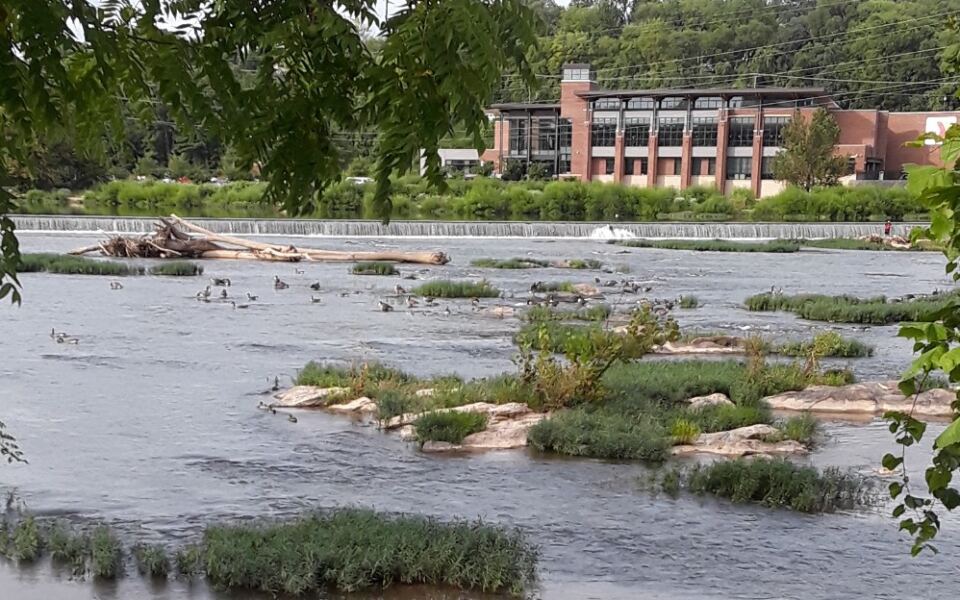
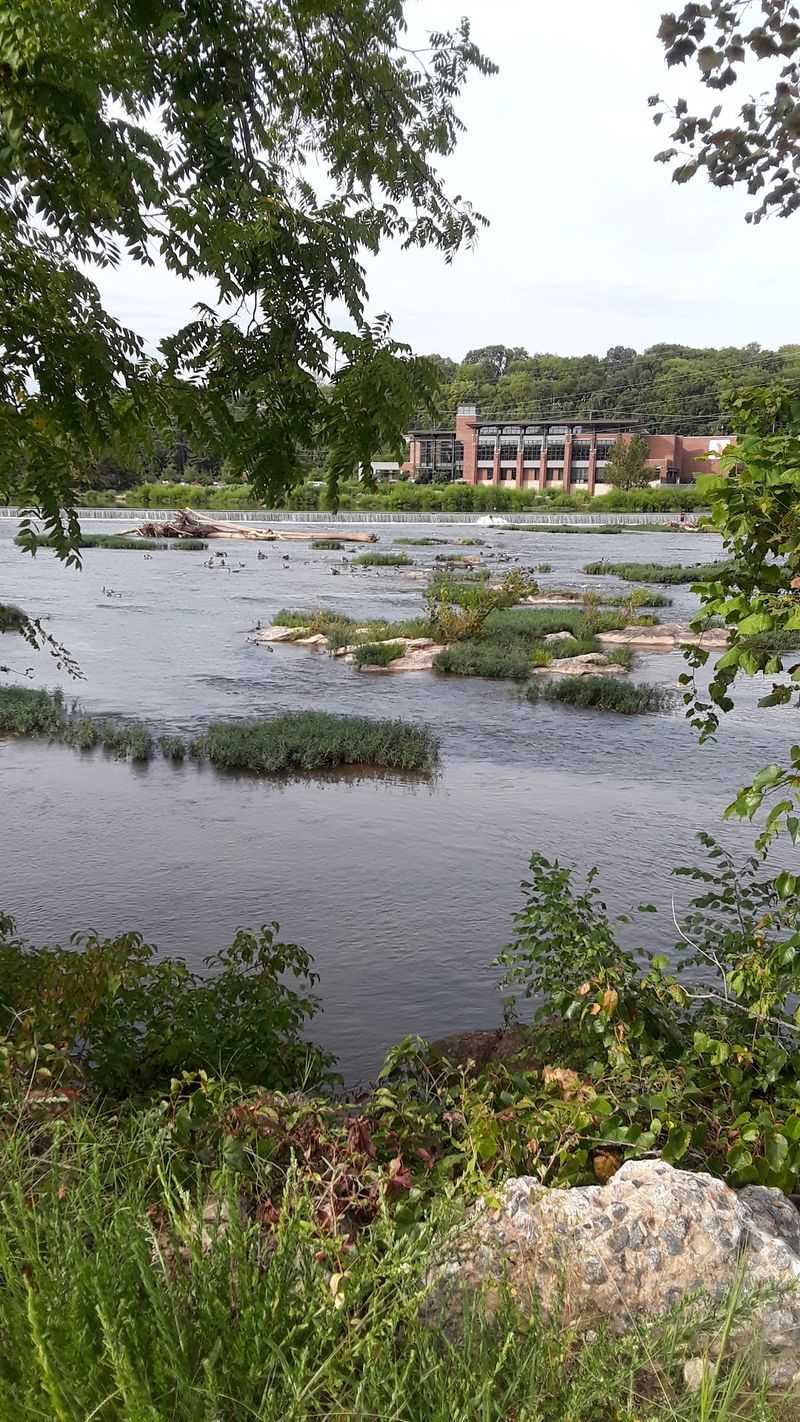
Water gives this district its personality. The Dan River curves along the edge of town, and the sound of it carries over the rocks on quiet mornings.
Danville sits on the fall line of the river, the place where land drops and the water picks up speed. That helped power mills in earlier years, which is part of why industry settled here.
Today the river is more about views than work. Benches and open spots along the bank make it easy to sit for a few minutes.
Bring a camera in the early morning. Mist, brick, and moving water make a surprisingly good combination, and the light is soft before the crowds appear.
The Riverwalk Trail
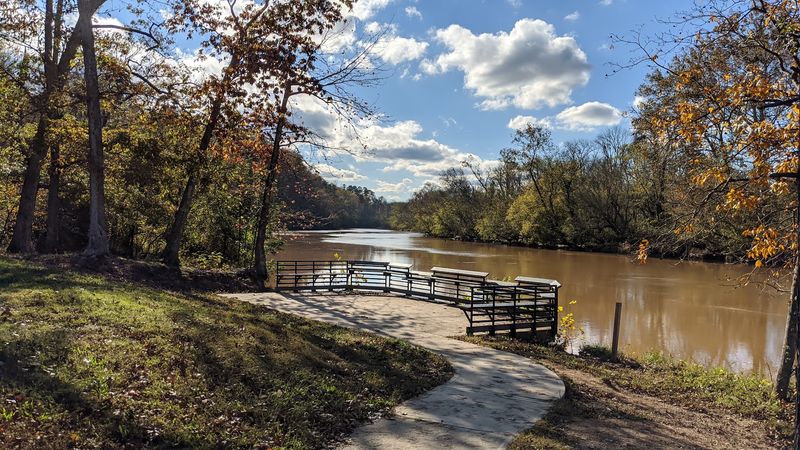
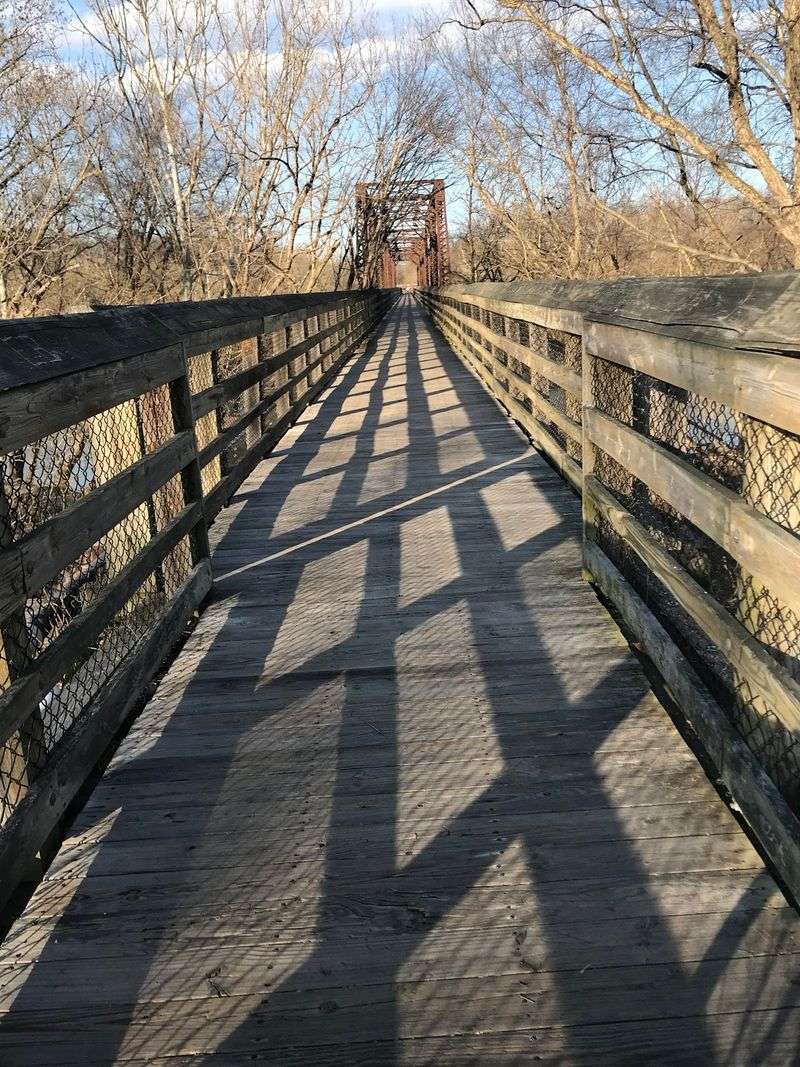
Sneakers are the best accessory here. The Riverwalk Trail follows the Dan River and links the district with other parts of the city.
The path is paved in many stretches, so it works for walkers, runners, and cyclists. Strollers roll along easily, too.
What I enjoyed most was how the scenery keeps changing. One minute you are beside old brick, and the next you are under trees with the river just below.
Plan a morning or early evening walk, when the air is cooler. Pack water, since shade comes and goes, and keep an eye out for herons and other birds near the bank.
Museum Stop With Local Stories
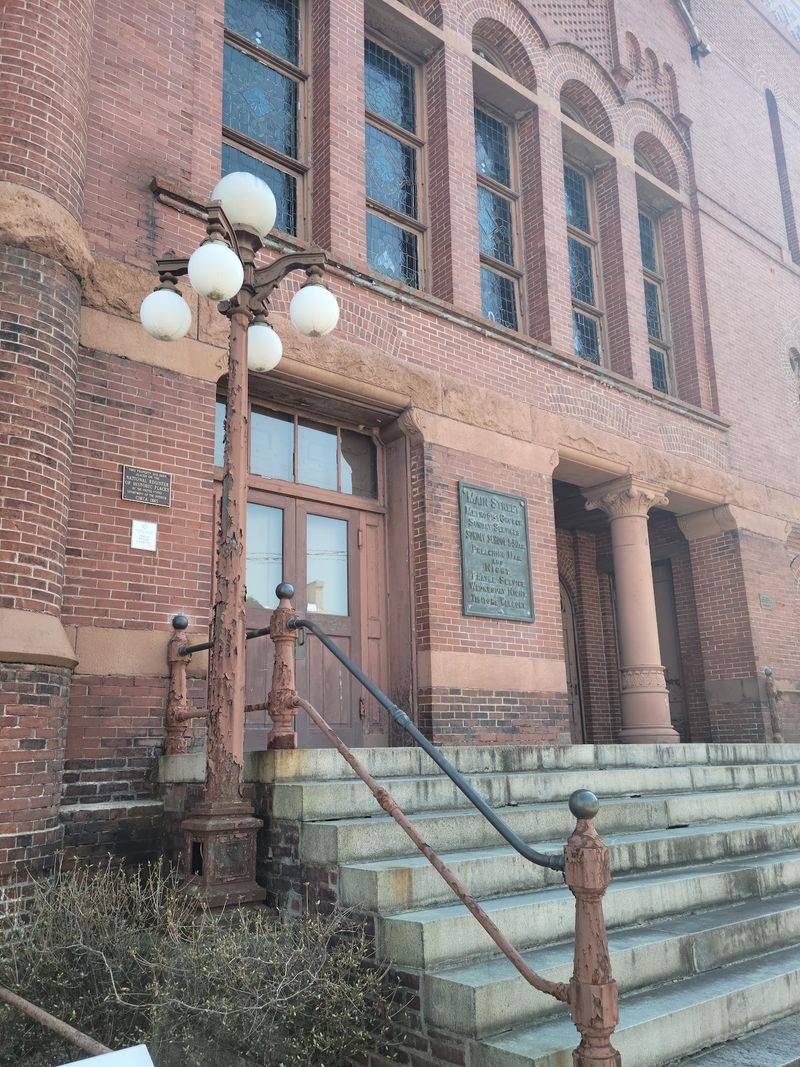
History lovers should save an hour for the Danville Museum of Fine Arts and History. It is housed in a historic mansion on Main Street, a short drive from the riverfront.
Inside, exhibits cover art and the story of the area. The house itself is part of the appeal, with its stately rooms and period character.
I found it a helpful companion to the warehouse walk. After seeing the buildings, you can learn more about the people and events that shaped the city.
Check current hours and exhibits before you go, because schedules can change. A quick look online saves a wasted trip.
Science Meets an Old Train Station
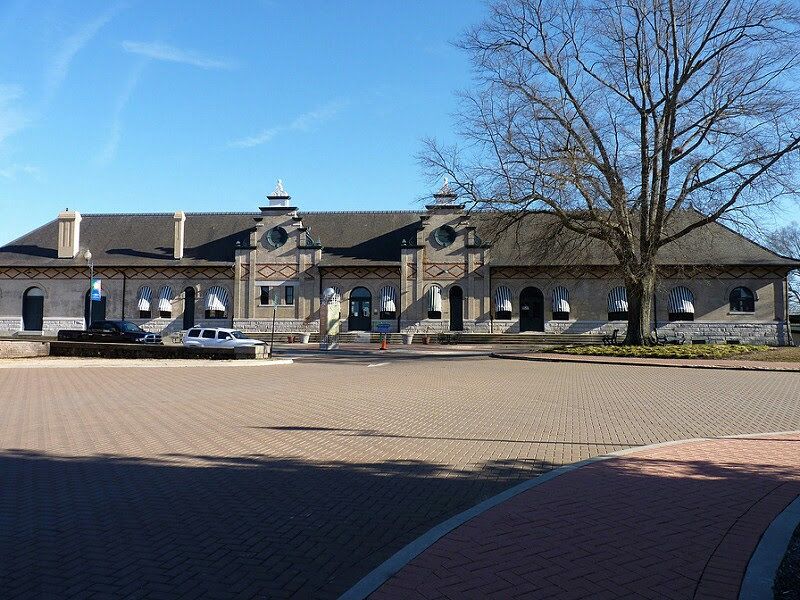
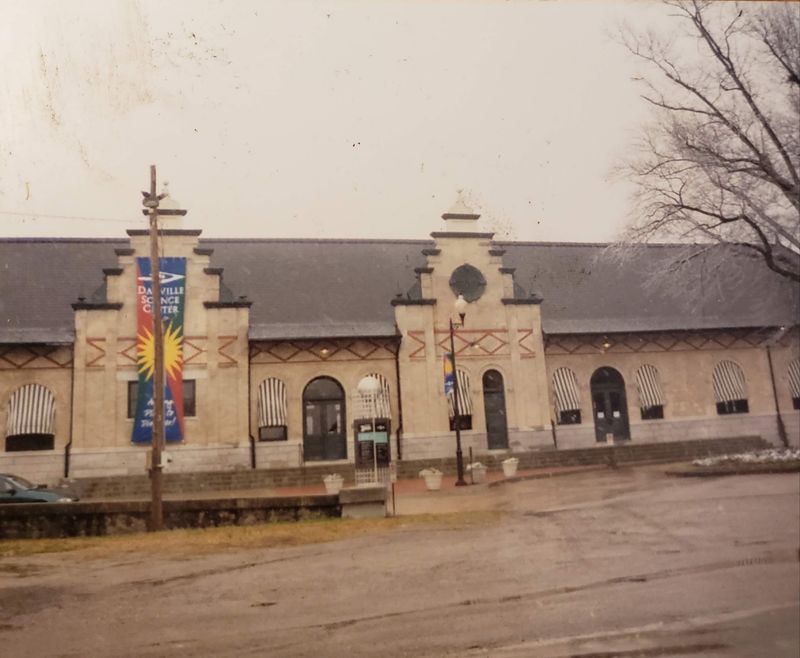
A former train station now holds hands-on science. The Danville Science Center occupies the old Southern Railway passenger station, a handsome brick building near the river.
Exhibits invite visitors to touch, try, and test ideas. Families with curious kids will find plenty to keep them busy.
The station is another example of the city reusing a landmark instead of losing it. The architecture still feels like a place where travelers once waited with their bags.
Look at the building before you step inside. Its brickwork and rooflines say a lot about the era when rail brought goods and people to town.
Studios, Shops, and Creative Corners
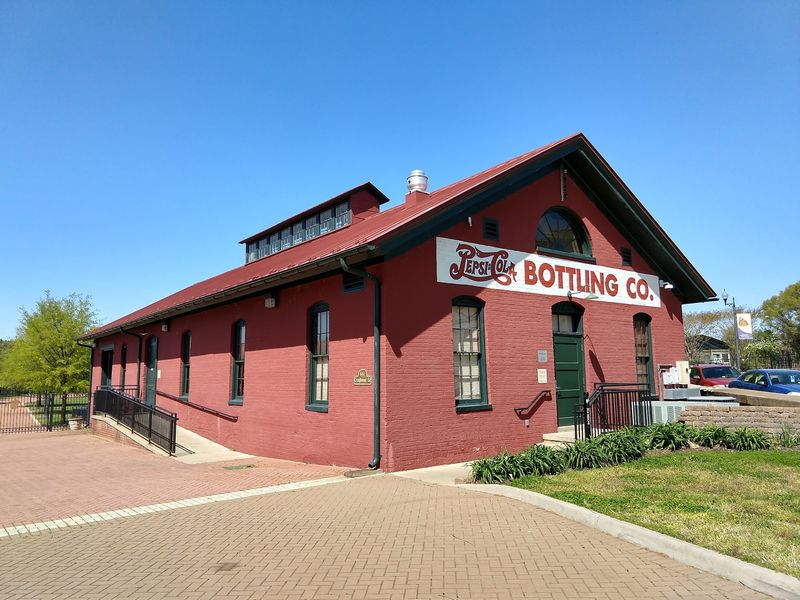
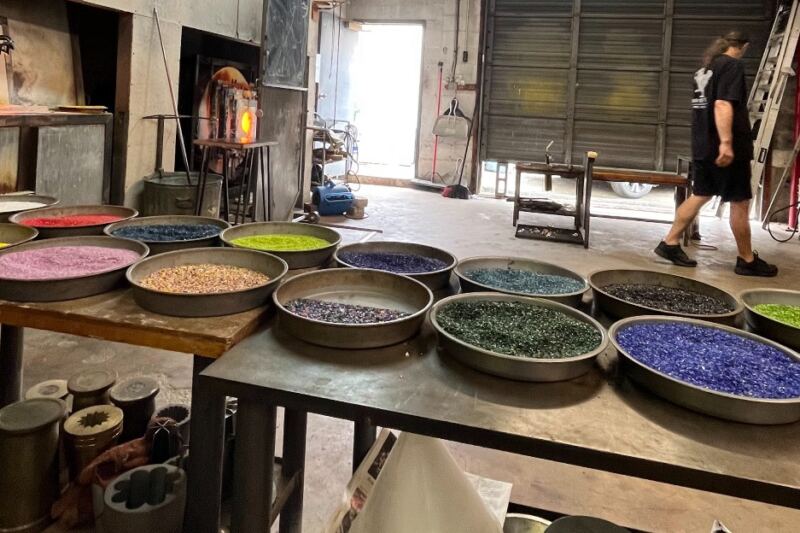
Creative energy fills many of the converted spaces. Artists and makers have found room in the tall, bright interiors, where big windows pour in daylight.
Browsing is half the fun. Small shops and galleries sit close together, so you can drift from one to the next without a plan.
I like that the buildings still feel industrial. Exposed brick and wood beams make handmade goods look right at home.
Go on a weekday afternoon if you prefer quiet browsing. Ask about local makers, and keep an eye out for items made in the region, which are great keepsakes.
Meals Worth Planning Around
Hungry travelers have good news. The district has a growing set of restaurants and cafes set inside the old brick buildings.
Menus lean toward comfort food, with Southern touches that fit the setting. Expect hearty plates, fresh bread, and coffee drinks for slower mornings.
Eating in a former warehouse adds something extra. Tall ceilings and brick walls make dining rooms feel roomy and warm at once.
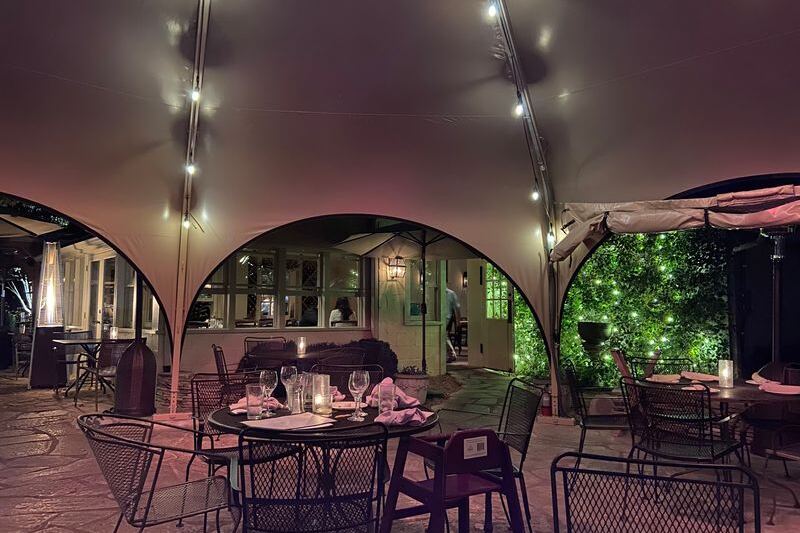
Since menus and hours change, check ahead before choosing a spot. If the weather is nice, ask about outdoor seating, which pairs well with a river breeze.
Living Above the Old Floors
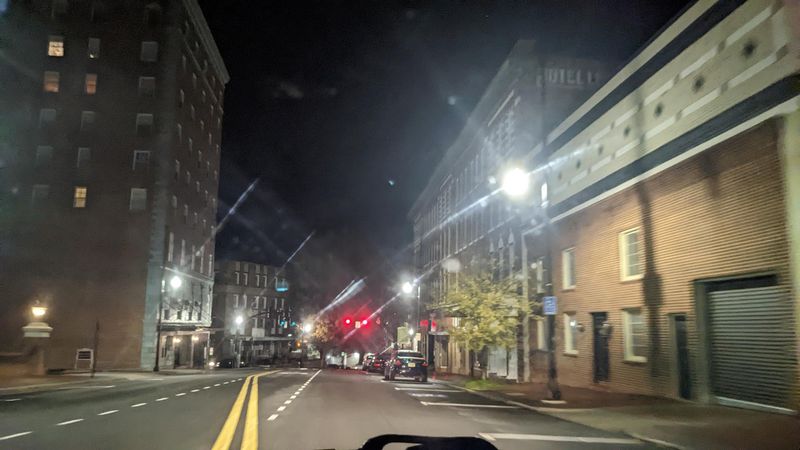
People do not only visit here, they live here. Some former warehouses now hold loft-style apartments, which bring daily life back to streets that once emptied after the workday.
That matters more than it sounds. Residents mean lights in windows, dogs on sidewalks, and shops with regular customers.
The lofts keep features like high ceilings and large windows. Those details were practical for storing leaf, and now they make homes feel airy.
As a visitor, you notice the difference. The district feels lived in rather than staged, and that gives walking around a relaxed, neighborly rhythm.
Events That Fill the Streets
Calendars matter in a district built for gathering. Festivals, markets, and community events use the open streets and plazas, turning brick corridors into party spaces.
I cannot promise a particular date, since schedules shift from year to year. The best plan is to look at the city’s official event listings before you book.
When something is on, the energy is easy to feel. Music drifts between buildings, and families spread out along the sidewalks.
Arrive early for parking and a good view. Comfortable shoes help, because most of the fun happens on foot.
Planning a Smooth Visit
A little planning goes a long way. Danville is in Southside Virginia near the North Carolina line, and driving is the easiest way to arrive.
Give yourself half a day for the River District alone. Add more time if you want the museum, the science center, and a long stretch of trail.
Spring and fall bring comfortable temperatures for walking. Summer can be warm, so carry water and take breaks in shaded spots.
Finish with a slow sunset stroll if you can. The brick glows in late light, and it is a gentle way to end the day before heading toward other nearby Virginia towns.
Share this story