Most people head to the beach to swim, sunbathe, or build sandcastles. But there is one beach in Virginia where visitors crouch at the water’s edge, eyes scanning the sand and gravel for something far more exciting: real shark teeth.
These fossils are millions of years old, and they wash up regularly on a small stretch of Potomac shoreline tucked inside a state park on Virginia’s Northern Neck. Once you hear about this place, it becomes very hard not to start planning a trip.
The Surprising Beach That Started It All
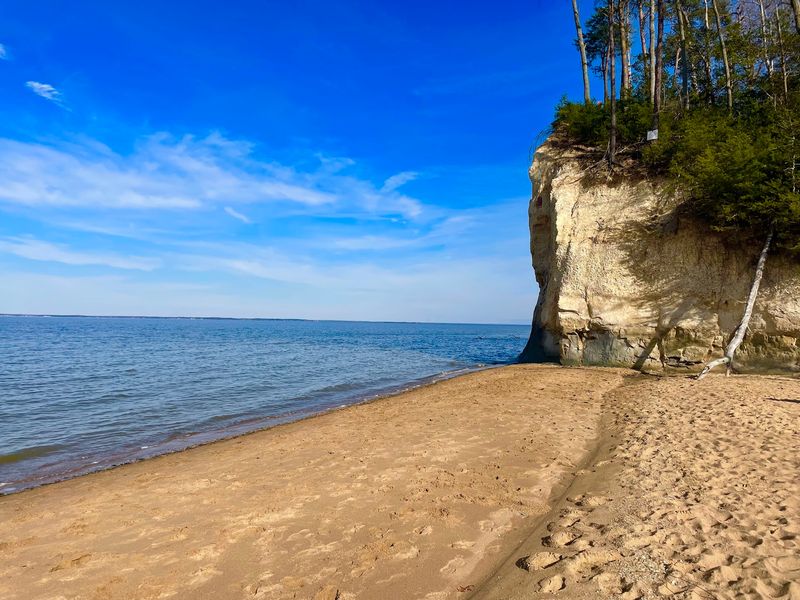
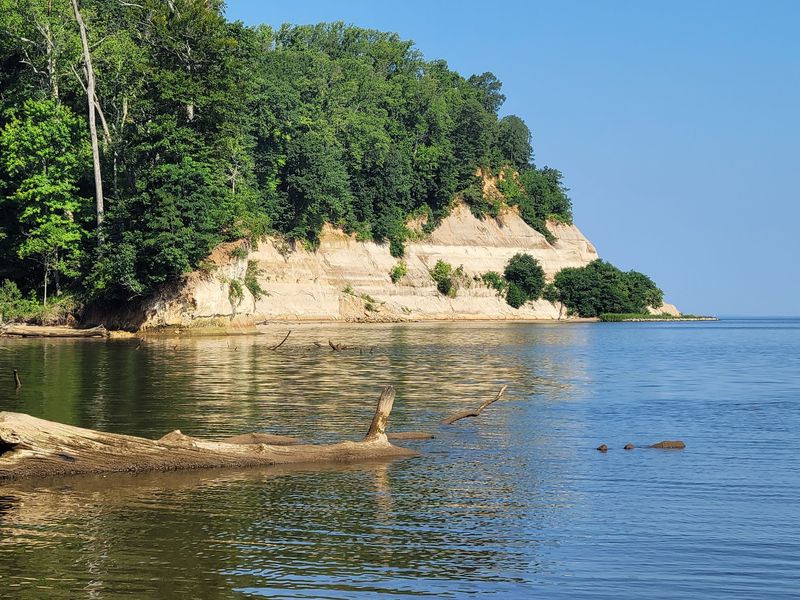
Not every beach comes with the thrill of a treasure hunt, but Fossil Beach at Westmoreland State Park delivers exactly that. Tucked along the Potomac River, this small stretch of shoreline sits beneath dramatic clay and sandstone cliffs that have been eroding for thousands of years, slowly releasing fossils embedded inside them.
The fossils that tumble out include shark teeth, ray plates, and ancient shell fragments, many of them dating back millions of years to when this region was covered by a warm, shallow sea. Visitors of all ages show up with strainers and colanders, sifting through the wet sand and gravel right at the water’s edge.
The atmosphere is relaxed and communal. Strangers compare finds, kids squeal when they spot something triangular and dark, and even first-timers often leave with at least one real shark tooth in their pocket.
Where Exactly You Are Going
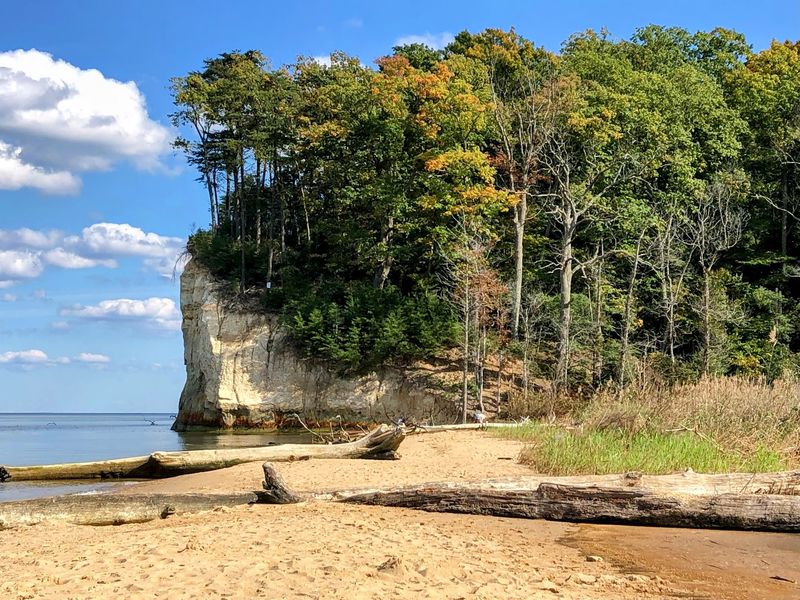
Westmoreland State Park sits at 145 Cliff Road, Montross, Virginia, 22520, in the United States. The park is managed by Virginia’s Department of Conservation and Recreation and sits along the Northern Neck peninsula, right on the southern shore of the Potomac River.
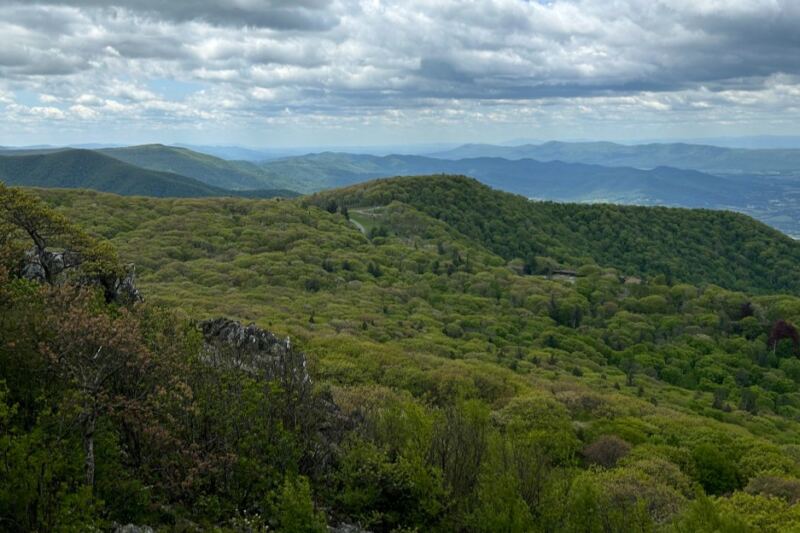
The drive into the park is genuinely beautiful. A split road winds through thick woodland, giving you the sense that you are leaving the everyday world behind before you even park the car.
The park covers over 1,300 acres of forested land, riverfront bluffs, and natural shoreline.
There is a $10 entry fee per vehicle for day visitors, which is a fair price for everything the park offers. Campers who have booked a site enter for free.
The visitor center near the park entrance is a great first stop before heading anywhere else on the grounds.
The History Hiding in the Cliffs
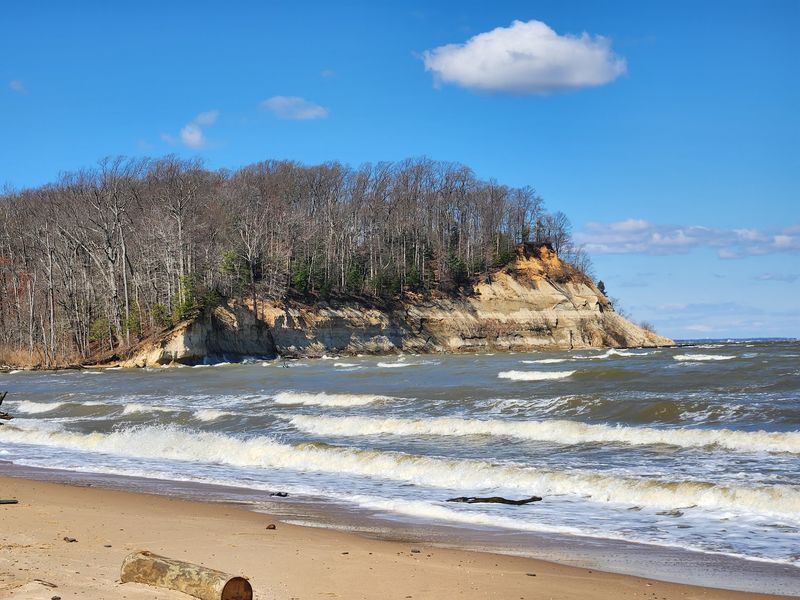
The cliffs at Westmoreland are not just scenic backdrops. They are geological records stretching back roughly 10 to 15 million years, to the Miocene epoch, when a warm, shallow sea covered much of what is now the mid-Atlantic coastal plain.
Creatures like sharks, rays, and ancient whales swam through these waters, and when they perished, their remains settled into the seafloor sediment.
Over millions of years, those sediments hardened into the Calvert Formation, the same fossil-rich layer found at several sites along the Chesapeake Bay and Potomac River. Erosion gradually exposes these layers, releasing fossils onto the beach below.
The cliffs at Fossil Beach are visually striking, with distinct bands of clay, sand, and shell running horizontally through the rock face. Standing below them and knowing what they contain makes the whole experience feel like a genuine step back through deep time.
What You Can Actually Find on the Beach
The most common find at Fossil Beach is the shark tooth, and visitors regularly walk away with several in a single visit. These teeth are typically small, dark gray or black from mineralization, and often shaped like small triangles or serrated blades depending on the species they came from.
Ray plates are another exciting find. They look like flat, rounded pieces of dark stone with a slightly textured surface, and they are easy to miss if you do not know what to look for.
Ancient shell fragments and bone pieces also turn up regularly.
The best strategy is to bring a strainer or colander and work the gravel just at the waterline, where wave action naturally concentrates heavier objects like fossils. Tide timing matters too.
Arriving before high tide gives you more beach to work with and better access to freshly exposed material along the shoreline.
The Trail That Takes You There
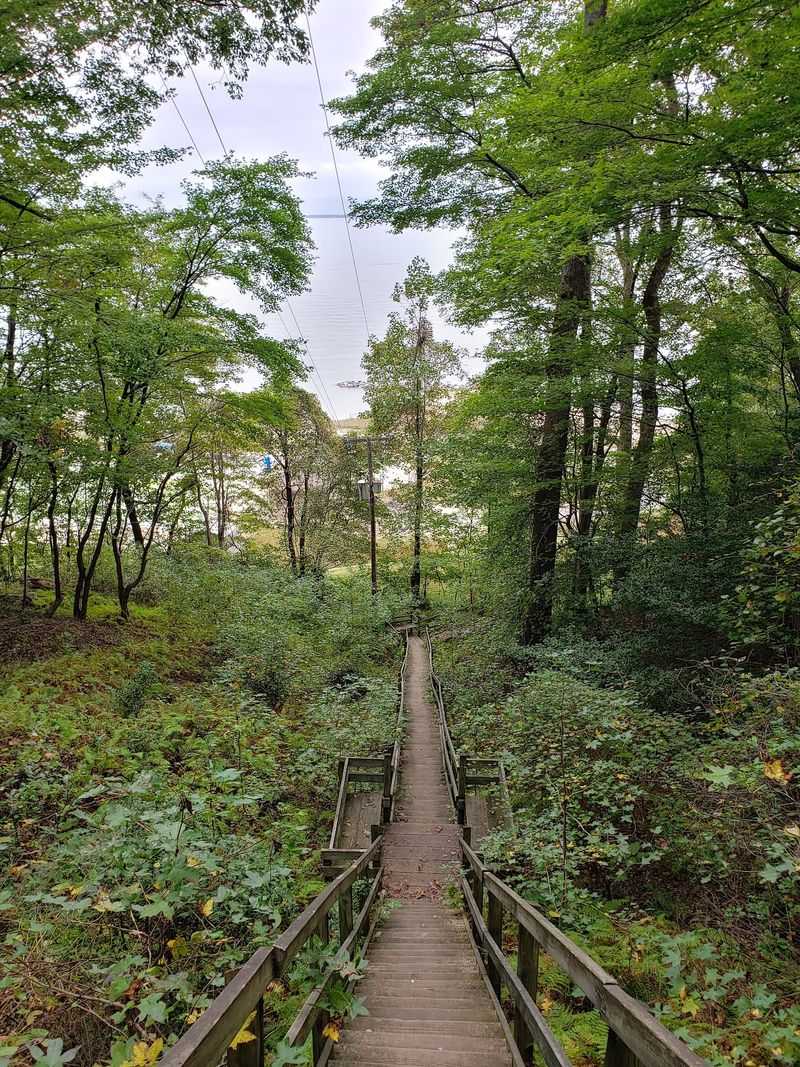
Getting to Fossil Beach requires a short hike down the Big Meadow Trail, which starts near the visitor center. The trail runs just over half a mile and takes most people around 15 to 20 minutes to complete at a comfortable pace.
It is rated easy and is well-marked throughout.
The path winds through mature woodland, past open meadow sections, and gradually descends toward the river. There is a bench about halfway down, which is a thoughtful addition for anyone who wants to pause and take in the surroundings.
The trail surface is mostly packed dirt with some tree roots, so sturdy footwear is a smart choice.
The return trip is uphill, which surprises some visitors who forget that what goes down must come back up. A wagon or heavy cart is tough to manage on this trail, so a simple backpack with supplies is the more practical option for most visitors.
The Visitor Center Worth Stopping At
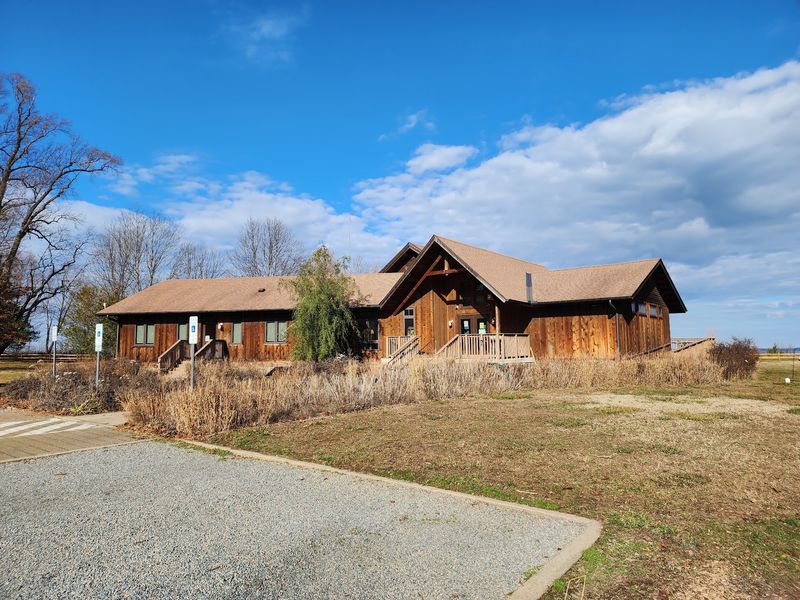
Before heading to Fossil Beach, the visitor center at Westmoreland State Park is absolutely worth a stop. Rangers there are genuinely knowledgeable and enthusiastic about sharing information on fossils, local wildlife, and park history.
The center has a great view of the surrounding landscape and houses live animal displays that kids find fascinating.
One of the snakes in the center has been known to put on a show during feeding time, which tends to generate a lot of wide-eyed reactions from younger visitors. There is also a gift shop where you can pick up fossil-related souvenirs and educational materials.
The Junior Ranger program runs through the visitor center and gives children structured activities to complete during their visit. Rangers check the completed booklets and award Junior Ranger badges, which has become a beloved tradition for families who visit Virginia state parks regularly.
Camping Under the Trees
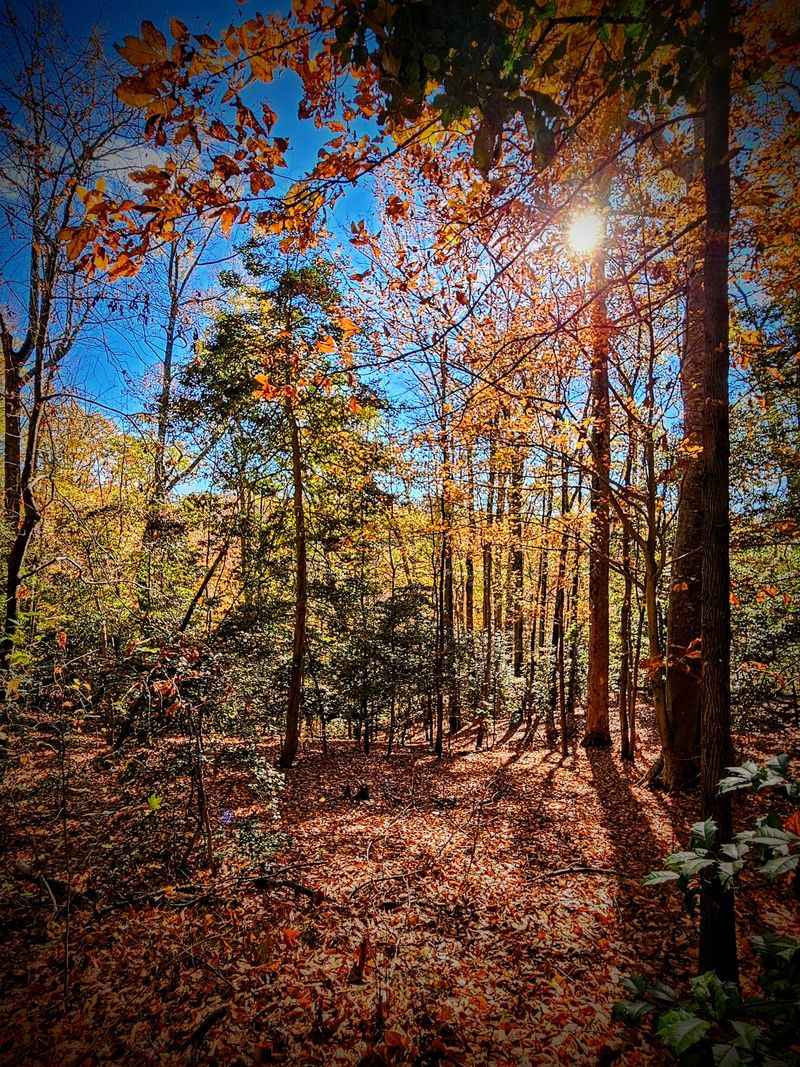
Westmoreland State Park has two campgrounds, each with a different feel. Campground A is the more heavily wooded option, with dense shade and a higher degree of privacy between sites.
Many of the sites are pull-through, which is a major convenience for RV travelers who prefer not to back into tight spaces.
Campground B is more open, with less tree cover but a cleaner, more modern feel. Both campgrounds have bathhouses with showers and restrooms that are cleaned and stocked daily.
Campground A also has a washer and dryer available for campers who need to manage laundry during longer stays.
Campsites come with fire rings, adjustable grill grates, and picnic tables. The park is dog-friendly throughout, which makes it a popular choice for families traveling with pets.
One practical note: ticks are common in this area, so treating pets and checking everyone at the end of each day is a smart habit.
Cabins for a More Comfortable Stay
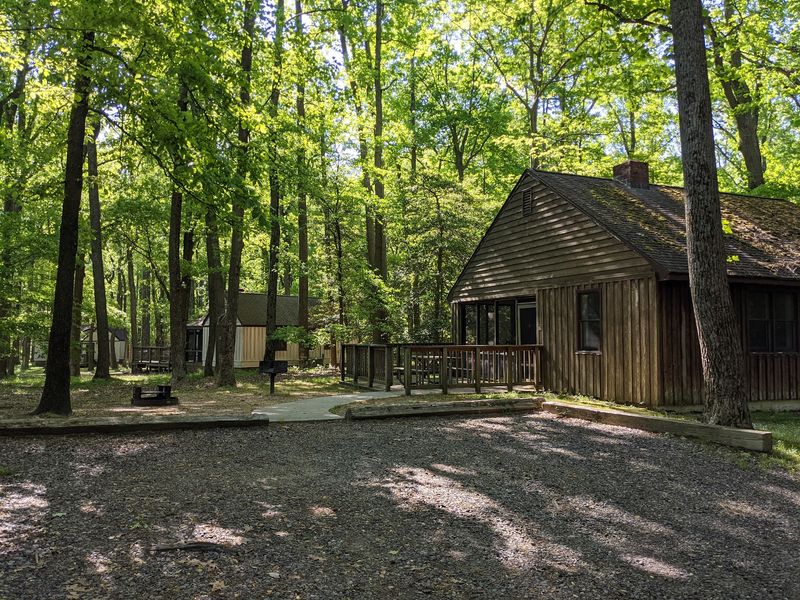
For visitors who want more comfort than a tent but still want to sleep among the trees, Westmoreland State Park offers rental cabins scattered throughout the property. The cabins have been popular for years, and the park has been working through a renovation project to update and improve them.
Once the renovations are complete, the cabins are expected to offer an even more appealing option for families, couples, and groups looking for a weekend retreat. The park’s natural setting makes cabin stays feel genuinely restful, with birdsong in the morning and fireflies at night during warmer months.
Booking cabins in advance is strongly recommended, especially for summer and fall weekends, as availability fills up quickly. The combination of comfortable lodging, easy trail access, and proximity to Fossil Beach makes a cabin stay one of the most complete ways to experience everything this park has to offer.
The Main Beach for Swimming and Relaxing
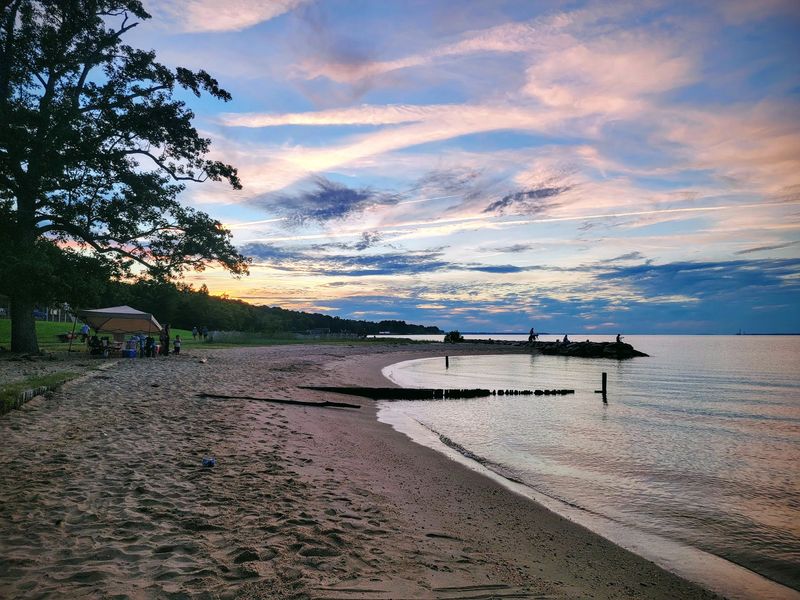
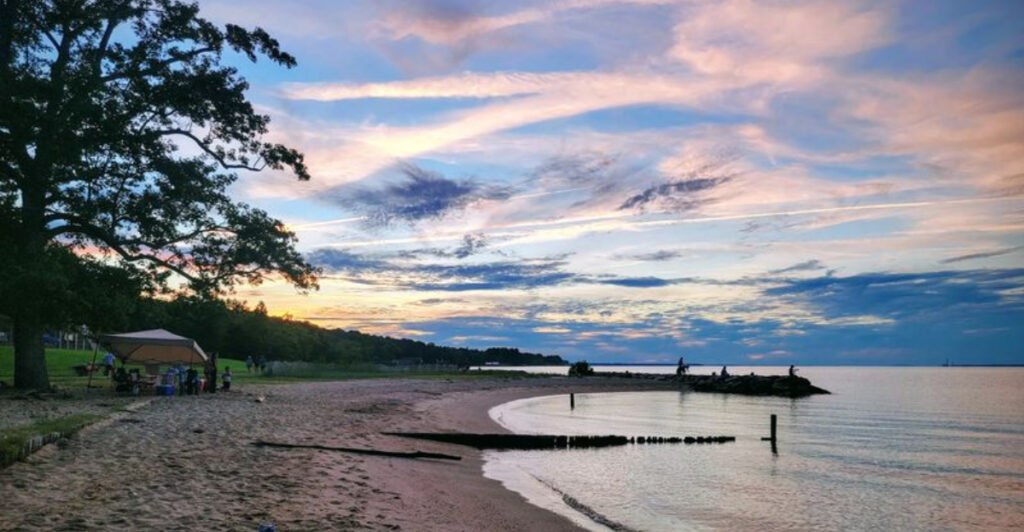
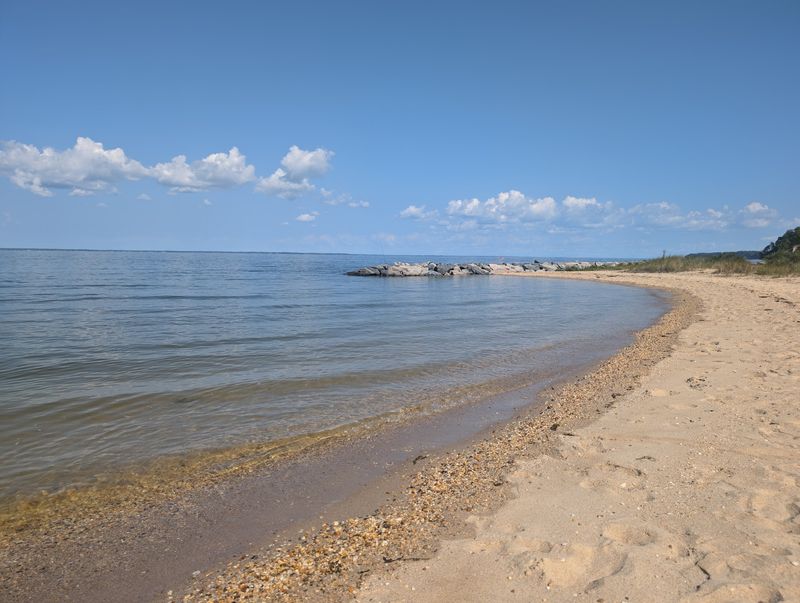
Beyond Fossil Beach, Westmoreland has a second, more traditional beach area that is better suited for swimming, picnicking, and kayaking. This beach has a much more open layout with ample sand, charcoal grills, and picnic tables spread along the shoreline.
Kayak rentals are available here, making it easy to get out on the Potomac without hauling your own gear. The water tends to be calm and smooth, and the views across the river are wide and unobstructed.
Water shoes are recommended since the beach surface is a mix of sand and pebbles.
Concession stands operate seasonally near this area, so checking ahead for hours before your visit helps avoid any disappointment. Families who want a full day at the park often split their time between the main beach in the afternoon and Fossil Beach in the morning when the tide is lower.
Trails Beyond the Fossil Hunt
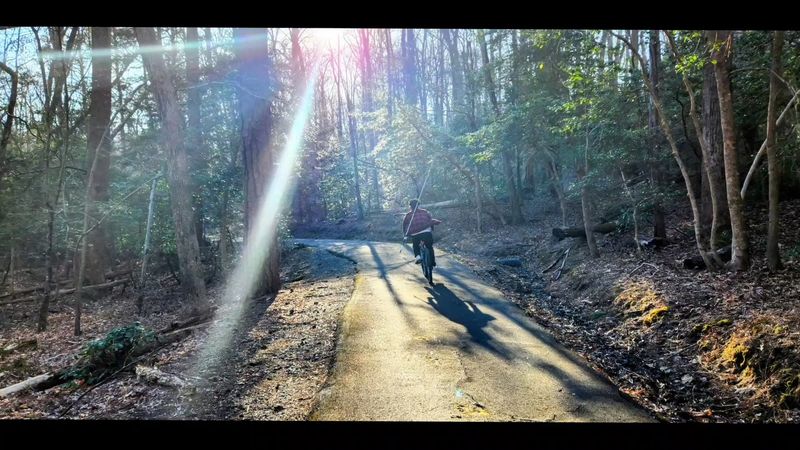
Westmoreland State Park has multiple trails beyond the Big Meadow Trail leading to Fossil Beach. The trail network covers a range of difficulty levels and terrain types, from paved paths near the fishing pond to dirt trails with gentle elevation changes through the forest interior.
One of the paved trails is particularly well-suited for cyclists and visitors who prefer a smoother surface. The dirt trails are in good shape overall, with only the occasional root or uneven patch to watch for.
None of the trails are extremely long, so this park works better as a scenic day hike destination than an all-day backcountry adventure.
Wildlife sightings along the trails are common. Lizards, small snakes, and various birds appear regularly without visitors having to search very hard.
Bald eagles have also been spotted in the park, which is always a memorable moment for anyone lucky enough to see one in flight.
Fishing and Paddling on the Potomac
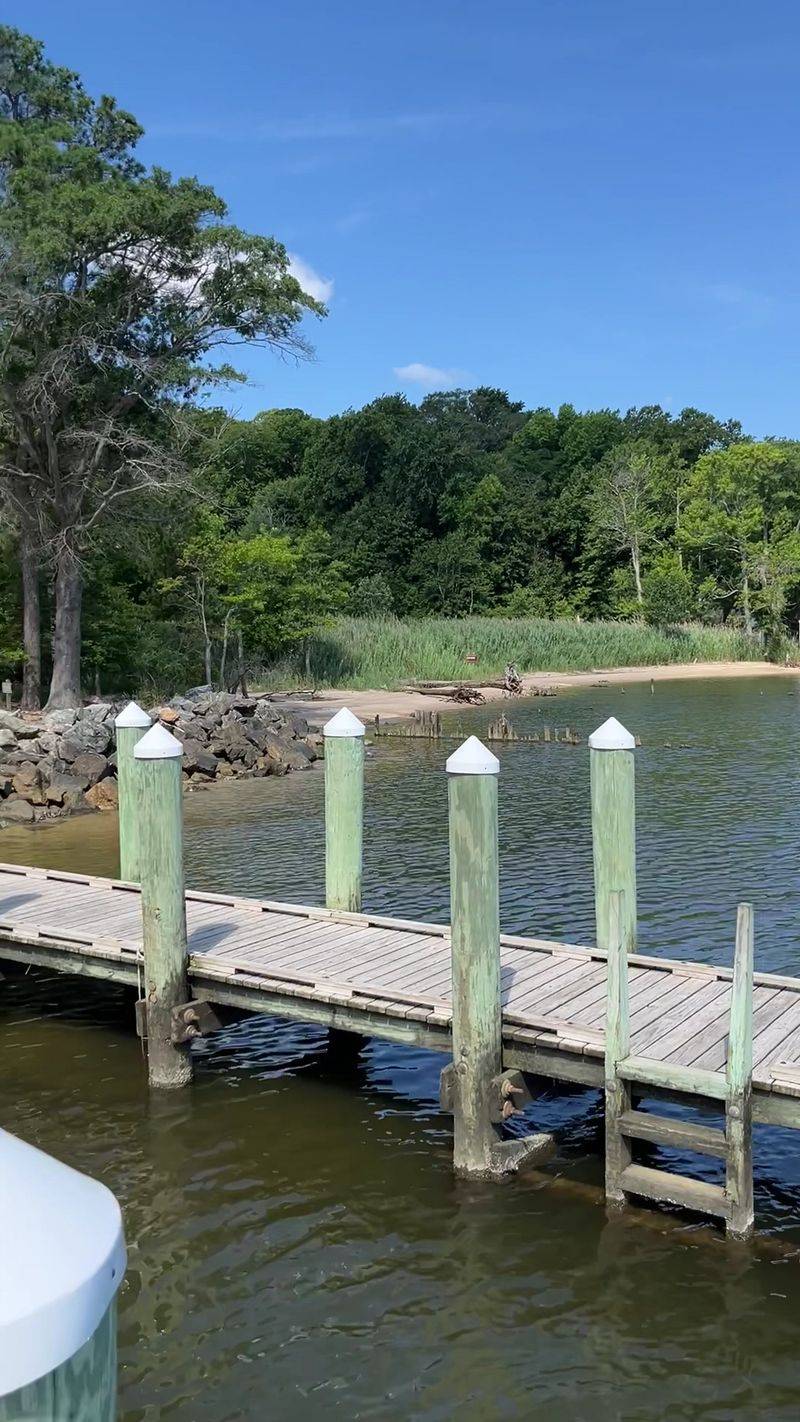
The Potomac River frontage at Westmoreland State Park makes it a natural draw for anglers and paddlers. The park has a boat ramp that provides easy water access for those bringing their own vessels, and the calm sections of the river near the park are well-suited for kayaking and canoeing.
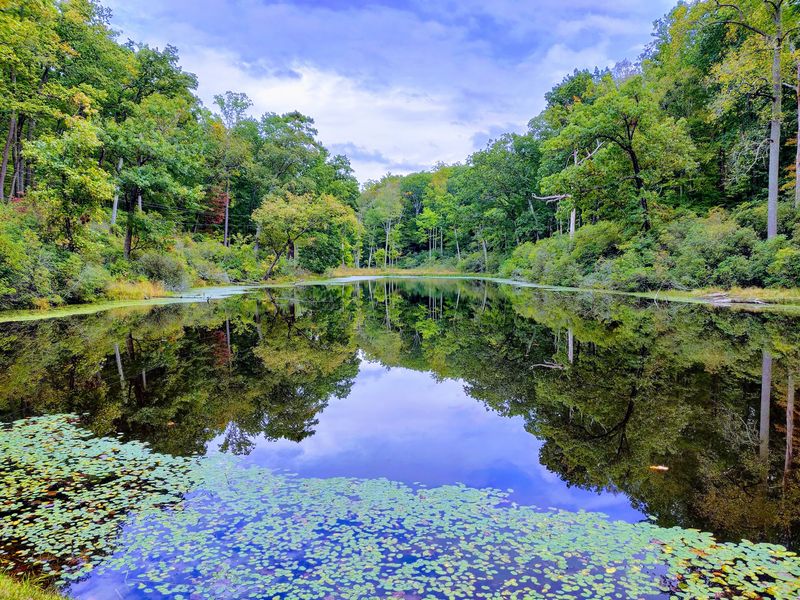
Fishing spots are spread throughout the park, including along the shoreline and near the fishing pond accessible from one of the paved trails. The pond is a quieter option for families with younger children who are just getting started with fishing.
The combination of river access and wooded surroundings gives the park a distinctly peaceful quality on the water. Early mornings on the Potomac here are especially calm, with mist on the surface and very little boat traffic.
It is the kind of setting that makes it easy to spend hours without looking at your phone.
Bald Eagles and Wildlife Watching
Westmoreland State Park sits in a region of Virginia known for strong wildlife diversity, and the park itself delivers some genuinely exciting sightings. Bald eagles have been spotted here on multiple occasions, and the combination of mature trees and river access creates ideal habitat for these birds.
Along the trails, lizards dart across sun-warmed rocks and logs, and small snakes are common enough that encountering one is more likely than not on a full-day visit. The variety of tree species throughout the park also supports a wide range of songbirds, making it a rewarding place for casual birdwatchers.
The visitor center adds to the wildlife experience with its live animal displays, giving visitors a close-up look at local species they might not spot outdoors. The combination of wild sightings on the trails and curated exhibits inside makes wildlife observation a consistent thread running through the entire park experience.
Picnicking and Family-Friendly Amenities
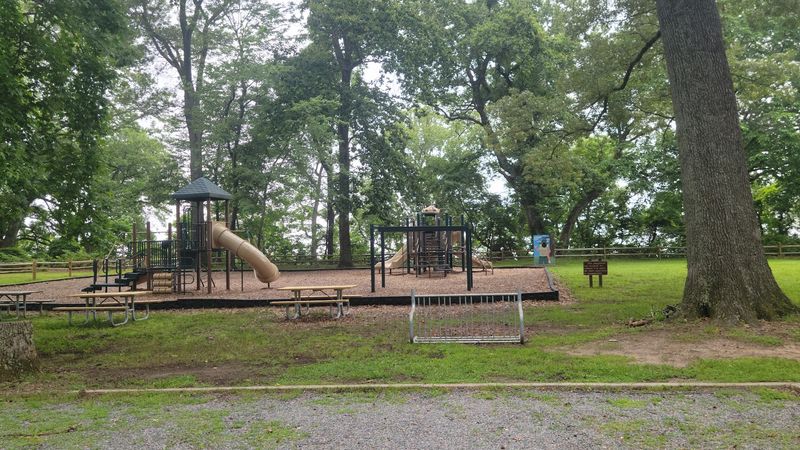
Westmoreland State Park is well set up for families who want a full day out without a lot of logistical stress. Picnic tables are spread across multiple areas of the park, including near both beach areas, and the tables themselves are solid and well-maintained.
Charcoal grills at several sites make it easy to cook a meal outdoors.
Chip and ice cream vending machines are available at the visitor center, which is handy for a quick snack between activities. The park also has clean restroom facilities throughout, which makes a significant difference on longer visits with younger children.
The Junior Ranger program gives kids a focused activity structure that keeps them engaged between hikes and beach time. The overall layout of the park is easy to navigate, with clear signage directing visitors to the different beaches, trailheads, campgrounds, and facilities without confusion.
Practical Tips for Your Visit
A few practical details can make a real difference in how much you enjoy a visit to Westmoreland. Checking the tide schedule before heading to Fossil Beach is one of the most important steps.
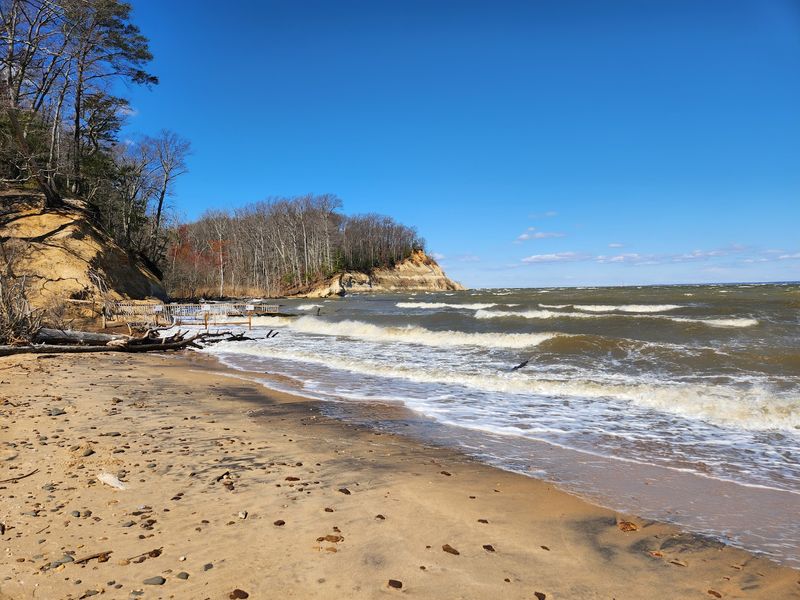
At high tide, the beach shrinks considerably, leaving less room to search and less freshly exposed material along the base of the cliffs.
Bring a mesh strainer or colander for fossil hunting. Sifting wet gravel at the waterline is the most effective method, and visitors who come prepared consistently find more than those who search by eye alone.
Water shoes are useful at both beaches due to the pebbly surface.
The park opens year-round, though some amenities like concession stands operate seasonally. Day visitors pay a $10 vehicle fee.
Arriving earlier in the day on weekends is smart, especially in summer, when Fossil Beach attracts a steady crowd of curious visitors from across the region.
Why This Park Keeps Drawing People Back
There are plenty of state parks in Virginia, but Westmoreland has something genuinely rare: a beach where ordinary visitors regularly find real fossils millions of years old. That single feature transforms a pleasant outdoor outing into something that feels more like a discovery.
The park layers one good thing on top of another. You get the fossil hunt, the river views, the shaded trails, the wildlife, the comfortable camping, and the relaxed main beach, all within the same 1,300-acre property.
Families come back year after year because each visit offers something slightly different depending on the season, the tide, and what the cliffs have recently revealed.
The surrounding area around Montross also has dining options a few miles down the road, and Colonial Beach is accessible for those passing through from the Washington, D.C. or Baltimore direction. Westmoreland is the kind of place that quietly earns a permanent spot on your list of favorites.
Share this story