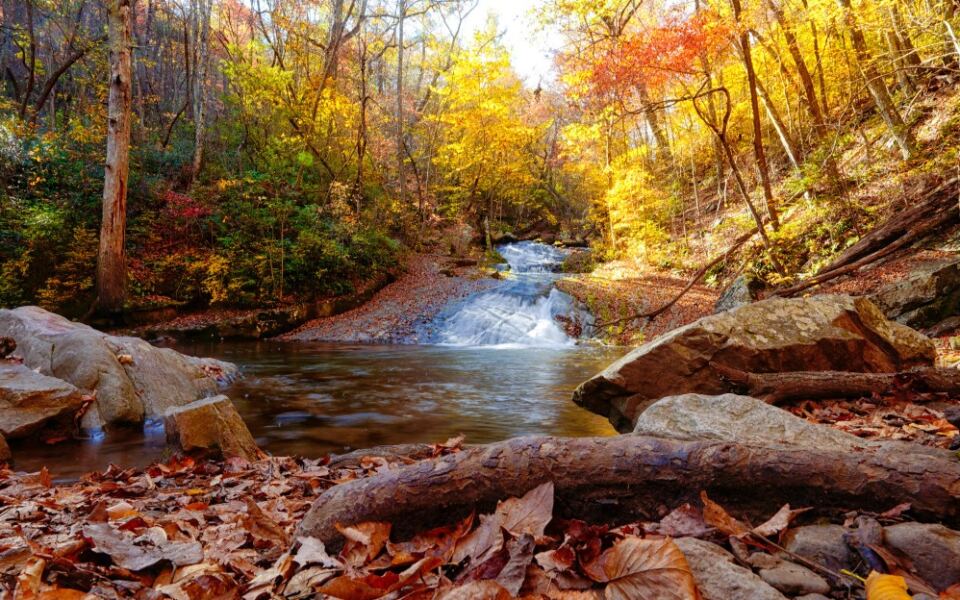
Somewhere in the Alleghany Highlands of Virginia, a trail follows a creek so loud you can hear it before you even see it. Along the way, you pass cascading waterfalls, natural swimming holes, and the stone ruins of an iron furnace built in the 1800s.
The whole loop is barely over a mile, yet it packs in more history and scenery than trails three times its length. If you have never heard of this place before, you are not alone, and that is exactly what makes it worth knowing about.
The Trail That Packs Everything Into 1.2 Miles
Some trails make you work hard for a single reward. This one hands you several before you even break a sweat.
The Roaring Run Loop Trail near Eagle Rock, Virginia, at 450 Roaring Run Rd, Eagle Rock, VA 24085, covers roughly 1.2 miles total and manages to fit in creek views, multiple waterfalls, forest scenery, and a 19th-century iron furnace all within that short distance.
The loop can be walked in either direction, giving hikers a choice of starting creekside or starting with the woodland climb. Most people take the Streamside Trail first, following Roaring Run upstream before looping back via the Woodlands Trail.
What makes this trail stand out is the variety it delivers without demanding a full day. Families with young kids, casual walkers, and more experienced hikers all find it genuinely satisfying.
Walking Alongside Roaring Run Creek
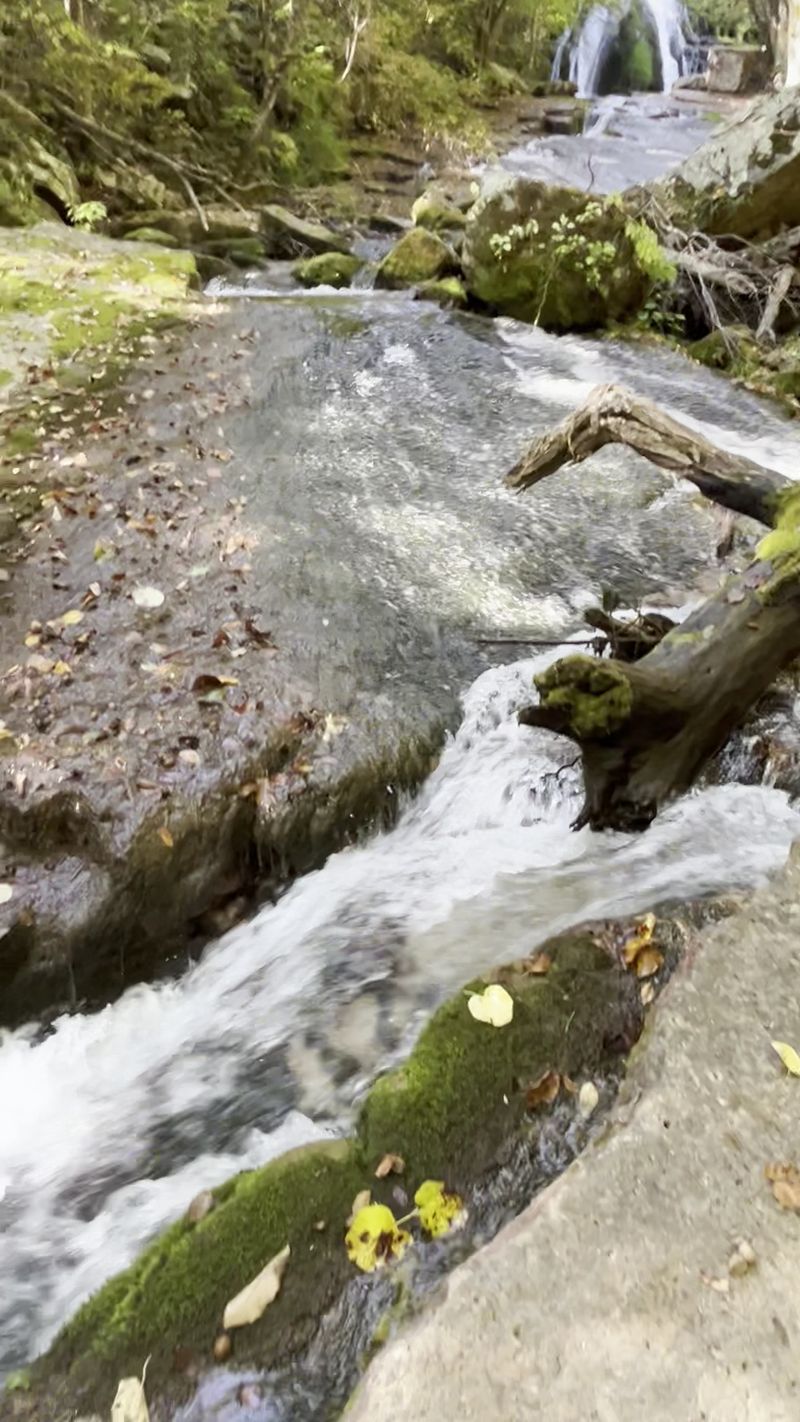
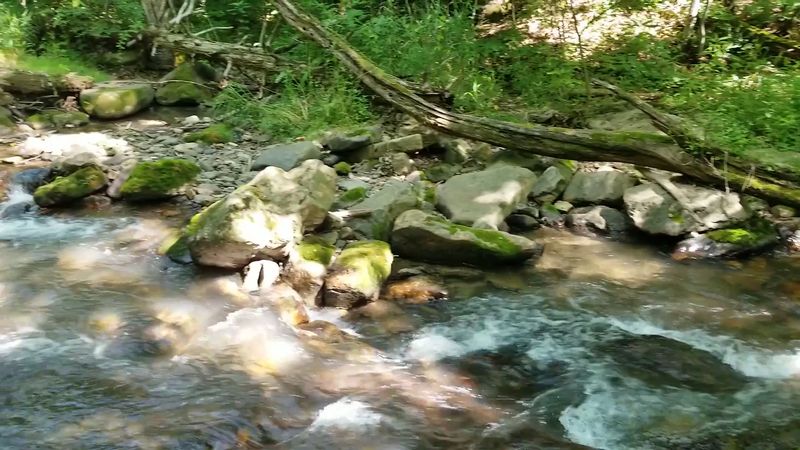
The creek is the heartbeat of this entire hike. Roaring Run moves fast over smooth rocks, creating a constant rushing sound that fills the forest and makes the whole walk feel quieter and more peaceful than it actually is.
The Streamside Trail hugs the bank closely, so you are never far from the water. On warmer days, the cold air rising off the fast-moving creek acts like a natural cooling system, which makes summer visits surprisingly comfortable even when temperatures climb.
Several spots along the bank are shallow enough to wade in, and natural pools form in calmer sections where the water slows between cascades. Kids especially love poking around the rocks and watching the water move.
The creek is genuinely central to the experience here, not just a backdrop but an active part of the hike from start to finish.
Cascades And Small Falls Along The Way
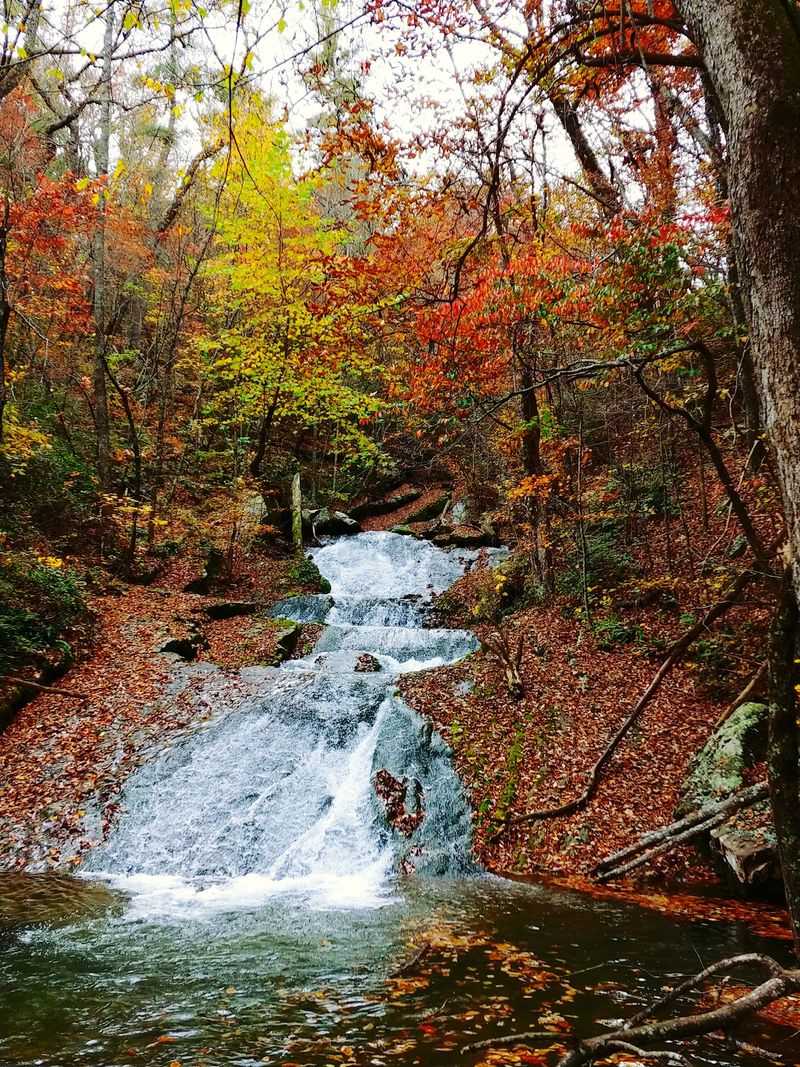
Before you even reach the main waterfall, the creek treats you to a series of smaller cascades that are worth pausing for on their own. The water slides over flat rock ledges and drops into shallow pools, creating the kind of natural scenery that genuinely makes you stop walking and just look.
These smaller falls are spread along the Streamside Trail, so the visual rewards keep coming at a steady pace rather than all arriving at once. Each one looks slightly different depending on recent rainfall and the season you visit.
Spring brings higher water levels and more dramatic flow, while summer reveals the rock formations more clearly. Fall adds color overhead that reflects in the pools below.
Even the smallest cascades carry enough character that photographers tend to linger well past where most hikers keep walking. The trail does a good job of rewarding patience.
Roaring Run Falls, The Main Event
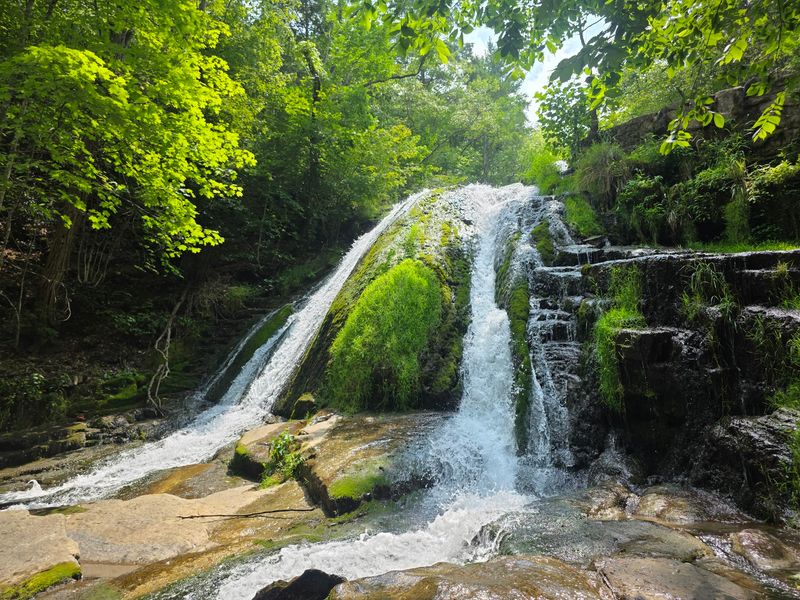
You know when you have reached the main falls. The sound changes first, growing louder and fuller, and then the view opens up to reveal a drop of approximately 35 feet where the water splits cleanly around a large central rock before crashing into the pool below.
The final approach involves a staircase climb of roughly 50 to 100 feet that adds a bit of effort, but the view from the base of the falls makes that effort feel completely reasonable. The mist coming off the water keeps the surrounding rocks slick, so solid footwear matters here.
For those willing to scramble up the rocks above the falls, a top-down view awaits with a steady breeze rolling off the water. Several hikers described sitting up there as one of the best moments of the entire visit.
The falls genuinely earn their place as the trail’s centerpiece.
Natural Swimming Holes Worth Knowing About
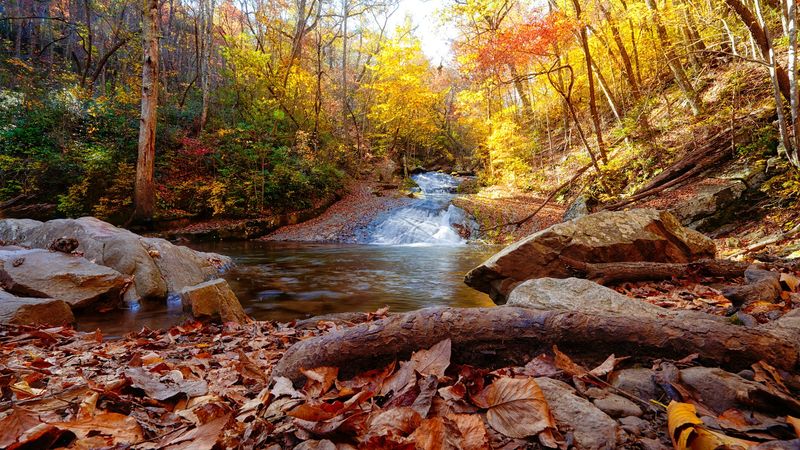
The creek along Roaring Run Trail is cold. That is not a complaint, that is a feature.
On a hot July afternoon, dropping your feet into one of the natural pools along the creek is one of the more genuinely refreshing things you can do in western Virginia.
Multiple pools form throughout the trail, particularly below the smaller cascades and at the base of the main falls. Some are deep enough for a quick swim, while others are better suited for wading or just sitting on a rock with your feet in the water.
The swimming holes are not marked or officially designated, so finding them is part of the fun. The water clarity is remarkable on most visits, with the rocky bottom visible even in the deeper sections.
Visitors who bring a change of clothes tend to get the most out of this particular feature of the trail.
The Roaring Run Iron Furnace From The 1800s
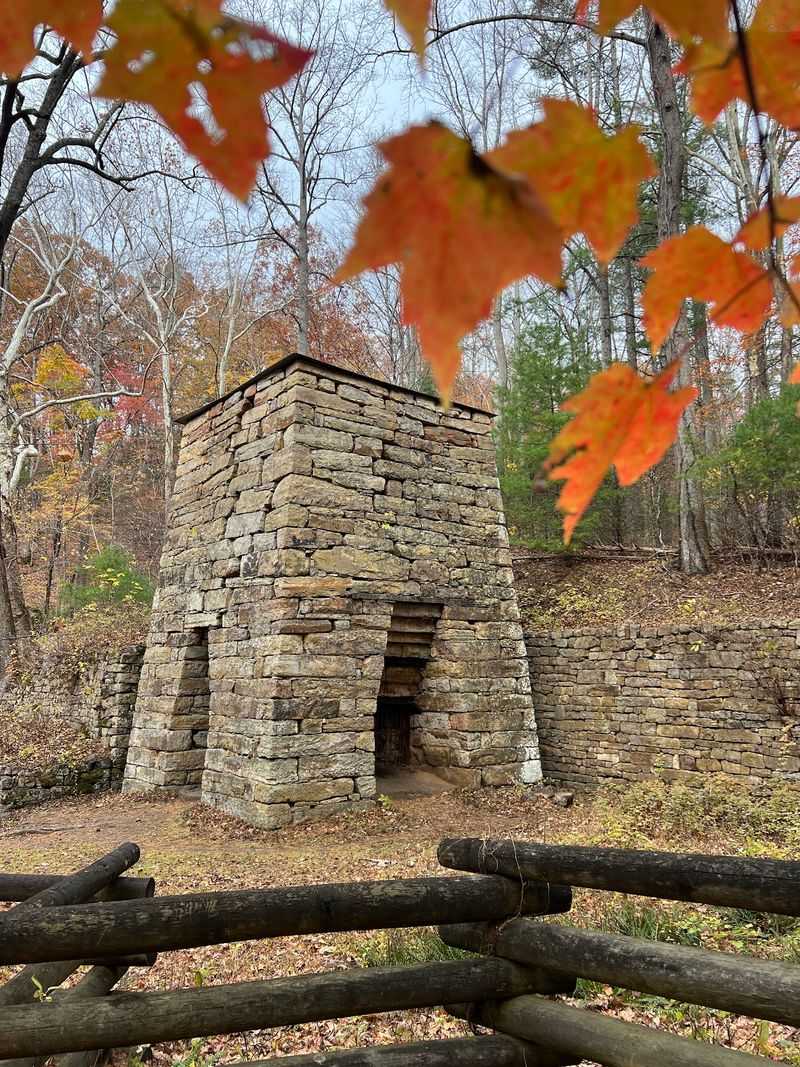
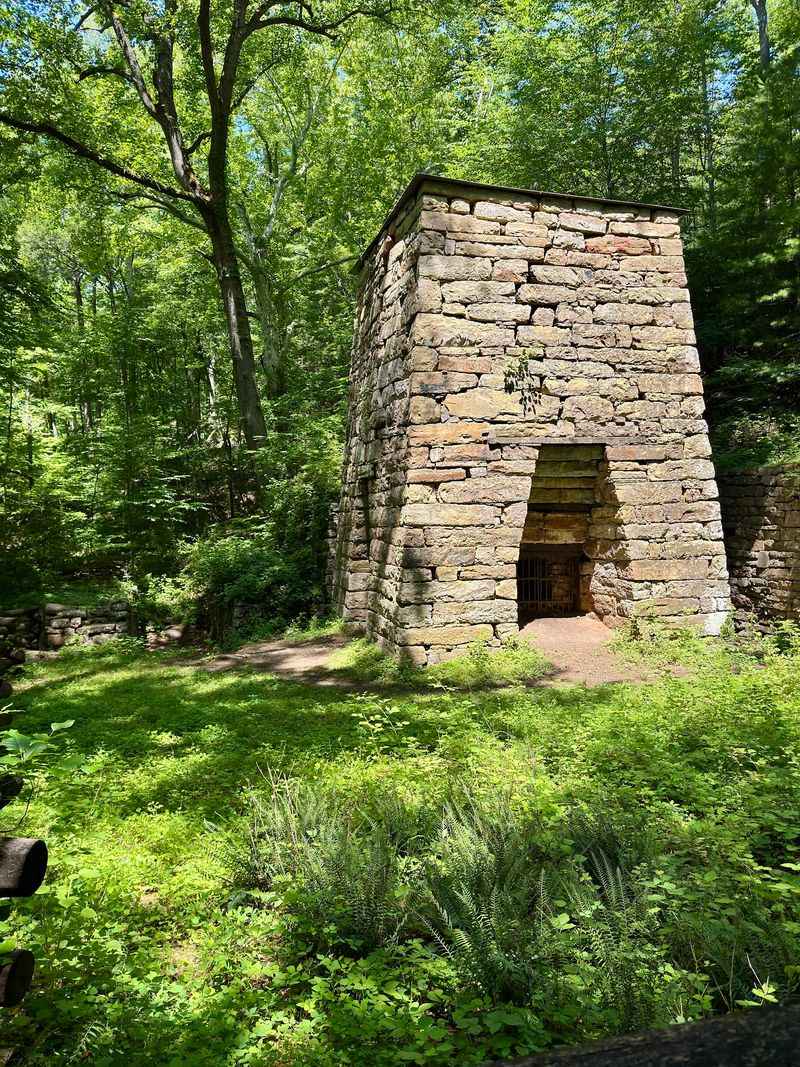
Not every hiking trail comes with an industrial history lesson built into the route. The Roaring Run Furnace is a stone iron furnace that dates to the 19th century, and it sits near the end of the loop close to the parking area.
Iron furnaces like this one were once common across the Alleghany region of Virginia. They used local iron ore, timber for charcoal, and water power from nearby creeks to produce pig iron, which was then shipped out for use in manufacturing.
The Roaring Run Furnace operated as part of that regional industry during a period when western Virginia was a meaningful player in American iron production.
The furnace structure itself is largely intact and makes for a striking sight rising from the forest floor. Interpretive information at the site helps put the history into context, making it a genuinely educational stop rather than just a photo opportunity.
How The Iron Furnace Actually Worked
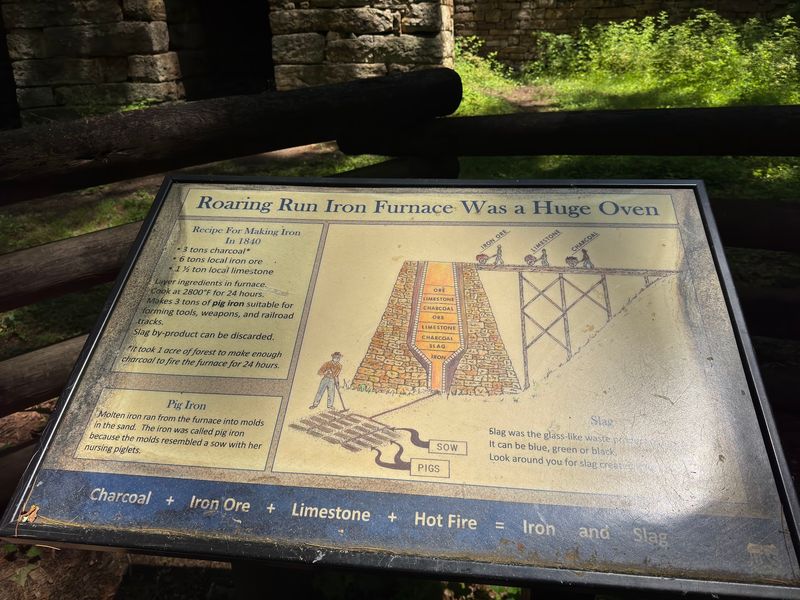
The stone structure at the end of the trail is easy to admire without fully understanding what it once did. Iron furnaces of this era were blast furnaces, meaning they forced air through burning charcoal and iron ore at extremely high temperatures to separate usable iron from the raw material.
The process required enormous amounts of charcoal, which meant surrounding forests were harvested and converted in large quantities. Water from the nearby creek powered the bellows that kept the air moving through the furnace.
The operation was labor-intensive and ran continuously when active, with workers managing the fire around the clock.
The resulting pig iron was cast into rough bars that could be remelted and shaped into finished goods elsewhere. Seeing the furnace in person gives you a clearer sense of how much physical infrastructure went into early American industry, even in what now feels like a remote and quiet forest setting.
The Woodlands Trail And The Loop’s Upper Section
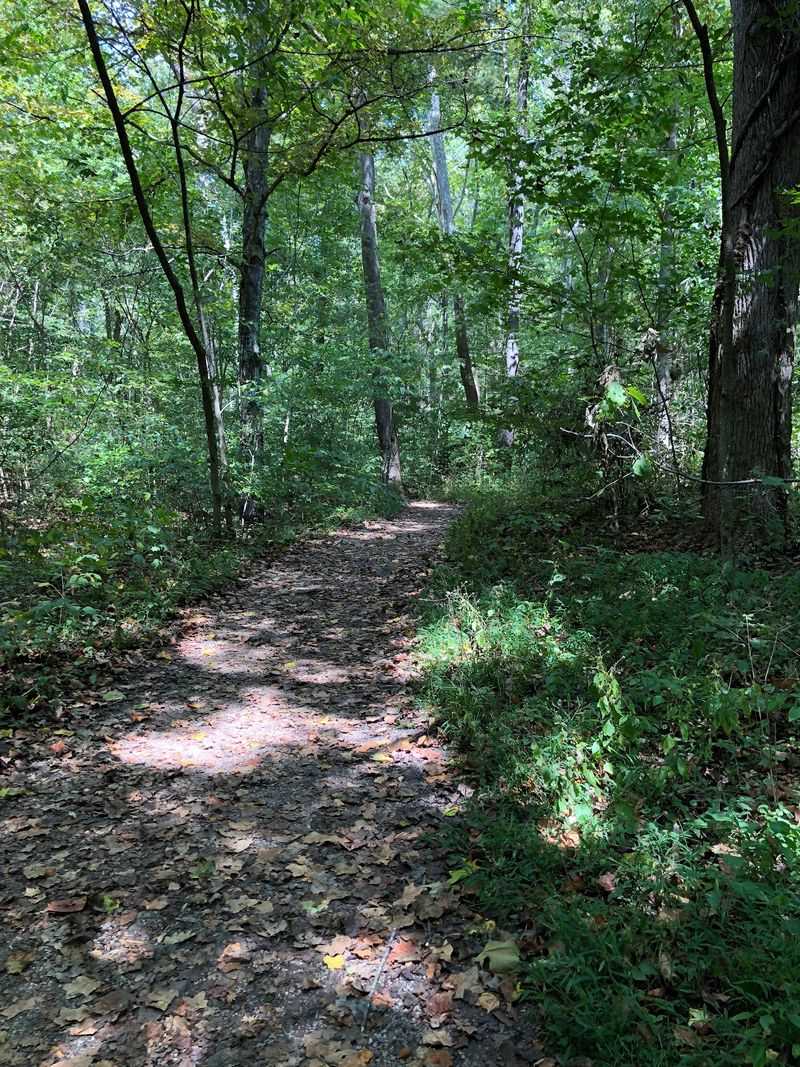
After visiting the falls, the loop continues upward via the Woodlands Trail rather than retracing the creekside path. This section climbs above the creek and moves through a quieter stretch of forest where the sound of the water fades and the trees close in overhead.
The Woodlands Trail gives a different perspective on the same landscape. From above, you get occasional glimpses down into the valley where you were just walking, and the elevation change adds a mild physical challenge that makes the second half of the loop feel distinct from the first.
The trail eventually descends and deposits you near the Roaring Run Furnace before returning to the parking area. Choosing the loop instead of the out-and-back route is an easy decision because the two halves of the trail feel genuinely different from each other.
The variety in terrain keeps the overall experience from feeling repetitive.
Wildflowers And Seasonal Changes On The Trail
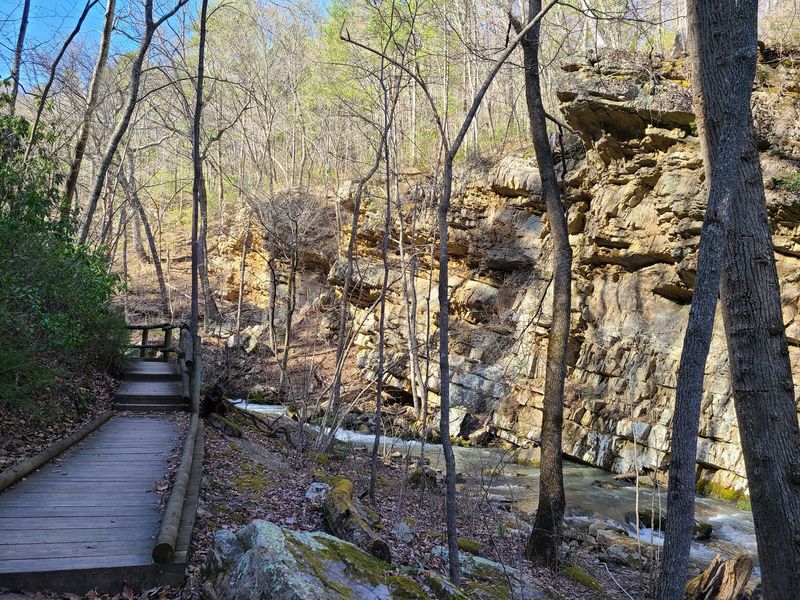
May is widely considered the best month for wildflowers along this trail. The forest floor comes alive with blooms during spring, and the combination of the creek, the rock outcroppings, and the flowering plants creates a visual richness that photographs well and rewards slow walkers.
Each season genuinely transforms the trail’s character. Summer brings the swimming holes into full use and the canopy fills in completely overhead.
Fall turns the surrounding hardwoods orange and gold, reflecting beautifully in the creek pools. Winter visits reveal the rock structure of the creek bed more clearly with the vegetation stripped back.
The trail’s year-round accessibility means there is no single best time to visit, just different versions of the same walk. Regulars often mention returning multiple times a year because the experience changes enough between seasons to feel like a new hike each time.
Trail Difficulty And What To Expect On The Ground
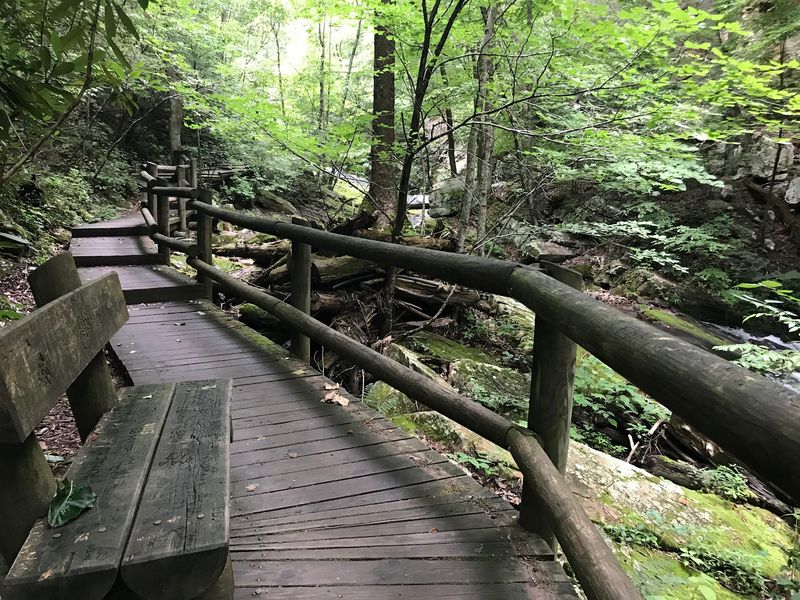
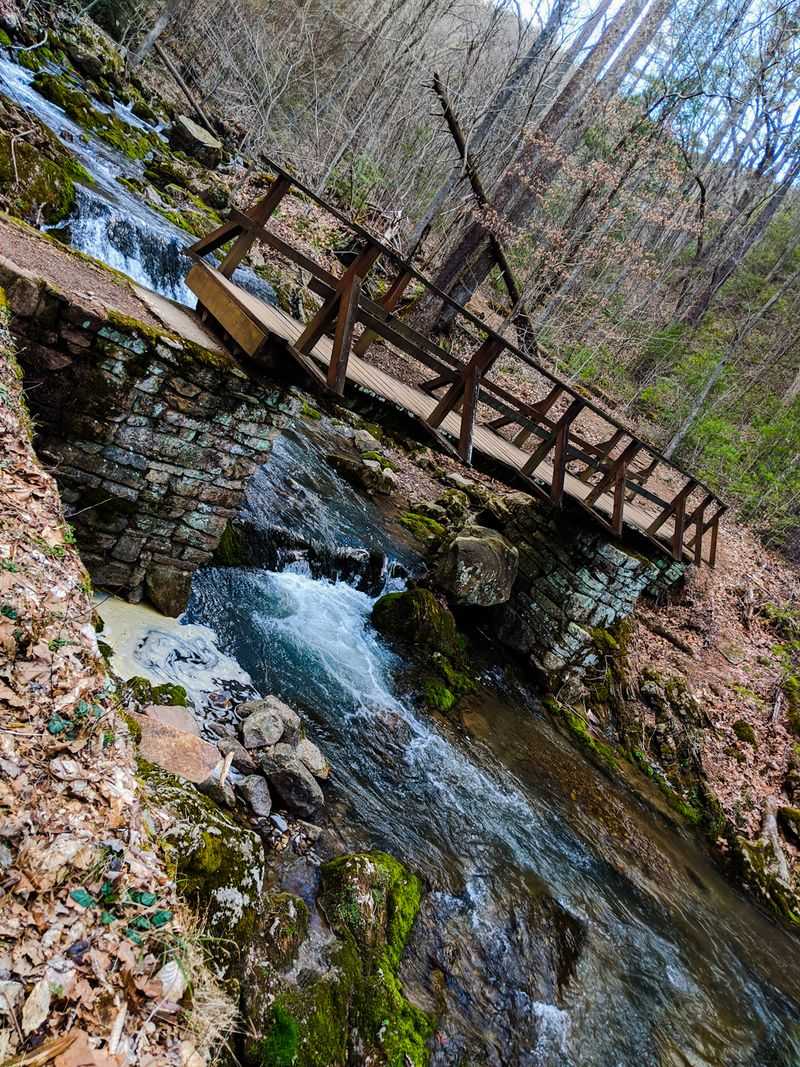
The trail is generally described as easy to moderate, which is an accurate assessment for most of the route. The Streamside Trail follows relatively flat ground alongside the creek, with wooden bridges crossing over the water at several points.
The approach to the main falls involves a staircase section that adds the most physical effort of the entire loop. The steps are sturdy and well-maintained, but the incline is noticeable, particularly for younger children or anyone with mobility considerations.
Some sections of the trail can become muddy after rain, especially on the Woodlands Trail side of the loop. Waterproof footwear or trail shoes with solid grip handle those conditions comfortably.
The trail is well-marked throughout, so navigation is not a concern. Restroom facilities are available at the trailhead, and picnic tables near the creek offer a natural stopping point for a break or a post-hike meal.
Wildlife And What Shares The Trail With You
The forest along Roaring Run Trail supports a healthy variety of wildlife, and most hikers encounter at least a few species during a single visit. Birds are the most consistently present, with the creek corridor acting as a reliable corridor for species that favor moving water and dense woodland.
Snakes are worth knowing about before you go. Several visitors have noted seeing them along the trail, particularly near the rocky sections and creek banks where they like to warm up.
None of the reported encounters involved anything threatening, but watching where you step on rocks and around logs is simply good practice on any forest trail.
Aquatic life is visible in the clearer creek pools, where small fish navigate the current between rocks. The overall wildlife presence adds a layer of interest to the hike that goes beyond the scenery, making the trail feel genuinely alive in a way that purely scenic routes sometimes miss.
Planning Your Visit To Roaring Run Trail
The trailhead is accessible with a parking area, restroom facilities, and picnic tables right at the start. The trail is open 24 hours a day, seven days a week, which makes early morning visits possible for anyone wanting to experience the creek before other visitors arrive.
Weekday mornings tend to be quieter than weekend afternoons, particularly during summer. Dogs are welcome on the trail, and the creek gives them plenty of opportunities to cool off along the way.
The loop is short enough that most visitors complete it comfortably in under two hours, including time spent at the falls.
Bringing water shoes or sandals in addition to hiking shoes is a smart move if you plan to wade or swim. The creek is cold even in summer, so being prepared makes those moments more enjoyable.
The overall experience is easy to recommend to almost anyone who enjoys spending time outdoors.
Share this story