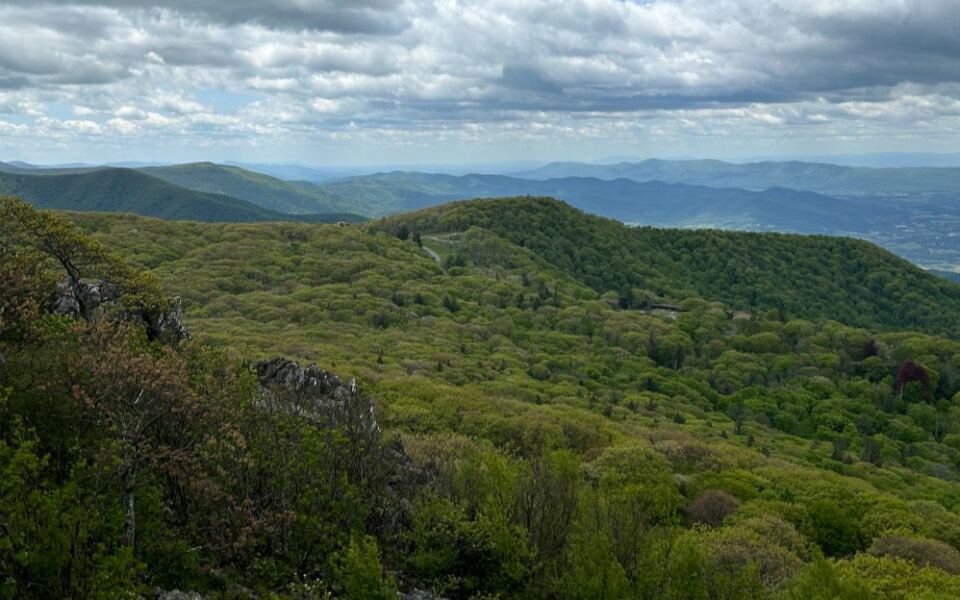
A mountain summit that ranks second in height inside a famous national park sounds like a full day of hard climbing. Here, the trip to the top is only 1.6 miles round trip.
The path is wide, the grade is steady, and the payoff is a wide-open rocky ledge with views stretching across a green valley. Many hikers rush past it on the way to bigger names, and that is exactly why it deserves a closer look.
Here is what I found on this short climb.
A Second-Highest Peak With a Short Walk
Short hikes rarely lead to big summits, but this one does. The peak sits at the second-highest point in Shenandoah National Park, and the round trip is only about 1.6 miles.
That small number surprised me. I expected a long grind, yet the climb felt more like a steady walk with a few rocky moments near the end.
The trail rises gradually, so you gain height without feeling rushed. Most people can finish it in an hour or two, depending on how long they linger at the top.
Bring a small daypack, a water bottle, and a light snack. You will want a few extra minutes at the summit, because the view makes it hard to turn around right away.
Even so, the short distance means you can fit this hike into a morning and still have the afternoon free.
Finding the Trailhead
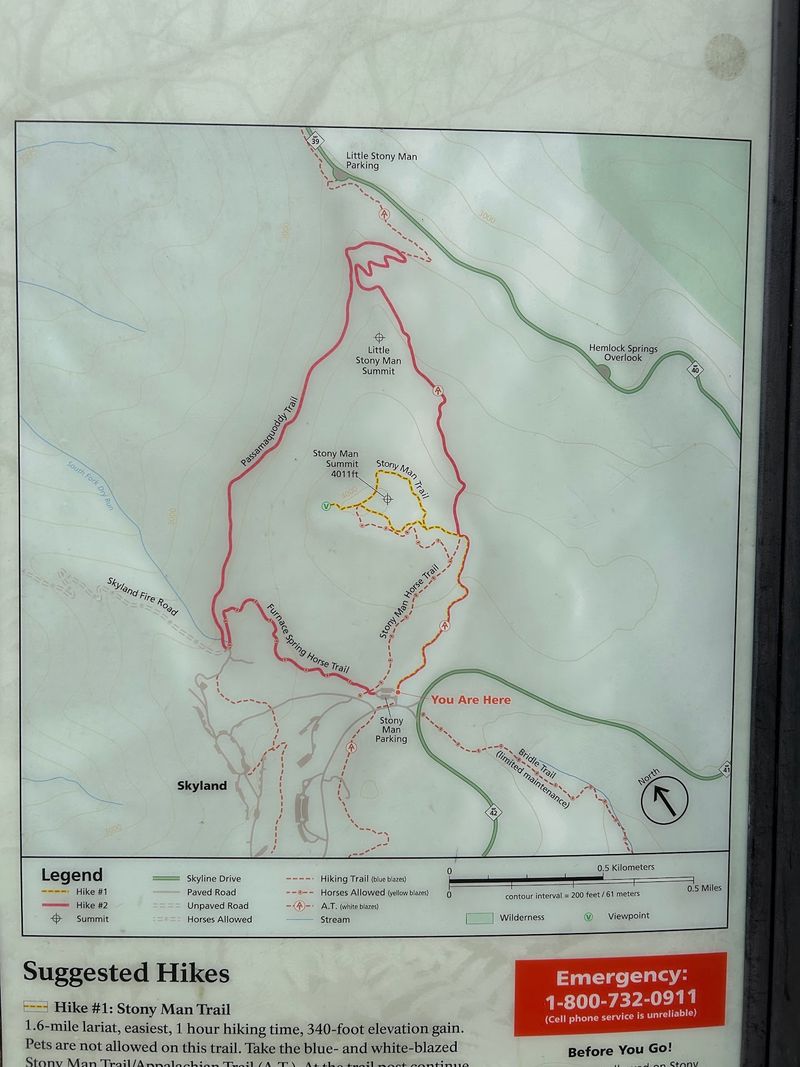
Getting started is simple. The trail begins along Skyline Drive in Virginia, which is the scenic road that runs along the crest of the park.
Stony Man Trl is the name of the route, and it is listed under Virginia 22835, USA. Look for the small parking area near the trailhead and the signs that point toward the summit.
Parking can fill up on sunny weekends, so an early start helps. Morning light also makes the first stretch of forest feel cool and calm.
Remember that Shenandoah National Park charges an entrance fee, so check the park website before you go. A paper map or a downloaded one is handy, since cell signal can come and go along the ridge.
A Wide, Friendly Path
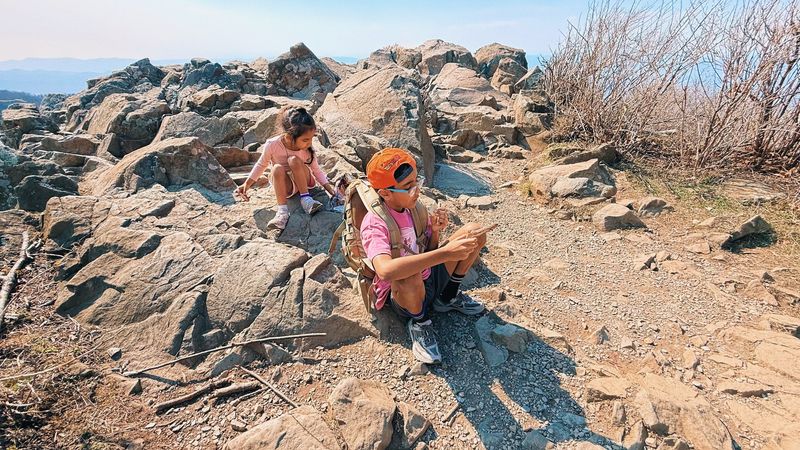
Hikers often mention how roomy the trail feels, and I agree. The path is wide enough for two people to walk side by side without bumping elbows.
The surface is mostly packed dirt with a few rocks and roots. It slopes upward, but never in a way that left me gasping.
That makes it a good match for beginners, casual walkers, and families trying to build confidence on the trail. Sturdy sneakers work fine, though hiking shoes give better grip on loose stones.
Take your time on the way up and let the pace stay comfortable. A steady rhythm beats a fast start, and you will arrive at the top with plenty of energy left to enjoy it.
The Family-Friendly Route Option
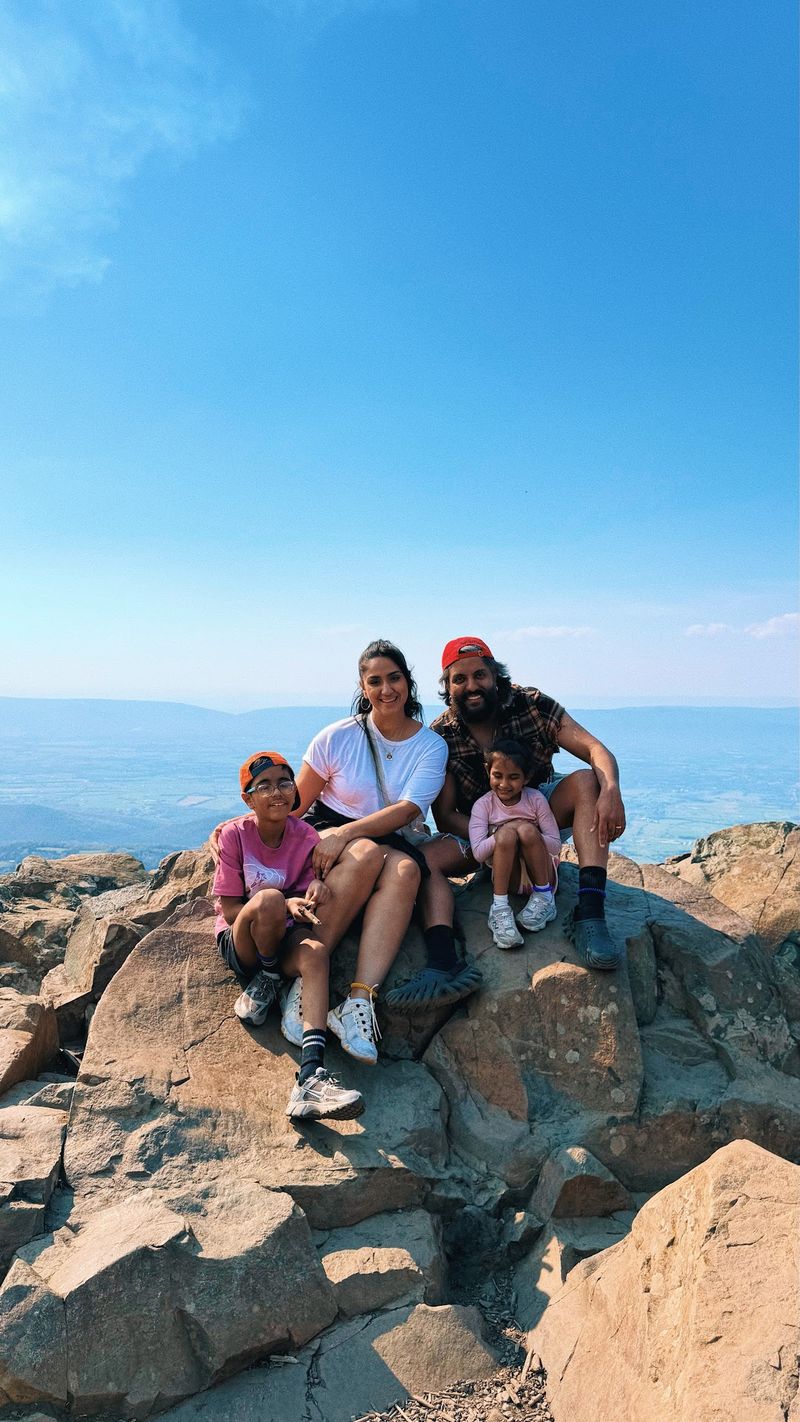
Kids can do this one. Parents who have tried it say children handled the climb well and even enjoyed it.
There is a choice near the top that matters. One way heads up a rockier, steeper section, while another route to the right is gentler and better for families.
Families on the easier path reached the summit about the same time as hikers who took the steep way. That tells you the extra effort does not save much time.
Pack snacks, water, and a sense of patience. Let the little ones stop to look at bugs, leaves, and stones, because the short distance leaves room for slow, curious walking.
Rocky Sections Near the Top
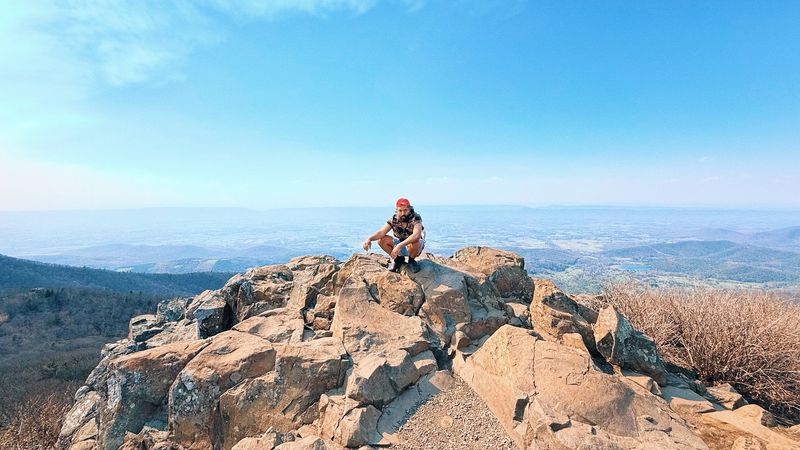
Here is where the hike gets a bit more playful. Close to the summit, the trail gives way to bare rock and a few steep steps.
This stretch is short, but it asks for careful footing. Use your hands if you need to, and watch where each foot lands.
Dry rock grips well, while wet rock can be slick. After rain, slow down and choose your steps with extra care.
If the rocky route does not sound fun, take the gentler path to the right instead. Both options lead to the same reward, so pick the one that suits your group and your shoes.
The Summit Overlook
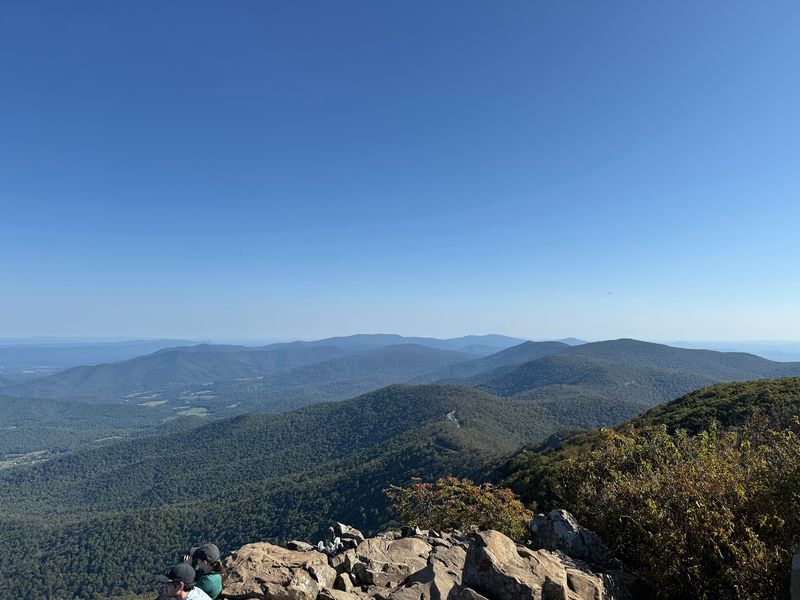
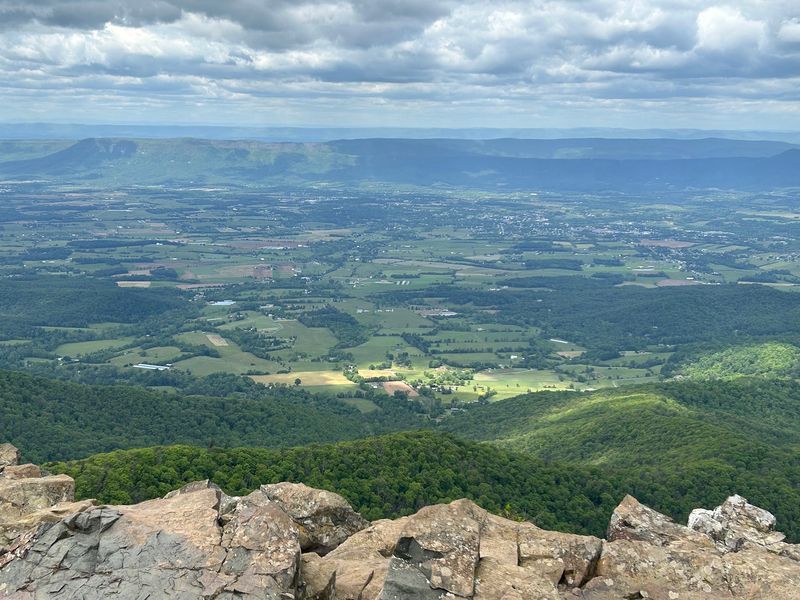
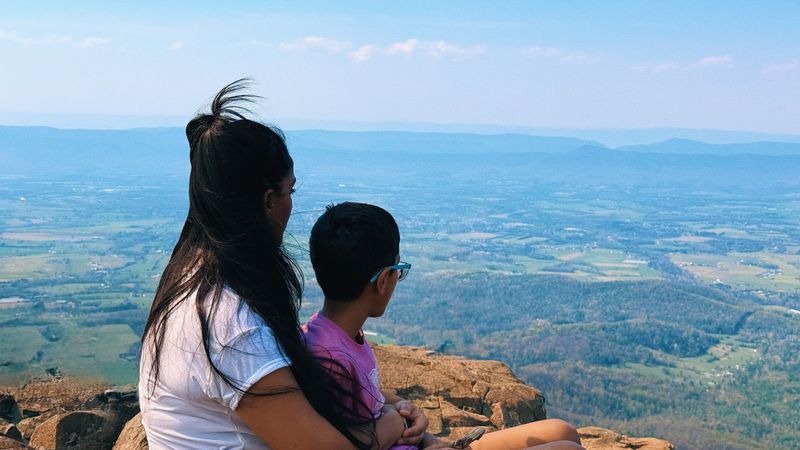
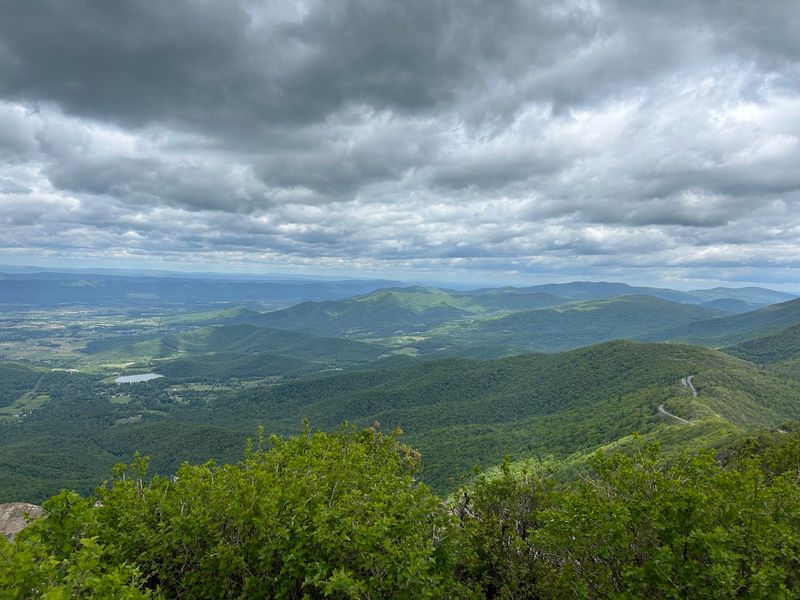
Reaching the top feels like opening a window. The trees fall away, and a broad valley spreads out below the ledge.
Layers of ridgelines fade into the distance, each one a little bluer than the last. On a clear day, the sense of space is huge.
Find a flat rock, sit down, and give your eyes a moment to settle. I could have stayed there for a long while without checking the time.
Hold onto children and keep your feet well back from edges. A camera helps, but so does simply looking up from the screen and taking it all in.
Best Seasons to Go
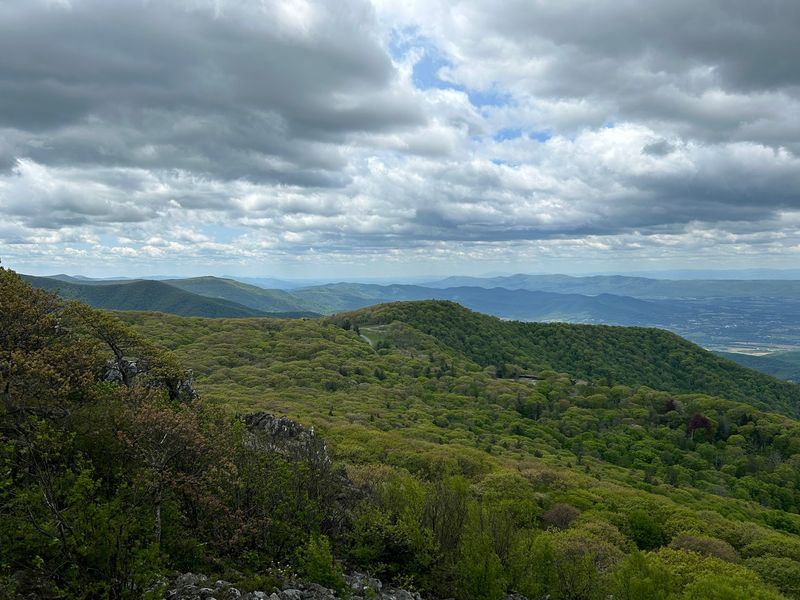
Every season changes the mood of this walk. Spring brings fresh green leaves and cool air, which makes the uphill stretch feel easy.
Summer offers shade from the trees, though haze can soften the long views. Start early to dodge the warmest hours.
Autumn is the showstopper, when the slopes turn orange, red, and gold. Weekends in fall draw big crowds, so a weekday visit gives you more room.
Winter can be quiet and crisp, but ice may linger on the rocks. Check park conditions and road status before heading out, since Skyline Drive can close in bad weather.
Sunrise and Sunset Timing
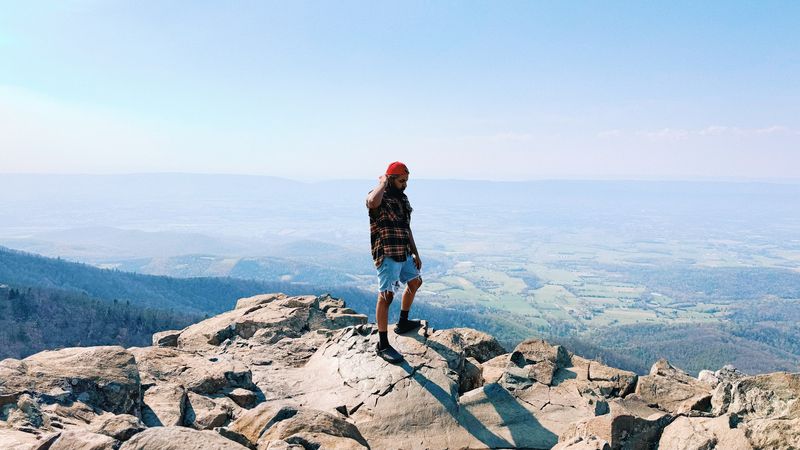
Timing can turn a nice hike into a standout one. Early morning brings soft light and often a thin mist hanging in the valley.
Because the walk is short, you can reach the summit before the day fully wakes up. That quiet hour feels different from midday.
Late afternoon can also glow, with warm color spreading across the ridges. Just remember how long you need to get back down.
Pack a small flashlight or headlamp if you plan to stay late. Dusk arrives faster in the mountains than you might expect, and tree cover darkens the trail early.
What to Wear and Pack
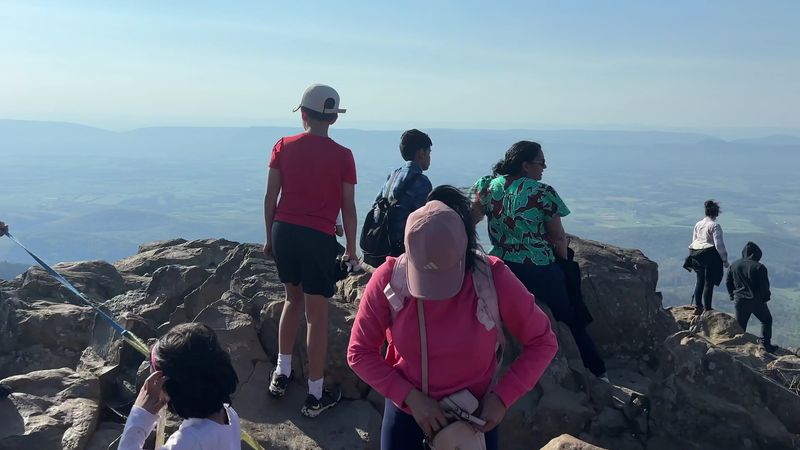
Packing light makes this hike pleasant. A water bottle, a snack, and a light layer are usually enough.
Mountain air can feel cooler than the parking lot, especially near the top where wind sweeps across the ledge. A thin jacket weighs almost nothing and helps a lot.
Shoes with good grip matter more than fancy gear. The rocky bits near the summit reward solid soles.
Add sunscreen and a hat for open stretches. Also bring a small bag for trash, since leaving the trail clean keeps it nice for the next hikers who come along.
Wildlife and Forest Details
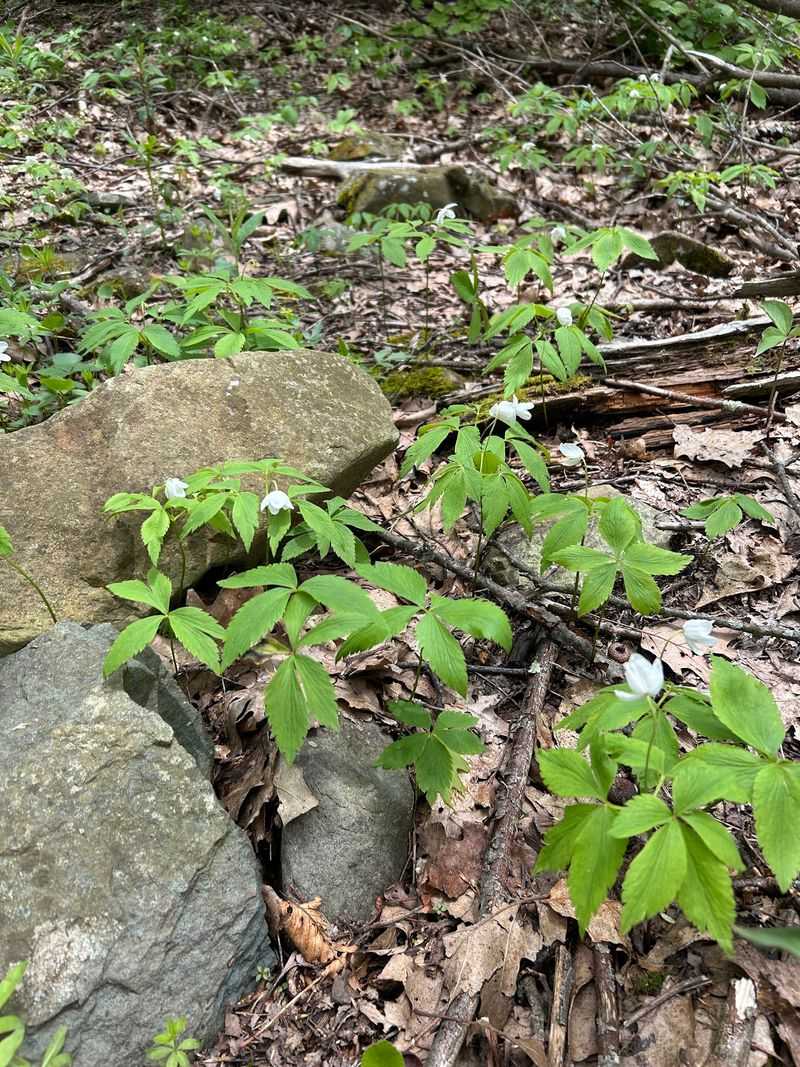
Slow down and the forest starts to show off. Moss clings to stones, ferns crowd the edges, and birds chatter in the branches.
Shenandoah is known for wildlife, and a quiet walker has a better chance of spotting something. Keep your voice low and your eyes open.
Remember that animals here are wild, so keep a respectful distance and never feed them. Binoculars let you watch without getting close.
Wildflowers appear in warmer months along sunnier stretches. Take only photos, and leave everything else where you found it.
Why It Suits Beginners
New hikers often worry about getting in over their heads. This route eases that fear with its short length and clear path.
The climb is slightly uphill without turning punishing. Visitors regularly describe it as an easy trail with a beautiful endpoint, and that matches my own walk.
You get a real summit feeling without a big time commitment. That small win can inspire longer outings later.
Bring a friend, set an easy pace, and take breaks whenever you like. Nobody is timing you, and the view will wait.
Pairing It With More Exploring
Since the hike is quick, the rest of the day stays wide open. Skyline Drive is right there, and its overlooks make easy stops between walks.
Other trails in Shenandoah range from short strolls to longer climbs. Check a park map to find one that matches your energy after the summit.
Drive slowly and watch for wildlife near the road. Pull-offs give you safe spots to pause and look around.
If this climb leaves you wanting more, try other national park trails or state parks in Virginia. Each one has its own view waiting, and this peak is a fine place to begin that habit.
Share this story