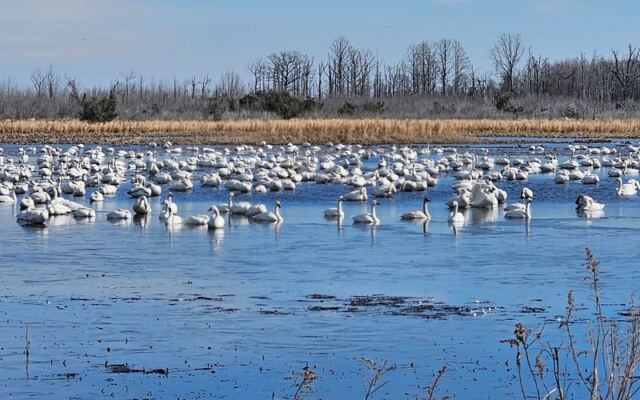
I almost drove right past it, a low-key stop on a lonely stretch of eastern North Carolina highway that looked more like a rest area than a destination. Then I learned that every winter, thousands of snowy white tundra swans fly in from the far north to spend the season here.
Suddenly, a quiet patch of wetlands felt like one of the best-kept secrets in the state, and I was hungry to see it for myself. Here is what makes this free, peaceful refuge so worth the drive.
A Wild Corner of Northeastern North Carolina
Picture a road that keeps stretching past farm fields and dark stands of trees until the map on your phone seems to give up. That feeling of being far from everything is part of the charm at Pocosin Lakes National Wildlife Refuge, a federal wildlife sanctuary in the quiet northeastern corner of North Carolina.
The front door, so to speak, is a visitor center at 205 South Ludington Dr in Columbia. From there, the refuge itself spreads out across more than 111,000 acres of wetlands, shrubby forest, and open water.
Travelers heading east often pull in on the way to the Outer Banks, and plenty of them end up staying longer than planned.
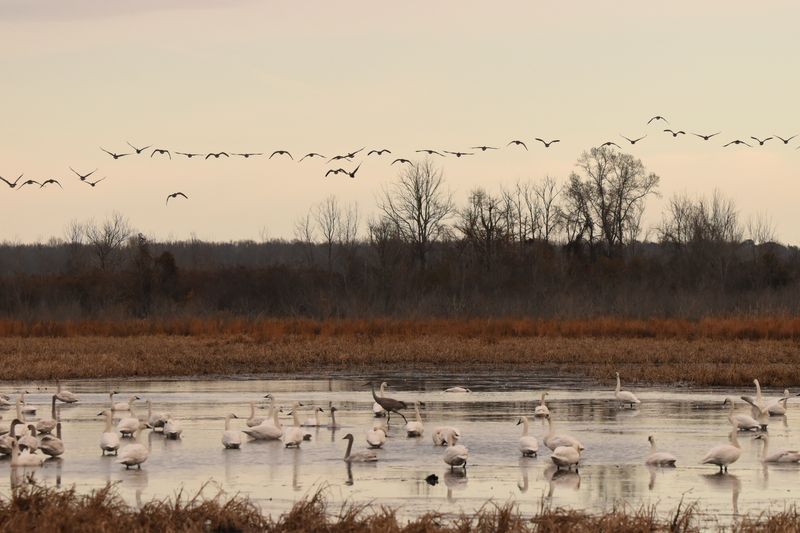
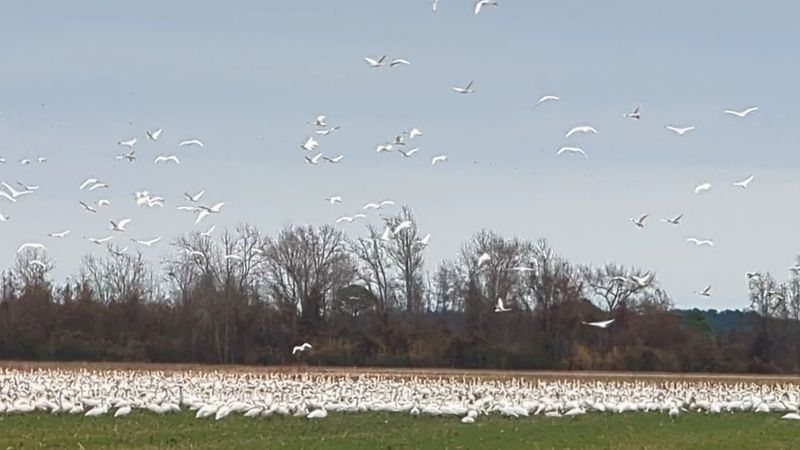
Every winter, the big draw is a crowd of feathered guests from the far north. Thousands of tundra swans settle into the area, turning a sleepy landscape into one of the most talked-about birding stops in the state.
Pocosins, Pond Pines, and Open Water
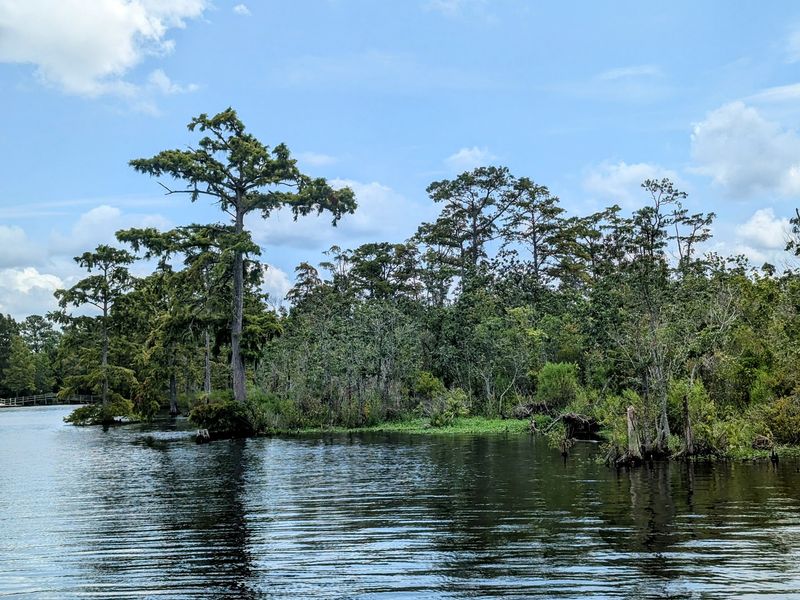
Say the word pocosin out loud and you might get a few puzzled looks. It comes from an Algonquian word often translated as swamp on a hill, and it describes a soggy, shrubby wetland that feels a world away from the beach towns just down the highway.
Across the refuge, evergreen shrubs crowd together beneath pond pines, and a lake adds a wide sweep of open water to the scene. Visitors often point out the striking contrast between these untamed wetlands and the neat farm fields that border them.
That blend of wild land and agriculture is exactly what makes the area so appealing to wildlife.
Rules here matter. Some areas have faced restrictions after a few people ignored guidelines, and seasonal closures are marked with signs or chains across roads.
Respecting those limits keeps this peaceful place healthy for the animals who call it home, and for everyone who comes to watch them.
The Winter Return of the Tundra Swans
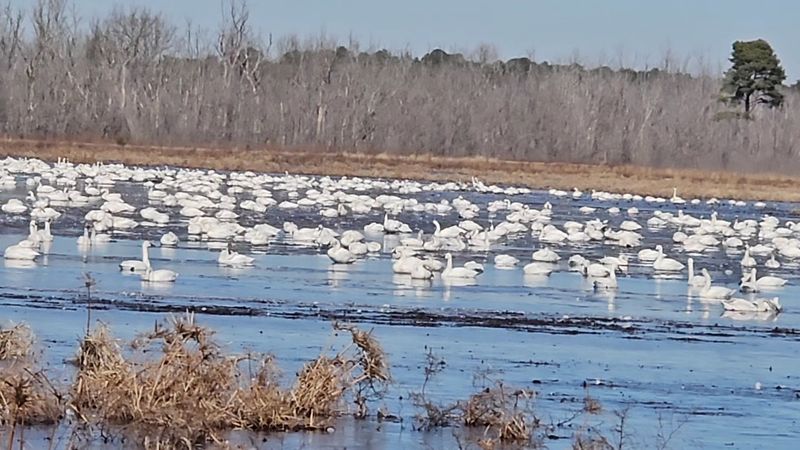
Imagine arriving at 7 a.m. on a chilly January morning, binoculars ready, only to find even more swans waiting by lunchtime. That is exactly what one visitor described after a winter trip, and it sums up the magic of swan season here.
Tundra swans spend their summers far to the north, then head south when cold weather sets in. Pocosin Lakes has become one of their favorite winter stops in North Carolina, and visitors rank the swans among the refuge’s biggest highlights.
The birds gather in large, chattering flocks, their bright white feathers glowing against brown winter fields and dark water.
January is a proven month for good sightings, based on visitor experiences. Experienced birders suggest bringing binoculars or a camera with a long lens so you can enjoy the flocks without disturbing them.
Patience pays off, since the numbers can grow as the day goes on, and photographers call the whole scene a dream.
Duck Blind Trail and Other Winter Waterfowl
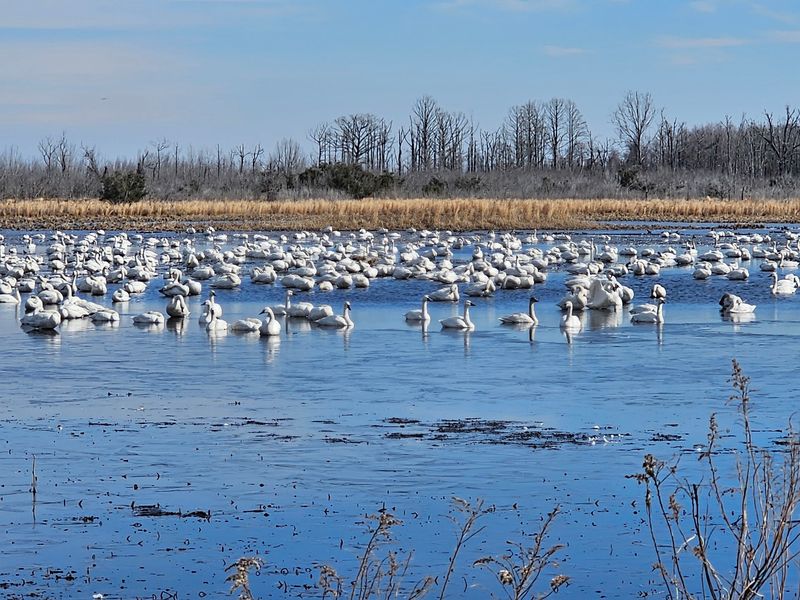
Not every winter treasure is a swan. Sandhill cranes have shown up on visitor highlight lists, and one lucky group even spotted a single snow goose mixed in with the crowd.
Winter brings migrating flocks of waterfowl, so each trip can deliver a slightly different cast of characters.
For a closer look, try the Duck Blind Trail. It is a short walk that ends at an old wooden structure built to hide watchers from the birds.
Tucked behind it, you can peek out at ducks without sending them flapping away in alarm, and its rustic, time-worn look adds to the adventure.
Quiet voices and slow movements make a real difference here. Kids especially tend to love the feeling of sneaking up on wildlife like real field scientists.
Pack a small notebook, jot down what you see, and turn the outing into a friendly contest over who spots the most species.
A Mile of Boardwalk Through the Wetlands
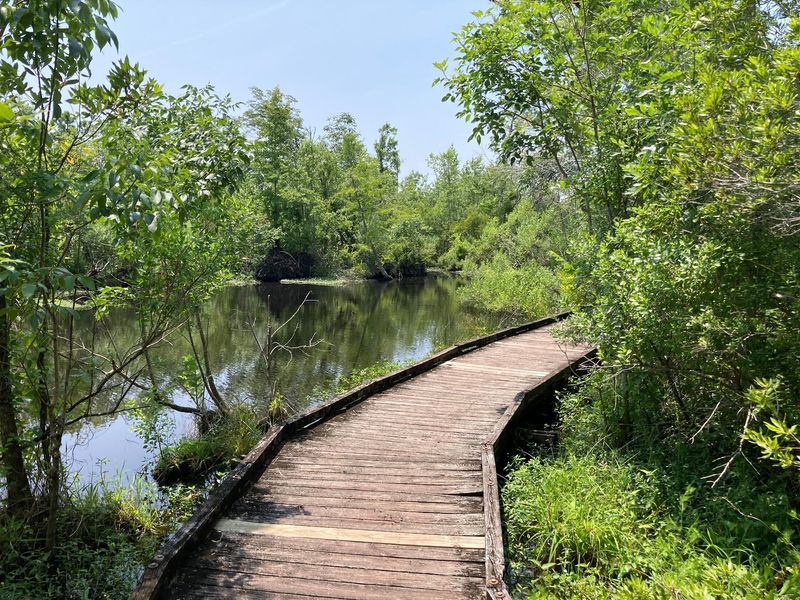
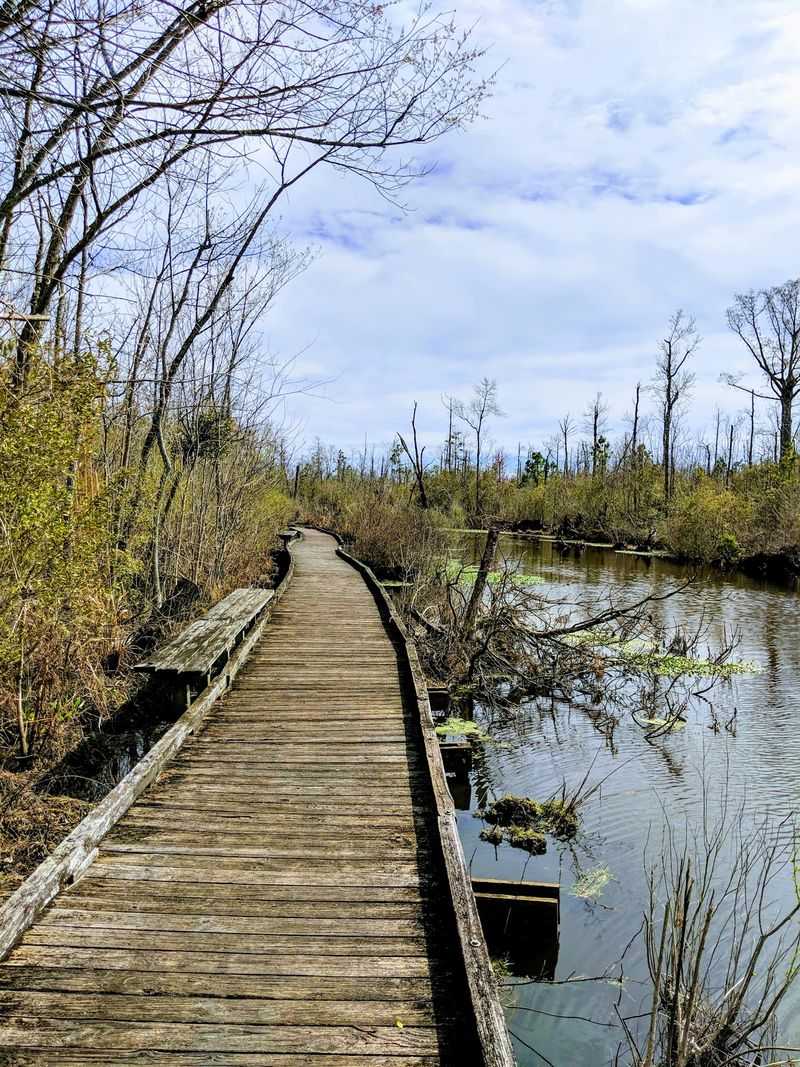
Shady, winding, and roughly a mile long, the boardwalk loop near the visitor center is the easiest way to enjoy the refuge. Families, friends, and dog owners all make the stroll, and many people say it is worth the stop even if they never drive deeper into the preserve.
Walk slowly and the wetlands start to come alive. Visitors have spotted turtles, lizards, fish, birds, and crabs along the way, and one group even saw otters in the river.
On warm days, turtles line up to soak up the sun, while educational signs along the path explain the local plants and animals in simple, friendly terms.
A few cautions help. Some sections over the water have no railings, which matters most for families with little ones.
Recent visitors also noticed spots where one side of the boardwalk had sunk, creating a tilt that gets slippery in wet weather, so watch your footing.
Little Museum, Big Details
Kids pressing their noses close to a display case, studying every whisker and feather, is a common sight inside the small museum at the visitor center. The exhibits feature native animals preserved through taxidermy, giving young explorers a rare chance to see creatures up close and notice tiny details they would miss in the wild.
The building also works as a rest area and tourist info stop, complete with bathrooms that visitors repeatedly praise for being clean. Friendly attendants are often on hand, and guests say the women at the help desk share insightful tips about the area.
Grabbing advice here before exploring is a smart move.
Curious about rare predators? Visitors mention a red wolf education center a few miles south of Columbia on state route 94.
It offers plenty of information about the red wolves in the area and has been open Wednesday through Saturday, so check ahead before making the drive.
Black Bear Season in Early Summer
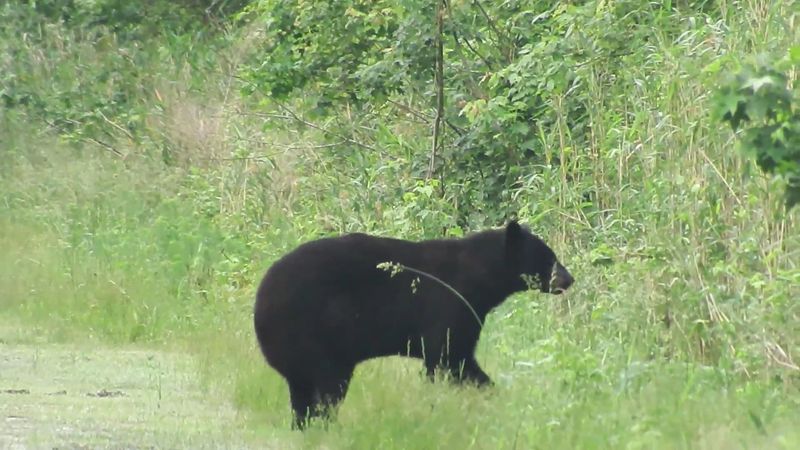
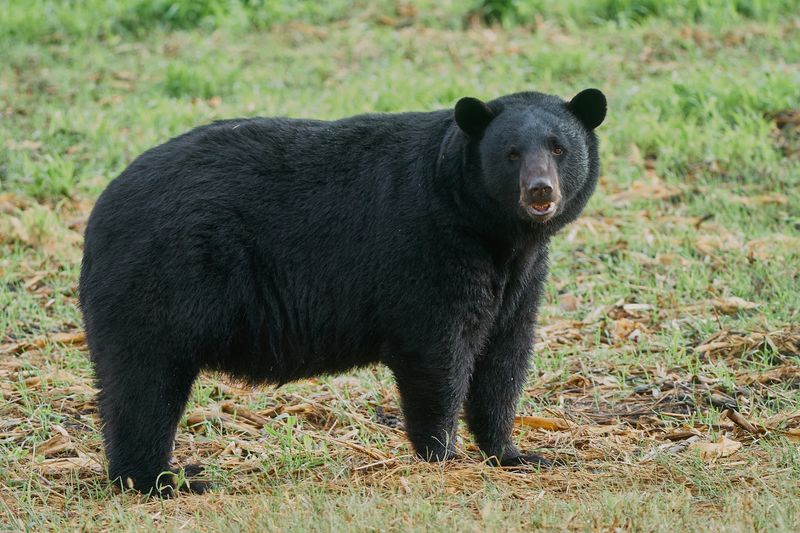
Close to 50 bears in a single week. One visitor reported that jaw-dropping tally, along with more than 30 photos, which tells you just how famous this refuge has become for black bear sightings.
Winter belongs to the swans, but late spring and early summer belong to the bears. According to experienced visitors, the best season runs from late May through mid-June, when crops in the surrounding fields are sprouting to about 18 inches tall.
Early morning and evening tend to be the most rewarding times to look.
Plan wisely, though. Summer heat can be intense, and one visitor in the hotter months found little besides dragonflies and scenery.
Always watch bears from a respectful distance and let a long camera lens handle the close-up work. Many swan watchers promise themselves a return trip once the weather warms, and it is easy to understand why.
Hours, Free Entry, and Rugged Back Roads
Tuesday through Sunday, the visitor center welcomes guests from 10 a.m. to 4 p.m., and it closes on Mondays. Best of all, the refuge is free to enter and explore, making it a wonderfully budget-friendly winter outing.
Questions can go to the staff at 252-796-3004.
Getting around the wider refuge takes some prep. Roads are rugged, often unmarked, and can turn muddy, so visitors strongly suggest a four-wheel-drive vehicle and advise against smaller two-wheel-drive cars.
Cell service is spotty, which is why printing a map from the official website before you leave is a clever idea.
Services are scarce once you head out. There are no towns, gas stations, or bathrooms in the remote wildlife areas, and no nearby food or lodging, so fill the tank and pack snacks and water.
One swan watcher also noted that the visitor center and rest area sat about a 30-minute drive from where they did their birding.
Worth the Drive for Quiet Wonder
Some places shout for attention. Pocosin Lakes whispers, and that quiet is exactly its gift.
Visitors describe the refuge as serene, peaceful, and wonderfully wild, a spot to escape the hustle and simply listen to nature.
Serious nature lovers and photographers will feel right at home on the rough back roads, especially with binoculars in hand. Casual travelers can still enjoy plenty by sticking to the boardwalk, the museum, and those spotless restrooms on the way to the Outer Banks.
One family even makes an annual hike here with the grandkids, which says a lot about its lasting charm.
Go in winter for the swans, return in early summer for the bears, and bring patience either way. Wildlife never runs on a schedule, and hot or quiet days happen.
Still, for a free outing in eastern North Carolina, few experiences compare to watching thousands of white wings settle across the fields.
Share this story