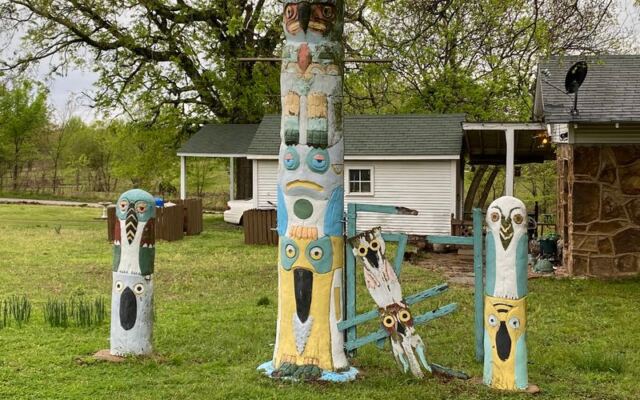
I took a quick detour off a quiet Oklahoma road expecting maybe five minutes of mild curiosity, and instead I found towering painted giants peeking through the trees. They were bright, strange, and bursting with color, like something out of a storybook.
The longer I wandered, the more I wanted to know about the one man who dreamed them up. Some roadside stops fill your gas tank, but a few fill your memory, and this is one of those.
A Folk-Art Park Hidden Near Route 66
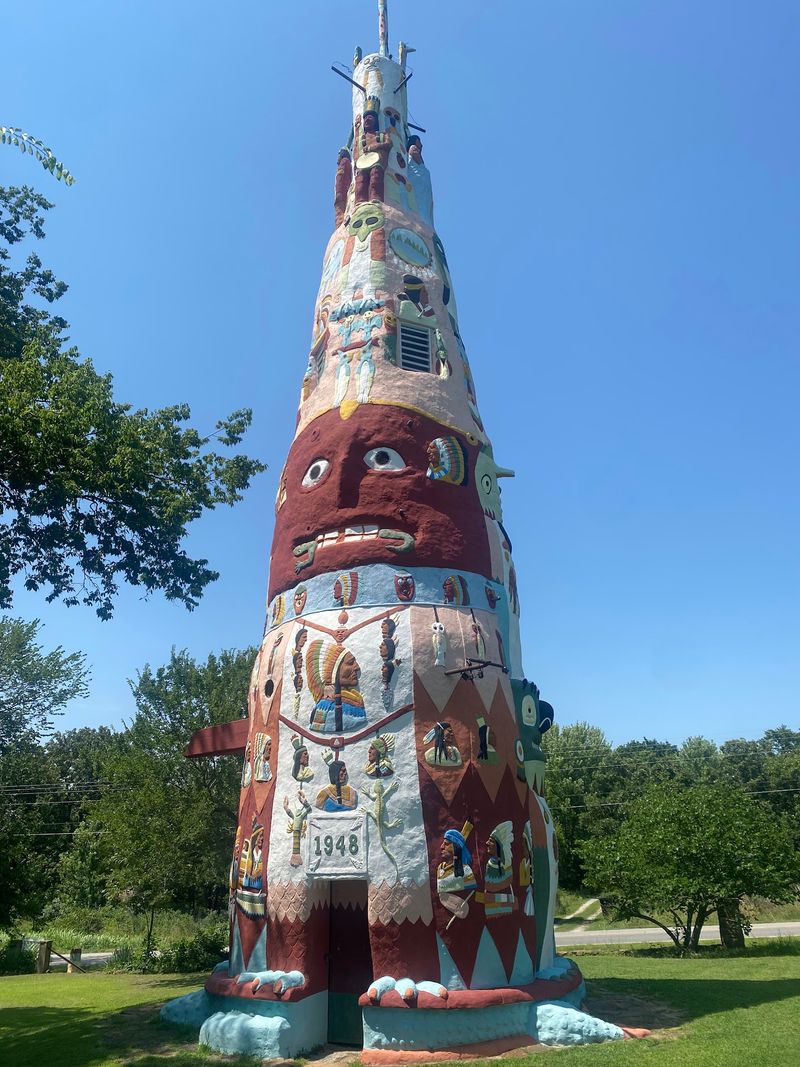
Picture a quiet stretch of northeast Oklahoma countryside, then imagine a giant painted totem pole rising above the treetops. That surprise is exactly what waits at Ed Galloway’s Totem Pole Park, a historical place at 21300 OK-28A, listed with a Chelsea address and tied closely to nearby Foyil.
The park is a folk-art collection of elaborate carved totems created by one man, Ed Galloway. It was completed in 1961, and the colorful work still stands proudly today.
Visitors describe it as small but memorable, the kind of place you never forget once you have seen it.
Route 66 travelers know it well. The site sits a couple of miles off the famous highway, and many people say the short side trip is easily worth the extra minutes behind the wheel.
Some even call it a must-stop for anyone driving the Oklahoma stretch of the Mother Road.
What makes it special is the mix of art, history, and pure roadside wonder. You get towering sculptures, a cozy museum building, and shady picnic spots all in one easy visit.
For curious travelers who love quirky Oklahoma landmarks, this park checks every box and then some, with plenty of color to spare.
The Man Behind the Carvings
One man with a big dream can change a whole patch of land. Ed Galloway proved that by turning an ordinary Oklahoma property into a gallery of towering art that still draws travelers decades later.
Visitors who explore the park often come away amazed by how multi-talented he was. He did not stop at totem poles.
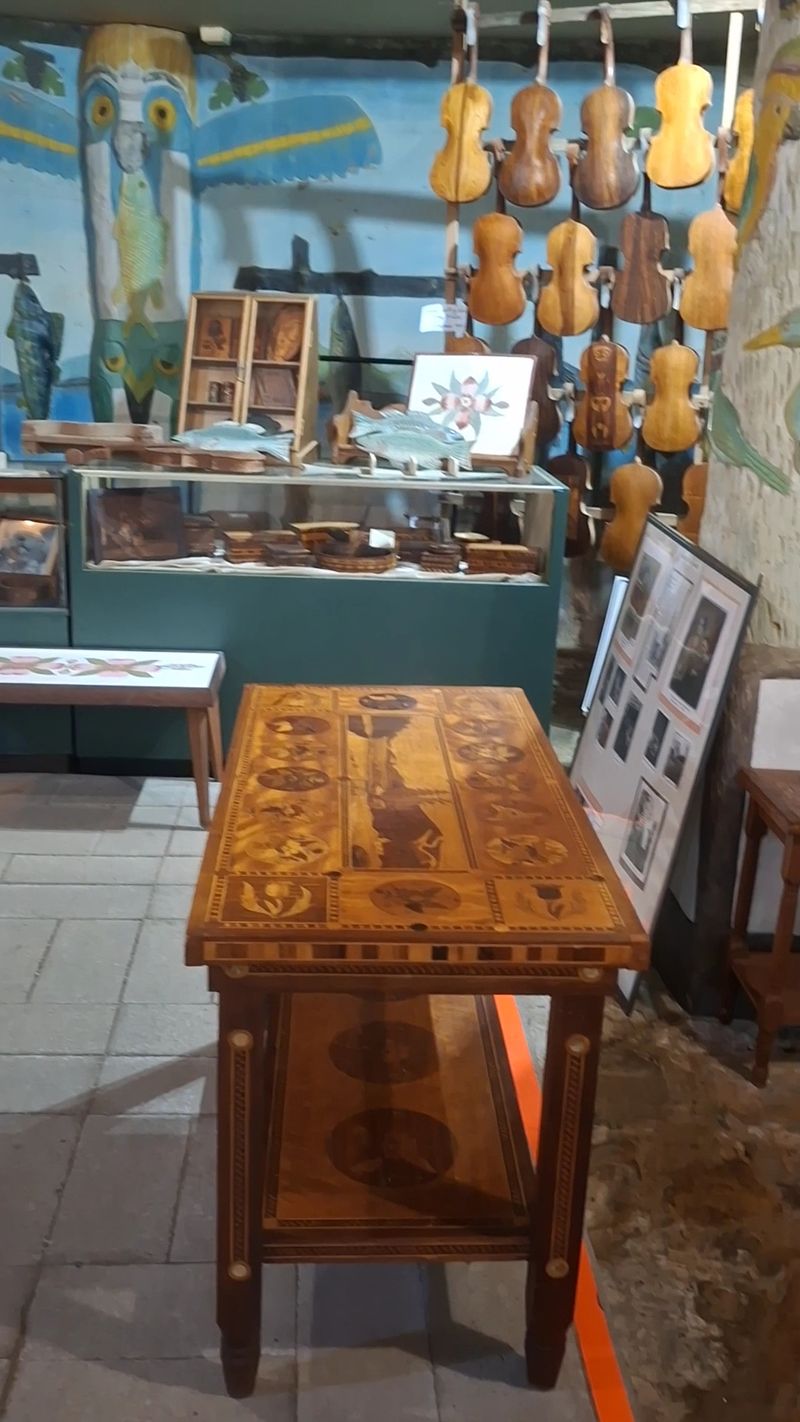
Inside the museum, you will find hand-carved fiddles, wooden pictures, and inlaid tables that show his skill with all kinds of woodwork.
According to people who have toured the grounds, Galloway had help along the way. Friends and students pitched in to bring his vision to life, which makes the finished park feel even more heartwarming.
It is a story of patience, teamwork, and hard work stacked layer upon layer.
Many guests mention the great stories behind each creation. The staff at the gift shop are known for sharing those tales in a friendly, informative way, so you leave knowing far more than you expected.
Several visitors said they were surprised by how much they learned during a short stop.
By the time you walk back to your car, Galloway no longer feels like a stranger. He feels like a creative neighbor who left a gift for everyone.
Finished in 1961, Built to Last
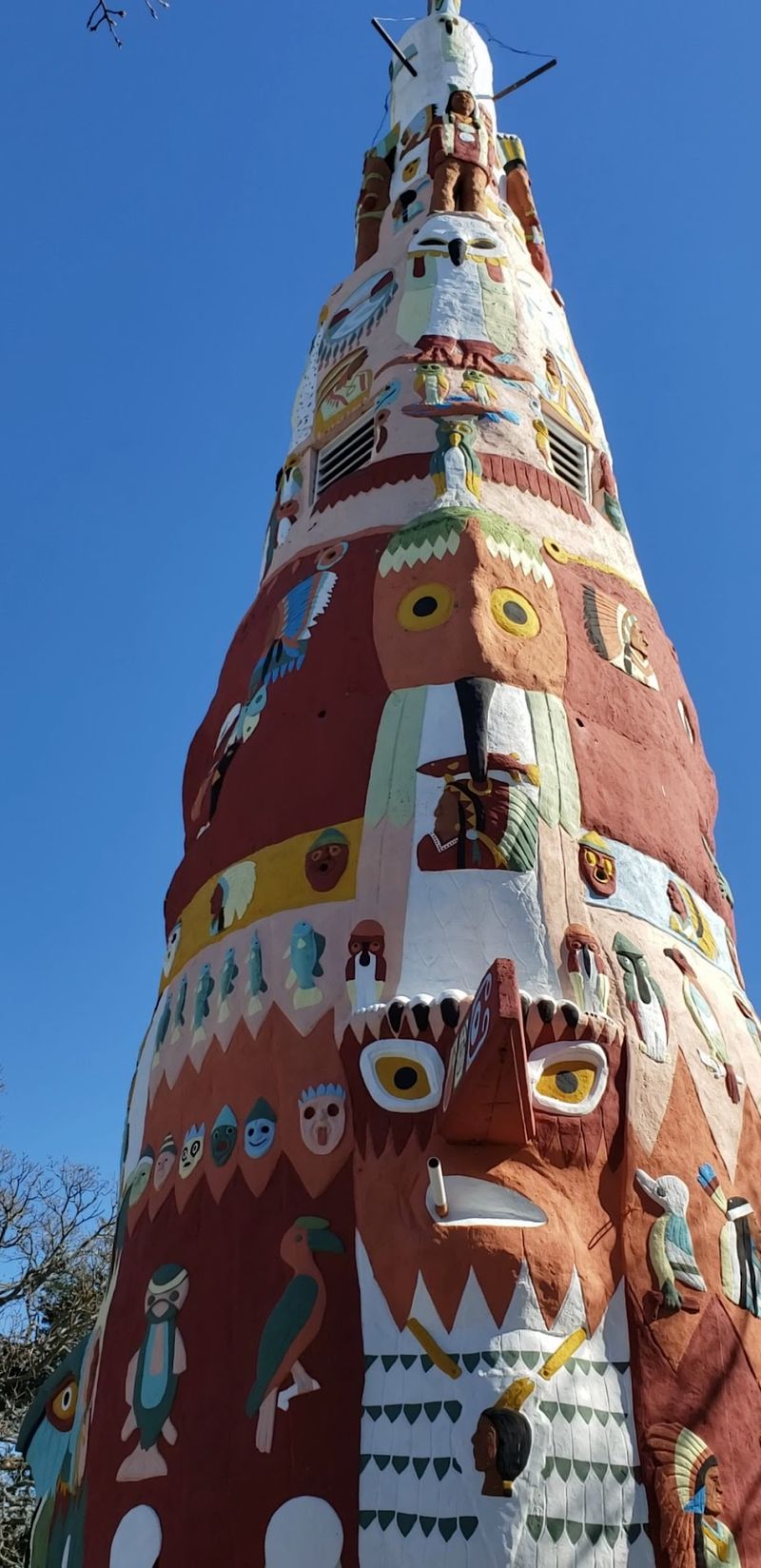
Back in 1961, while much of America was buzzing about new cars and highways, Ed Galloway was wrapping up his masterpiece. That year marks the completion of the folk-art park, and the sculptures have been standing tall ever since.
Weather in Oklahoma can be rough. Hot summers, icy winters, and spring storms all test anything left outdoors.
Yet these totems remain, and visitors love seeing pieces of history and heritage still standing as they weather the test of time.
Part of the charm is knowing how much effort went into each piece. Guests often comment that the amount of work Galloway poured into his creations is hard to believe.
Every pole looks meticulously crafted, and no two are the same.
Standing in front of them, you get a sense of time stretching backward. Families have pulled over here for generations, snapping photos and pointing at the bright carvings.
Some travelers say it feels like a nostalgic spectacle, a little window into an older Route 66 era.
Few roadside attractions survive this long. The fact that this one still welcomes visitors is a testament to both the original builder and the people who keep caring for it today.
The Giant Totem That Steals the Show
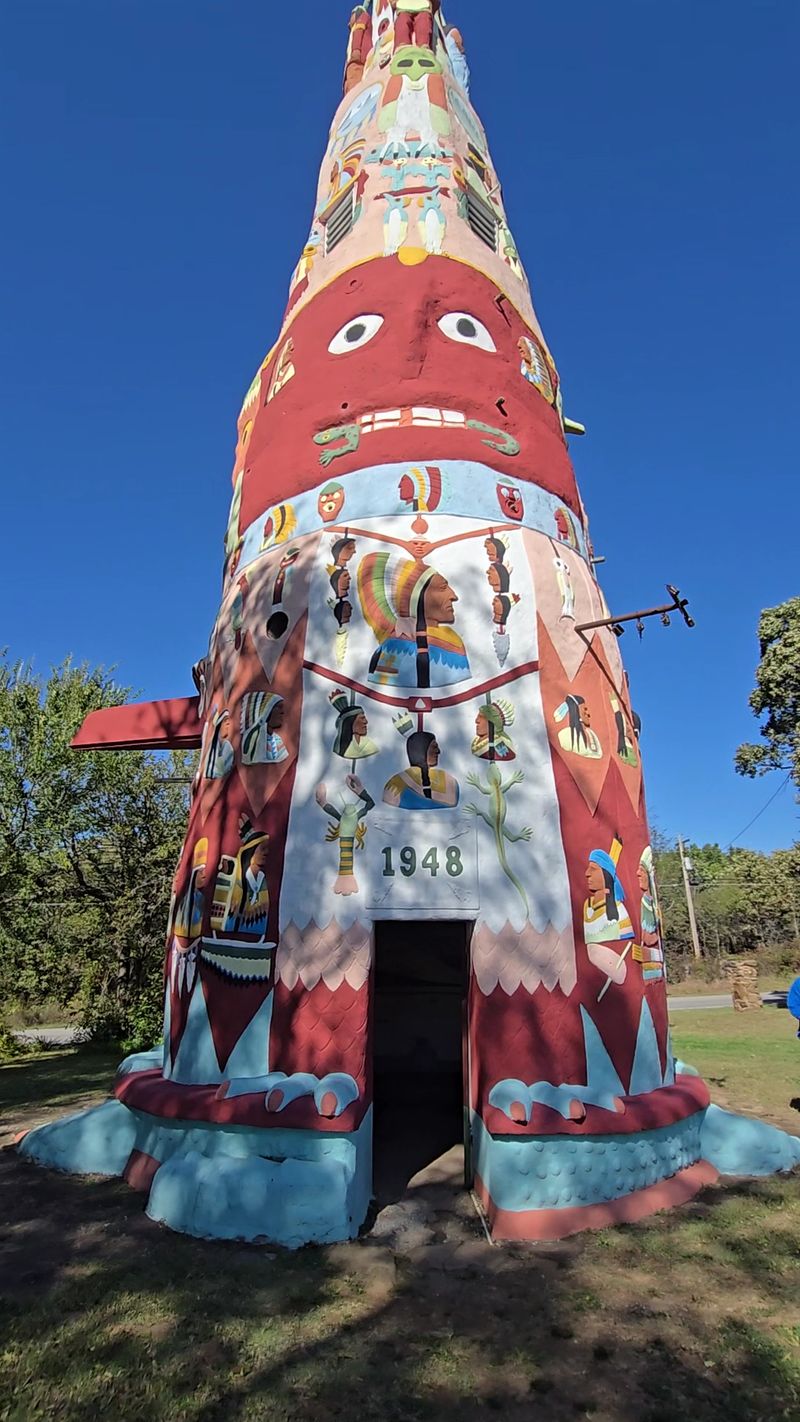
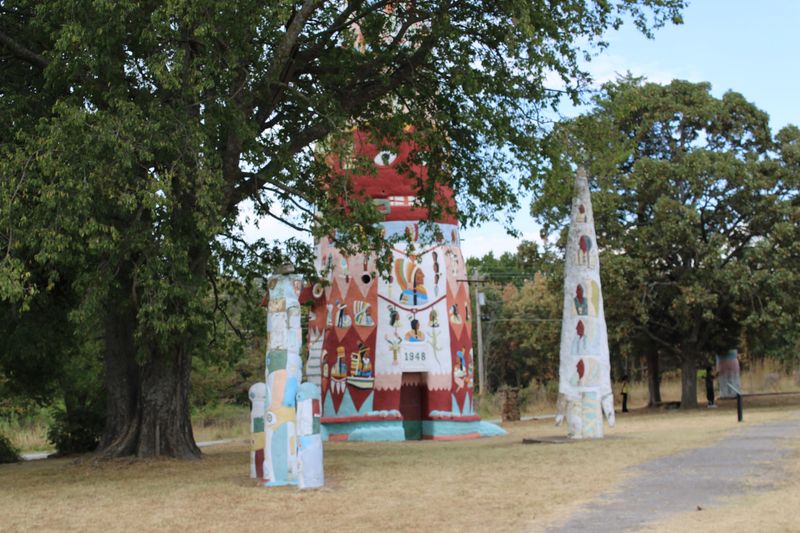
Crane your neck, because the star of the park is enormous. Many visitors describe it as the world’s tallest or largest totem pole, and seeing it up close is something you truly do not experience every day.
Travelers often say the big totem alone is worth the drive. It rises above the grounds with bold colors and carved details stacked from bottom to top.
Walking around its base, you keep spotting new faces and figures you missed a moment earlier.
Photographers love it. Kids stare in wonder.
Even quick-stop road-trippers tend to linger longer than planned, circling it to find the best angle for a picture.
One helpful tip comes from past guests. At least one visitor noted that the big totem was closed until spring during their trip, so access may change with the season.
Even so, they said they still had a great time exploring the rest of the grounds.
If you only have time for one highlight, make it this one. Stand back, take in its full height, and then step close to admire the craftsmanship.
It is the kind of sight that turns a casual detour into a story you will tell friends for years.
Smaller Totems Scattered Through the Grounds
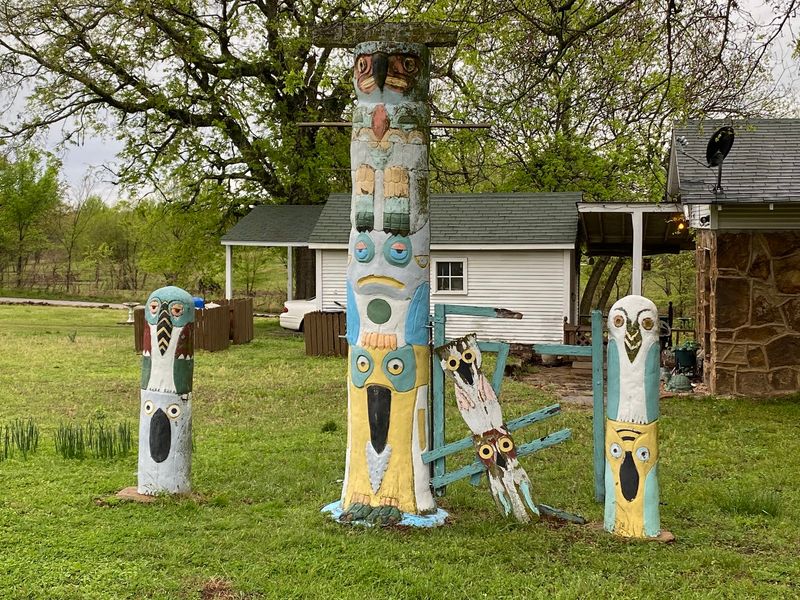
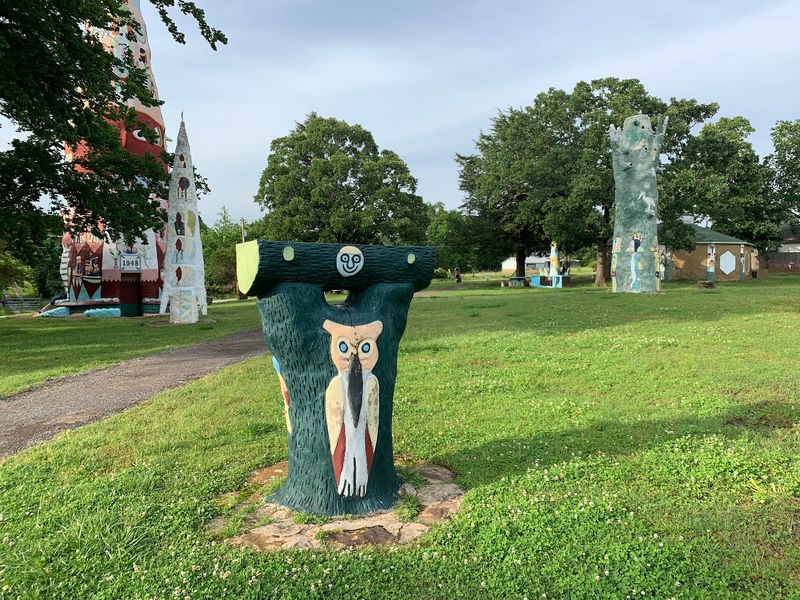
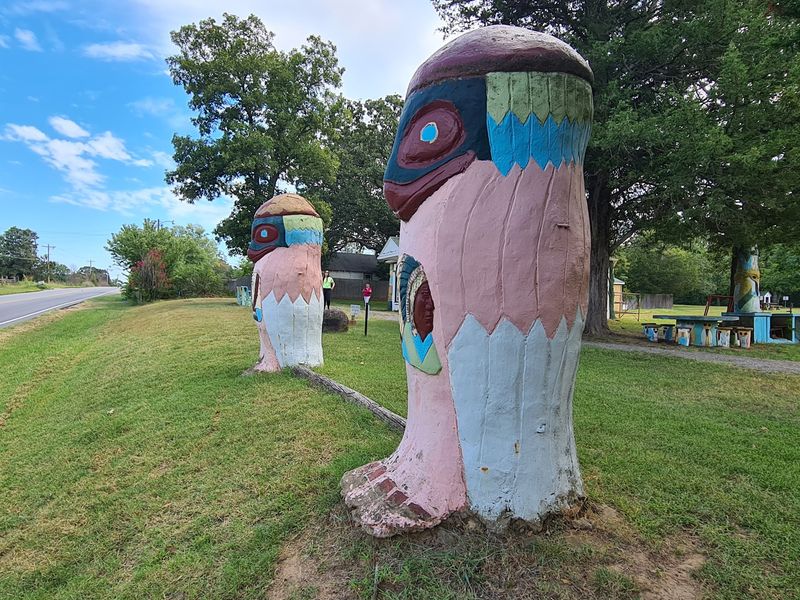
Beyond the headline sculpture, a whole family of colorful totems waits to be discovered. The park holds several smaller poles spread around the grounds, each with its own personality and painted details.
Wandering between them feels a bit like a treasure hunt. One might catch your eye with a bold color pattern, while another surprises you with a carved figure tucked near the top.
Visitors often say each and every pole is unique and beautiful in its own way.
Guests have described the work as an interesting creation honoring tribal traditions. Galloway clearly spent huge amounts of time and energy on every piece, and that care shows in the fine details.
Taking a slow lap lets you appreciate the patterns you might miss at first glance.
Because the grounds are simple and compact, you can see everything without feeling rushed. A quick loop takes only minutes, yet many people find themselves circling back for a second look.
There is always one more design to study.
Bring your camera and your curiosity. These supporting sculptures may be shorter than the main attraction, but they add depth, variety, and plenty of charm to the whole experience, making the park feel like a true outdoor gallery.
Fresh Paint and Ongoing Restoration
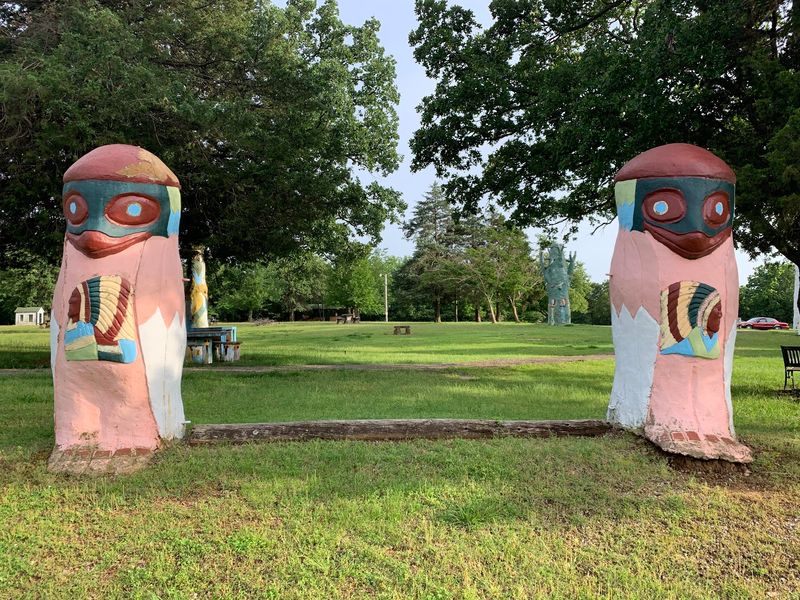
Bright colors do not stay bright forever on their own, and that is where restoration comes in. Recent visitors have noticed work underway to refresh the paint on the park’s sculptures.
A Tulsa local who finally made the trip out shared that many of the totems and artwork were freshly painted during their visit. They called the results truly impressive.
Seeing the colors pop again helps you imagine how the park looked when Galloway first finished it.
Inside the gift shop, some guests spotted totem pole designs being created and restored. That behind-the-scenes peek adds an extra layer to the visit.
You are not just viewing old art, you are watching people care for it.
Restoration also means the look of the park can shift a bit from season to season. One trip might show a pole mid-refresh, while another shows it gleaming.
That makes return visits fun, since there may be something new to notice each time.
For anyone who loves history, it is encouraging to see. Folk art like this can fade away without attention.
Thanks to ongoing efforts, Galloway’s colorful legacy keeps shining for the next wave of road-trippers rolling through Oklahoma.
Inside the Fiddle House
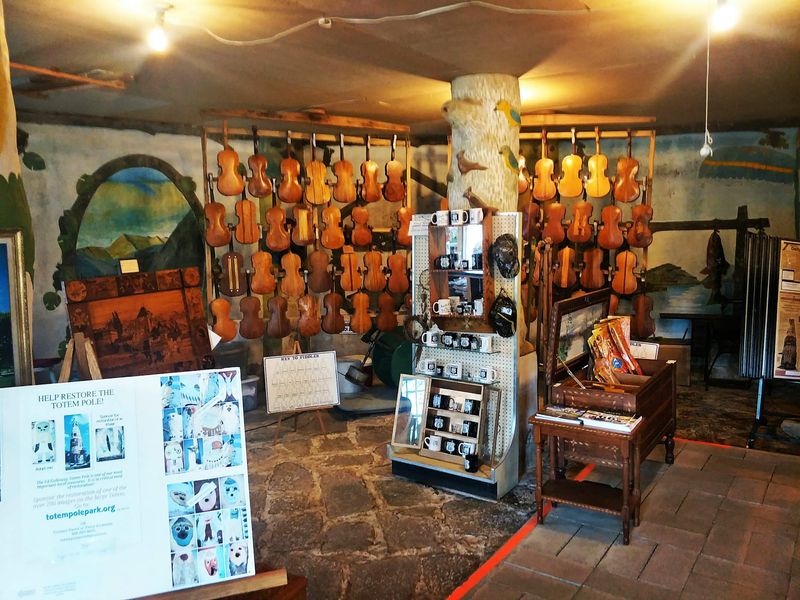
Step through the door of the small building on site and you may gasp a little. Known as the Fiddle House, it houses a collection of more than 300 fiddles created by Ed Galloway himself.
Yes, you read that right. The same artist who built giant totems also carved hundreds of fiddles by hand.
Visitors describe the collection as phenomenal and urge others not to skip it.
The building doubles as a small museum and gift shop that shows the life of the artist. Walking through, you get a fuller picture of his talent and creativity.
It turns a park visit into a little lesson about a remarkable Oklahoma craftsman.
Several guests have pointed out that the Fiddle House is where the story really comes together. Outside you see his biggest work, while inside you see his most delicate.
The contrast is fascinating and makes his skill feel even more impressive.
Keep in mind that the museum and shop operate seasonally, according to visitors who arrived before opening for the year. If seeing the fiddles matters to you, plan your trip when the building is open.
Trust past travelers on this one: the collection is worth timing your visit around.
Inlaid Tables and Wooden Pictures
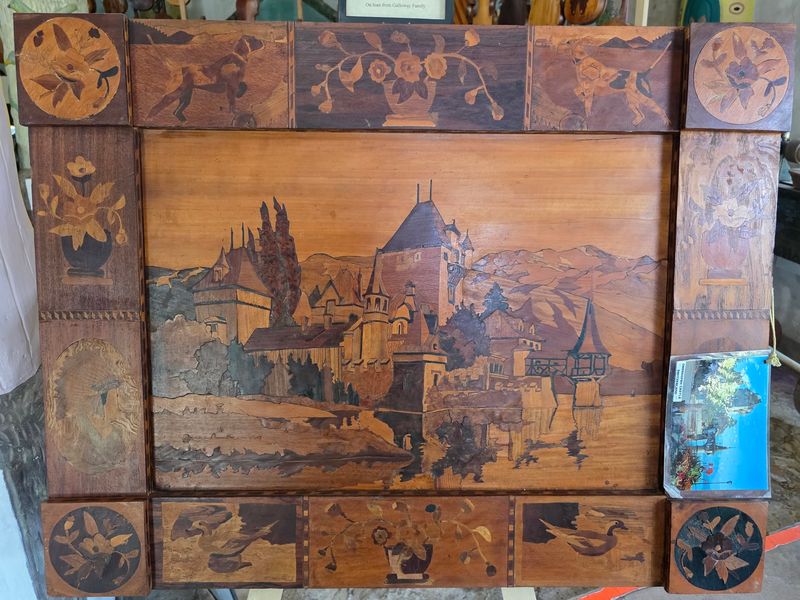
Woodworkers, prepare to be impressed. Alongside the fiddles, the visitor center showcases a range of amazing woodwork, including wooden pictures and tables decorated with careful inlay.
One traveler gave simple but smart advice: make sure you look inside the small building to see the violins, wood pictures, and inlaid tables. It is easy to focus only on the outdoor totems and miss these quieter treasures.
Do not let that happen.
The inlay pieces show a different side of Galloway’s talent. Where the totems are bold and towering, these works are detailed and precise.
You can lean in close and study how the pieces of wood fit together to form patterns.
Guests also mention a hand-carved picture on display. It adds to the sense that Galloway could turn wood into almost anything he imagined.
Visitors often leave saying he was truly a person with amazing artistic talent.
Spend a few extra minutes in this space. It rounds out the story of the park and helps you understand why so many people call Galloway multi-talented.
For craft lovers, this indoor collection might even become the favorite part of the whole stop.
Friendly Stories From the Gift Shop
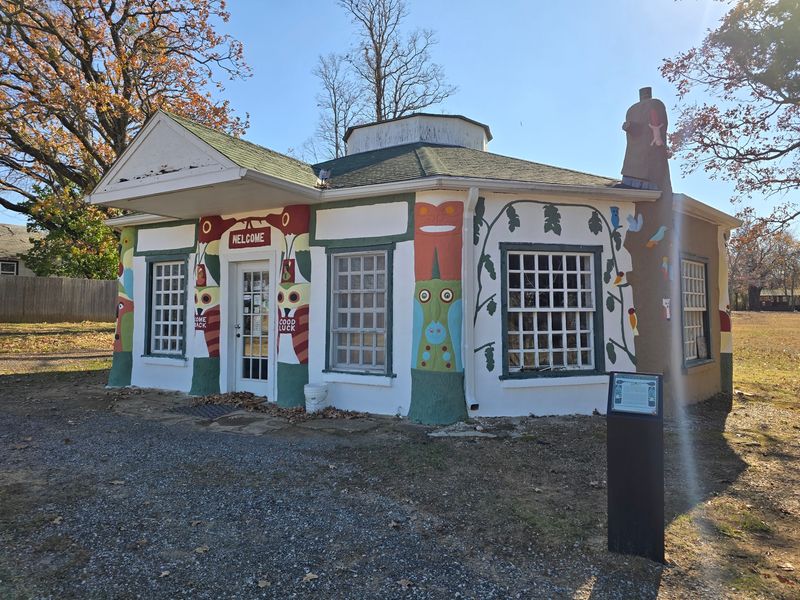
Sometimes the best part of a stop is the conversation. Many visitors rave about the woman working in the gift shop, describing her as knowledgeable, kind, and fun to talk with.
Guests say she shares stories about the park and its creator in an enjoyable, informative way. Asking a question or two can turn a quick browse into a mini history tour.
Several travelers left feeling they truly understood Galloway’s life and work.
The shop itself is described as cute and small, adding a homey touch to the visit. You can pick up a souvenir and, while you are there, make a contribution to help support the park.
Many people see it as a nice way to say thanks.
To be fair, experiences can vary. One parent visiting with a toddler felt the welcome was less warm than expected.
Still, the vast majority of visitors describe the staff as sweet and helpful.
Go in with a friendly attitude and a curious mind. Ask about the totems, the fiddles, or how the park came to be.
You will likely walk out with more than a souvenir, carrying stories that make the colorful poles outside feel even more meaningful.
Picnic Tables Under the Trees
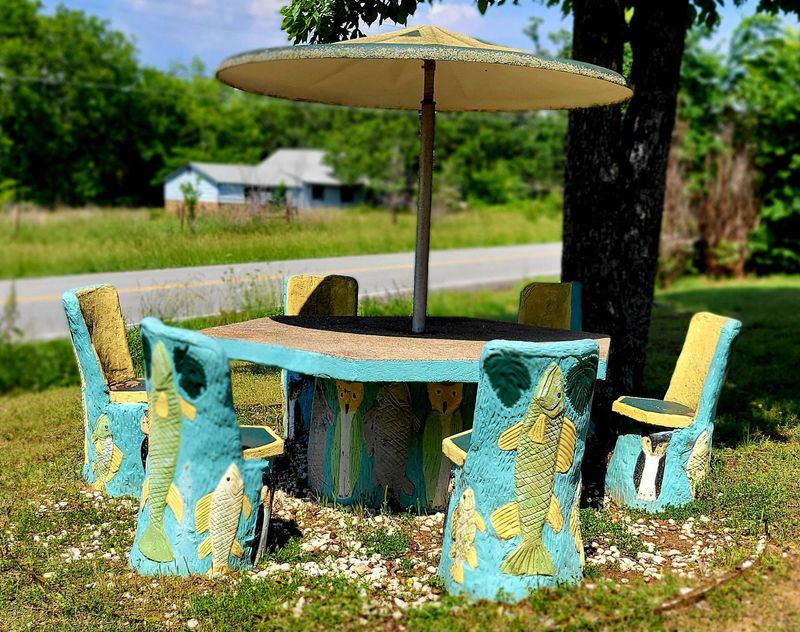
Hungry after miles on the road? Pack a lunch, because the park makes a lovely spot to stop and eat.
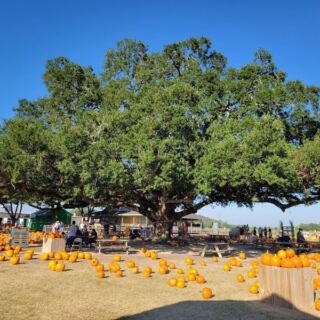
Picnic tables and an open grassy area give families plenty of room to spread out and relax.
Visitors often mention how peaceful it feels. The park is usually not very busy, so you can enjoy your sandwiches without crowds.
It is a welcome break when you have been sitting in the car for hours.
Imagine unwrapping a snack while a giant painted totem watches over you. It is not your average rest area, and that is the fun of it.
Kids can stretch their legs on the grass while grown-ups enjoy the view.
Bringing your own food makes this a budget-friendly stop too. Grab supplies in town before you arrive, then settle in for a slow, easy meal.
Afterward, wander the grounds to see the sculptures you might have spotted from your table.
The picnic area is one of the most talked-about features of the park, and it is easy to see why. Good food, fresh air, and quirky art make a winning Oklahoma combination for any road trip day.
A Welcome Spot for Dogs and Wanderers
Traveling with a four-legged buddy? Good news.
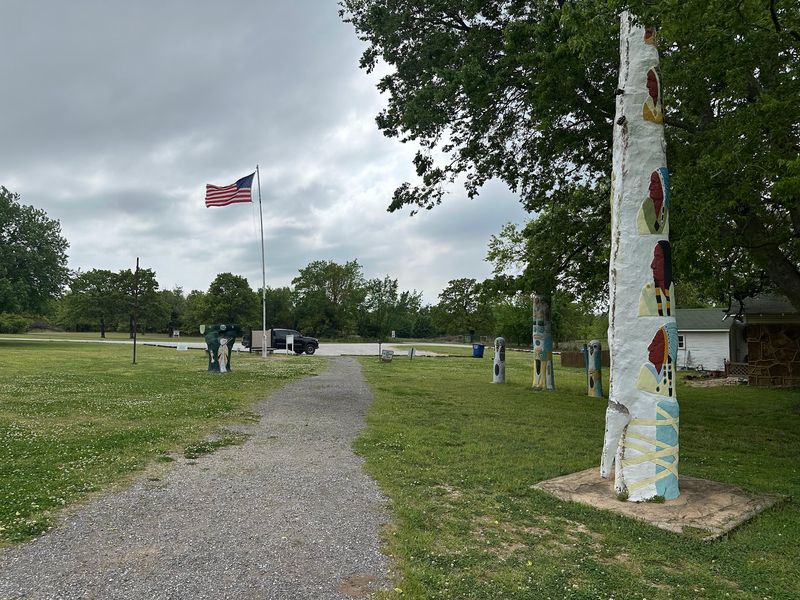
Visitors describe the park as pet friendly, with space to walk your dogs around the grounds.
One guest happily shared that they strolled with their pups between the totems. Dog walking is one of the features people mention, which makes this stop a great fit for road-trippers who bring their furry friends along.
Your dog gets a stretch, and you get a dose of art.
The atmosphere is calm and unhurried. With few crowds, it feels like a relaxing pause rather than a busy tourist trap.
You can move at your own pace, lingering by a favorite pole or circling the grounds slowly.
Families, couples, solo travelers, and history fans all seem to find something here. Some come for the folk art, some for the fiddles, and some simply need a break from driving.
Everyone tends to leave smiling.
Just remember basic courtesy. Keep pets leashed, clean up after them, and stay respectful around the artwork.
That way the park stays pleasant for every visitor who rolls in next, whether they bring a dog, a camera, or simply a curious heart.
Free Entry, Donations Welcome
Here is a rare treat in modern travel: the park is free and open to the public. You do not need tickets or a reservation to walk in and explore.
Visitors appreciate that entry works on a donation basis. Many say stopping by the gift shop to leave a contribution is a nice way to show appreciation for the people preserving Galloway’s work.
Even a small amount helps keep the colors bright.
That free access makes the park perfect for spontaneous detours. You can pull over on a whim, wander for a bit, and hop back on the road without worrying about cost.
It is the kind of easy stop that budget travelers dream about.
Of course, supporting the site matters. Restoration work, upkeep, and the museum all rely on help from visitors and the community.
Dropping in a donation or buying a souvenir is a simple way to keep this Oklahoma treasure going strong.
Think of it as paying it forward. Galloway gave his time and talent freely, and the park still shares that gift with everyone.
A little generosity on your part keeps the story alive for future road-trippers and their families.
Getting There and Planning Your Stop
Plug the address into your GPS before you go: 21300 OK-28A, Chelsea, OK 74016. Visitors suggest following GPS carefully, since the park sits a couple of miles off Route 66 down a country road.
Once you arrive, parking is easy. Past guests mention plenty of space behind the park, so no need to stress about finding a spot.
Then you just stroll in and start exploring.
How long should you plan? Many people say a 15-minute stop is enough to see the highlights, though you may want more time if you visit the museum, chat in the gift shop, or enjoy a picnic.
Budget extra if you love details.
Timing matters a bit. The museum and shop open seasonally, and at least one visitor noted the big totem was closed until spring.
Calling ahead at 918-283-8035 is a smart move if you want to see everything.
For more background, the Rogers County history website has a page dedicated to the park. A quick look before your trip can help you plan and build excitement.
Then all that is left is to roll down the windows and enjoy the drive.
Why the Detour Earns a Spot on Your Route
Some detours feel like chores. This one feels like a gift.
Ed Galloway’s Totem Pole Park takes only a little time but leaves a big impression.
Visitors from near and far keep using the same idea: it is worth the stop. Whether you are a Route 66 traveler, a local who never made it out before, or a family needing a break, the park delivers color, history, and genuine surprise.
The giant totem grabs your attention first. Then the smaller sculptures, the Fiddle House, and the inlaid woodwork slowly win your heart.
Add free entry, picnic tables, and a pet-friendly setting, and you have an easy recommendation.
What lingers most is the story of one creative man who built something lasting with help from friends and students. Standing among his work, you feel a spark of that same determination.
It reminds you that big dreams can grow anywhere, even on a quiet patch of Oklahoma land.
So next time you are cruising the Mother Road, watch for that turnoff. Follow the GPS, park out back, and wander among the painted giants.
You may leave wondering why you ever thought about driving right past.
Share this story