A pair of bronze doors in this building reportedly weigh about four tons each. They were also meant to stay open, almost always, as a welcome to anyone who needed care.
That detail stuck with me right away. Then I learned about the bell tower on top, which holds dozens of bells that still ring out over downtown.
A medical building with a concert instrument on its roof? I had questions.
This landmark sits in southern Minnesota, and it might be one of the most surprising historic stops in the state. It mixes medicine, art, and architecture in a way I can’t imagine any big-city office tower copying.
I like how ordinary it can seem from a distance, just another tall building on the skyline. Up close, though, the craftsmanship tells a much bigger story.
So what makes a hospital building worth a road trip?
A Skyscraper Built for Healing in Downtown Rochester

Few medical buildings get treated like cathedrals, yet the Plummer Building earns that kind of respect. It rises over downtown Rochester, Minnesota, as part of the Mayo Clinic campus.
The tower opened in 1928 and quickly became a symbol of the clinic. For decades it stood among the tallest buildings in the state, a bold claim for a mid-sized town.
You’ll spot it by its ornate stone tower and the bell chamber crowning the top. It looks less like an office block and more like something from an old European city.
Inside, the building still serves the clinic in practical ways. It also preserves rooms and spaces that tell the story of how modern group medicine took shape here.
That mix keeps it from feeling like a museum frozen in time. Work still happens within its walls, while history quietly lines the halls and lobby.
For Minnesotans, it’s a point of real pride. A small southern city built a landmark that the medical world still recognizes, and it remains standing strong today.
The Doctor Behind the Name

Dr. Henry Plummer was not a household name, but his ideas shaped how hospitals work. He joined the Mayo practice in the early 1900s and became one of its most creative minds.
Plummer is often credited with designing a patient record system that kept each person’s history in one file. That sounds simple now, though it was a big leap back then.
He also helped plan communication tools inside clinic buildings, including tube systems for moving paperwork. His thinking was practical, organized, and years ahead of its time.
So it makes sense that the building carries his name. Plummer played a major role in planning the tower that honors him.
The design reflected his belief that a clinic should run smoothly and feel dignified. Patients deserved beauty along with good care, and the building delivers both.
Knowing his story changes how the tower reads. Every carved detail and efficient hallway seems to echo a man who cared about systems and people equally.
Bronze Doors That Were Made to Stay Open

Four tons apiece is a lot of door. The bronze entrance doors on the Plummer Building are famous for their size and for how rarely they’ve been shut.
The story goes that they were designed to remain open as a sign of welcome. The clinic wanted anyone seeking help to feel invited in, at any hour.
Over the years, the doors have reportedly closed only on a handful of special occasions. That makes them more symbol than barrier, which is a lovely twist for a pair of doors.
Look closely and you’ll notice decorative panels worked into the metal. The craftsmanship rewards a slow stop before heading inside.
They’re one of the easiest details to enjoy, since you don’t need a guide to appreciate them. Just stand back and take in the scale against the stone entry.
Bring a camera, or at least a little patience. Few entrances in Minnesota carry this much meaning, and fewer still are this photogenic.
Stonework and Carvings Worth a Slow Look
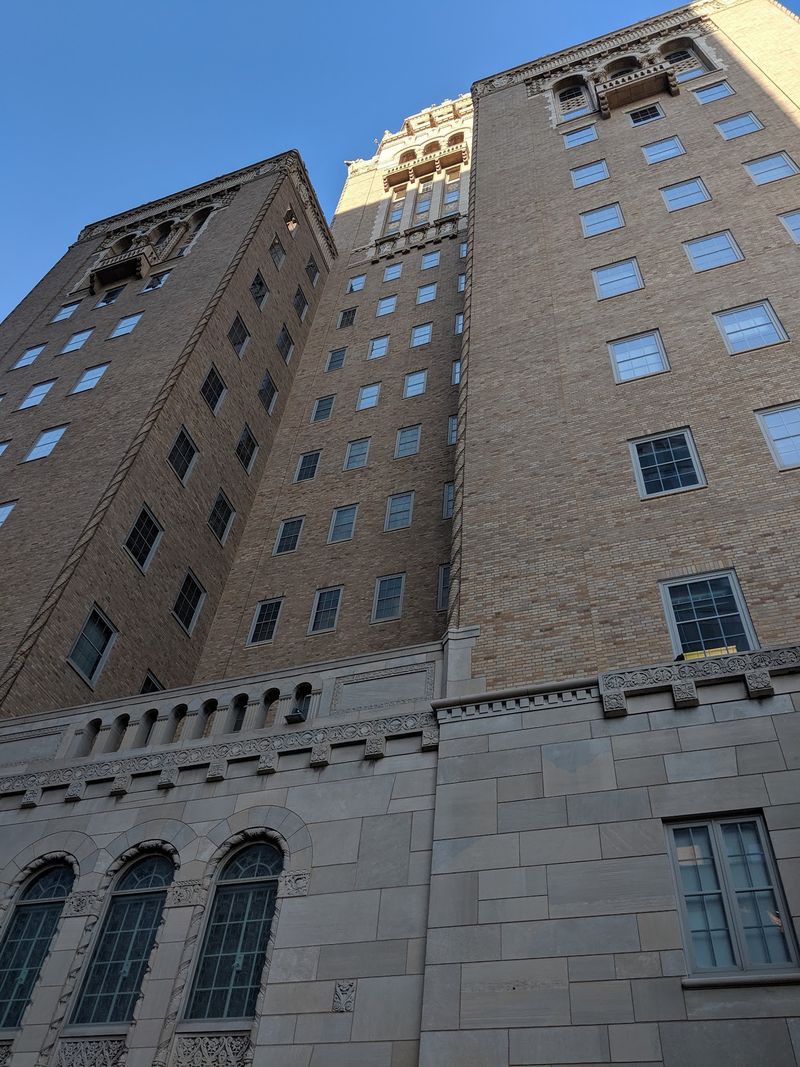
Tilt your head back and the building starts telling stories. The exterior carries rich ornamental work that rewards anyone willing to stop and squint.
The tower was designed by the Ellerbe firm, a Minnesota architecture company tied closely to the clinic. Their work blends Romanesque and Gothic-inspired touches into one tall, confident design.
Many carvings reference medicine, learning, and culture from around the world. Small figures and symbols appear in places you might easily miss on a quick walk past.
That’s half the fun, honestly. It feels a bit like a scavenger hunt with no prize except bragging rights.
The detail becomes even more impressive once you remember this was built as a working clinic. Someone decided a medical building deserved art, and they committed fully.
Modern towers rarely get this kind of attention. The Plummer Building shows what happens when a city builds for the long haul instead of the quick budget.
Music Drifting Down From the Carillon

Bells on a hospital roof sound like a quirky idea. Yet the carillon at the top of the Plummer Building is one of its most beloved features.
The instrument began with a smaller set of bells when the tower opened. It was later expanded, and it now holds 56 bells, played by a carillonneur at a keyboard.
Concerts are typically scheduled on certain days of the week, so the music may greet you as you stroll downtown. Schedules can change, so it’s smart to check ahead.
The sound carries over the streets and plazas nearby. Patients, families, and passersby all get to share it without buying a ticket.
It’s a gentle reminder that care can include comfort for the spirit. Music becomes part of the healing setting here, quite literally overhead.
Few cities in Minnesota have anything like it. Hearing those bells roll across Rochester feels like a small gift from the past.
Historic Rooms That Feel Like a Time Capsule
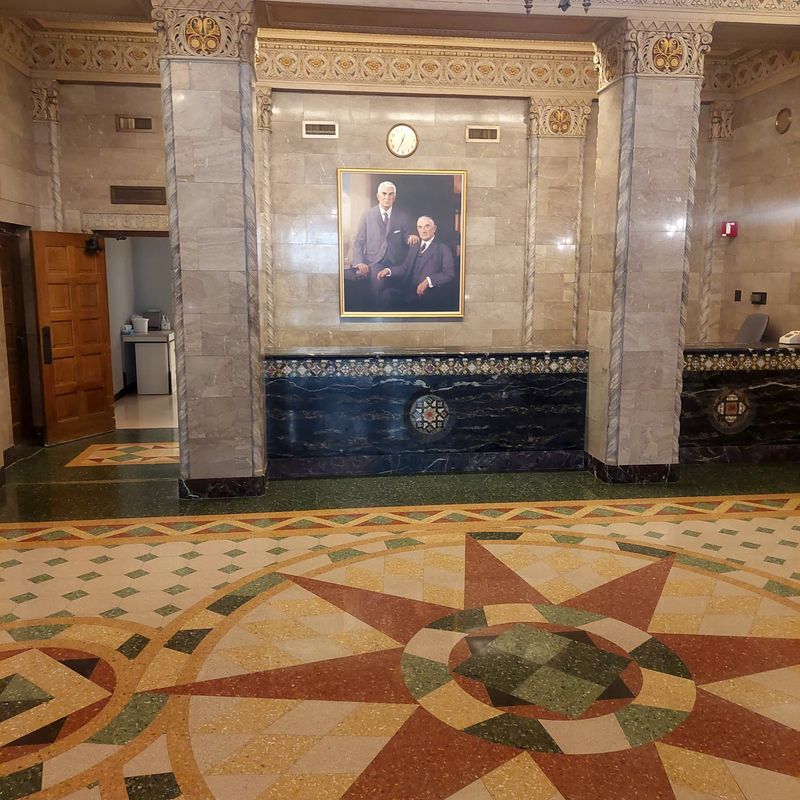
Some of the best treasures here sit behind the lobby. The building preserves historic spaces connected to the clinic’s early leaders.
Plummer Hall and the historical suite are often highlighted on guided tours. These rooms showcase fine woodwork, period furnishings, and the polished style of the late 1920s.
Dr. Plummer’s office is among the spaces kept with a historic feel. Seeing where planning and decisions once happened gives the tour a personal edge.
Details like ceilings, trim, and furniture reflect real investment in quality. Nothing about these rooms says shortcuts.
Access may depend on tour schedules and clinic needs. Some areas aren’t open for casual wandering, which helps protect them.
Still, it’s worth making the effort to see them. They turn a beautiful exterior into a fuller story about the people who built something lasting in Minnesota.
Landmark Status on a National Level

Plenty of buildings are old, but only a select few become National Historic Landmarks. The Plummer Building earned that honor in 1969.
The designation recognizes its importance to the history of American medicine. Mayo’s group practice model grew here into something copied far beyond Minnesota.
That’s a pretty big deal for one tower in Rochester. It places the building among sites the whole country considers worth protecting.
Landmark status also helps explain the careful upkeep. The tower doesn’t just survive, it continues to look the part.
For history fans, this adds weight to the visit. You’re not just admiring nice architecture, you’re standing where medical practice changed course.
And for anyone from Minnesota, it’s an easy brag. A downtown building here helped shape how doctors across the nation work together today.
Guided Tours for Curious Minds

Wandering alone is fine, but a guide unlocks the good stuff. Mayo Clinic has typically offered free tours that include the Plummer Building and its history.
Tours often cover architecture, art, and the stories of the clinic’s founders. They can also point out details that are easy to overlook on your own.
Availability and times may vary by season and clinic schedules. Checking the clinic’s visitor information before you go is the safest plan.
Self-guided exploring is another option for the public spaces. The campus also features art throughout, so it pairs well with a slower stroll.
History buffs, architecture lovers, and families with curious kids all tend to fit right in. You don’t need medical knowledge to enjoy the stories.
Free and fascinating is a combination Minnesotans appreciate. It’s hard to find a better value for an afternoon of learning.
A Calm, Respectful Atmosphere

Remember, this is still a working part of a major medical center. The mood inside tends to be calm, polished, and respectful.
Patients and families pass through the campus every day. Visitors exploring the history should keep voices low and give people space.
That quiet setting actually adds to the experience. The stonework and decor feel more striking without a noisy crowd around them.
Photography may be limited in certain areas for privacy reasons. Following posted signs and staff guidance keeps things smooth for everyone.
It suits travelers who enjoy reflective places. Think library energy rather than theme park energy.
The building seems built for this kind of hush, really. Its grand spaces invite you to slow down and notice what earlier generations created with such care.
Finding Your Way Downtown

Getting there is refreshingly simple. The Plummer Building sits at 100 2nd St SW, Rochester, MN 55902, right in the heart of downtown.
Rochester is roughly an hour and a half south of the Twin Cities by car. That makes it an easy day trip for much of Minnesota.
Downtown offers public parking ramps, though spaces near the clinic can stay busy. Arriving early or using a ramp a few blocks away can save frustration.
Much of the campus connects through skyways and an underground subway level. That’s a gift during a Minnesota winter, when sidewalks can get icy.
The tower itself works as a landmark for navigation. If you get turned around, just look up for the bell chamber.
Comfortable shoes are a smart call. The campus is large, and the best views often require a little extra walking.
Why the Tower Earns a Spot on Your List

So, is a medical building really worth the drive? In this case, the answer leans strongly toward yes.
The Plummer Building blends history, art, and music in one striking package. Few places in Minnesota pack so much story into a single tower.
Those four-ton bronze doors alone make a memorable stop. Add the carillon, the carvings, and the preserved rooms, and the case gets even stronger.
Free tours have typically made it budget-friendly too. That’s a welcome bonus for families and anyone watching travel costs.
It may not have flashy exhibits or gift-shop crowds. What it offers instead is quiet craftsmanship and a real sense of purpose.
Tag the friend who loves old buildings and plan a trip south. Rochester’s grand tower proves once again that Minnesota can hold its own against any big city.
Share this story