Ever spot a viral food from abroad and wonder why you cannot find it in the United States? Some are blocked to protect public health, others to safeguard endangered species, and a few because of quirky laws that go way back. The reasons are not always obvious, and the stories behind them are surprisingly fascinating. Keep reading and you will see how safety rules, conservation, and culture collide right on your plate.
1. Kinder Surprise Eggs (Original Version – with hidden toy)
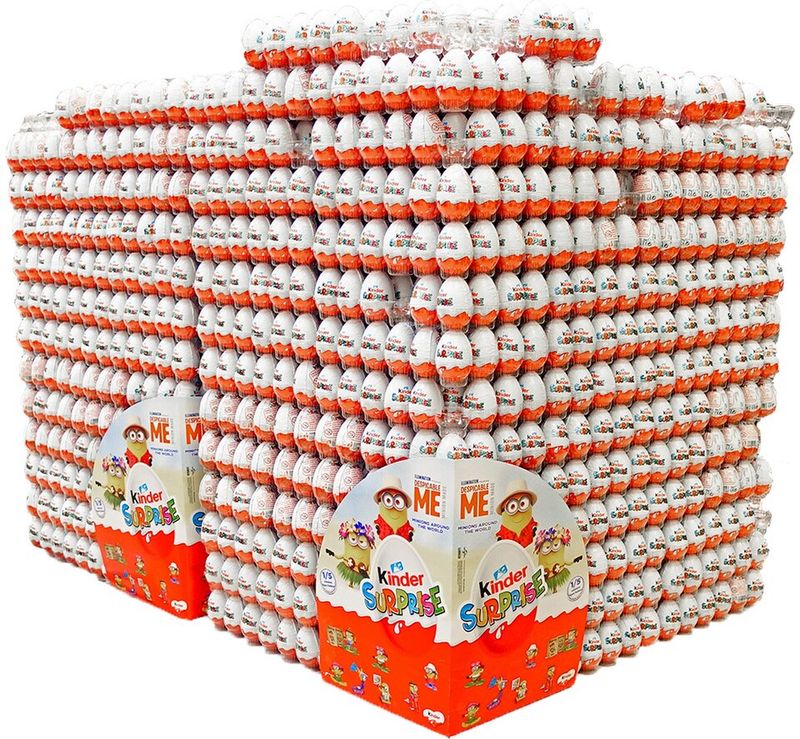
You have probably seen these chocolate eggs online, but the classic version with a toy capsule hidden inside is not allowed in the U.S. The issue is simple safety. American law bans embedding non-edible objects inside food because of choking risk for children.
Customs officials routinely seize them, and companies sell a compliant version that separates the toy from the treat. The spirit of the rule is to make sure no surprise ends up in a child’s airway. It may feel strict, but regulators prioritize predictable safety over novelty.
2. Haggis Made with Sheep’s Lungs (Scotland)
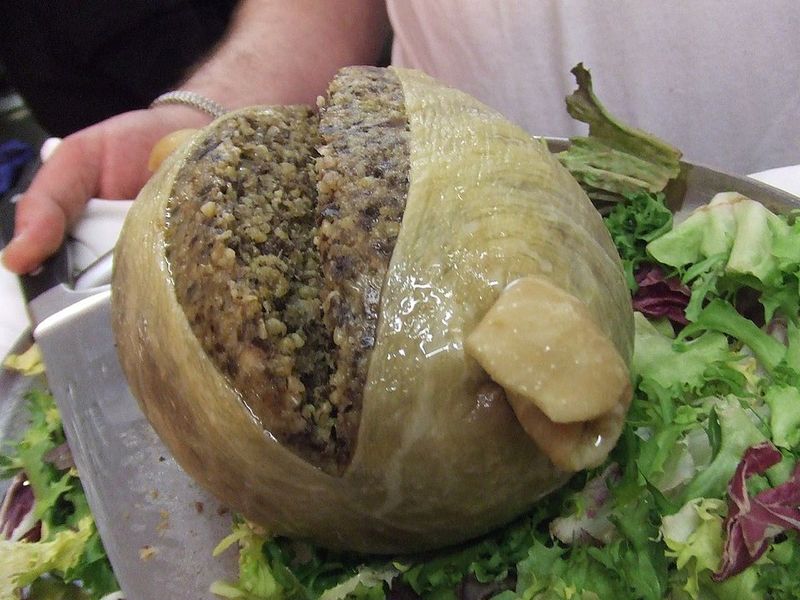
Traditional Scottish haggis sometimes includes sheep’s lungs, which is where U.S. rules draw the line. The USDA prohibits lungs in food because fluids from the slaughter process can contaminate them. That potential contamination risk makes inspection and safety assurance difficult.
If you have tried haggis abroad, you know the earthy, peppery charm. In the U.S., versions are reformulated without lungs to comply. Purists argue it changes the character, but regulators focus on consistent food safety standards first.
3. Casu Marzu (Sardinia)
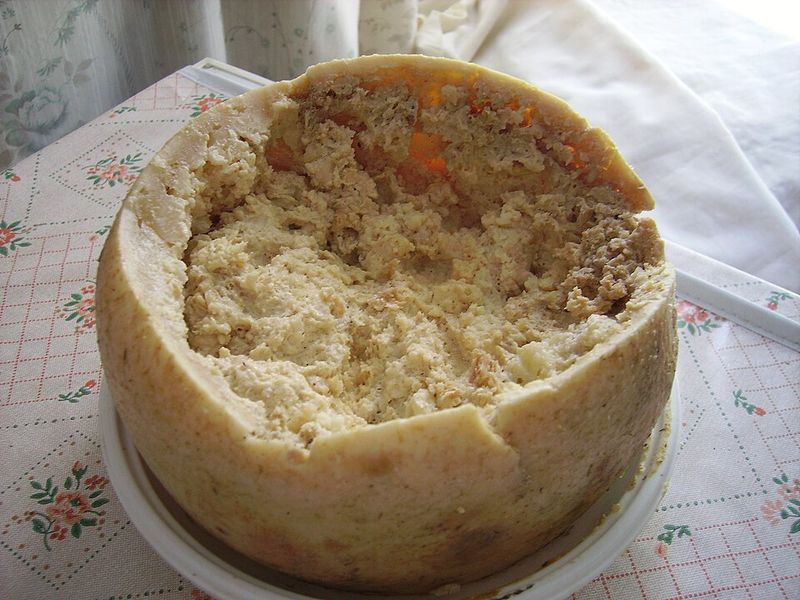
Casu Marzu is legendary for its extreme approach to aging cheese with live insect larvae. That living element clashes with U.S. food-safety regulations, which classify it as unsafe or adulterated. Inspectors cannot certify a product intentionally containing live maggots.
Food adventurers swear the flavor is intense and unforgettable. Still, the legal bar in the U.S. requires control over pathogens and pests. Until a safe, regulated process exists, you will not find the real thing on American shelves.
4. Fresh Ackee Fruit (Jamaica)
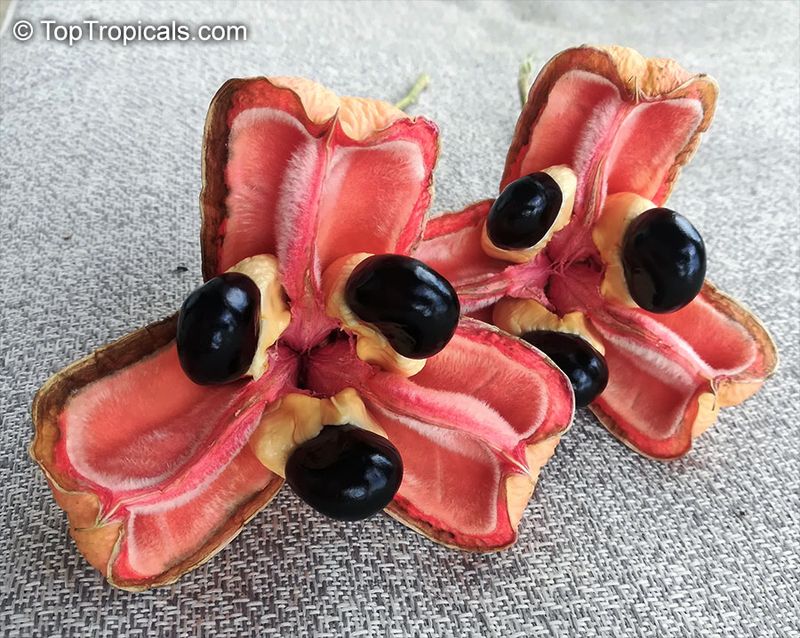
Ackee is delicious when properly ripened and prepared, but unripe fruit contains hypoglycin A, a potent toxin. That toxin can trigger sudden drops in blood sugar with life-threatening consequences. Because of this, only canned, inspected ackee products are allowed into the U.S.
If you love Jamaican cuisine, you can still enjoy ackee and saltfish using approved cans. Fresh imports are off the table, literally, unless safety can be guaranteed. It is a firm reminder that ripeness and processing make all the difference.
5. Ortolan Bunting (France)
The ortolan bunting is a protected songbird with a controversial culinary history. U.S. wildlife laws prohibit its possession, trade, or import to protect the species. Conservation takes precedence over any secret-supper allure.
You might hear whispers of old-world rituals around this dish. In practice, the legal and ethical barriers are absolute. If you care about biodiversity, this restriction makes immediate sense and reflects broader international protections.
6. Fugu – Pufferfish (Traditional Japanese Preparation)
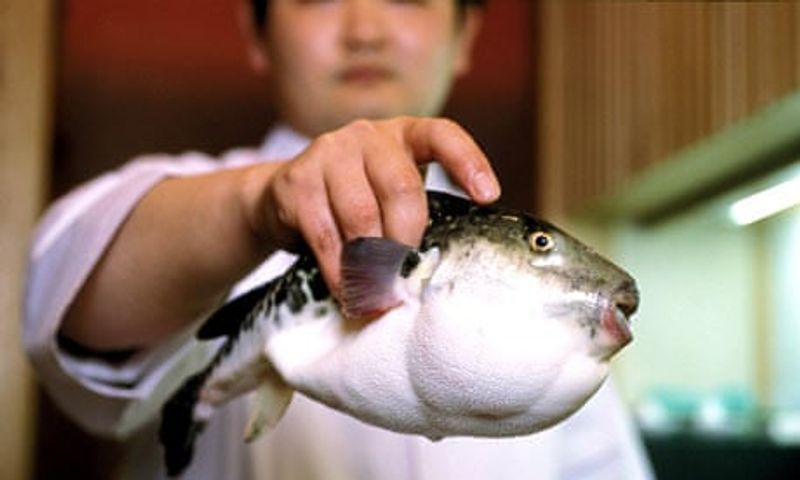
Fugu contains tetrodotoxin, a neurotoxin with no known antidote, so training and licensing are essential. The U.S. allows only limited, tightly controlled imports from approved sources. Most traditional preparations cannot be served because verification is strict.
When prepared by experts, fugu can be exquisite. Still, regulators design rules to reduce any chance of lethal mistakes. If you are curious, seek restaurants that follow approved supply chains and certified preparation standards.
7. Queen Conch Meat (Caribbean)
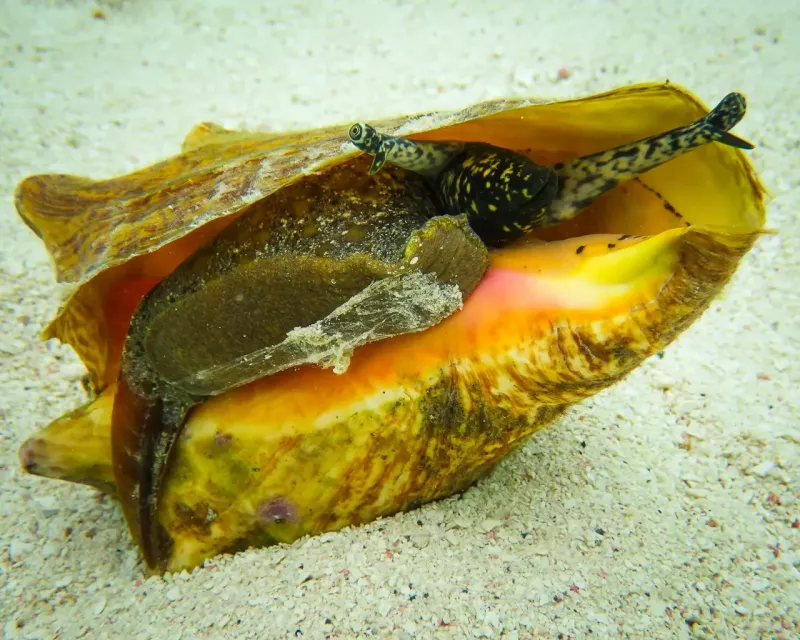
Queen conch is iconic across the Caribbean, but wild populations have struggled. To protect the species, U.S. law restricts or bans imports of queen conch meat. Conservation status and overharvesting drive the policy.
If you have enjoyed conch fritters on vacation, you know the appeal. At home, sustainability rules take priority to prevent collapse of the fishery. Alternatives and aquaculture are explored, but broad import remains off limits.
8. Raw Milk Cheese Under 60 Days
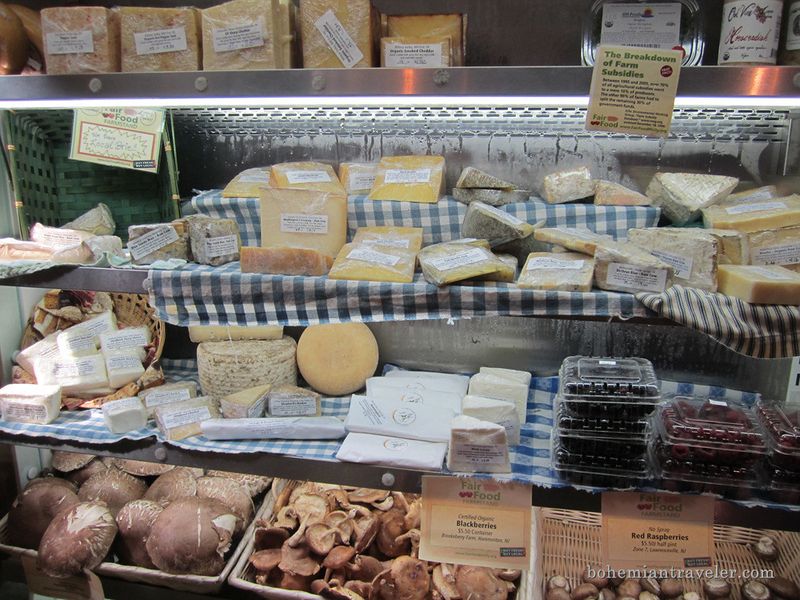
Raw milk cheeses aged under 60 days face a firm FDA ban. The concern centers on pathogens like Listeria, Salmonella, and E. coli that aging may not reduce. Softer styles are considered higher risk during short maturation.
Longer-aged raw milk cheeses can be legal if they meet requirements. For younger soft cheeses, pasteurization or extended aging is the path to compliance. If you love funky rinds, you will find workarounds, but not the under-60-day imports.
9. Beluga Caviar (Caspian Sea Region)
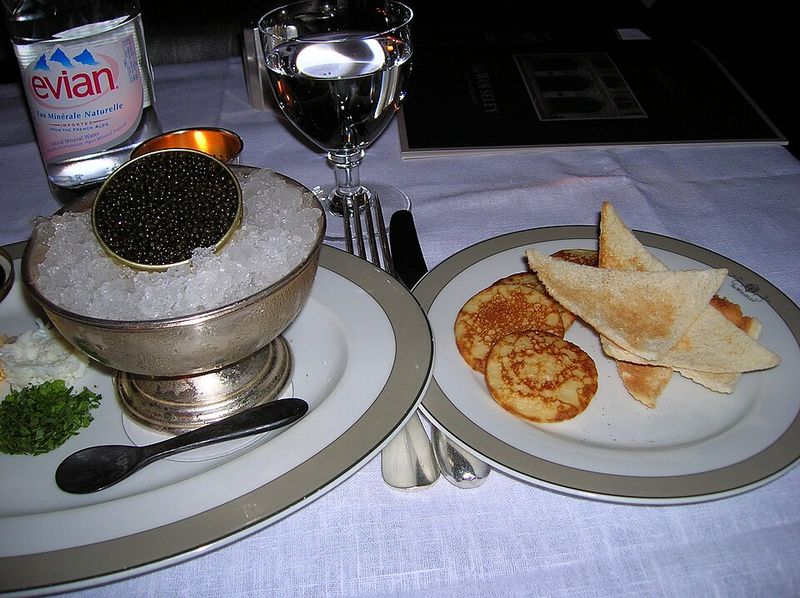
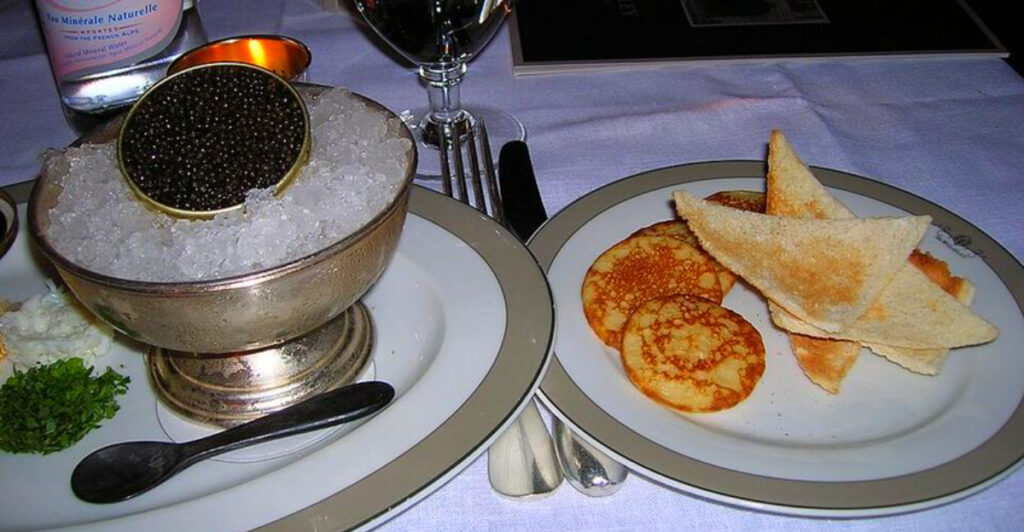
Beluga sturgeon are critically endangered, and that status drives strict U.S. trade bans. Importing beluga caviar or products is prohibited to protect the species. The goal is to reduce pressure on fragile wild populations.
You can still find other caviar varieties from sustainable farms and different species. Beluga’s mystique remains, but conservation ethics rule the market here. If you care about future abundance, the restriction is easy to support.
10. Bushmeat – wild monkey, bat, cane rat meats
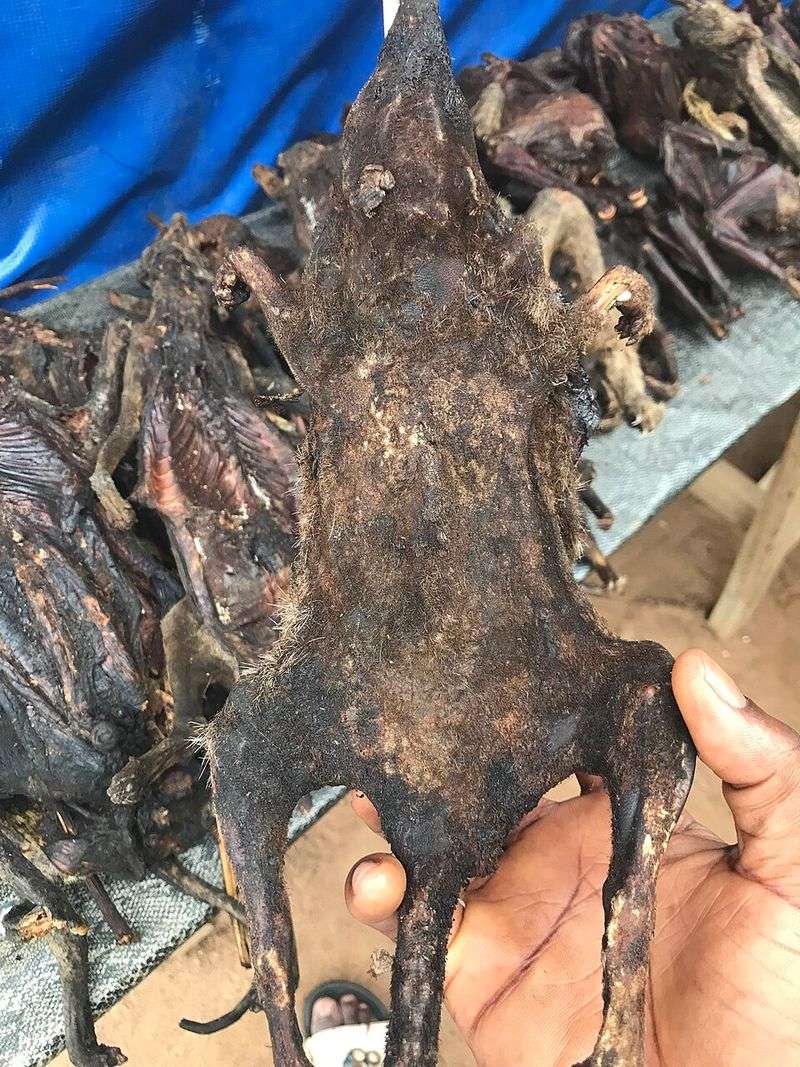
Bushmeat spans wildlife like monkeys, bats, and cane rats, and it comes with major disease risks. U.S. Customs and Border Protection prohibits all bushmeat imports to stop zoonotic threats and illegal trade. The rules protect both public health and biodiversity.
You might see stories about seizures at airports. Officials enforce a zero-tolerance approach because pathogens can hitch a ride. For travelers, the safest choice is to leave any wild game products abroad.
11. Blood Pudding – Black Pudding (Certain foreign versions)
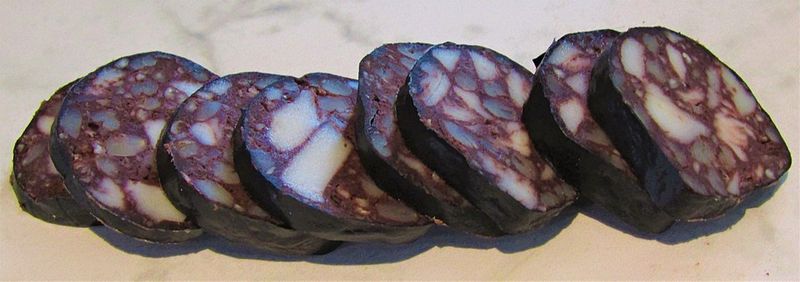
Blood puddings vary by country, but imported versions can run into inspection issues. The U.S. restricts foods made from foreign animal blood unless they meet USDA standards. Many small producers abroad lack the required documentation and oversight.
If you love a full Irish breakfast, you will find domestic versions that comply. The flavor can be close, though traditionalists notice differences. The rule is less about the dish itself and more about verified sourcing and processing.
12. Horse Meat (Europe, Japan, Argentina)
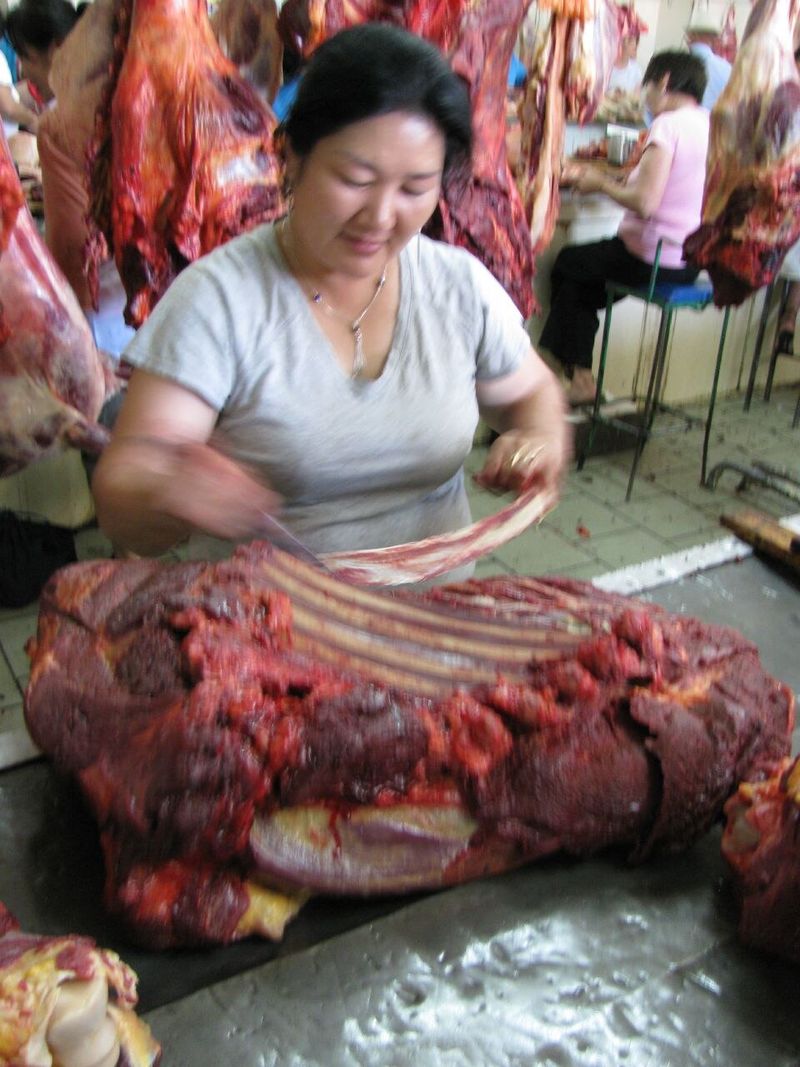
Eating horse meat is not outright illegal in the U.S., but there is a catch. Without federally funded inspections, commercial slaughter and regular imports are effectively blocked. No inspection means no lawful sale in typical markets.
You may hear debates about culture and ethics around this meat. In practice, access remains nearly nonexistent due to the inspection roadblock. It is a policy choice that keeps horse meat off American menus.
13. Sassafras Oil

Sassafras oil once flavored old-time sodas and candies. The problem is safrole, a carcinogenic compound, which led the FDA to prohibit it as a food additive. That ban covers direct use of the oil in foods and beverages.
You can still enjoy root beer, but modern formulas rely on safrole-free flavorings. The nostalgic taste lives on without the risky chemistry. It is a classic case of updating tradition to meet contemporary safety science.
14. Mirabelle Plums (France)
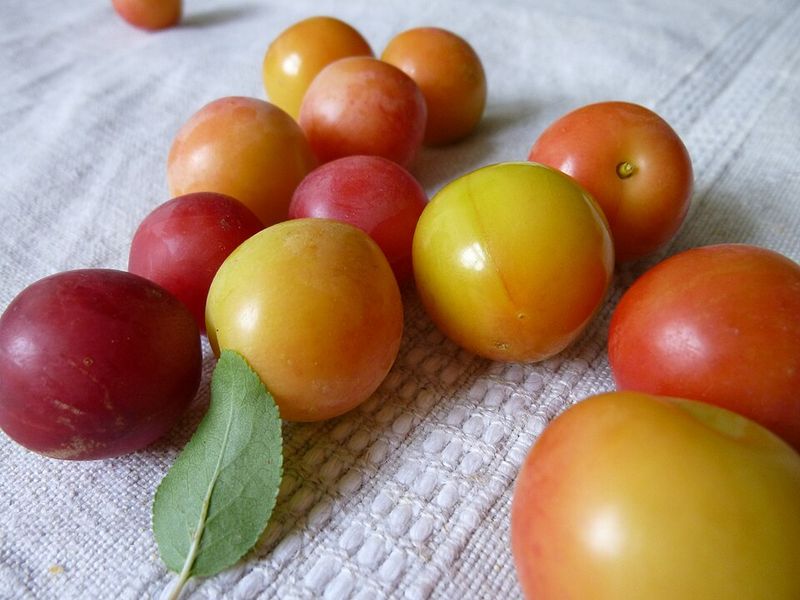
Mirabelles have a cult following in France, but U.S. imports have long been restricted by plant-quarantine rules. The concern is hitchhiking pests and diseases that could harm domestic orchards. Limited exceptions exist through negotiated trade deals, yet general availability stays scarce.
If you are craving the real thing, you will likely find only small, special shipments. Domestic substitutes can be lovely, but devotees swear the French originals are unique. Protection of agriculture explains the cautious approach.
15. Foie Gras from Force-Feeding Producers
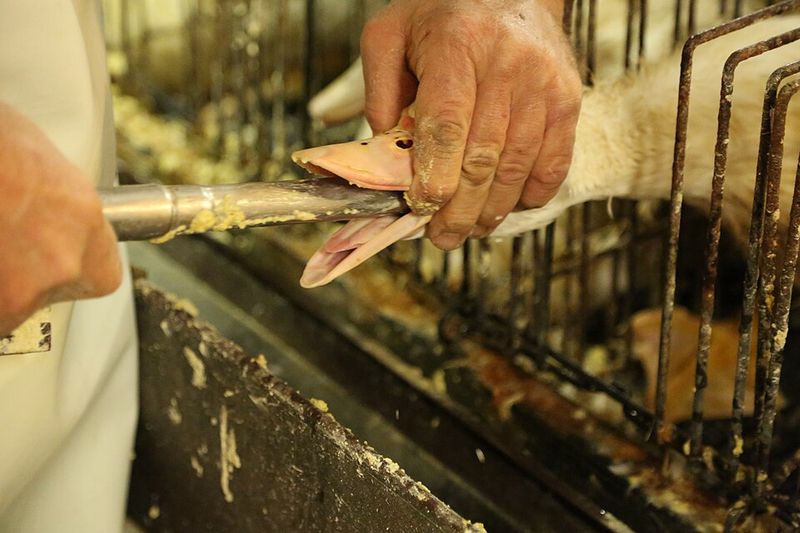
Foie gras laws in the U.S. vary, but many jurisdictions restrict products made through force-feeding. Some imports are blocked depending on sourcing practices and local animal-welfare rules. Restaurants thread a needle between culinary tradition and evolving ethics.
If you adore the silky richness, check local regulations before ordering. Producers using alternative methods promote humane claims, but acceptance differs. The landscape keeps shifting as courts and councils refine the boundaries.
Share this story