I pulled off a quiet Oklahoma highway expecting a quick stretch and a sign or two, and ended up losing an entire afternoon. Stone walls poked out of tall grass, old cabins leaned into the breeze, and every path seemed to lead to another story.
Places like this are easy to miss, but they hold pieces of the past you can actually walk through. Pack a snack, bring your curiosity, and get ready to explore a frontier fort that feels like a ghost town waiting to be found.
A Frontier Fort Hiding Along OK-199
Out on OK-199 in southern Oklahoma, a short drive from Durant, sits one of the state’s most rewarding history stops. Fort Washita Historic Site spreads across rolling grassland at 3348 OK-199, and it rarely draws big crowds.
That quiet is part of the charm.
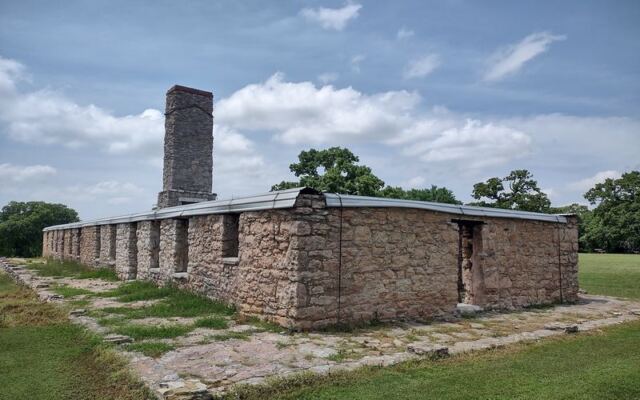
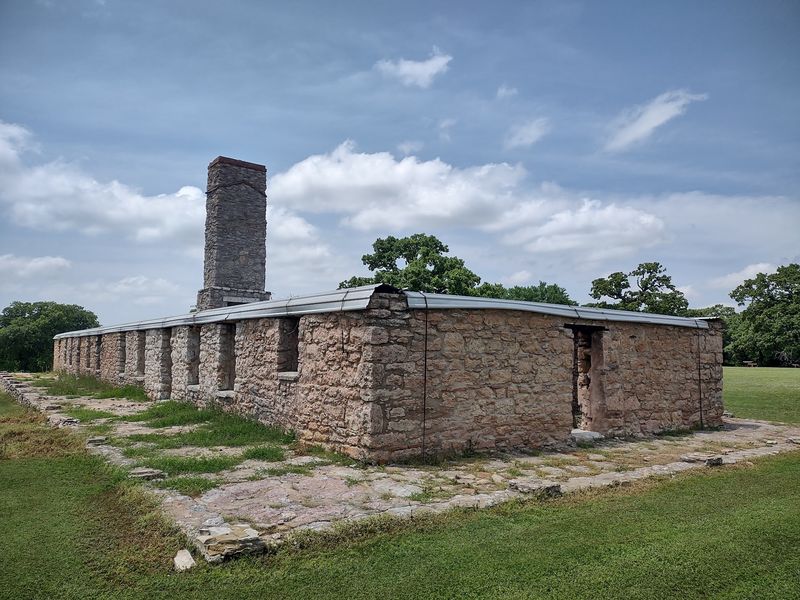
The site mixes stone ruins, original building foundations, and reproduction structures, all tied together by walking paths. Visitors describe it as a place where you can roam freely, read the signs at your own pace, and imagine life on the old frontier.
One traveler even called it a fun little hidden gem found just a few miles from a softball tournament.
Calling it a ghost town trail fits nicely. There are no shops or busy streets here, only the outlines of a community that once bustled and now rests under open sky.
Grass grows around crumbling walls, and the wind does most of the talking.
Admission is free, and so is parking, which makes it an easy add-on for road-trippers passing through Bryan County. Whether you plan an hour or a full day, the fort rewards anyone willing to step out of the car and start walking.
Layers of Old West and Southern History
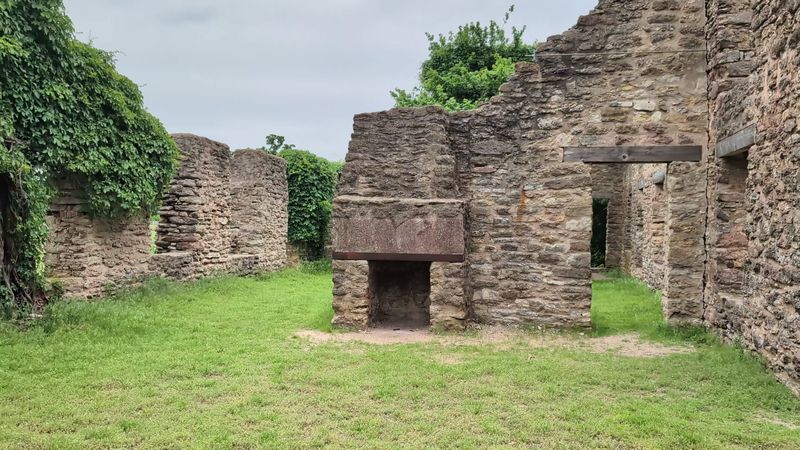
History buffs, take note: few Oklahoma sites pack this many eras into one patch of prairie. Visitors talk about finding both Old West history and Southern history here, a mix that makes the fort feel bigger than its footprint.
One guest even mentioned that a future president spent time at the fort at one point, a fun bit of trivia that tends to surprise people. The staff can fill in those details far better than any sign, so ask questions while you are inside.
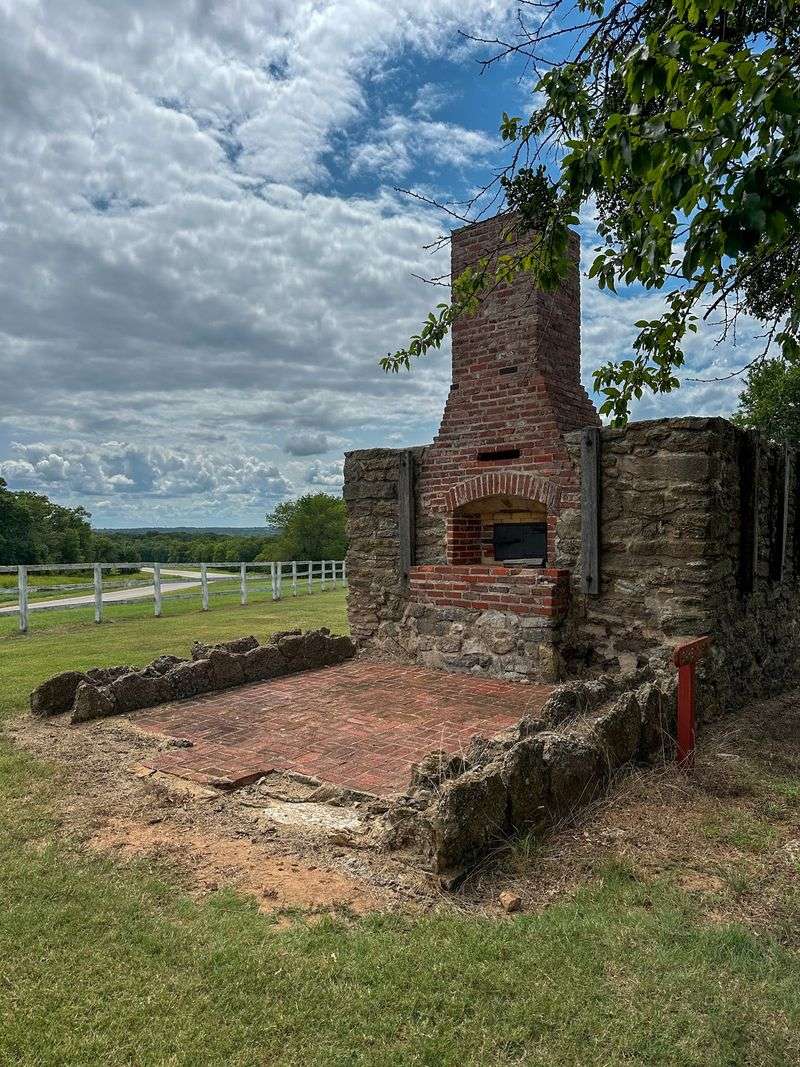
Rather than a polished museum where everything sits behind glass, the fort lets you stand where soldiers and settlers once worked. Original foundations show exactly where buildings stood, while reproduction structures help you picture how they looked.
Together they give the site a strong sense of authenticity that guests often praise.
Several people describe feeling the weight of the past as they walk through. The ruins are silent, but they hint at a turbulent chapter in the nation’s story, including the Civil War years.
Plan to read slowly. The signage covers highlights well, and each stop adds another layer to the bigger picture of how this corner of Oklahoma took shape.
Stone Ruins and Walls Full of Fossils
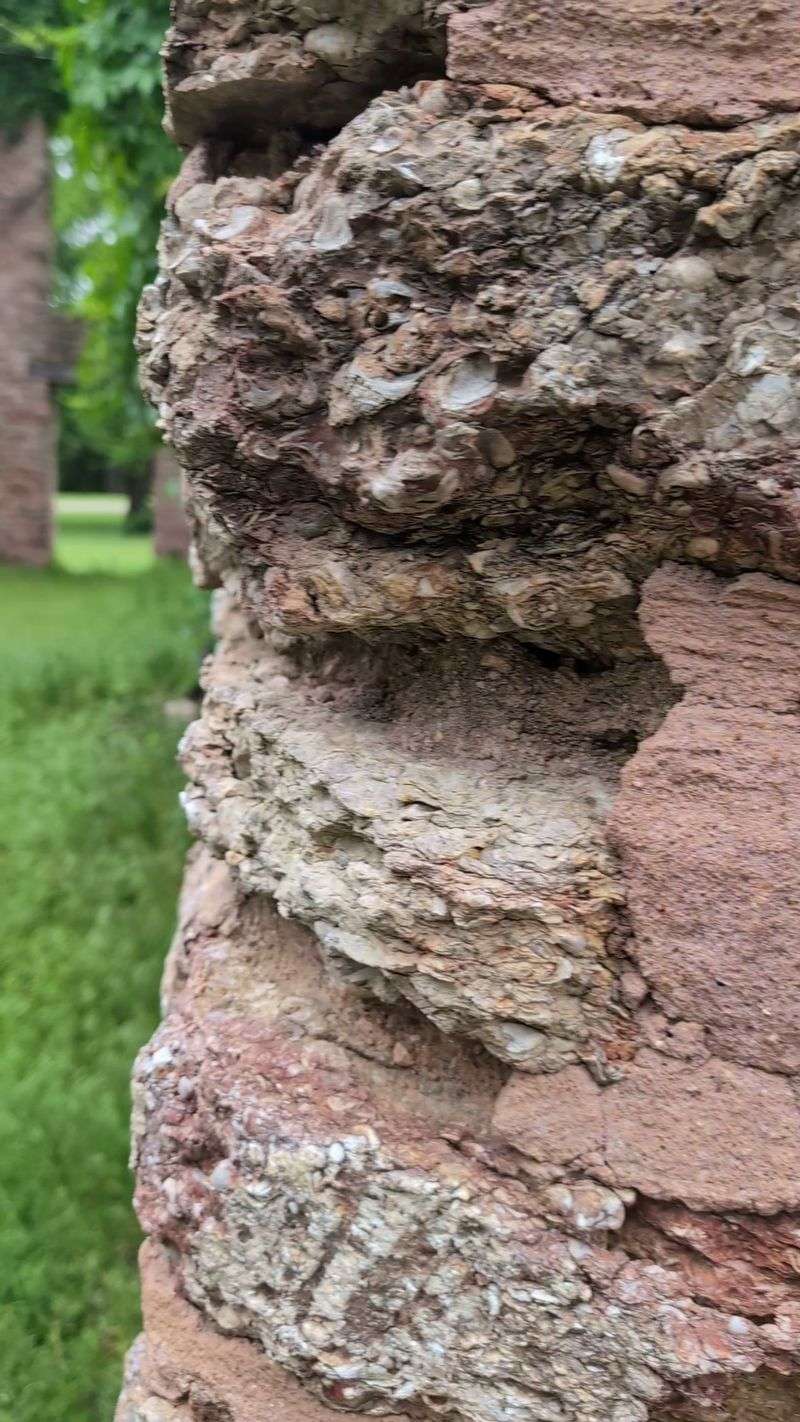
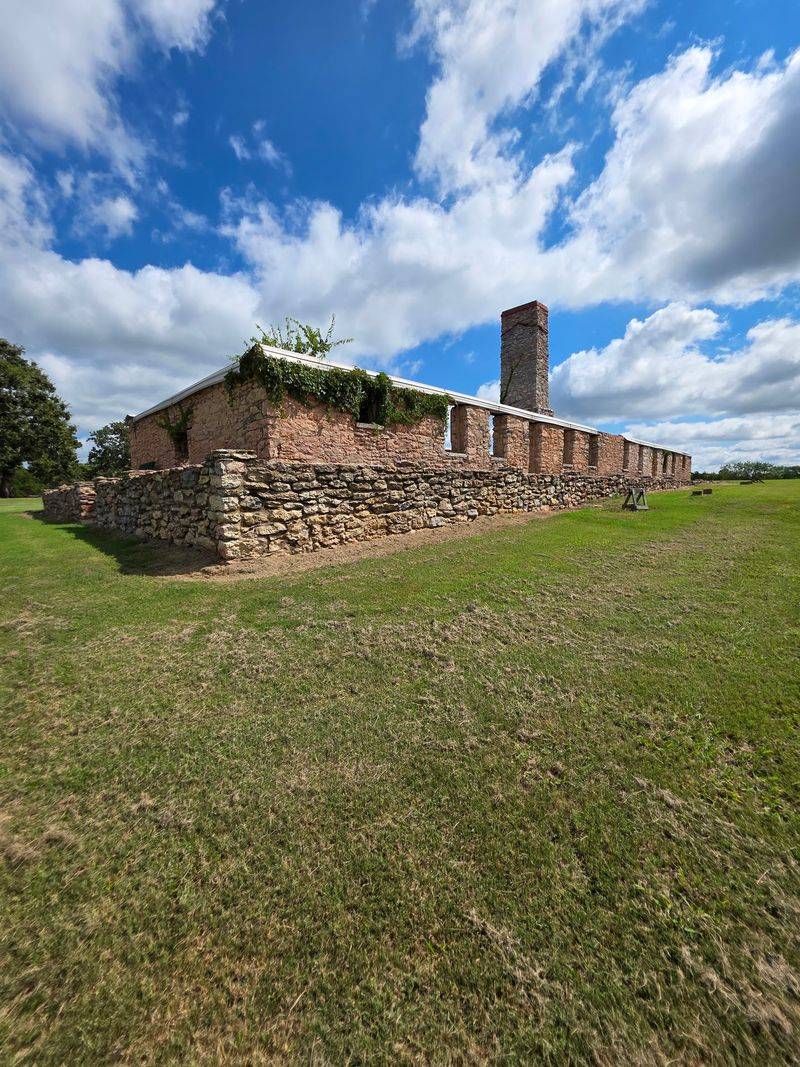
Lean in close to the old walls and you might spot something unexpected. One delighted visitor pointed out that the walls are made of fossils, tiny remnants of ancient life pressed right into the stone.
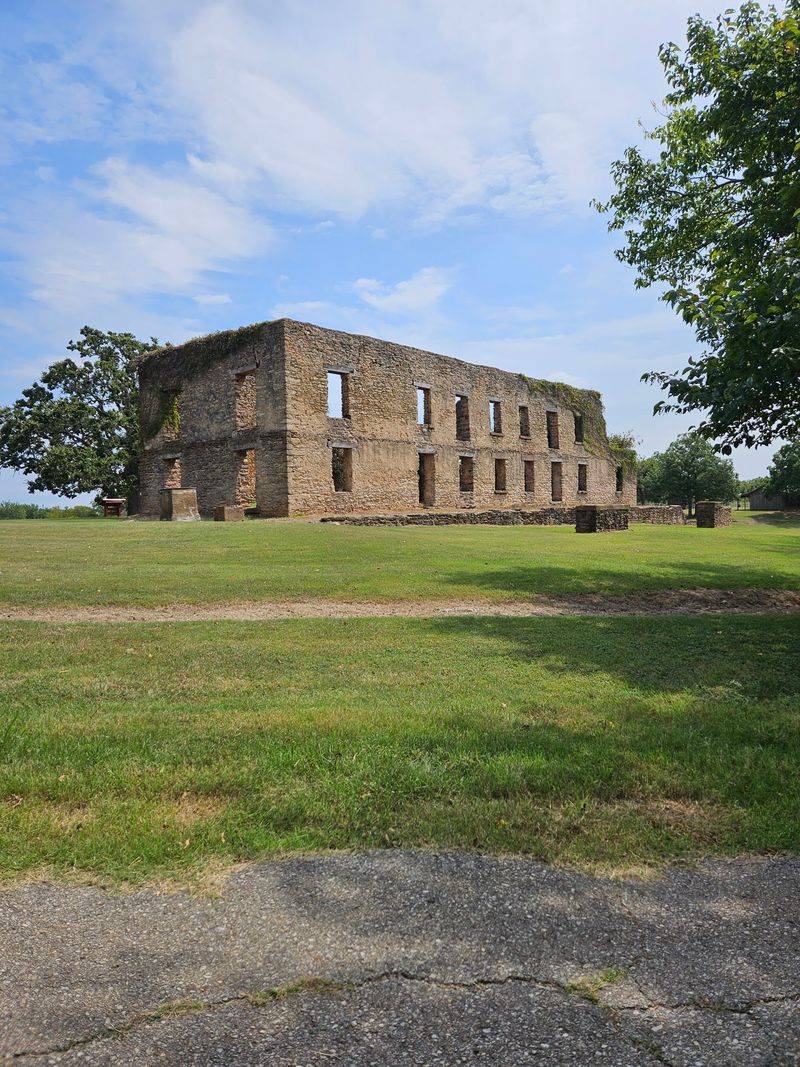
That detail turns a simple walk into a treasure hunt, especially for kids. Ruins sit scattered across the grounds, some standing tall and others reduced to low outlines in the grass.
Each one invites you to guess what the building used to be before checking the nearby sign.
Photographers love these spots. The rough texture of the stone, the soft green fields, and wide Oklahoma skies make for frame-worthy shots in nearly any season.
Guests regularly mention how nice it is to wander and snap photos without feeling rushed.
The original foundations deserve attention too. They are quieter than the taller ruins, yet they map out the fort’s layout like a giant blueprint laid on the ground.
Bring comfortable shoes and take your time. The paths are well maintained, so getting from ruin to ruin is easy, and you can circle back to favorites as often as you like.
Patience here pays off with small surprises in every wall.
Log Cabins and Reproduction Buildings
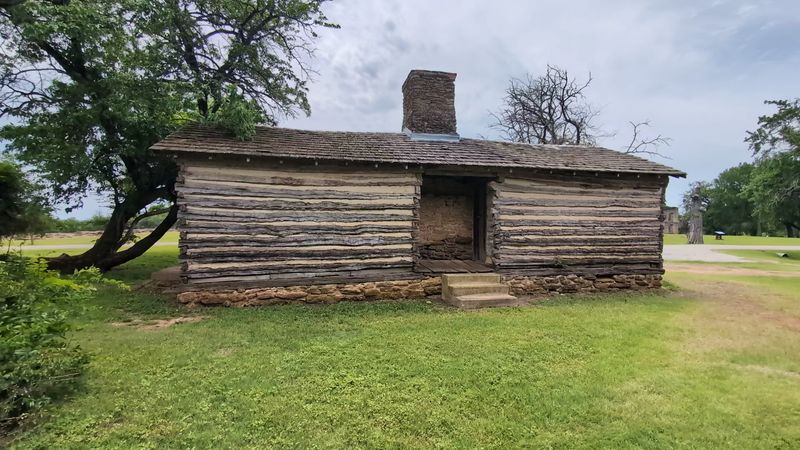
Picture a weathered log cabin standing alone in a field, its timbers stacked like a giant puzzle. Moments like that are why so many guests remember the historic cabins at Fort Washita long after they leave.
Visitors describe the log buildings as genuinely interesting to look at, and the reproduction structures help fill gaps that the ruins cannot. Where a crumbling wall leaves you guessing, a rebuilt building answers the question of what daily life looked like.
Walking between these structures gives the whole site that ghost town mood. Doors and windows frame views of empty fields, and it is easy to imagine voices, footsteps, and cooking fires from long ago.
Families find the cabins especially helpful for younger explorers. Kids can see real-world shapes and sizes instead of trying to picture everything from a textbook paragraph.
It makes the frontier feel close and touchable.
Pair your cabin visit with a stop at nearby ruins to compare old and new. That back-and-forth shows how carefully the site has been preserved, something guests praise again and again when they mention the fantastic upkeep across the grounds.
Friendly Faces Inside the Visitor Center
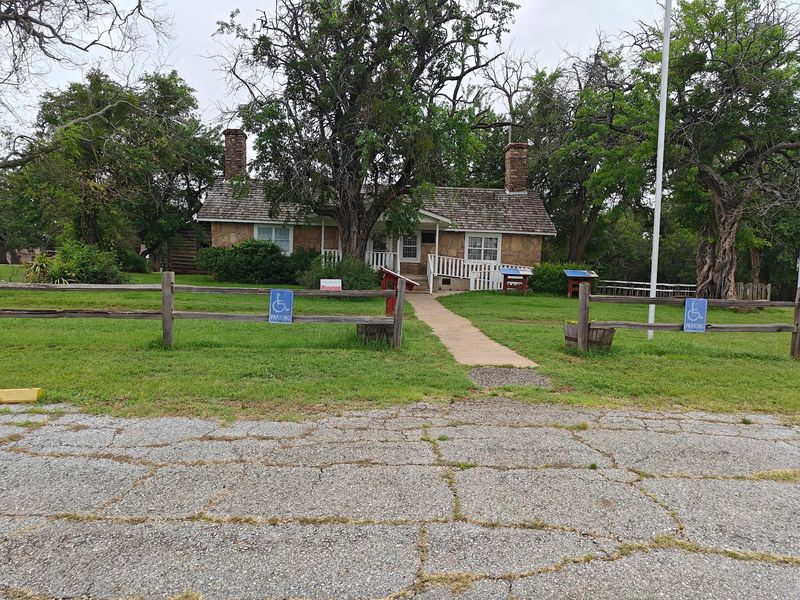
Ask almost anyone who has visited, and they will mention the people first. Staff members at the visitor center earn constant praise for being friendly, patient, and incredibly knowledgeable.
Several guests recall a staff member who answered every question and shared so much information that the whole site suddenly made sense. Others say the team helped them truly understand what they were seeing outside.
That kind of personal touch is rare and worth seeking out.
The visitor center doubles as a small museum, so it makes a smart first stop. A quick look around gives you context before heading out to the ruins, and there is no cost to learn more inside.
A modest gift shop sits here too. Visitors appreciate that it keeps things simple and historical, and that the small gifts are not overpriced.
It is a nice place to grab a souvenir without feeling pressured.
One older story even tells of a kind staffer who let a late arrival drive around after hours. Generosity like that sums up the spirit of the place.
Stop in, say hello, and let the experts point you toward their favorite corners of the fort.
Rendezvous Days, Reenactments, and October Lore
Crackling campfires, traditional music, and costumed reenactors transform the quiet grounds during special events. Guests who attend the Rendezvous say it feels like stepping straight into the 1800s.
Camps spread across the fields showcase blacksmithing, leatherworking, open-fire cooking, and traditional crafts. Traders sell handmade soaps, leather goods, and period clothing, while hearty stews and cornbread keep visitors fueled.
Kids are encouraged to explore, try old skills, and even dress up.
Reenactments pop up throughout the year too, covering the Civil War along with World War I and II eras, according to visitors. School groups mention enjoying the booming demonstrations, and one reenactor shared that their group was welcomed to set up and chat with the public.
Then there is October. Local lore says the fort has its share of ghostly tales, and Ghost Tours during the fall season draw curious crowds eager for a spooky stroll.
Whether you believe the stories or simply enjoy a good one, it is a fun way to see the grounds in a new light.
Event dates change, so check the fort’s Facebook page or website before planning around a specific gathering.
Hours, Free Admission, and Smart Planning Tips
Good news for budget travelers: everything here is free. Admission costs nothing, parking costs nothing, and visitors still wonder how a site with this much history skips an entrance fee.
Fort Washita is open Tuesday through Saturday from 9 AM to 4:30 PM, and it is closed on Sunday and Monday. Arrive early if you can.
One traveler pulled in just twenty minutes before closing and wished they had more time.
How long should you stay? Some guests spend more than four hours walking the grounds, while another suggested making it a full day trip.
A relaxed two-hour visit covers the highlights, but extra time lets you linger at the ruins and chat with staff.
Summer in southern Oklahoma gets hot, and visitors strongly recommend bringing plenty of water. Sunscreen and a hat help too, since much of the walking happens in open fields.
For questions, call +1 580-924-6502 or visit the site’s page on battlefields.org. Hours can shift seasonally, so checking ahead is wise.
The fort sits at 3348 OK-199, and campers staying nearby say it makes an easy, rewarding outing.
Why the Trip Is Worth It
Some places shout for attention, and others simply wait for you to notice them. Fort Washita belongs firmly in the second group, and that is exactly what makes it special.
Visitors call it a beautiful park for clearing your mind, a relaxing environment, and a fun, educational outing for kids. It suits history fans, photographers, families, and road-trippers who want something more meaningful than a quick roadside snack stop.
The combination is hard to beat. You get stone ruins, original foundations, rebuilt cabins, fossils in the walls, friendly guides, and seasonal events that bring the frontier back to life.
All of it comes without an admission fee.
One school field trip family loved it so much they planned a return visit just for themselves. That kind of repeat enthusiasm says plenty about how the fort sticks with people.
So the next time you are cruising through southern Oklahoma, swing down OK-199 and give yourself a few hours. Walk the grassy paths, ask the staff a question or two, and let the quiet ruins tell their stories.
Chances are you will leave already plotting your next visit.
Share this story