Imagine a place where history is not something you read about behind glass, but something you watch, touch, and almost smell. Deep in the hills of West Virginia, there is a reconstructed frontier fort that pulls you back to the 1700s with surprising force.
Costumed interpreters hammer iron, spin thread, and share stories of families who banded together for survival in a wilderness that had no margin for error. The setting alone, where two waterways meet beneath open skies, is enough to make you forget what century you are standing in.
This article walks you through twelve compelling reasons why this living history site deserves a spot on your travel list, from its hand-hewn log palisades to its rare firearm manufacturing demonstrations. Keep reading, because some of what you will discover here is genuinely unexpected.
Where the Rivers Meet: The Fort’s Location and Origins
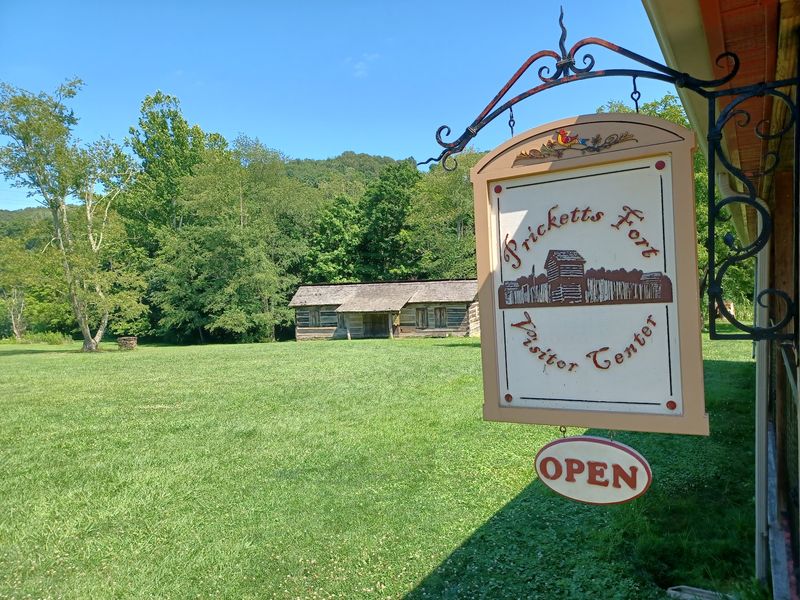
Few historical sites announce themselves with as much natural drama as this one. Pricketts Fort State Park sits at 88 State Park Road, Fairmont, West Virginia 26554, perched on a gentle rise where Prickett’s Creek flows into the Monongahela River.
That geography was not chosen by accident.
The original fort was built in 1774 on land belonging to Jacob Prickett, and its elevated position gave settlers a commanding view of potential threats approaching from the waterways below. When danger loomed, as many as eighty families would gather inside the palisade in a practice known as “forting up,” sometimes remaining for weeks at a stretch.
The current reconstruction was completed in 1976 by the Prickett’s Fort Memorial Foundation and spans 188 acres of rolling West Virginia landscape. Every timber and blockhouse corner reflects careful research into what a real refuge fort of the era would have looked like, making the first impression genuinely powerful.
The Log Palisade Up Close: Architecture Built for Survival
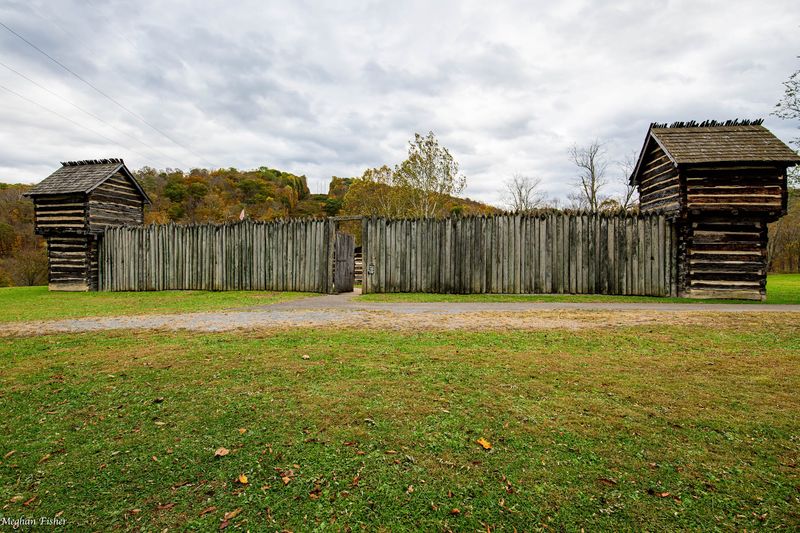
The moment you stand next to the palisade wall, the scale of it changes something in your perspective. These are not decorative timbers.
Each log is thick, upright, and sharpened at the top, arranged in a tight formation that would have made any approach from outside feel genuinely risky.
At each of the four corners, a two-story blockhouse rises above the main wall, giving defenders an elevated angle to cover the ground below. The upper floor of each blockhouse overhangs the lower one slightly, a design feature that prevented attackers from pressing against the base of the wall without being exposed from above.
Inside the palisade, fourteen small individual cabins line the inner walls, recreating the cramped but communal experience of families sheltering together during extended periods of uncertainty. A central meeting house and storehouse anchor the interior space.
The whole arrangement feels less like a museum exhibit and more like a place people actually lived, which is precisely the point.
Living History in Action: The Costumed Interpreters
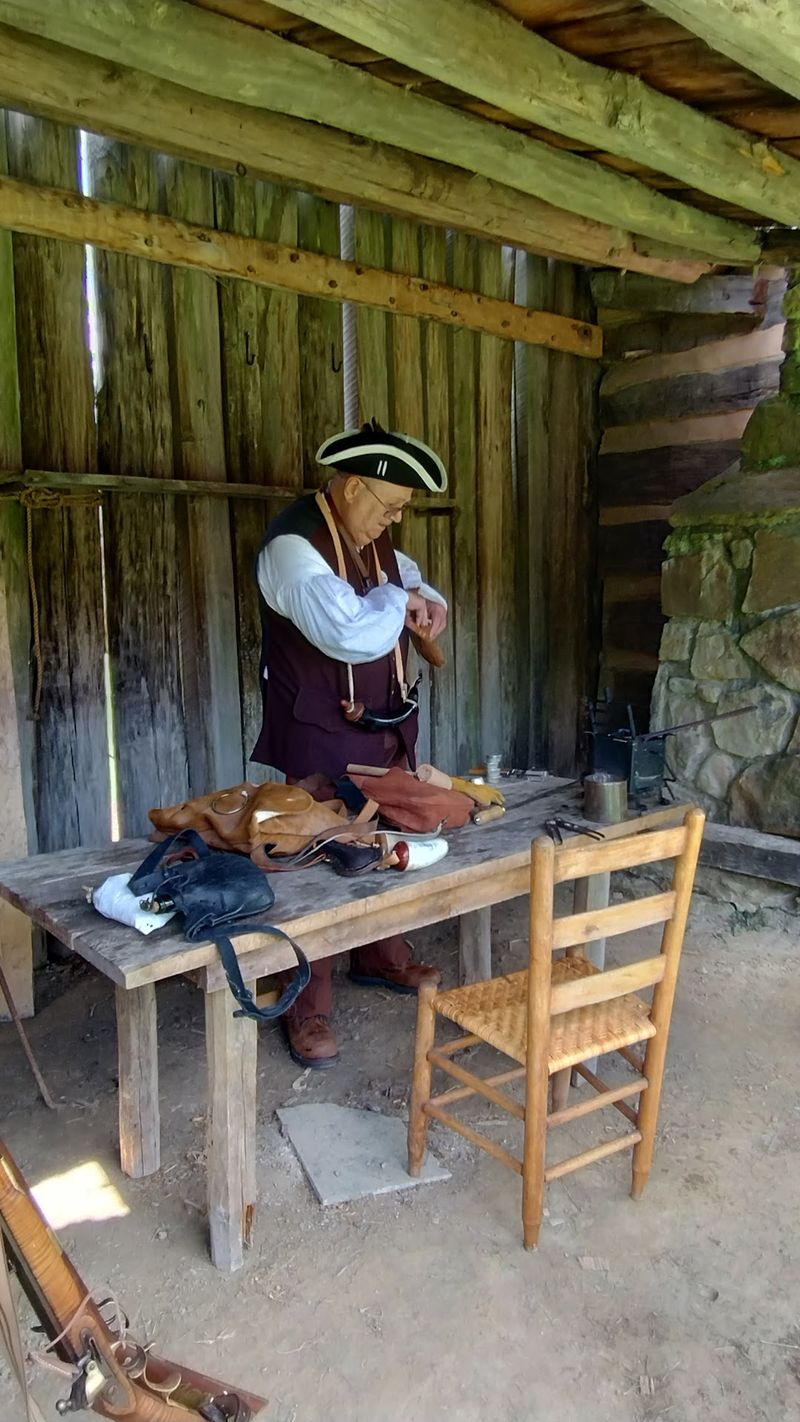
History has a way of staying abstract until someone looks you in the eye and explains what it actually felt like to live it. The costumed interpreters at this park do exactly that, and they do it with a depth of knowledge that catches most visitors off guard.
Each interpreter embodies a specific character rooted in the late 18th century, and they stay in character while fielding questions, demonstrating skills, and guiding visitors through the fort’s interior spaces. Families with children tend to find this format especially engaging, because the kids can ask as many questions as they want without feeling like they are interrupting a lecture.
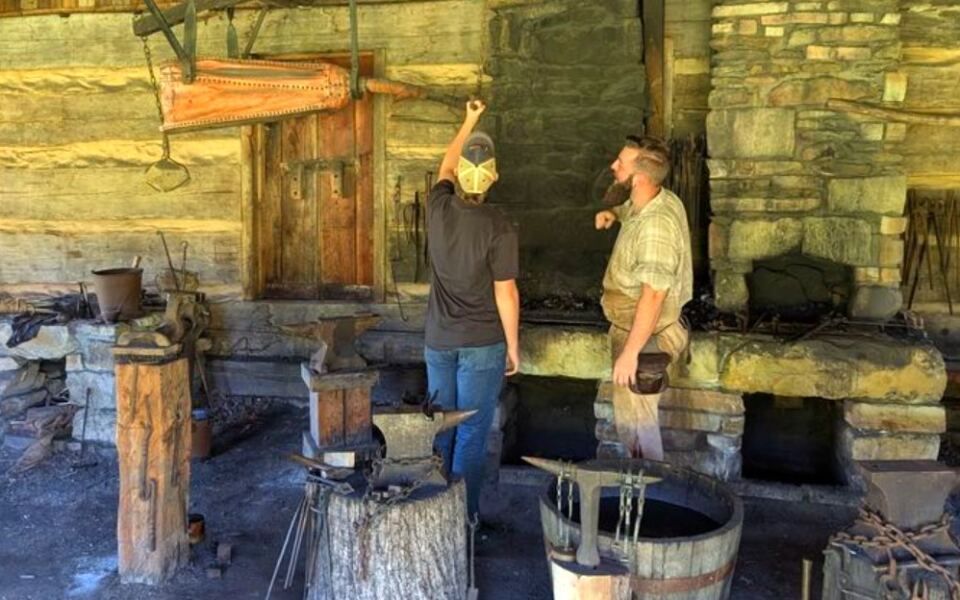
The interpreters working the spinning wheels and looms are particularly well-informed, able to walk visitors through every stage of the fiber-to-fabric process without missing a beat. The blacksmith is equally impressive, and on good days, he will let a visitor with some prior metalworking experience try their hand at the anvil, turning observation into a hands-on memory.
The Only Place in West Virginia Where You Can Watch 18th-Century Guns Being Made
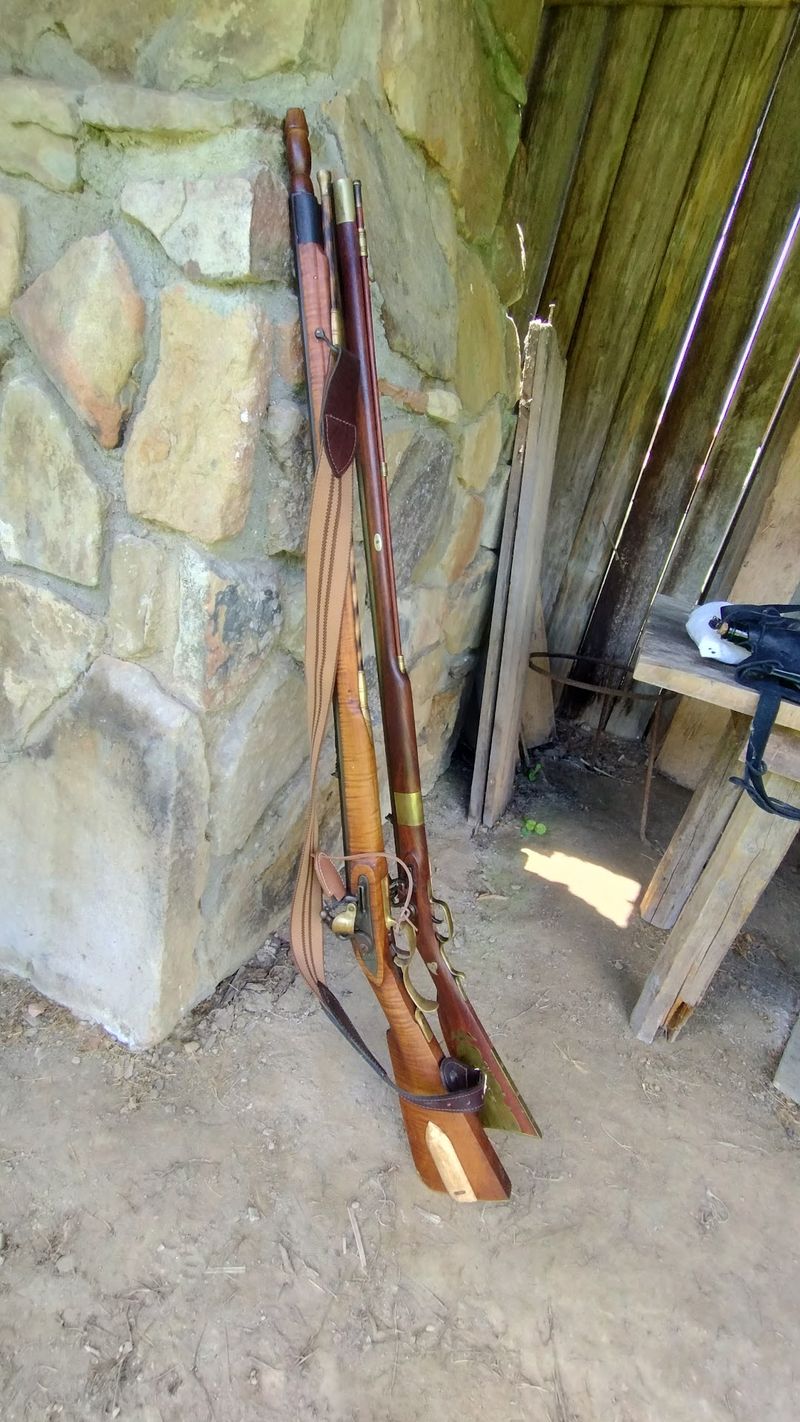
There is one demonstration at this park that you genuinely cannot find anywhere else in the entire state, and that is the live recreation of 18th-century firearm manufacturing. The gunsmith shop hosts the only public demonstrations of this craft in West Virginia, which alone makes a visit worth planning.
Watching the process unfold is a lesson in patience and precision. The parts that modern factories stamp out in seconds took frontier craftsmen hours of careful filing, fitting, and finishing by hand.
A flintlock mechanism alone involves a surprising number of interdependent components, each one needing to work in perfect coordination for the weapon to function reliably.
Beyond the technical fascination, the demonstration puts the role of firearms in frontier life into sharp focus. A well-made rifle was not a luxury; it was a tool for hunting, defense, and survival in a landscape that offered little forgiveness for equipment failure.
Watching it come together piece by piece makes that reality land with unexpected weight.
Spinning, Weaving, and the Fabric of Frontier Life
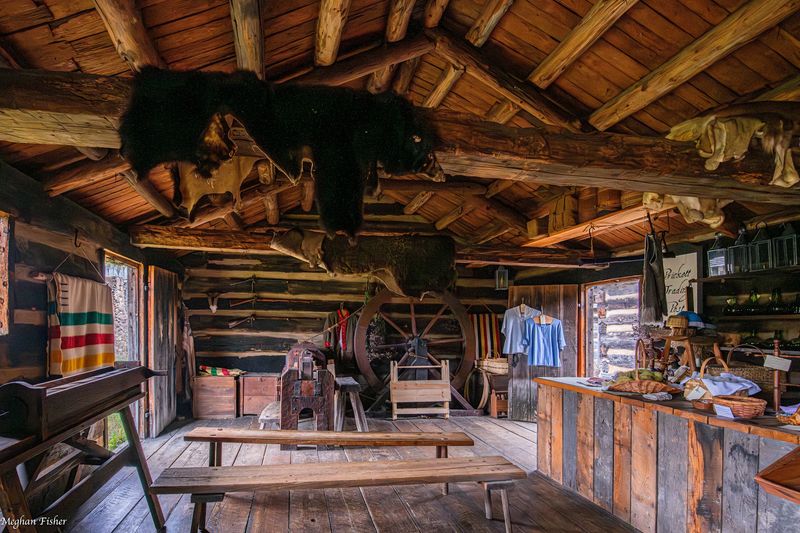
Before factories, before department stores, and before any notion of fast fashion, every thread of fabric in a frontier household had to be earned through slow, skilled, repetitive labor. The spinning and weaving demonstrations at this park make that reality tangible in a way that a history textbook simply cannot.
Flax was grown, harvested, retted, dried, broken, scutched, and hackled before it ever reached the spinning wheel. That multi-step process, demonstrated here with real tools and real fiber, gives visitors an appreciation for why a single piece of finished cloth represented significant household wealth.
Watching the wheel turn and the thread build up on the bobbin, you start to understand why clothing was mended obsessively rather than discarded.
The weavers at the loom are equally captivating, threading the shuttle back and forth with a rhythm that looks almost meditative. Children who visit often want to try it themselves, and the interpreters are patient enough to let them have a go, which tends to produce both laughter and genuine learning.
The Job Prickett House: When the Frontier Became a Homestead
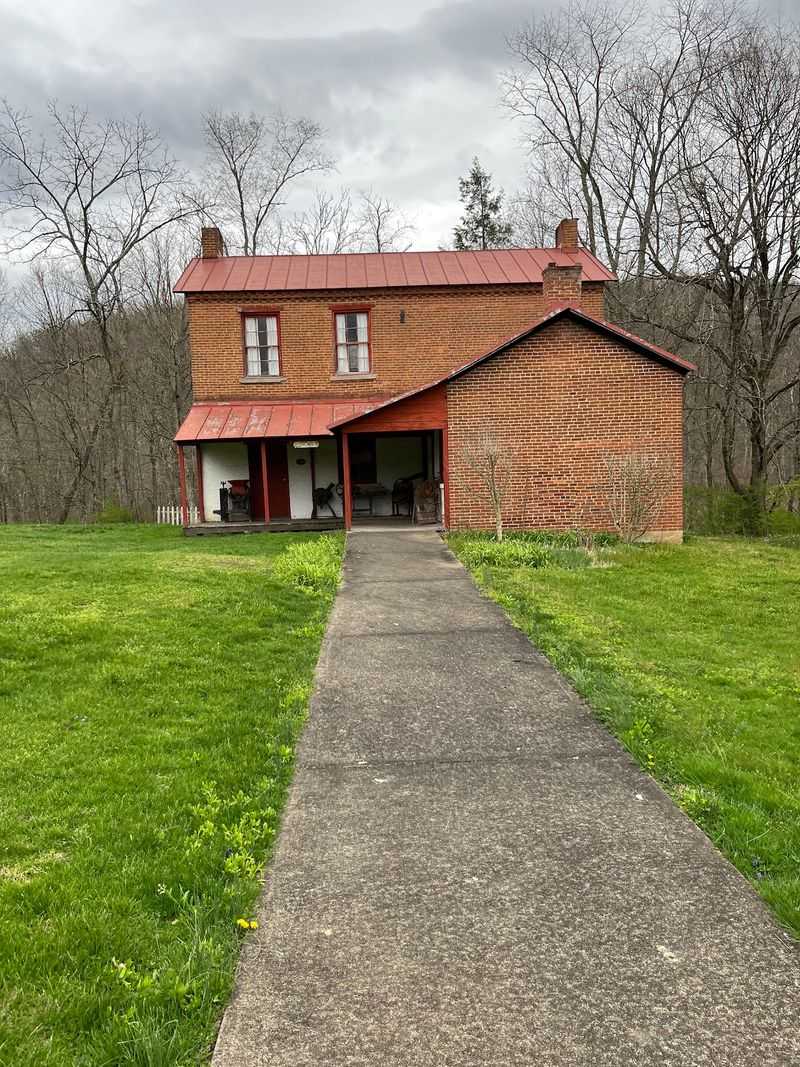
Just south of the fort, a completely different kind of history waits inside a handsome 1859 farmhouse. Built by Job Prickett, the great-grandson of Captain Jacob Prickett, this structure tells the story of what came after the frontier years, when the region settled down and families began building for comfort rather than defense.
The house is listed on the National Register of Historic Places and has been furnished with original antiques, many of which belonged to the Prickett family. Touring its rooms feels less urgent than walking the fort, more like flipping through a family album than reading a dispatch from a war zone.
The contrast between the two structures is the real lesson. Moving from the raw log palisade to the refined brick farmhouse, visitors can trace nearly a century of change in a single afternoon, watching a region transform from a perilous outpost into an established community.
That arc of progress, told through two buildings on the same property, is quietly one of the most effective history lessons the park offers.
Workshops and Events That Let You Actually Do History
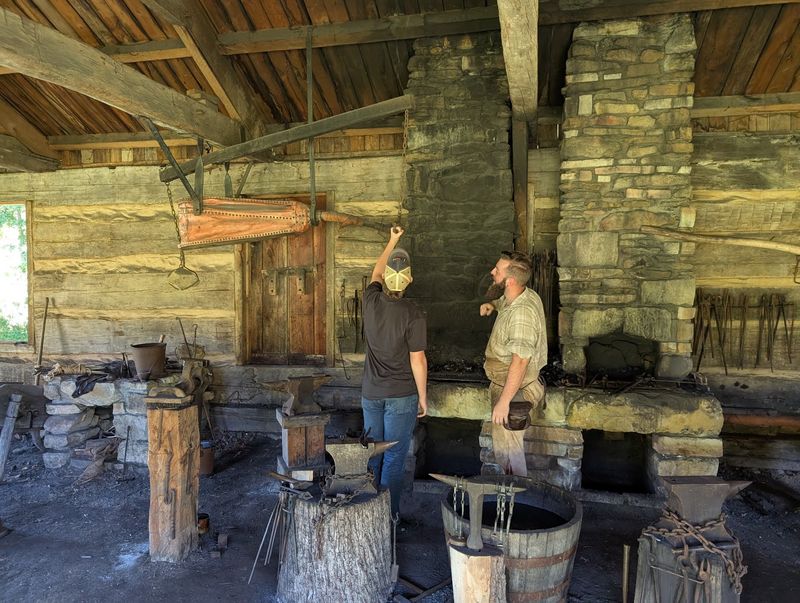
Watching a skilled craftsperson work is one thing. Getting your own hands into the process is something else entirely.
The Pricketts Fort Memorial Foundation regularly schedules historic arts workshops throughout the season, covering skills that range from blacksmithing and basket weaving to candle making and butter churning.
These workshops are not casual drop-in activities. They require focus, follow instruction, and produce something real by the end of the session, whether that is a functional iron hook, a woven basket, or a candle you made from scratch.
That tactile outcome tends to stick in the memory far longer than any guided tour.
The park’s 400-seat outdoor amphitheater adds another dimension to the calendar, hosting musicals and dramatic productions during summer months, many of which connect thematically to regional history. Before finalizing your visit dates, checking the event schedule on the park’s website is genuinely worth the two minutes it takes, because the right event can transform a good day trip into a truly memorable one.
Trails, Waterways, and the Great Outdoors Beyond the Palisade
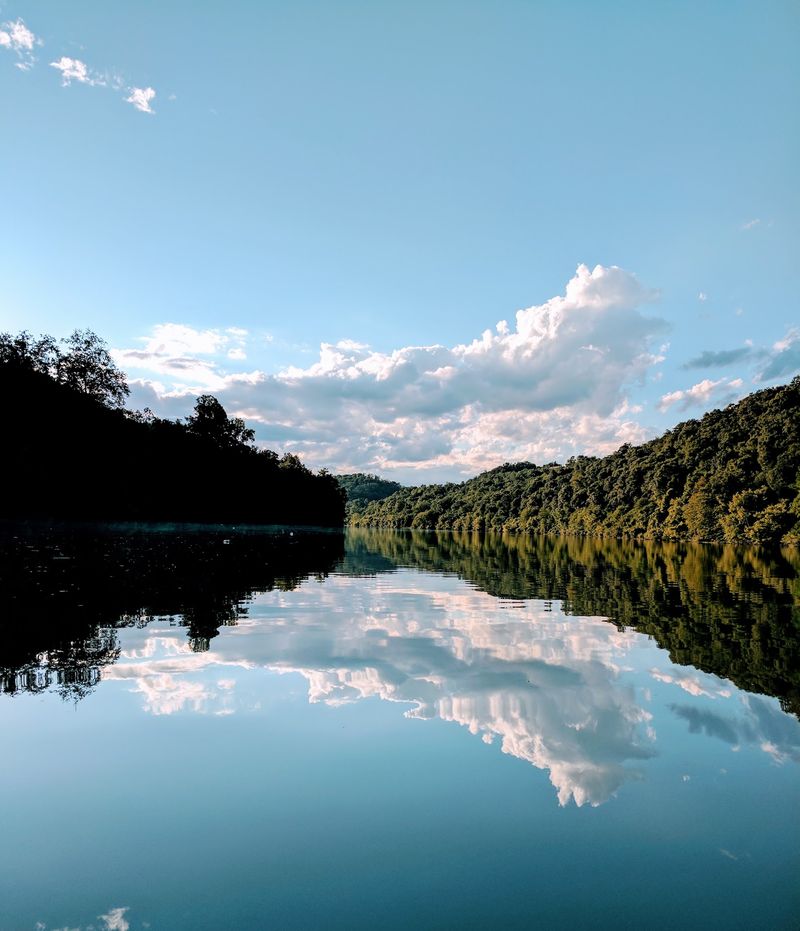
Once you have had your fill of colonial crafts and frontier architecture, the park opens up into a surprisingly robust outdoor recreation destination. The Monongahela River and Prickett’s Creek both border the property, offering calm water for boating and fishing that connects visitors to the same routes early settlers depended on for travel and food.
The Marion County Trail, a paved 2.5-mile path, begins right at the park and follows Prickett’s Creek before passing through a 1,200-foot lighted tunnel that feels like a genuinely fun surprise after an afternoon steeped in the 18th century. The trail connects to the Mon River Rail-Trail, which extends all the way to Morgantown for those who want a longer ride.
Bike rentals are available at The Junction on-site, so you do not need to arrive with your own equipment. The combination of historical immersion and active outdoor options makes this park a natural fit for families with varying interests, where the history lover and the trail enthusiast can both leave satisfied.
Nature Trails and Quiet Corners: The Park’s Gentler Side
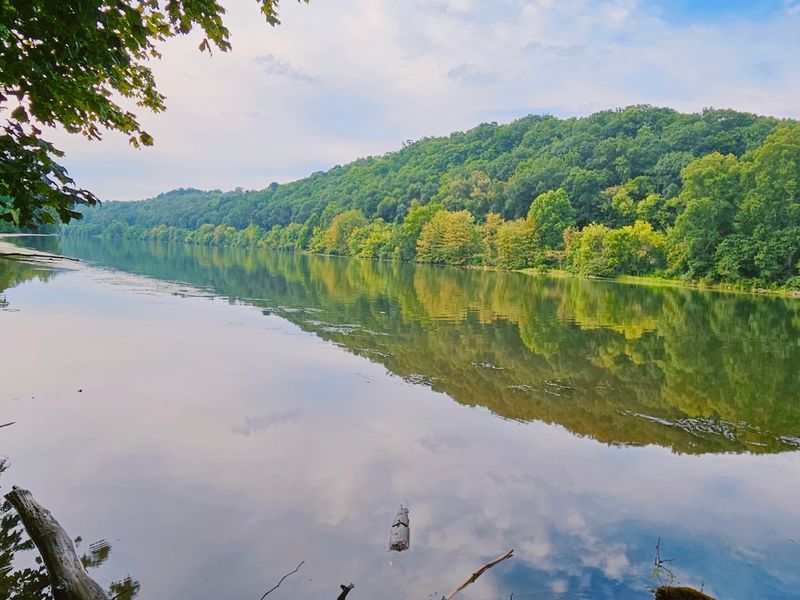
Not every moment at this park needs to be historically intense. The Nature Trail offers a quiet counterpoint to the bustle of the fort, beginning near a Wildlife Observation Platform and meandering along Prickett’s Creek through shaded woodland.
The path follows what was once an original road used by early settlers, which gives even a casual walk a faint historical undertow.
The trail ends at the historic Prickett Cemetery, a sobering and contemplative spot that puts the human cost of frontier life into perspective without requiring a single word of explanation. Mossy headstones, some barely legible, mark the final resting places of people who shaped this landscape long before it became a park.
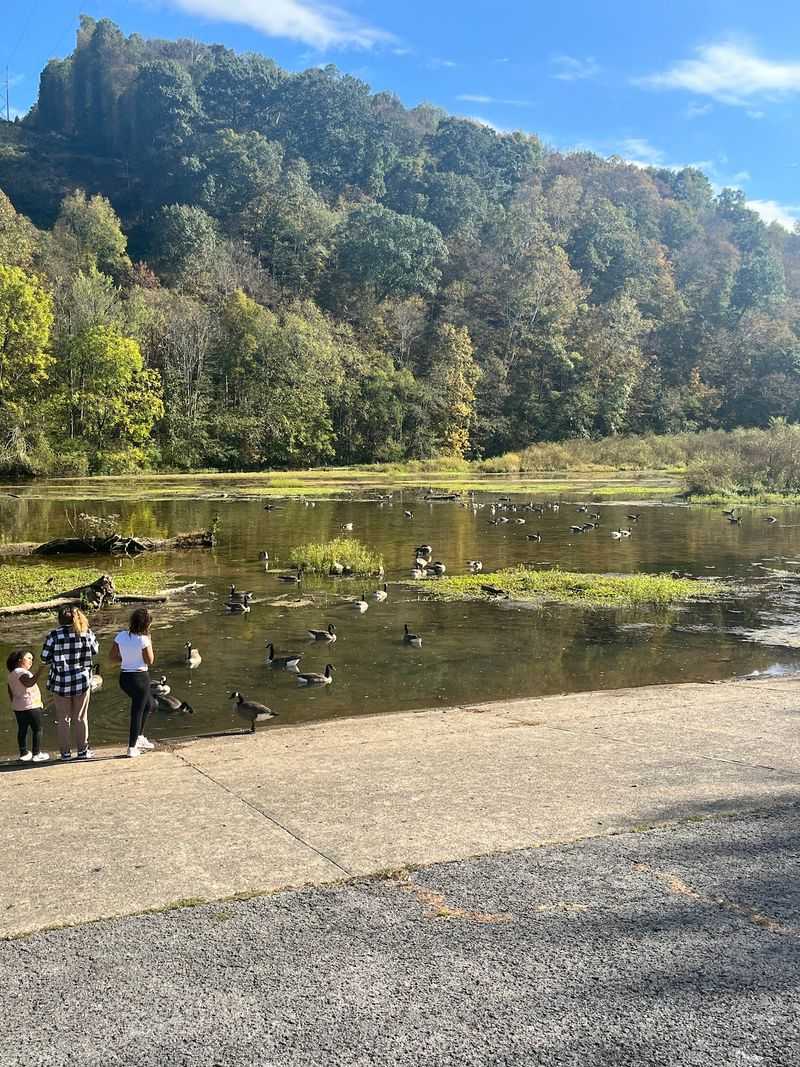
A dedicated bird observation deck near the lower parking lot looks out over Prickett’s Fort Bay, offering a calm spot to watch local waterfowl and songbirds. The park has also been noted for its enchanting picnic area by the river, where limestone outcroppings, moss, and tree shade combine into a setting that needs no historical context to feel special.
Planning Your Visit: Practical Details Worth Knowing Before You Go
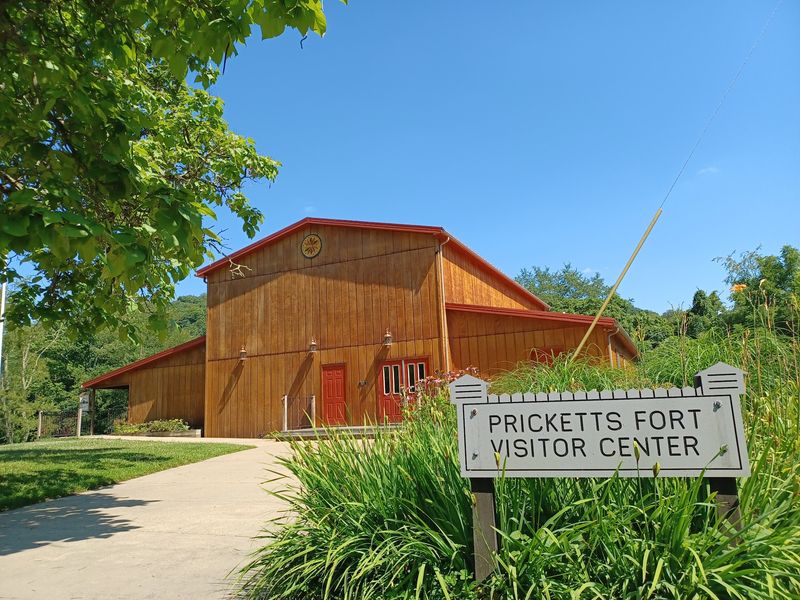
A little advance planning goes a long way at this park, especially regarding seasonal hours and what is included in the admission fee. The fort and its primary historical attractions are open from mid-April through the end of October.
After Labor Day, the fort and visitor center close on Mondays and Tuesdays, so mid-week travelers should plan accordingly.
The visitor center operates year-round, Monday through Friday, from 10:00 a.m. to 4:00 p.m., and includes a small upstairs museum with an orientation gallery and a gift shop. Admission to the fort itself is $8.00 for adults, $6.00 for seniors aged 60 and older, $4.00 for youth between 6 and 12, and free for children five and under.
That admission covers guided tours, craft demonstrations, gallery exhibits, and specialized talks, making it a strong value for the depth of experience provided. The Junction Cafe operates seasonally and is open Tuesday through Sunday, offering a convenient lunch stop.
Comfortable shoes are a practical necessity, particularly if you plan to add any trail time after the historical tour.
Family-Friendly From Start to Finish: What Kids Experience Here
Bringing children to a history site can feel like a gamble, but this park tends to win that bet consistently. The interactive format, where interpreters respond to questions in character and invite participation rather than delivering monologues, holds the attention of kids across a wide age range.
Younger children are drawn to the tactile elements: touching animal pelts in the fur trading display, trying their hand at simple frontier games, or watching a blacksmith shape glowing iron at the forge. Older kids and teenagers often find the gunsmith shop or the weaving demonstrations more compelling, especially when an interpreter explains the engineering logic behind a flintlock mechanism or the mathematics involved in calculating a loom pattern.
The grounds themselves are easy to navigate for visitors with mobility challenges, and the paths between the fort, the Job Prickett House, and the nature trails are manageable for most ages. Picnic tables and grills are available for families who want to extend the day with a meal outdoors, rounding out an experience that genuinely earns its high marks from visiting families.
Share this story