Thousands of West Virginia-made works, regional foods, fine art, and traditional crafts come together under one roof at Tamarack Marketplace in Beckley. Just off the West Virginia Turnpike, it is far more than the quick roadside stop many first-time visitors expect.
The marketplace represents artists and artisans from across West Virginia, with everything from hand-blown glass and pottery to paintings, jewelry, woodwork, textiles, and specialty foods. Visitors can also find rotating art exhibitions, artist demonstrations, events, and Appalachian-inspired dishes without leaving the property.
What makes Tamarack especially interesting is how much of West Virginia it manages to bring into one destination. The story behind its creation, its juried artists, and some of the unexpected things visitors can see and do inside make it worth more than a quick walk through.
The Heartbeat of Appalachian Craft: Finding the Place Itself
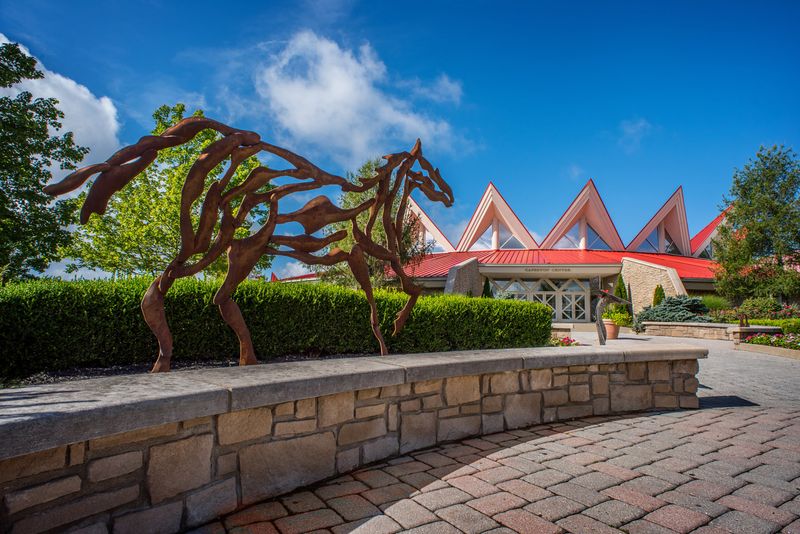
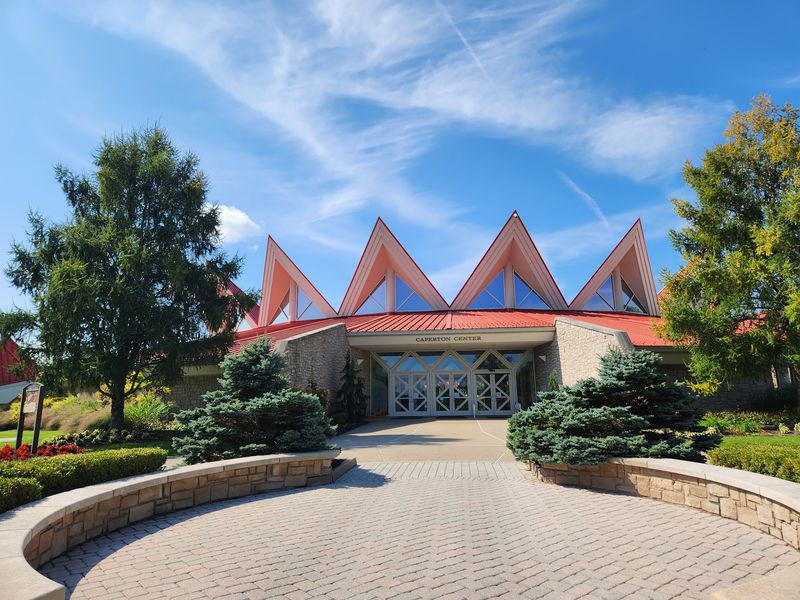
Right where Interstate 64 and Interstate 77 converge in Raleigh County, a striking red-roofed building announces itself with quiet confidence. Tamarack Marketplace sits at 1 Tamarack Place, Beckley, West Virginia 25801, just off Exit 45 on the West Virginia Turnpike, making it one of the most accessible cultural stops in the entire state.
The facility spans an impressive 59,000 square feet, and its postmodern architectural design was conceived by the Charleston-based firm Clint Bryan and Associates. From the moment you pull into the generous parking lot, the building’s silhouette against the Appalachian sky signals that something genuinely special is waiting inside.
The marketplace carries an average rating of 4.5 stars across more than 9,000 reviews, and that kind of sustained enthusiasm from real visitors tells its own story. Whether you are passing through on a long road trip or making a deliberate detour, this address deserves a spot on your itinerary.
A Bold Vision That Changed West Virginia Forever
The story behind this marketplace is as compelling as anything displayed on its walls. In 1989, Governor Gaston Caperton envisioned a centralized space where West Virginia’s finest handmade crafts could be showcased, celebrated, and sold, creating a cottage industry that would benefit artisans across all 55 counties.
The idea was genuinely groundbreaking, and it resulted in what became the first statewide collection of handmade crafts, fine art, and regional cuisine in the entire United States. Celia Burge, then the state director of economic development and tourism, led the effort to scout and recruit talented artisans from every corner of the state.
Groundbreaking ceremonies took place on August 8, 1994, and by 1996 the doors were open and already buzzing with energy. Over 1,300 artisans were selling their work, more than 450,000 people had visited, and sales had surpassed $3.3 million within that first year alone.
The ambition behind this project was matched only by its results.
Over 20,000 Works and the Artists Behind Them
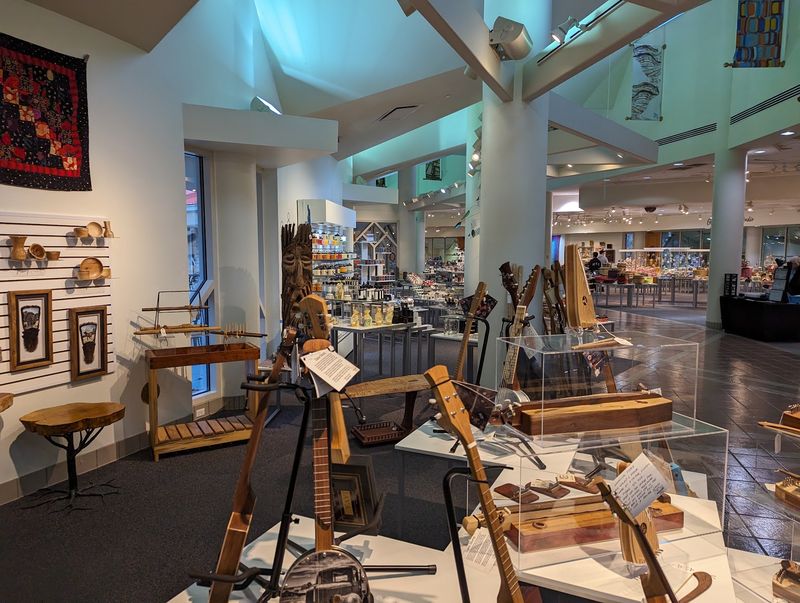
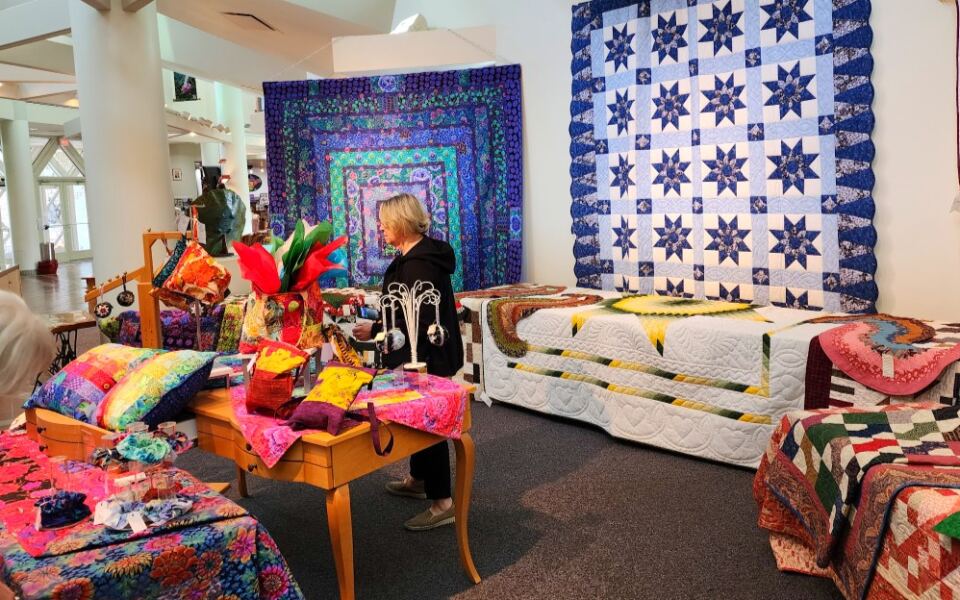
More than 2,800 juried artists and artisans from all 55 West Virginia counties have their work on display here, and the total collection tops 20,000 unique pieces. That number sounds almost unbelievable until you actually start walking the circular layout and realize that every shelf, every wall, and every display case holds something made entirely by hand.
The range of mediums is genuinely staggering. Visitors encounter intricate wood carvings, delicate hand-blown glass, finely woven textiles, handmade jewelry, metalwork, original paintings, photographs, pottery, furniture, candles, books, recordings, and specialty food items all under one roof.
The jury process that determines which artists earn a spot here is intentionally rigorous, involving a formal application, a submission review, and an in-person presentation. What makes it especially meaningful is that the jurors are often selected from among the artists already featured, creating a peer-driven standard of quality that keeps the collection authentically excellent.
Every piece here earned its place.
Watching Glass Turn Into Art Right Before Your Eyes
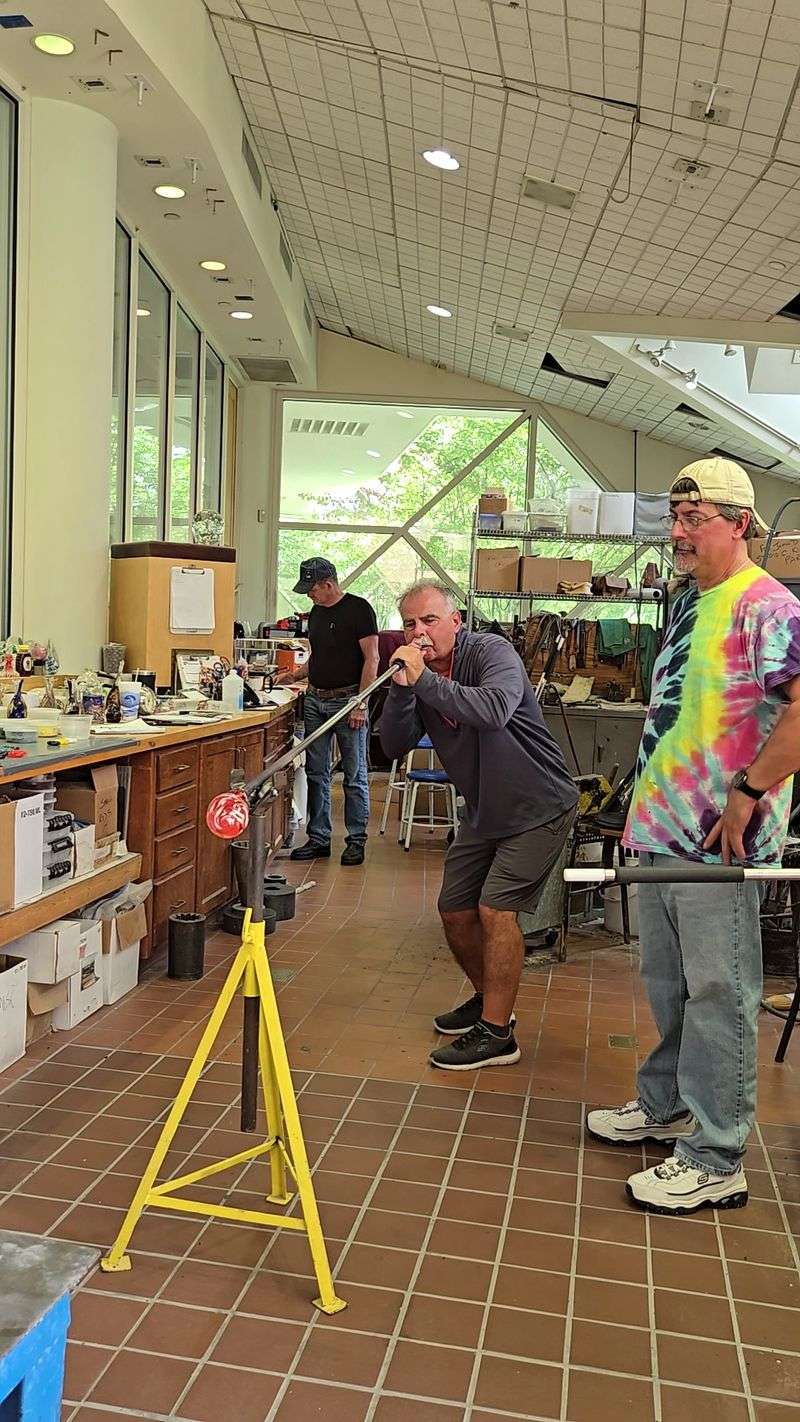
Few things in a marketplace stop a visitor cold quite like watching a skilled glassblower shape molten material into something delicate and beautiful in real time. Resident glassblower John DesMeules works in one of the five dedicated artisan studios inside Tamarack Marketplace, and his demonstrations draw curious crowds who end up staying far longer than they planned.
The glassblowing studio has a dedicated viewing area, so you can watch the full process from a comfortable vantage point without crowding the artist. Ornaments, paperweights, and elegant drinking glasses take shape right in front of you, each one unique and impossible to replicate exactly.
Beyond glassblowing, the marketplace regularly hosts craft demonstrations on weekends, particularly from spring through fall, featuring guest artisans demonstrating jewelry making, wood carving, and other traditional crafts. For those who want to go further, hands-on workshops in pottery, culinary arts, woodworking, and mixed media art are available throughout the year.
Watching is wonderful, but making something yourself is unforgettable.
Appalachian Flavors That Linger Long After You Leave
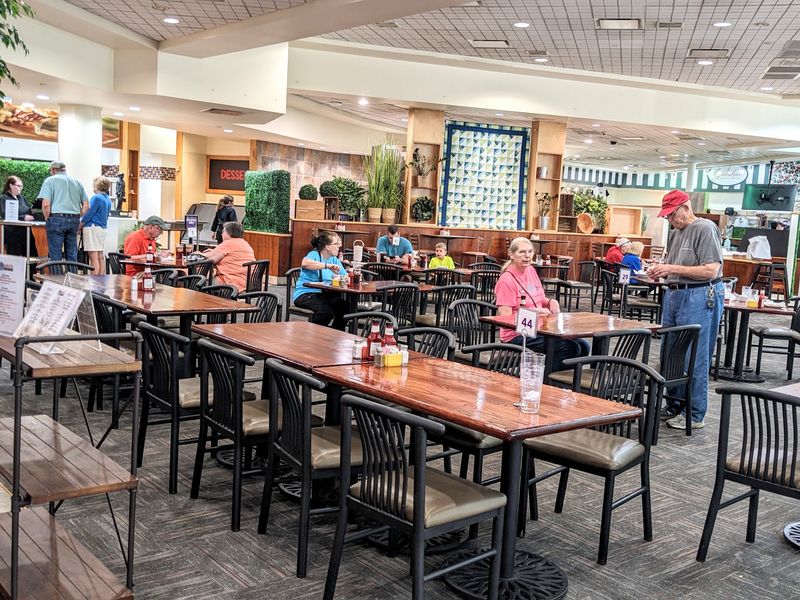
The restaurant inside Tamarack Marketplace operates on what the culinary team describes as a fast-casual model with an elevated product, and that description undersells it considerably. Executive Chef Derek Carter and Sous Chef Emily Atkinson update the menu twice a year to reflect seasonal ingredients and current culinary trends, always anchoring the flavors in the agricultural heritage of West Virginia.
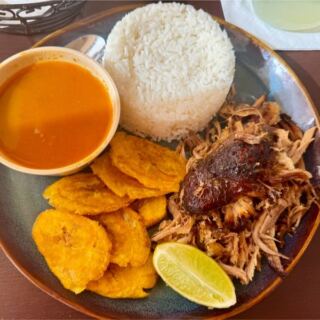
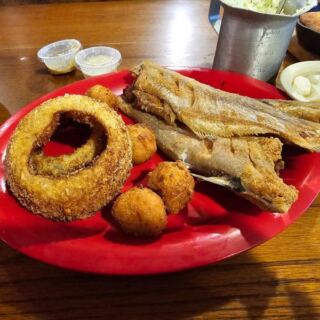
The kitchen works closely with local farmers and producers, which means the ingredients on your plate come from the same region that surrounds you. Locally sourced trout arrives tender and fresh, the shrimp and grits come dressed in a rich Creole sauce, and the broccoli cheddar soup is the kind of bowl that makes you slow down and pay attention.
Hours run Monday through Saturday for breakfast, lunch, and dinner, with an all-day Sunday brunch option that draws regulars who plan their entire weekend around it. The portions are generous, the prices are reasonable, and the food consistently outperforms what most travelers expect from a roadside stop.
Prepare to linger.
The Dishes That Have Earned Legendary Status
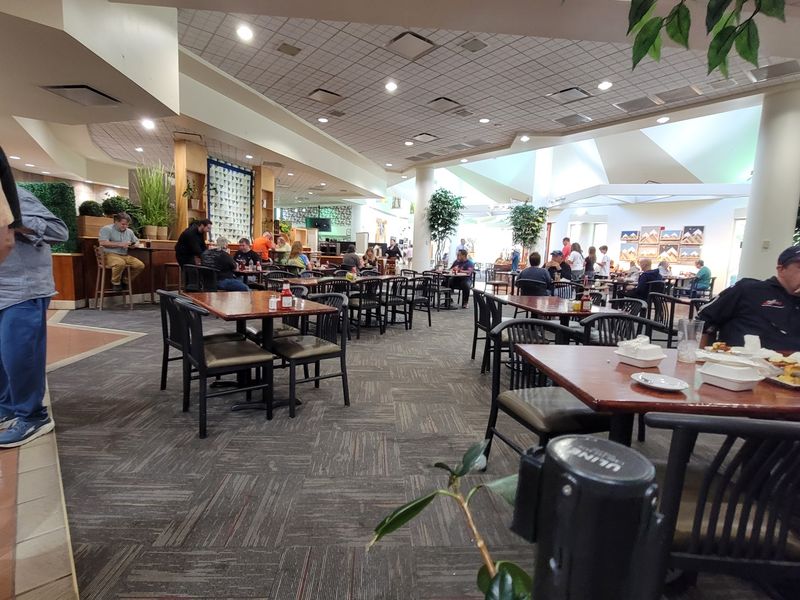
Certain dishes at the Tamarack restaurant have transcended the menu and become part of the institution’s identity. The fried green tomato sandwich holds a special place in the establishment’s history, having been served at the original groundbreaking ceremony back in 1994, which means this dish has been delighting visitors for over three decades.
The chicken pot pie is another standout, arriving with a flaky, golden crust and a filling so hearty and savory that it embodies everything comforting about Appalachian home cooking. House-smoked, hand-pulled pork with homemade barbecue sauce, locally sourced beef smashburgers, and freshly baked biscuits smothered in sausage gravy round out a menu that feels both familiar and distinctly regional.
For those with a sweet tooth, the bakery section offers peanut butter pie and the refreshing Greenbrier peaches and cream, both of which disappear quickly on busy days. The Chocolate Moose coffee shop inside the marketplace has also earned its own devoted following, particularly for visitors who need a quality cup before tackling the rest of the displays.
A Gallery That Reinvents Itself Every Six Weeks
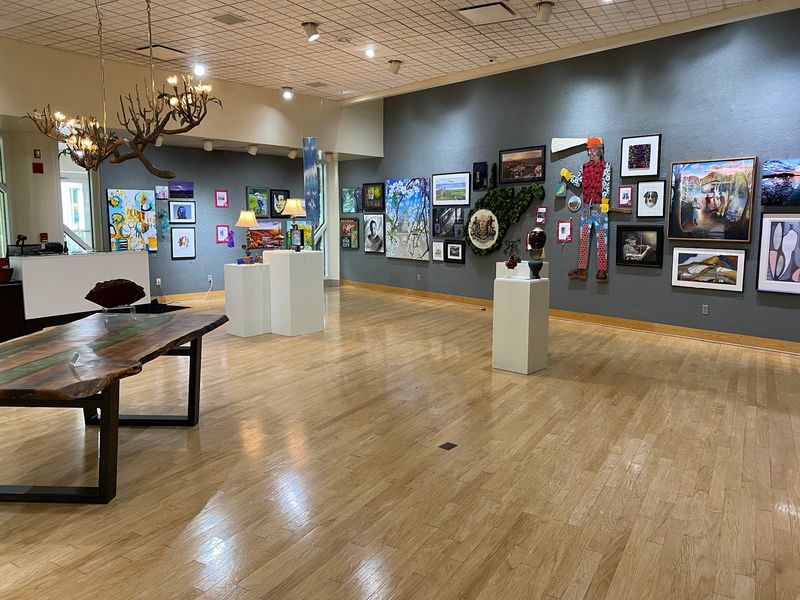
Tucked within the larger marketplace is the David L. Dickirson Fine Arts Gallery, a dedicated space that represents over 500 juried West Virginia artists and operates on a rotating exhibition schedule that refreshes every six to eight weeks.
This constant rotation means that a visit in March looks completely different from a visit in September, and loyal patrons return specifically to see what is new.
Past exhibitions have explored themes as evocative as seasonal transformations across Appalachian ridgelines and the quiet haunting beauty of abandoned mountain homes, with titles like “Seasons of the Ridge” and “Echoes in the Hollow” capturing the imagination before you even step inside the gallery doors.
A recurring event called “Small Packages” invites artists to create compact works sized perfectly for gift giving, proving that ambition does not require a large canvas. The gallery also hosts an open juried “Best of West Virginia” exhibition that welcomes entries from any state resident, and visitors can vote for a People’s Choice Award, making the experience genuinely participatory.
Art here is never a spectator sport.
The Architecture That Makes You Stop and Stare
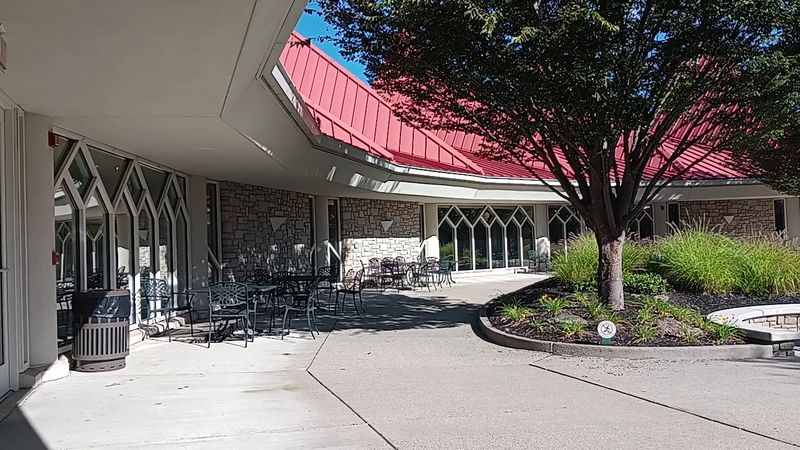
The building at Tamarack Marketplace is not just a container for the art inside; it is a deliberate architectural statement. The design, awarded to Clint Bryan and Associates in May 1993 with contributions from Doug Bastian and John Harris, was praised at the time for being arresting, innovative, and eminently functional, a rare combination that holds up decades later.
The most recognizable feature is the striking peaked red roof, which rises dramatically against the surrounding mountain landscape and signals the building’s presence from the highway long before you reach the exit. Inside, the layout follows a circular path that guides visitors naturally through retail spaces and gallery areas, often depositing them back near the entrance with a satisfied sense of having seen everything.
At the center of the building lies a beautifully landscaped outdoor courtyard with cozy seating and gentle water features, which transforms into a live performance venue during warmer months. Just outside the main entrance, an Open Air Gallery path showcases large-scale sculptures that provide an unexpected artistic experience even before you reach the front door.
Events, Concerts, and a Conference Center Worth Knowing About
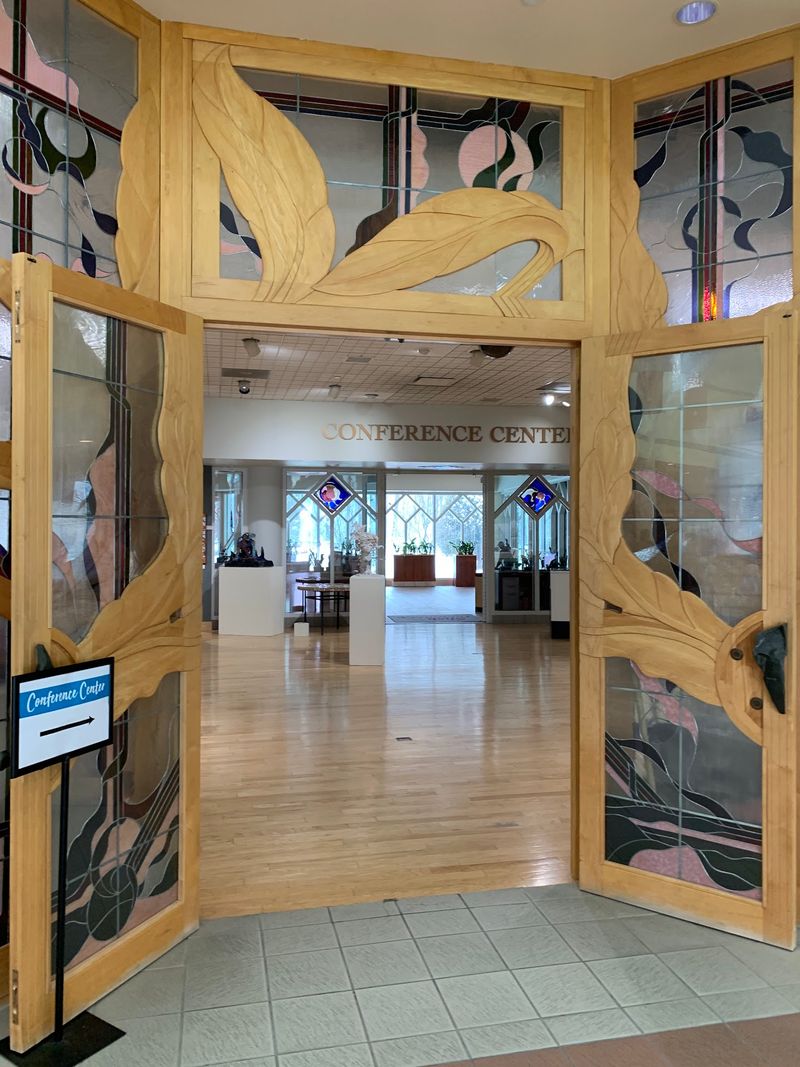
In 2003, a significant expansion added a 22,500-square-foot conference center to the property, transforming Tamarack Marketplace from a cultural stop into a full-scale event destination. The facility handles everything from intimate wedding receptions to large corporate conferences, with customizable menus, buffet options, and themed dining arrangements available through the hospitality team.
A 178-seat theater on site hosts drama productions, musical performances, film screenings, and various live events throughout the year, giving the venue a cultural programming calendar that extends well beyond shopping and dining. The outdoor Festival Area, a tree-lined lawn adjacent to the main building, hosts summer and fall concerts featuring two stages and performances by West Virginia musicians and bands, with seasonal outdoor dining and a playground for younger visitors.
The Courtyard Concert Series brings live local music to select summer Saturdays in the more intimate courtyard setting, pairing performances with alfresco dining for a genuinely relaxed evening experience. Annual events like Summerfest celebrate the marketplace’s birthday alongside West Virginia Day with free music, artist demonstrations, and local food trucks.
The calendar here stays full for good reason.
How West Virginia Artists Earn Their Spot Here
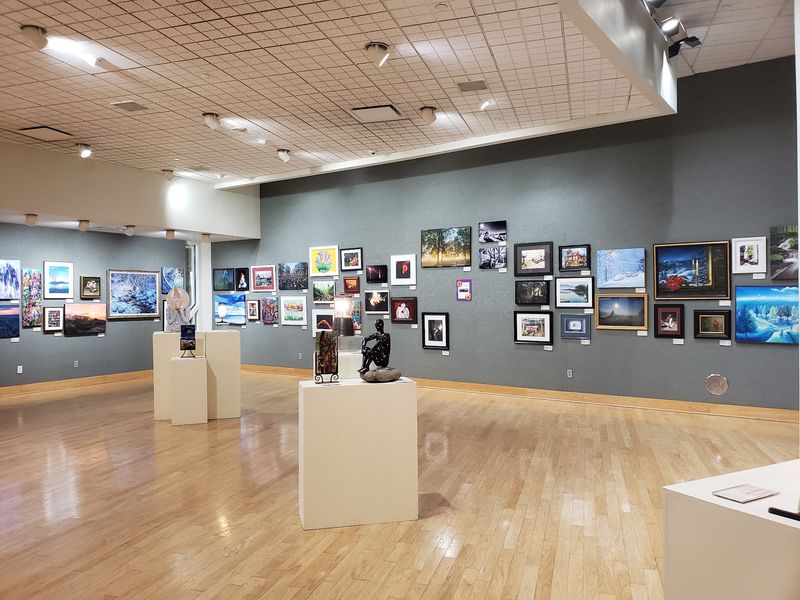
Getting your work displayed at Tamarack Marketplace is not as simple as filling out a form and dropping off a box of goods. The process involves a formal application, a submission review, and an in-person presentation before a jury panel, ensuring that only authentic, high-quality, West Virginia-made items earn a place in the collection.
What makes this system particularly thoughtful is that the jurors are frequently selected from among the artists already featured in the marketplace, creating a genuine peer evaluation that understands the technical and creative demands of each craft. This approach was established before the facility even opened its doors in 1996, setting a standard of authenticity that has defined the collection ever since.
A 2009 study by Marshall University’s Center for Business and Economic Research found that the marketplace contributed $18.6 million to the state’s economy in 2008 and supported 236 full-time equivalent jobs, while generating over $750,000 annually in state and local taxes. For the artisans who earn a spot here, the marketplace is far more than a retail platform; it is a career-defining opportunity with real economic impact.
Practical Tips That Will Make Your Visit Much Better
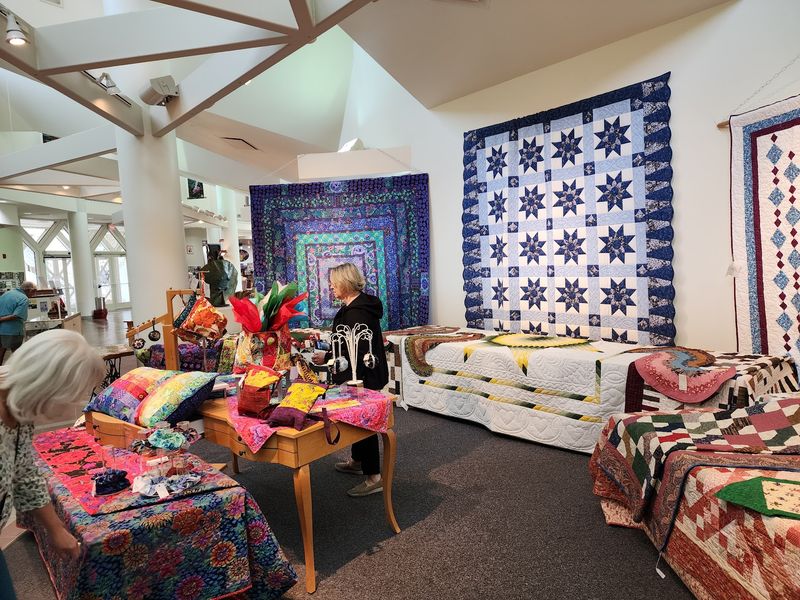
Tamarack Marketplace is open every day of the week from 9 AM to 7 PM, which gives you plenty of flexibility regardless of when your road trip passes through Beckley. The location right off Exit 45 on the West Virginia Turnpike means getting in and out is straightforward, with a large parking lot that accommodates everything from compact cars to full-size RVs.
Travelers with RVs or campers will be pleased to know that free overnight parking is available in a designated lot, though electrical hookups are not provided. The venue is also dog-friendly throughout the general retail areas, though leashed dogs are not permitted in the dining section, so plan accordingly if you are traveling with a pet.
One practical note worth mentioning: the marketplace does not offer online sales due to the handmade and one-of-a-kind nature of its inventory, but the retail team accepts phone orders and can arrange shipping for items you have already seen in person. Checking the events calendar at tamarackwv.com before your visit helps you time your arrival around demonstrations, gallery openings, or workshops that can genuinely elevate the experience.
Share this story