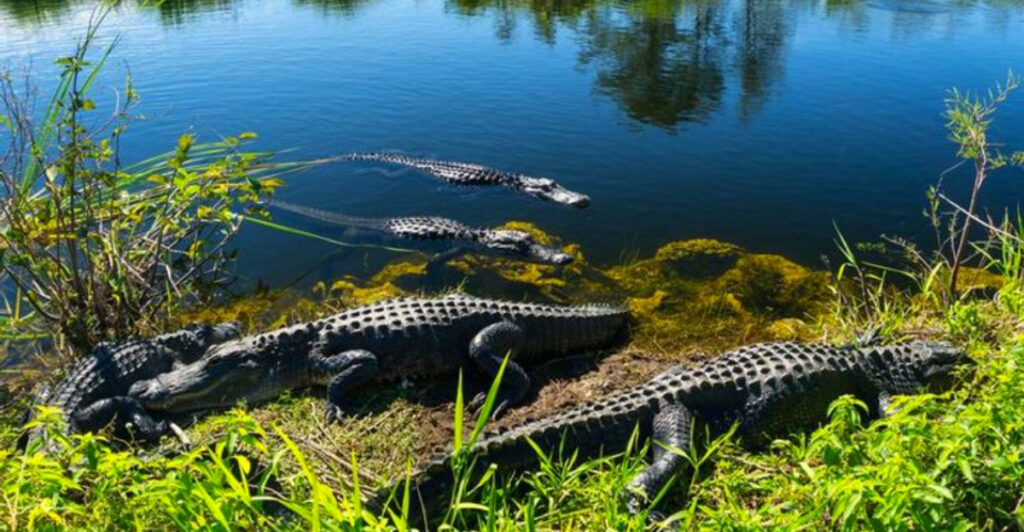
American alligators have roamed wetlands across the South for millions of years, and they are still very much in charge out there. These ancient reptiles can grow over 13 feet long, weigh more than 800 pounds, and play a surprisingly important role in keeping wetland ecosystems healthy. They dig “alligator holes” that hold water during dry spells, giving fish, birds, and turtles a place to survive when conditions get tough. From the vast sawgrass prairies of South Florida to the dark cypress swamps of Georgia and the coastal marshes of Louisiana and South Carolina, the United States has no shortage of spectacular places where alligators rule.
Whether you are a wildlife photographer, a curious traveler, or someone who simply wants a good story to tell, these 13 wetlands offer some of the most reliable and rewarding gator encounters in the country.
1. Okefenokee National Wildlife Refuge, Folkston, Georgia
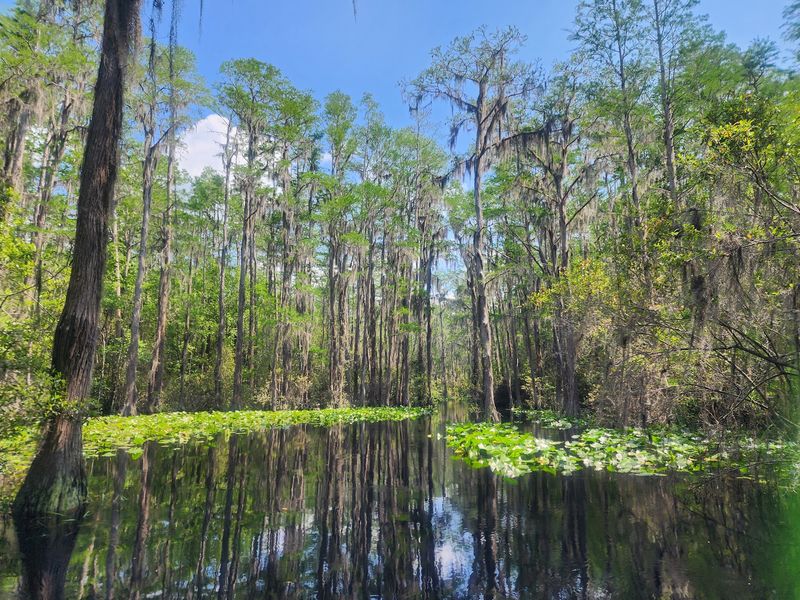
Georgia’s Okefenokee Swamp looks like something a movie director invented, with dark tea-colored water, ancient cypress trees, and an atmosphere that has barely changed in centuries.
The U.S. Fish and Wildlife Service estimates between 10,000 and 15,000 alligators live here, making it one of the most alligator-dense places in North America. These reptiles function as ecosystem engineers, maintaining open channels and digging burrows that other wildlife depend on during dry periods.
Billy’s Lake is a known hotspot for alligator activity, and the 7.4-mile Swamp Island Drive offers a self-guided auto tour with plenty of chances to spot gators in roadside ditches and ponds. Guided boat tours and canoe trips provide an even closer look at the waterways.
Paddlers are advised to maintain at least 30 feet of distance from alligators and to resist the urge to feed them under any circumstances.
2. Huntington Beach State Park, Murrells Inlet, South Carolina
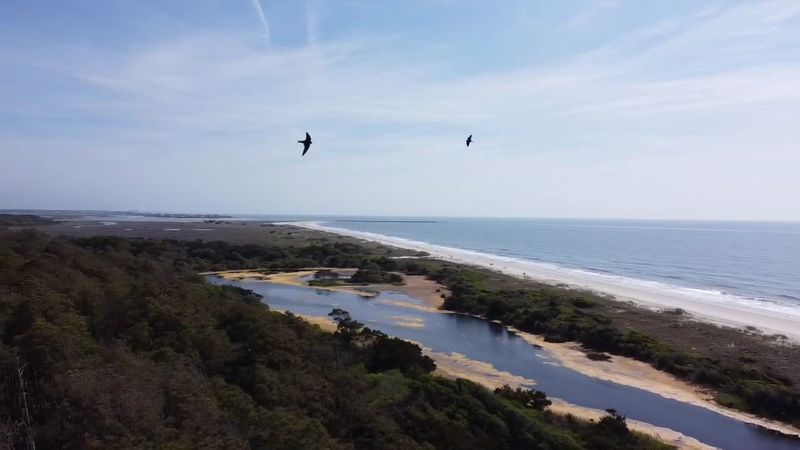
South Carolina’s Huntington Beach State Park is the kind of place that surprises first-time visitors, because most people show up expecting a beach day and leave having also seen an alligator.
The park combines ocean beach, salt marsh, and freshwater ponds in a relatively compact area, and alligators thrive in those freshwater sections. Mullet Pond is the most reliable spot for sightings, where gators are regularly observed basking on the banks or moving slowly through the shallow water.
The park also contains the historic Atalaya property, a Moorish-style castle built in the 1930s that adds a genuinely unexpected architectural detour to any visit. Birding is excellent throughout the year, with shorebirds, wading birds, and migratory species all using the varied habitats the park provides.
Admission fees apply and vary by season. The park is located in Murrells Inlet, roughly 15 miles south of Myrtle Beach, making it an easy and rewarding detour for anyone visiting the Grand Strand area.
3. Brazos Bend State Park, Needville, Texas
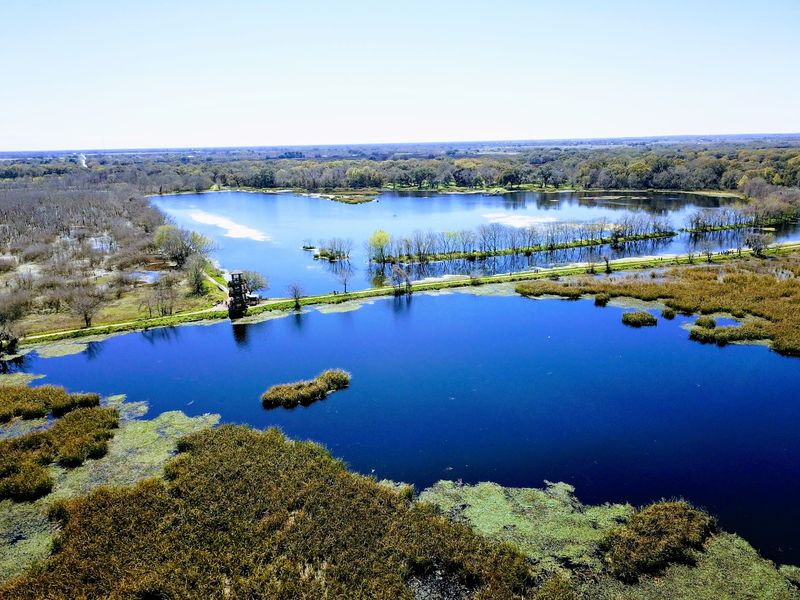
About an hour southwest of Houston, Brazos Bend State Park delivers a genuine Gulf Coast wetland experience without requiring a cross-country road trip.
Texas Parks and Wildlife estimates roughly 250 alligators longer than six feet call this park home, spread across approximately 1,000 acres of water. Elm Lake and 40-Acre Lake are the most productive spots for sightings, and the flat, well-maintained trails that circle these lakes make it easy to watch gators from a safe and respectful distance.
Alligators here have no fear of the observation platform near Elm Lake, and it is common to see multiple animals basking within full view of visitors. Early morning visits during warmer months tend to produce the most activity.
The park also supports white-tailed deer, river otters, and over 300 bird species, so even on a slow gator day, the wildlife watching is still well worth the drive.
4. Lake Apopka Wildlife Drive, Apopka, Florida
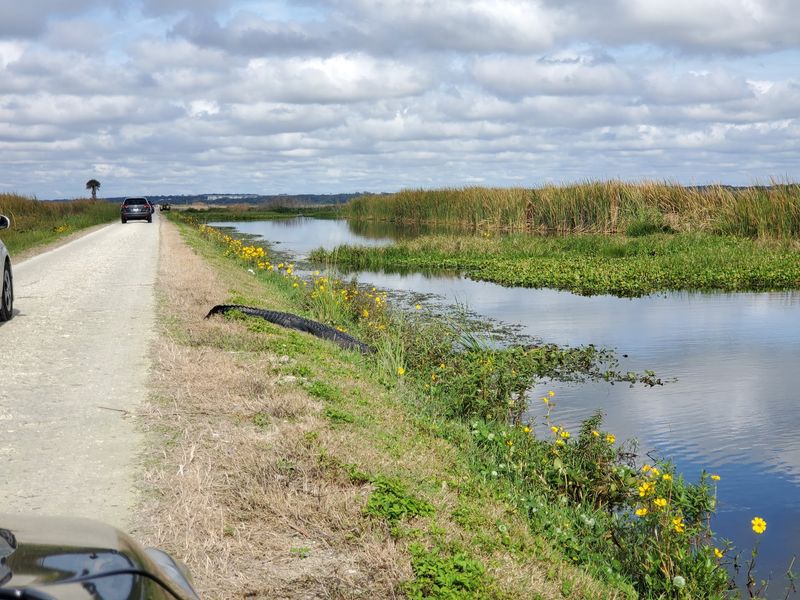
The Lake Apopka Wildlife Drive is one of Florida’s best-kept secrets, a slow-paced, vehicle-based wildlife tour that winds through 11 miles of restored marshes along Lake Apopka’s North Shore.
Alligators sit at the top of the food chain here, and the St. Johns River Water Management District confirms that many can be seen throughout the property, particularly near the canals and water control structures that line the route. Visitors simply drive at their own pace, stopping whenever something catches their eye.
The combination of alligators, wading birds, shorebirds, and the occasional river otter makes even a slow weekday morning feel eventful. The drive is open on Fridays, Saturdays, and Sundays from sunrise to sunset.
Because you stay in your vehicle for most of the tour, this is a particularly comfortable option for families with young children or anyone who prefers wildlife watching at a relaxed pace.
5. Arthur R. Marshall Loxahatchee National Wildlife Refuge, Boynton Beach, Florida
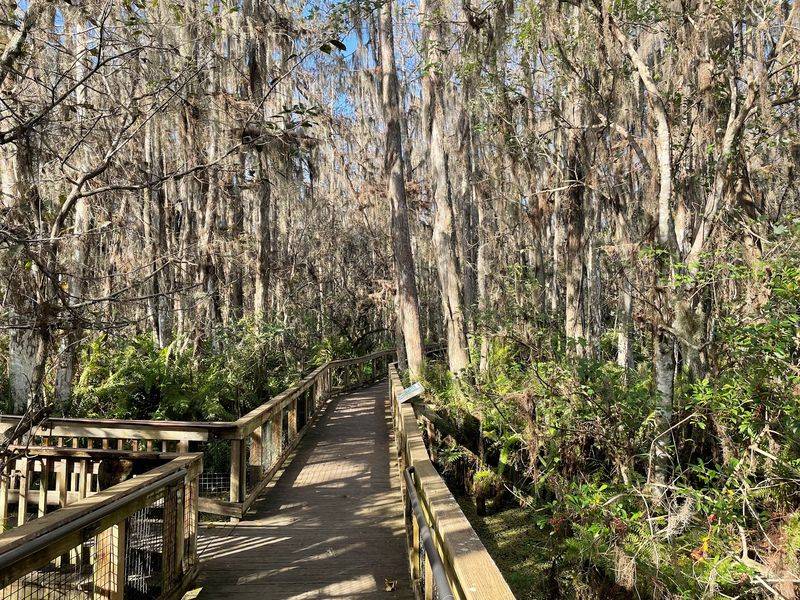
Loxahatchee protects the northernmost remaining piece of the original Everglades, a broad, flat wilderness of sawgrass, wet prairie, tree islands, and cypress swamp stretching across more than 143,000 acres in Palm Beach County.
Alligators are frequently spotted along the refuge’s marsh trails and impoundments, particularly near water control structures where fish concentrate. The Marsh Trail, a 0.8-mile boardwalk loop near the visitor center, is one of the most accessible places to scan for gators at close range.
The refuge also supports snail kites, wood storks, sandhill cranes, and a remarkable variety of wading birds, giving wildlife watchers plenty to look at between alligator sightings. Canoe and kayak access is available for visitors who want to explore deeper into the wetland.
Admission is required, but the fee is modest, and the expanse of classic Everglades scenery on offer makes Loxahatchee one of South Florida’s most rewarding natural areas to visit.
6. Big Branch Marsh National Wildlife Refuge, Lacombe, Louisiana
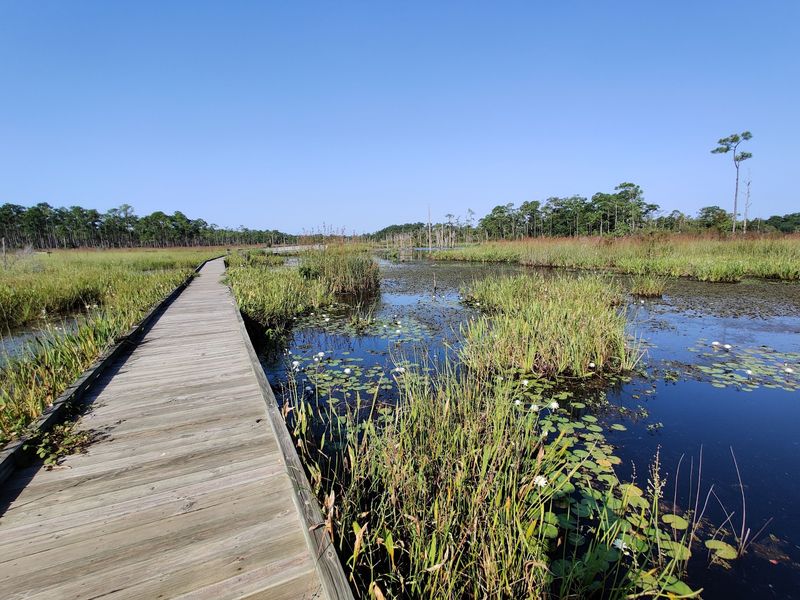
On the north shore of Lake Pontchartrain, about 30 miles from New Orleans, Big Branch Marsh National Wildlife Refuge protects a surprisingly diverse mix of freshwater marsh, pine flatwoods, and coastal habitat that most tourists completely overlook.
The American alligator is listed as one of the refuge’s featured species, and sightings are most common around the marsh edges and canals that run through the property. The refuge also supports black bears, white-tailed deer, wood ducks, and neotropical migratory birds, making it productive for wildlife watchers across multiple seasons.
Hiking trails and a boat launch give visitors options for exploring the refuge on foot or by water. The trails are relatively flat and easy to navigate, which suits casual visitors as well as dedicated naturalists.
Big Branch is open year-round with no admission fee, and its proximity to New Orleans makes it a practical half-day side trip for travelers based in the city.
7. Everglades National Park, Everglades City, Florida
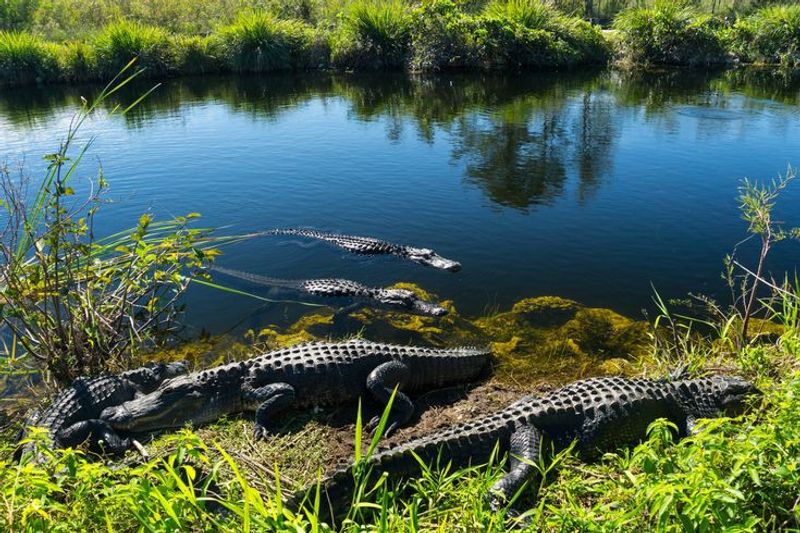
No place on Earth has a stronger claim to alligator country than the Everglades, where an estimated 200,000 alligators make their home across the park’s freshwater marshes, sloughs, and cypress forests.
These reptiles are considered a keystone species here, meaning the entire ecosystem depends on them in ways that might surprise you. During the dry season, they dig “alligator holes” that hold water and serve as lifelines for fish, turtles, amphibians, and wading birds.
Shark Valley is widely considered the top spot for sightings, with a 15-mile loop road running alongside canals that stay wet year-round. The Anhinga Trail near Royal Palm is another reliable location, known for shallow marshes packed with wildlife.
Visitors should stay at least 15 to 20 feet away from any gator they encounter. The dry season, from December through April, offers the most concentrated viewing opportunities.
8. Sweetwater Wetlands Park, Gainesville, Florida
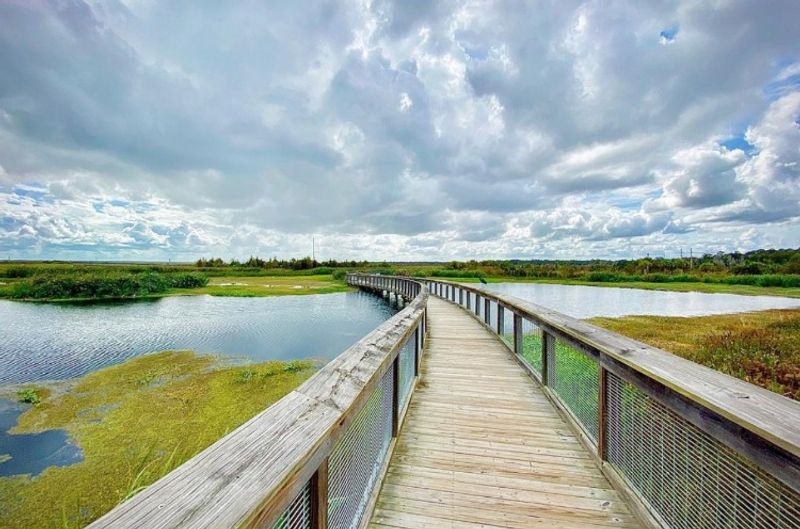
Gainesville does not always top the list when people think of Florida wildlife destinations, but Sweetwater Wetlands Park is quietly one of the best urban nature spots in the entire state.
Built on a former wastewater treatment site, the 125-acre park now supports a thriving community of alligators, river otters, white-tailed deer, raccoons, and an impressive variety of bird species. Six observation decks are positioned throughout the property, giving visitors convenient and safe vantage points to watch the resident reptiles without getting too close.
The park’s boardwalks and gravel paths are well-maintained and easy to navigate, making it a practical choice for visitors of all ages and fitness levels. Alligators are visible year-round, though warmer months bring more activity as animals bask along the open banks.
Admission is free, parking is available on-site, and the park is open daily, which makes it an effortless addition to any Gainesville itinerary.
9. Cameron Prairie National Wildlife Refuge, Bell City, Louisiana
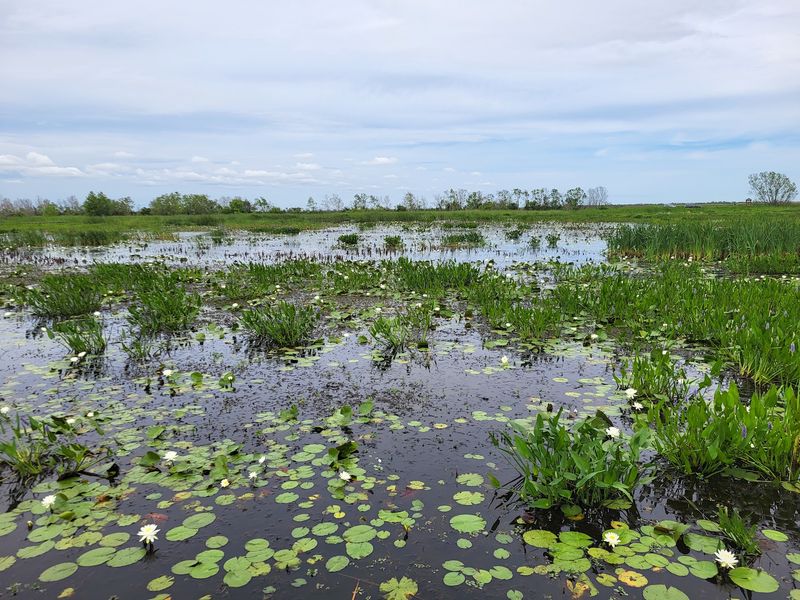
Southwest Louisiana has a landscape unlike anything else in the country, and Cameron Prairie National Wildlife Refuge captures it beautifully with its broad marshes, shallow canals, and enormous open skies.
American alligators are among the native species documented throughout the refuge, sharing the water with river otters, mink, nutria, and large concentrations of migratory waterfowl. The Pintail Wildlife Drive, a 3.5-mile auto tour loop, is the primary way most visitors explore the property and provides consistent wildlife viewing opportunities year-round.
An observation platform along the drive offers elevated views over the marsh, which is particularly useful for spotting alligators resting on canal banks. The refuge also maintains a boat launch for visitors who want to explore the deeper waterways by kayak or canoe.
Cameron Prairie sees far fewer visitors than many of Louisiana’s better-known attractions, which means quieter conditions and a more personal wildlife watching experience for those willing to make the trip.
10. Orlando Wetlands, Christmas, Florida
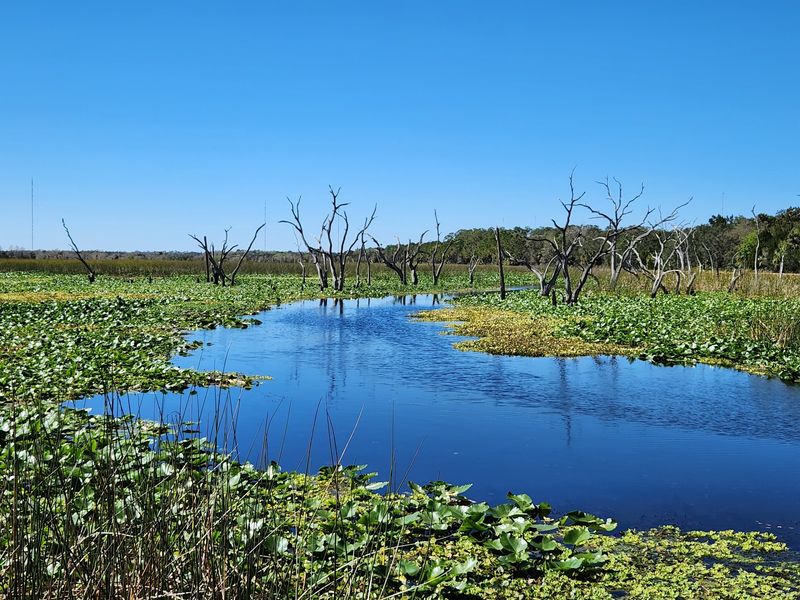
About 25 miles east of downtown Orlando, a place called Christmas, Florida, is home to one of Central Florida’s most underrated wildlife destinations.
Orlando Wetlands Park covers roughly 1,650 acres of constructed marshes that were originally built to treat reclaimed water, but nature had other plans. Hundreds of alligators have moved in alongside otters, sandhill cranes, roseate spoonbills, and dozens of other species, turning the site into a genuine wildlife spectacle.
A network of berm trails loops through the property, giving visitors easy access to open marsh views where gators are frequently spotted sunning on banks or cruising through shallow water. The park is open from sunrise to sunset and charges no admission fee.
Wildlife photography is especially rewarding here during winter months, when migratory birds crowd the marshes and alligators concentrate in warmer, deeper sections of the wetland.
11. Paynes Prairie Preserve State Park, Micanopy, Florida
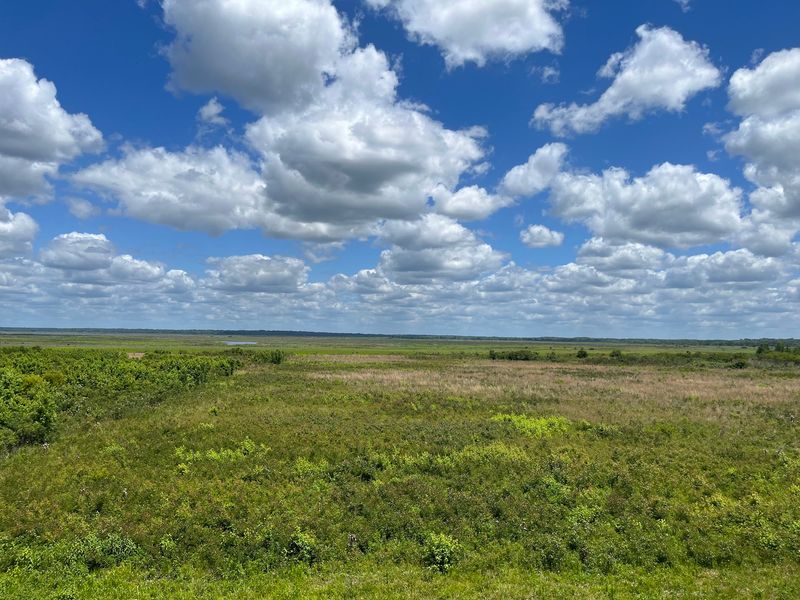
Somewhere between Gainesville and Micanopy, a broad, flat basin opens up that naturalist William Bartram described in detail after exploring it in the 1770s, and remarkably, it looks much the same today.
Paynes Prairie covers over 21,000 acres of marsh, wet prairie, and open water, and it supports alligators, wild horses, American bison, sandhill cranes, and hundreds of bird species all in the same preserve. That combination makes it genuinely unusual among Florida state parks, most of which specialize in one or two headline animals.
A 50-foot observation tower near the visitor center provides a sweeping view over the prairie basin, and the La Chua Trail leads directly into the wetland where alligator sightings are particularly common. Water levels fluctuate seasonally, which changes the landscape noticeably from one visit to the next.
The park is open year-round and offers camping, hiking, and equestrian trails alongside its exceptional wildlife viewing opportunities.
12. Savannah National Wildlife Refuge, Hardeeville, South Carolina
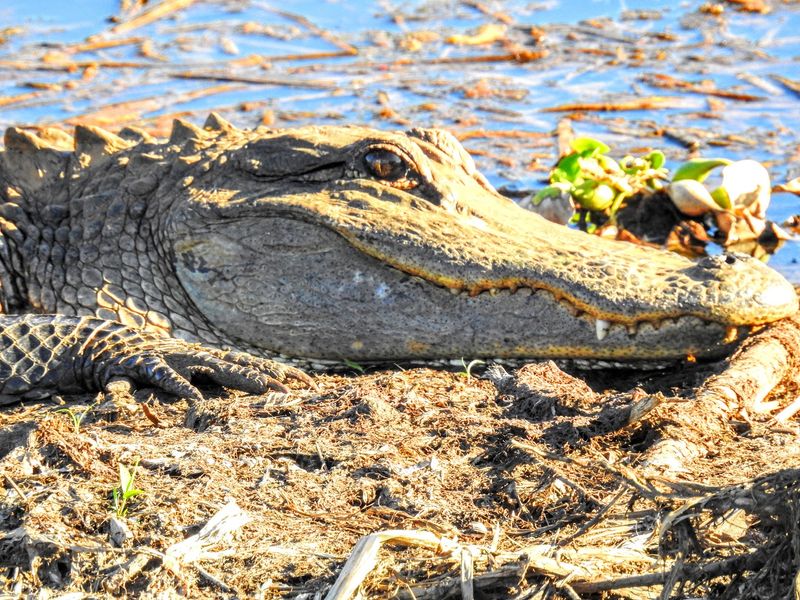
Just across the Georgia border, the Savannah National Wildlife Refuge manages over 29,000 acres of freshwater wetlands, bottomland hardwoods, and upland areas that support an impressive range of wildlife.
Alligators are common enough throughout the refuge that officials specifically include warnings about their presence in visitor information, particularly along the Laurel Hill Wildlife Drive and adjacent trails. The 4-mile Laurel Hill Wildlife Drive allows visitors to cover substantial ground by vehicle while scanning the marsh impoundments for gators and wading birds.
Wood storks, great blue herons, and hundreds of migratory waterfowl share the wetlands with resident alligators, making the refuge a genuinely productive destination for wildlife photography. Canoe and kayak trails are also available for visitors who want to get off the road and onto the water.
The refuge is open daily from sunrise to sunset, and admission is free. The Hardeeville location puts it within easy reach of both Savannah and the South Carolina Lowcountry.
13. Edward Ball Wakulla Springs State Park, Wakulla Springs, Florida
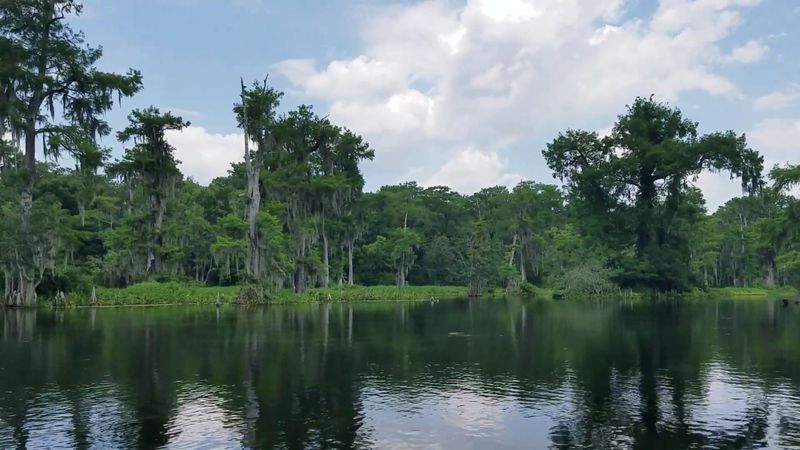
Wakulla Springs holds one of the world’s largest and deepest freshwater springs, pumping hundreds of millions of gallons of clear water daily into a river lined with old-growth cypress trees, and alligators treat the whole setup like a private resort.
Riverboat tours run daily through the spring run, offering passengers close-up views of alligators, manatees, limpkins, and a rotating cast of wading birds. The guides are knowledgeable and entertaining, making the tours worthwhile for visitors of all ages.
The park has a genuinely old-fashioned Florida character, with a historic 1937 lodge still operating on the property. Film crews used the springs as a location for several Hollywood productions decades ago, including early Tarzan films and the original Creature from the Black Lagoon.
Alligators can be spotted from the swimming area dock, the riverboat, or the nature trails that wind through the surrounding forest. Admission fees apply, and the park is open year-round.
Share this story