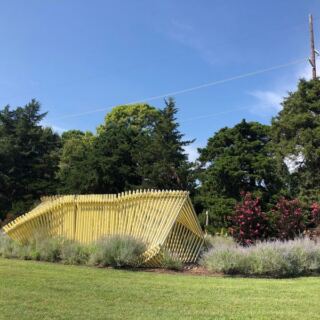
There is a place in West Virginia where the hillsides seem to have been painted by someone with an extraordinary eye for color and an endless supply of patience. Thousands of tulips, daffodils, and summer annuals spread across 16 carefully tended acres, shifting with every season and rewarding every visit with something new to discover.
The gardens sit within one of the state’s most celebrated resorts, a sprawling estate with more than a century of history behind it, and they carry a story that is as rich as the soil they grow in. What began as one woman’s private passion for flowers has become a public treasure that draws visitors from across the region, each one arriving curious and leaving thoroughly charmed.
Keep reading to find out what makes this floral destination so special, from its surprising origins and seasonal spectacles to hidden artistic touches and practical tips that will help you plan the perfect visit.
A Legacy Rooted in Generosity and Vision
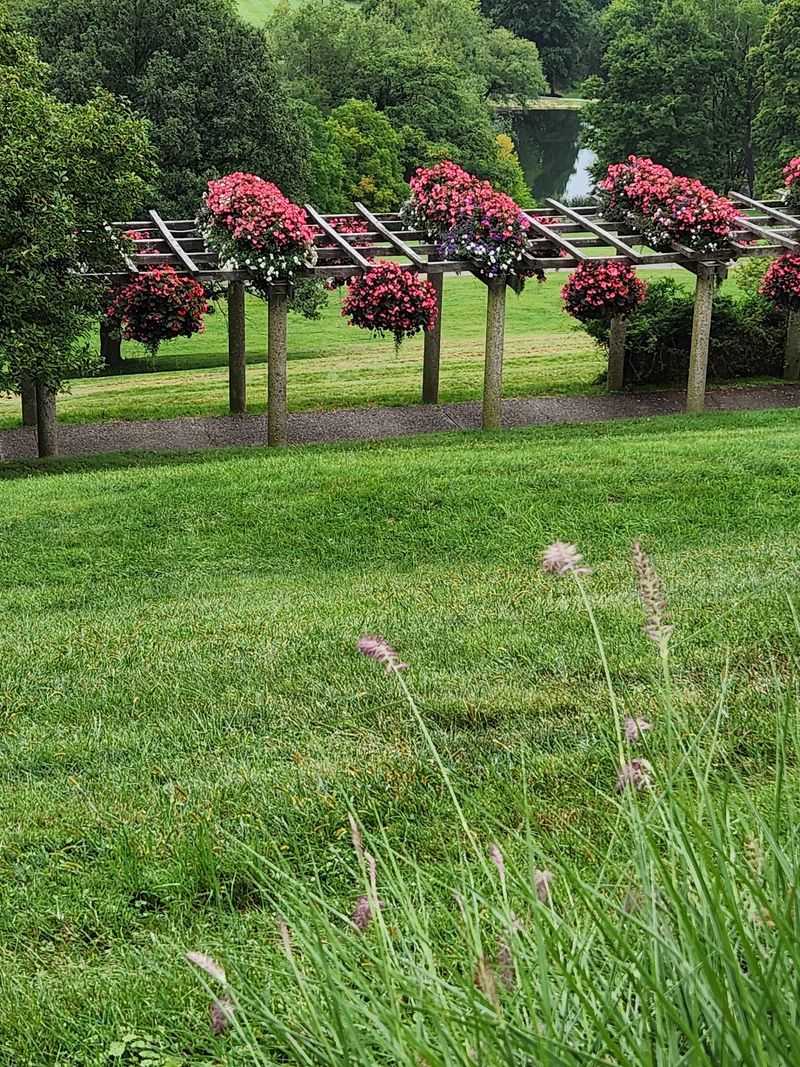
Some of the most beautiful places in America exist because one person decided to share what they loved most with the world. Bissonnette Gardens at Oglebay Park Resort, located at 1330 Oglebay Dr in Wheeling, West Virginia, owes its existence to exactly that kind of generosity.
Earl W. Oglebay, a Cleveland industrialist, began acquiring land in the area around 1900, eventually transforming what he called Waddington Farms into a model farm and summer estate.
In 1926, he bequeathed the property to the city of Wheeling so the public could enjoy it freely.
The Wheeling Park Commission took over operations in 1928, and the gardens experienced some difficult years before philanthropists stepped in during the late 1980s and 1990s to fund a significant renovation. Cordelia S.
May donated in honor of her friend Joseph F. Bissonnette, and the gardens were rededicated in his name in 1999.
That act of friendship is now permanently woven into the landscape for all to enjoy.
The Spring Tulip Display That Stops People in Their Tracks
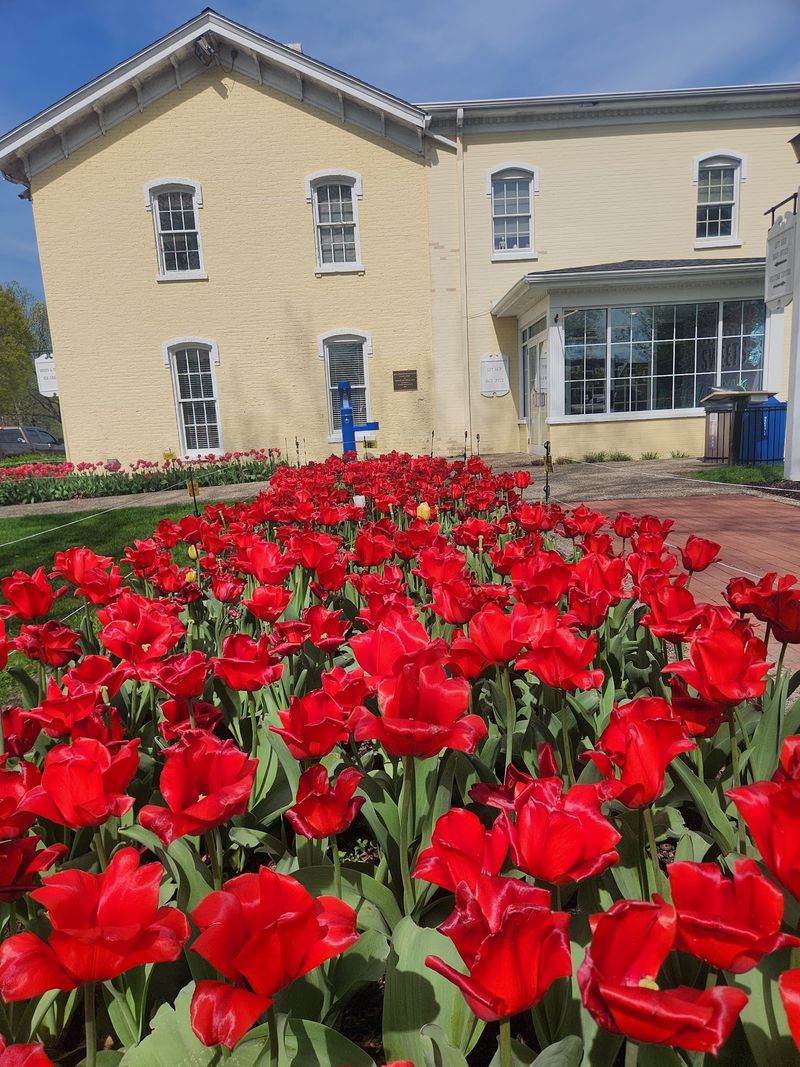
Nothing quite prepares you for the scale of the spring bloom at Bissonnette Gardens. From mid-April through early May, over 250,000 tulips and 20,000 daffodils burst open across the hilltop grounds, creating a carpet of color so dense it almost feels unreal.
Darwin hybrid tulips dominate many of the beds, their large, bold blooms standing tall in shades of red, yellow, pink, and deep purple. Hyacinths and cheerful pansies fill in the gaps, adding fragrance and texture to the visual feast.
The timing of the bloom shifts slightly from year to year depending on weather patterns, which means no two spring visits are identical. Some years the tulips arrive early and bold; other years they linger longer, giving visitors more time to wander through the rows.
Planning a visit during this window is one of the best decisions any flower enthusiast can make, and the view from the hilltop makes the drive entirely worthwhile.
Summer Annuals and the Art of the Fuchsia Standard
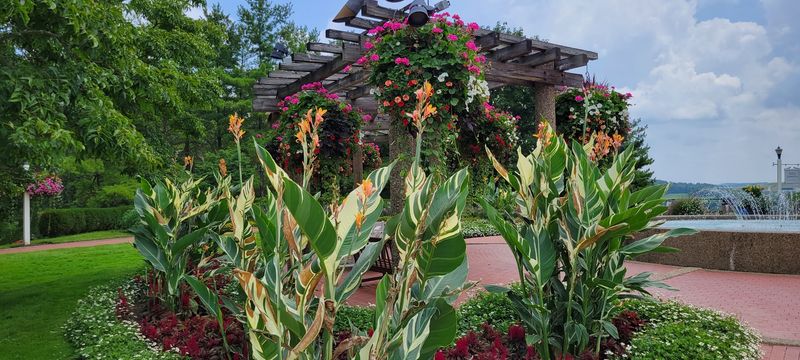
Once the spring bulbs fade, the gardens shift into a warmer, lusher mood that carries right through summer. The horticulture team introduces a fresh wave of annuals that thrive in the heat, and the overall effect is just as impressive as the tulip season, if not more so.
One of the most distinctive features of the summer display is the fuchsia standard, particularly the variety known as Black Prince. These plants are trained to grow like small, elegant trees, with a single upright stem topped by a cascading crown of flowers.
Chief Horticulturalist Chris Schenkel and his team begin nurturing cuttings in late summer and grow them in greenhouses for ten full months before they are ready for the outdoor display. Hanging baskets overflow with petunias, dusty miller, and wax begonias along the brick pathways, adding vertical layers of color throughout the space.
The dedication behind each plant makes the summer gardens feel like a living work of art.
Autumn Color and the Jewel-Toned Mum Season
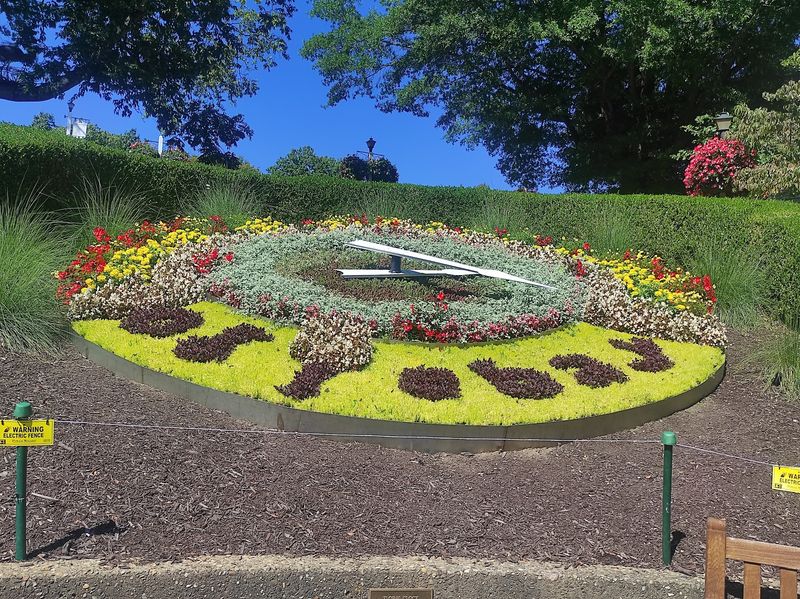
Most people associate garden visits with spring and summer, but the gardens at Oglebay Park make a compelling case for autumn as well. As the days shorten and the air takes on a crispness, the color palette shifts from bright and breezy to deep and dramatic.
Chrysanthemums in shades of burgundy, gold, rust, and amber take center stage, their dense blooms providing a richness that feels perfectly suited to the season. The surrounding trees add their own contribution, with foliage turning in layers across the hillside and framing the flower beds in warm, natural tones.
The transition from summer annuals to fall displays is handled with the same careful attention that defines every other season at Bissonnette Gardens. Benches placed throughout the 16-acre space become even more inviting in autumn, offering a spot to sit with a warm drink and watch the light change over the hilltop.
This season tends to be quieter than spring, which means more breathing room and a more personal connection with the surroundings.
The Arboretum: Where Trees Tell the Longer Story
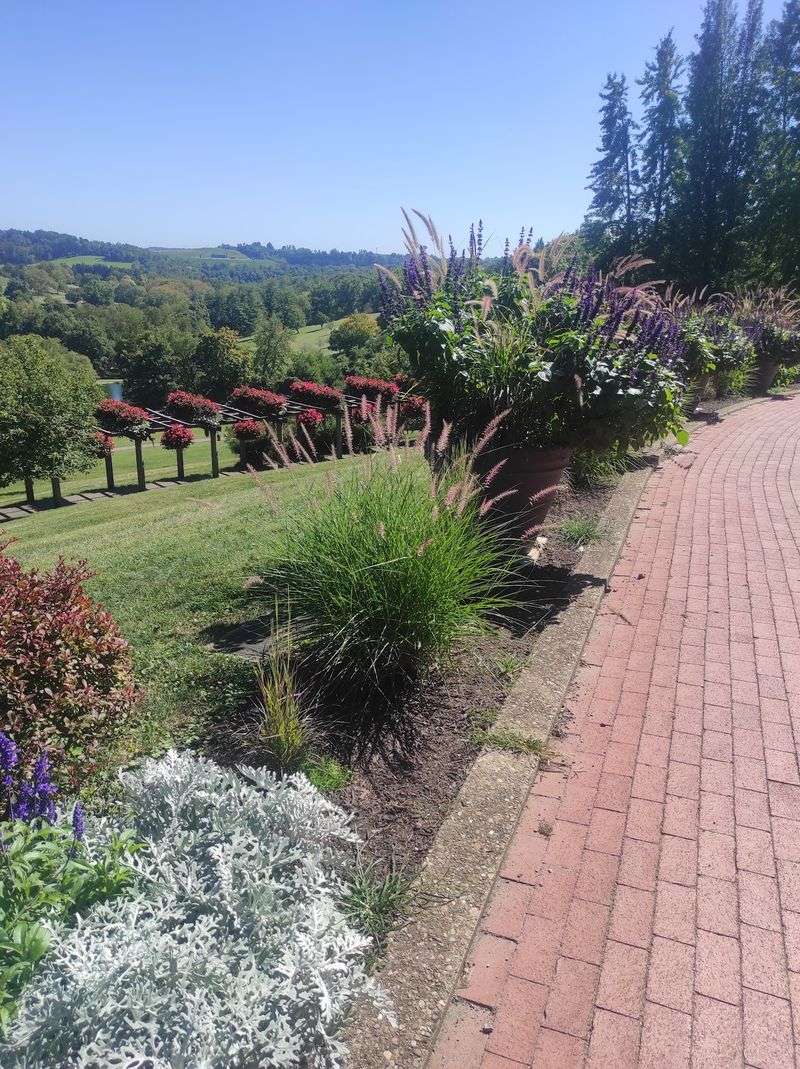
Flowers tend to get most of the attention, but the arboretum woven throughout the broader Oglebay grounds tells a quieter, longer story. Its roots stretch back to the 1930s, when a formal plan called “A Study for an Arboretum” was laid out to guide the planting of thousands of trees across the property.
Landmark features like the Jones Pinetum, the A.B. Brooks Gateway, and the Cracraft Memorial Steps all emerged from that original vision, each one contributing to a landscape that rewards slow, attentive walking.
Flowering trees, majestic evergreens, and native species create a living backdrop that shifts beautifully through the seasons.
Many of the trees were initially cultivated in Oglebay’s own greenhouses and nursery before being transplanted to their permanent spots across the hilltop. The result is a cohesive, layered landscape that provides structural beauty even in the coldest months, when the flower beds are at rest.
The arboretum ensures that Bissonnette Gardens is never truly bare, always offering something worth pausing to admire.
Sculpture, Art, and the Human Touch Within the Gardens
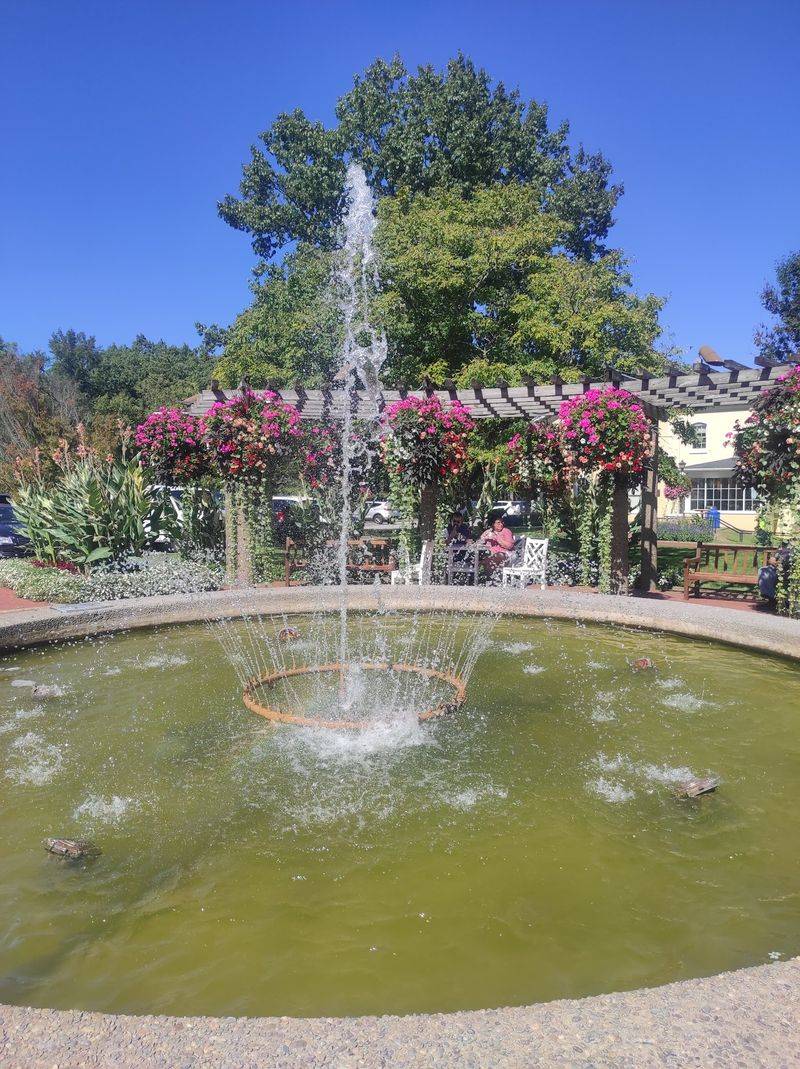
Great gardens have always made room for art, and Bissonnette Gardens is no exception. Tucked near the greenhouse herb garden, a bronze sculpture known as Miss West Virginia adds an unexpected and quietly lovely focal point to the landscape.
Created by local artist Jeff Forster, the piece feels at home among the greenery, its warm metal tones complementing the surrounding plants rather than competing with them. It is the kind of detail you might almost miss on a first visit, but once noticed, it stays with you.
The presence of art within the garden reflects a broader design philosophy at Bissonnette Gardens: every element, from the brick pathways to the strategically placed benches to the carefully chosen plant combinations, is there for a reason. Nothing feels accidental.
The fountains scattered throughout the space add sound to the visual experience, creating gentle ambient noise that makes the whole environment feel more alive. Art and horticulture here are not separate pursuits; they are two parts of the same conversation.
Managing Nature: The Ongoing Battle With the Local Deer Population
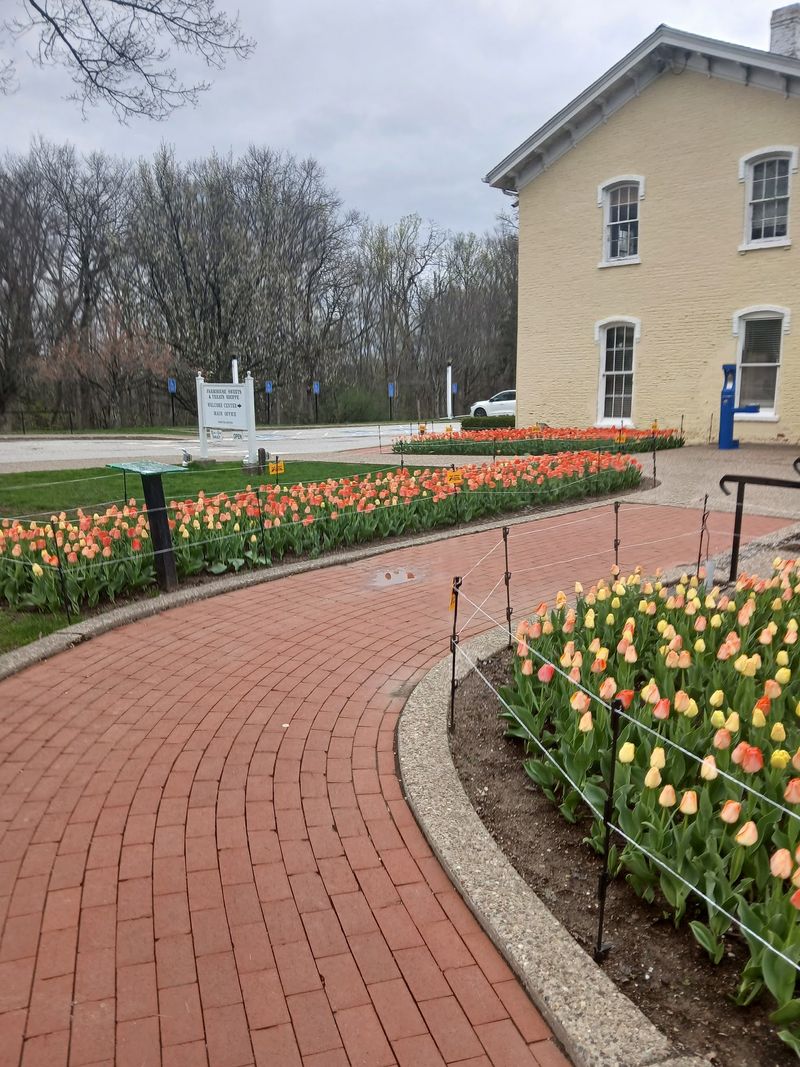
Maintaining 16 acres of meticulously planted gardens sounds like a labor of love, and it absolutely is, but it also comes with some genuinely tricky challenges. One of the most persistent involves the local deer population, which has a talent for finding the most carefully tended beds.
The horticulture team learned early on that impatiens, a popular choice for their color and ease of growth, were essentially a dinner invitation for the deer. After discovering how quickly the plants disappeared, they had to rethink their strategy and shift toward more deer-resistant varieties without sacrificing visual impact.
Chris Schenkel and his crew also plant approximately 30,000 tulip bulbs and 20,000 daffodil bulbs each fall, working carefully to time the displays for the following spring season. Weather adds another layer of unpredictability, affecting bloom timing and requiring constant adjustment.
The next time you walk past a perfectly arranged bed of flowers here, it is worth pausing to appreciate just how much problem-solving went into making it look so effortless.
Brick Pathways, Benches, and the Quiet Joy of Strolling
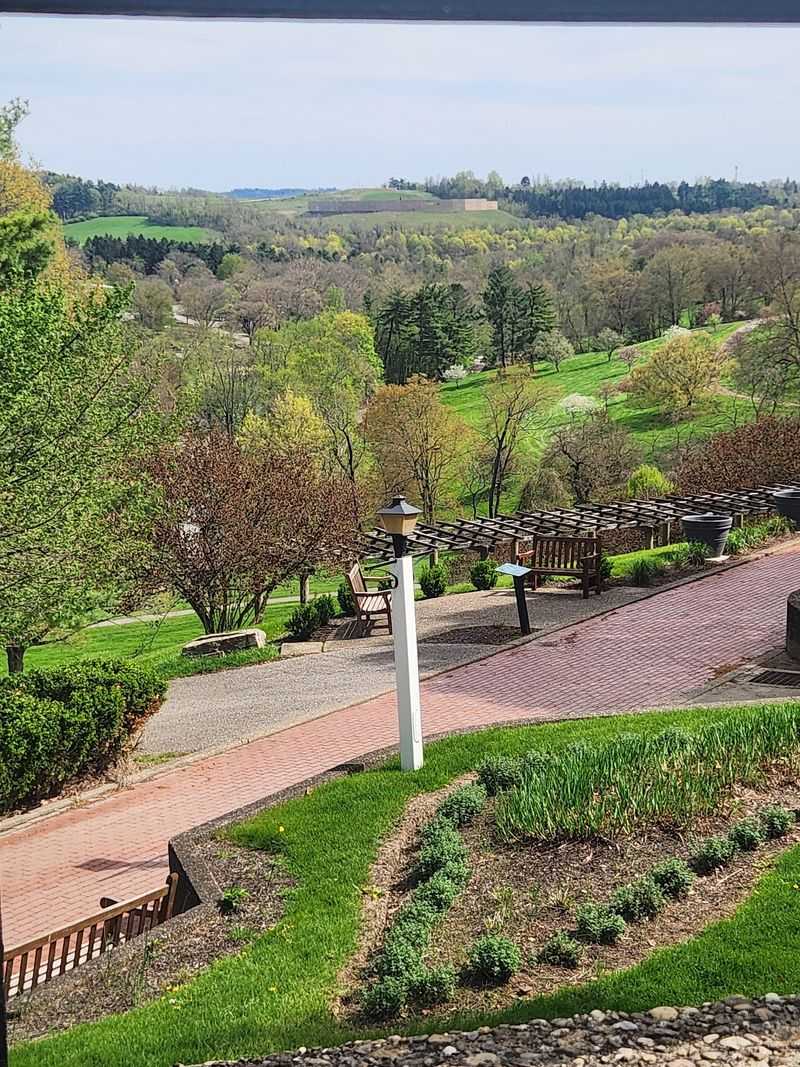
There is something deeply satisfying about a well-designed garden path, one that invites you forward without feeling rushed, that curves just enough to keep the next view hidden until the right moment. The brick pathways at Bissonnette Gardens do exactly that, winding through the 16-acre space in a way that feels both purposeful and unhurried.
Benches appear at regular intervals throughout the grounds, positioned to take advantage of the best views and the most fragrant planting areas. These are not afterthoughts; they are genuine invitations to slow down, sit, and simply be present in the space.
The gardens are open 24 hours a day, every day of the week, which means early risers can enjoy the soft morning light filtering through the flower beds before the crowds arrive. The hilltop setting adds an extra dimension to every stroll, with elevated views over the surrounding landscape rewarding those who make the climb.
Comfortable walking shoes are strongly recommended, since the terrain includes some notable inclines throughout the property.
A Setting Made for Celebrations and Special Occasions
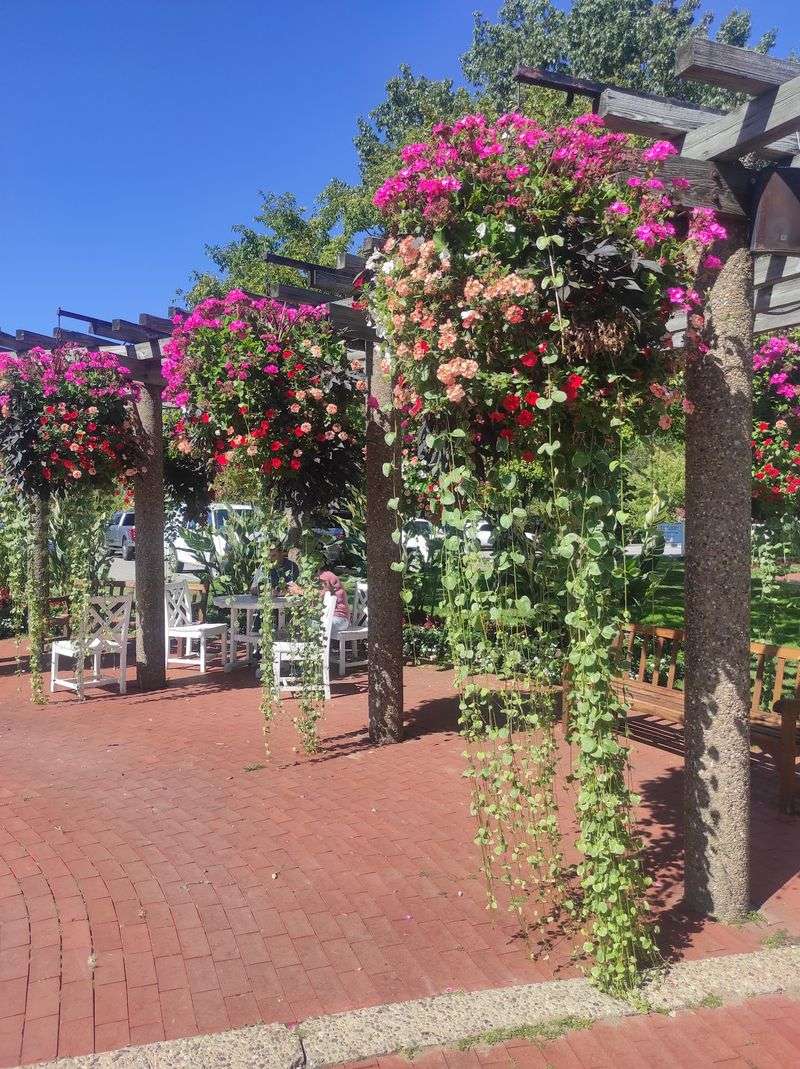
There are places that seem almost purpose-built for romance, and Bissonnette Gardens ranks highly among them. The combination of colorful seasonal blooms, gently splashing fountains, and winding brick pathways creates an atmosphere that feels naturally celebratory without any additional decoration needed.
Couples frequently choose the gardens as a backdrop for weddings and engagement photos, drawn by the variety of picturesque settings available across the 16-acre property. Each section of the garden offers its own mood, from the formal pool areas to the more casual, flower-lined pathways, allowing for a seamless flow between different parts of a celebration.
The terraced layout of parts of the garden adds visual depth and creates natural staging areas that work beautifully for ceremonies and group photos alike. Even for visitors not planning an event, the atmosphere carries a festive quality that makes any visit feel slightly special.
There is something about being surrounded by that much carefully cultivated beauty that tends to put people in a generous and appreciative frame of mind.
Beyond the Gardens: What Else Awaits at Oglebay Park
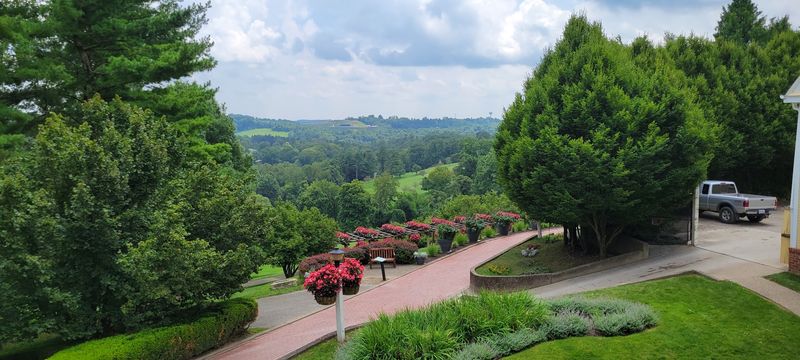
One of the most appealing things about visiting Bissonnette Gardens is that it sits within a much larger destination, meaning the experience does not have to end when you finish your garden stroll. Oglebay Park Resort spans over 1,650 acres and offers a remarkable range of activities that can easily fill an entire day or weekend.
Schenk Lake is a short walk from the main garden area and serves as a hub for water-based recreation, with pedal boats, aquacycles, and kayaks available for rent. The lake is also stocked annually, making it a popular spot for fishing enthusiasts of all skill levels.
Beyond the water, the park includes walking and hiking trails, mini-golf, a large outdoor pool, and the Good Zoo, which is particularly popular with families. The Oglebay Institute’s Glass Museum adds a cultural dimension to any visit, housing impressive examples of regional glass artistry including the massive Sweeny Punch Bowl.
The Garden Bistro provides a convenient spot for a meal without ever having to leave the peaceful hilltop setting.
The Festival of Lights: When the Gardens Glow After Dark

As impressive as the gardens are in full bloom, they take on an entirely different kind of magic once the holiday season arrives. The Festival of Lights at Oglebay Park has become a beloved regional tradition, drawing families year after year to experience the illuminated displays that transform the entire resort grounds after dark.
The drive-through portion of the event winds through multiple sections of the park, with light installations covering trees, pathways, and open fields in thousands of glowing points of color. Tour bus options are also available, with narrated rides that add context and charm to the experience.
The festival has grown more elaborate with each passing year, adding new installations and refining existing ones to keep the experience fresh for returning visitors. It is the kind of event that creates lasting family memories, the sort that get mentioned at holiday dinners for years afterward.
Arriving early is wise during peak weekends, as the event draws significant crowds and traffic can build up considerably along the approach roads into the resort.
Share this story