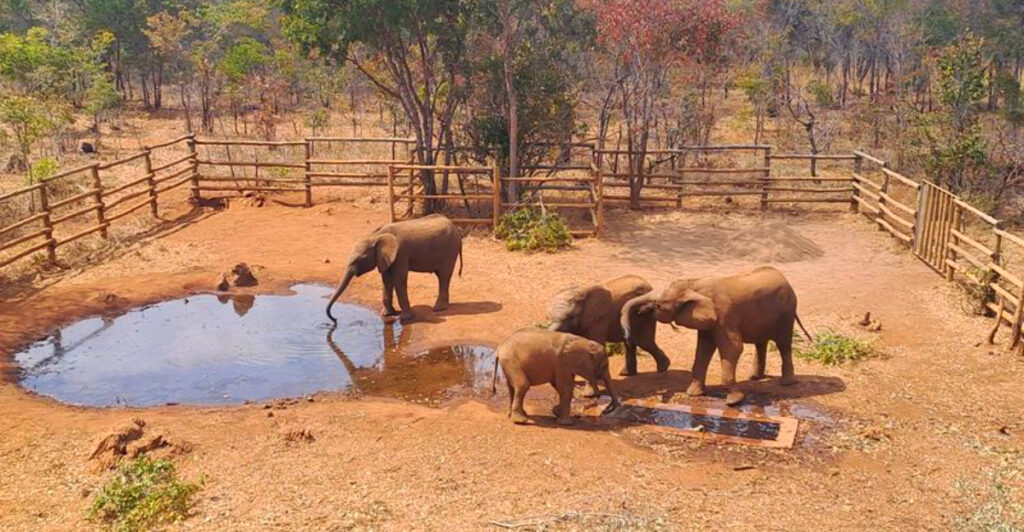
Baby elephants are among the most emotionally complex animals on the planet, and when they lose their mothers, the consequences can be devastating. Fortunately, a growing network of dedicated sanctuaries across Africa and Asia is stepping up to give these vulnerable calves a fighting chance. Some of these places specialize in intensive round-the-clock care for the tiniest newborns, while others focus on gradually teaching older elephants how to thrive in the wild again. A few even pioneer community-led conservation models that benefit both elephants and the local people who share their land.
Whether you are an animal lover, a conservation enthusiast, or simply someone who thinks baby elephants deserve a happy ending, this list covers 14 remarkable sanctuaries doing extraordinary work. Get ready to meet the organizations and places that are quietly rewriting the future for one of Earth’s most iconic species.
1. Sheldrick Wildlife Trust Nairobi Nursery, Nairobi, Kenya
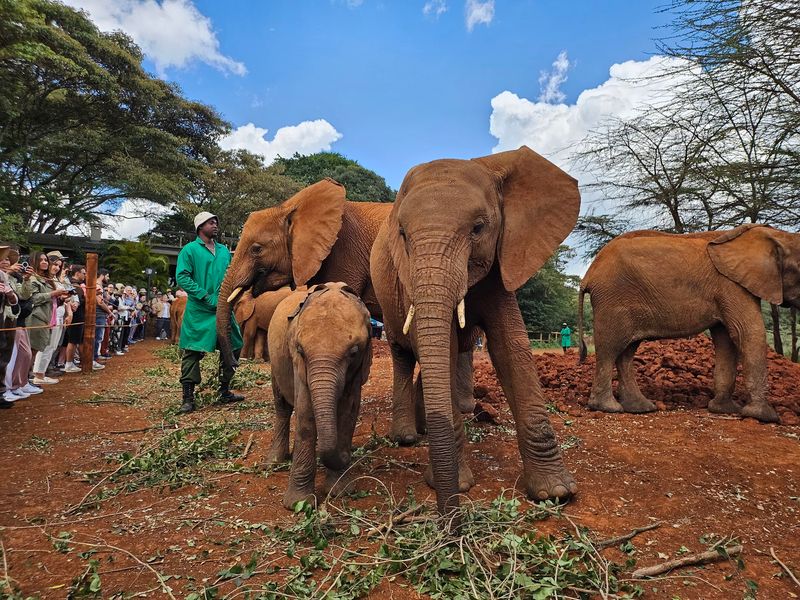
Every great conservation story has a starting point, and for Kenya’s orphaned elephants, that point is almost always this nursery inside Nairobi National Park.
Founded in 1987, the Sheldrick Wildlife Trust Nairobi Nursery has successfully raised over 300 orphaned elephant calves, making it one of the most accomplished programs of its kind in the world.
Dedicated keepers work around the clock, bottle-feeding specially formulated milk and even sleeping alongside the youngest calves to provide the emotional security these highly social animals desperately need.
Around age three, graduates move to one of the Trust’s reintegration units in Tsavo.
Public visits run daily from 11 AM to noon, giving guests a front-row seat to feeding time and a lively mud bath. Advance booking is required, and every ticket purchased directly funds the ongoing rescue work.
2. Elephant Conservation Center, Sayaboury Province, Laos
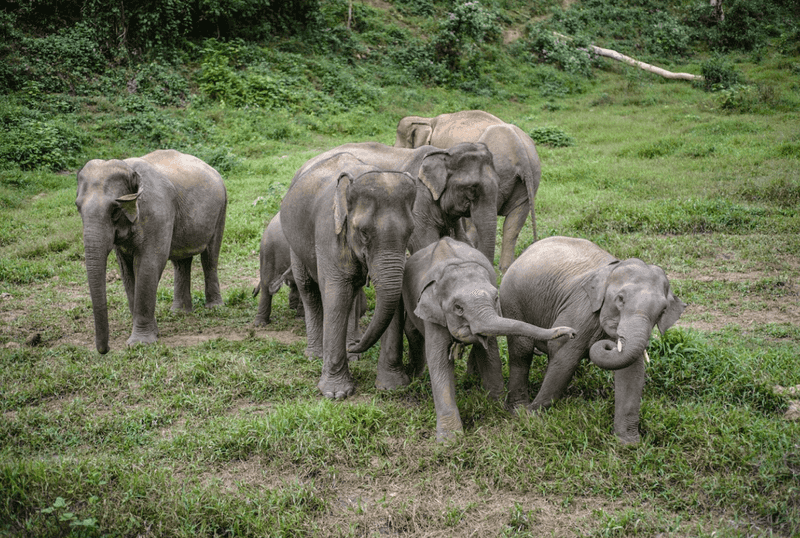
Asian elephants face a very different set of challenges than their African relatives, and Laos’ Elephant Conservation Center was created to help secure their future one calf at a time.
Located beside Nam Tien Lake in Sayaboury Province, the center combines elephant rescue, veterinary medicine, breeding, rehabilitation, and scientific research within a protected natural setting. Orphaned calves receive specialized care from experienced staff while learning to socialize with other elephants in spacious forest enclosures designed to encourage natural behaviors.
The center also operates one of Southeast Asia’s leading elephant hospitals, providing advanced treatment for injuries, illness, and chronic conditions that many rescued elephants carry from previous lives in logging or tourism.
Education forms another major part of the mission, with visitors learning about elephant biology, conservation challenges, and the importance of protecting remaining wild populations. Guided visits are carefully managed to minimize disturbance, allowing guests to observe elephants respectfully while directly supporting one of Asia’s most comprehensive elephant conservation programs.
3. Reteti Elephant Sanctuary, Namunyak Community Conservancy, Samburu County, Kenya
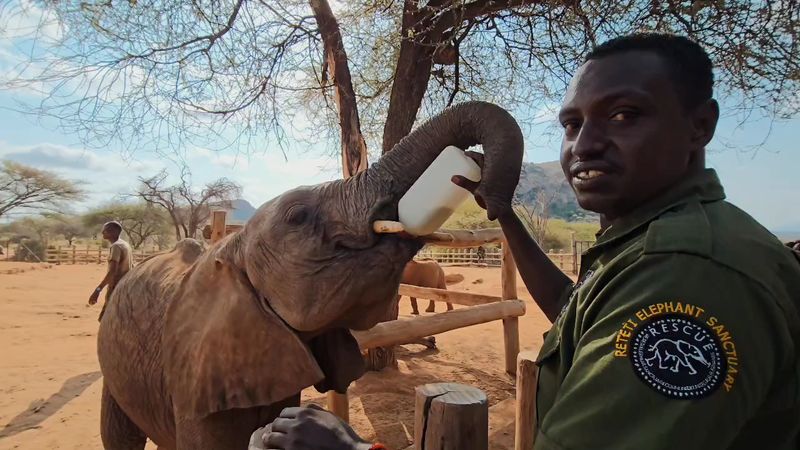
Africa’s first community-owned elephant sanctuary carries a title that comes with genuine weight, and Reteti earns every bit of it.
Opened in 2016 inside the remote Namunyak Community Conservancy in northern Kenya, Reteti is entirely staffed by members of the local Samburu community, who serve as surrogate caregivers for rescued calves.
One of the sanctuary’s most creative innovations is a milk formula developed using surplus goat milk from Samburu herders, creating a sustainable food source that also provides income for local women.
Before any rescue is confirmed, the team waits up to 72 hours for a mother to return, and this patience has already reunited over 40 calves with their families.
Visitors can book advance tickets to observe the daily midday milk feed from a dedicated viewing platform, while keepers share the individual story behind each calf in residence.
4. Sheldrick Wildlife Trust Ithumba Reintegration Unit, Tsavo East National Park, Kenya
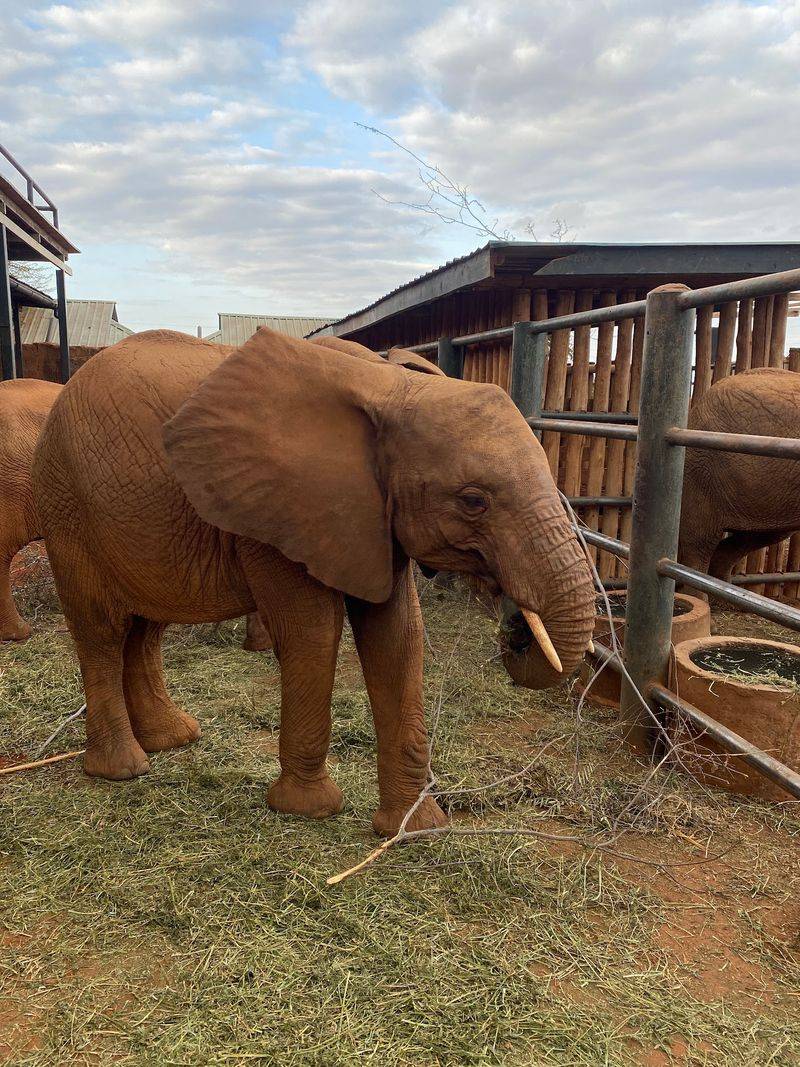
Few places on Earth offer a wildlife experience quite as moving as watching a former orphan elephant walk confidently back into the wild, and Ithumba is where that moment happens most often.
Established in 2004 in the remote northern reaches of Tsavo East, this unit has become a genuine hub where wild herds, ex-orphans, and their wild-born calves gather regularly around the stockades.
There have even been rare and astonishing cases where wild elephants have brought injured or orphaned calves directly to the unit, apparently understanding that help would be available.
Younger elephants in residence benefit enormously from this constant contact with older, fully independent individuals.
Visitors staying at Ithumba Camp or Ithumba Hill Lodge enjoy exclusive early morning and sunset visits that feel far removed from ordinary safari tourism, offering something genuinely rare in the conservation world.
5. Elephant Havens, Kasane, Botswana
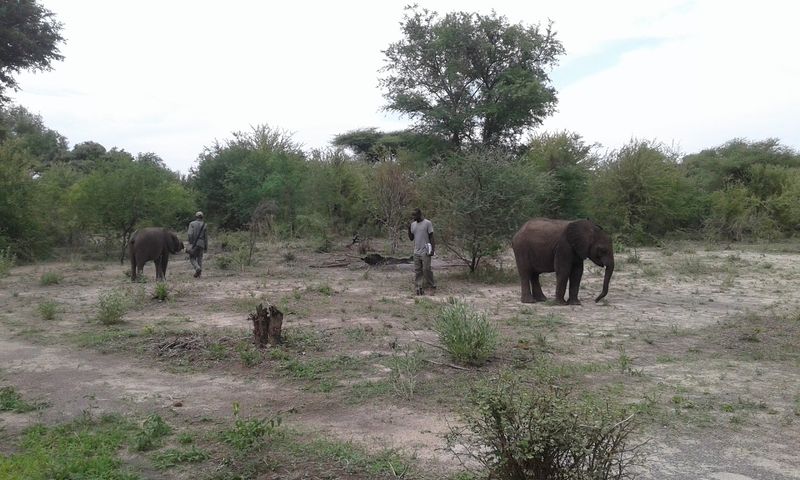
Botswana is home to the largest elephant population on Earth, yet until Elephant Havens opened, the country had no dedicated orphanage to care for calves that had lost their mothers.
The sanctuary sits just outside Kasane, near the borders of Chobe National Park and the Chobe Forest Reserve, placing young elephants within one of Africa’s richest elephant landscapes. Here, orphaned calves receive round-the-clock care that includes specially formulated milk, expert veterinary treatment, and the constant companionship of devoted caregivers during their most vulnerable years.
Once weaned and mature, the elephants transition to a 1,000-acre protected release area, where they gradually learn the skills needed for life in the wild before eventual release. A group of ten elephants is currently being prepared for release into the nearby Selinda region as part of the sanctuary’s long-term rehabilitation program.
Community involvement remains central to Elephant Havens’ mission, with local residents employed as caregivers and conservation educators. Public visits are offered daily by advance booking, giving guests the opportunity to learn about each elephant’s rescue story while directly supporting Botswana’s only dedicated orphan elephant sanctuary.
6. Elephant Conservation and Care Centre, Mathura, Uttar Pradesh, India
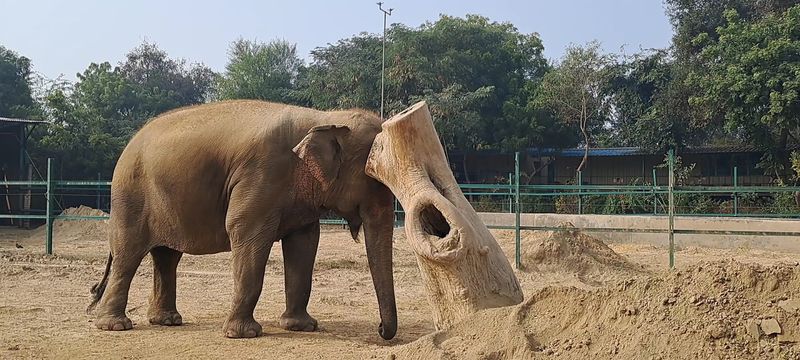
India’s first specialized elephant center carries a reputation built on decades of hard-won rescues, and the stories behind its residents are both heartbreaking and inspiring.
Managed by Wildlife SOS in partnership with the Uttar Pradesh Forest Department, the Elephant Conservation and Care Centre in Mathura has provided refuge since 2010 for elephants pulled from begging circuits, illegal captivity, circus work, and temple exploitation.
The sprawling facility includes large natural enclosures, water pools for daily bathing, and forested corridors leading down to the Yamuna River, where elephants enjoy long, unhurried dips as part of their recovery routine.
In 2018, Wildlife SOS opened India’s first dedicated elephant hospital on site, equipped with laser therapy machines and portable X-ray units for treating chronic injuries.
Educational tours are available by appointment, though direct visitor contact with elephants is not permitted, keeping the animals’ welfare firmly at the center of everything.
7. Elephant Rehabilitation Centre, Yamunanagar, Haryana, India
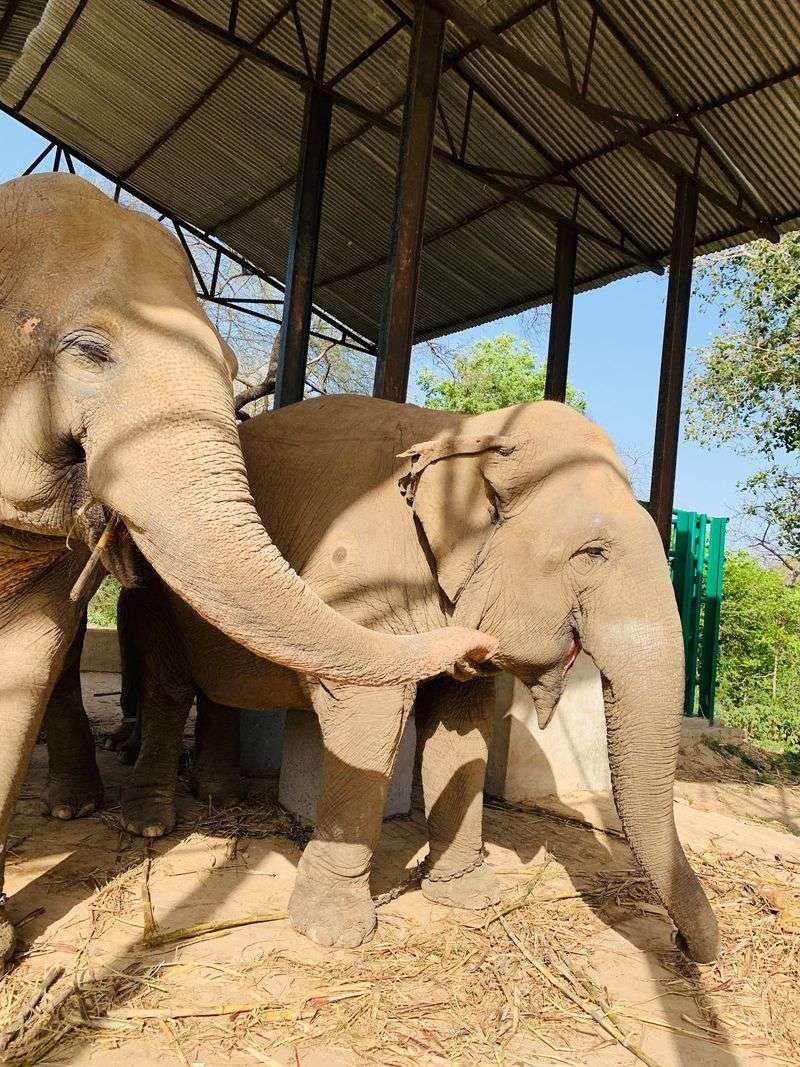
Tucked inside the green boundaries of Kalesar National Park, this rehabilitation center proves that recovery is possible even for elephants who have spent years enduring the hardest of circumstances.
Established in 2011 as a joint initiative between the Haryana Forest Department and Wildlife SOS, the Ch. Surinder Singh Elephant Rehabilitation Centre in Yamunanagar covers 400 acres of forested land where elephants roam freely without chains during daylight hours.
Daily walks of up to ten kilometers are a core part of the program, crucial for maintaining foot health in animals whose previous lives left them with serious chronic ailments.
Natural water ponds support regular mud baths, and a nutritious diet of fodder, sugarcane, and fresh fruit helps rebuild physical strength over time.
Because these elephants have spent most of their lives in captivity, the center provides permanent sanctuary rather than working toward wild release, prioritizing dignity and comfort above all else.
8. Elephant Nature Park, Chiang Mai, Thailand
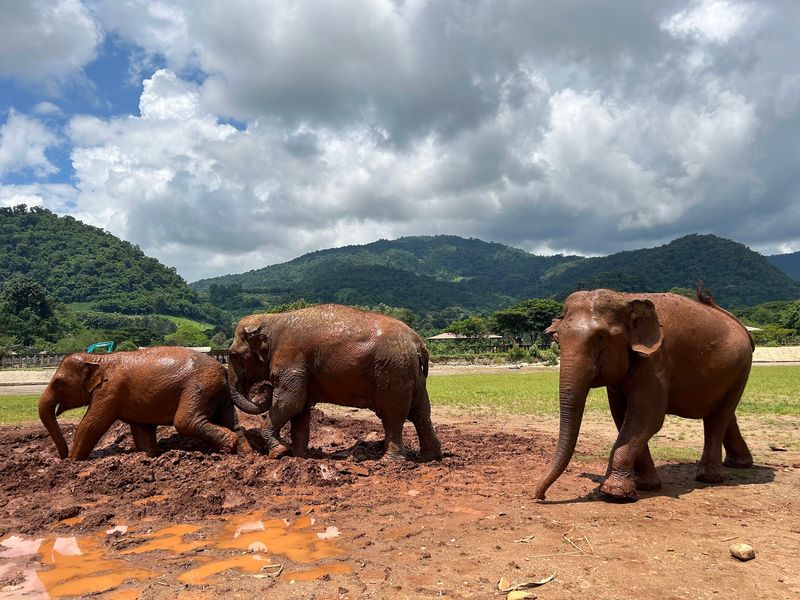
Co-founded by the legendary conservationist Sangduen “Lek” Chailert, Elephant Nature Park has spent decades dismantling the idea that elephants exist for human entertainment.
Located about 65 km north of Chiang Mai in Mae Taeng District, the park currently provides sanctuary for over 100 rescued elephants, many pulled from logging operations, street begging, and exploitative tourism industries.
Elephants roam freely in natural family groups throughout the day, returning to enclosures at night for safety, with no riding, performances, or forced bathing on the schedule.
Single-day visits and week-long volunteer programs are both available, with transport and vegetarian meals included, and every program focuses on education and respectful observation from a safe distance.
Beyond elephant care, the park supports rainforest preservation, runs mobile veterinary clinics for working animals in surrounding villages, and actively champions ethical tourism standards across Southeast Asia.
9. Boon Lott’s Elephant Sanctuary, Sukhothai Province, Thailand
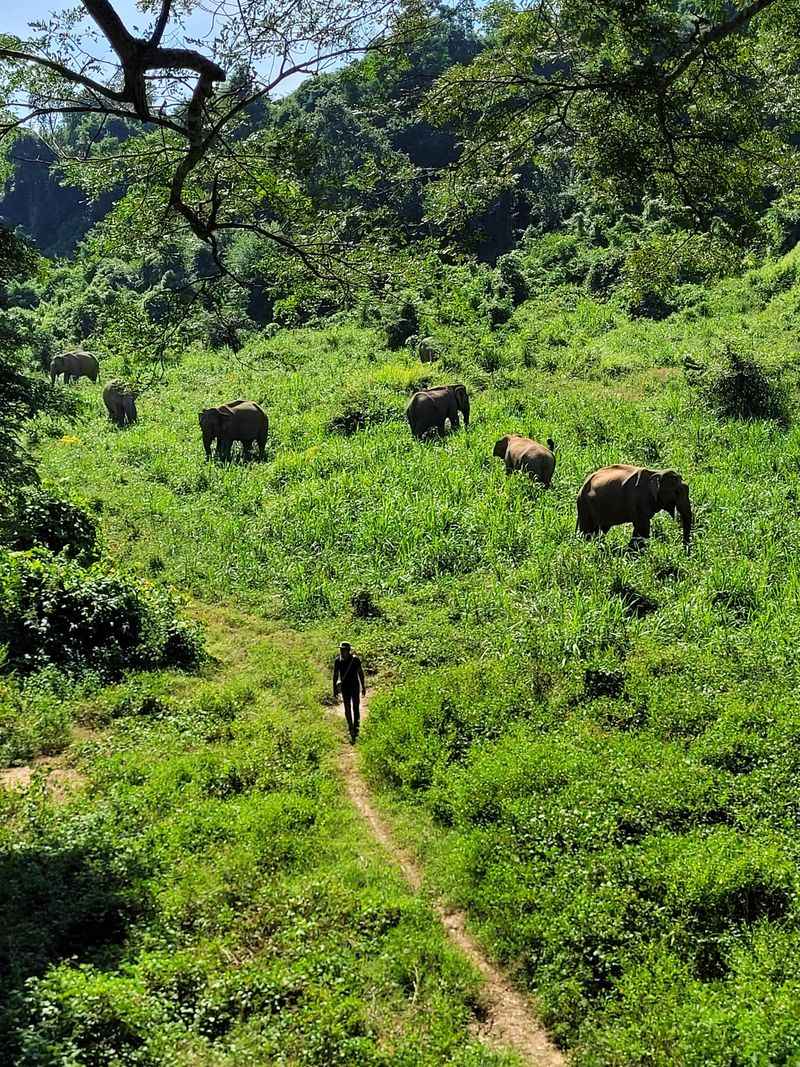
Named after a young elephant whose rescue sparked an entire movement, Boon Lott’s Elephant Sanctuary operates on a simple but radical principle: elephants deserve freedom, full stop.
Spread across 600 acres of forested land in Sukhothai Province, BLES prohibits riding, shows, and tourist-directed bathing entirely, asking visitors to observe rather than interact, and to let elephants set the terms of every encounter.
Mahouts here work without bullhooks, building trust-based relationships that take time but produce genuinely remarkable results in animals recovering from years of trauma.
Guest numbers are deliberately kept very low, often no more than six visitors at a time, and day trips are not offered. Guests commit to multi-night stays, participating in daily sanctuary life and walking into the forest to find the elephants on their own terms.
All profits are reinvested directly into conservation, forest protection, and the welfare of the local community that keeps the sanctuary running.
10. Sheldrick Wildlife Trust Kaluku Neonate Nursery, Kaluku, Kilifi County, Kenya
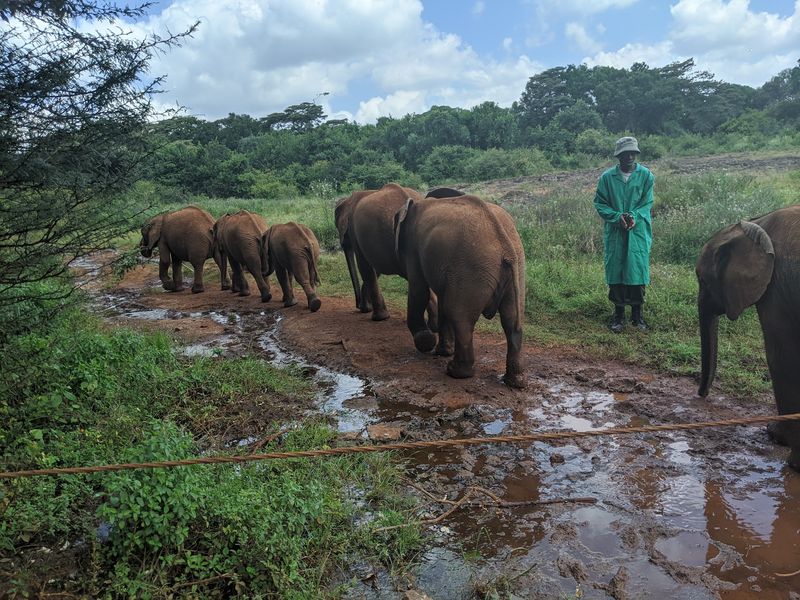
Caring for a newborn elephant is one of the most demanding jobs in wildlife conservation, requiring patience, expertise, and an almost superhuman commitment to round-the-clock feeding schedules.
The Kaluku Neonate Nursery, established in 2018 at the heart of the Sheldrick Wildlife Trust’s Tsavo field headquarters, specializes in exactly that challenge, taking in the youngest and most fragile calves that arrive before they are ready for the main nursery in Nairobi.
Set within a 5,000-acre buffer zone bordering Tsavo East and framed by the Athi and Mtito Rivers, Kaluku provides a warm, dry, and quiet environment ideal for the most vulnerable individuals.
Once strong enough for broader social interaction, neonates graduate to Nairobi to continue their rehabilitation journey.
This facility is not open to public visits, a deliberate choice that puts elephant welfare firmly above tourism at every stage.
11. Elephant Valley Project, Sen Monorom, Mondulkiri Province, Cambodia
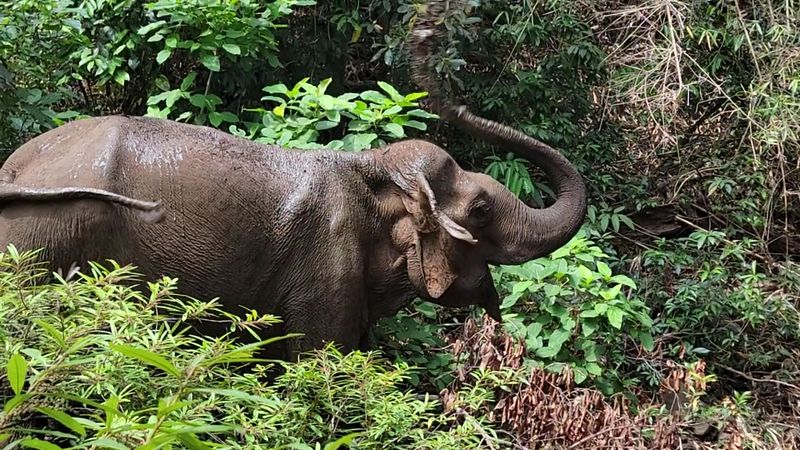
Cambodia’s first ethical elephant sanctuary was built on a bold idea: that the best thing humans can do for traumatized elephants is mostly leave them alone.
Located 11 km from Sen Monorom in the forested hills of Mondulkiri Province, the Elephant Valley Project enforces a strict hands-off, observation-only policy across its 1,500 to 3,700 hectares of protected jungle.
Elephants rescued from logging and exploitative tourism industries are free to forage, socialize, and bathe entirely on their own schedule, with no performances, no riding, and no forced interactions of any kind.
The project works closely with the indigenous Bunong community, employing local mahouts, funding healthcare and education for their families, and creating real economic incentives for conservation over exploitation.
Visitor numbers are capped at eight per day, advance booking is essential, and the multi-day programs that include guided forest treks and traditional Bunong meals are consistently booked weeks ahead.
12. Elephant Transit Home, Udawalawe, Sri Lanka
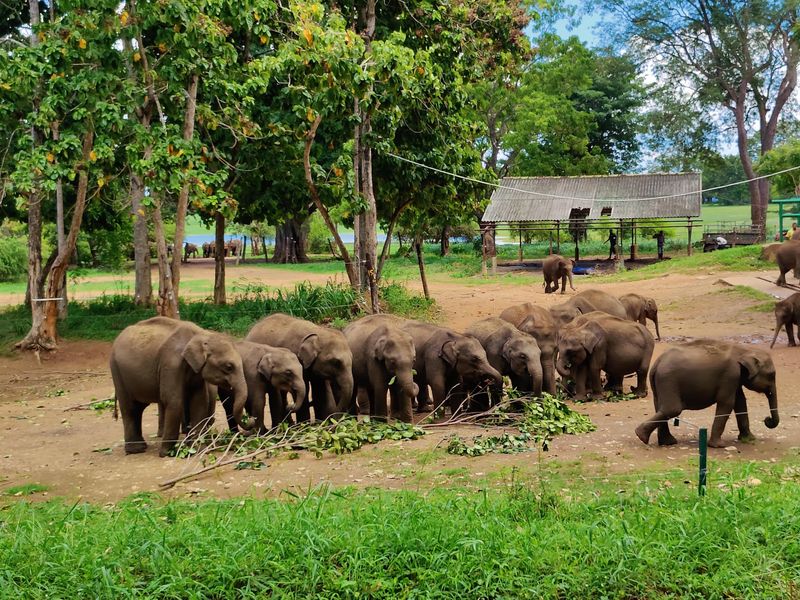
With over 100 successfully released elephants that have since been spotted breeding in the wild, the Elephant Transit Home has quietly become one of Asia’s most impressive conservation success stories.
Established in 1995 by the Sri Lanka Department of Wildlife Conservation inside Udawalawe National Park, the facility focuses entirely on rehabilitation and release, caring for orphaned calves until they are self-sufficient enough to survive independently, usually around four to five years of age.
Human contact is deliberately minimized throughout the process, ensuring each calf retains its wild instincts rather than becoming dependent on people.
Visitors can observe four scheduled feeding sessions daily, at 9 AM, noon, 3 PM, and 6 PM, watching calves eagerly drain large bottles from a respectful distance on a dedicated viewing platform.
No riding, touching, or forced bathing is offered here, making it one of Sri Lanka’s most ethically straightforward wildlife experiences, with entrance fees going directly toward the calves’ care.
13. Game Rangers International Elephant Orphanage Project, Lusaka & Kafue National Park, Zambia
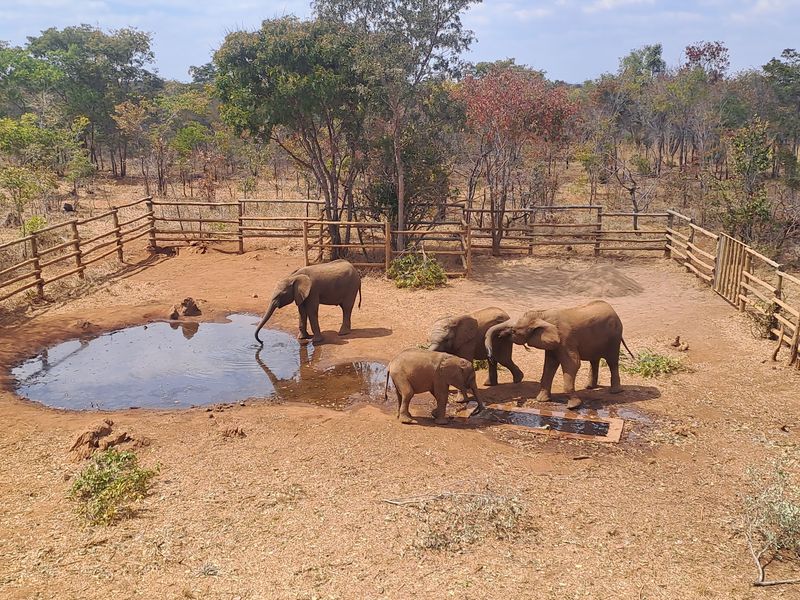
Few conservation stories are as hopeful as watching an orphaned elephant take its first independent steps back into the wild, and that journey begins with Zambia’s Elephant Orphanage Project.
Established in 2007 by Game Rangers International in partnership with Zambia’s Department of National Parks and Wildlife, the program rescues calves orphaned by poaching, human-wildlife conflict, drought, and other emergencies. Young elephants first receive intensive care at the nursery in Lusaka National Park, where dedicated keepers provide round-the-clock feeding, veterinary treatment, and the constant companionship essential for their emotional well-being.
As the calves mature, they transfer to the release facility in Kafue National Park, one of Africa’s largest protected wilderness areas. There, they gradually spend more time exploring the bush, learning natural behaviors, and interacting with wild elephants before complete independence.
Several former orphans have already established lives in the wild, proving the program’s long-term success. Visitors can book guided nursery experiences in Lusaka, with every visit helping support the rescue, rehabilitation, and eventual return of Zambia’s orphaned elephants.
14. Friends of the Asian Elephant Hospital, Lampang, Thailand
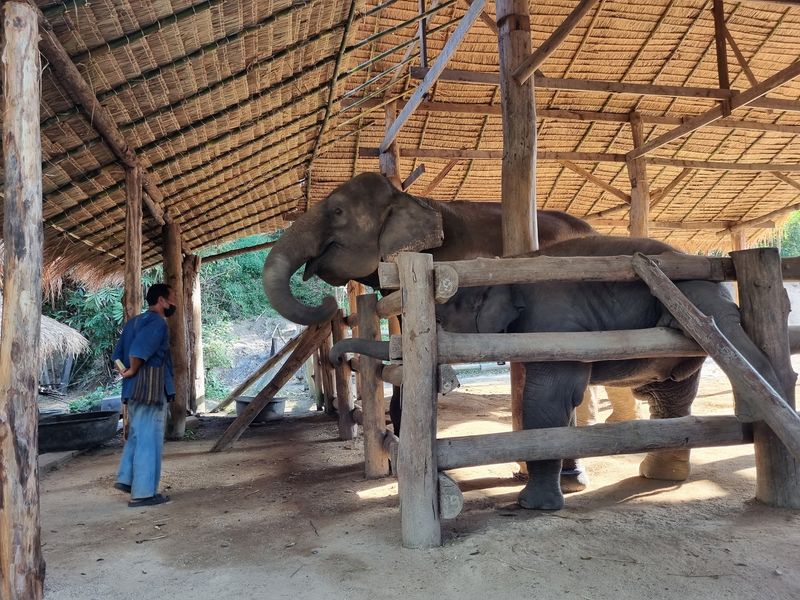
The world’s first elephant hospital treats patients weighing several tons, and every one of them arrives with a story worth telling.
Founded in 1993 in Lampang Province, Friends of the Asian Elephant established Thailand’s pioneering elephant hospital to care for injured, sick, and orphaned elephants from across the country. Veterinarians handle everything from broken bones and infected wounds to prosthetic limbs, eye surgery, and complex rehabilitation cases that few other facilities are equipped to manage.
Young orphaned elephants receive specialized nutritional care, medical supervision, and constant attention while recovering from illness or injury. Many patients eventually return to sanctuaries or protected environments better prepared for healthy lives.
Beyond treatment, the organization has become an international leader in elephant medicine, training veterinarians and advancing research that benefits elephants throughout Asia. Visitors can tour designated areas of the hospital to learn about its groundbreaking work while supporting an institution that has transformed elephant healthcare for more than three decades.
Share this story