There is a park in Wilmington, Delaware, where you can walk along a river, smell roses in a historic garden, cross a century-old swinging bridge, and spot wildlife, all within the same afternoon. I had no idea a single urban park could pack in so much character until I spent a full day wandering through it.
The cherry trees alone stopped me in my tracks, and the stories behind the fountains and gardens kept me curious around every bend. By the time I finished the loop trail, I had already started planning my next visit.
This park has been shaping the city’s identity since 1886, and the closer you look, the more fascinating it becomes. From a rose garden with international roots to Delaware’s only zoo tucked right inside its boundaries, every corner of this place has something worth discovering.
Keep reading, because the details here are genuinely surprising.
Where the Park Begins: Address, Location, and First Impressions
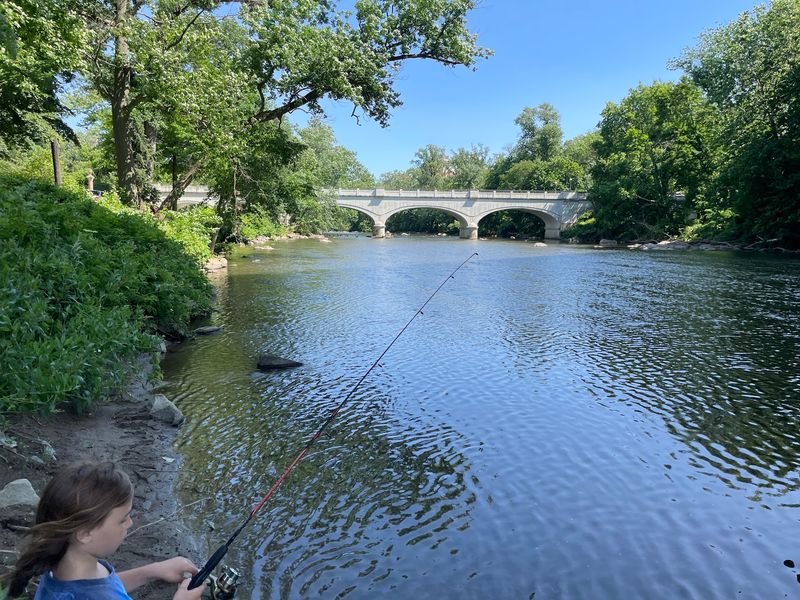
My first look at Brandywine Park came as I turned onto North Park Drive in Wilmington, Delaware, and the creek appeared through the trees almost immediately. The park’s main address is 1080 N Park Dr, Wilmington, DE 19802, and it sits right in the heart of the city, which makes finding it surprisingly easy.
Spanning approximately 178 acres along both banks of the Brandywine Creek, this is not a small neighborhood patch of grass. It is the largest urban park in Delaware, and the scale of it becomes clear the moment you start walking.
On-street parking is available along the park roads, and the Willing Street Parking Lot offers additional space for visitors. Entry to the park is completely free, which feels like a generous gift from a city that clearly takes pride in this place.
The park is open daily from 8 AM to 8 PM.
A Park Born in 1886: The Olmsted Connection You Did Not Expect
Most city parks have a backstory, but few can claim a connection to the man who designed New York’s Central Park. Frederick Law Olmsted personally visited Wilmington and enthusiastically recommended the land along Brandywine Creek as the ideal site for a public park.
The park officially opened in 1886, making it Wilmington’s very first city park. Samuel Canby, the first president of the Board of Park Commissioners, worked closely with Olmsted’s philosophy to shape the design, blending natural wilderness with open meadows and thoughtfully placed paths.
The guiding idea behind it all was the late 19th-century Natural Landscape Movement, which believed that cities needed green spaces where residents could breathe, relax, and reconnect with nature. That philosophy is still visible today in the way the park’s roads and walkways follow the natural curves of the creek rather than cutting across them.
In 1976, the park earned a well-deserved spot on the National Register of Historic Places.
The Brandywine Creek Views That Make Every Walk Feel Different
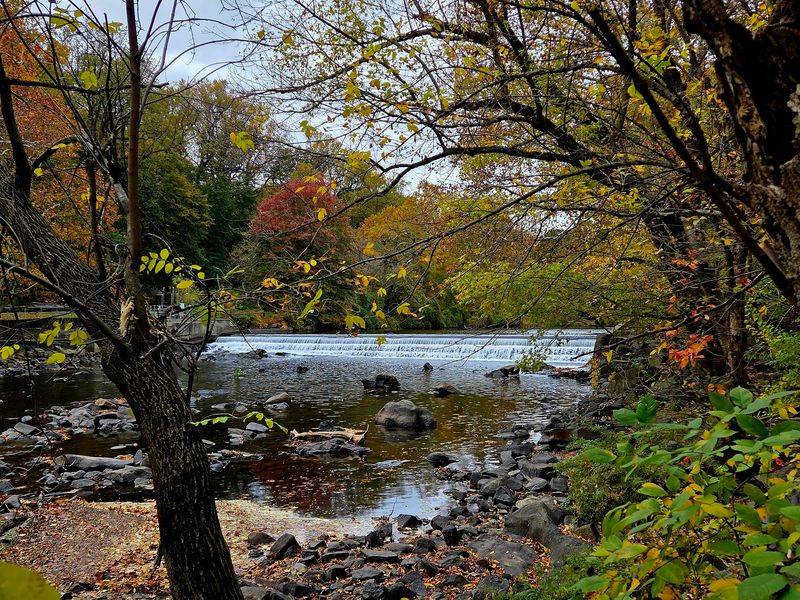
The Brandywine Creek is the park’s backbone, and the views along its banks shift with every season. In spring, the water reflects blooming trees overhead.
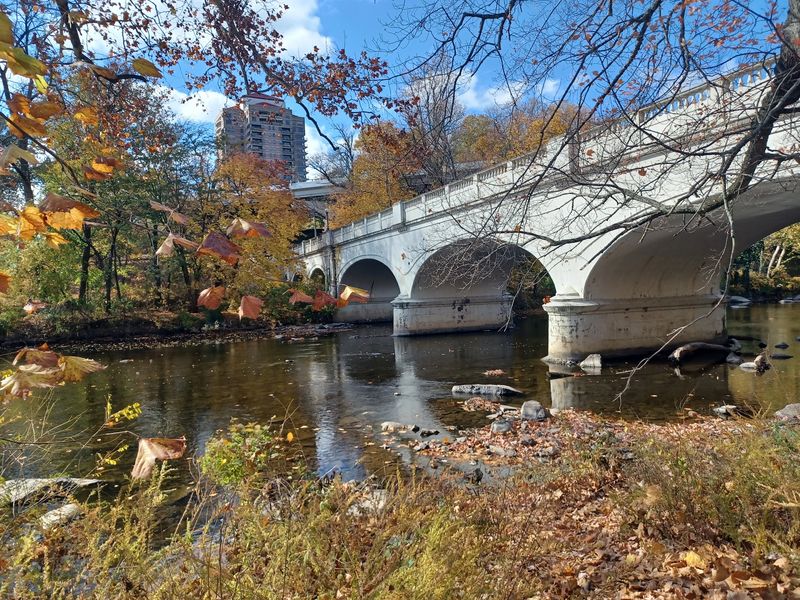
In fall, the wooded banks turn into a canvas of amber and red that makes even a quick walk feel like something worth remembering.
A historical mill race runs along the south bank, a calm, narrow channel that once served the city’s industrial mills. Today it creates a peaceful visual contrast against the rougher, more energetic shoals of the main creek channel nearby.
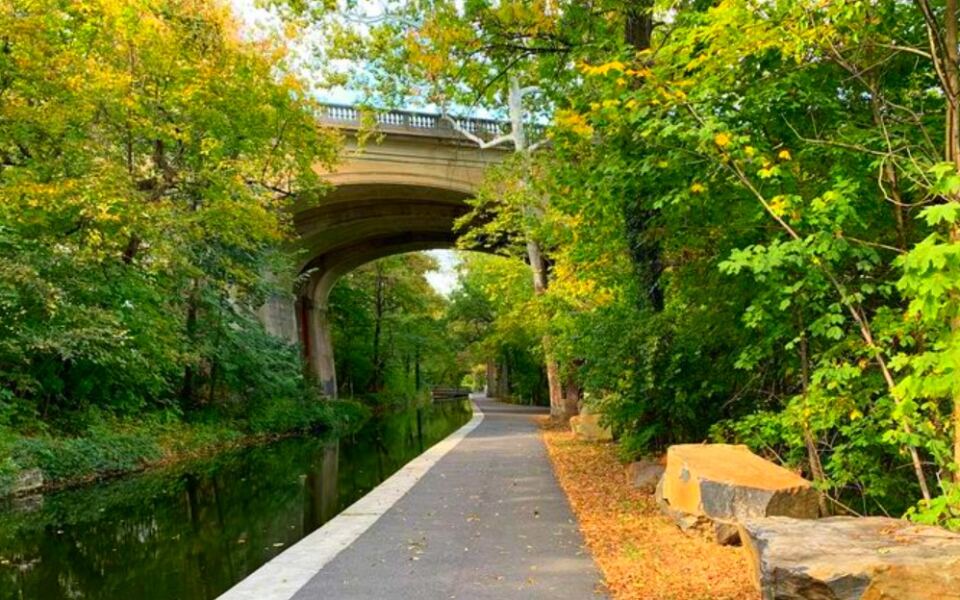
The park’s paths are designed to follow the natural contours of the waterway, so you are never far from a river view no matter which trail you choose. Benches are placed at several vantage points, and on a clear day, the stone bridges reflected in the water make for one of the most quietly beautiful scenes in all of Wilmington.
The river has a way of slowing everything down.
The Jasper Crane Rose Garden: A Depression-Era Gift That Became World Famous
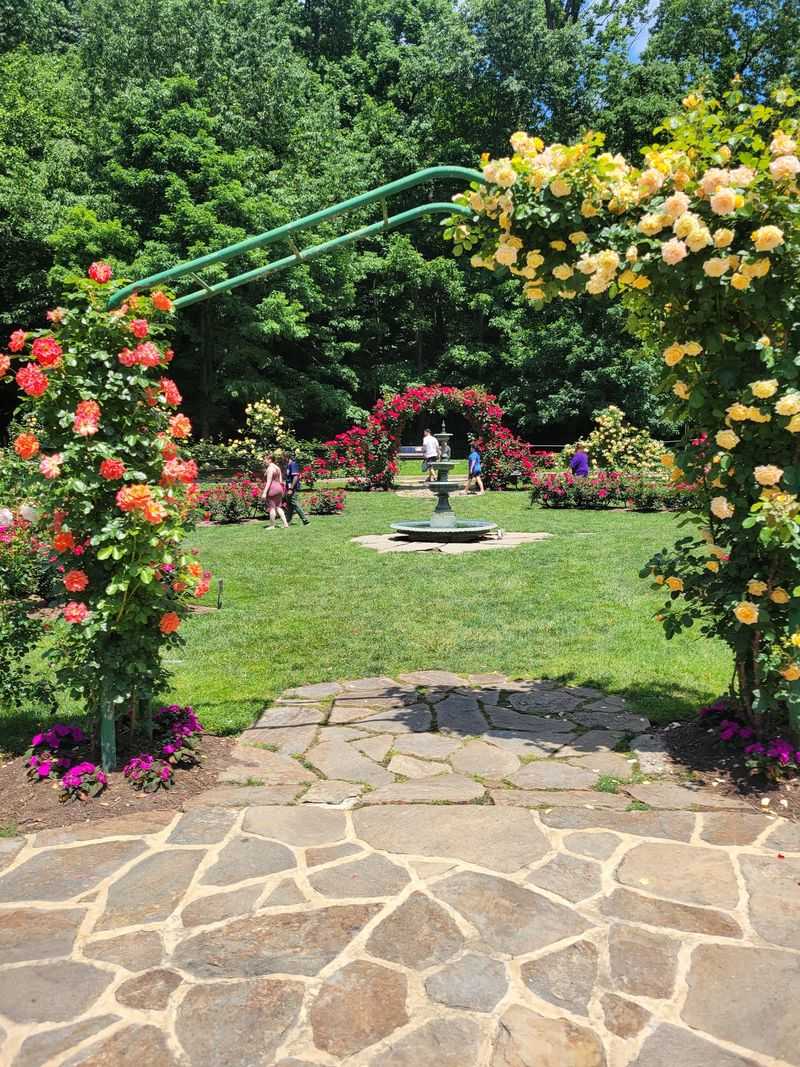
Few gardens have a backstory as moving as this one. During the Great Depression, Jasper E.
Crane, then Vice President of the DuPont Company, donated 670 rose plants representing 58 different varieties from his own personal garden to create a peaceful escape for Wilmington residents during a difficult time.
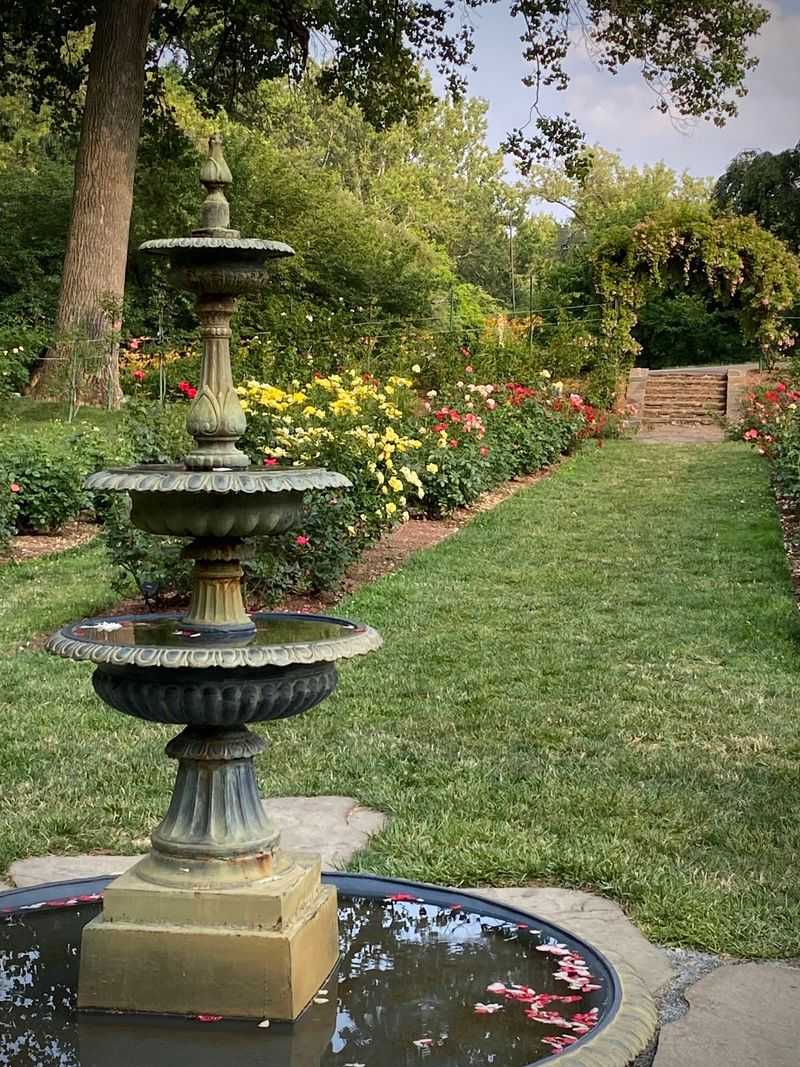
The garden was established between 1933 and 1934 and features a formal, symmetrical layout typical of that era, with Hybrid Tea, Floribunda, and Grandiflora roses arranged in elegant rows. By the 1940s and 1950s, it had gained international recognition as one of the finest rose gardens in the world, boasting over 1,000 plants and more than 100 varieties.
Blooms typically appear from early June and continue throughout the summer, drawing thousands of visitors who come specifically for the roses. The Friends of Wilmington Parks continue to care for the garden today.
The fragrance on a warm June morning is the kind of thing that makes you stop walking entirely and just stand still for a while.
Cherry Blossoms and the Josephine Fountain: A Spring Story Worth Telling
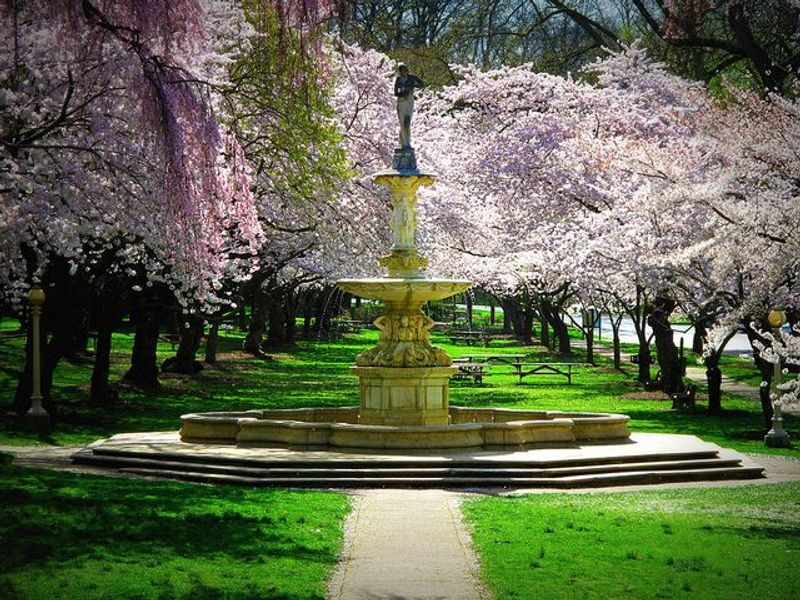
There is a particular corner of Brandywine Park that transforms completely in spring, and the people who know about it tend to return every year just to see it. In 1929, General J.
Ernest Smith planted cherry trees in memory of his wife, Josephine, creating what would become one of Wilmington’s most beloved seasonal displays.
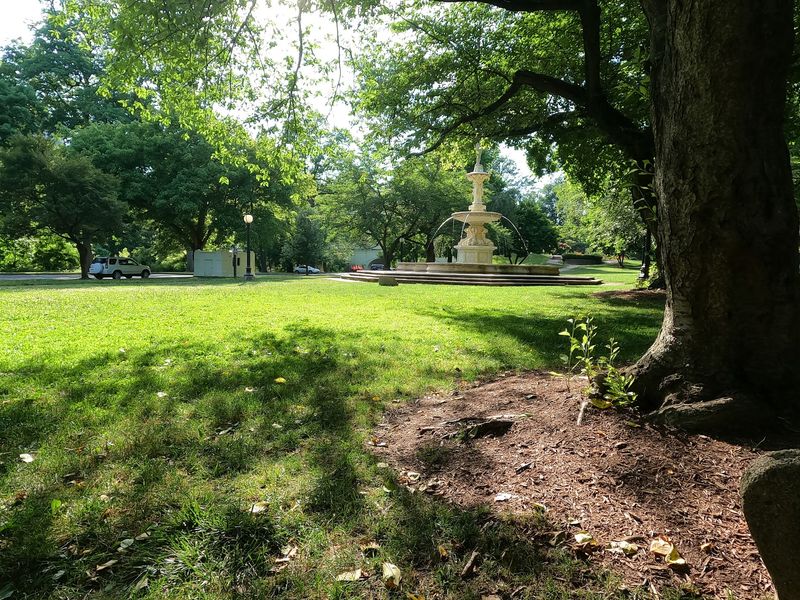
The Josephine Fountain, completed in 1933 and modeled after a fountain at Villa Petraia in Florence, Italy, stands at the center of this scene. When the cherry trees bloom around it in soft shades of pink and white, the combination of Italian-inspired stonework and flowering branches creates a genuinely stunning picture.
The fountain underwent a full restoration that was completed in 2020, bringing it back to its original elegance. Visiting during peak bloom, usually in early to mid-April, means sharing the space with photographers, couples, and families who clearly understand what a rare and beautiful thing they are looking at.
The scene earns every bit of that reputation.
The Swinging Footbridge: A 1909 Landmark That Still Moves Beneath Your Feet
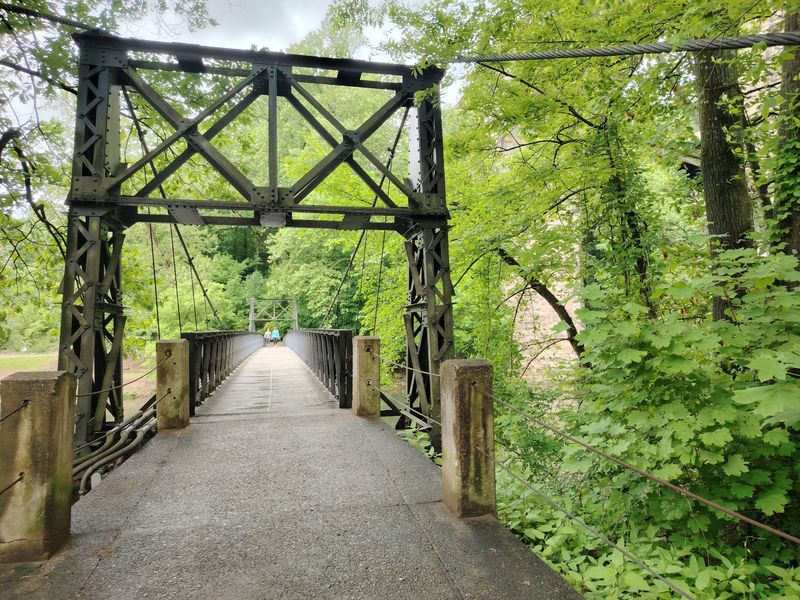
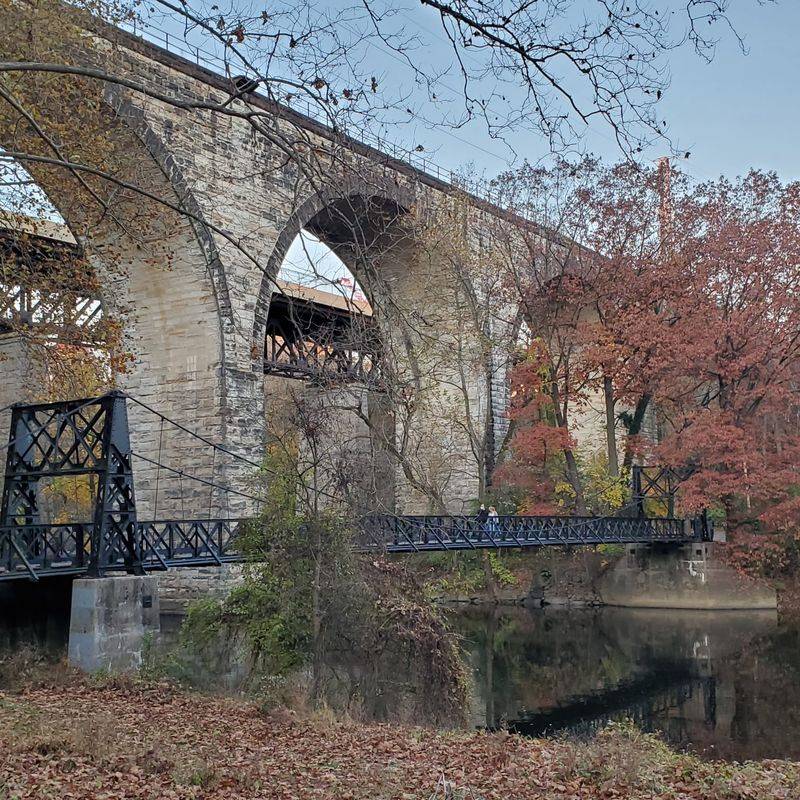
There are bridges you walk over without a second thought, and then there is this one. The pedestrian suspension bridge at Brandywine Park, commonly called the Swinging Bridge, was built in 1909 and was specifically designed to carry foot traffic across the Brandywine Creek.
What makes it special beyond its age is that it actually moves. The original riveted steel truss and towers remain intact, giving the bridge genuine historical significance and a slightly thrilling crossing experience.
A walk across it during fall, when the surrounding trees are in full color, is the kind of simple pleasure that tends to stick in your memory.
The bridge is roughly a 20-minute walk from the main parking area, which means reaching it feels like a small reward after a stretch of pleasant trail time. The creek below moves steadily through the gorge, and the sound of the water combined with the gentle sway of the bridge underfoot makes for an oddly satisfying moment.
Plan to linger here longer than you expect.
The Beloved 2.4-Mile Loop: Why This Walk Has Earned Its Reputation
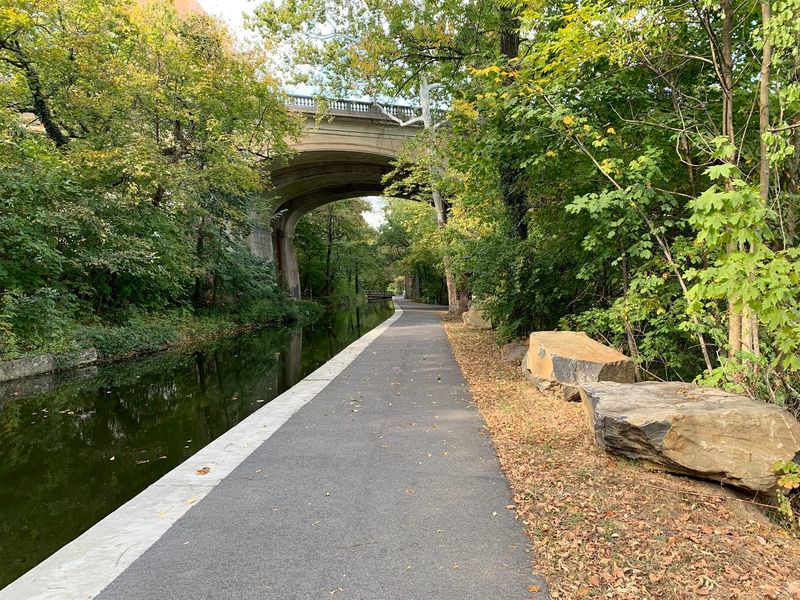
Ask locals which walk they return to most often in Wilmington and Brandywine Park’s main loop comes up again and again. The Brandywine Park Loop covers approximately 2.4 miles and is mostly paved, making it accessible for walkers of nearly every fitness level and age group.
The route passes historic stone bridges, the Josephine Fountain, old mill structures, and stretches of the Brandywine Creek that shift from calm to rushing depending on recent rainfall. The Northern Delaware Greenway Trail also runs through the park, connecting visitors to the Jasper Crane Rose Garden and the Brandywine Zoo along a wide, well-maintained surface.
For those who want something more physically demanding, the park also features a fitness circuit loop with exercise stations spread along the path. I completed the main loop at a relaxed pace in just under an hour, stopping frequently to look at the water and read a few of the historical markers.
The trail rewards the curious walker more than the hurried one, and there is always something new to notice.
Sister Cities Gardens: Five Flower Beds, Five Countries, One Corner of the Park
Hidden near the southeast corner of North Van Buren Street and North Park Drive is one of the park’s quieter surprises. The Sister Cities Gardens consist of five individual flower beds, each one dedicated to one of Wilmington’s international sister cities: Kalmar in Sweden, Fulda in Germany, Osogbo in Nigeria, Olevano sul Tusciano in Italy, and Nemours in France.
Each garden is replanted every spring with flowers chosen to represent the national flag colors of its respective country. The result is a vibrant, patchwork display that manages to feel both civic and genuinely beautiful at the same time.
The Sister Cities of Wilmington organization maintains the gardens with visible care and dedication.
What I appreciated most about this spot was how quietly international it felt in the middle of an American city park. There are no grand signs or loud announcements, just five carefully tended beds that tell a story about connection and goodwill across continents.
It is the kind of detail that rewards visitors who slow down and actually read the small markers beside each plot.
The Man-Made Waterfall and the Bridges That Frame the Creek
About a 20-minute walk from the main parking area, the creek narrows and drops over a man-made waterfall that stops most visitors mid-stride. The sound reaches you before the view does, and when you finally round the bend and see the rushing water framed by tree-covered banks, the effect is genuinely dramatic for a city park.
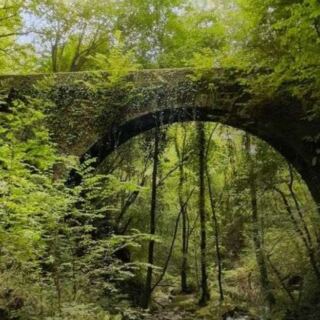
The historic stone bridges visible along the route add considerably to the park’s visual character. The stone arch CSX Brandywine River Railroad Bridge and the Augustine Bridge are both striking structures that photograph beautifully, especially when the leaves are turning in November.
The combination of moving water, old stonework, and wooded surroundings gives this section of the park a quality that feels more remote than it actually is.
The waterfall area also draws wildlife, including ducks that gather in the calmer pools below the drop. Benches nearby make it easy to sit and watch the scene without rushing.
This particular stretch of the park is one of those spots where the distance from the parking lot feels entirely worth the walk.
Picnics, Sports Fields, and All the Reasons Locals Keep Coming Back
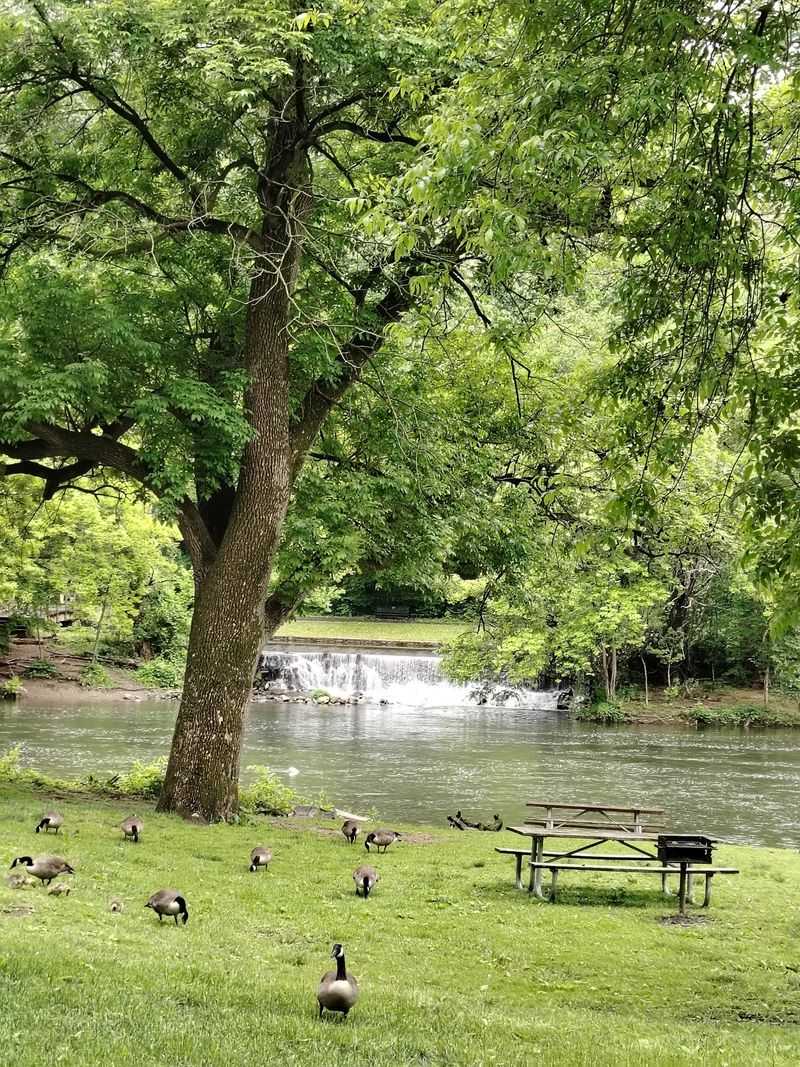
Beyond the gardens and trails, Brandywine Park functions as a full-service recreational hub for Wilmington residents. Picnic tables and benches are scattered throughout the grounds, and the park includes athletic fields for baseball, basketball, football, soccer, and tennis courts, covering just about every outdoor sport a family might want to play.
Two off-leash dog areas make the park genuinely popular with pet owners, and on any given afternoon you will find dogs of every size and energy level making the most of the open space. The park also hosts the Brandywine Park Farmers Market every Saturday morning from 9 AM to noon, running from May through October, which gives weekend visits an extra reason to arrive early.
Baynard Stadium and Abessinio Stadium are also located within the park’s boundaries, adding to the range of activities and events the space can accommodate. The combination of quiet garden walks and active recreational facilities is part of what makes this park feel essential to the city rather than simply decorative.
It genuinely serves everyone who shows up.
Practical Tips and the Best Times to Visit Brandywine Park
Choosing when to visit makes a real difference here. Spring is the most visually dramatic season, when the cherry trees around the Josephine Fountain bloom in early to mid-April and the Jasper Crane Rose Garden begins its season in early June.
Fall is a close second, with the wooded banks of the creek turning vivid shades of orange and gold through October and November.
The park is open daily from 8 AM to 8 PM and can be reached by phone at +1 302-577-7020. Entry is free, and on-street parking is available throughout the park roads.
The Willing Street Parking Lot provides additional options for visitors arriving by car. Street parking in the surrounding area is also free after 6 PM.
One practical note worth mentioning: the only restrooms within the park are located inside the Brandywine Zoo, so plan accordingly before heading out on the longer trails. The park connects to the broader Wilmington State Parks network, making it a natural starting point for exploring more of Delaware’s green spaces.
Come early on weekends to enjoy it at its quietest.
Share this story