Most museums rope you off from the good stuff. At one tucked-away spot in Tulsa, Oklahoma, the whole point is to pull up a chair and actually use the collection.
The Vintage Sewing Machine Museum holds thousands of machines, many dating back to the 1800s, and nearly every one of them is fair game to touch, try, and operate. Whether you know how to thread a needle or have never touched a sewing machine in your life, this place has a way of turning a casual afternoon stop into a three-hour adventure you did not see coming.
Where the Vintage Sewing Machine Museum Lives
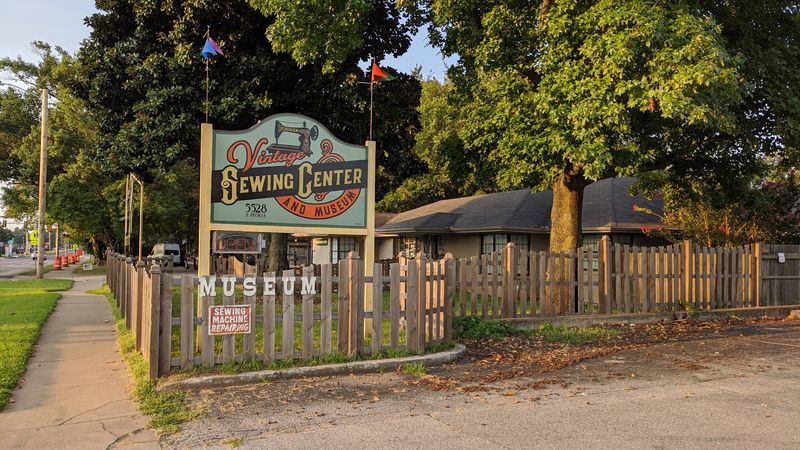
On a stretch of South Peoria Avenue in midtown Tulsa, a building holds one of the most genuinely surprising museum experiences in the entire state. The Vintage Sewing Machine Museum sits at 5528 S Peoria Ave, Tulsa, OK 74105, tucked into a modest commercial strip that gives almost no hint of what waits inside.
From the outside, it reads as a specialty shop. Cross the threshold and the scale of the collection hits immediately.
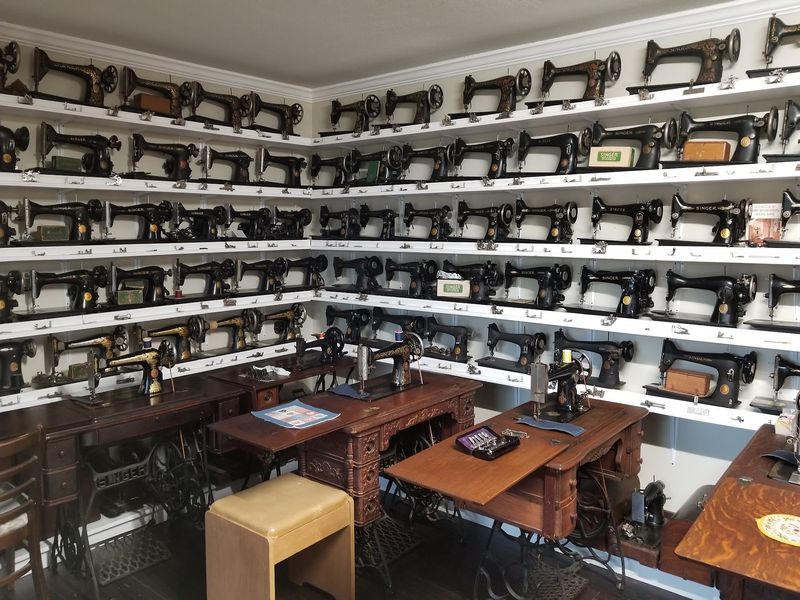
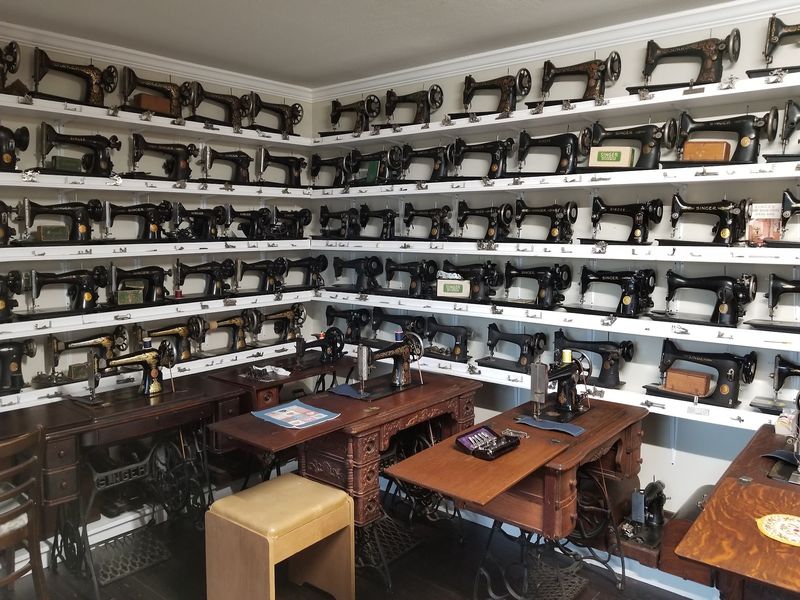
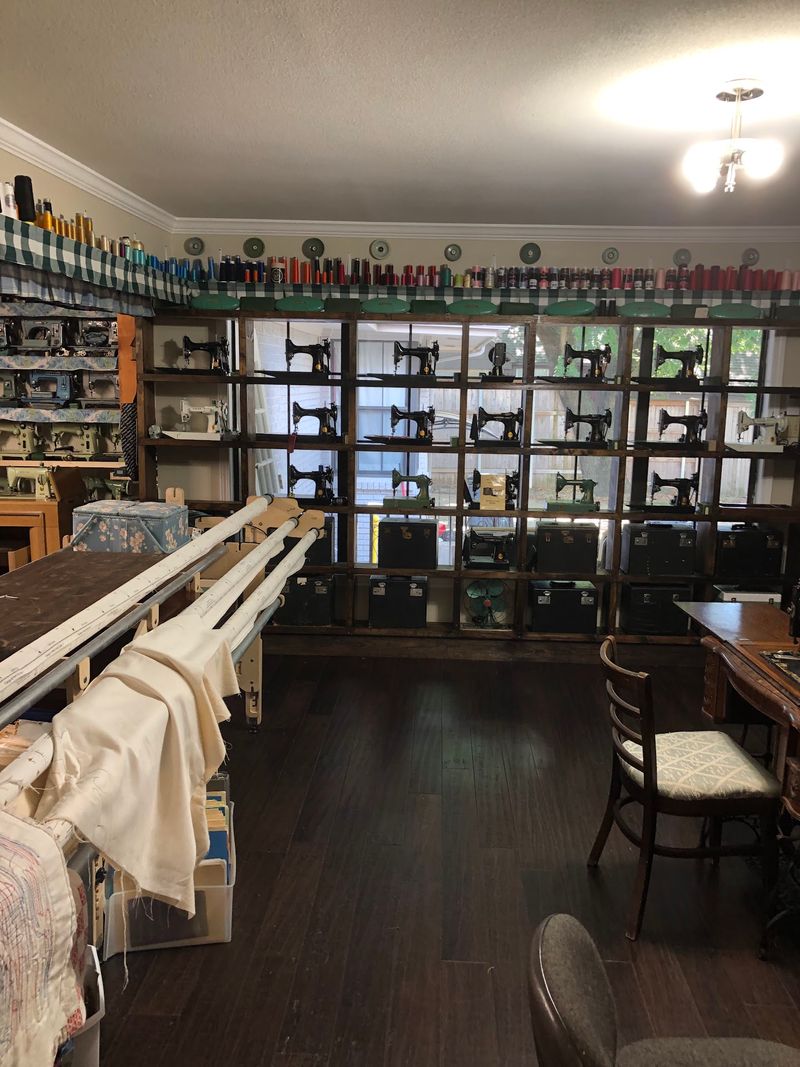
Machines fill every corner, line every wall, and crowd every surface in the most organized way imaginable.
Tulsa is already a city worth visiting for its Art Deco architecture and Route 66 heritage, but this museum adds something genuinely different to the itinerary. It draws road-trippers, history lovers, and curious locals who stumble across it and end up staying far longer than planned.
The museum carries a 4.8-star rating across 136 reviews, which says a great deal for a place this niche. Visitors consistently describe it as one of the most memorable stops they have made anywhere in America, not just in Oklahoma.
The Accidental Origin Story Behind the Collection
Few great collections start with a plan. W.K.
Binger’s story began in 2016 after a 30-year career in stump grinding and tree trimming. All he wanted to do was reupholster his boat and go fishing, so he bought a $99 heavy-duty sewing machine from a craft store and broke it within a couple of hours.
Tracking down a replacement part led him to a contact who gave him a more suitable machine, on one condition: he had to take two other machines and find them good homes. That small transaction opened a door that never closed again.
By around 2017, what started as a practical repair project had grown into a formal museum. Binger, who also holds multiple patents as an inventor, applied the same problem-solving energy to collecting and restoring machines that he had spent decades applying to trees and engines.
The collection now numbers in the thousands, with many pieces being quite valuable. What makes the origin story so fitting is that Binger had zero sewing experience before any of this began, which gives him a uniquely accessible way of explaining the machines to people who are in exactly the same position he once was.
A Collection That Spans Centuries and Continents
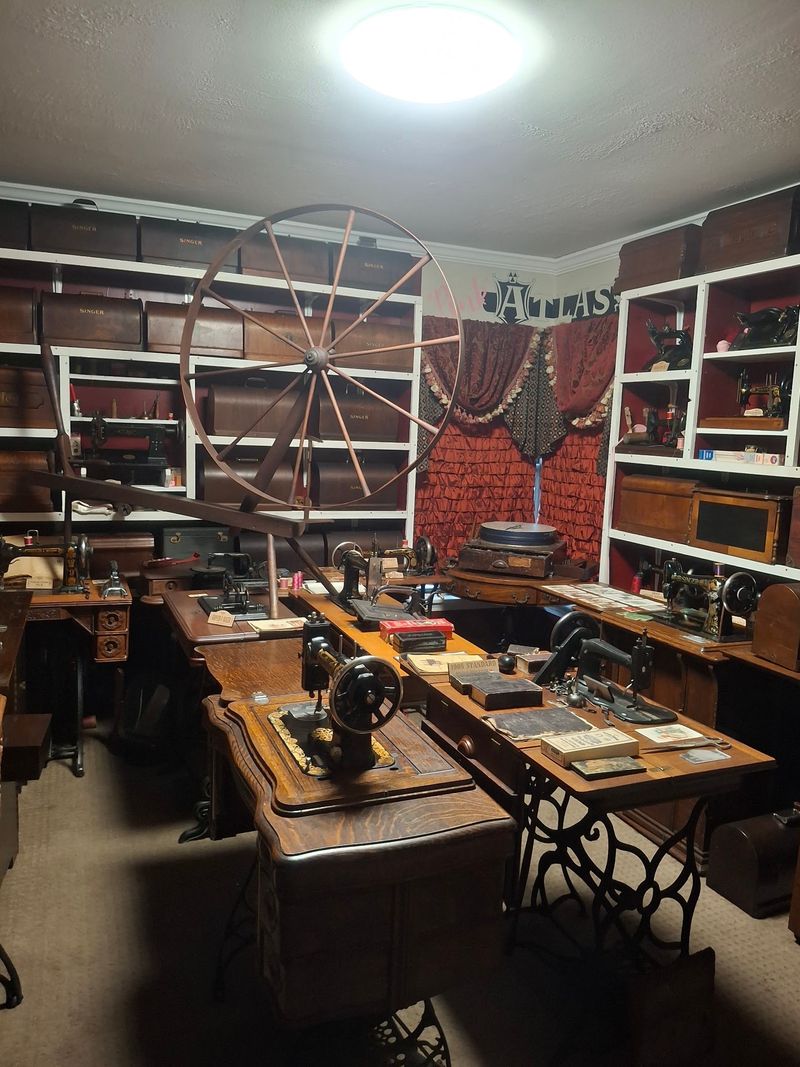
Hundreds upon hundreds of machines fill the space, representing manufacturers and eras from across the globe. The variety goes far beyond the home sewing machines most people picture.
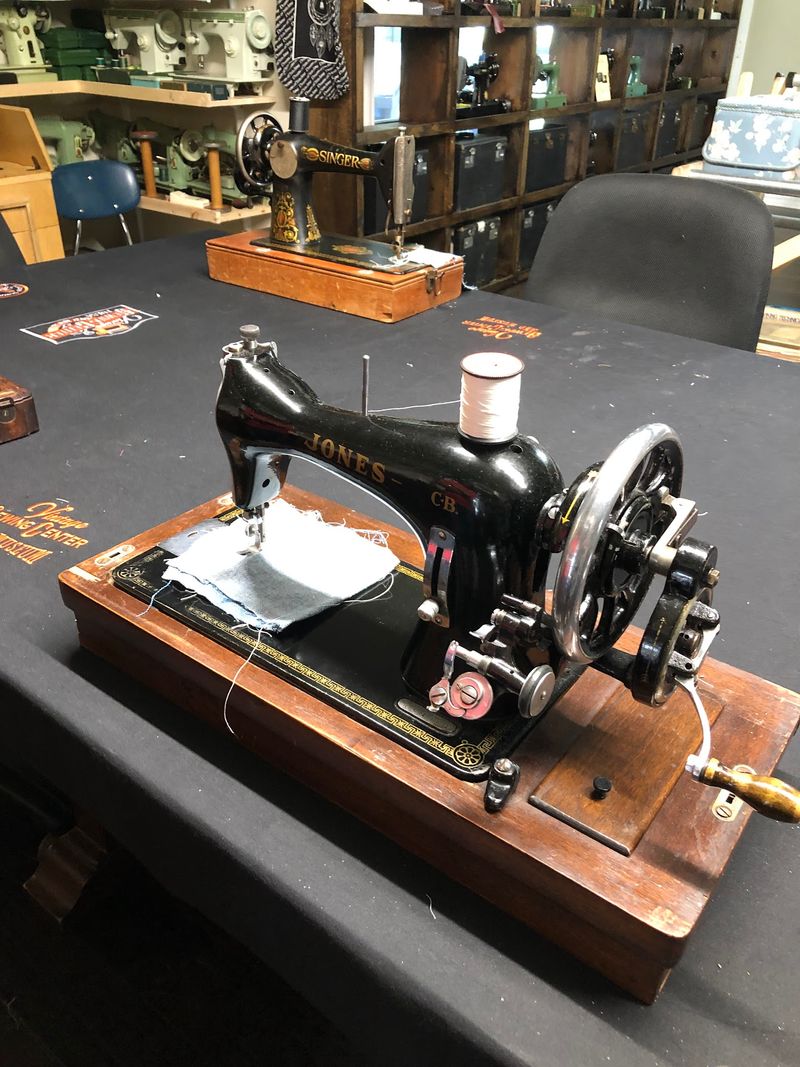
Industrial machines, specialty machines, treadle machines with ornate cast-iron bases, and devices built for specific trades all share the floor.
One machine that tends to stop visitors cold is a leather sewing machine roughly the size of a small automobile. Another favorite is what regulars call the hammock machine, built specifically for sewing hammocks, a purpose that surprises almost everyone who hears it.
Machines made for book-binding, sail-making, tent construction, and other heavy trades sit alongside the more familiar domestic models. The breadth of the collection makes a strong argument that sewing machines were not just household tools but foundational industrial technology that shaped modern manufacturing.
Binger knows the provenance of an extraordinary number of pieces, including the names of previous owners and even details about those owners’ families. That level of personal history transforms what could be a static display into something closer to a living archive, where every machine has a story attached to it rather than just a label.
The Hands-On Policy That Sets This Place Apart
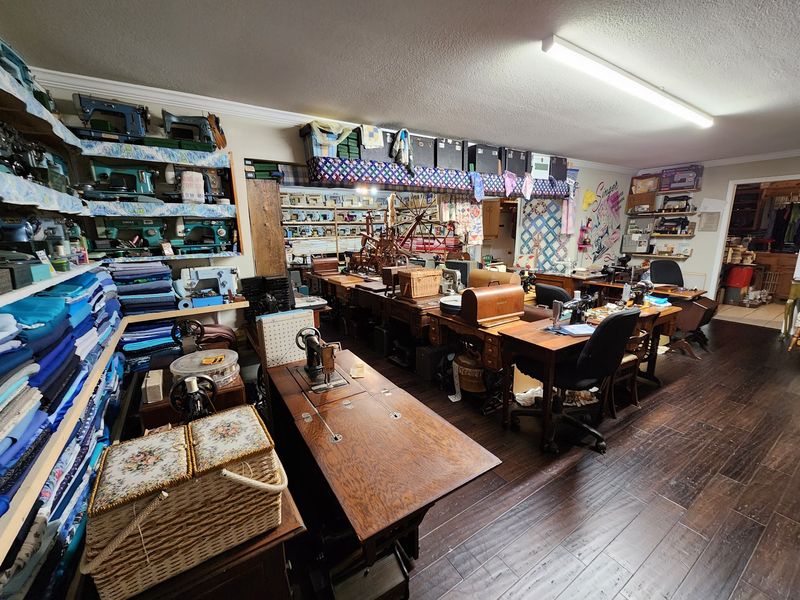
Most museums post signs that say do not touch. At the Vintage Sewing Machine Museum, the opposite philosophy drives the entire experience.
Visitors are actively encouraged to sit down at the machines and try them out, which turns a passive viewing experience into something genuinely participatory.
That open-access approach is rare anywhere in the world, let alone in a collection this size. The machines are maintained well enough to actually operate, and watching a functional 19th-century treadle machine come to life under your own feet carries a specific kind of satisfaction that no photograph or placard can replicate.
People who have never sewn a stitch in their lives find themselves threading bobbins and running fabric through machines that predate electricity in the home. The tactile connection to history is immediate and surprisingly emotional for many visitors.
Groups of three who arrived with only one avid seamstress among them have left reporting that all three enjoyed the hands-on time equally. The machines level the playing field in an interesting way: once you are sitting at one and feeling the mechanism respond, expertise becomes less relevant than curiosity.
W.K. Binger and the Art of the Guided Tour
Wayne K. Binger is the kind of person who makes a place.
His knowledge of the collection runs deep enough that he can tell you not just what a machine was made for, but who owned it, what that person’s grandmother was named, and what specific fabric the machine was designed to handle.
A guided tour with Binger is a different experience from browsing on your own. He explains the mechanical evolution of sewing technology in a way that holds attention even for people who walked in with zero interest in the subject.
The industrial and historical significance of the machines becomes clear quickly under his narration.
Visitors frequently mention spending two to three hours without noticing the time pass. Several have described him as one of the most fascinating people they have ever met, crediting his enthusiasm and generosity as the real engine of the museum’s appeal.
For those who prefer to browse independently first, that option exists too. A guided tour is available for an additional fee beyond general admission, and most people who take it say they wish they had budgeted even more time.
His storytelling style rewards patience.
Sewing Classes and the Youth Program Running Alongside the Museum
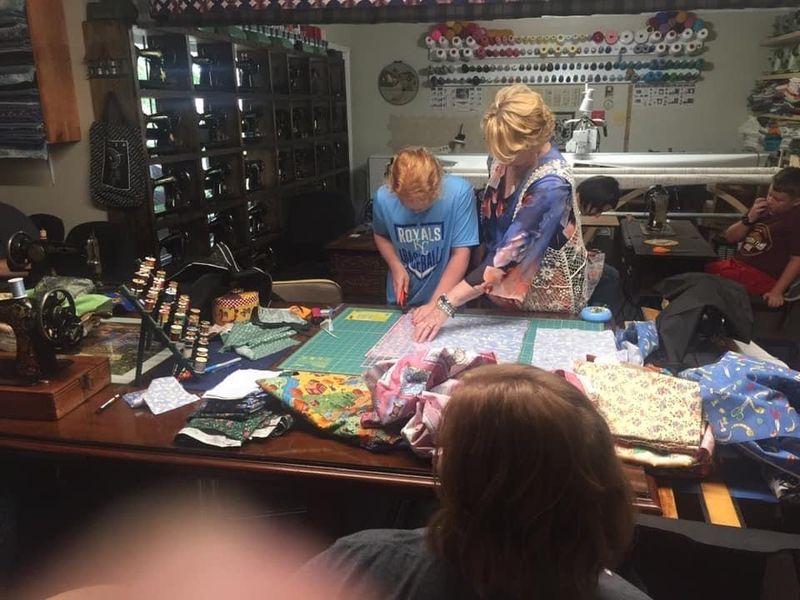
Beyond the museum itself, Binger runs an active youth sewing program that operates out of the same space. Kids come in to learn through hands-on projects, and the philosophy behind the teaching is as interesting as the machines themselves.
Binger has said that if a student is not willing to live on the edge of failure, they are not using all of their creativity. Rather than correcting students toward a standard method, he lets them work through their ideas independently.
He keeps the results, treating what others might call failures as evidence of creative courage.
The program serves students with a range of learning needs, including autistic students and a student who is blind. The approach adapts to each learner rather than expecting each learner to adapt to a fixed curriculum, which reflects a broader philosophy about making and creating that runs through everything Binger does.
Adult sewing classes are also available, and at least one visitor used a session to learn how to service and maintain a vintage Singer machine. The classes cover practical skills alongside appreciation for the machines, making the museum useful rather than purely decorative.
The Laser Cutter and Custom Tile Experience
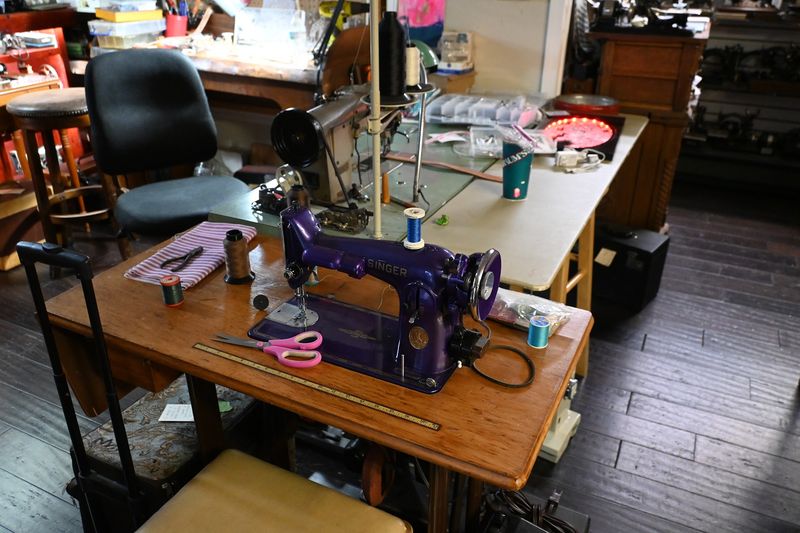
Sewing machines are the headline act, but the museum has a supporting cast that surprises most first-time visitors. Binger uses a laser cutter to create custom tiles, and for visitors who do not sew, this often becomes the centerpiece of their visit rather than an afterthought.
The process starts with a conversation about the visitor’s interests and preferences. Binger asks questions, sketches out ideas, and then produces a one-of-a-kind tile on the spot.
Visitors have walked out with personalized keychains and custom-designed pieces they did not know they wanted when they arrived.
The tile-making reflects the same creative ethos that drives the youth program. Making things, whether on a 19th-century treadle machine or a modern laser cutter, is treated as a skill worth passing on and a process worth respecting.
The two technologies sitting side by side in the same space actually make a quiet point about the continuity of craft across generations.
For non-sewers who worry they will not connect with the museum’s core collection, the laser work provides a tangible, personalized takeaway that makes the visit feel complete rather than incomplete.
What the Inside of the Museum Actually Looks Like
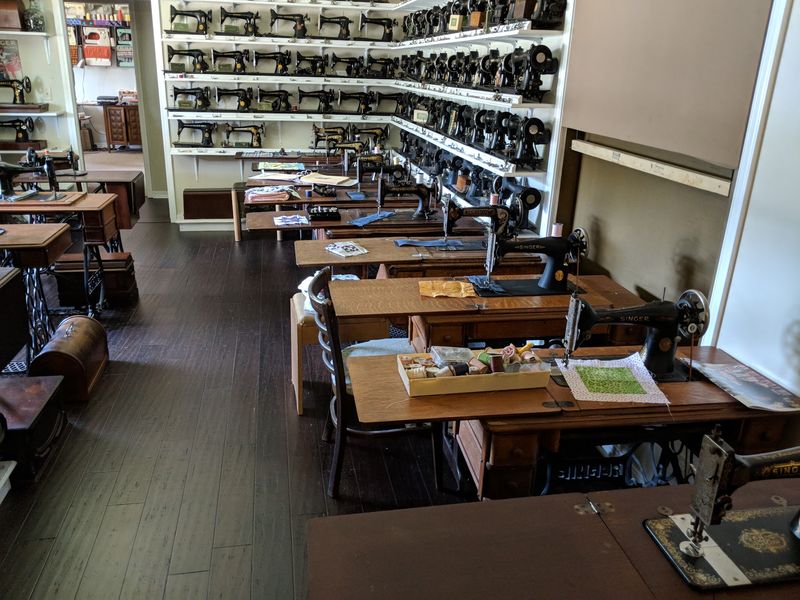
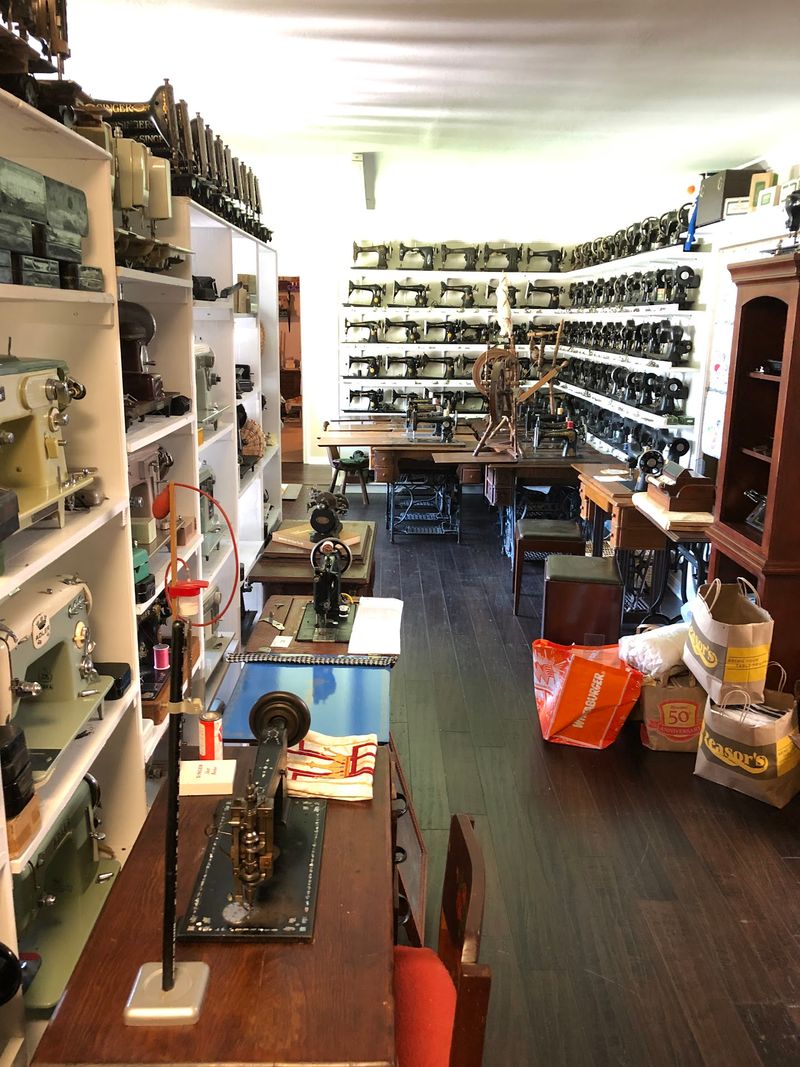
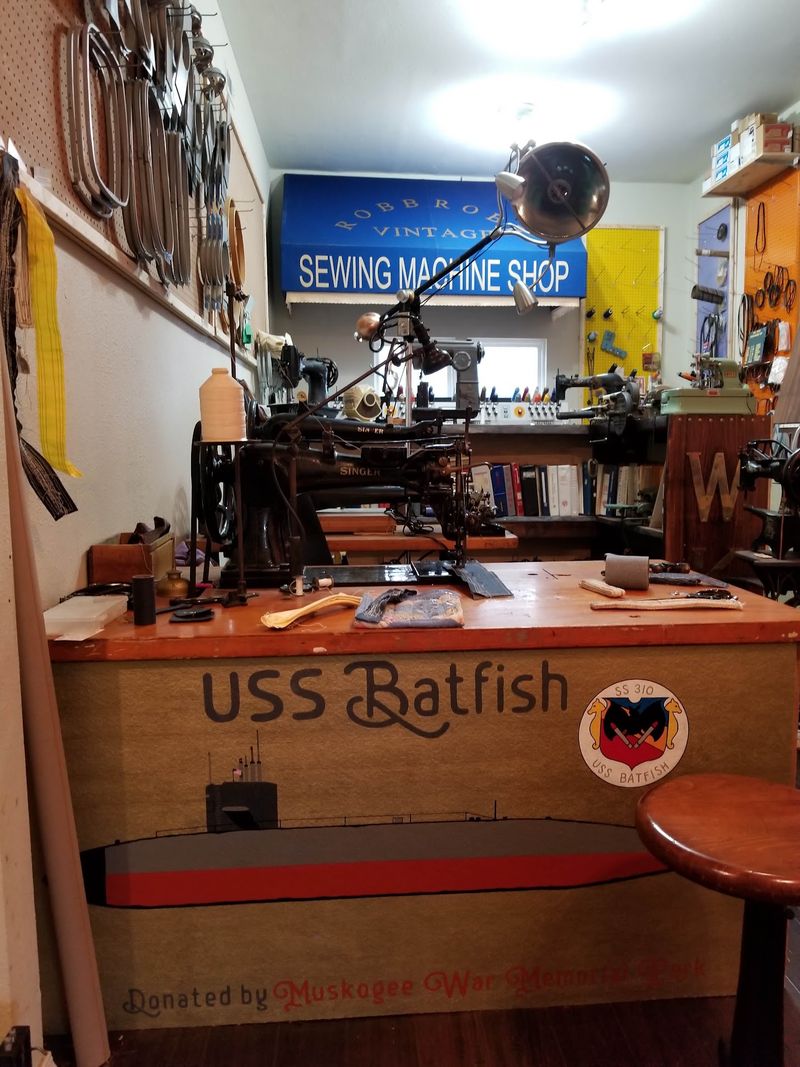
Dense is the right word for the interior. Machines occupy every available surface, and the organization is meticulous despite the volume of objects on display.
Cast-iron treadle bases line the floor in rows, while smaller tabletop models fill shelves and counters from floor to ceiling in some areas.
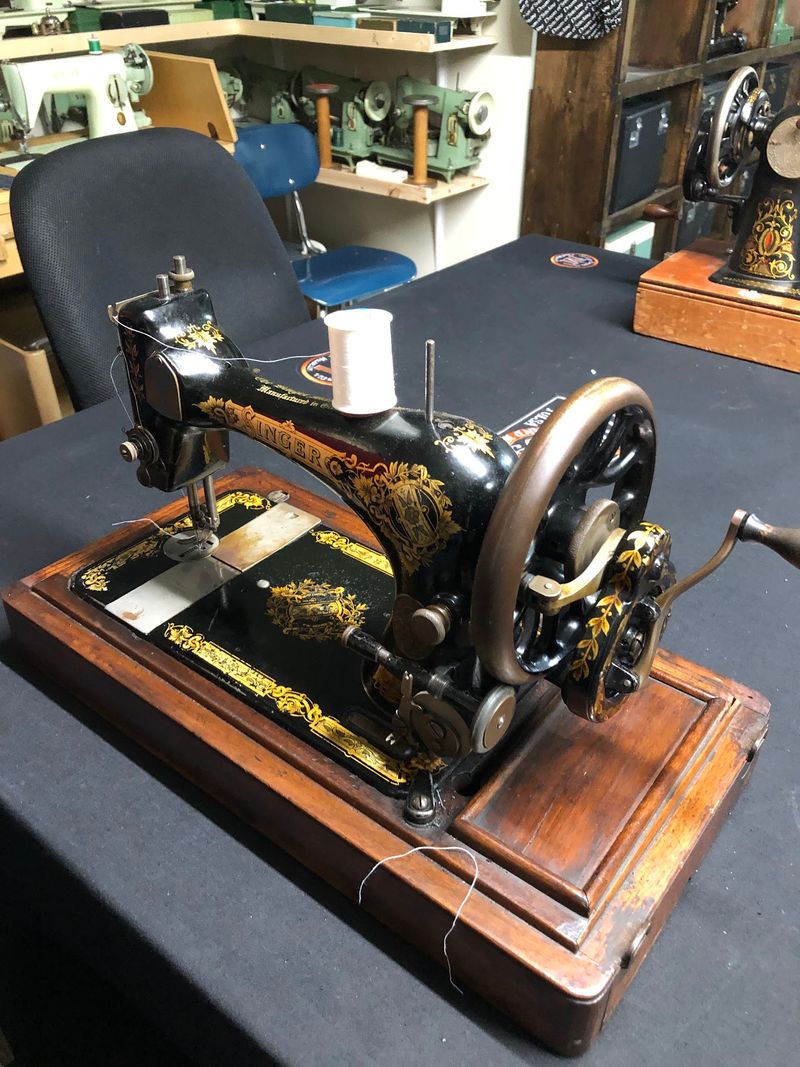
The variety of styles is visually striking even before Binger begins explaining what any of them do. Ornate Victorian-era machines with gilded decals sit near utilitarian industrial models built for factory floors.
The aesthetic range across a century and a half of manufacturing is remarkable in a single room.
Children’s work from the youth program is displayed throughout, adding a layer of living history to the static collection. Finished projects, experimental pieces, and creative attempts hang or sit alongside the antique machines, creating a conversation between past and present that feels intentional rather than accidental.
The overall effect is more like visiting a working archive or a passionate collector’s personal library than a traditional museum with white walls and velvet ropes. Every inch of the space has been curated by someone who genuinely cares about each object in it, and that care comes through in how the room feels.
The Industrial and Historical Weight of Sewing Technology
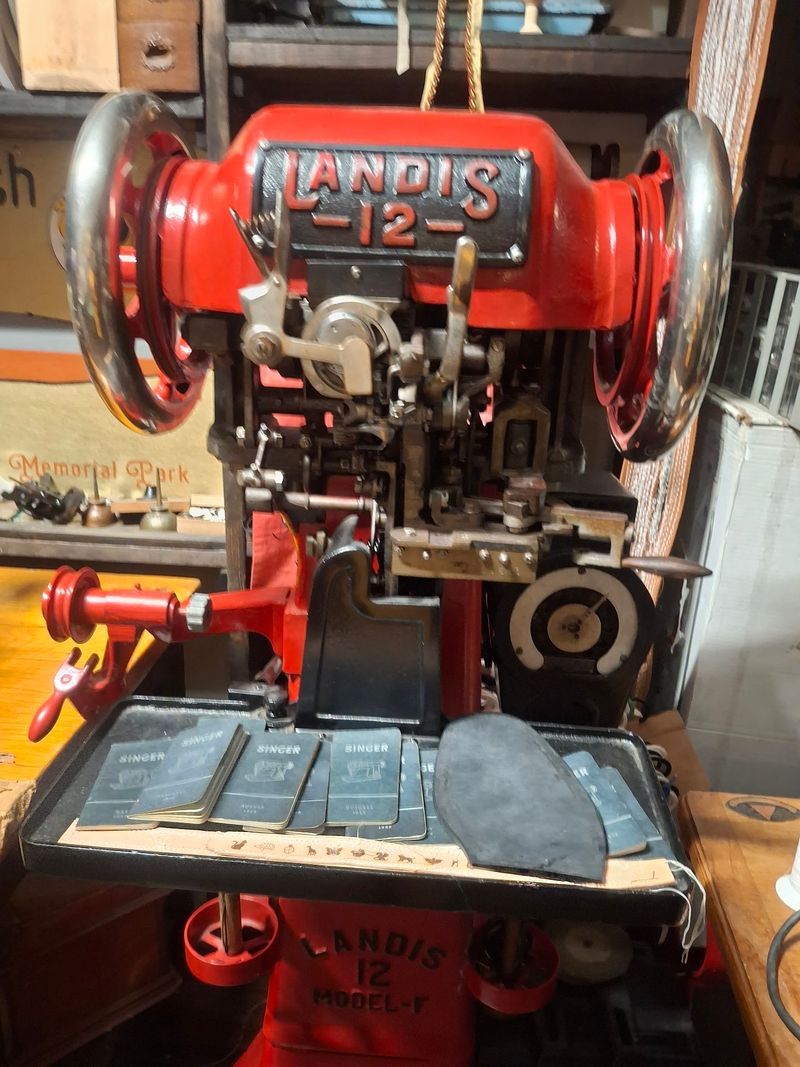
A visit here reframes what sewing machines actually represent in industrial history. More sewing machines have been manufactured since their invention than any other machine in recorded history, and the research and engineering investment behind them rivals that of far more celebrated technologies.
Binger makes this case compellingly during tours, pointing out that sewing machines were not just domestic conveniences but essential infrastructure for industries ranging from maritime to military. Sails, tents, book bindings, upholstery, and heavy leather goods all required specialized machines that look nothing like the Singer models most people recognize from their grandmothers’ sewing rooms.
The leather sewing machine mentioned frequently by visitors is a good example. Its scale is genuinely industrial, built to handle material that would destroy a standard home machine within minutes.
Seeing it next to a delicate Victorian parlor machine communicates the range of the technology more effectively than any written explanation could.
Understanding that context changes how the collection reads. What looks at first like a very large hobby collection reveals itself as a survey of a technology that quietly underpinned the modern world, one specialized machine at a time.
That shift in perspective is one of the more lasting things visitors take away.
Who Gets the Most Out of a Visit Here
Avid sewers and textile history enthusiasts are the obvious audience, but they are far from the only people who leave satisfied. Couples where one partner has no interest in sewing have repeatedly reported that the non-sewing half ended up enjoying the visit as much as or more than the one who initiated the trip.
History buffs who appreciate industrial and mechanical heritage find plenty to engage with, especially once the broader context of sewing technology gets explained. The museum works particularly well for people who enjoy learning through conversation rather than reading placards, since Binger’s storytelling style rewards an engaged listener.
Families with children fit naturally into the space because of the youth program energy that permeates it. Kids are welcomed rather than managed, and the hands-on access to the machines gives younger visitors something active to do rather than asking them to stand quietly and observe.
Road-trippers passing through Tulsa on Route 66 or heading across Oklahoma have made the museum a regular detour recommendation. It suits anyone with a couple of hours to spare and a genuine curiosity about how things work and where they came from, which covers a broader range of people than the name might initially suggest.
Admission, Donations, and What It Costs to Visit
General admission to the Vintage Sewing Machine Museum is $10 per person, which covers access to the collection and the ability to handle and operate the machines. By most museum standards, that price is modest for the amount of time most visitors end up spending inside.
A guided tour is available for an additional fee, and the consensus from people who have taken one is that it is worth every cent. Binger’s personal narration adds layers of context and story that make the collection significantly more meaningful than a self-guided browse.
Several visitors have mentioned leaving donations beyond the base admission price because they felt the experience exceeded what they had paid for. A donation box for the youth program is also available, and it gives visitors a direct way to support the kids’ sewing and creative education work happening in the same space.
Given that visits regularly stretch to two or three hours without feeling long, the per-hour value of the experience is genuinely strong. Bringing cash is a practical consideration since the museum operates as a small independent institution rather than a large ticketed venue with multiple payment options built in.
Hours, Days, and Planning Your Trip to South Peoria
The museum operates Tuesday through Saturday, noon to 6 PM. Sunday and Monday are closed, so planning around the weekly schedule is worth doing before making a special trip.
The afternoon-only hours mean a morning arrival in Tulsa pairs well with a post-lunch museum visit.
The address, 5528 S Peoria Ave, sits in midtown Tulsa in a part of the city that has other shops and businesses nearby, making it easy to build the museum into a broader afternoon rather than treating it as a standalone destination. Parking along South Peoria is generally straightforward.
One visitor arrived on a Saturday to find the hours listed on a third-party travel site were inaccurate. Checking directly with the museum before visiting is a smart move, either by calling the listed number at 918-280-0161 or checking the museum’s Facebook page at the address on file.
Budget generously for your visit. What looks like an hour commitment on paper regularly turns into two or three hours once Binger gets talking and the machines start drawing you in.
Arriving close to closing time risks cutting the experience short, so an early-afternoon arrival on a weekday is often the most comfortable option.
The Atmosphere That Keeps People Coming Back
Something about the Vintage Sewing Machine Museum resists easy categorization. It is not a slick professional institution with polished signage and gift shop merchandise.
It is more personal than that, more alive, and more unpredictable in the best sense of the word.
Binger’s personality saturates the space. His curiosity, his enthusiasm for making things, his commitment to the youth program, and his genuine interest in the people who walk through the door all combine to create an atmosphere that feels more like visiting a brilliant friend’s workshop than touring an exhibit.
Visitors who have returned more than once describe it as a place that reveals new things on each visit, partly because the collection itself continues to grow and partly because Binger’s storytelling adapts to whoever is in the room with him. The experience is never quite the same twice.
That quality of genuine human connection is increasingly rare in a world where most cultural experiences are carefully managed and standardized. The museum’s 4.8-star rating across well over a hundred reviews reflects not just satisfaction with the collection but a real affection for the place and the person who built it.
A Final Word on Why This Tulsa Stop Earns Its Reputation
Not every museum earns the label of must-see. The Vintage Sewing Machine Museum earns it honestly, through the quality of its collection, the accessibility of its hands-on approach, and the singular presence of the person who built it from a single broken $99 machine into a destination that draws visitors from across the country.
The collection itself would be worth seeing even without Binger’s narration. Thousands of machines spanning centuries and continents, all in working condition, all available to touch, represents something genuinely rare in the world of public collections.
Add the guided tour option and the youth program energy and the laser tile work, and the experience becomes layered in a way that holds up for repeat visits.
Tulsa has plenty of reasons to merit a stop on any Oklahoma road trip. The Art Deco district, the Gathering Place, the Route 66 heritage all make strong cases.
The Vintage Sewing Machine Museum makes a quieter case but a lasting one, the kind of place that people bring up months later when telling someone about a trip they took.
A $10 admission and a free afternoon are all it takes to find out why so many people describe it as the best museum they have visited anywhere in America.
Share this story