Oklahoma has a way of hiding its most fascinating stories in places you’d almost drive right past. Tucked into the far western edge of the panhandle, one small-town museum tells a story so raw and regional that no history textbook can quite match it.
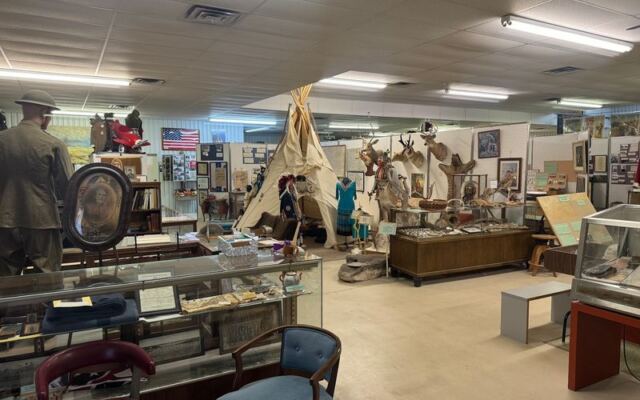
From ancient fossils and Native American arrowheads to haunting black-and-white photos of the Dust Bowl era, this free museum packs an extraordinary amount of history into a modest building that surprises nearly everyone who walks through its doors.
Location and Setting in the Oklahoma Panhandle
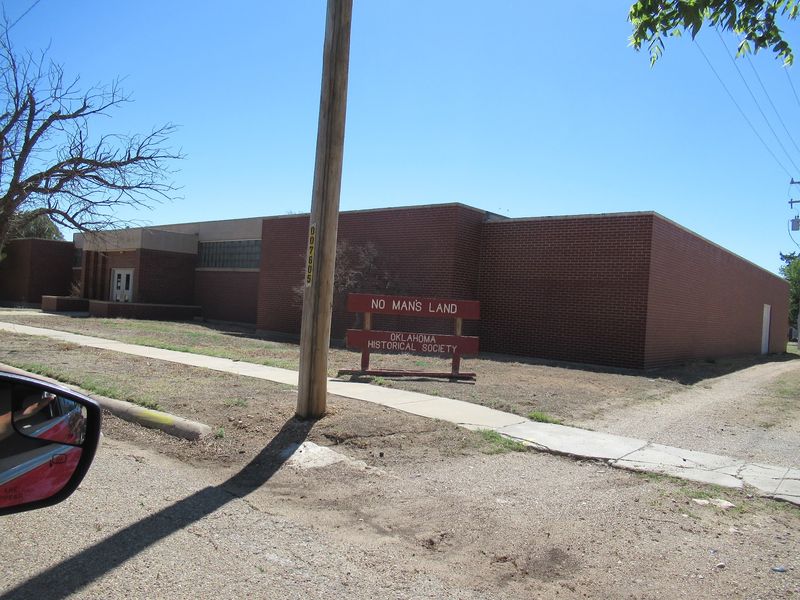
Goodwell, Oklahoma sits in one of the most geographically unusual strips of land in the entire United States. The Oklahoma Panhandle, sometimes called “No Man’s Land,” was a lawless, unclaimed territory for decades before statehood, and the town of Goodwell sits right in the heart of it.
No Man’s Land Museum stands at 207 Sewell St, a modest address that gives little away from the outside. Visitors often mention being surprised by how unassuming the building looks before they step inside.
That contrast between exterior and interior is part of what makes the experience so memorable.
Sitting alongside Oklahoma Panhandle State University, the museum benefits from an academic atmosphere that lends a sense of scholarly weight to its collections. The flat, windswept plains surrounding the town make the whole setting feel deeply connected to the stories told inside.
Knowing you are standing on the same ground where history unfolded adds a layer of meaning that no replica exhibit could replicate.
The “No Man’s Land” Story Behind the Name
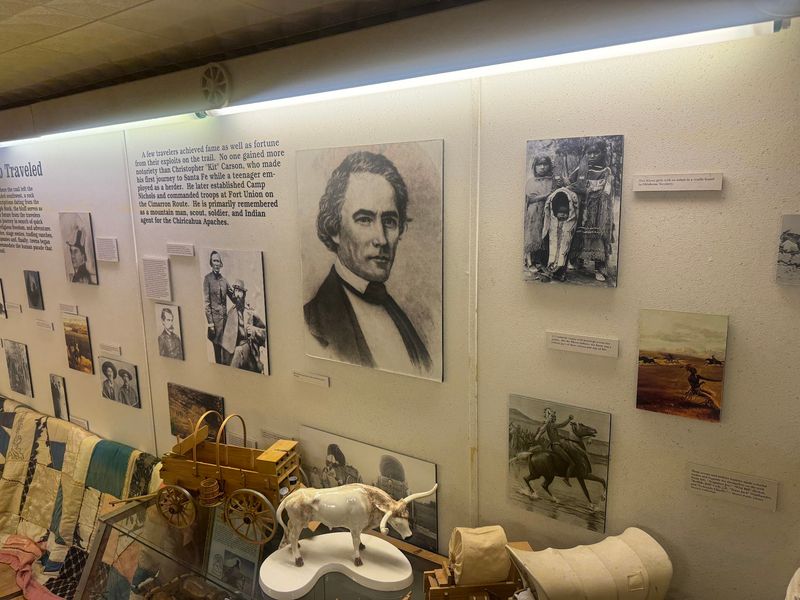
Few place names in Oklahoma carry as much historical weight as “No Man’s Land.” After the Civil War, a narrow strip of land between Kansas to the north and Texas to the south was left without any governing jurisdiction. No state claimed it, no federal territory administered it, and for years it existed in a kind of legal limbo that attracted homesteaders, outlaws, and determined settlers alike.
The museum takes its name directly from this strange chapter of American history, and that decision sets the tone for everything inside. Rather than glossing over the region’s complicated past, the exhibits lean into it with a refreshing honesty.
Visitors learn that the people who settled here did so without the protection of law, building communities through sheer stubbornness and cooperation.
That pioneer spirit is woven into nearly every display case and wall panel throughout the building. Understanding the “No Man’s Land” designation before you walk in makes the artifacts feel less like dusty relics and more like evidence of something genuinely remarkable.
The name alone is a history lesson worth pausing over.
Dust Bowl Exhibits and Photographs
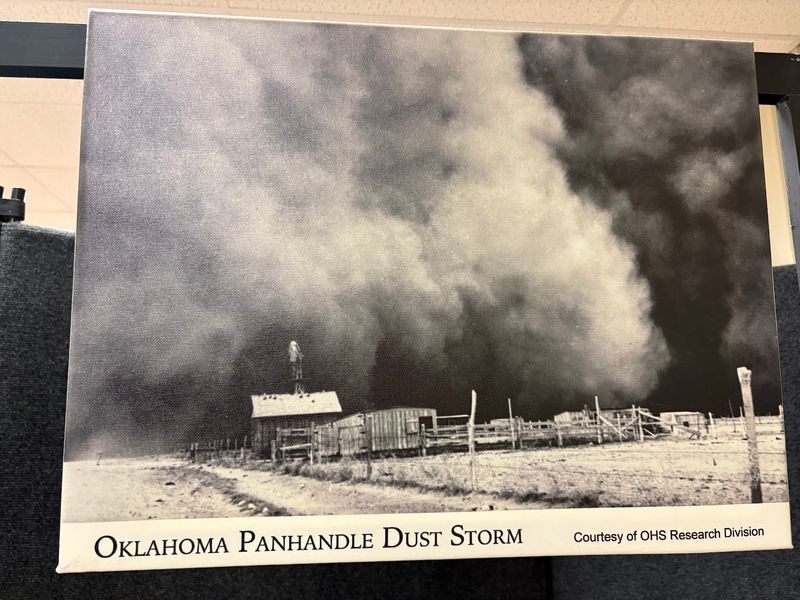
Walking into the Dust Bowl section of this museum feels like stepping into a chapter of American history that the rest of the country has largely forgotten. The Oklahoma Panhandle was among the hardest-hit regions during the 1930s environmental catastrophe, and the exhibits here reflect that with striking immediacy.
Old newspaper articles, carefully preserved behind glass, describe the devastation in the plain language of people who lived through it. The black-and-white photographs are particularly powerful, showing towering walls of dust bearing down on farmsteads that look impossibly small against the churning sky.
Cross-country travelers who stop here often say the Dust Bowl room alone was worth the detour.
Reading firsthand accounts from panhandle residents alongside those images creates a connection that a simple history lesson cannot manufacture. The curators have done a thoughtful job of letting the primary sources speak rather than over-explaining.
For anyone who grew up learning about the Dust Bowl from a textbook, seeing these local documents and photos reframes the entire story in a way that stays with you long after you leave.
Arrowhead and Spearhead Collection
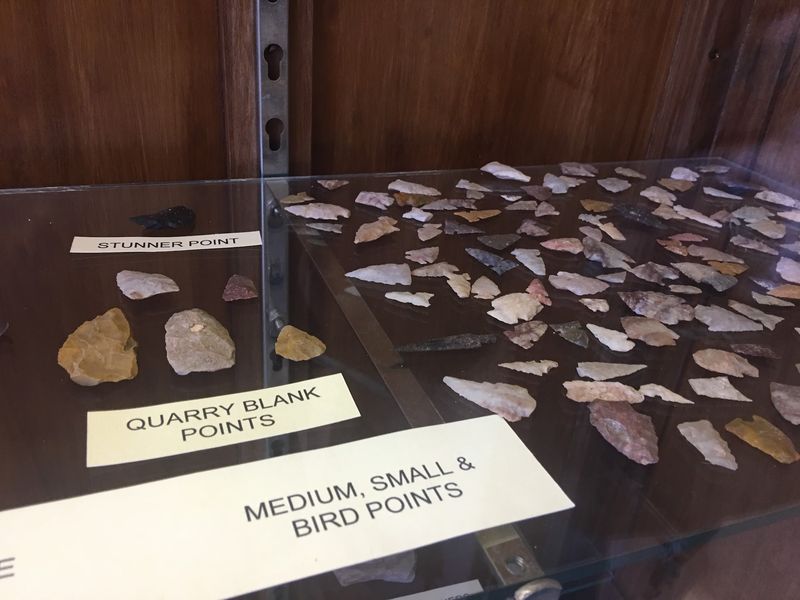
Among the most talked-about features of the museum is its collection of Native American arrowheads and spearheads. Visitors who have traveled widely and seen similar collections at larger institutions consistently mention this one as standing out for its sheer variety and depth.
The pieces range dramatically in size, material, and age, offering a visual timeline of the Indigenous peoples who called this panhandle region home long before European settlers arrived. Some of the points are delicate enough to seem almost impossibly refined, while others carry a blunt, functional weight that speaks to the practical demands of life on the plains.
What makes the display particularly effective is its local focus. Every piece in the collection was found in or near the Oklahoma Panhandle, which means each arrowhead is a direct artifact of this specific landscape rather than a generic representation of a broader culture.
That regional specificity turns the display from an interesting collection into a genuine archaeological record of the land you are standing on. Visitors frequently return to this case more than once during their visit, drawn back by details they missed on the first pass.
Fossils and Geological Finds
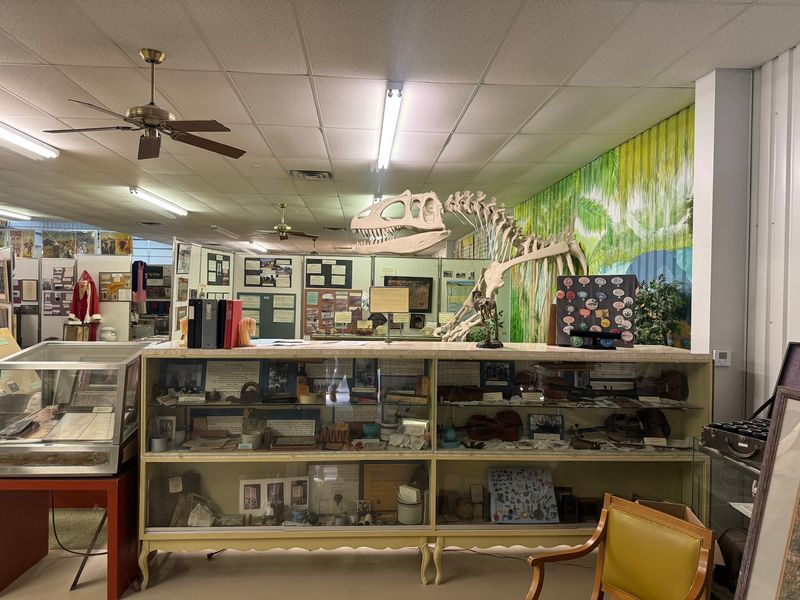
Prehistoric Oklahoma is a subject that doesn’t get nearly enough attention, and the fossil section of this museum offers a glimpse into just how ancient and dramatic the panhandle’s geological story really is. Fossilized dinosaur tracks are among the more eye-catching items on display, giving younger visitors especially a tangible connection to deep time.
Crystals and rocks from across the region round out the geological collection, turning one corner of the museum into something almost like a natural history gallery. The variety of specimens reflects how geologically diverse the Oklahoma Panhandle actually is beneath its flat, windswept surface.
Visitors who arrive expecting only pioneer history often find themselves spending extra time in this section.
It is worth noting that the fossil collection is modest in scale, so anyone expecting a large dinosaur hall may want to calibrate expectations accordingly. What the exhibit lacks in size it compensates for with local relevance, each specimen tied to the specific land surrounding Goodwell.
For curious travelers and families with kids who love prehistoric creatures, even a smaller fossil display can spark genuine wonder when paired with the broader story the museum tells.
Pioneer Artifacts and Old West History
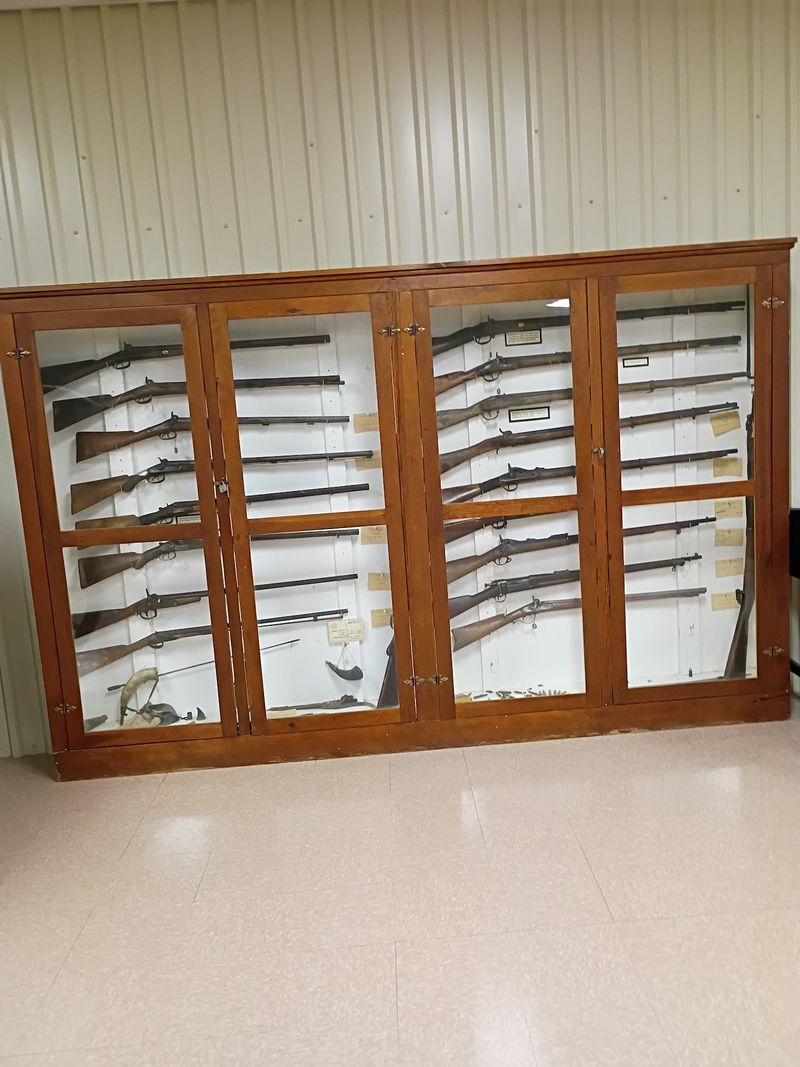
Pioneer life on the Oklahoma Panhandle was genuinely hard, and the artifacts that survive from that era carry a tactile authenticity that photographs alone cannot convey. The museum holds a varied collection of old west items, including authentic Winchester rifles that connect directly to the region’s frontier history.
One of the more remarkable stories attached to the collection involves a newspaper article titled “Saga of the Cimarron,” an interview from 1929 with a settler named Thomas Braidwood that ran in the Daily Oklahoman. The article describes events and experiences from life on the panhandle in vivid, firsthand detail.
That a document like this survived and found its way into a regional museum is the kind of serendipitous preservation that makes local history collections so irreplaceable.
Beyond any single artifact, the old west section communicates just how recently this land was being settled by people navigating genuine uncertainty. Tools, household items, and personal effects from early homesteaders fill the cases with quiet evidence of daily life.
Seeing how settlers equipped themselves against the demands of panhandle living makes the region’s history feel immediate rather than distant.
Room-by-Room Layout and Wandering the Space
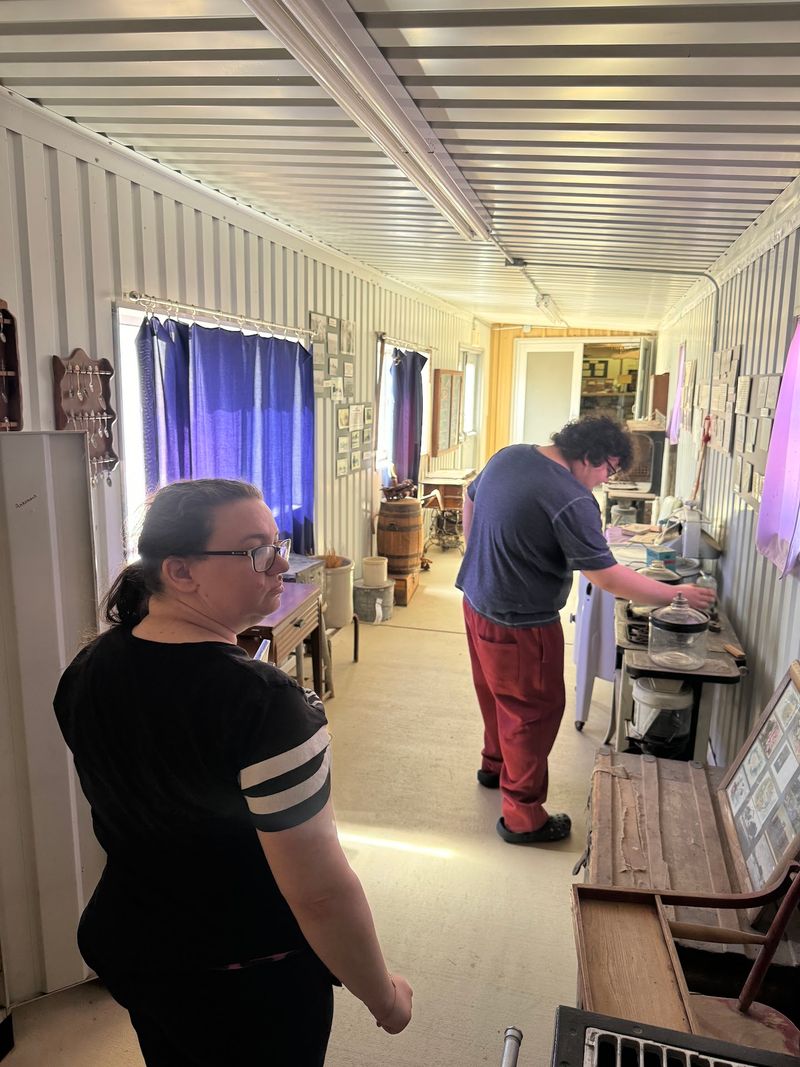
Part of what makes a visit here feel genuinely exploratory is the room-by-room layout of the building. Rather than one large open floor plan, the museum is divided into a series of smaller rooms, each focused on a different aspect of panhandle history.
Wandering from one room to the next creates a sense of discovery that a single open gallery rarely delivers.
Cross-country travelers who stop in often describe the experience as unexpectedly immersive, noting that the layout encourages slowing down and reading rather than scanning and moving on. Each room has its own personality, shaped by the artifacts and stories it contains.
That variety keeps the visit from feeling repetitive even as you move through what is ultimately a compact space.
The museum may not have the polished production value of a large city institution, but that modesty works in its favor. Exhibits feel curated by people who genuinely care about the material rather than designed to impress with budget.
Families with children find the room-to-room format particularly engaging, since kids can move at their own pace and follow whatever catches their eye without disrupting a single-room flow.
Staff Enthusiasm and Personal Touches
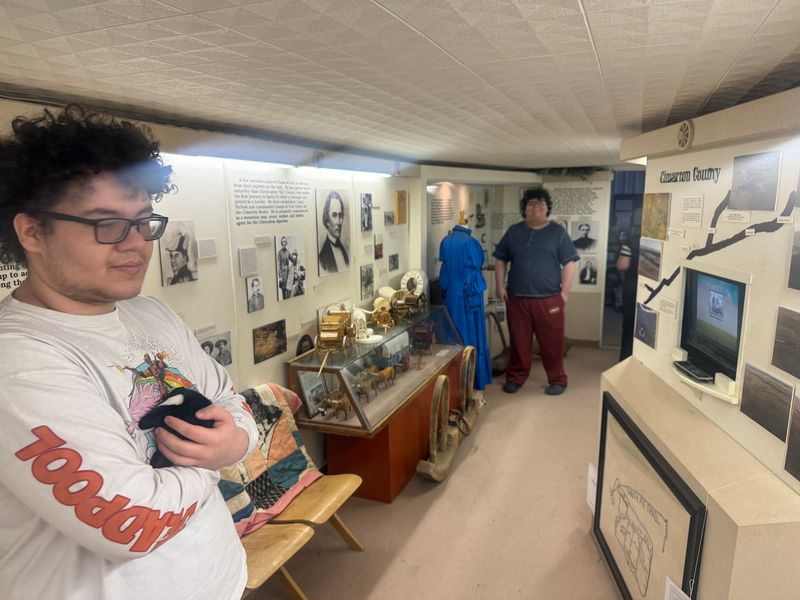
A museum is only as good as the people running it, and by nearly every account, the staff at No Man’s Land Museum set a high bar for warmth and genuine enthusiasm. Visitors consistently mention the staff as a highlight of the experience, describing interactions that feel more like conversations with passionate local historians than transactional museum visits.
One story that gets repeated in visitor accounts involves a curator who, learning that a group was running late and would miss closing time, simply kept the museum open so they could still see the collection. That kind of flexibility and hospitality is rare and speaks to how much the staff values sharing the museum’s story with anyone who makes the effort to show up.
A dog named Dixie has also been mentioned fondly by visitors, adding an unexpectedly charming layer to the welcome.
For solo travelers or road-trippers who arrive without much background on the panhandle’s history, having an enthusiastic staff member available to provide context transforms the visit. Local knowledge adds depth to exhibits that might otherwise require more guesswork to fully appreciate.
The human element here is genuinely one of the museum’s strongest assets.
Who Will Love This Museum Most
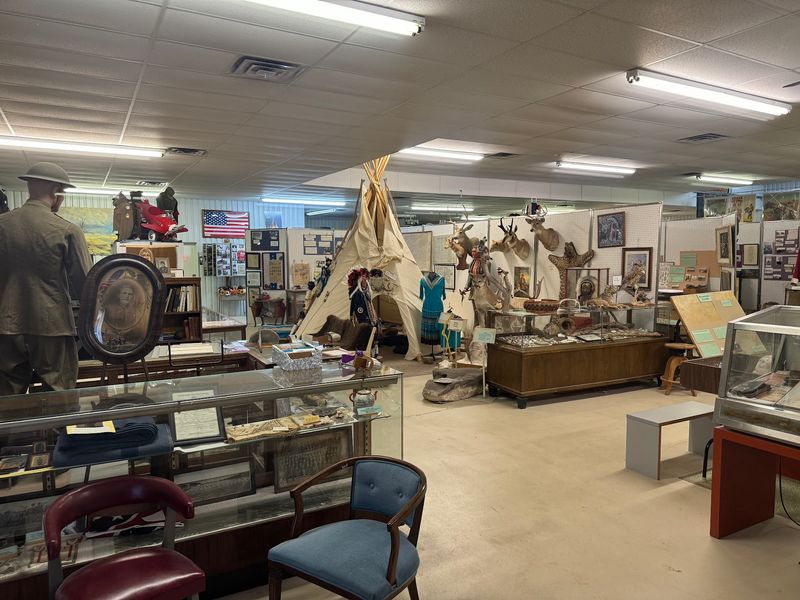
History enthusiasts who gravitate toward overlooked regional stories rather than well-documented national narratives will find this museum especially rewarding. The Oklahoma Panhandle is not a subject covered in most American history curricula, which means nearly everything on display here will be genuinely new information for most visitors.
Families traveling through the panhandle on road trips make up a natural audience, particularly those with curious kids who respond well to hands-on, tangible history rather than digital displays. The fossil section and arrowhead collection tend to capture younger visitors immediately, while adults find themselves drawn into the Dust Bowl room and pioneer artifacts for longer than they expected.
Cross-country drivers passing through on I-40 or US-64 who want a meaningful break from the highway will find this stop satisfying in a way that a roadside chain stop simply isn’t. Amateur geologists, Native American history buffs, and anyone with family roots in the southern plains region will each find something that speaks directly to their interests.
The museum is genuinely suited to a wide range of curiosities, which is no small achievement for a free, volunteer-supported institution in a small Oklahoma town.
Hours, Admission, and Planning Your Visit
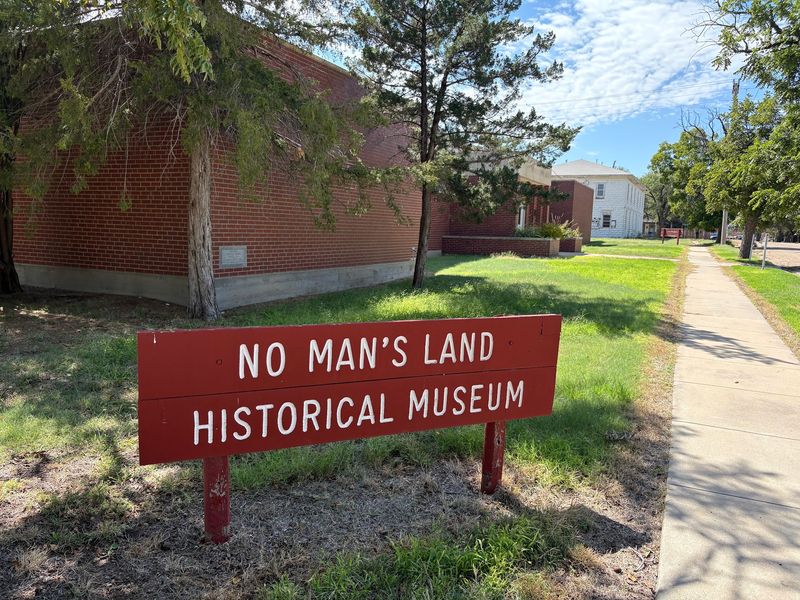
Planning ahead makes all the difference when visiting No Man’s Land Museum, and the most important detail to know is the schedule. The museum is open Tuesday through Saturday from 10 AM to 4 PM, and it is fully closed on Sundays and Mondays.
Anyone planning a Sunday afternoon detour, as at least one visitor learned the hard way, will find locked doors.
Admission is free, which makes the stop an easy yes for budget-conscious travelers and families. There are no ticket lines, no timed entry windows, and no upsell pressure once you’re inside.
That simplicity is part of the museum’s charm, and it removes any hesitation about whether the visit is worth the time.
The museum is located at 207 Sewell St in Goodwell, Oklahoma, and can be reached by phone at 580-349-2670. Staff have proven accommodating when visitors reach out ahead of time, so calling or emailing before a visit is a smart move, especially if your schedule is tight or you are arriving close to closing time.
The museum’s website at nmlhs.org offers additional information for those who want to research before making the drive out to the panhandle.
Share this story