Some of the best afternoons in Ohio start with a quick errand that turns into an hour of wandering. You go in for a loaf of bread or a pound of cheese, and suddenly you are sampling smoked sausage, chatting with the butcher, and carrying home a bag full of things you never planned to buy.
These tucked-away neighborhood markets have been feeding families for generations, and half the fun is not knowing what treasure waits down the next aisle. Here are twelve local gems that prove the best food adventures are hiding right in your own backyard.
1. West Side Market, Cleveland
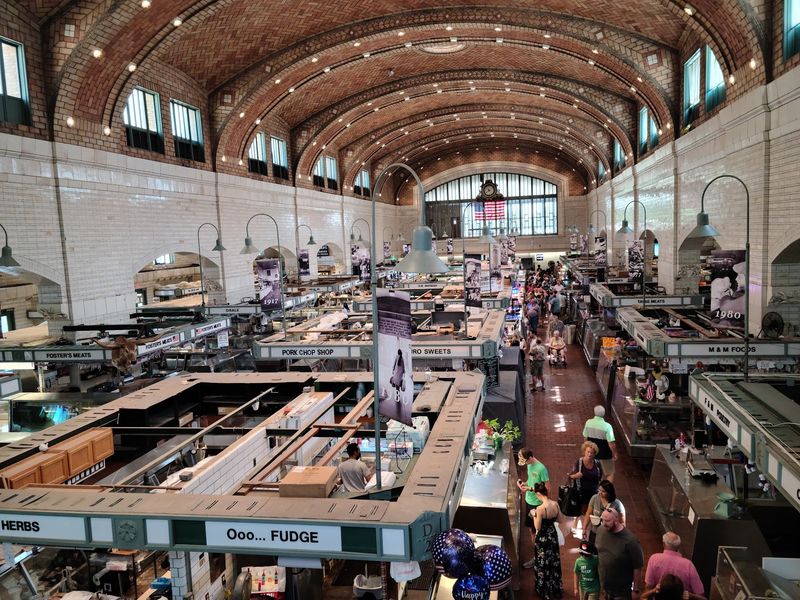
There is no such thing as a five-minute stop at West Side Market. Cleveland’s landmark public market opened in 1912 in Ohio City, and the building alone is worth slowing down for.
Look up and you will see the soaring Guastavino-tile vaulted ceiling, while the market’s 137-foot clock tower has become a neighborhood landmark. Today, dozens of independent businesses fill the market with meat, poultry, seafood, produce, bread, pastries, coffee, prepared foods, and specialty groceries.
The fun comes from wandering without much of a plan. You can compare butcher counters, pick up something sweet from a bakery, then discover another stand you had not intended to visit.
Some businesses have been handed down through generations, giving the place a character supermarkets cannot easily reproduce. This is grocery shopping turned into a Cleveland experience.
2. North Market Downtown, Columbus
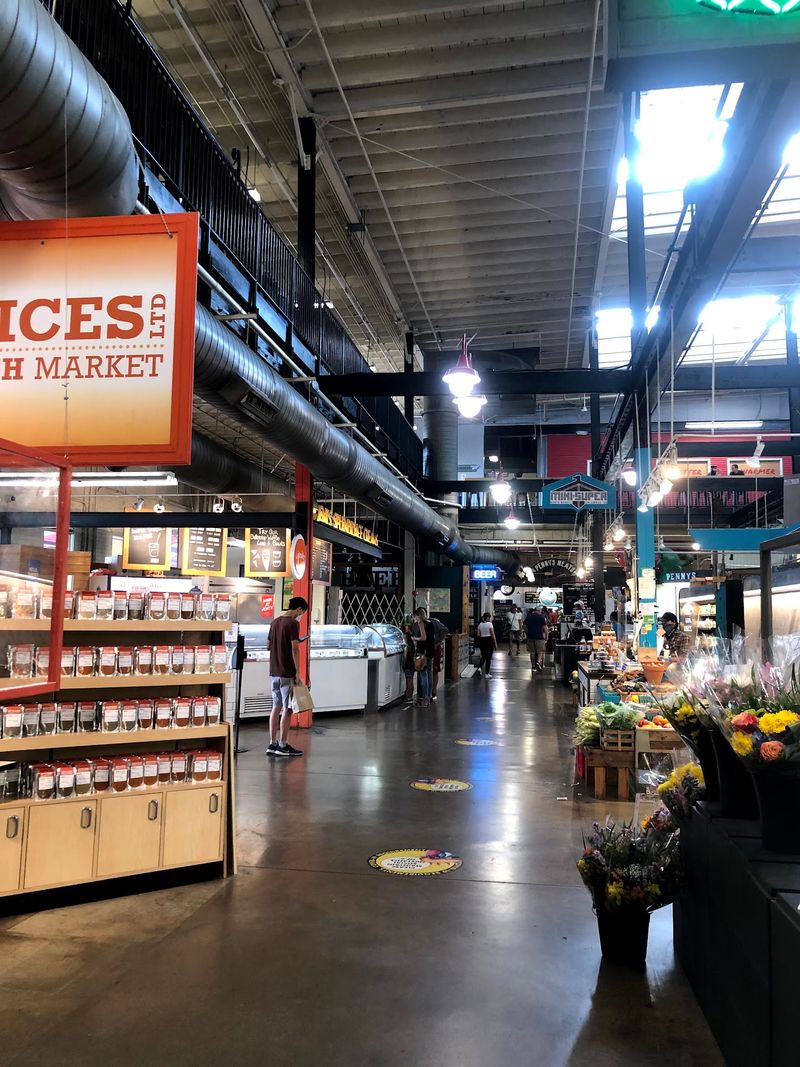
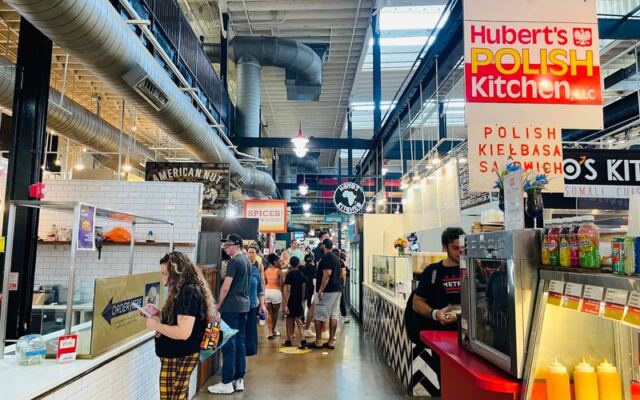
North Market Downtown is the kind of place where deciding what to eat becomes the hardest part of the visit. Columbus’s historic public market is celebrating 150 years in 2026, and its current merchant lineup mixes traditional grocery shopping with an impressive collection of ready-to-eat foods.
You can shop for meat at North Market Butchery, spices at North Market Spices, produce at Mini-Super, and specialty foods from merchants such as Black Radish Creamery and Green Olive Company. Then hunger changes the plan.
Current food vendors range from Hoyo’s Kitchen and Momo Ghar to Hubert’s Polish Kitchen, Flavors of India, and Satori Ramen Bar. There are pastries, coffee, bagels, ice cream, and plenty more waiting between the grocery counters.
A quick shopping trip can easily become lunch followed by dessert and another lap around the building.
3. Findlay Market, Cincinnati
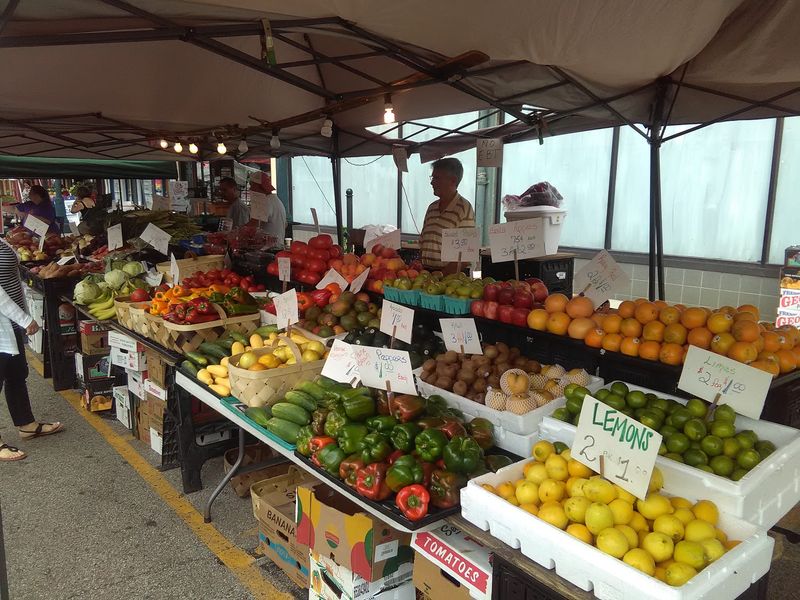
Few Ohio markets come with as much history as Findlay Market. The Cincinnati landmark opened in 1855 and is the city’s only surviving municipal market house from the nine public markets that operated there during the 19th and early 20th centuries.
Its distinctive iron-framed building is also listed on the National Register of Historic Places.
History, however, is only part of the attraction. The current merchant mix includes butchers, poultry and seafood sellers, bakeries, produce stands, cheese and dairy vendors, specialty-food businesses, restaurants, and artisan sellers.
Many businesses are multigenerational, preserving the market traditions that have long defined the neighborhood. What begins as a search for meat or vegetables can quickly expand into fresh bread, something for lunch, and a few specialty foods you did not know you needed.
Give yourself time to wander.
4. Miles Farmers Market, Solon
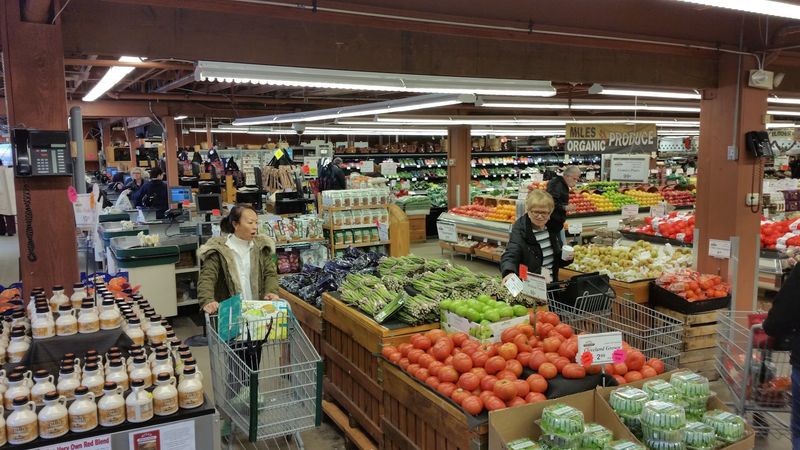
Miles Farmers Market is the sort of grocery store that makes a carefully written shopping list feel more like a suggestion. This longtime Solon market is especially appealing to shoppers who enjoy seeing beautiful produce displays and browsing specialty foods instead of racing through fluorescent supermarket aisles.
Fresh fruits and vegetables are a major draw, but there is much more to explore once you move deeper into the store. Shoppers come for meats, seafood, bakery goods, prepared foods, cheeses, and other ingredients that can turn a basic dinner plan into something considerably more ambitious.
The prepared-food selection is particularly dangerous when you arrive hungry because it makes taking dinner home far easier than cooking it yourself. Miles has the polished selection of a gourmet market while still feeling like a local grocery stop.
Come for tonight’s vegetables and you may find yourself planning the next several meals before reaching the checkout.
5. Lucky’s Market, Columbus
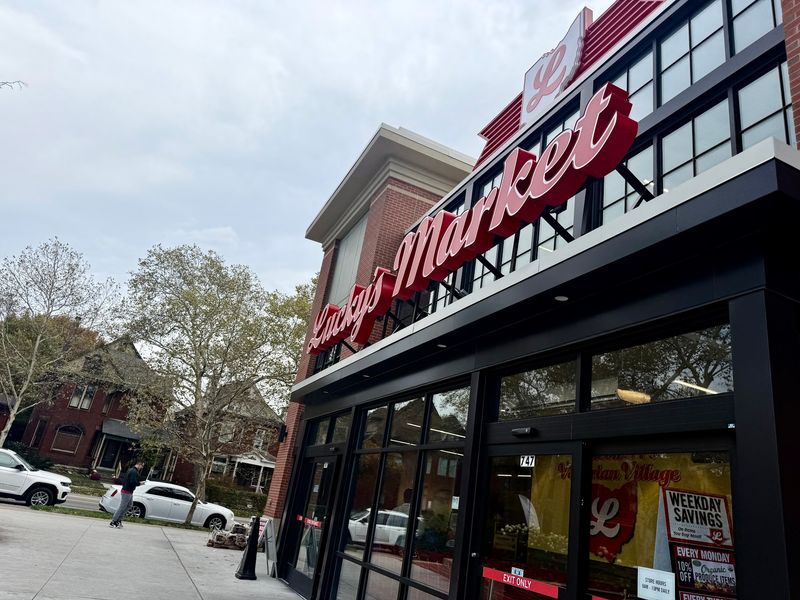
Lucky’s Market gives Columbus shoppers a grocery experience that encourages browsing rather than simply checking items off a list. The chain returned to its Ohio roots after its earlier expansion contracted, and its Columbus stores have continued to attract shoppers looking for a combination of conventional groceries, natural foods, produce, meat, bakery items, and prepared foods.
Part of the appeal is variety. A trip for everyday basics can wander into bulk foods, interesting snacks, specialty ingredients, cheeses, fresh bread, or something convenient for dinner.
It is particularly easy to spend extra time checking products you would probably walk straight past in a larger conventional supermarket. The store does not need to be enormous to create that treasure-hunt feeling.
Instead, it offers enough unexpected choices to make wandering worthwhile. If your idea of grocery shopping includes discovering something new for dinner, Lucky’s can turn a routine Columbus errand into a surprisingly long visit.
6. Krieger’s Health Foods Market, Cuyahoga Falls
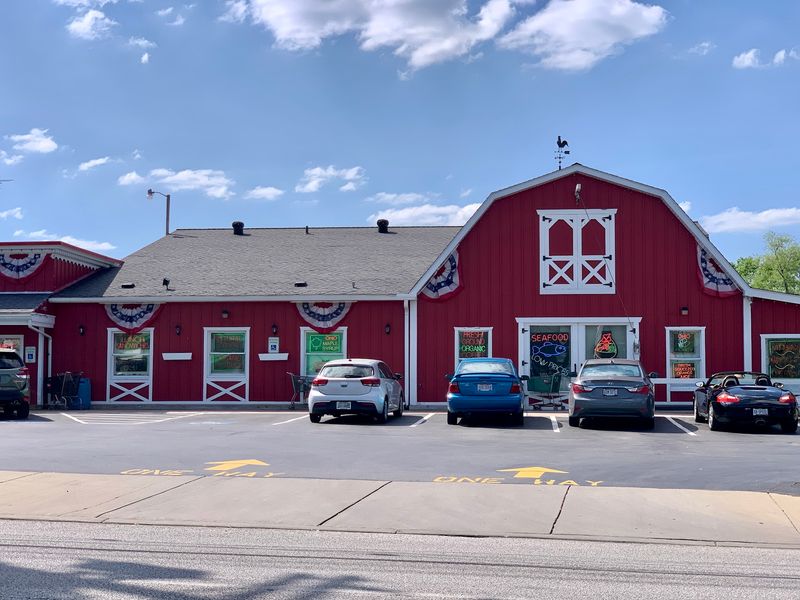
Krieger’s has been part of the Cuyahoga Falls food-shopping landscape since 1963, when it began as Krieger’s Ranch Market. That longevity gives it the kind of local familiarity that cannot be manufactured overnight.
It remains an independent market where shoppers can browse fresh foods and specialty grocery products without feeling as though they have stepped into another interchangeable national chain.
Fresh produce has long been central to the Krieger’s experience, but shoppers can also explore meat, deli selections, bakery goods, natural and specialty foods, and other everyday groceries. The scale makes browsing enjoyable because you can actually slow down and notice what is available.
Seasonal produce is especially good at changing your dinner plans on the spot. You might arrive looking for a few vegetables and walk out with bread, meat, snacks, and ingredients for an entirely different meal.
That unpredictability is exactly what makes an old-fashioned local market fun.
7. Clifton Market, Cincinnati
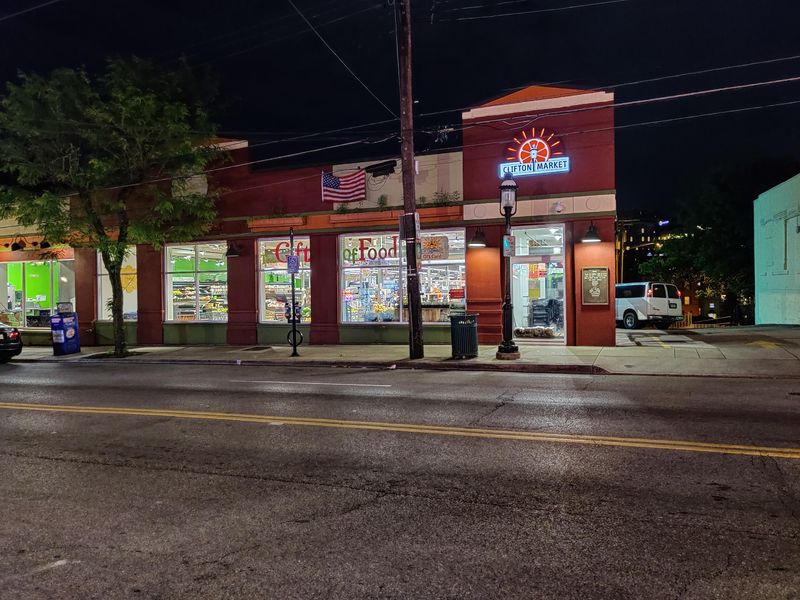
Clifton Market sits in one of Cincinnati’s most distinctive neighborhoods, close to the restaurants, shops, and historic buildings around Ludlow Avenue. Unlike a giant suburban supermarket built around a massive parking lot, this is a grocery store woven directly into neighborhood life.
Inside, shoppers can pick up the everyday essentials expected from a full-service market while also browsing fresh produce, meat, deli items, bakery goods, prepared foods, and specialty products. Its location makes it particularly useful for Clifton residents who want a genuine neighborhood grocery rather than a lengthy drive for basics.
Yet it is easy for visitors to linger, especially when a quick stop for milk or vegetables turns into a look through the deli and prepared-food selections. The best way to experience Clifton Market is as part of the neighborhood itself.
Shop for dinner, then step back onto Ludlow Avenue and continue exploring one of Cincinnati’s most walkable commercial districts.
8. Jungle Jim’s International Market, Fairfield
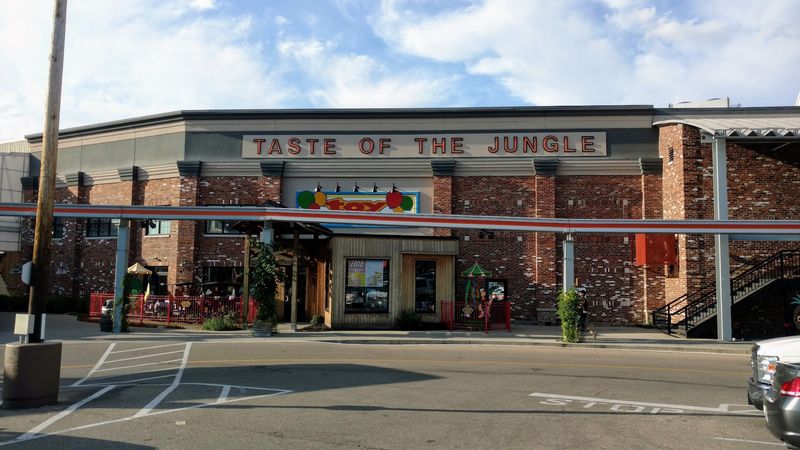
Calling Jungle Jim’s in Fairfield a neighborhood market is admittedly underselling it. This place is closer to a food amusement park disguised as a grocery store.
The original Jungle Jim’s has grown into a sprawling international market where shoppers can explore foods and ingredients from countries around the world.
That enormous selection is why a simple shopping trip can consume hours. International sections introduce unfamiliar sauces, noodles, spices, candies, canned goods, drinks, and snacks, while specialty departments cover everything from produce and seafood to cheese, bakery items, meat, and hot sauces.
The famously playful displays make wandering part of the experience rather than wasted time. Serious home cooks can hunt down hard-to-find ingredients, while curious shoppers can simply choose a country and start exploring.
Trying to visit Jungle Jim’s with a strict five-item shopping list is almost hopeless. Something unusual will catch your eye long before you reach the register.
9. Jungle Jim’s International Market, Eastgate
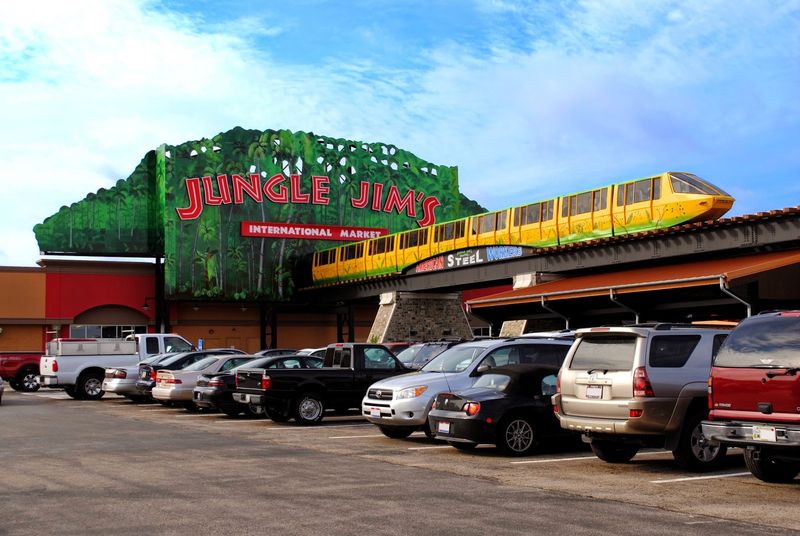
Jungle Jim’s Eastgate gives the Cincinnati area a second chance to experience the company’s wonderfully excessive approach to grocery shopping. Located east of the city, the enormous market carries the same basic promise as the Fairfield original: everyday groceries surrounded by an international selection capable of sending curious shoppers down countless culinary rabbit holes.
You can arrive looking for a familiar ingredient and end up comparing snacks from several countries, studying shelves of sauces, or discovering a spice you have never cooked with before. The international departments are the obvious attraction, but the market also functions as a full grocery destination with produce, meat, seafood, cheese, bakery goods, and other specialty departments.
It is especially enjoyable when you have no reason to rush. Pick up what you actually came for, then allow another hour for wandering.
Jungle Jim’s proves that grocery shopping can be entertainment when the shelves keep giving you reasons to stop.
10. Gallucci’s Italian Foods, Cleveland
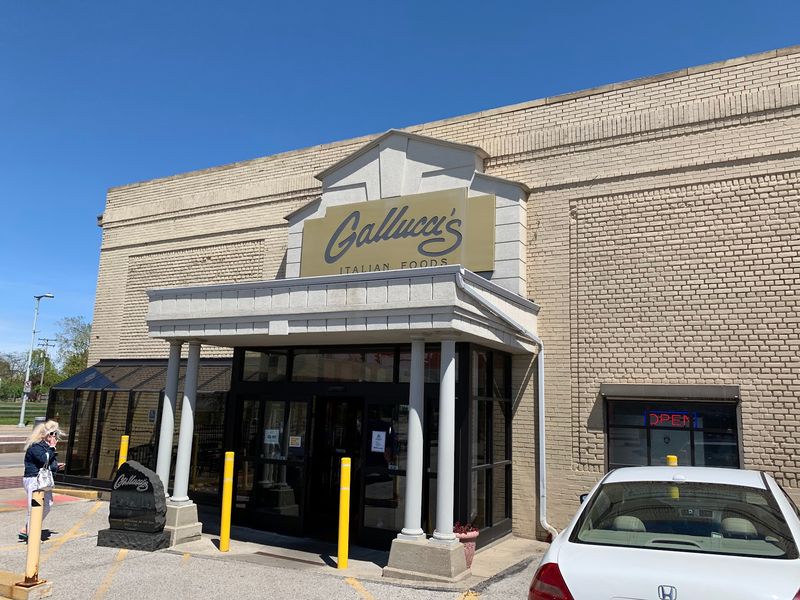
Gallucci’s is the kind of Cleveland food shop that can make you reconsider buying Italian ingredients at an ordinary supermarket. The family business traces its history to 1912, giving it more than a century of connection to Cleveland’s Italian food culture.
Walk through the market and the appeal becomes obvious. Shelves and counters are devoted to the building blocks of a serious Italian meal, including pasta, tomatoes, olive oil, cheeses, cured meats, sausage, bread, sauces, and imported specialty products.
The deli is particularly tempting because seeing everything sliced and displayed in front of you makes sticking to the original shopping list difficult. Gallucci’s also appeals to shoppers searching for ingredients that may be harder to find in mainstream grocery stores.
You might walk in needing pasta and Parmesan, then realize that antipasti, sausage, bread, and dessert suddenly seem essential too. For Italian-food lovers, browsing is half the pleasure.
11. Rulli Bros. Market, Youngstown
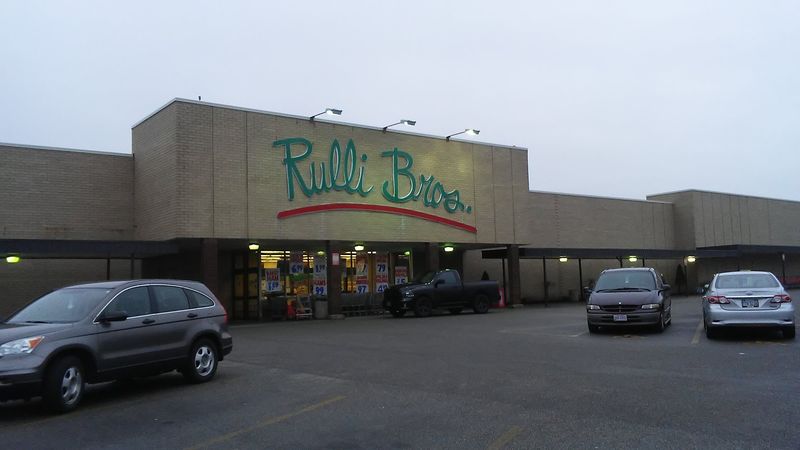
Rulli Bros. is a reminder of how strongly food and family traditions remain connected in the Youngstown area. The locally rooted market is known for combining everyday grocery shopping with the Italian-American foods that have long been part of the Mahoning Valley’s culinary identity.
The meat and deli departments are natural places to linger, particularly if your shopping plans involve an old family recipe, a big Sunday dinner, or a sandwich piled higher than originally intended. Italian groceries, cheeses, meats, produce, bakery items, and pantry staples give shoppers plenty of reasons to keep moving from department to department.
Prices and weekly specials are also part of the attraction for regular customers who treat Rulli Bros. as an actual grocery stop rather than merely a specialty shop. Still, first-time visitors may find themselves browsing like tourists.
It is difficult to look at all that Italian food without mentally planning a much larger dinner than the one you came in to buy.
12. Carfagna’s Market, Columbus
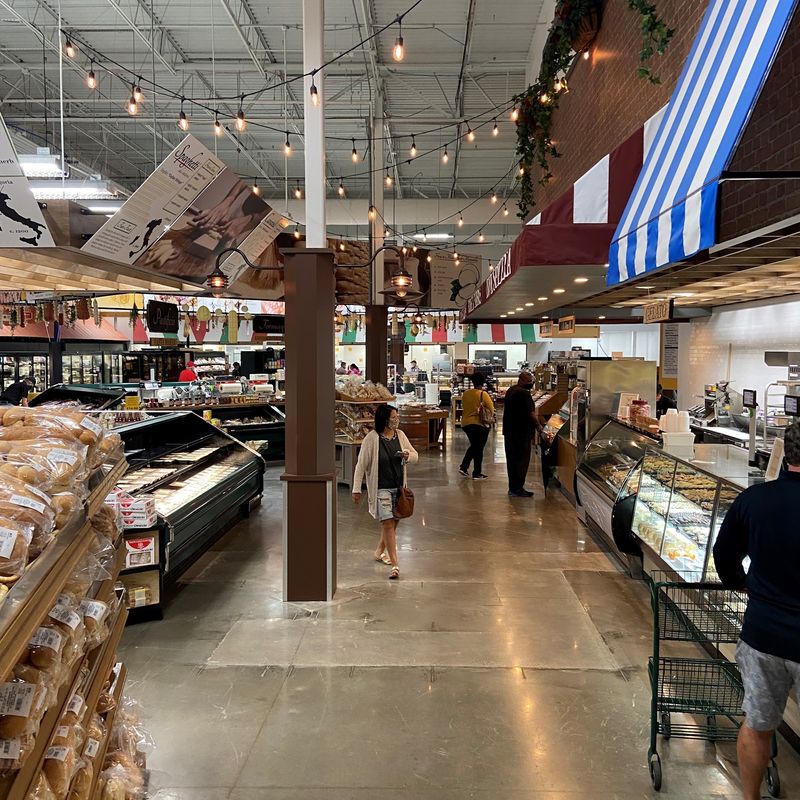
Carfagna’s has deep roots in Columbus, where the family business has been associated with Italian food for generations. Today, Carfagna’s Market is part of the Carfagna’s Italian Market complex on Gemini Place, bringing grocery shopping, specialty Italian foods, and prepared dishes together in one destination.
This is the sort of place where dinner plans can change before you finish walking through the market. Shoppers can browse Italian pantry staples, sauces, pasta, cheeses, meats, deli selections, bakery goods, and foods prepared for taking home.
Carfagna’s is particularly useful when you want the ingredients for an Italian dinner but are equally willing to let someone else handle part of the cooking. That combination is dangerous for anyone who intended to buy only one or two things.
A jar of sauce leads to pasta, cheese leads to something from the deli, and suddenly dessert seems reasonable too. It is an easy place to turn grocery shopping into an Italian-food afternoon.
Share this story