Psychopathy is a term used to describe traits such as a lack of empathy, manipulation, and cruelty. Historians cannot diagnose people who lived long ago, but they can study behavior recorded in the past.
This list looks at ten rulers and leaders whose actions are often linked to these traits. Some accounts are disputed, so each entry notes what is known and what remains uncertain.
1. Vlad the Impaler (1431-1476)
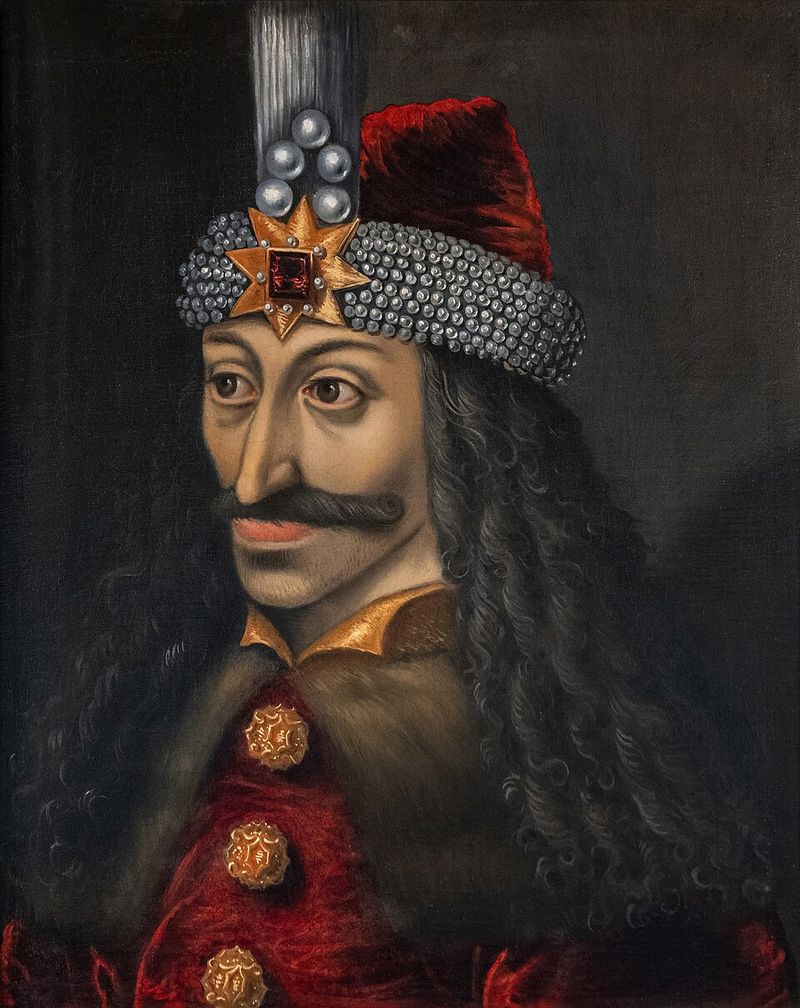
Few medieval rulers left a mark as chilling as Vlad, who governed Wallachia in the 1400s. He became known for impaling enemies on wooden stakes, a punishment meant to spread fear across the land.
Historians say he used terror as a political tool. He faced threats from rival nobles and the powerful Ottoman Empire, and he answered with public cruelty that left a lasting memory.
Some of the most graphic stories come from pamphlets printed by his enemies, so the numbers may be exaggerated. Still, the pattern of calculated brutality is widely accepted.
Fun fact: Vlad’s father belonged to the Order of the Dragon, and the name Dracula comes from this. In Romania, Vlad is also remembered by some as a strict defender of his country against invasion.
2. Ivan the Terrible (1530-1584)
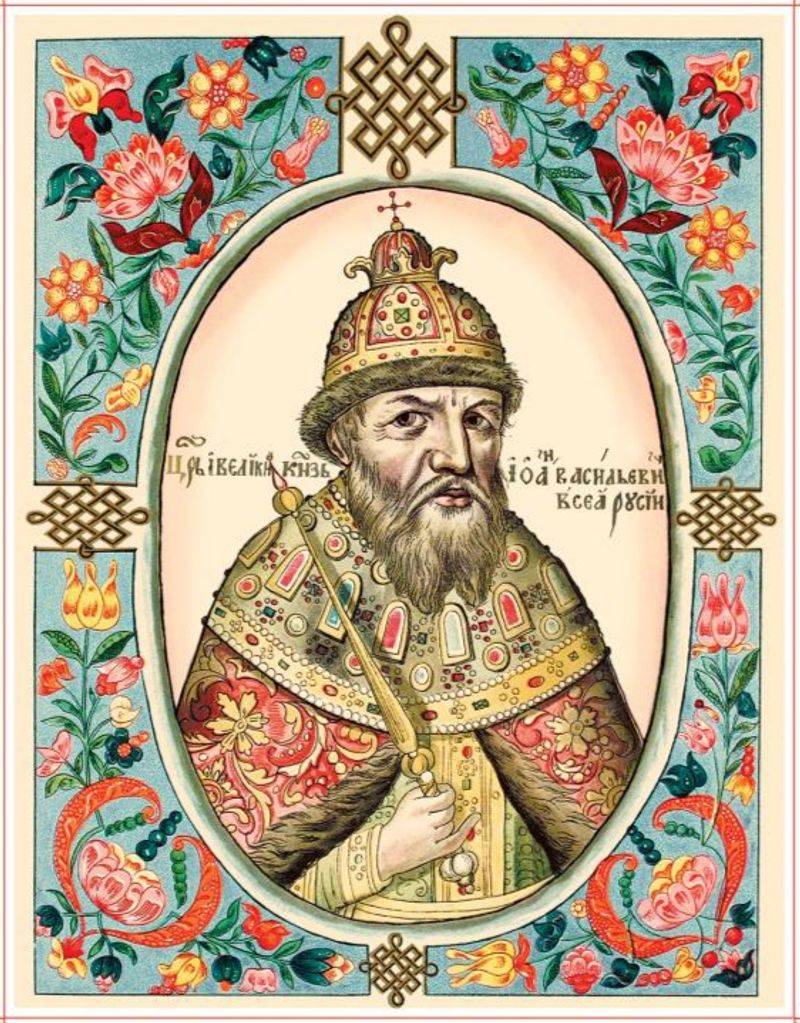
Crowned grand prince at age three and tsar at sixteen, Ivan grew up in a court full of rivalry and fear. Those years may have shaped the suspicious ruler he became.
Early in his reign he made useful reforms. Later, his trust collapsed, and he created a feared force called the oprichnina to crush people he believed were traitors.
In 1570, his troops attacked the city of Novgorod, killing many residents. Estimates of the dead vary widely among historians.
Ivan also struck his own son in a rage, and the young man died soon after. Many writers point to his sudden anger, paranoia, and harsh punishments as signs of a deeply troubled leader, though experts caution against modern labels.
3. Elizabeth Báthory (1560-1614)
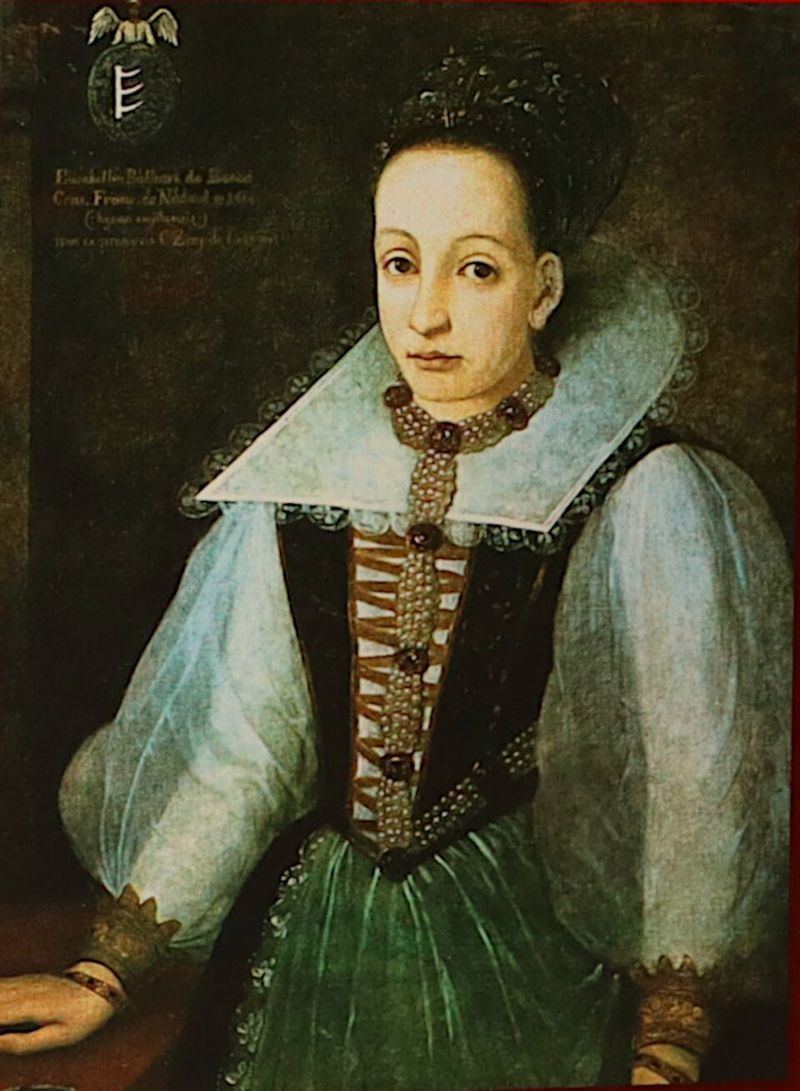
Was she a serial killer, or the target of a political plot? That question still divides historians when they study Elizabeth Báthory.
She was a wealthy Hungarian noblewoman who, around 1610, was accused of torturing and killing many young women who worked in her household. Witnesses spoke at a trial, and her servants were punished.
Elizabeth herself was never tried. She was confined to her castle until her death in 1614.
Some scholars believe the claims were inflated because the crown wanted her land and wealth. Stories of blood baths came much later and have little support.
If the core accusations are true, they would suggest extreme cruelty and a lack of remorse, but the evidence remains uncertain.
4. Caligula (12-41 CE)
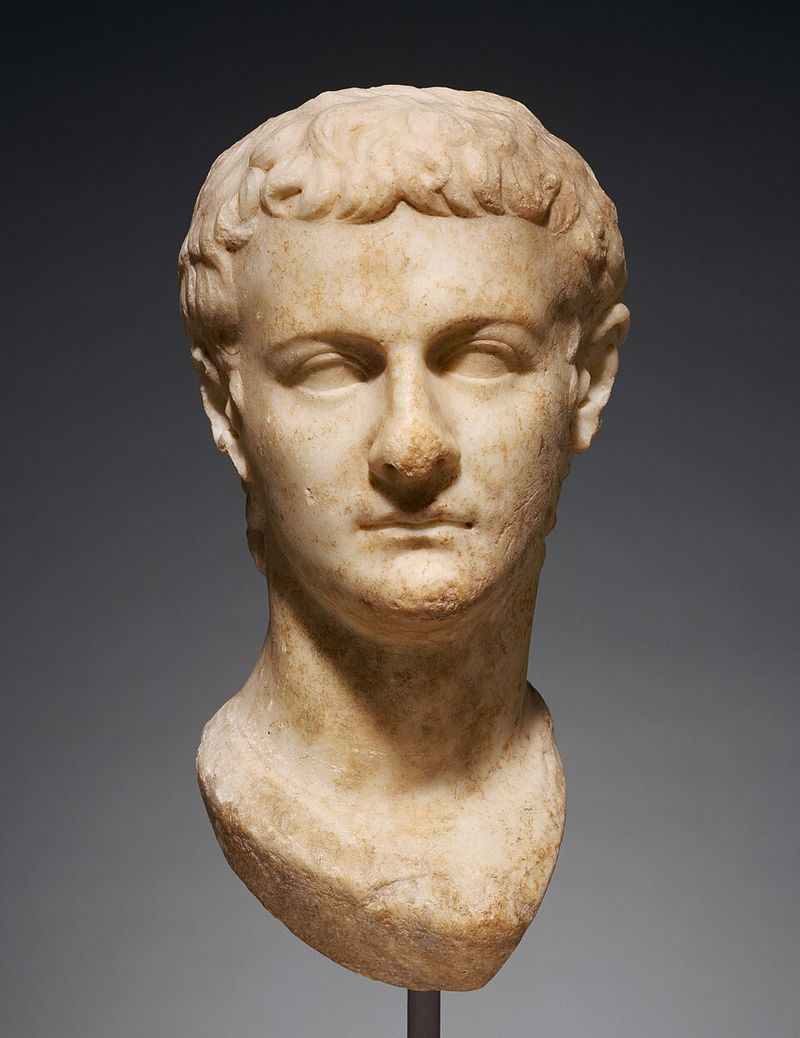
Caligula began his rule in 37 CE to cheers from Roman crowds. Within a few years, ancient writers say, the mood had turned to fear.
Historians such as Suetonius and Cassius Dio describe an emperor who was impulsive, cruel, and fond of humiliating senators. They also report wild spending and strange acts, like planning to make a horse a consul.
Here is the catch: those writers disliked him and wrote long after his death. Some stories may be rumor or exaggeration.
Modern experts think he may have been ill or simply a harsh ruler with little restraint. Even so, his reign ended when his own guards killed him at age 28, showing how deeply he had lost support.
5. Emperor Commodus (161-192 CE)
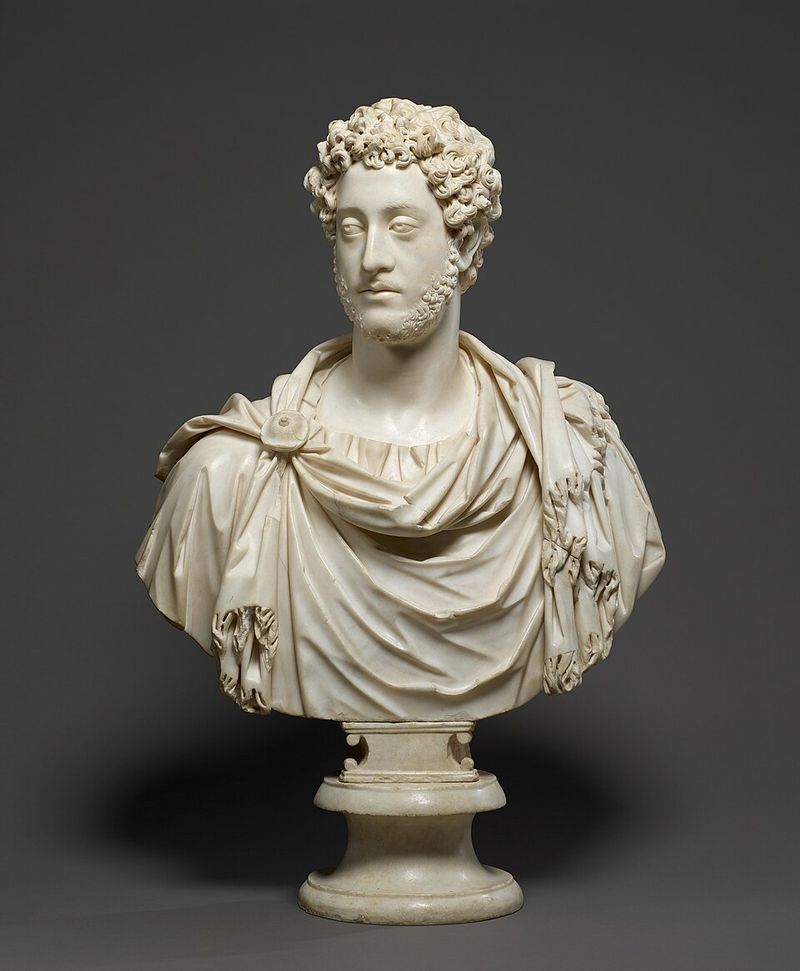
Picture an emperor stepping into the arena to fight for the crowd. That was Commodus, who loved gladiator contests and even took part in them.
He took power at 18 after his father, Marcus Aurelius, died. Instead of following his father’s thoughtful example, he focused on fame, pleasure, and personal glory.
Commodus saw himself as the hero Hercules and ordered statues showing him in that role. He also had senators and rivals executed when he sensed threats.
Roman writers describe a ruler who cared little for the empire and much for applause. In 192 CE, a plot against him succeeded, and he was killed at age 31.
His story is often cited as an example of vanity, cruelty, and poor judgment in power.
6. Gilles de Rais (c. 1405-1440)
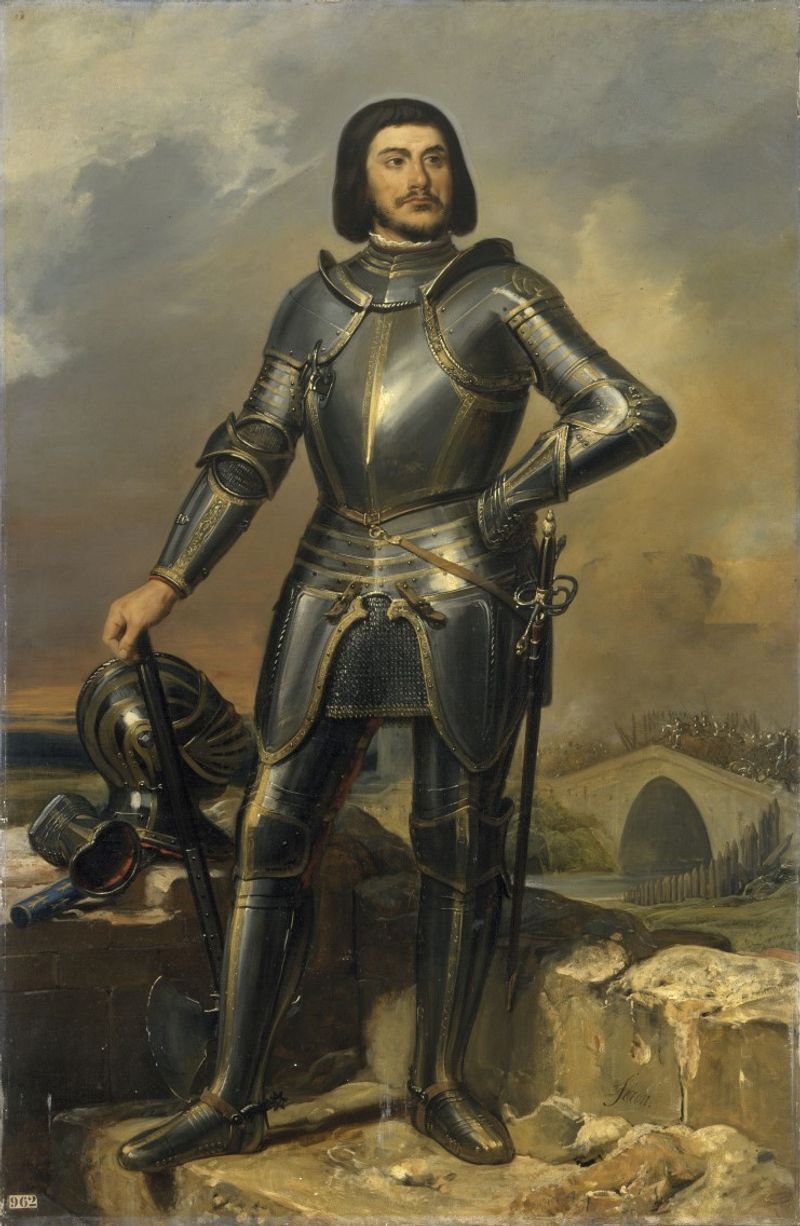
A hero of the battlefield who later faced a courtroom, Gilles de Rais lived a life of sharp contrasts. He fought beside Joan of Arc and received high honors in France.
After leaving the army, he spent his fortune quickly. In 1440, church and civil courts charged him with murdering many children, and he was convicted and executed.
The records describe terrible acts and little visible guilt until he confessed under pressure. Some historians question whether the trial was fair, since powerful people stood to gain from his land.
Others believe the testimony of families was too strong to ignore. The case remains a puzzle, but the accusations place him among the most disturbing figures of the Middle Ages.
7. Genghis Khan (c. 1162-1227)
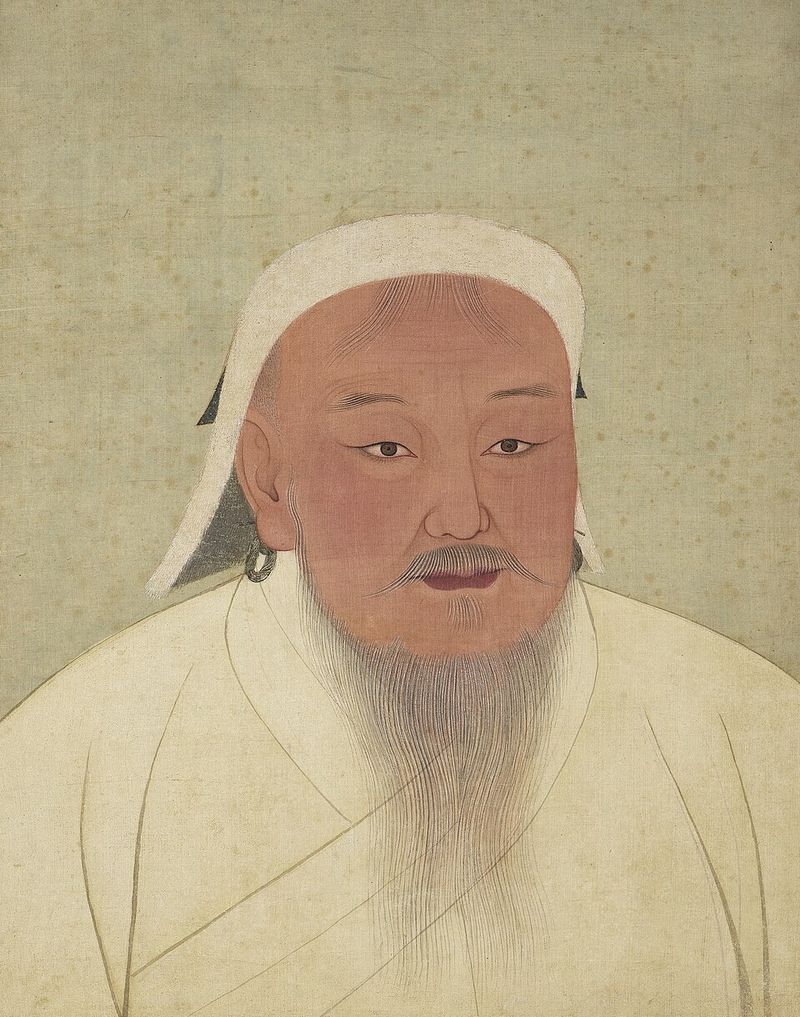
From a struggling childhood on the steppe, Temujin rose to unite the Mongol tribes and take the name Genghis Khan. His armies went on to build the largest land empire in history.
Their success relied on speed, discipline, and fear. Cities that surrendered were often spared, while those that resisted could face destruction and mass killing.
Chroniclers reported huge death tolls, though modern scholars think some numbers were inflated.
Genghis also promoted trade, set up laws, and allowed religious freedom in his lands. That makes him a complicated case.
His willingness to use terror without hesitation fits some psychopathic traits, but his leadership and loyalty to followers do not fit neatly into any label.
8. Joseph Stalin (1878-1953)
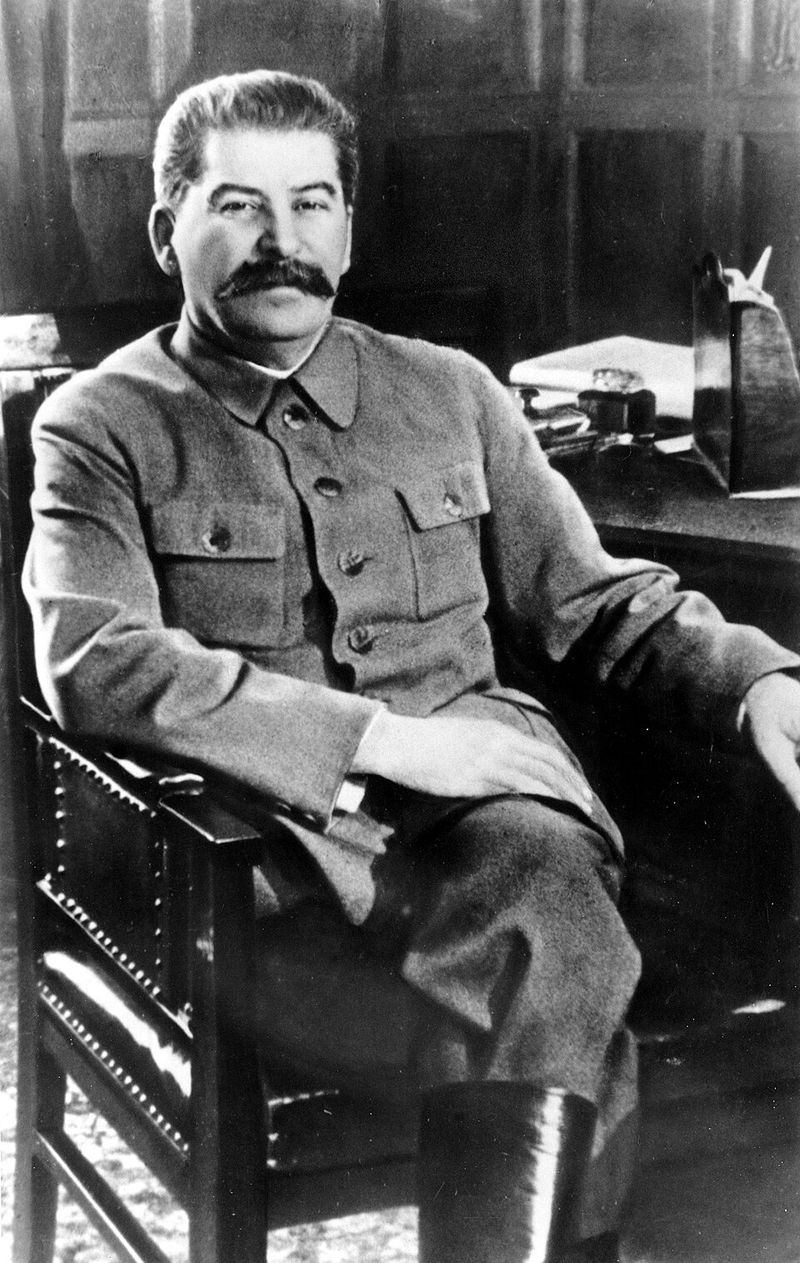
Behind the calm public image of the Soviet leader was a ruthless approach to power. Joseph Stalin ruled the USSR for nearly three decades.
In the 1930s, his Great Purge sent huge numbers of officials, soldiers, and ordinary citizens to prison camps or to execution. Millions more were deported or forced into labor.
Famines tied to his farming policies, including the one in Ukraine, caused millions of deaths. He also kept close control by spreading suspicion, even among his closest allies.
Biographers describe a man who was distrustful, manipulative, and unmoved by suffering. Psychologists have debated whether his behavior shows psychopathy or paranoia, but the human cost of his rule is clear and well documented.
9. Adolf Hitler (1889-1945)
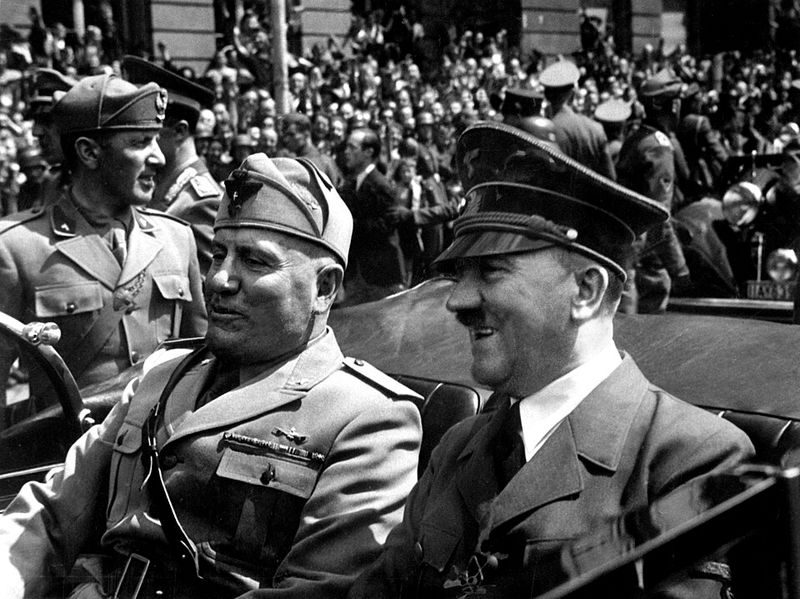
The Holocaust stands as one of the darkest events in human history, and it was driven by the leader of Nazi Germany. Adolf Hitler gained power in 1933 and quickly ended democracy.
His government persecuted Jews, Roma, disabled people, and political opponents. It organized the murder of about six million Jews, and his war of conquest in Europe caused tens of millions of deaths.
Biographers note his skill at manipulating crowds, his lack of remorse, and his readiness to deceive.
Some psychologists have tried to analyze him from a distance, but historians warn that diagnoses without examination are unreliable. What matters most is the record: planned cruelty on a massive scale that must never be forgotten or repeated.
10. Pol Pot (1925-1998)
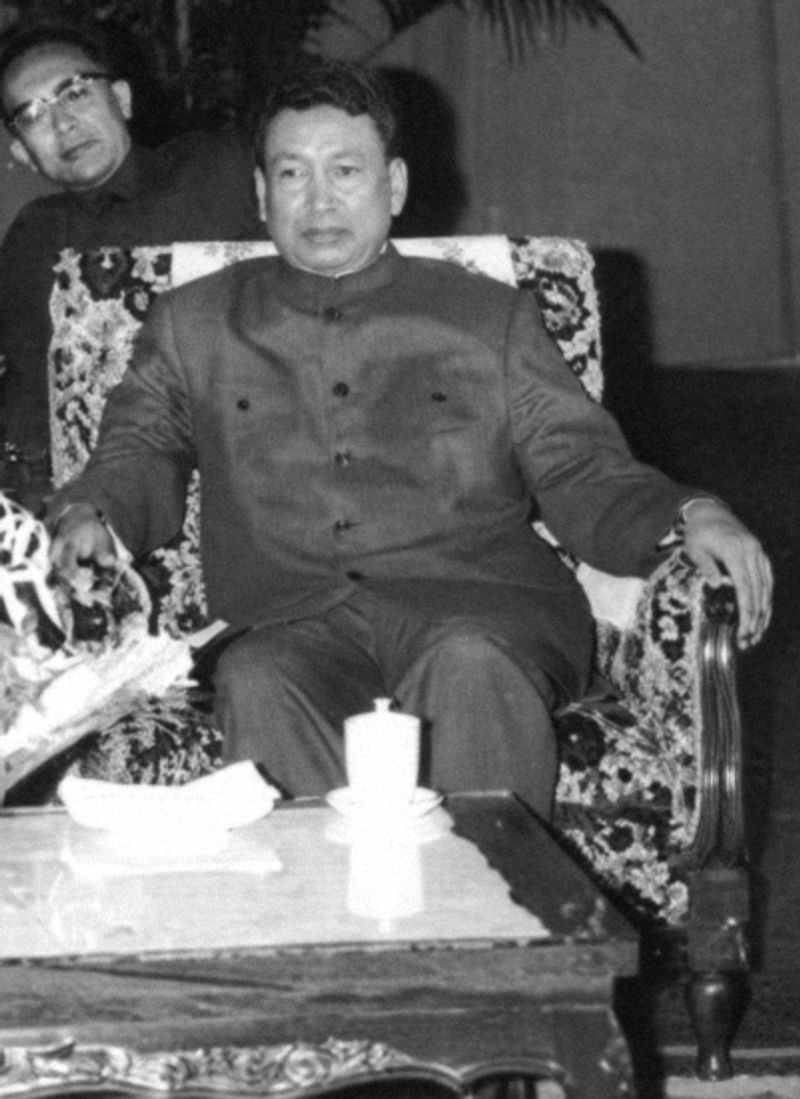
In 1975, the Khmer Rouge marched into Phnom Penh and emptied the city within days. Their leader, Pol Pot, wanted to rebuild Cambodia as a country of farming communes.
Residents were forced into hard labor with little food or medicine. Teachers, doctors, monks, and anyone seen as an enemy were often arrested, tortured, or killed.
Historians estimate that about 1.5 to 2 million people died from execution, starvation, and disease by 1979.
Pol Pot lived quietly for years afterward and showed little regret in interviews. His cold commitment to a harsh idea, no matter the human cost, is why he is often mentioned in discussions of psychopathic traits in leaders.
Share this story