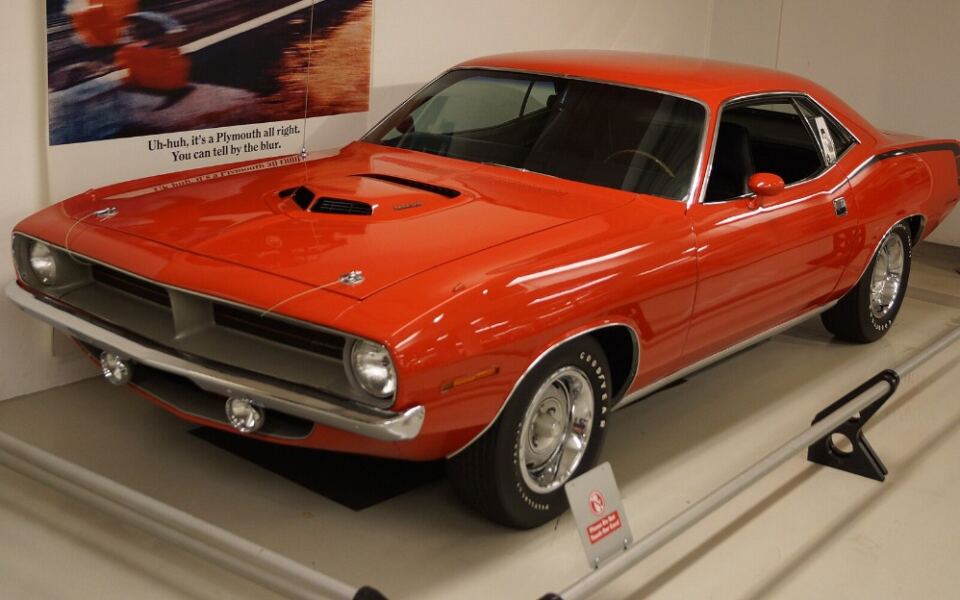
Some cars never go out of style. The models from the 1960s and 1970s still draw crowds at car shows, on city streets, and at auctions around the world.
Each one tells a story about design, speed, and the era that shaped it. Here are fifteen classics that continue to earn admiring looks.
1. 1964 Aston Martin DB5
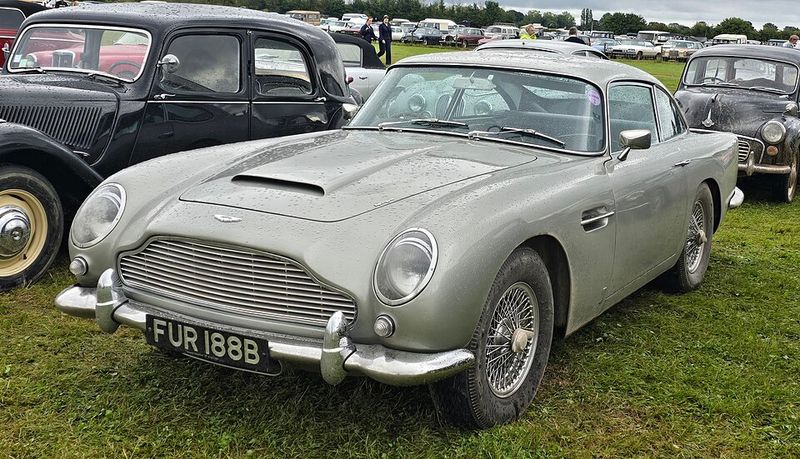
Few cars have a movie career like this one. When James Bond drove a silver DB5 in the 1964 film Goldfinger, the British grand tourer became a global star almost overnight.
Beyond the screen fame, the car is a genuine achievement. It used a 4.0 liter inline six engine that produced around 282 horsepower, and it could reach a top speed near 145 miles per hour.
That was very quick for its day.
The body was hand built in Newport Pagnell, England, using the Superleggera method, which wrapped aluminum panels over a light tube frame. Inside, leather seats and wood trim gave it the feel of a private lounge.
Today, the long hood, slim grille, and wire wheels still look elegant. Collectors treat the DB5 as a blue chip classic, and clean examples sell for very high prices.
2. 1967 Ford Mustang Fastback
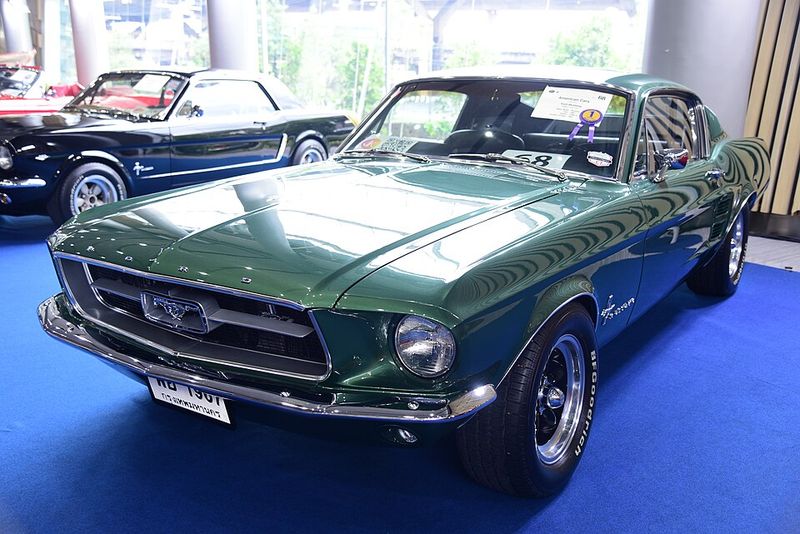
Picture a long hood, a short rear deck, and a roofline that slopes smoothly to the tail. That shape made the 1967 Mustang Fastback a favorite the moment people saw it.
Ford had launched the Mustang in 1964 and created a whole new class of affordable, sporty coupes known as pony cars. By 1967 the car grew a bit larger, which made room for a big block 390 cubic inch V8 for the first time.
Buyers could pick from many engines and trims, so the car suited both daily drivers and weekend racers. A modified Fastback later became the star of the 1968 film Bullitt.
Parts are easy to find and the community of owners is large and welcoming. That makes this Mustang one of the more practical classics to own, and it still gets thumbs up everywhere.
3. 1963 Chevrolet Corvette Sting Ray
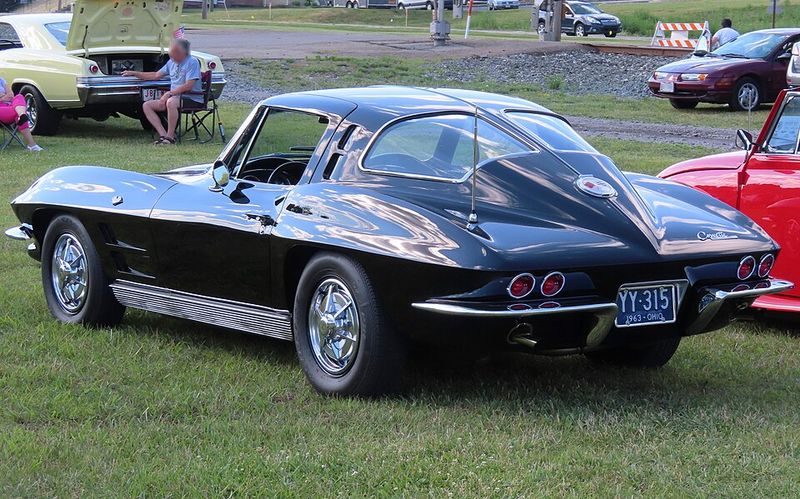
Only one model year had a rear window split down the middle by a thin bar, and that detail makes the 1963 Sting Ray instantly recognizable. Designer Bill Mitchell wanted a bold look, and the split glass was part of his vision.
Drivers did not always love it, because the bar blocked the view behind. Chevrolet dropped it in 1964, which is exactly why the 1963 coupe is now so prized.
Underneath, the Sting Ray introduced independent rear suspension to the Corvette, which improved handling a great deal. Engines ranged from a 327 cubic inch V8 with 250 horsepower to a fuel injected version with 360.
Hidden headlights and sharp body creases gave the fiberglass body a futuristic feel. Even now, it looks fast while sitting still.
4. 1961 Jaguar E-Type
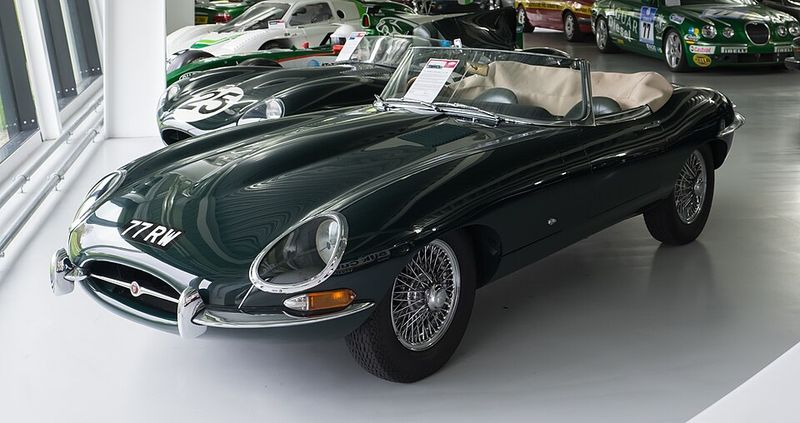
When the E-Type debuted at the 1961 Geneva Motor Show, Enzo Ferrari reportedly called it the most beautiful car ever made. Whether or not the quote is exact, the praise fits.
The long, curved hood and tapered tail gave the car a flowing shape that few rivals could match. It was also quick, with a 3.8 liter six cylinder engine, disc brakes on all four wheels, and a top speed claimed at 150 miles per hour.
Best of all, the price was far lower than that of many Italian exotics. That brought real performance within reach of more drivers.
Roadster and coupe versions both survive in good numbers. Seeing one roll by remains a treat, and the design is displayed in art museums, including the Museum of Modern Art in New York.
5. 1969 Dodge Charger R/T
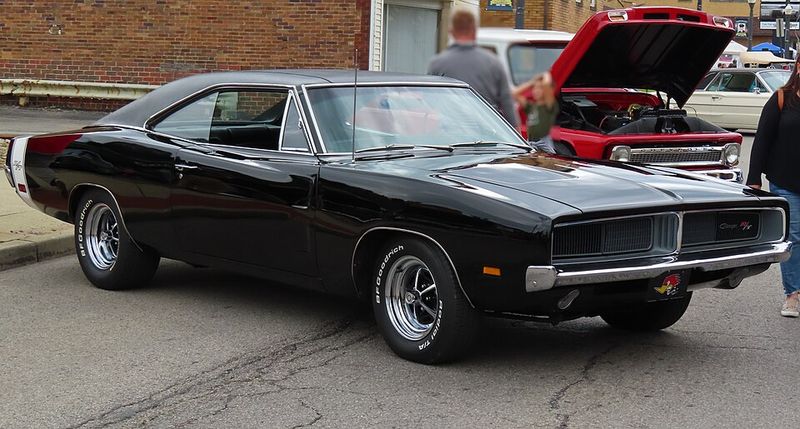
Low, wide, and a little menacing, the 1969 Charger R/T looks like it is ready to pounce. Its coke bottle body, full width grille, and flying buttress roof gave it a stance no other muscle car copied.
R/T stood for Road and Track. The package came with a 440 Magnum V8 rated at 375 horsepower, heavy duty suspension, and bigger brakes.
Buyers could also order the 426 Hemi for even more power.
Television helped make it a legend. An orange 1969 Charger named the General Lee appeared in The Dukes of Hazzard, and a black R/T chased a Mustang in Bullitt.
Collectors prize original cars with strong documentation. Prices have climbed steadily, yet the Charger still draws more attention than almost anything at a modern meet.
6. 1970 Chevrolet Chevelle SS 454
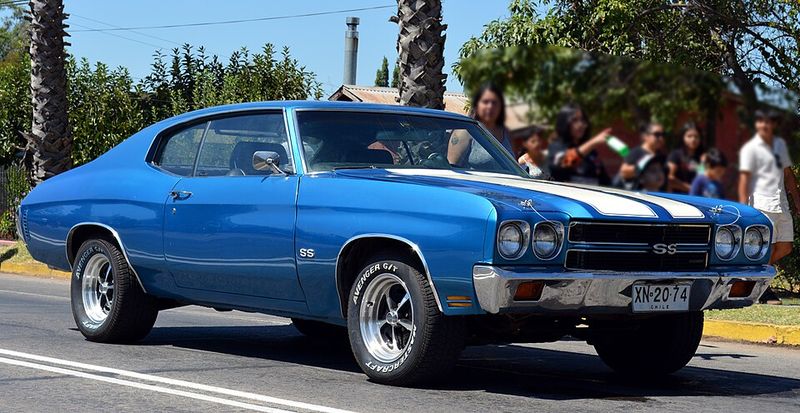
Horsepower wars peaked in 1970, and the Chevelle SS 454 was one of the biggest winners. Its LS6 engine was rated at 450 horsepower, a number few cars of any era had matched.
That engine displaced 454 cubic inches and came with a solid lifter camshaft and a big Holley carburetor. Road tests at the time recorded quarter mile times in the low 13 second range, which was astonishing for a street car.
The look was simple and strong. A domed hood, blacked out grille, and optional cowl induction gave it a tough face without too much decoration.
Chevrolet only built the LS6 for one model year before emissions rules and insurance costs changed everything. That short run is part of the reason fans treat the car with such respect today.
7. 1969 Pontiac GTO Judge
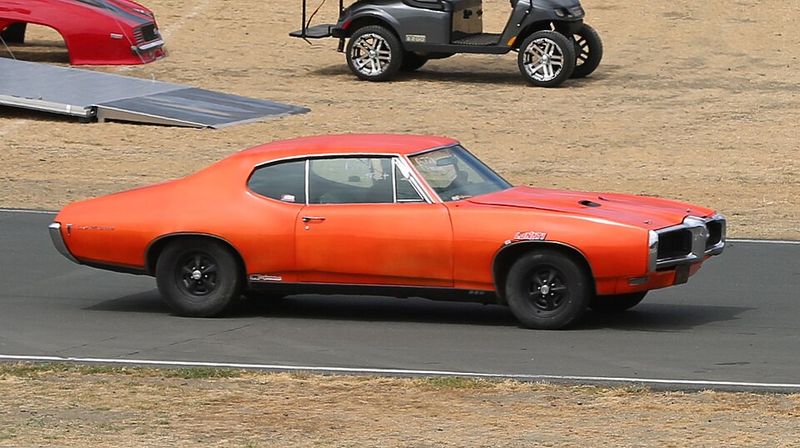
The name came from a comedy sketch. Pontiac borrowed the catchphrase Here come da judge from the TV show Laugh-In and slapped it on a special GTO package in 1969.
Underneath the humor was serious hardware. The standard engine was a 400 cubic inch V8 called Ram Air III with 366 horsepower, and buyers could upgrade to the Ram Air IV.
Bright paint colors, a rear spoiler, and bold stripes made the Judge impossible to miss. Many were painted in a vivid shade called Carousel Red or Orbit Orange.
Pontiac is often credited with starting the muscle car craze when it dropped a big engine into the midsize Tempest in 1964. The Judge was that idea turned all the way up, and its loud style is still a crowd favorite.
8. 1970 Plymouth Hemi ’Cuda
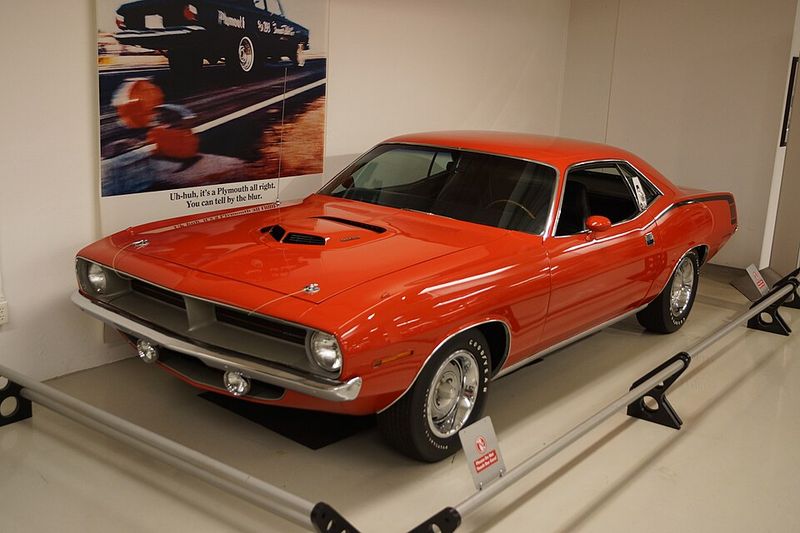
Ask muscle car fans to name a dream car, and many will say Hemi ’Cuda. Only a few hundred were built in 1970, which keeps supply tiny and demand huge.
The star was the 426 Hemi V8, nicknamed the Elephant engine for its size. Rated at 425 horsepower, it sat under a hood with a shaker scoop that rattled as the engine ran.
Plymouth offered wild colors with names like Plum Crazy and Lime Light, a trend known as High Impact paint. Combined with a ’Cuda’s short, wide body, the look was loud and confident.
Auction results show how special it is. Convertible versions have sold for several million dollars, making them among the most valuable American cars ever built.
9. 1966 Lamborghini Miura
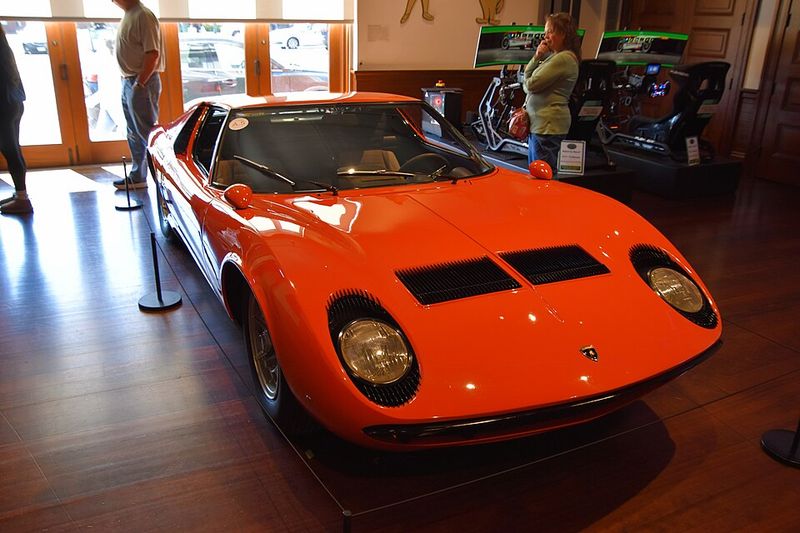
Before the Miura, race cars put the engine behind the driver, but road cars rarely did. Lamborghini changed that in 1966 with a sleek two seater that placed a V12 right behind the cabin.
The engine was mounted sideways, a clever trick that kept the car compact. With around 350 horsepower from 3.9 liters, the first Miura P400 could top 170 miles per hour, making it the fastest production car at the time.
Designer Marcello Gandini of Bertone shaped the body, and the result looked like nothing else on the road. Eyelash style trim around the headlights gave the front a distinctive face.
Many experts credit the Miura with creating the modern supercar template. Its low, curvy shape still looks dramatic parked beside cars built decades later.
10. 1974 Lamborghini Countach LP400
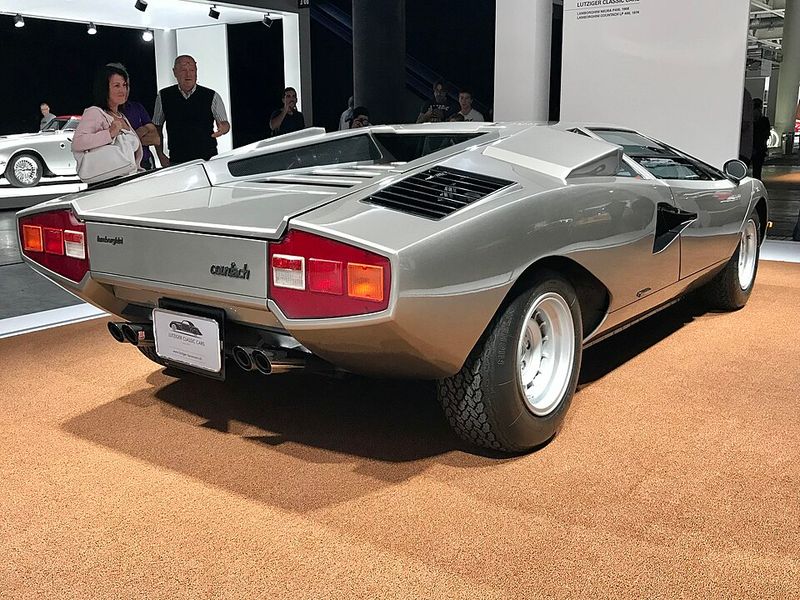
Open the door and it swings upward like a wing. That scissor door trick made the Countach feel like a spaceship the first time people saw it.
Marcello Gandini again drew the shape, this time as a sharp wedge with flat panels and straight edges. The early LP400 had a clean look, without the big wings and flares that arrived on later versions.
Power came from a 4.0 liter V12 making about 375 horsepower. Visibility out the back was so poor that drivers sometimes sat on the sill with the door open to reverse.
The prototype debuted at the 1971 Geneva show, and production started in 1974. Many bedroom posters later, the car became a symbol of the era, and original LP400 models remain the purest form of the design.
11. 1962 Ferrari 250 GTO
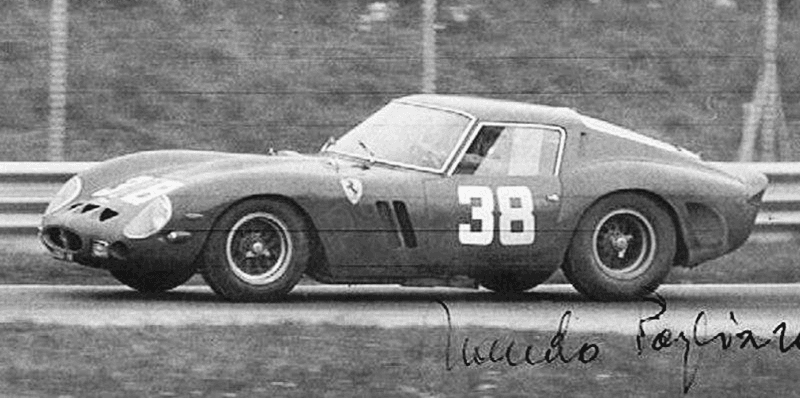
Some cars are valuable. The 250 GTO is in a league of its own, with sales reported above 48 million dollars in 2018.
Ferrari built only 36 of the original 1962 to 1964 cars, so owning one is rare in the extreme. GTO stands for Gran Turismo Omologato, meaning the car was approved for racing in the grand touring class.
Its 3.0 liter V12 produced roughly 300 horsepower, and the body was shaped with the help of wind tunnel work and test driving. The result was a car that won its class at major endurance races.
Beauty and success on the track combined here. The low nose, small tail spoiler, and curved fenders create a form that people consider close to perfect, even if they know little about cars.
12. 1973 Porsche 911 Carrera RS 2.7
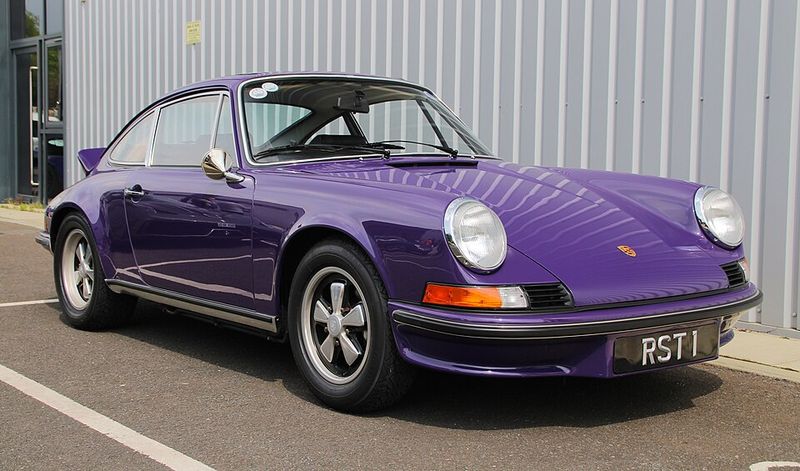
A small spoiler changed the way Porsche designed cars. The ducktail on the 1973 Carrera RS 2.7 reduced lift at high speed, and it gave the car a cheeky, upturned tail that fans still adore.
Porsche built the RS to qualify for racing, which meant making at least 500 road cars. Demand was so strong that more than 1,500 were eventually produced.
Weight was trimmed through thinner glass, lighter body panels, and a stripped interior in the lightweight version. A 2.7 liter flat six engine delivered 210 horsepower, and the car could sprint to 60 miles per hour in about 5.8 seconds.
Bold Carrera lettering along the sides added a final touch. Today the RS is often named among the greatest 911s ever built.
13. 1969 Chevrolet Camaro Z/28
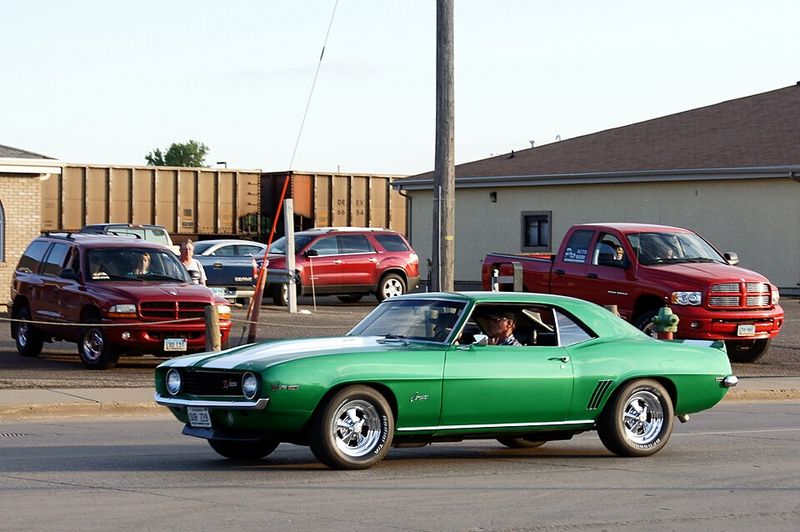
Chevrolet built the Z/28 for a reason: to win races. It was created so the Camaro could compete in the Sports Car Club of America Trans-Am series, which had an engine limit of 305 cubic inches.
The solution was a small block V8 of 302 cubic inches. It was officially rated at 290 horsepower, though many experts believe it made much more when pushed to high revs.
Stiffer suspension, front disc brakes, and a four speed manual transmission made the car sharp in corners. Racing stripes on the hood and trunk marked it as something special.
The 1969 model year is a favorite because of its muscular body lines and strong racing record. Roger Penske and driver Mark Donohue helped bring Camaro success on the track, and the legend has stuck ever since.
14. 1971 De Tomaso Pantera
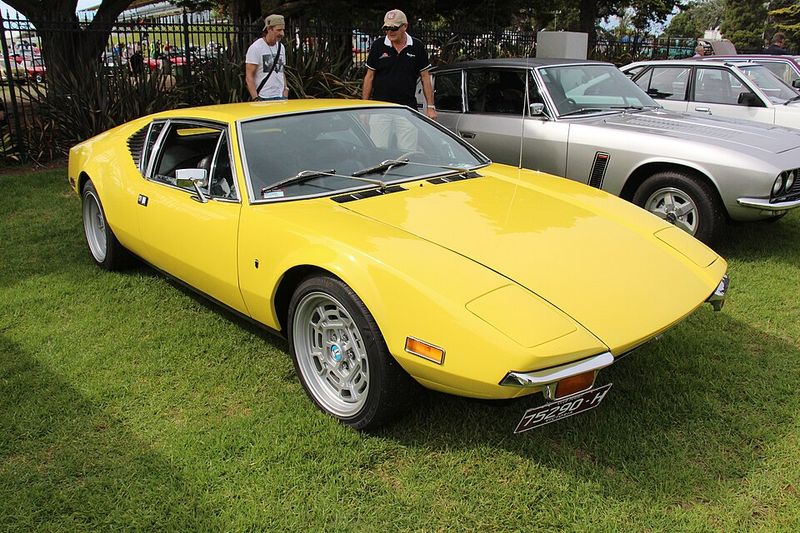
Italian styling met American muscle in a very smart partnership. De Tomaso, based in Modena, Italy, teamed with Ford to put a 351 cubic inch Cleveland V8 behind the seats of a sleek coupe.
Designer Tom Tjaarda shaped the body at Ghia, giving it a low wedge profile with clean lines. The car was sold in the United States through Lincoln-Mercury dealers, which is a surprising fact for an exotic.
With around 310 horsepower, the Pantera could reach about 60 miles per hour in under 6 seconds. Its mid engine layout gave it balance that many American cars lacked.
Build quality was uneven in the early years, yet the car has since won a loyal following. Simple, durable Ford parts make ownership easier than for many exotic cars of the period.
15. 1973 BMW 2002 Turbo
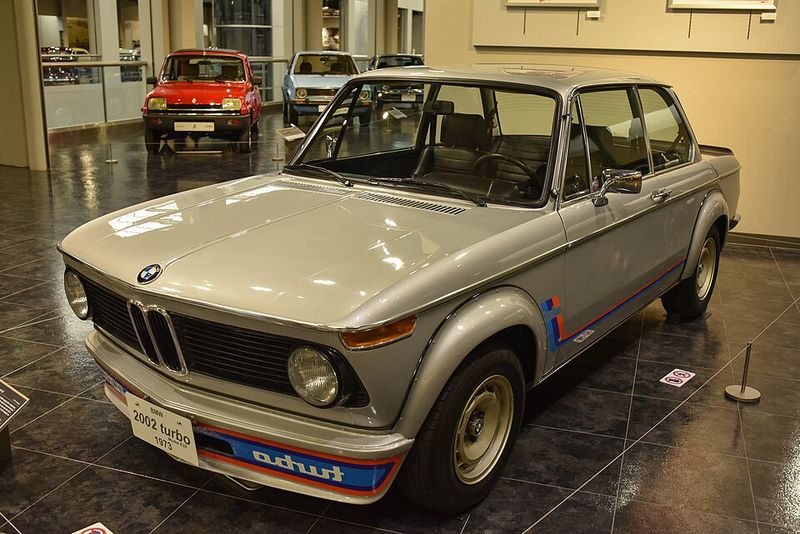
Take a compact sedan, add a turbocharger, and you get a car that surprised everyone in 1973. The BMW 2002 Turbo was one of the first turbocharged production cars in Europe.
Its 2.0 liter four cylinder engine produced 170 horsepower, a big step up from the standard 2002. The car could reach 60 miles per hour in about 7 seconds, which was quick for the time.
BMW gave it a bold look, with a front spoiler that carried mirror image lettering so drivers ahead could read the word Turbo in their rearview mirrors. Flared fenders and blue and red stripes completed the package.
The oil crisis hit just as the car launched, so production stayed small. That rarity, along with its role in starting the turbo trend, makes the 2002 Turbo a prized find today.
Share this story