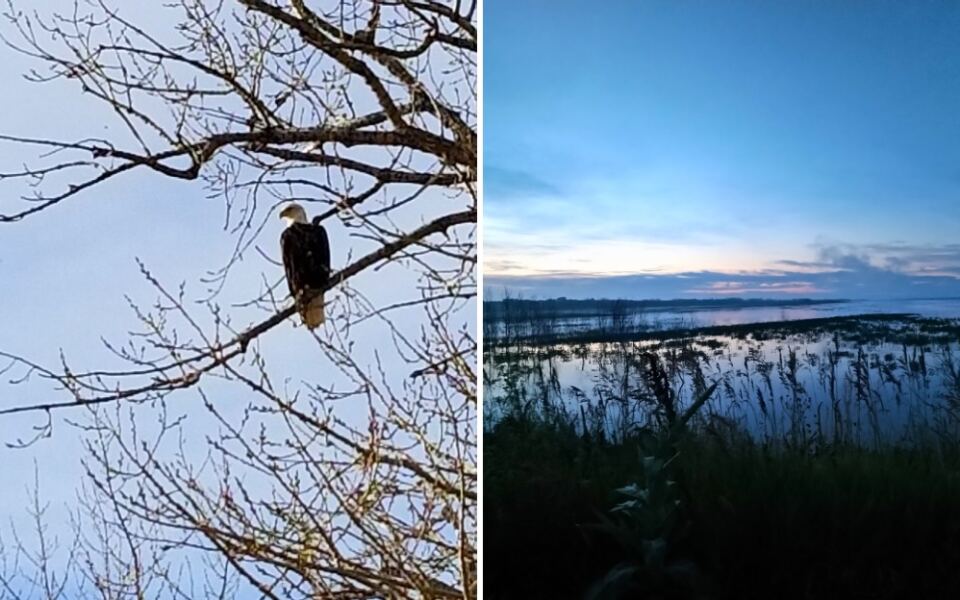
Nebraska becomes a surprisingly rewarding bald eagle destination each winter as the birds gather around rivers, reservoirs, and other stretches of open water. From January through early March, visitors can often spot eagles feeding and resting along the state’s major waterways.
These 10 Nebraska locations offer some of the best opportunities for winter eagle watching, with several providing easy parking, viewing platforms, or spotting scopes. Even first-time birders can enjoy memorable sightings with little more than warm clothing and a pair of binoculars.
1. Lake McConaughy State Recreation Area, Ogallala, Nebraska
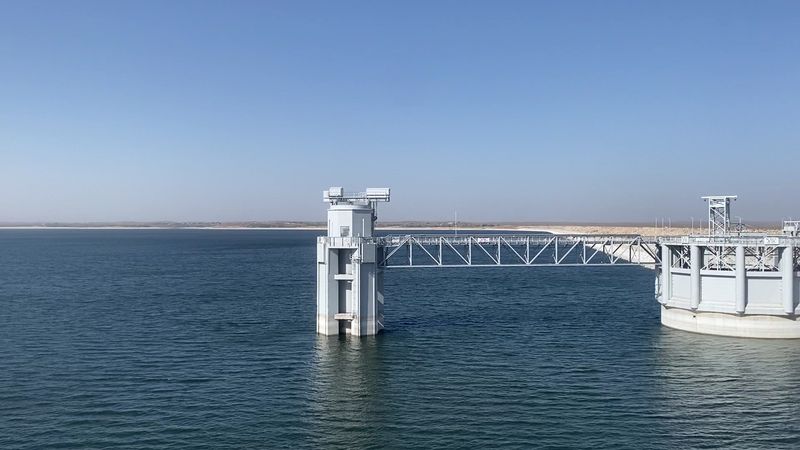
Nebraska’s largest reservoir earns a completely different reputation once the summer crowds pack up and leave. By January, Lake McConaughy becomes one of the state’s premier bald eagle destinations, and the numbers back that up in a serious way.
The Central Nebraska Public Power and Irrigation District maintains a dedicated eagle-viewing facility directly below Kingsley Dam. During the 2025-26 viewing season, single-weekend counts reached 100 birds, with specific tallies of 33 in December 2025 and 45 in February 2026 recorded at the Kingsley site alone.
The facility is free to visit and open on weekends during the viewing season, with spotting scopes and knowledgeable attendants available to help visitors find birds and understand what they are seeing. Open water near the dam creates a concentrated feeding zone, which means eagles often stay active and visible for extended periods.
A morning visit on a calm, clear day tends to produce the most rewarding experience.
2. Sutherland Reservoir State Recreation Area, Sutherland, Nebraska
Warm water discharged from a nearby power facility gives Sutherland Reservoir a distinct advantage that most eagle-watching locations simply cannot match. Even during the most severe cold snaps, portions of the reservoir remain open, giving eagles uninterrupted access to fish when competing sites are completely frozen over.
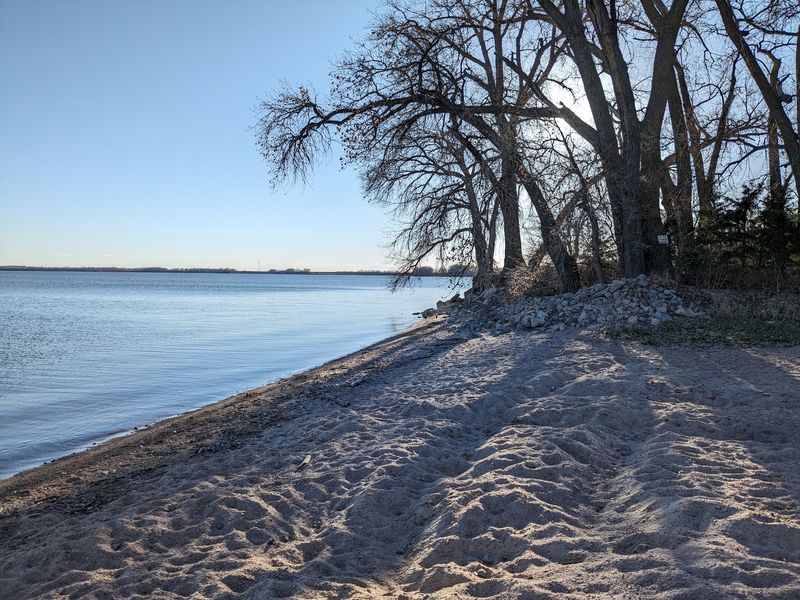
Nebraska Tourism points visitors specifically toward the areas near the golf course and Hershey Beach, both of which provide consistent viewing opportunities across the winter season. From these spots, you can often watch eagles hunting over open water or resting in the cottonwoods that line the shore.
The visual contrast at Sutherland is genuinely striking. Large birds against bare winter trees, open water surrounded by frozen ground, and the wide Nebraska sky overhead combine to create a setting that rewards patient observers and photographers alike.
The reservoir does not draw the same headlines as some of the bigger sites on this list, but regulars know it delivers steady, reliable action throughout the coldest months.
3. Harlan County Reservoir, Alma, Nebraska
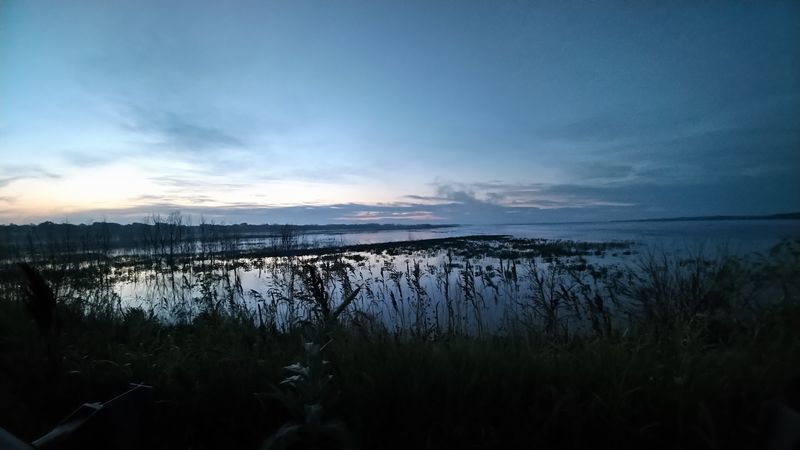
When conditions align perfectly at Harlan County Reservoir, the concentration of bald eagles here can be genuinely jaw-dropping. Nebraska’s official birding guide documents that the area around Harlan County Dam may attract between 150 and 400 bald eagles during January, which puts it in a category all its own.
The Pheasant Ridge Walking Trail follows the shoreline and gives visitors useful elevated and open vantage points for scanning the water and surrounding trees without disturbing the birds. It is a comfortable, accessible route that does not require serious hiking gear or experience.
The catch with Harlan County is that eagle numbers depend heavily on ice conditions. A warmer winter with less ice coverage can reduce concentrations significantly, while a cold, frozen landscape pushes eagles toward whatever open water remains near the dam.
That variability adds an element of genuine suspense to every visit. Checking recent sightings reports before making the drive south is a smart habit that can save a wasted trip and maximize your odds of seeing something spectacular.
4. Calamus Reservoir State Recreation Area, Burwell, Nebraska
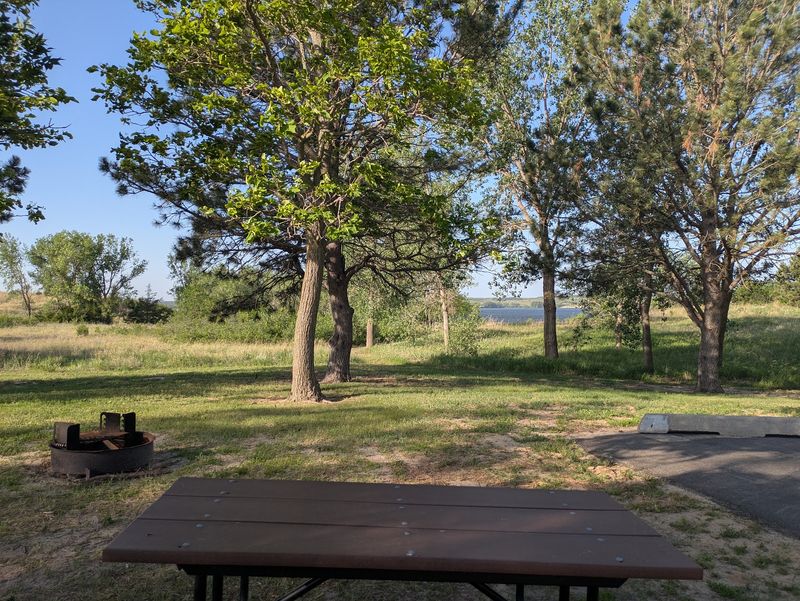
Tucked into the heart of Nebraska’s Sandhills, Calamus Reservoir offers eagle watching with a backdrop that feels genuinely remote and untouched. The landscape here is different from the flat agricultural plains that dominate much of the state, with rolling dune topography and native grasses surrounding the reservoir on all sides.
Nebraska Tourism identifies the north end of the lake as the most reliable area for winter eagle activity, particularly where stretches of open water persist during cold snaps. Eagles concentrate around those open sections, and patient observers with binoculars can often spot multiple birds at once.
Calamus also has a documented nesting area that can be viewed from a highway turnout between Gracie Creek and Valleyview Flat. That makes it one of the few locations on this list where you have a reasonable chance of observing nesting behavior during the warmer months, in addition to winter congregations.
Any observation of nesting birds should be done from a substantial distance using a spotting scope, without approaching or lingering near the nest site.
5. Niobrara State Park, Niobrara, Nebraska
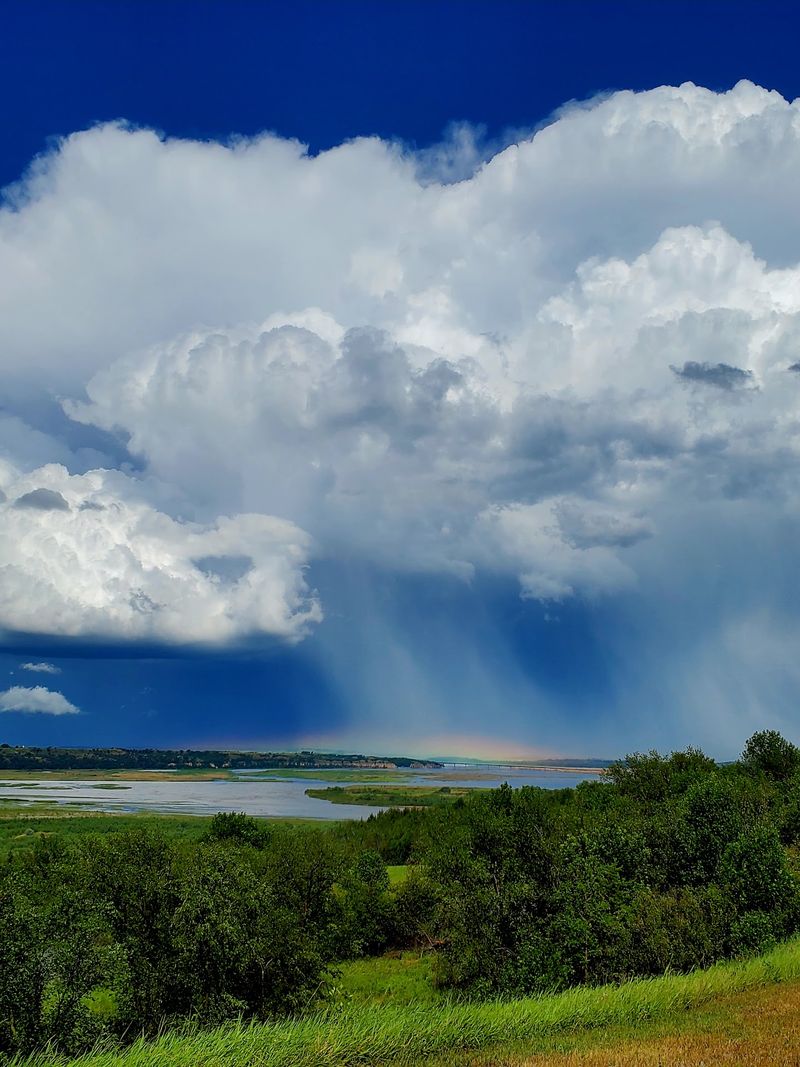
Two rivers meet at Niobrara State Park, and that convergence creates a habitat combination that bald eagles find hard to resist. The park sits at the junction of the Niobrara and Missouri Rivers, where wooded bluffs, river channels, and open water come together in a stretch of landscape that supports eagles across multiple seasons.
Nebraska’s birding guide specifically notes that a bald eagle nest can be viewed from the campground area and from a county road that runs near the river. That kind of accessible nest viewing is genuinely rare and makes Niobrara stand out from most other sites on this list.
Beyond the nest, more than 12 miles of trails wind through the park, offering plenty of room to scan the river corridor and treetops without approaching nesting birds too closely. The bluff terrain also provides natural elevated viewpoints that make spotting eagles at a distance much easier.
Visitors who time their trip for late winter often find that eagle activity overlaps with early waterfowl movement along the Missouri, adding even more variety to a single outing.
6. Lake Wanahoo State Recreation Area, Wahoo, Nebraska
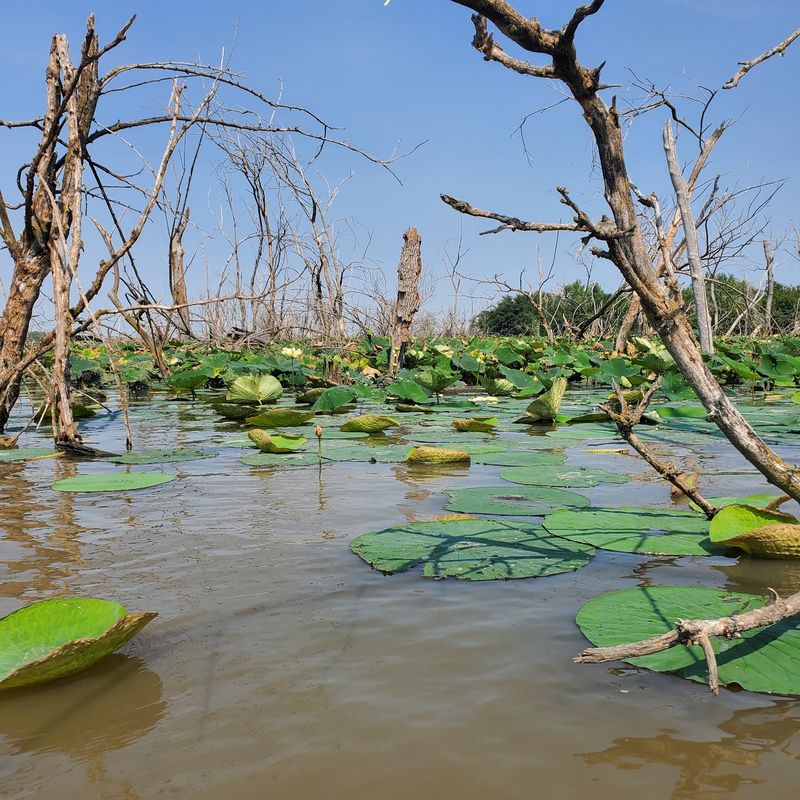
Eastern Nebraska does not always get the attention it deserves for eagle watching, but Lake Wanahoo makes a strong case for a closer look. The recreation area was developed with wildlife access in mind, and a dedicated viewing platform on the north side of the 662-acre lake provides clear, open sightlines across the reservoir without requiring any difficult hiking.
Nebraska Game and Parks documents an active eagle nest east of the boat ramp, and bald eagles have been recorded nesting at Wanahoo consistently since 2009. That long track record of nesting activity means the site has genuine year-round appeal, not just during the peak winter congregation period.
Visiting during nesting season requires extra care. All observations of active nests should be made from a significant distance, with binoculars or a spotting scope, to avoid stressing the birds during a critical time.
For anyone based in eastern Nebraska looking for a quick, accessible eagle-watching outing without a long drive west, Wanahoo is a genuinely strong option that often gets overlooked in favor of larger, more famous reservoirs.
7. Lake Ogallala State Recreation Area, Ogallala, Nebraska
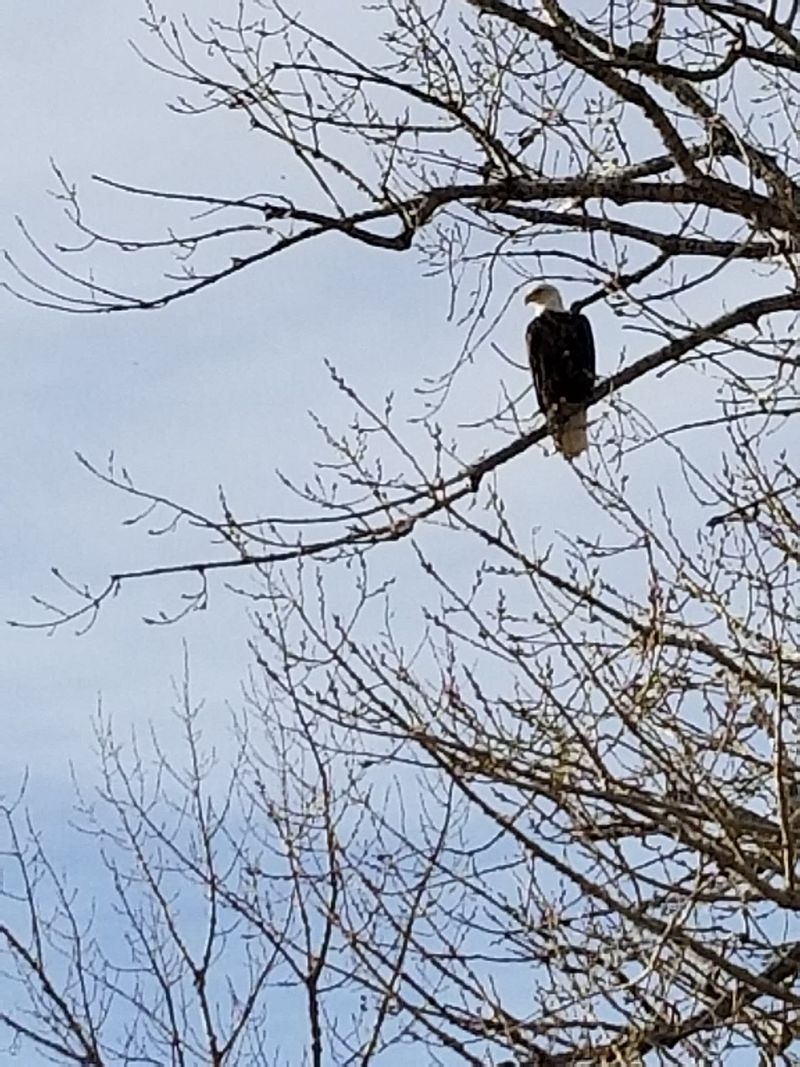
Western Nebraska does not get nearly enough credit for its winter wildlife, but Lake Ogallala changes that argument fast. The key is the water released below Kingsley Dam, which stays open and ice-free even when everything around it has frozen solid.
That reliable patch of open water is essentially a free buffet for bald eagles throughout the coldest months. Eagles can be spotted perched in tall cottonwood trees along the shoreline, standing near the water’s edge with patient focus, or sweeping low across the lake in pursuit of fish.
The Central Nebraska Public Power and Irrigation District operates a viewing facility near the dam spillway, making this one of the most visitor-friendly eagle sites in the region. January and February consistently deliver the strongest numbers, so plan your visit during those months for the best results.
Binoculars are helpful, but some eagles perch close enough to see clearly with the naked eye.
8. Branched Oak State Recreation Area, Raymond, Nebraska
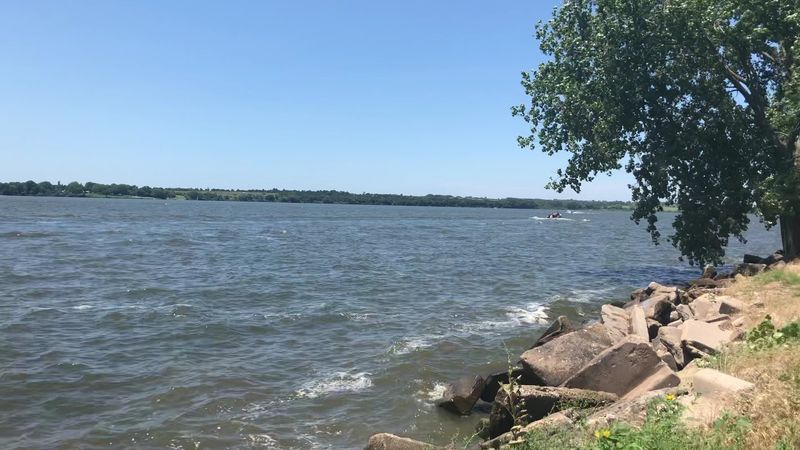
Timing is everything at Branched Oak, and the sweet spot comes right when winter finally starts losing its grip. As ice on the reservoir breaks apart and fish become exposed near the surface, bald eagles converge on the lake in numbers that can genuinely surprise even regular visitors to the area.
Nebraska’s birding guide reports up to 200 bald eagles during spring thaw conditions, which makes Branched Oak one of the highest-count sites in eastern Nebraska. Area 14 near the dam is the recommended starting point, offering good views of both open water and the shoreline trees where eagles prefer to perch between feeding bouts.
Leibers Point, Area 3, and the marina area provide additional vantage points that cover different sections of the lake, so a single visit can include multiple productive stops. As the largest lake in eastern Nebraska, Branched Oak draws birds from a wide surrounding area during the thaw period.
For visitors coming from Lincoln, the short drive makes it an easy day trip that can produce some of the most memorable eagle viewing in the entire state.
9. Pawnee State Recreation Area, Lincoln, Nebraska
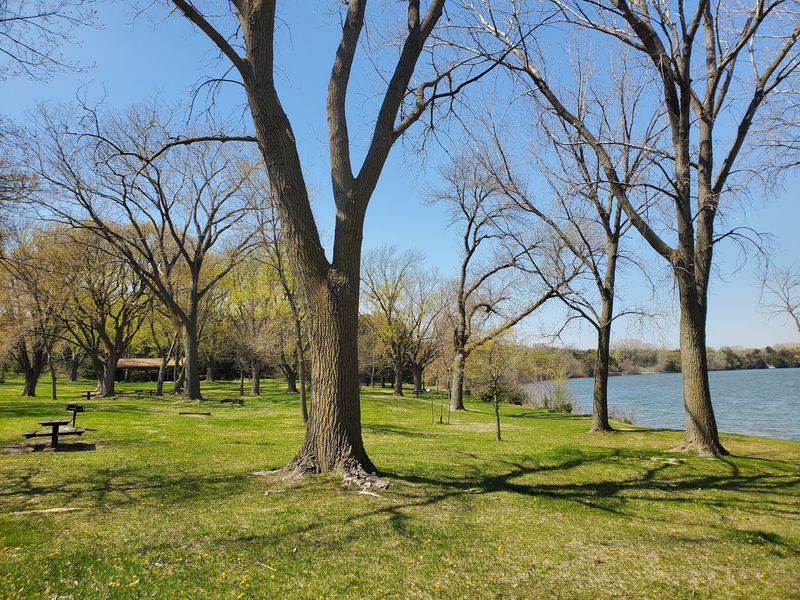
Right on the outskirts of Lincoln, Pawnee Lake has a late-winter habit of drawing bald eagles in numbers that catch even local residents off guard. A 2026 Nebraskaland feature specifically noted that late winter thaw conditions can pull as many as 100 bald eagles to the lake, making it one of the stronger concentration sites in the eastern part of the state.
The nearly 2,000-acre recreation area gives visitors a generous amount of shoreline to work with, which means observers can spread out and find their own viewing angles without crowding together or pushing too close to the birds. The wooded sections of shoreline provide natural perching spots that eagles use between feeding runs.
Nebraska Game and Parks includes Pawnee among its officially recommended bald eagle locations, which reflects the site’s consistent performance over multiple winters. The combination of easy access from a major city, ample parking, and reliable eagle activity during the thaw window makes this one of the most practical options for anyone who wants to experience this kind of wildlife spectacle without planning an elaborate road trip across the state.
10. Fort Kearny State Recreation Area, Kearney, Nebraska
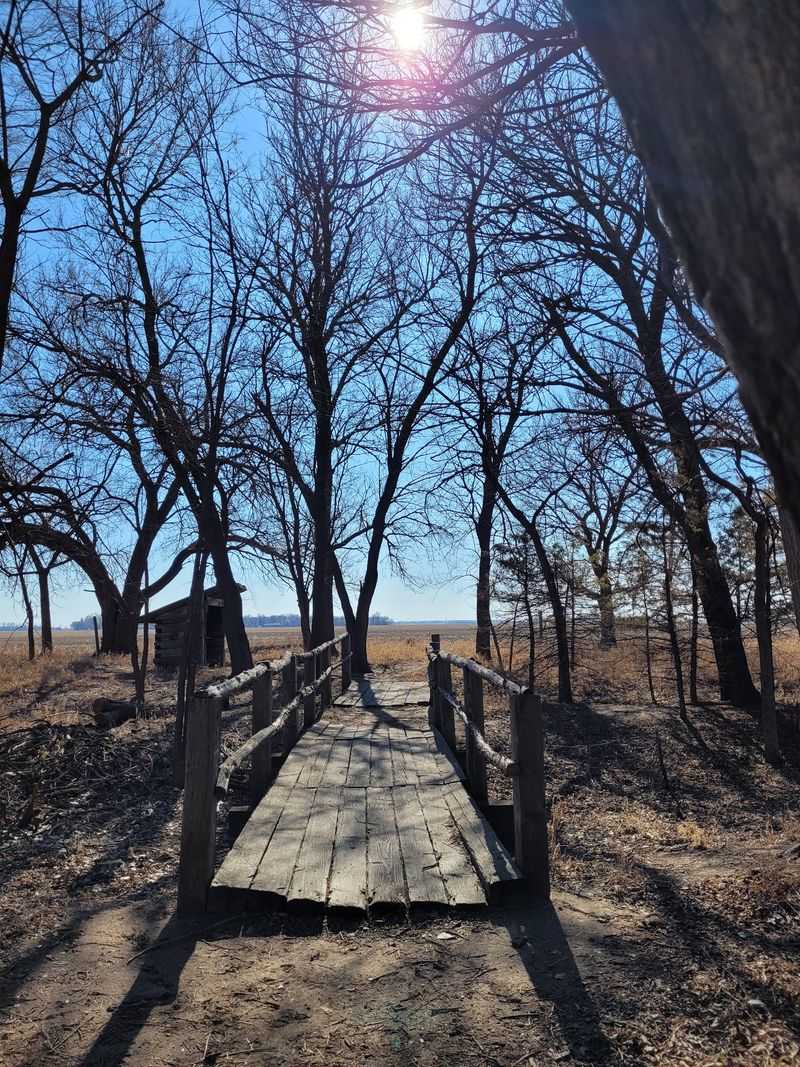
Most people associate Fort Kearny with sandhill cranes, and that reputation is well-earned, but the winter months before March belong to a different bird entirely. Bald eagles are listed among the notable species in Nebraska’s official birding guide for this location, particularly from January through February, when the Platte River corridor is quiet and uncrowded.
The paved hike-bike trail that crosses the Platte River on a converted railroad bridge is one of the best eagle-viewing structures in the state. The elevated position over the river channels gives observers a clear view in multiple directions, covering both the water below and the cottonwood canopy on either bank.
Before crane season transforms the area in March, Fort Kearny operates at a much calmer pace, which actually works in the eagle watcher’s favor. Fewer visitors mean less disturbance, and eagles tend to stay more visible and active as a result.
Geese and ducks are also present along the river during this window, so a winter visit here often delivers a broader wildlife experience than the single-species focus that dominates the spring season.
Share this story