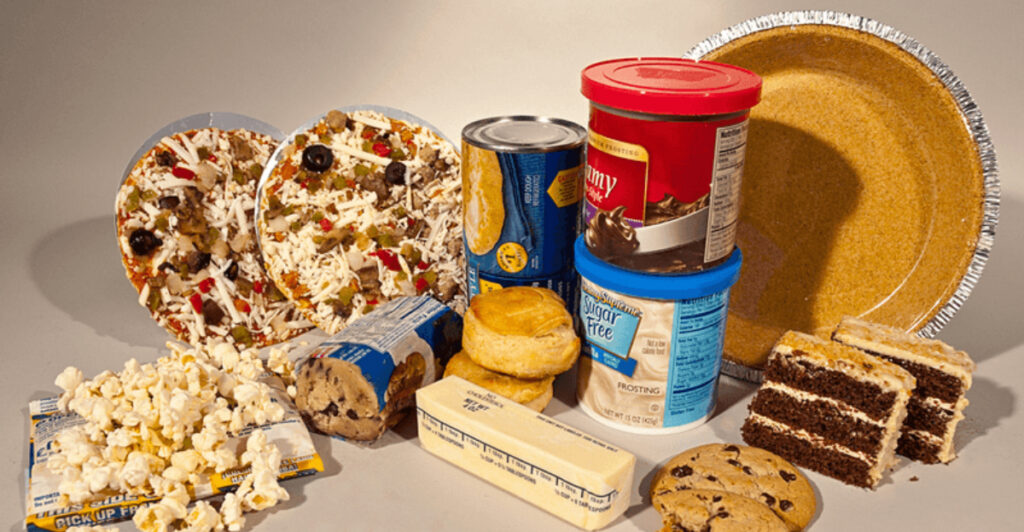
The 1970s were a time of bold fashion, disco music, and some truly questionable food choices. Many ingredients and products that filled our grocery carts back then have since disappeared from store shelves—not because they went out of style, but because scientists discovered they posed serious health risks. From artificial sweeteners to colorful dyes, let’s explore the foods that defined a decade but wouldn’t pass today’s safety standards.
FD&C Red No. 2 Food Dye

Bright red candies, cherry-flavored treats, and vibrant desserts owed their eye-catching color to FD&C Red No. 2, also called amaranth. This synthetic dye made everything from popsicles to cake mixes look irresistibly delicious during the groovy era.
Scientists started questioning its safety when animal studies showed troubling results. Research linked the dye to tumor development in laboratory rats, raising red flags—pun intended. By 1976, the FDA decided the risk wasn’t worth the pretty color and banned it completely.
Food manufacturers scrambled to find replacements, eventually settling on other synthetic dyes. The removal of Red No. 2 showed Americans that even approved additives could be reconsidered when new evidence emerged about potential dangers.
Sassafras Oil

Nothing said old-fashioned refreshment quite like root beer made with real sassafras. This traditional flavoring gave beverages and teas their distinctive, nostalgic taste that reminded people of simpler times. Generations had enjoyed it without worry.
But sassafras oil contains safrole, a compound that turned out to be dangerous. Studies demonstrated it could cause liver damage and cancer in animals when consumed regularly. The U.S. government banned its use in food products during the 1970s.
Modern root beers use artificial sassafras flavoring instead, which lacks the authentic punch of the original. This ban taught an important lesson: just because something is natural doesn’t automatically make it safe for human consumption at commercial levels.
Partially Hydrogenated Oils
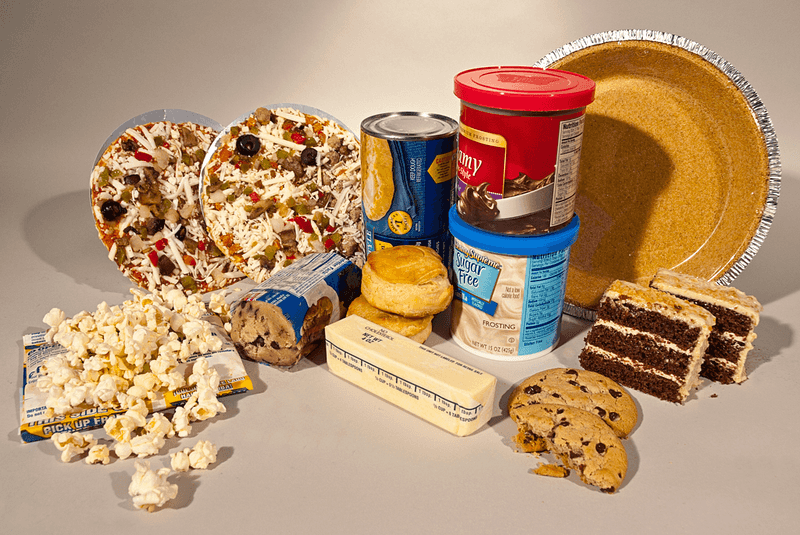
Margarine seemed like a healthier alternative to butter, and partially hydrogenated oils made baked goods last forever on shelves. Food companies loved these artificial trans fats because they were cheap, stable, and marketed as heart-healthy. Cookbooks from the era praised them enthusiastically.
Decades later, research revealed a shocking truth. These supposedly “better” fats were actually terrible for cardiovascular health, raising bad cholesterol while lowering the good kind. Heart disease rates climbed as trans fat consumption increased.
The FDA finally declared them unsafe in 2015, requiring manufacturers to remove them completely. What took decades to recognize as harmful is now understood as one of the worst dietary mistakes of modern food processing history.
Cyclamate Sweetener
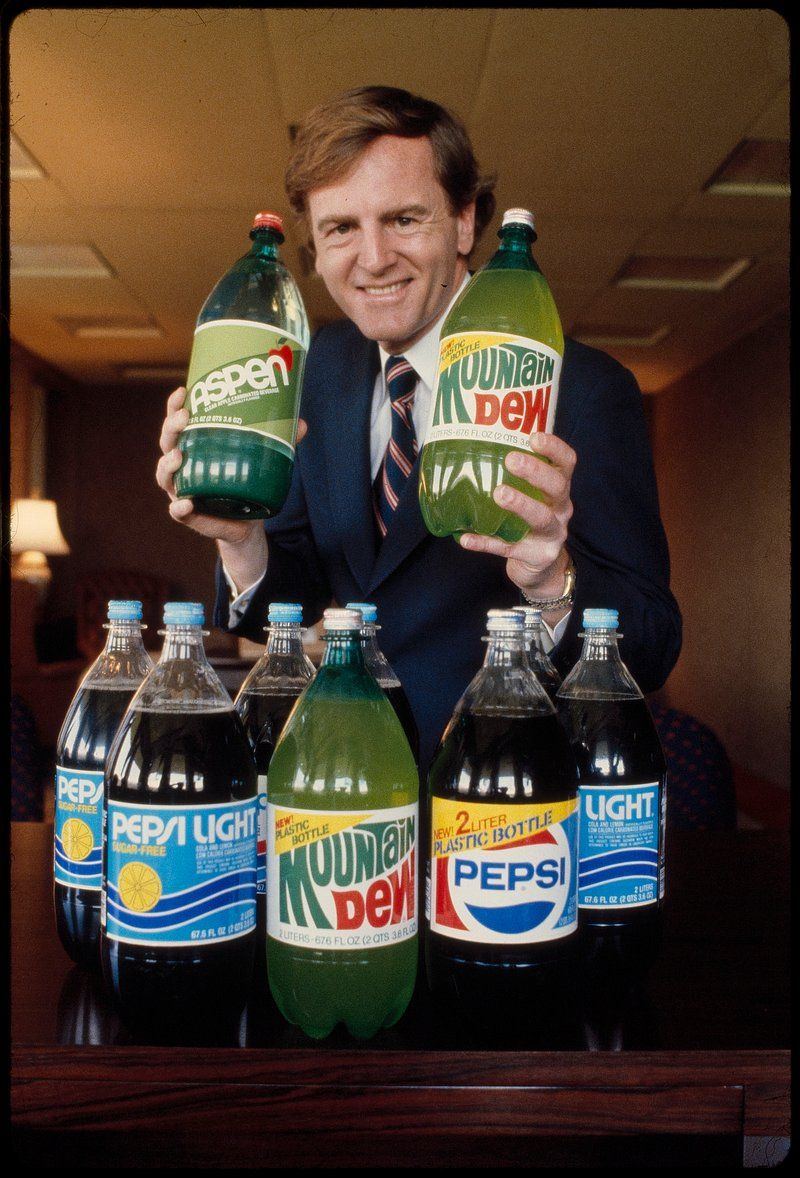
Before artificial sweeteners became controversial, cyclamate was everywhere. Diet sodas and little pink packets promised guilt-free sweetness to weight-conscious Americans throughout the 1960s and into the early 1970s.
Then came 1970, when the U.S. government pulled the plug. Laboratory studies suggested cyclamate might cause bladder cancer in rats, sparking immediate concern. The Food and Drug Administration acted swiftly, banning its use in all food and beverages.
This decision marked a turning point in how we think about artificial ingredients. What seemed like a miracle solution for dieters suddenly became a cautionary tale. Today, cyclamate remains banned in the United States, though some countries still permit its use in limited quantities.
Wild Beluga Caviar

Fancy dinner parties in the 1970s often featured this luxurious delicacy. Wild Beluga sturgeon caviar represented the height of culinary sophistication, with its large, delicate eggs commanding astronomical prices. Wealthy hosts served it to impress their guests.
Overfishing brought these ancient fish to the brink of extinction. By 2005, the U.S. government banned imports of wild-caught Beluga caviar to protect remaining sturgeon populations. Conservation became more important than culinary tradition.
Today, only farm-raised varieties are legal, and they lack the prestige of the original. This ban represents a broader shift in food policy, where environmental sustainability joins health concerns as a reason to restrict certain products from our plates.
Foie Gras
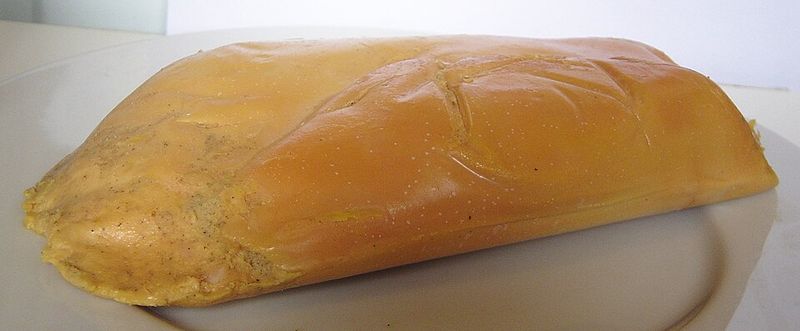
French restaurants across America served foie gras without controversy during the disco decade. This fatty duck or goose liver delicacy was simply considered sophisticated cuisine, appearing on menus at upscale establishments. Nobody questioned the production methods back then.
Animal welfare advocates eventually exposed how foie gras is made. Ducks and geese are force-fed through tubes to enlarge their livers unnaturally, causing distress and health problems for the birds. Public opinion shifted dramatically.
California banned its production and sale, with other states considering similar restrictions. While not federally prohibited, the growing movement against foie gras shows how ethical concerns now shape food regulations alongside health and safety issues in modern America.
Authentic Haggis
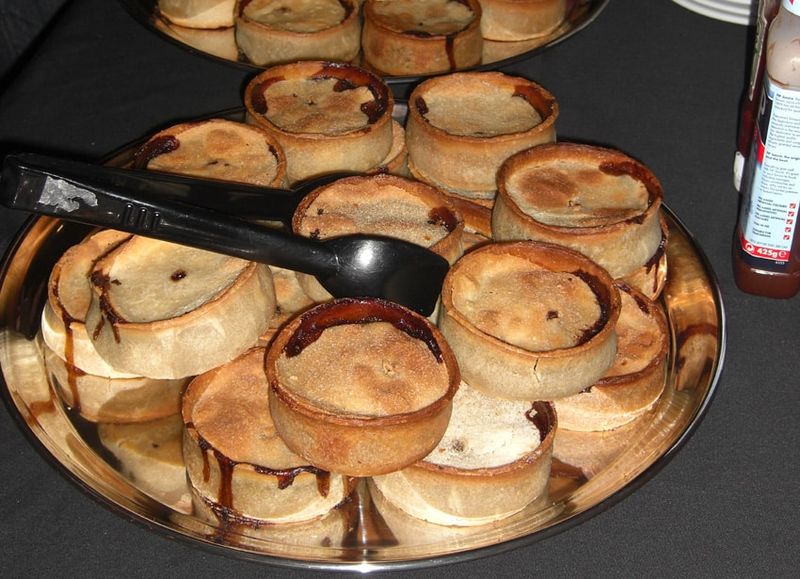
Scottish immigrants brought their beloved haggis recipe to America, complete with sheep heart, liver, and lungs mixed with oatmeal and spices. This traditional dish connected them to their heritage and appeared at cultural celebrations throughout the 1970s. Authenticity mattered deeply.
American regulators had different ideas about what belonged in food. The U.S. banned livestock lungs from being used in any food products, citing concerns about bacterial contamination and potential disease transmission. Traditional haggis became illegal.
Modern American versions skip the lungs entirely, creating a fundamentally different dish. Scottish purists argue it’s not real haggis without all the original ingredients, but U.S. law won’t budge on this peculiar prohibition.
Commercial Redfish

Gulf Coast restaurants featured redfish prominently on their menus during the 1970s. Red drum, as it’s officially called, was plentiful, affordable, and delicious when blackened or grilled. Coastal communities built part of their culinary identity around this accessible fish.
Then came the blackened redfish craze of the 1980s, which devastated populations. Commercial fishing operations couldn’t resist the demand, harvesting far more than the species could sustain. Numbers plummeted alarmingly.
The federal government banned commercial redfish fishing in the Gulf of Mexico in 1986. Many states added their own strict limits or complete prohibitions. What was once a common menu item became a protected species, teaching Americans that even abundant resources need careful management.
Raw Unpasteurized Milk
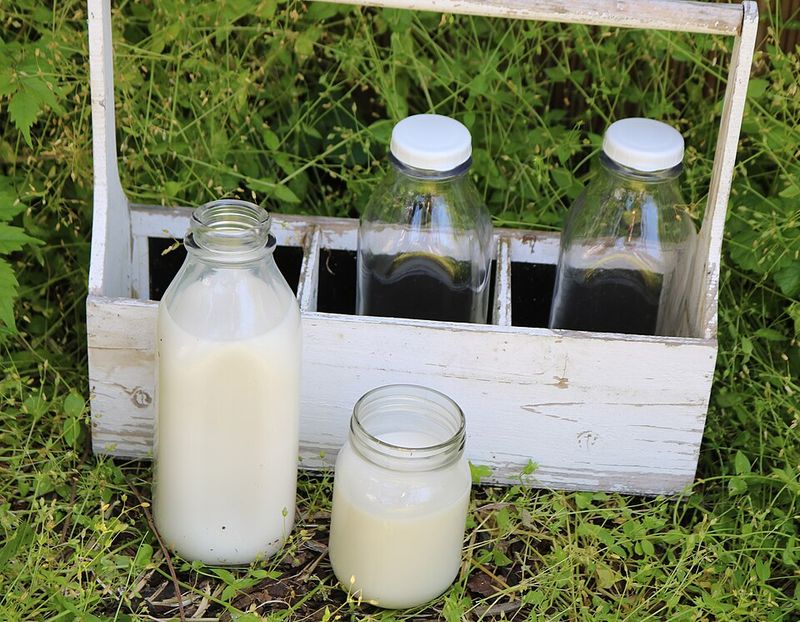
Farm-fresh milk straight from the cow was widely available in many states during the 1970s. Advocates praised its natural taste and claimed health benefits, arguing that pasteurization destroyed beneficial enzymes and nutrients. Local dairies sold it directly to customers without restriction.
Health officials grew increasingly concerned about dangerous pathogens. Raw milk can harbor Listeria, E. coli, and Salmonella, causing serious illness or death, especially in children and elderly people. Outbreaks convinced regulators to act.
The federal government banned interstate sales of unpasteurized milk in 1987. Some states still allow limited intrastate sales, but the widespread access of the 1970s has vanished. Safety won out over nostalgia for “natural” dairy products.
Brominated Vegetable Oil
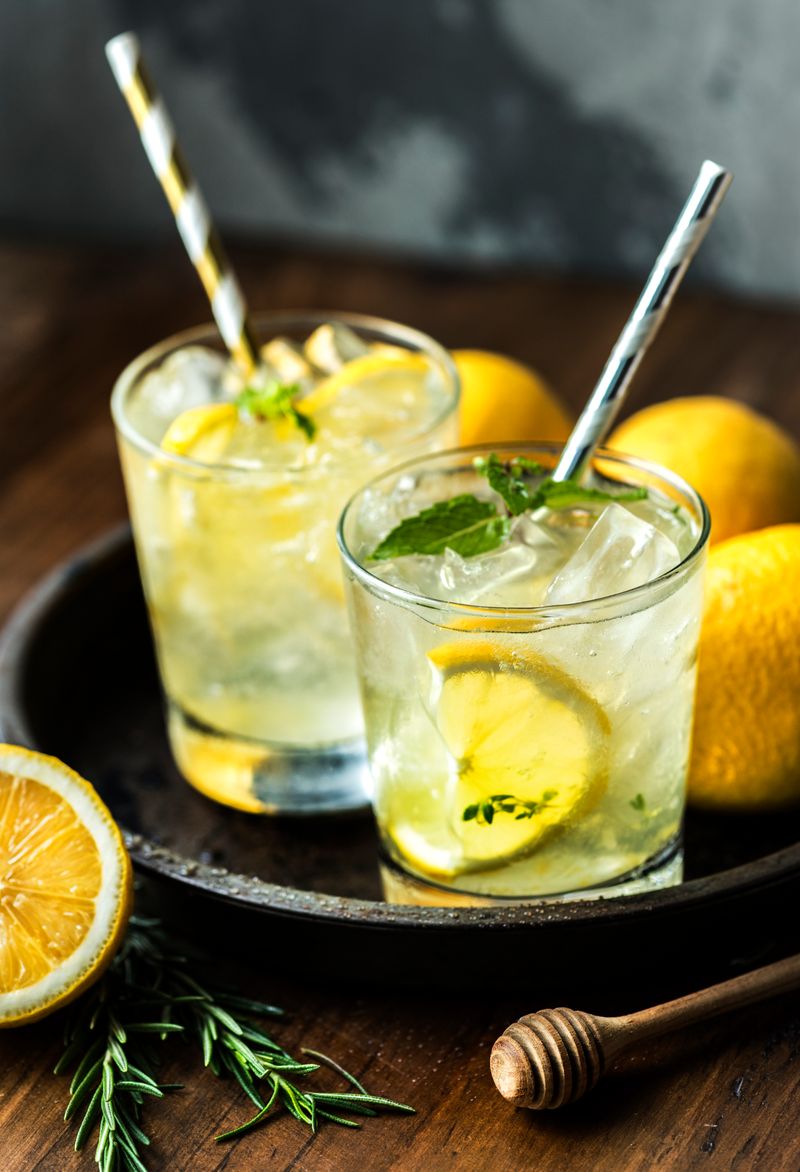
Orange and citrus sodas relied on brominated vegetable oil to keep flavoring evenly distributed throughout the drink. BVO prevented that unappetizing separation you’d see in poorly mixed beverages. Soda companies considered it essential for product quality during the groovy era.
Scientists eventually discovered BVO accumulates in body tissues over time. Studies linked it to neurological problems, skin issues, and other health concerns. Several countries banned it decades ago, but America moved slowly on the issue.
Major beverage companies voluntarily phased it out, and California recently banned BVO in food starting in 2027. A full federal prohibition followed soon after. What seemed harmless in the 1970s is now recognized as an unnecessary risk in our fizzy drinks.
Share this story